


Secondary sourcePaintingcirca late 19th century
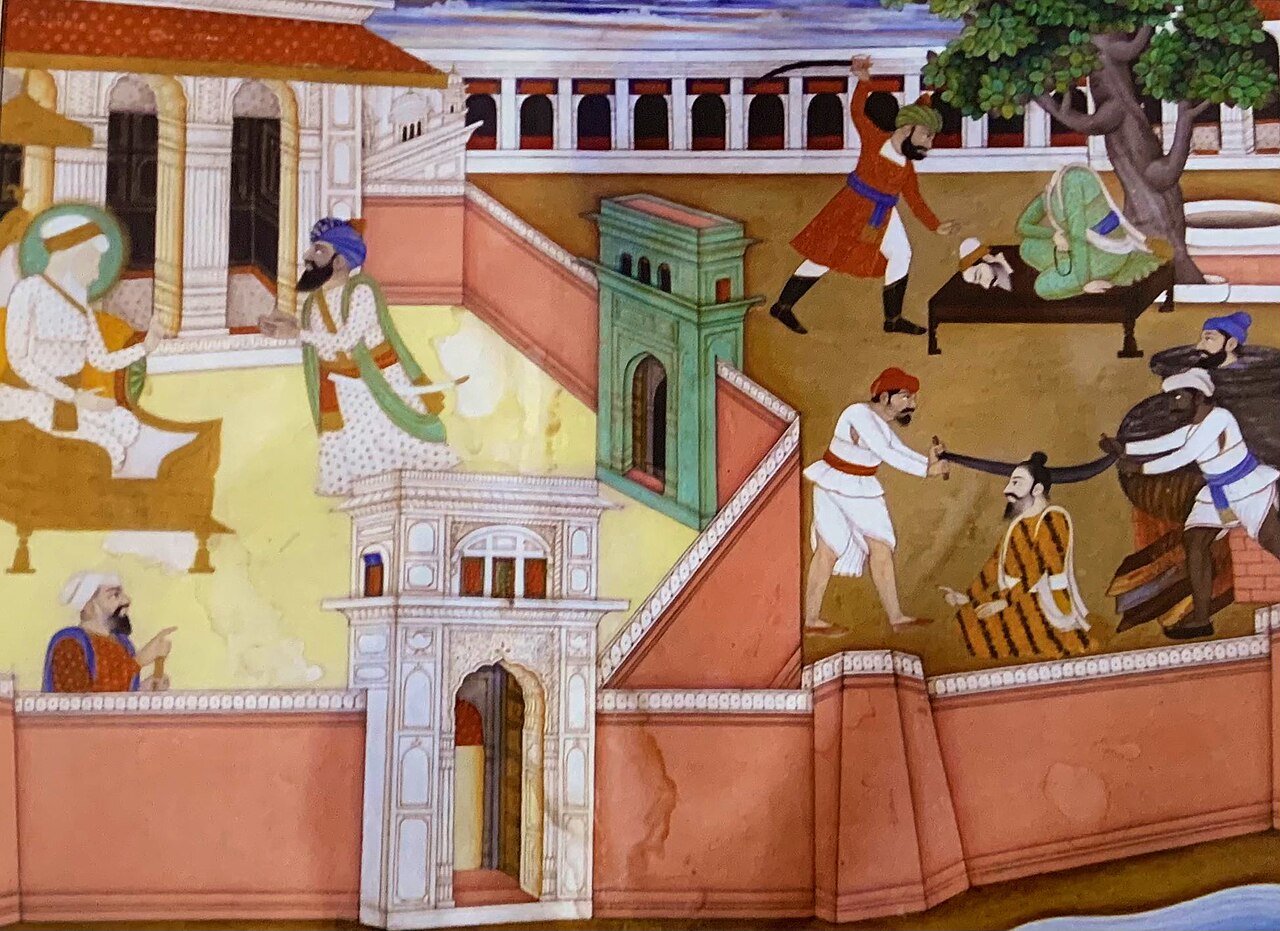
Aurangzeb receives news of Guru Tegh Bahadur's execution
Basahatullah (Basharat Ullah) · circa late 19th century
A 19th-century court painting by Basahatullah, a painter at the court of the Maharaja of Nabha, showing Aurangzeb receiving news of the Guru's execution in Delhi. It is an imagined scene, not an eyewitness record.
Shows Aurangzeb on his throne receiving news of an execution, a later imagined scene that presents him as responsible for the Guru's death.
About this source
What it is
This painting by Basahatullah, also written Basharat Ullah, was commissioned by the ruler of Nabha. The catalogue dates it to the late 19th century. It is a multi-scene court narrative. On the left, a turbaned ruler sits on a throne in a white-columned palace while a courtier gestures. In the centre, a red-robed executioner raises a sword over a figure on a wooden platform beneath a tree. On the right, men restrain a seated, bearded prisoner. The record describes the scene as the martyrdom of Guru Tegh Bahadur and his companions, Bhai Mati Das and Bhai Dayala Das, at Delhi's Chandni Chowk.
Why it matters
The painting shows how Sikh tradition later remembered the execution of Guru Tegh Bahadur and placed the responsibility on Aurangzeb. Its catalogue notes that it is a later imagined scene, so it reveals the views of the painter and patron as much as the events of 1675. Students should compare it with other accounts before drawing conclusions.
Look closer
- Who is shown in power, and how does the painter arrange the scenes to show the moral story?
- Why might a ruler who commissioned a painting want it to show a historical martyrdom?
- What sources would you need to check to find out what really happened?
This painting is part of the curated material that grounds the AI version of Aurangzeb on Humy.ai — when students ask about related events, the AI can quote it and cite it.
More Aurangzeb sources
Meet the AI Aurangzeb →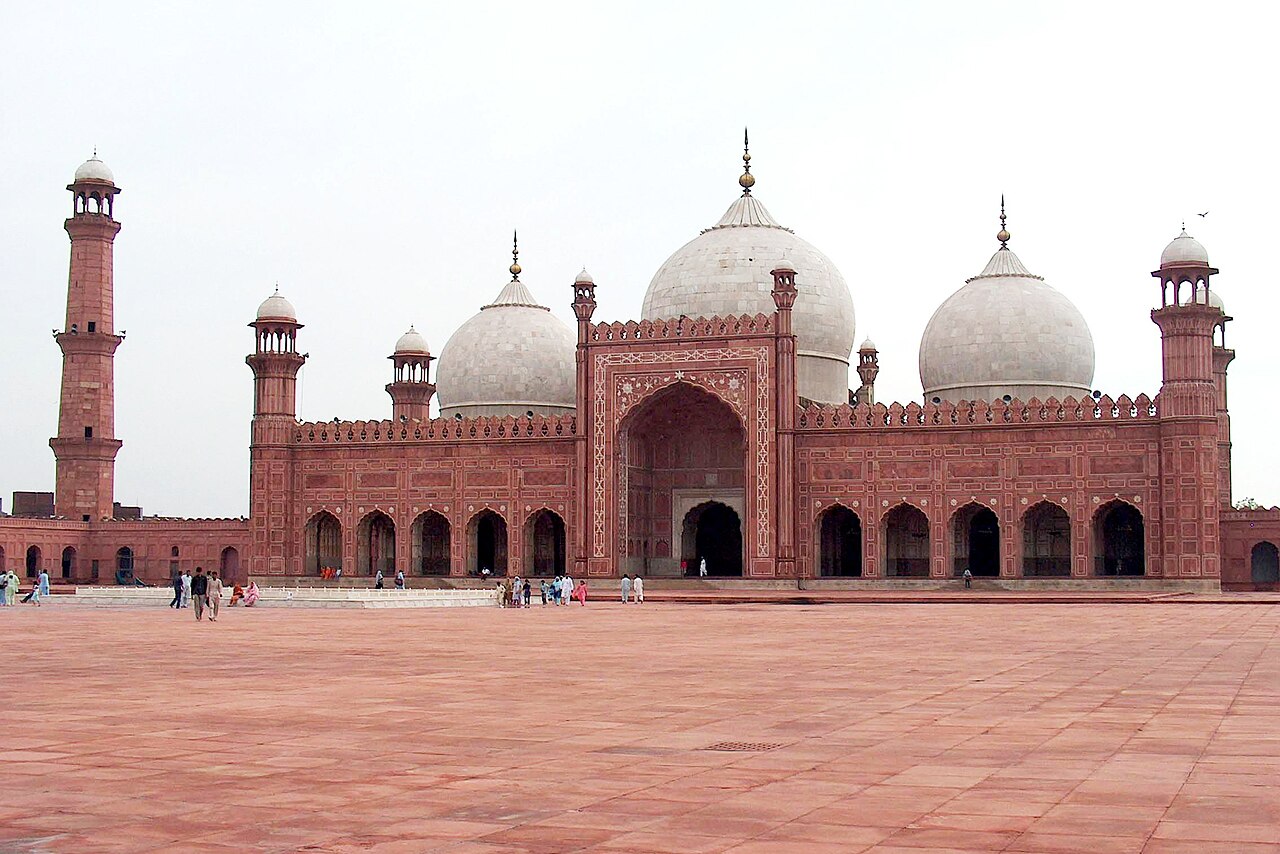 Artifact
Primary source
Badshahi Mosque
1671–1673
 Document
Primary source
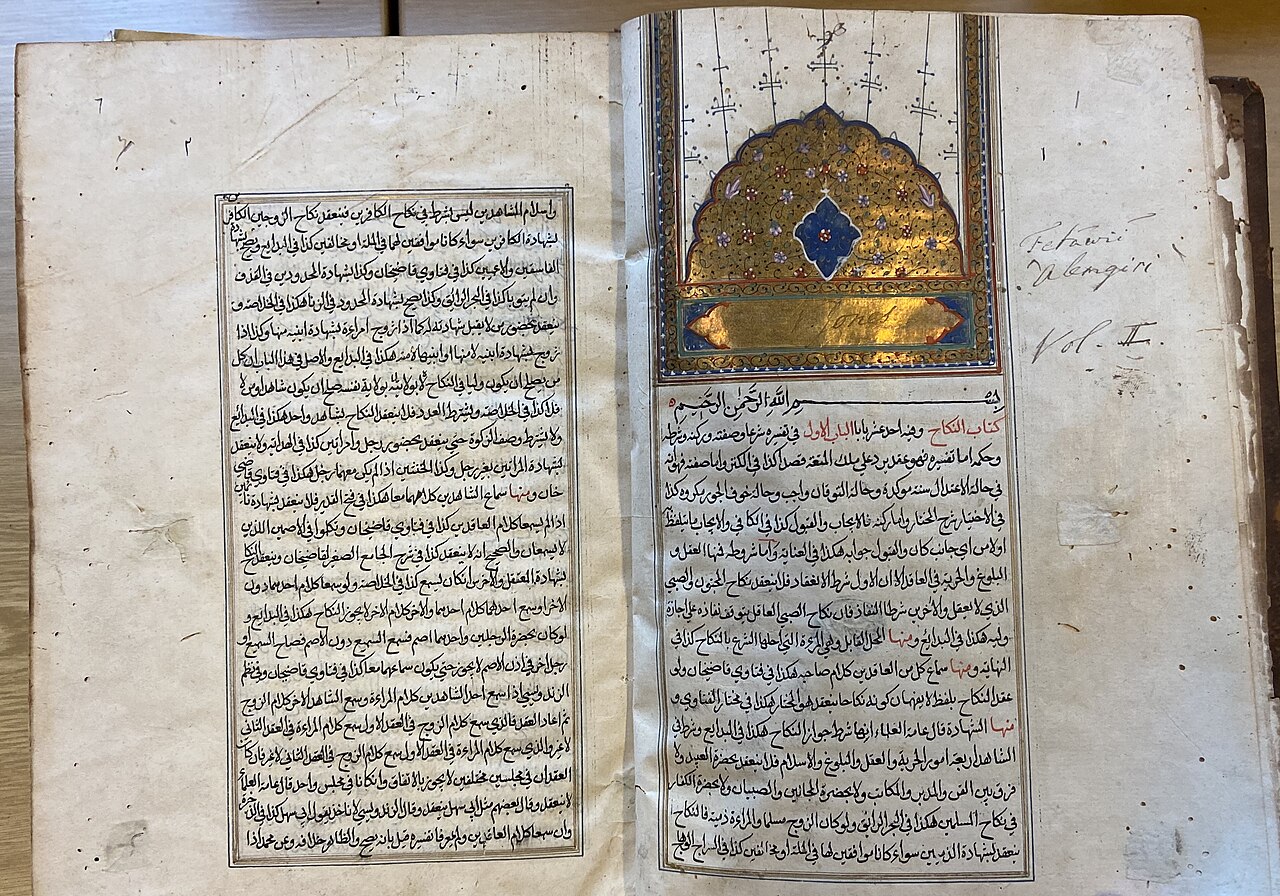
Fatawa-i Alamgiri Manuscript
17th century (this copy later recopied)
 Book
Secondary source
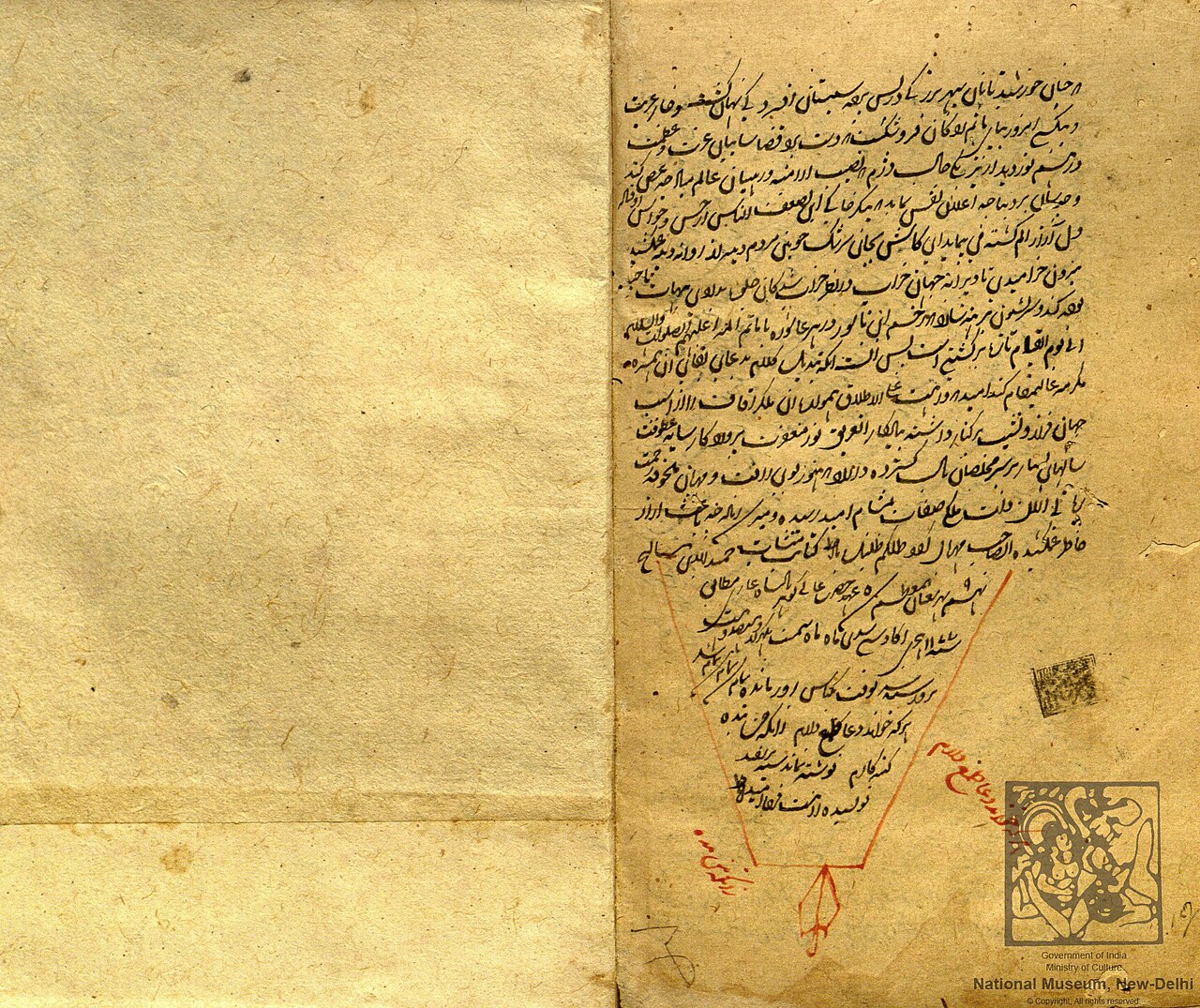
Maasir-i-Alamgiri
Saqi Musta'id Khan · c. 1710 (this copy 1763-1764)
Primary source
Ruka'at-i-Alamgiri
Aurangzeb · 17th century
 Letter
Primary source
Zafarnamah
Guru Gobind Singh · 1705
Ready when you are
Start chatting with Aurangzeb now.
20 messages free · No credit card · Available in 50+ languages.