


Secondary sourceBook1675 (printed 1676)
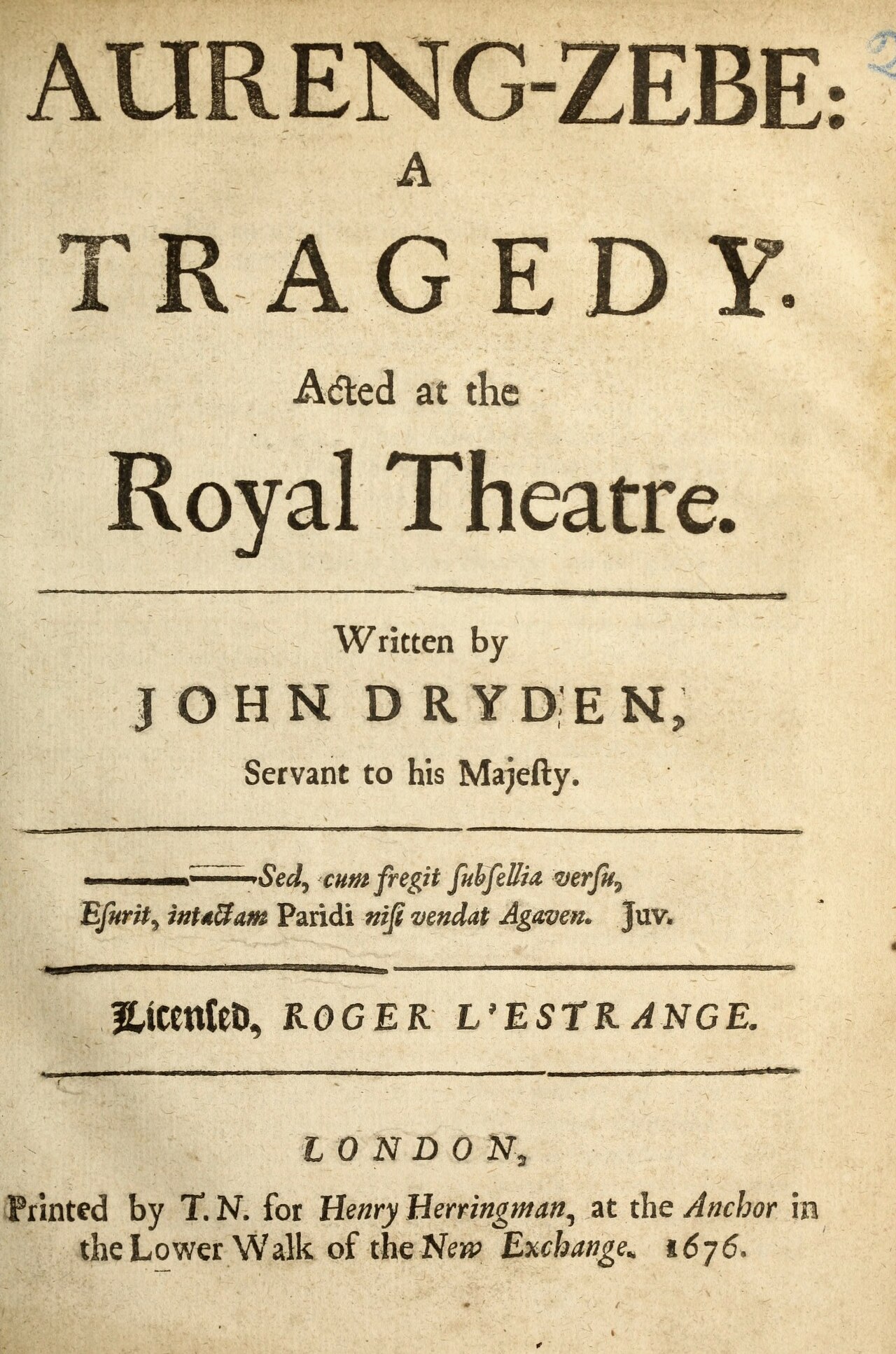
Aureng-zebe
John Dryden · 1675 (printed 1676)
A 1675 English heroic tragedy by John Dryden, loosely based on Aurangzeb, his brother Murad Baksh, and their father Shah Jahan.
A European dramatist's imagined version of Aurangzeb, written while he still reigned, showing his fame abroad.
About this source
What it is
Aureng-zebe is a rhymed tragedy written by the English poet John Dryden in 1675, during the Restoration period in England. It loosely dramatises the Mughal war of succession, featuring characters based on Aurangzeb, his brother Murad Baksh, and their father Shah Jahan. It was first performed by the King's Company and is considered Dryden's finest work in rhymed verse.
Why it matters
This play shows how news of Aurangzeb's rise to power and the bloody succession struggle travelled quickly to Europe and was reshaped into popular entertainment. It reveals how English audiences imagined a distant, powerful empire, often through secondhand and unreliable accounts like that of the traveller Bernier, rather than firsthand knowledge.
Look closer
- Why might an English playwright in the 1670s be interested in a Mughal succession war?
- How might fictionalising real historical figures change how audiences understood them?
- What does the existence of this play suggest about contact between Europe and Mughal India at the time?
This book is part of the curated material that grounds the AI version of Aurangzeb on Humy.ai — when students ask about related events, the AI can quote it and cite it.
More Aurangzeb sources
Meet the AI Aurangzeb → Artifact
Primary source
Badshahi Mosque
1671–1673
 Document
Primary source
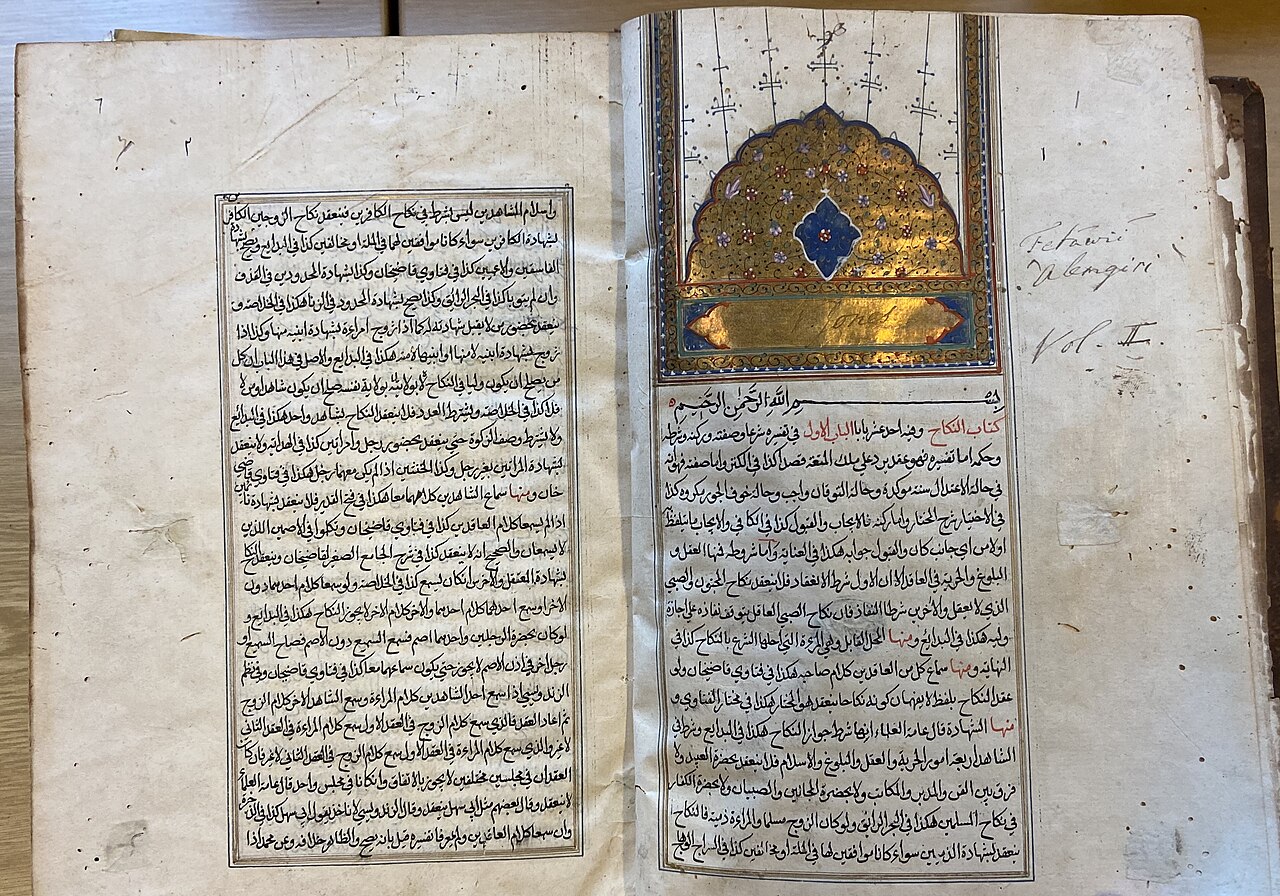
Fatawa-i Alamgiri Manuscript
17th century (this copy later recopied)
 Book
Secondary source
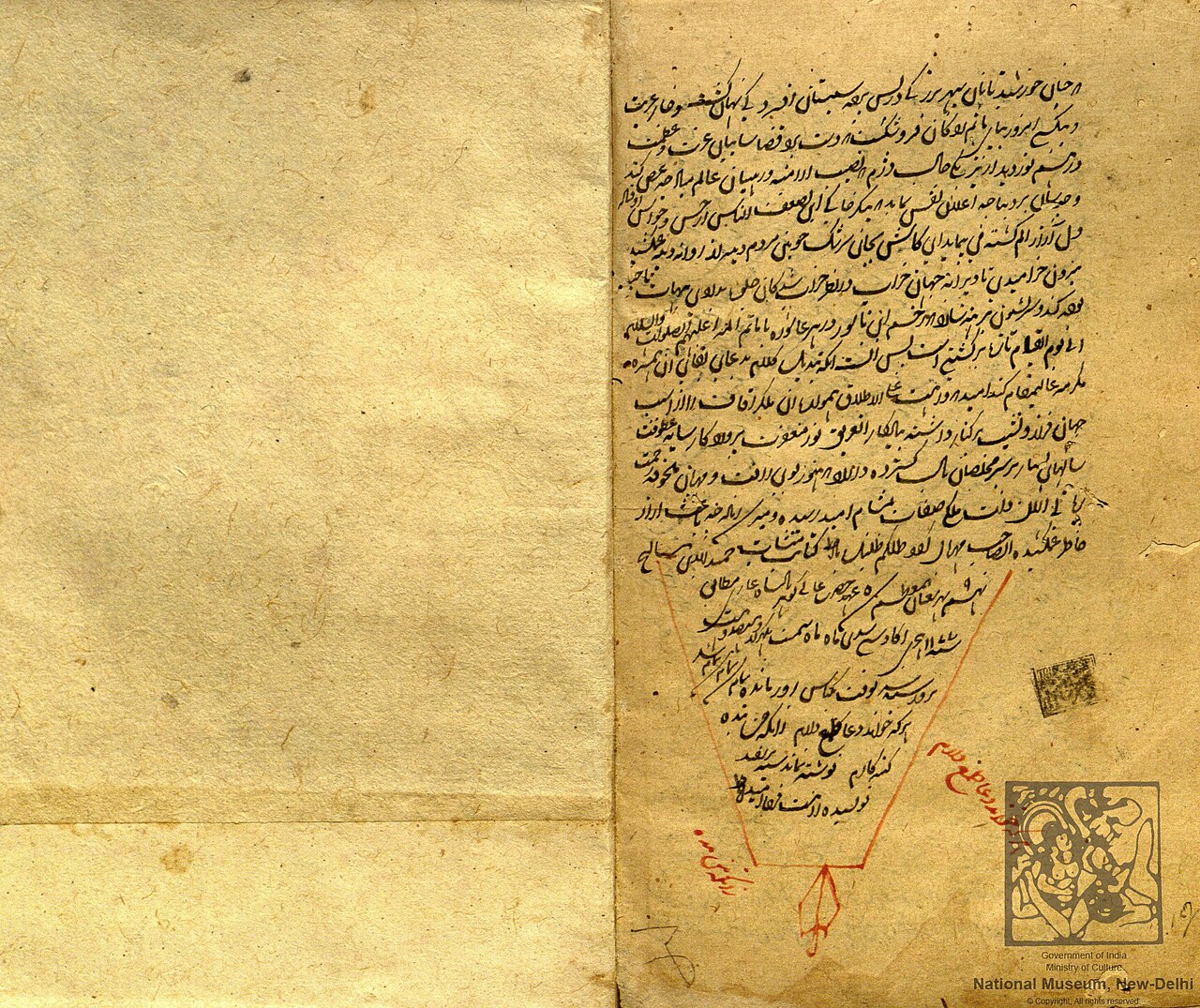
Maasir-i-Alamgiri
Saqi Musta'id Khan · c. 1710 (this copy 1763-1764)
Primary source
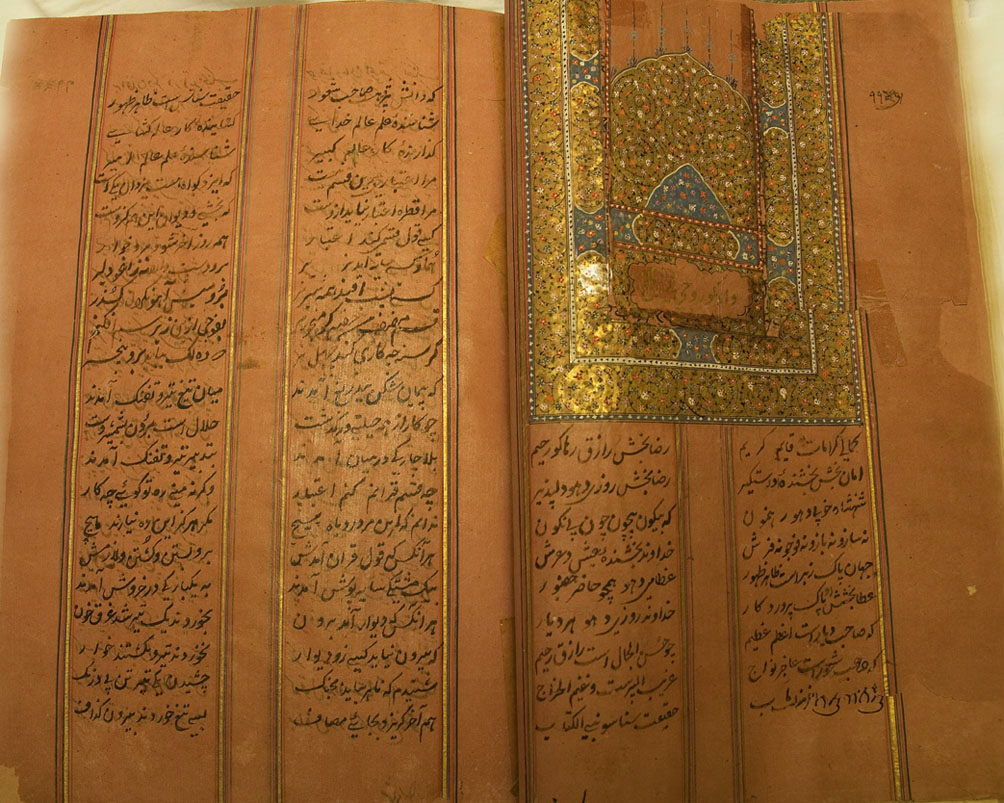
Ruka'at-i-Alamgiri
Aurangzeb · 17th century
 Letter
Primary source
Zafarnamah
Guru Gobind Singh · 1705
Ready when you are
Start chatting with Aurangzeb now.
20 messages free · No credit card · Available in 50+ languages.