


Primary sourceArtifact1176 CE
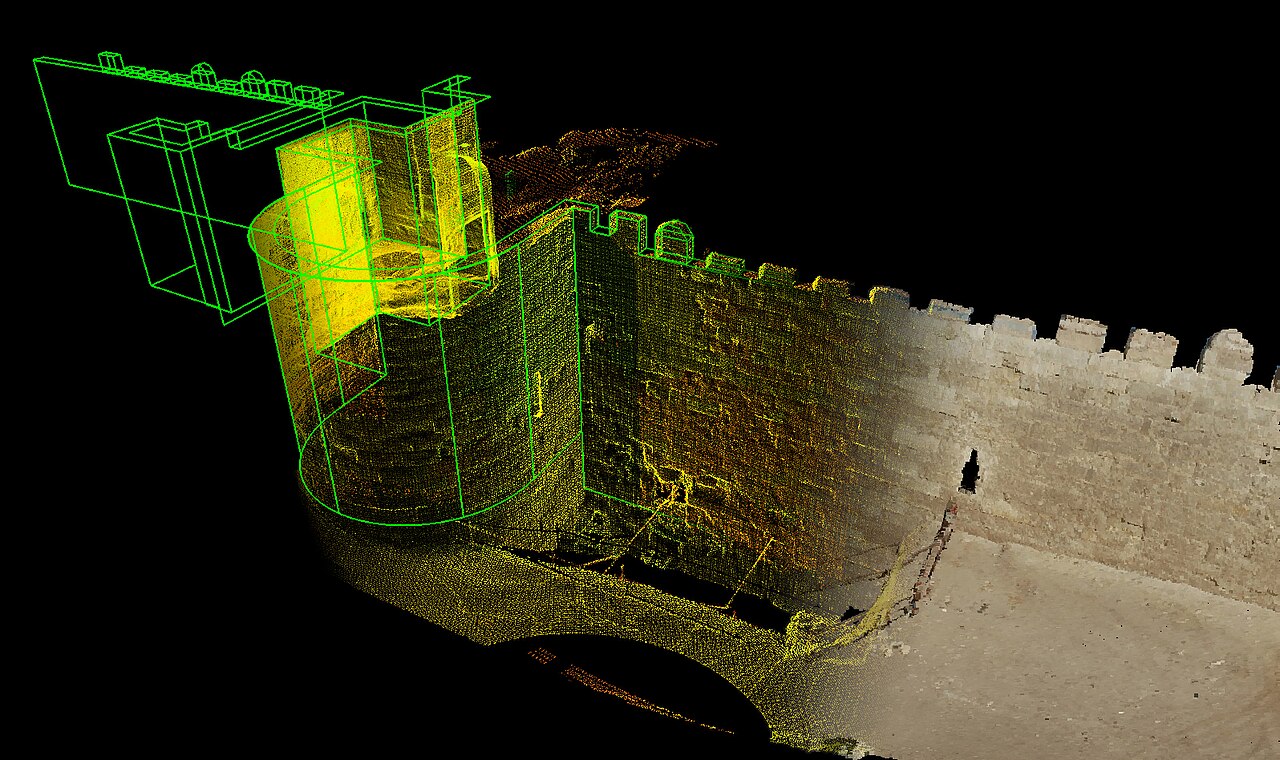
Ayyubid Wall of Cairo
1176 CE
A section of the stone city walls Saladin built to fortify Cairo and Fustat together, now preserved near al-Azhar Park.
Saladin commissioned these fortifications to unite and defend Cairo and Fustat as a single city.
About this source
What it is
This is a 3D laser-scan model of a surviving section of the Ayyubid wall in Cairo, built of stone under Saladin in 1176 CE. Long hidden under a rubbish heap, the wall was rediscovered near the newly built al-Azhar Park. It includes the Bab al-Barqiyya, a fortified gate with an unusual interlocking design.
Why it matters
The wall shows Saladin's plan to unite the existing Fatimid city of Cairo with its suburbs, including Fustat, into a single fortified system. Its design, imported from Syria, reveals the skill of Ayyubid military engineers and Saladin's concern with defending Egypt as a base of power.
Look closer
- Why might a ruler want to enclose separate settlements inside one wall?
- What does the unusual design of the gate suggest about the engineers who built it?
- How does a modern laser scan help us study a structure that was buried for centuries?
This artifact is part of the curated material that grounds the AI version of Saladin on Humy.ai — when students ask about related events, the AI can quote it and cite it.
More Saladin sources
Meet the AI Saladin →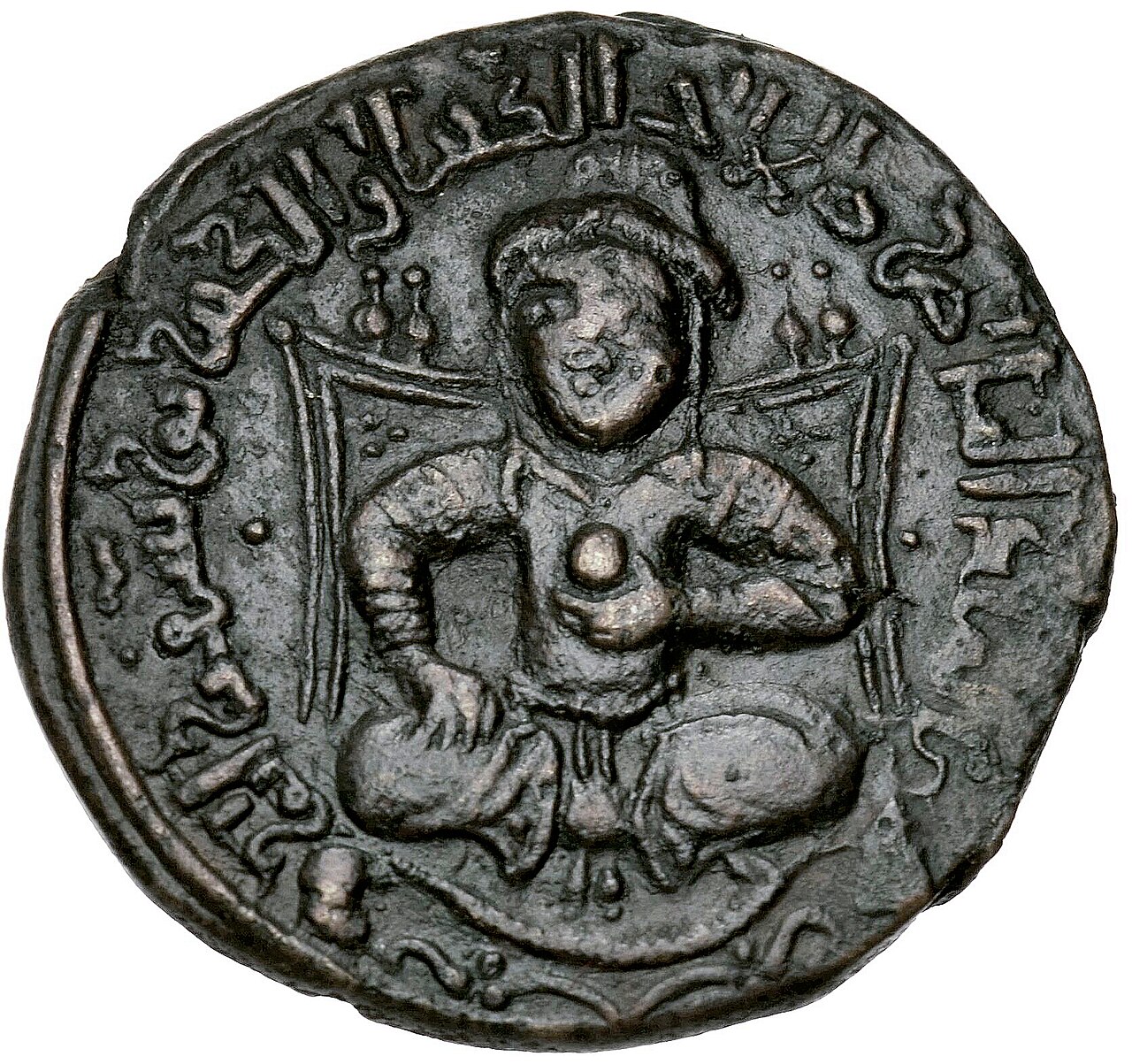 Artifact
Primary source
Dirham of Saladin
AH 586 (AD 1190-91)
 Painting
Secondary source
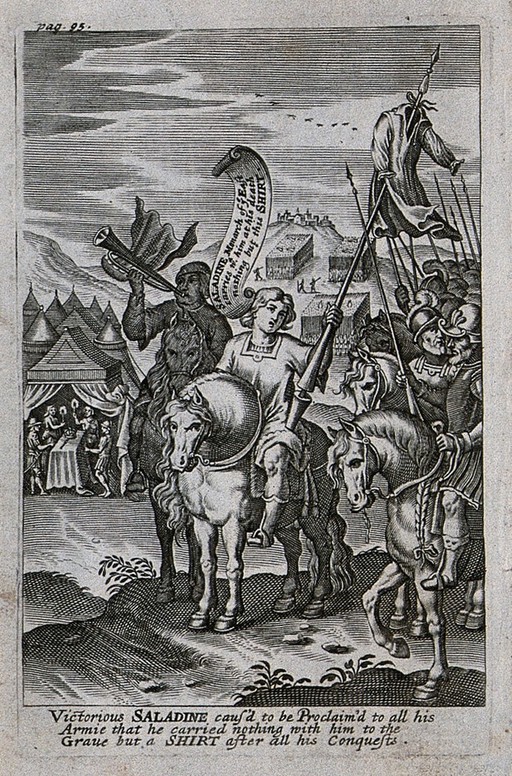
Saladin Proclaims He Will Take Only a Shirt to His Grave
John Payne · 1639
 Artifact
Primary source
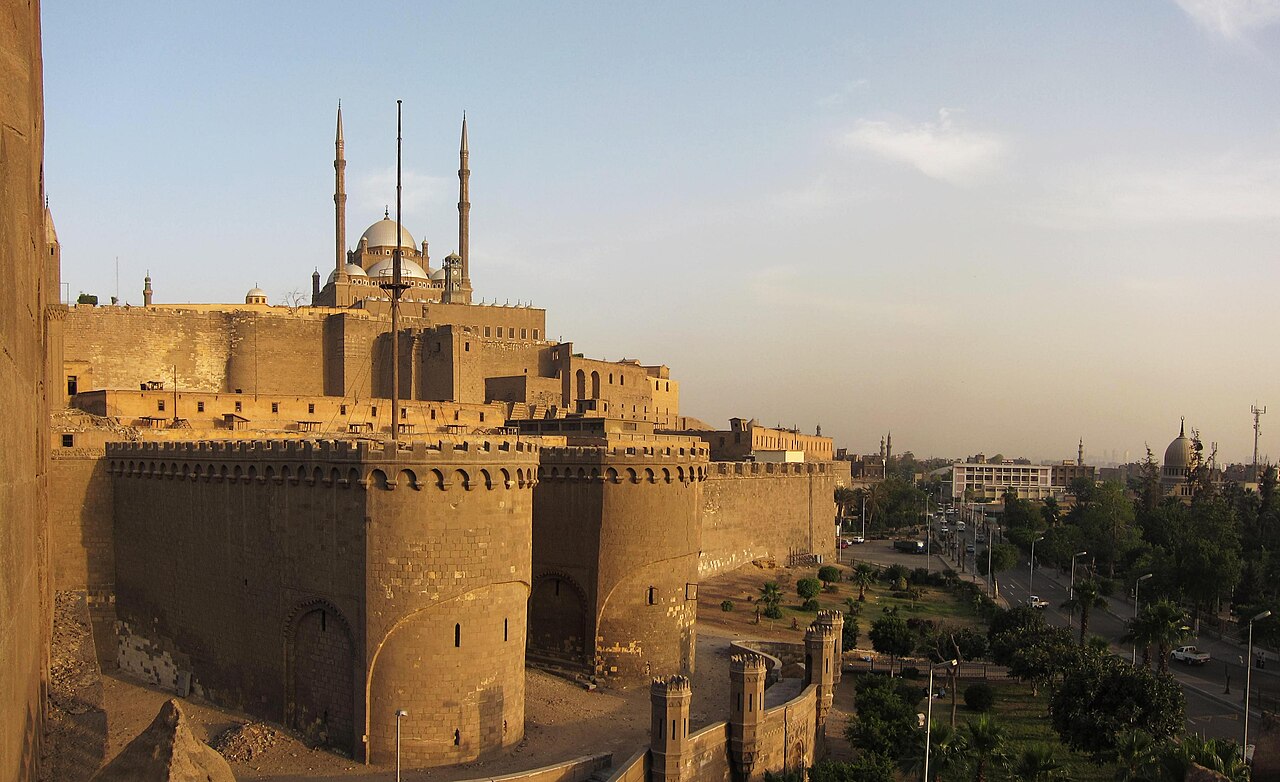
Cairo Citadel
Saladin · begun 1176
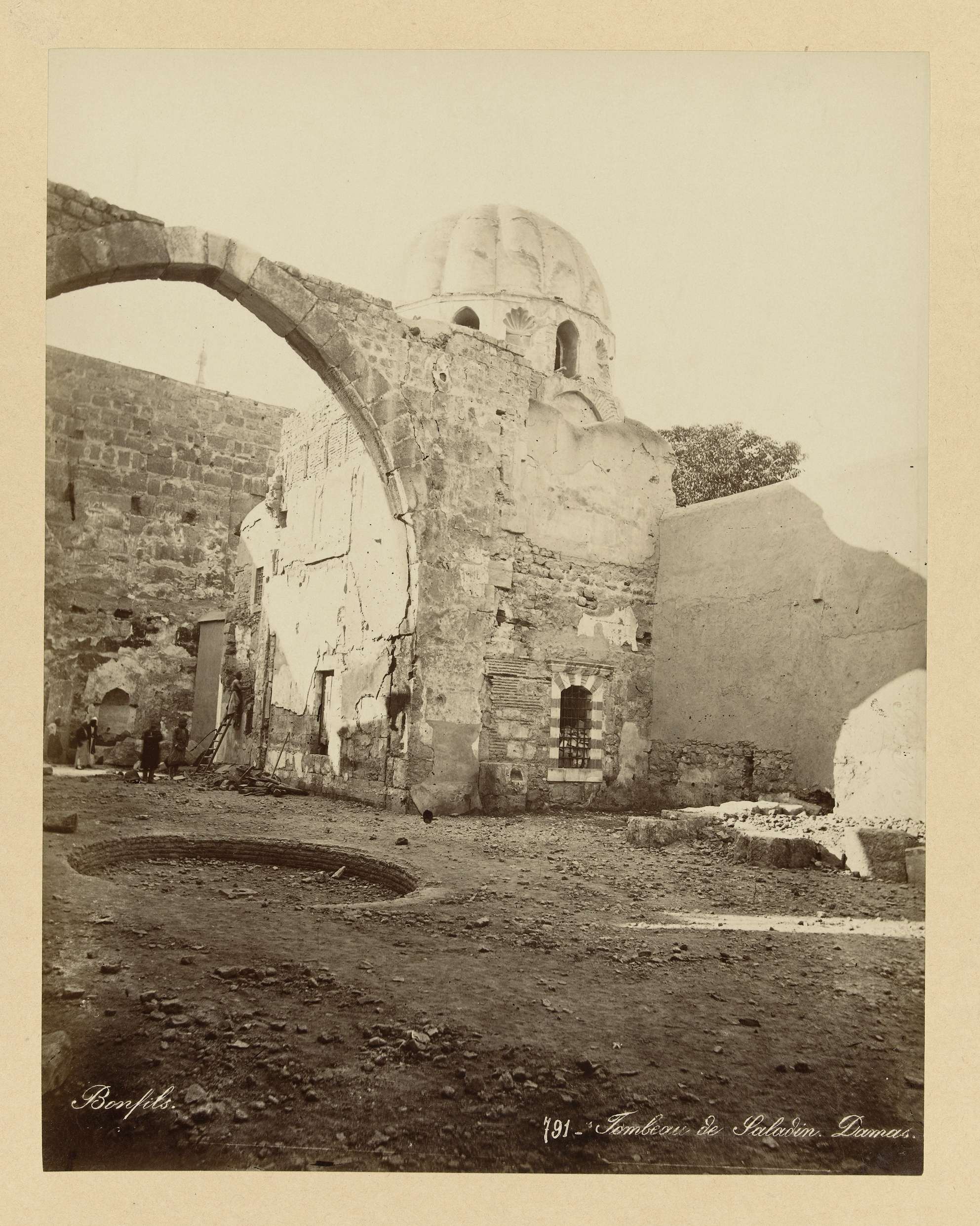 Photograph
Secondary source
Tomb of Saladin, Damascus
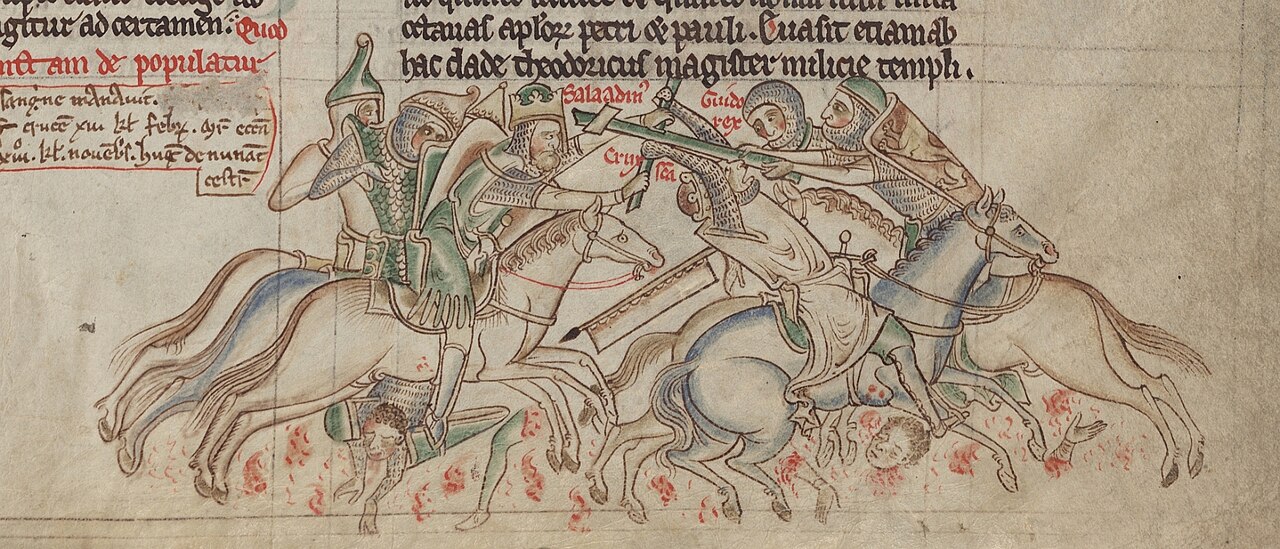 Painting
Secondary source
Saladin Seizing the True Cross from Guy of Lusignan
Matthew Paris
Ready when you are
Start chatting with Saladin now.
20 messages free · No credit card · Available in 50+ languages.