


Secondary sourcePhotograph1906
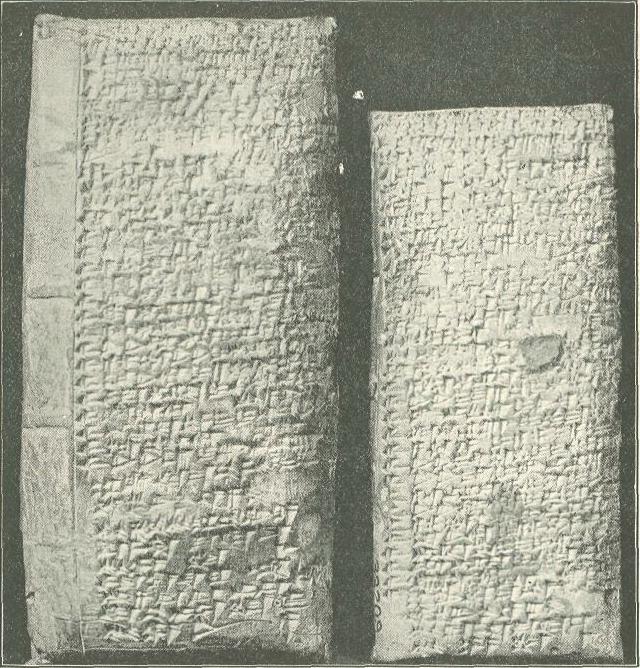
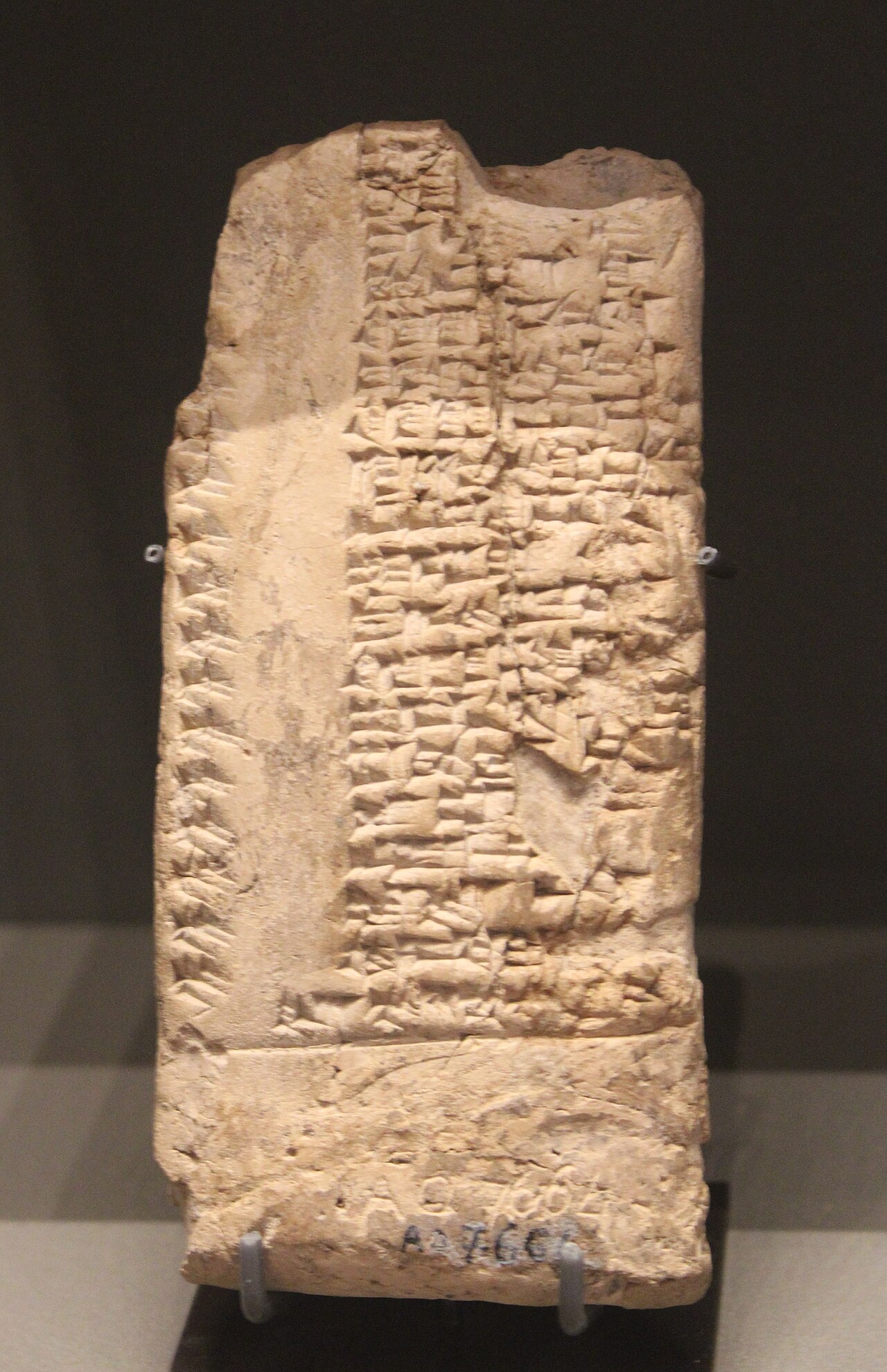
Babylonian Contract Tablet from Hammurabi's Reign
Messrs. Mansell & Co. · 1906
A 1906 photograph of a clay tablet and its protective case recording a property division deed, inscribed during Hammurabi's reign.
This tablet was inscribed during Hammurabi's reign, showing his laws being applied in a real property dispute.
About this source
What it is
This 1906 photograph shows two cuneiform clay objects: a tablet recording a deed that divided property, and the hollow clay case that originally enclosed it. The tablet is described as being inscribed during the reign of King Hammurabi of Babylon.
Why it matters
Legal documents like this contract show how Babylonian law, the kind codified in Hammurabi's famous stele, was actually used in daily life to record property and settle disputes. The protective clay case also shows how important documents were kept safe and sealed in ancient Mesopotamia.
Look closer
- Why might someone enclose a tablet inside another clay case rather than leaving it loose?
- What does this deed suggest about how ordinary people used written law in Hammurabi's kingdom?
- What is missing from a photograph like this that a translation of the text could tell us?
This photograph is part of the curated material that grounds the AI version of Hammurabi on Humy.ai — when students ask about related events, the AI can quote it and cite it.
More Hammurabi sources
Meet the AI Hammurabi →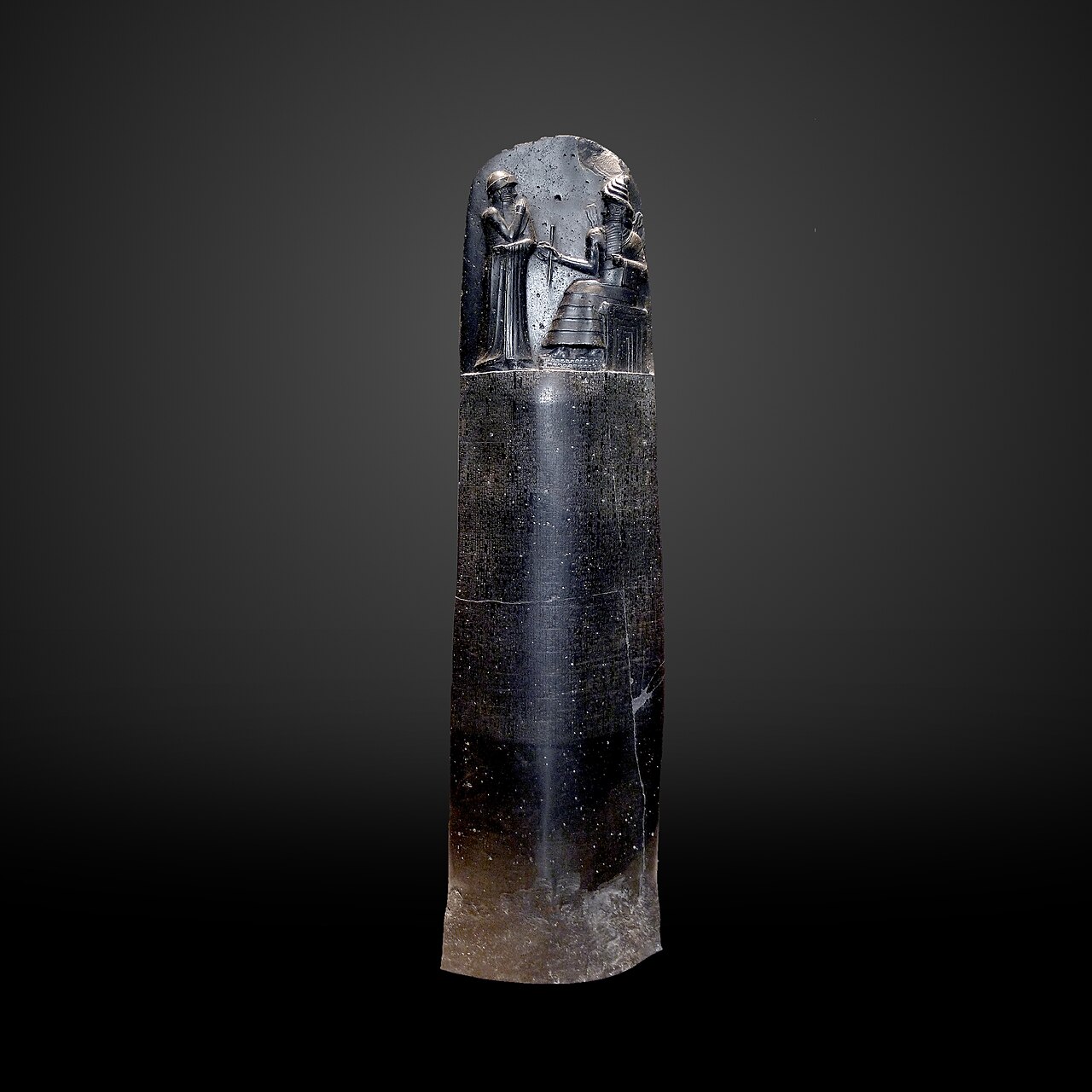 Document
Primary source
Code of Hammurabi
Hammurabi · c. 1753 BCE
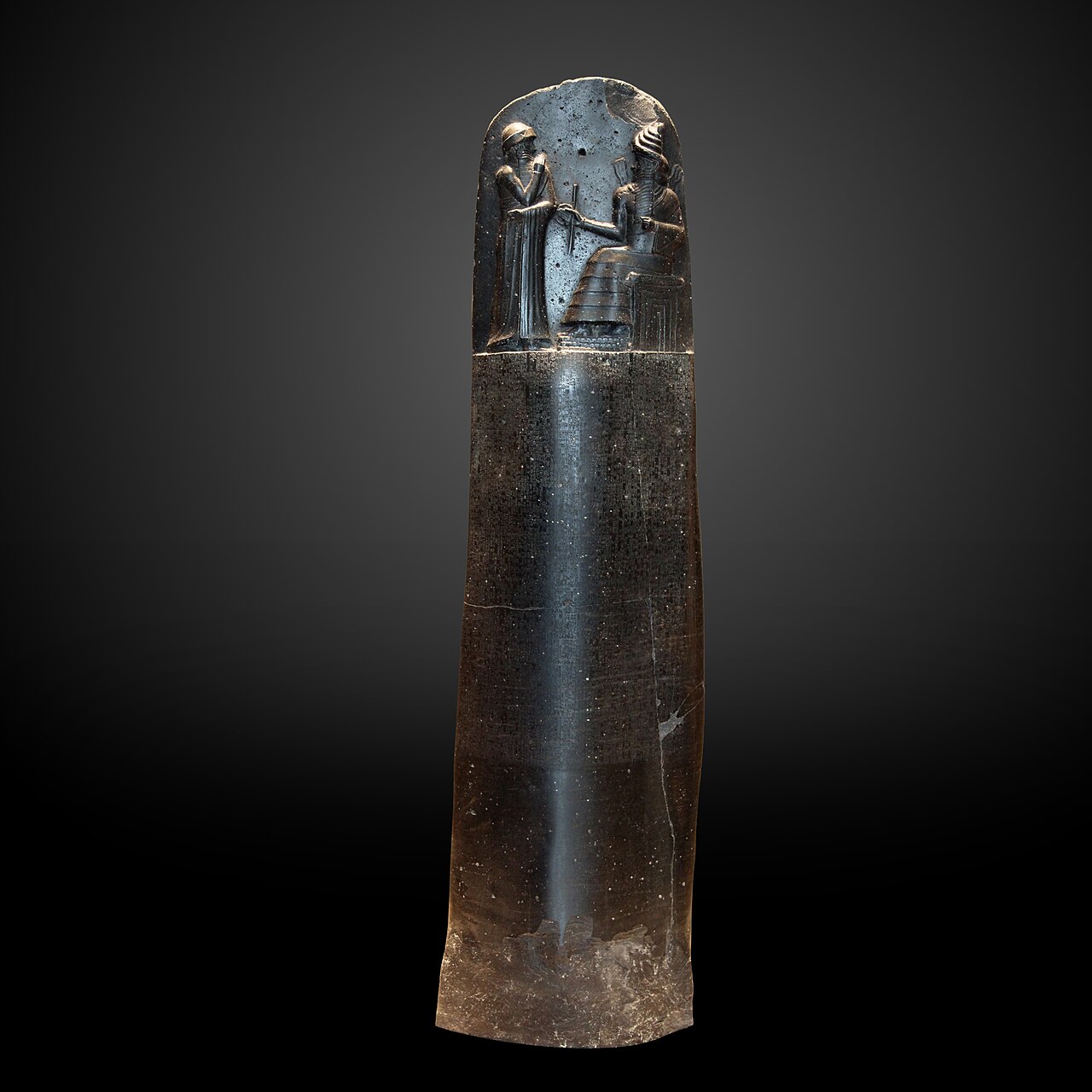 Sculpture
Primary source
Stele with the Code of Hammurabi
Hammurabi · c. 1792 BCE
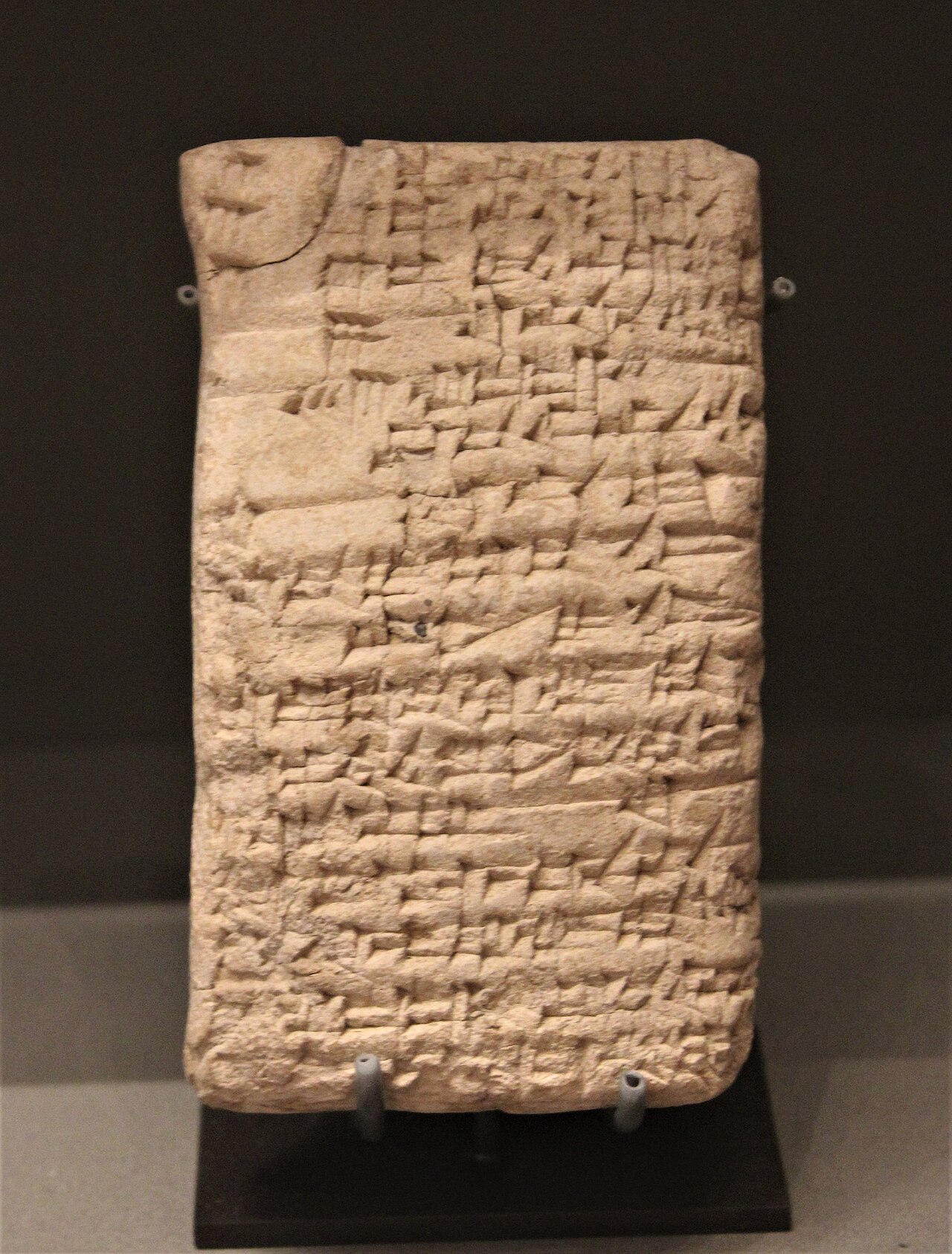 Letter
Primary source
Letter from Hammurabi to Sîn-iddinam
Hammurabi · c. 1792-1750 BCE
 Document
Primary source
List of the year-names of Hammurabi's reign
Old Babylonian period, reign of Hammurabi (c. 1792-1750 BCE)
 Document
Secondary source
Chronicle of Early Kings
Babylonian scribes · c. 6th century BCE copy
Ready when you are
Start chatting with Hammurabi now.
20 messages free · No credit card · Available in 50+ languages.