


Primary sourcePainting1640
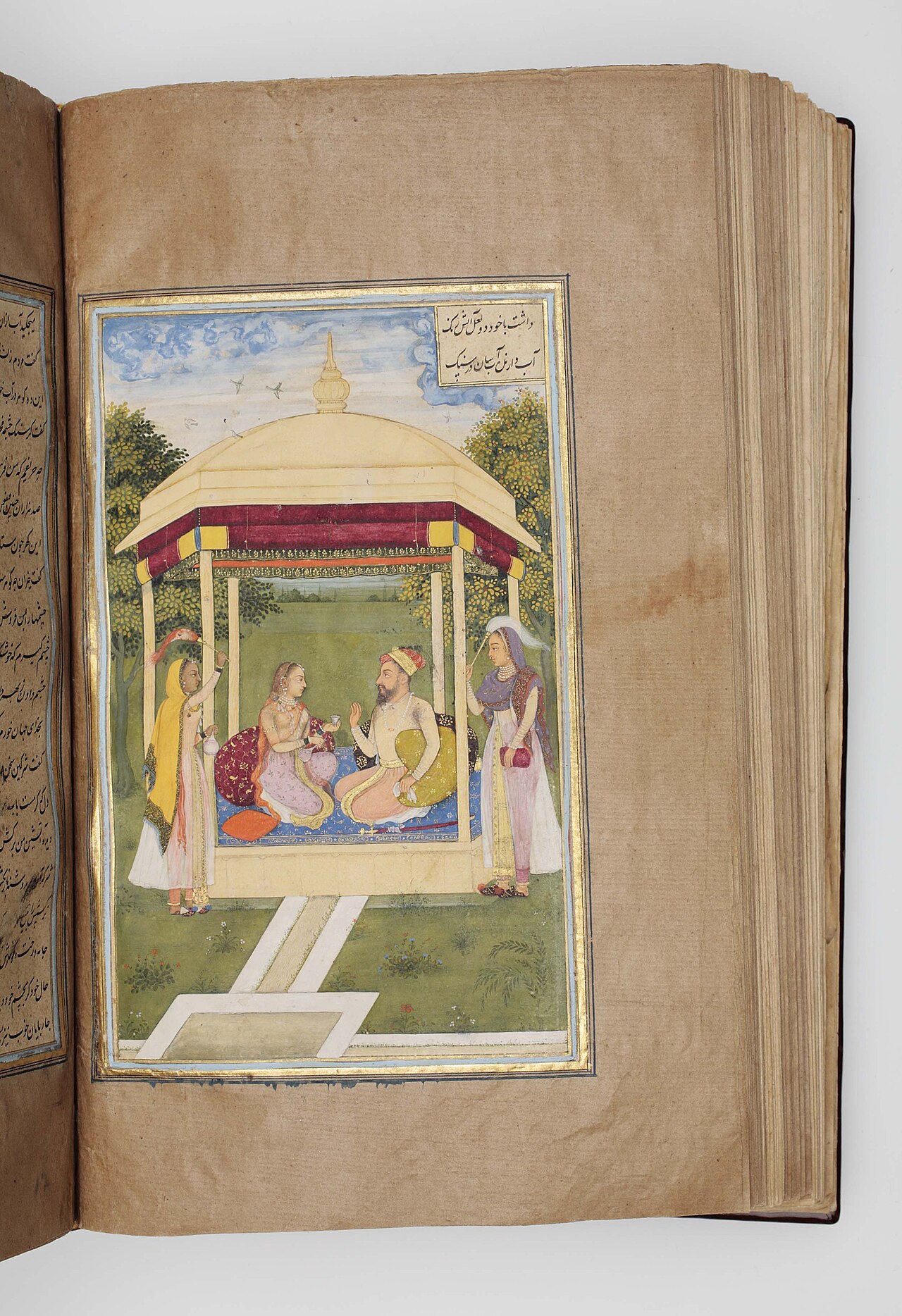
Bahram Gur in the Sandalwood Pavilion
1640
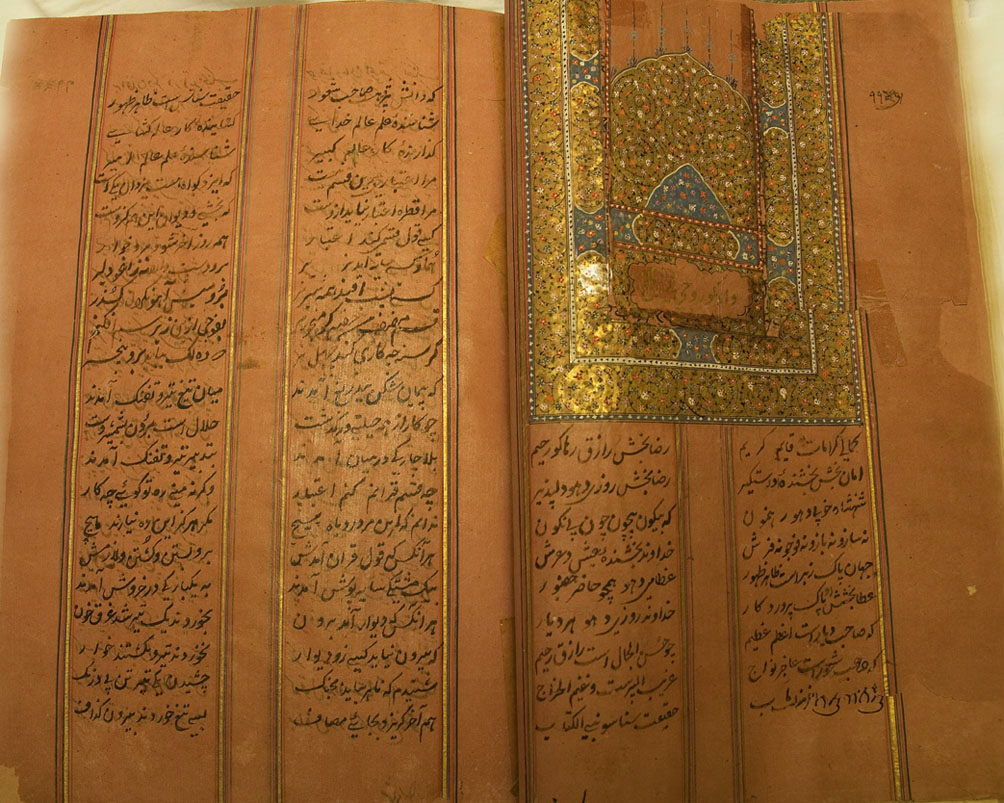
A 1640 miniature from Prince Aurangzeb's own copy of Nizami's Khamsah, casting him in the guise of the legendary king Bahram Gur.
From Aurangzeb's personal manuscript, showing him cast as a legendary king before he became emperor.
About this source
What it is
This manuscript painting, dated 1640, comes from a Khamsah of Nizami made for Prince Aurangzeb. It shows a pavilion scene with a bearded man and a seated woman, illustrating the Persian legend of King Bahram Gur, with the prince depicted in the king's role. It is held in the Nasser D. Khalili Collection of Islamic Art.
Why it matters
Commissioning a manuscript in which he appears as a legendary Persian hero shows how the young prince used art and poetry to build his image even before becoming emperor. It reflects the Mughal court's love of Persian literature and the practice of linking rulers to famous stories.
Look closer
- Why might a prince want to be shown as a legendary king?
- What does the setting and decoration tell you about courtly taste?
- What does this tell us about how rulers used art to shape their reputation?
This painting is part of the curated material that grounds the AI version of Aurangzeb on Humy.ai — when students ask about related events, the AI can quote it and cite it.
More Aurangzeb sources
Meet the AI Aurangzeb →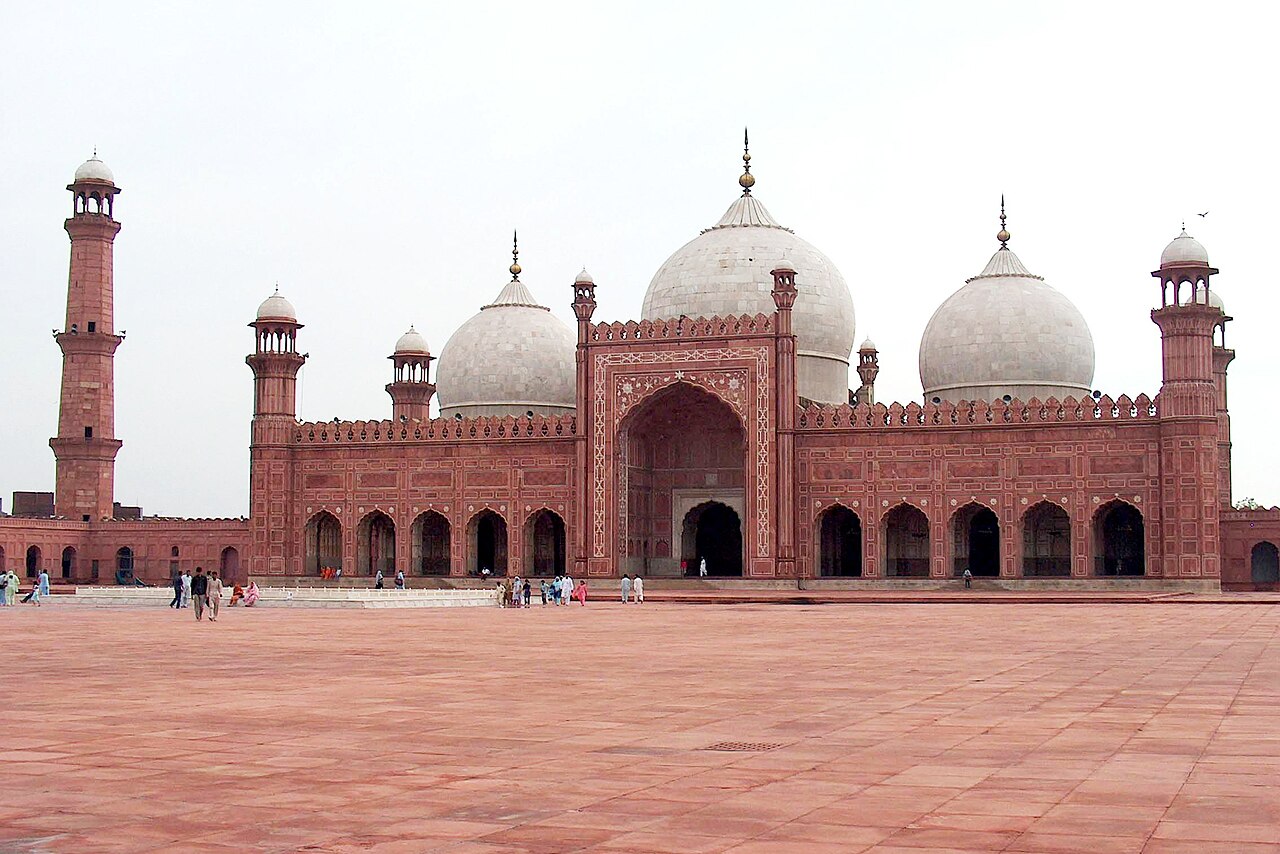 Artifact
Primary source
Badshahi Mosque
1671–1673
 Document
Primary source
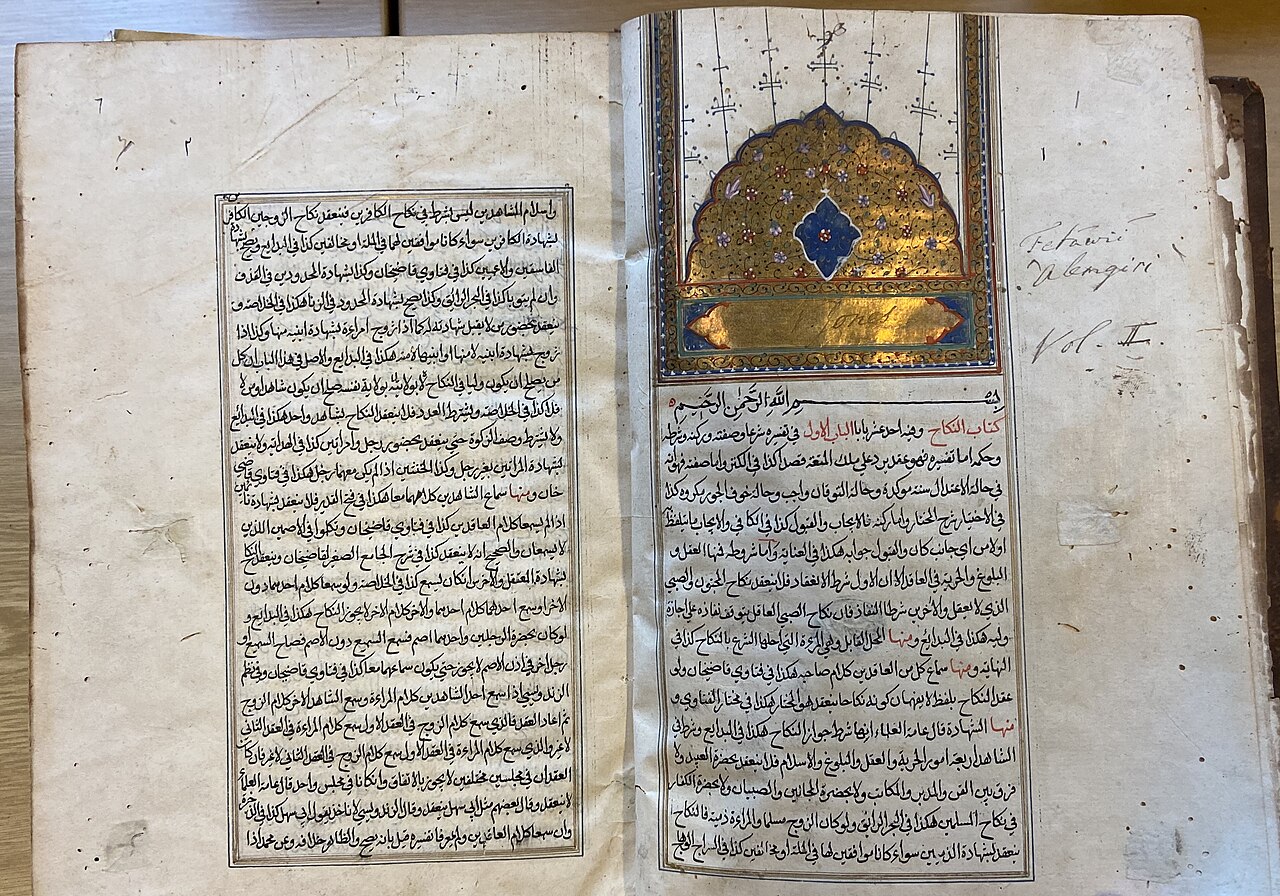
Fatawa-i Alamgiri Manuscript
17th century (this copy later recopied)
 Book
Secondary source
Maasir-i-Alamgiri
Saqi Musta'id Khan · c. 1710 (this copy 1763-1764)
Primary source
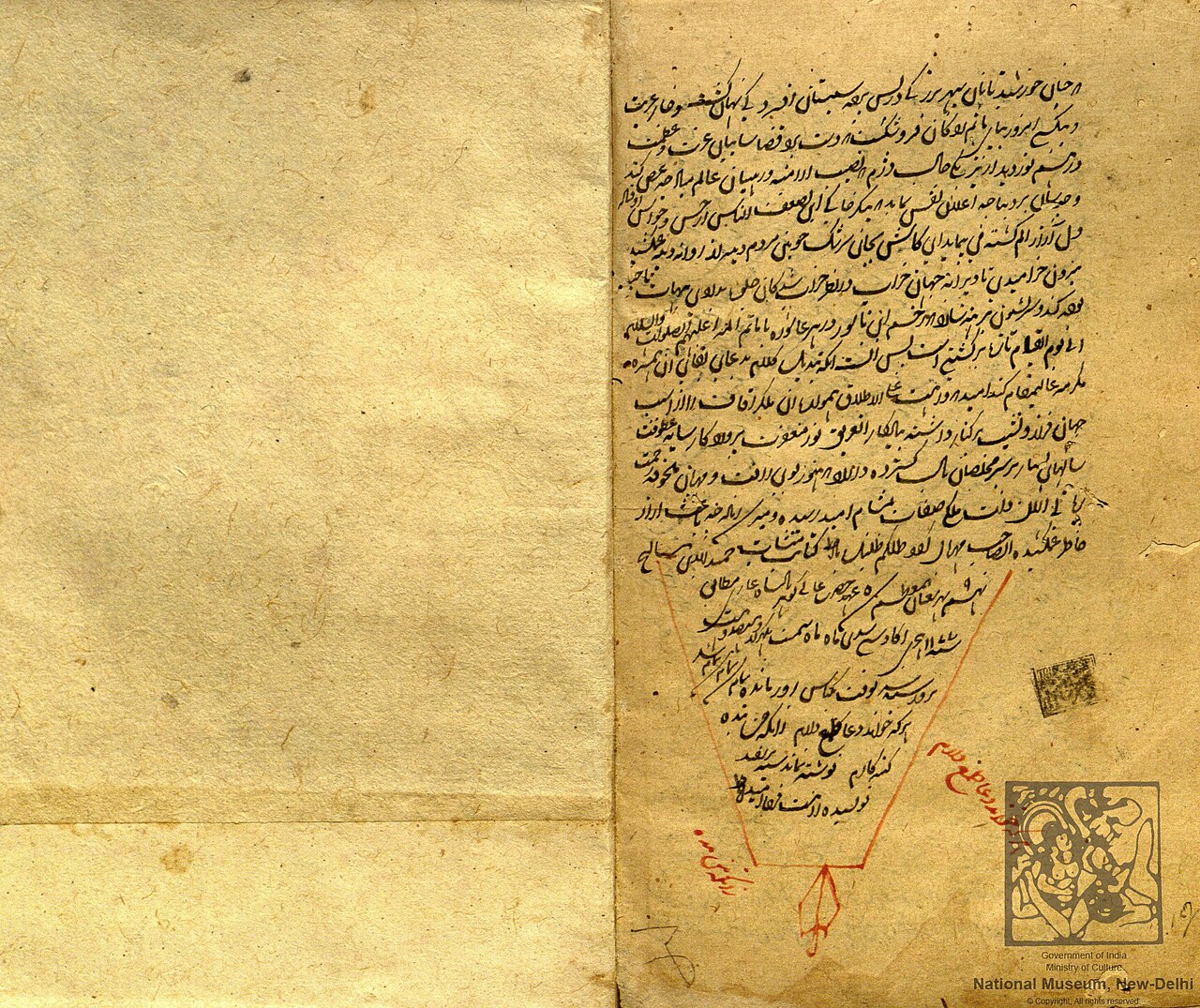
Ruka'at-i-Alamgiri
Aurangzeb · 17th century
 Letter
Primary source
Zafarnamah
Guru Gobind Singh · 1705
Ready when you are
Start chatting with Aurangzeb now.
20 messages free · No credit card · Available in 50+ languages.