


Primary sourceDocumentc. 261–230 BCE
Barabar Caves
Ashoka and Dasharatha Maurya · c. 261–230 BCE
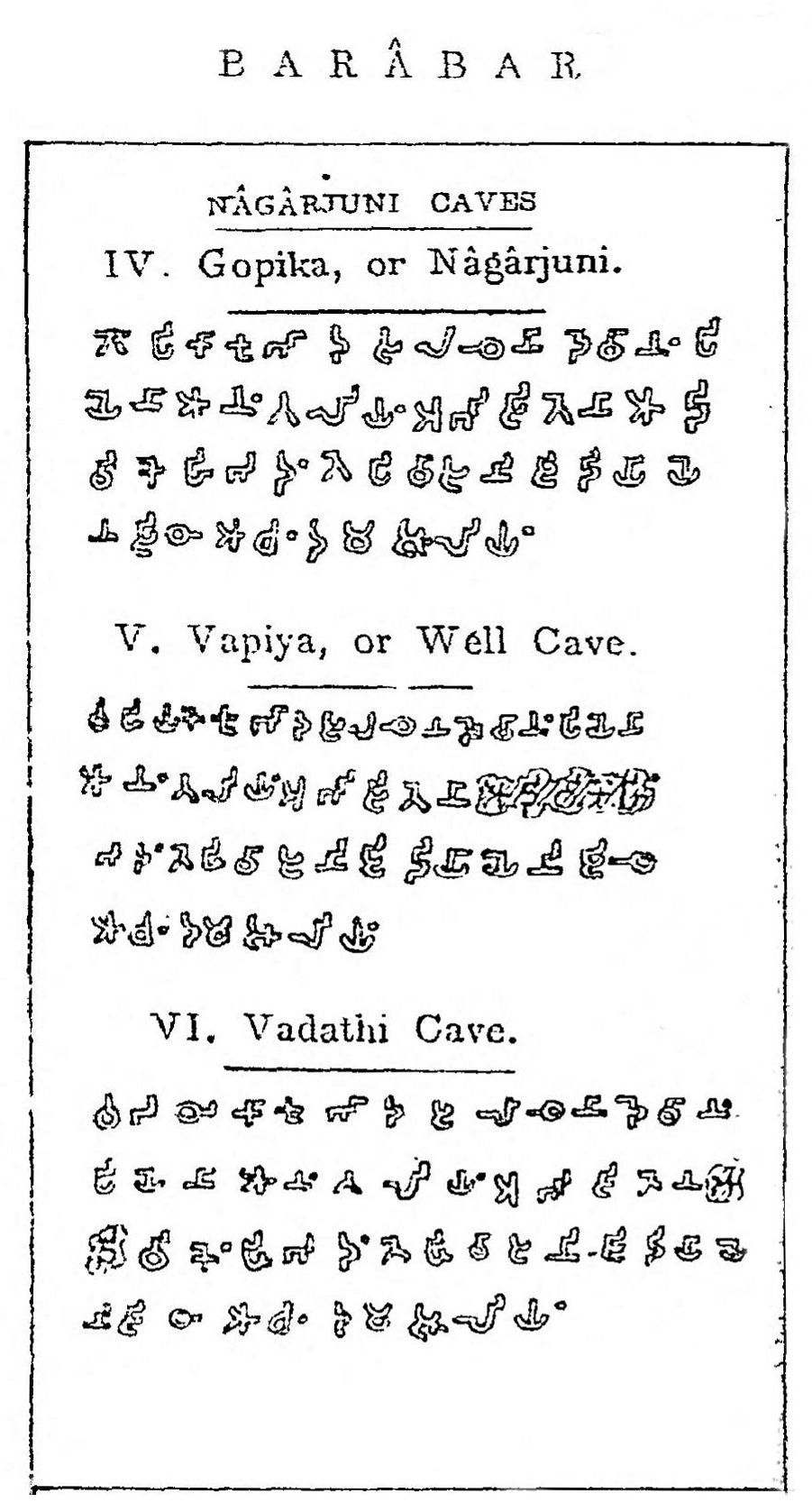
Rock-cut caves in Bihar, the oldest surviving in India, built by Chandragupta's grandson Ashoka and great-grandson Dasharatha for the Ajivika sect.
Built by Chandragupta's grandson and great-grandson, these caves show the religious diversity of the empire he founded.
About this source
What it is
The Barabar Hill Caves in Jehanabad district, Bihar, are the oldest surviving rock-cut caves in India, dating from the Maurya Empire. They were commissioned by Ashoka and Dasharatha Maurya around 261–230 BCE, and some carry Ashokan inscriptions.
Why it matters
The caves were dedicated to the Ajivika sect, a non-Buddhist, non-Jain religious group, showing that the Maurya rulers who followed Chandragupta supported several different religious movements, not only one. This reveals the mixed religious world of the empire that Chandragupta founded, continued and expanded by his descendants Ashoka and Dasharatha.
Look closer
- Why might a ruling family support more than one religious group?
- What does dedicating caves to the Ajivikas tell us about religious tolerance in Mauryan India?
- How does this site connect back to the empire Chandragupta first established?
This document is part of the curated material that grounds the AI version of Chandragupta Maurya on Humy.ai — when students ask about related events, the AI can quote it and cite it.
More Chandragupta Maurya sources
Meet the AI Chandragupta Maurya →Secondary source
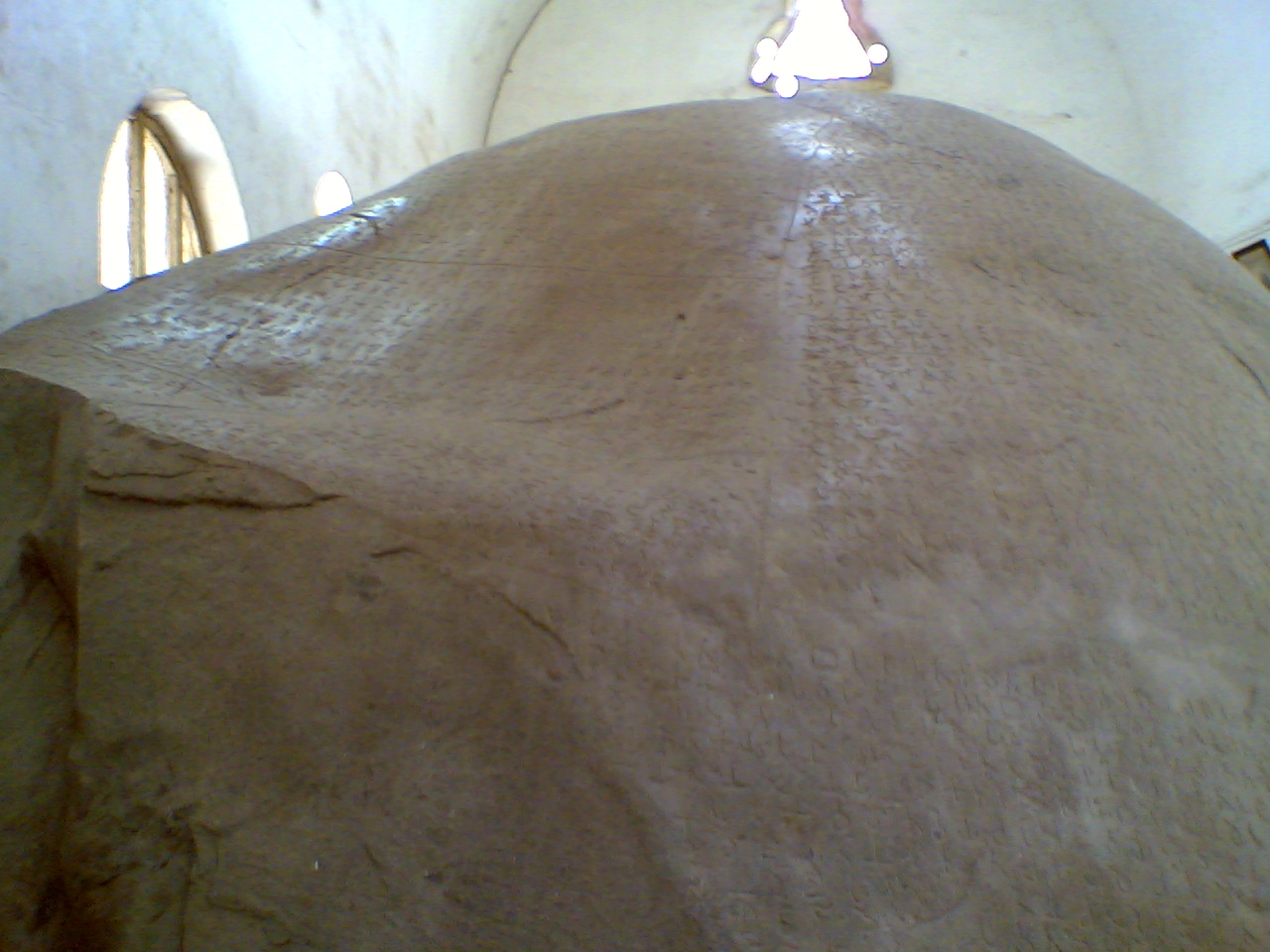
Arthashastra
Chanakya (traditional attribution) · c. 1st–3rd century CE (traditionally attributed to Chanakya, c. 300 BCE)
 Document
Secondary source
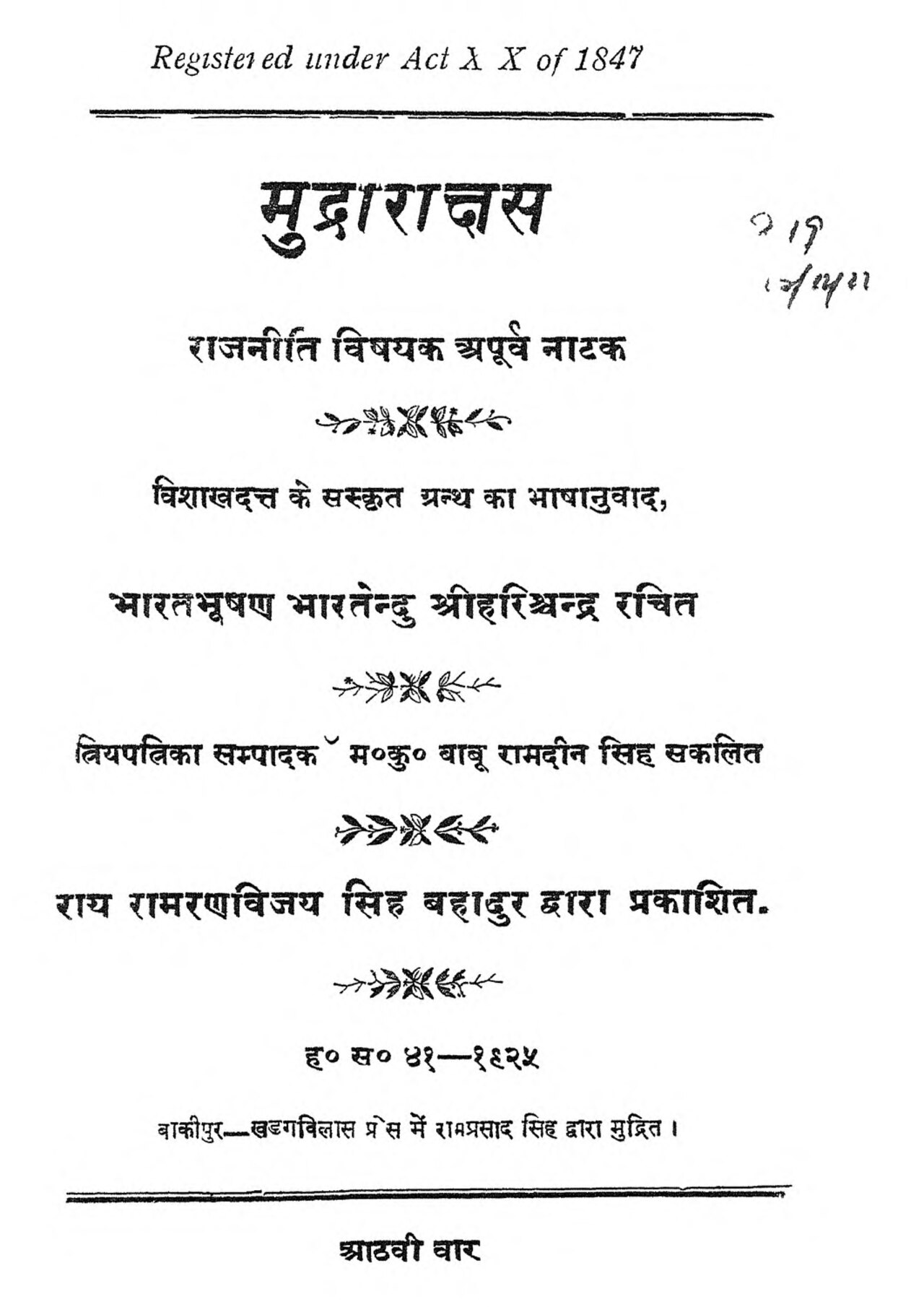
Junagadh Rock Inscription of Rudradaman
Rudradaman I (commissioner) · shortly after 150 CE
 Book
Secondary source
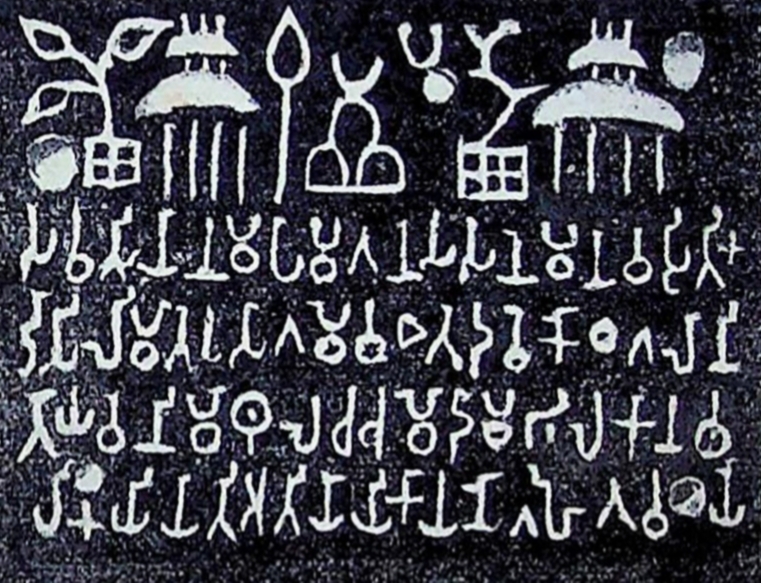
Mudrarakshasa
Vishakhadatta · between the 4th and 8th century CE
 Document
Primary source
Sohgaura Copper Plate Inscription
3rd century BCE
 Document
Secondary source
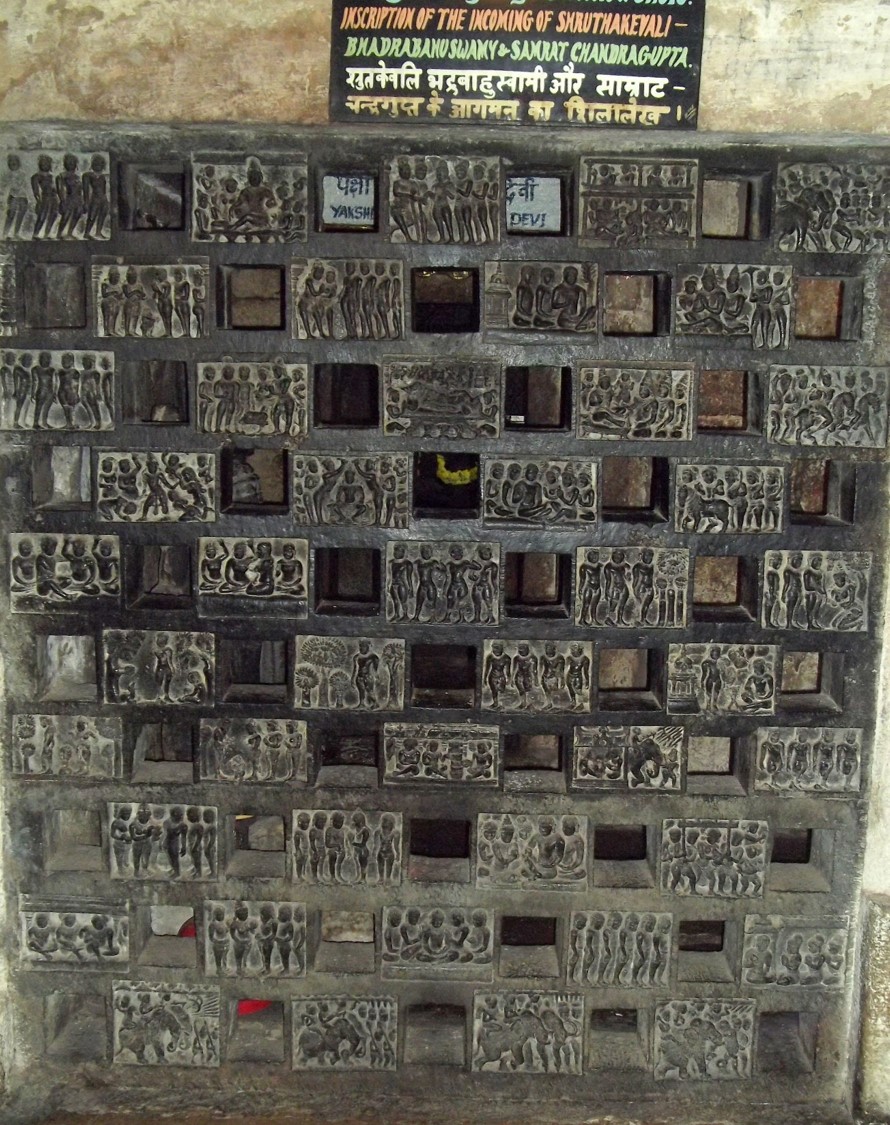
Shravanabelagola Inscription of Bhadrabahu and Chandragupta
Ready when you are
Start chatting with Chandragupta Maurya now.
20 messages free · No credit card · Available in 50+ languages.