


Primary sourceDocument
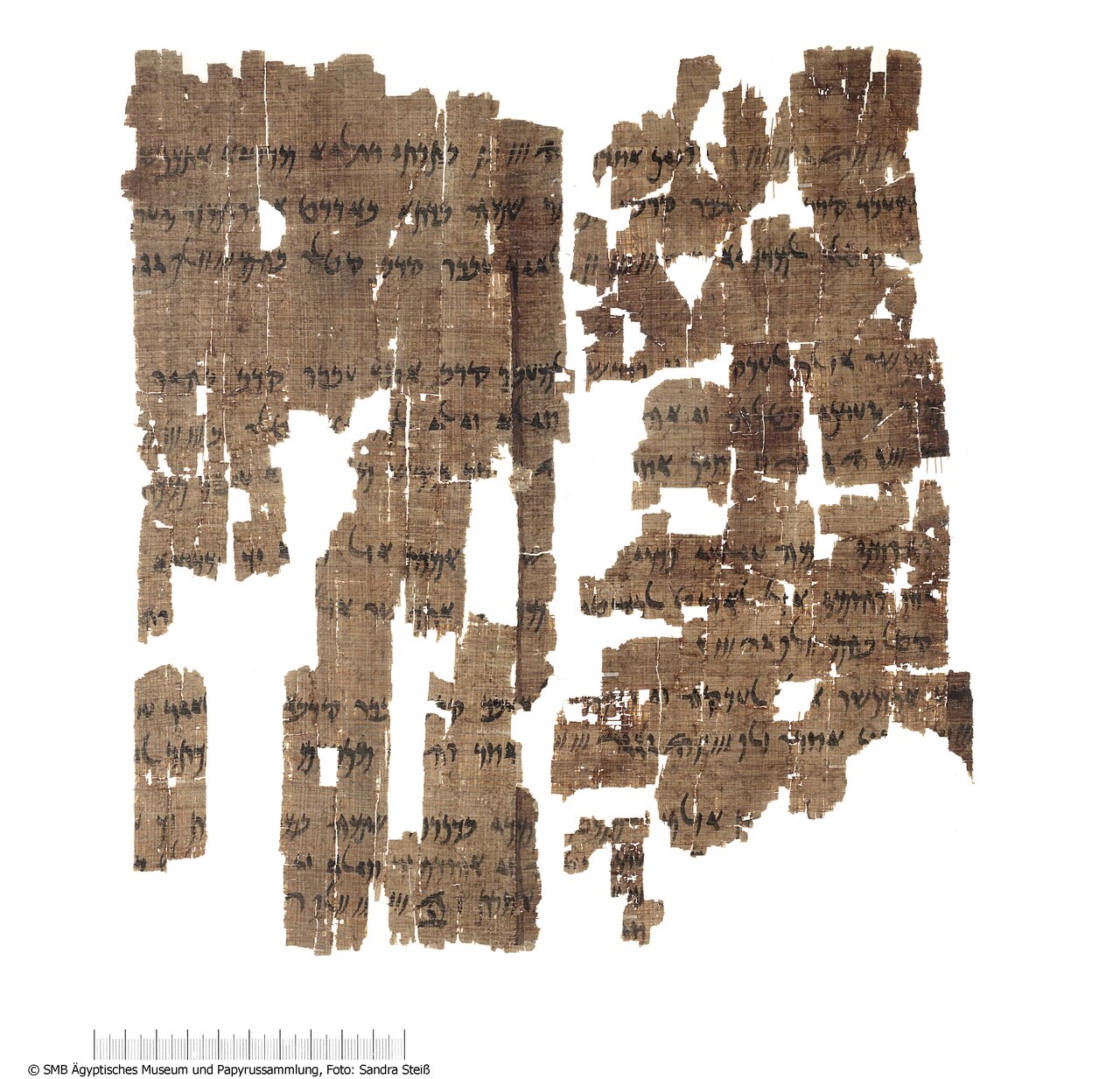
Behistun papyrus
Darius I
An Aramaic papyrus copy of Darius's Behistun inscription, found among Jewish records in Egypt, showing how his account of his rise to power spread across the empire.
This papyrus preserves a copy of Darius's own account of his rise to power, spread to a Jewish community in Egypt.
About this source
What it is
Papyrus Berlin 13447 is a fragmentary Aramaic-Egyptian copy of the Behistun inscription, one of the Elephantine papyri found during German excavations between 1906 and 1908 at Elephantine, Egypt. It is held today in the Berlin Papyrus Collection at the Egyptian Museum of Berlin.
Why it matters
The original rock inscription at Behistun recorded Darius I's account of how he came to power and his achievements. This papyrus copy, used by a Jewish community far from Persia, shows how Darius's official narrative was deliberately copied and circulated across the empire, even reaching a garrison community in Egypt. The reverse side holds administrative memoranda, suggesting the document may also have trained scribes.
Look closer
- Why would a king want his story copied and sent to communities far from the palace?
- What does finding this text among administrative records suggest about how it was used?
- What might be left out of a king's own version of his rise to power?
This document is part of the curated material that grounds the AI version of Darius the Great on Humy.ai — when students ask about related events, the AI can quote it and cite it.
More Darius the Great sources
Meet the AI Darius the Great →

Ready when you are
Start chatting with Darius the Great now.
20 messages free · No credit card · Available in 50+ languages.