


Secondary sourceArtifact
Bijay Mandal
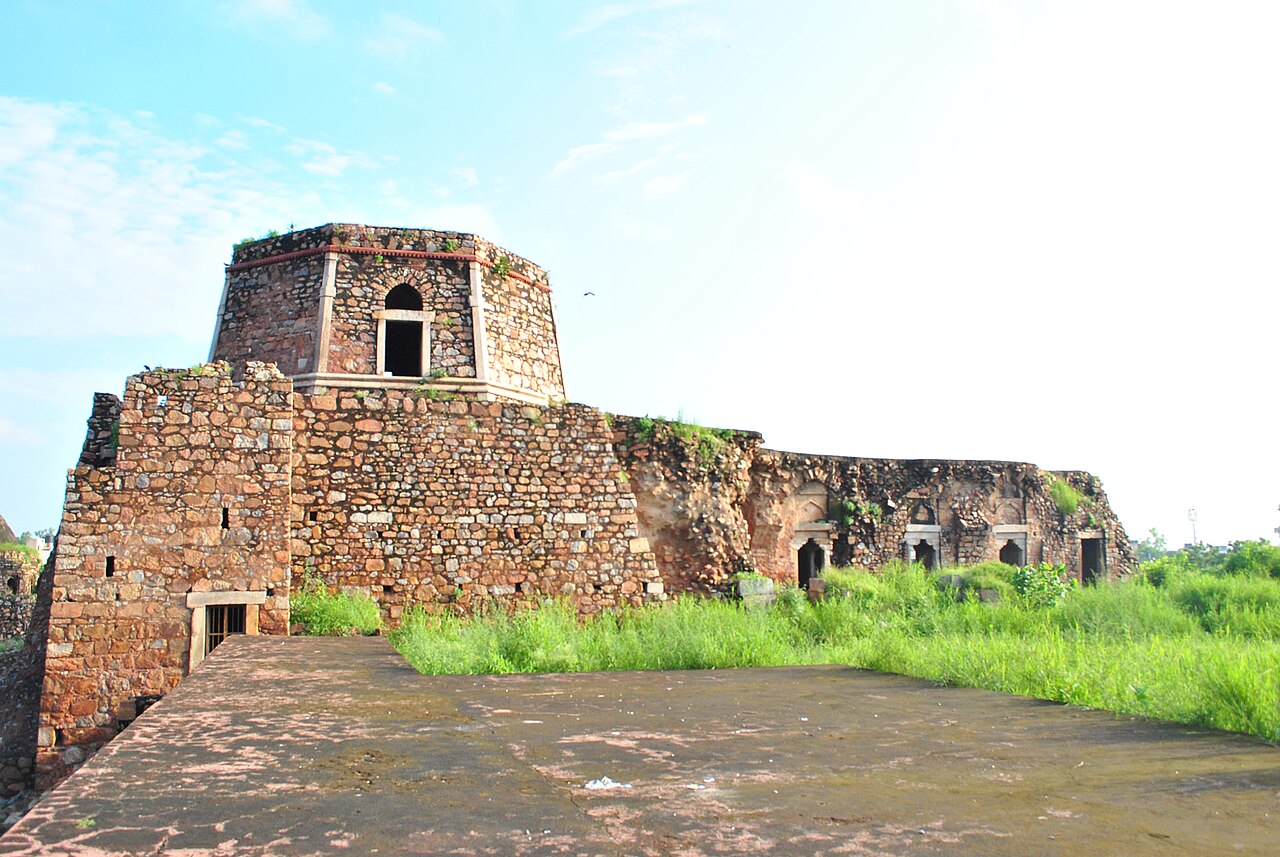
Ruins in Delhi usually identified as the audience hall of Muhammad bin Tughluq, described at length by Ibn Battuta.
Ibn Battuta's detailed description of this audience hall is a major source for Muhammad bin Tughluq's court.
About this source
What it is
Bijay Mandal is a ruined structure in Jahanpanah, Delhi, commonly identified with the Hazar Sutun ('thousand pillars') palace of Sultan Muhammad bin Tughluq.
Why it matters
Ibn Battuta spent years at the Delhi court and wrote a detailed description of this audience hall and the ceremonies held there, making his account central to how historians picture the sultan's palace, since little of it survives intact.
Look closer
- What can ruins like this tell us, and what can they not tell us, about how a royal court actually worked?
- Why might a traveller's written description matter so much when a building has mostly disappeared?
- What does it mean that this site is only 'usually identified' with the palace Ibn Battuta described?
This artifact is part of the curated material that grounds the AI version of Ibn Battuta on Humy.ai — when students ask about related events, the AI can quote it and cite it.
More Ibn Battuta sources
Meet the AI Ibn Battuta →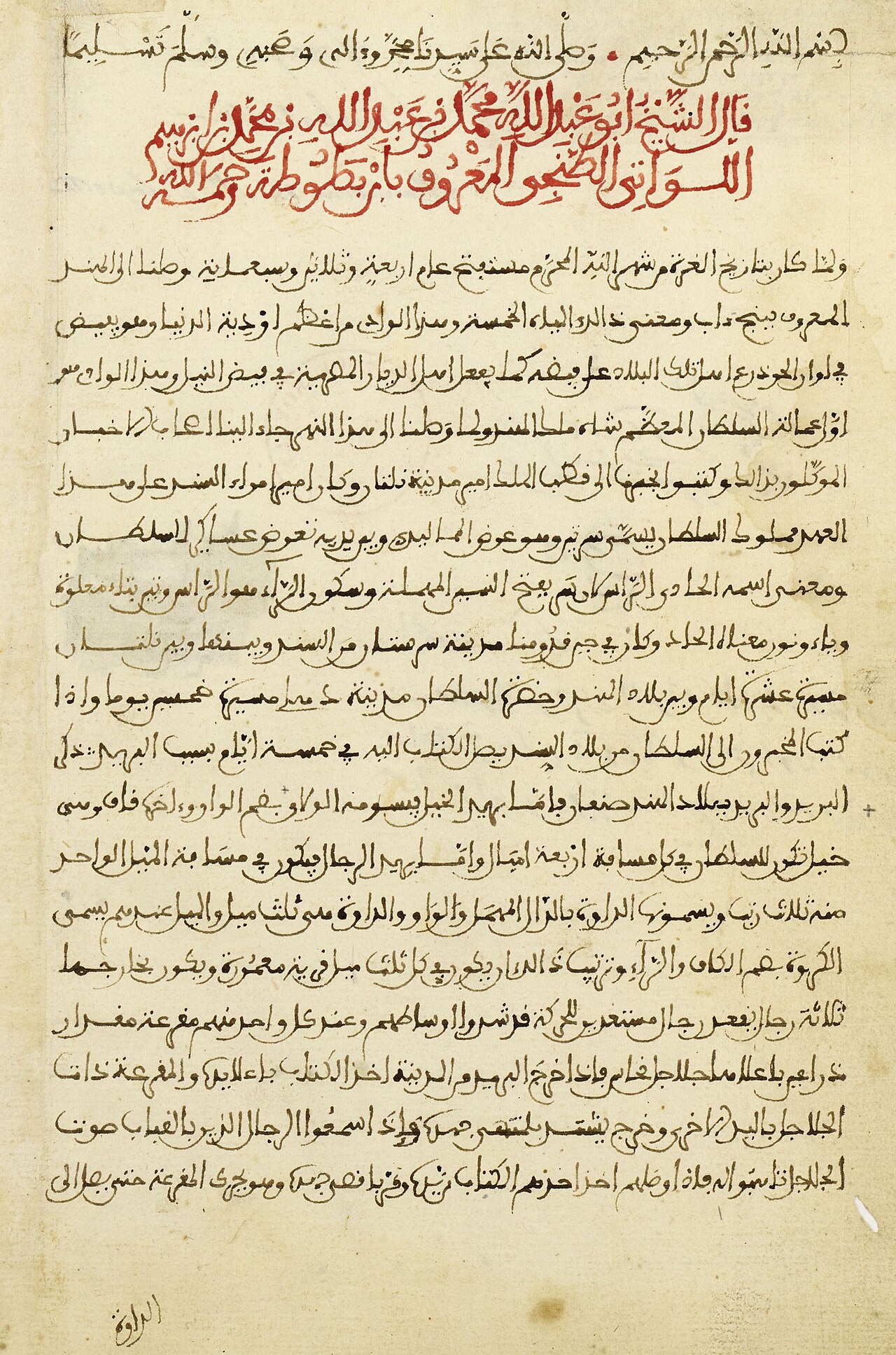 Book
Primary source
The Rihla
Ibn Battuta · 1354-1356
 Book
Primary source
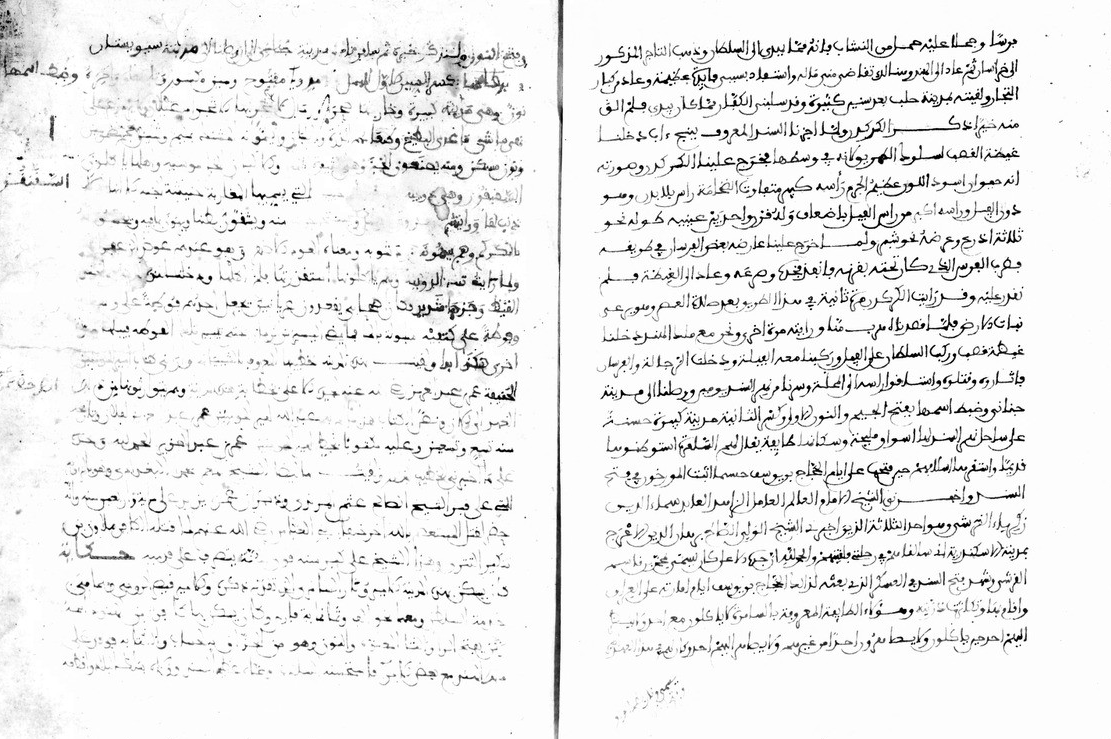
Manuscript of the Rihla by Ibn Juzayy
Ibn Juzayy · 14th century
 Artifact
Secondary source
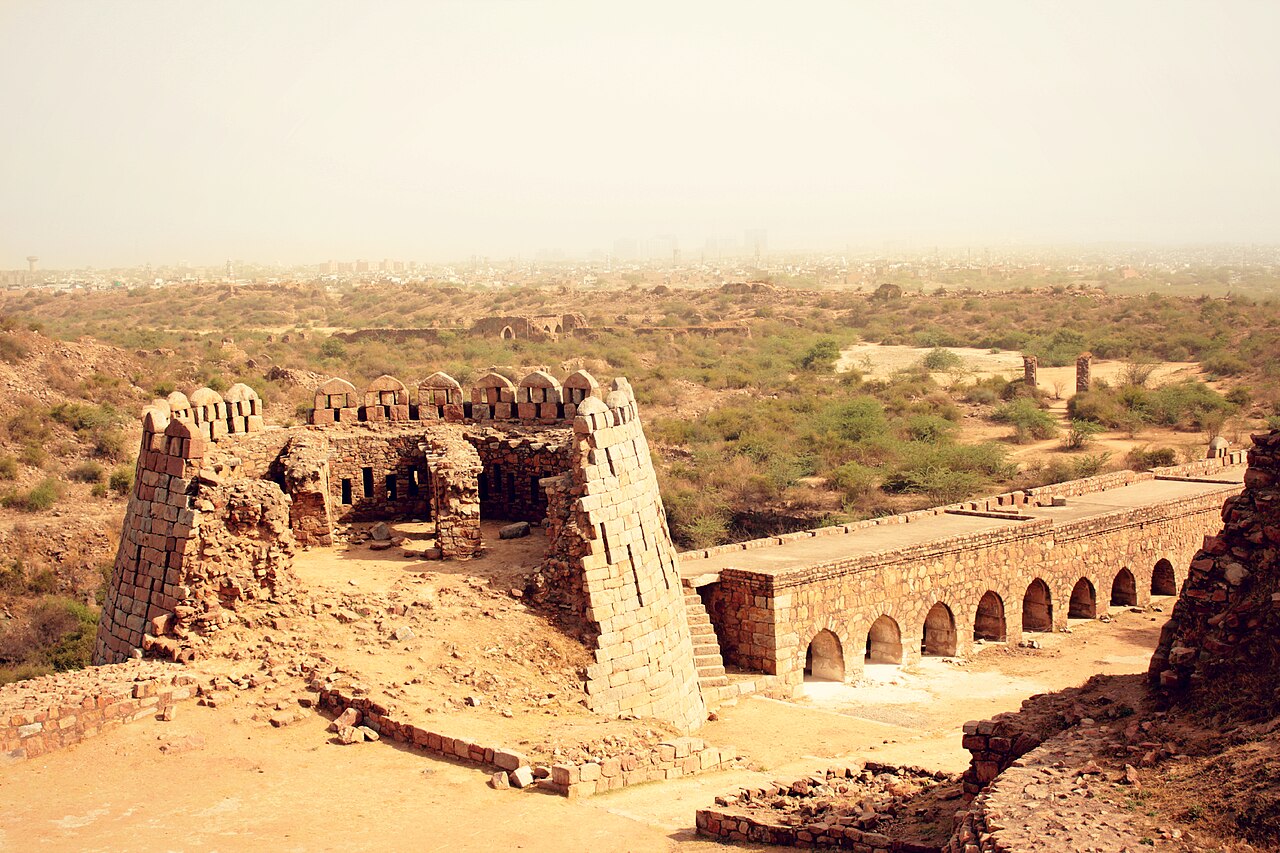
Tughlaqabad Fort
Ghiyath al-Din Tughluq · 1321
 Book
Secondary source
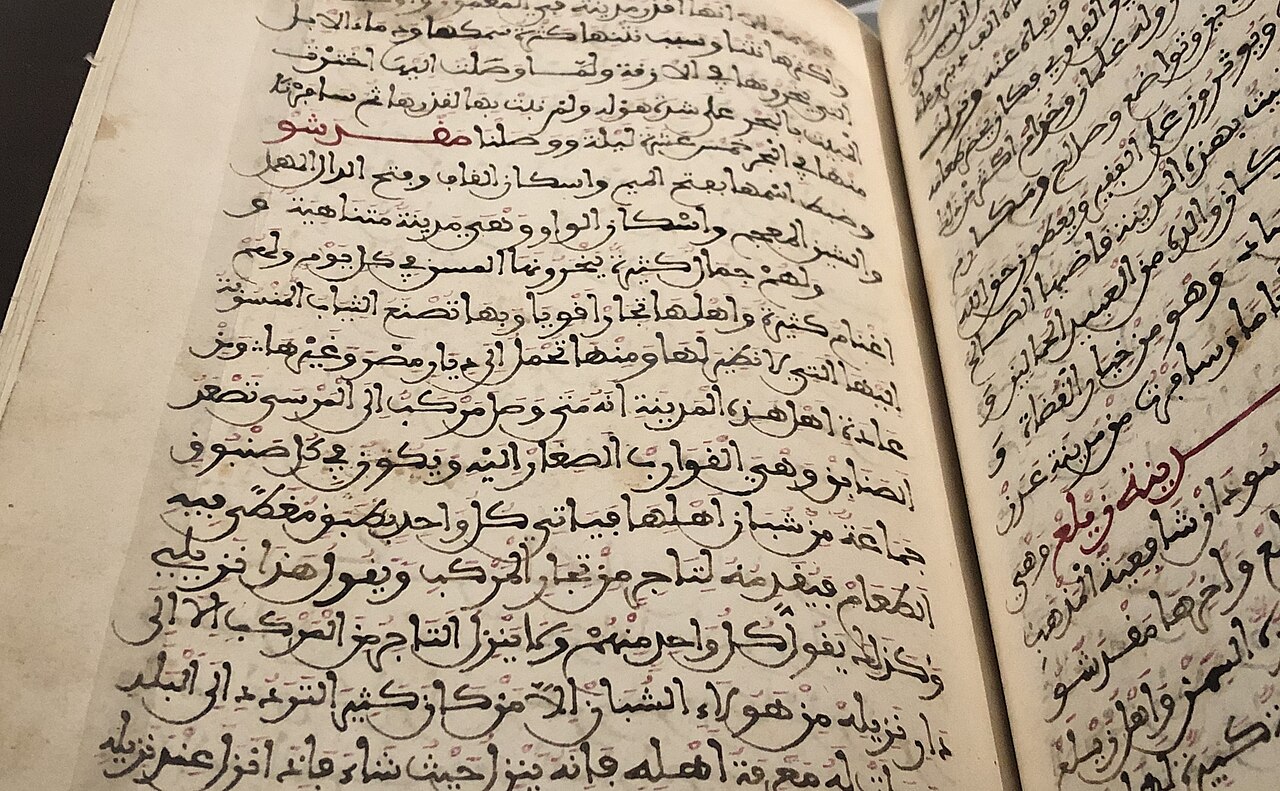
Manuscript copy of the Rihla (1484)
Ibn Juzayy · 1484
 Painting
Primary source
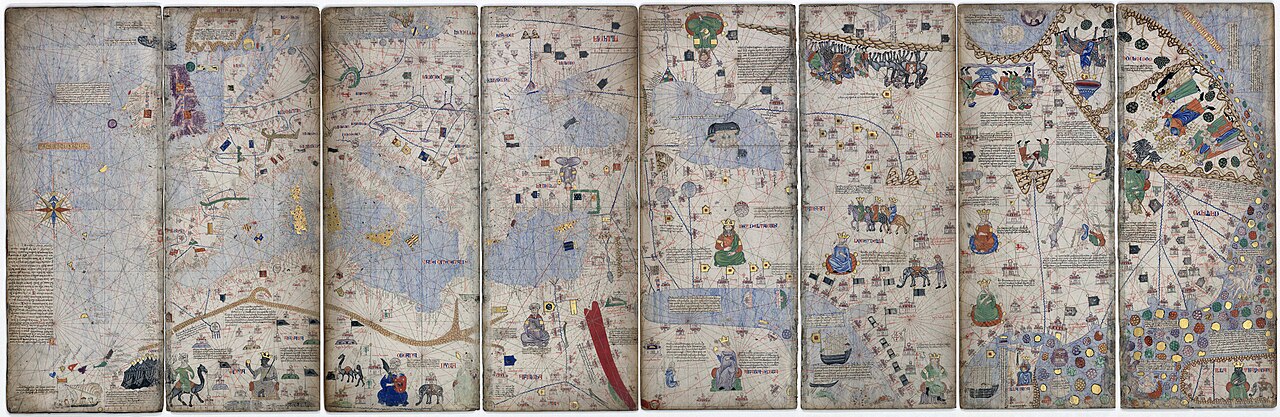
Catalan Atlas
Cresques Abraham · c. 1375
Ready when you are
Start chatting with Ibn Battuta now.
20 messages free · No credit card · Available in 50+ languages.