


Secondary sourcePhotograph14 June 2014
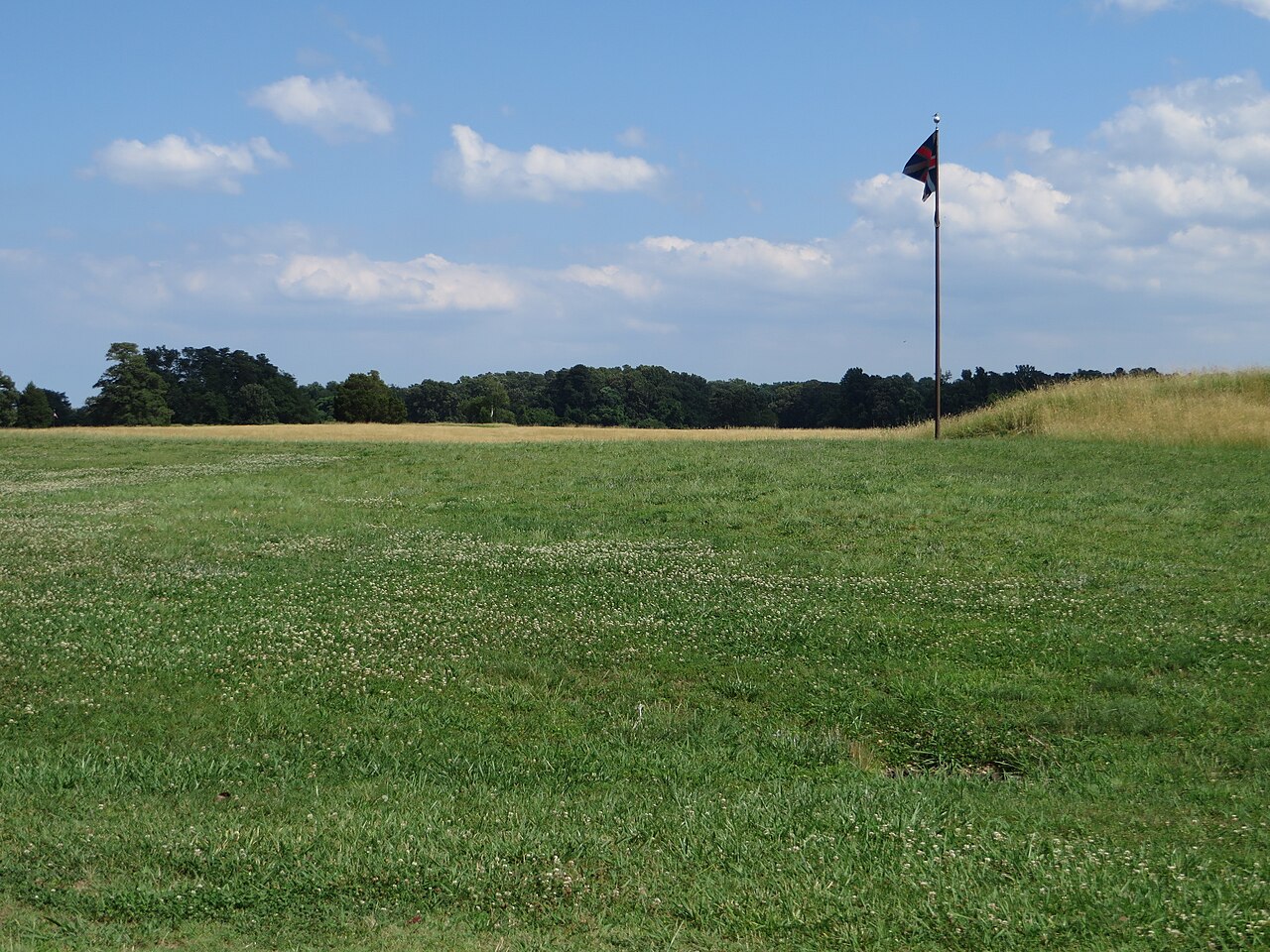
British Inner Defense Lines at Yorktown Battlefield
Ken Lund · 14 June 2014
A modern photograph of the Yorktown battlefield, the site of the siege that James Armistead Lafayette's intelligence helped the Americans win.
Shows the Yorktown battlefield, the decisive site where intelligence gathered by James Armistead Lafayette helped secure American victory.
About this source
What it is
This photograph, taken in June 2014 by Ken Lund, shows part of the Yorktown battlefield, including earthworks from the British defensive lines. The Siege of Yorktown in 1781 ended with the surrender of British forces under Lord Cornwallis to American and French forces led by George Washington and the Comte de Rochambeau.
Why it matters
Yorktown was the decisive battle of the Revolutionary War, and James Armistead Lafayette's work gathering intelligence on British troop movements contributed directly to the American and French victory there. This photograph shows the preserved battlefield landscape today.
Look closer
- What can a modern photograph of a grassy field tell us, and what can it not tell us, about the battle fought there?
- Why are earthworks like these still visible over two centuries later?
- How does seeing the quiet, empty battlefield today compare with imagining the chaos of 1781?
This photograph is part of the curated material that grounds the AI version of James Armistead Lafayette on Humy.ai — when students ask about related events, the AI can quote it and cite it.
More James Armistead Lafayette sources
Meet the AI James Armistead Lafayette →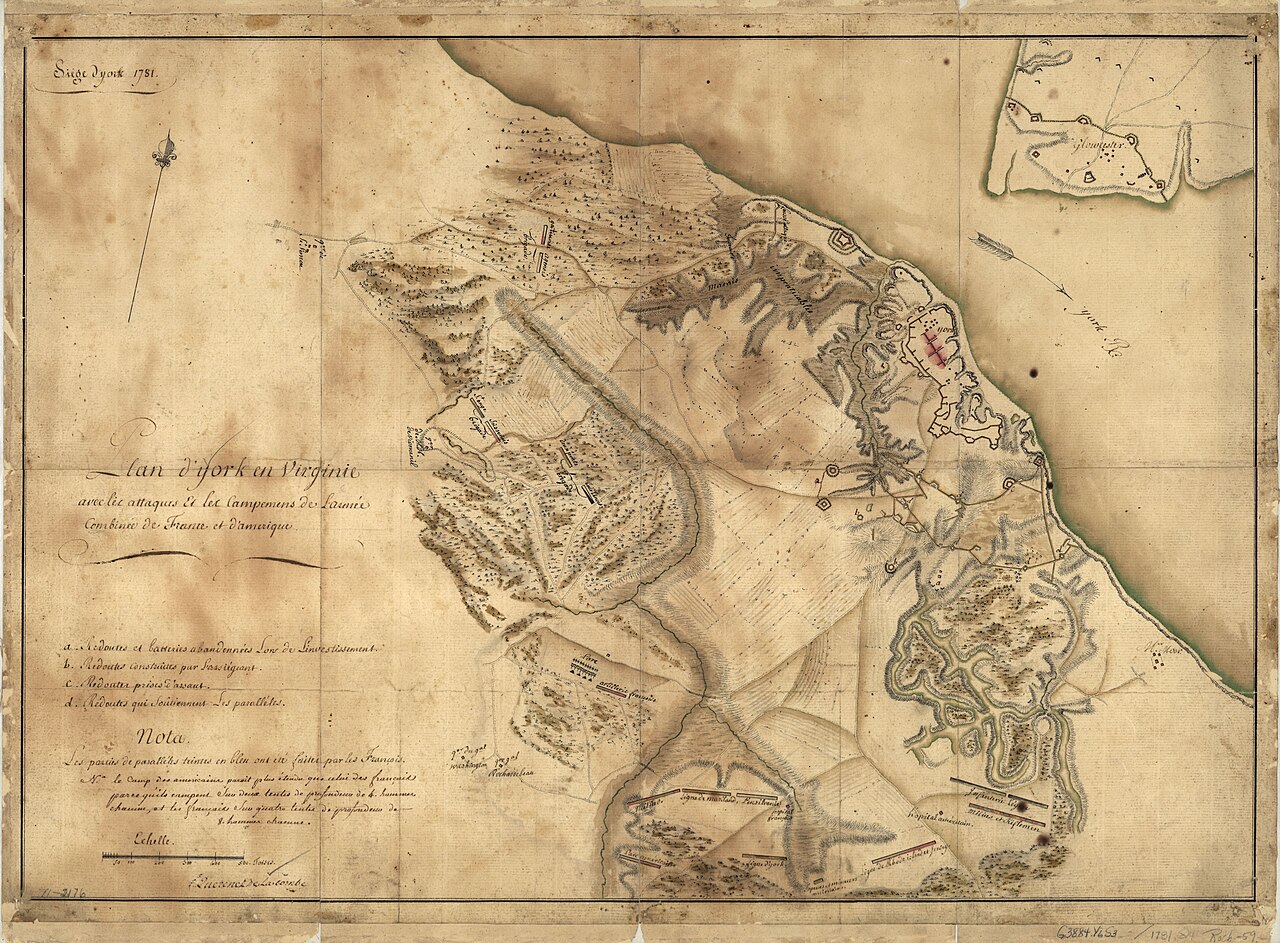 Document
Primary source
Siege of York, 1781: Plan of Franco-American Siege Works
Querenet De La Combe · 1781
 Document
Primary source
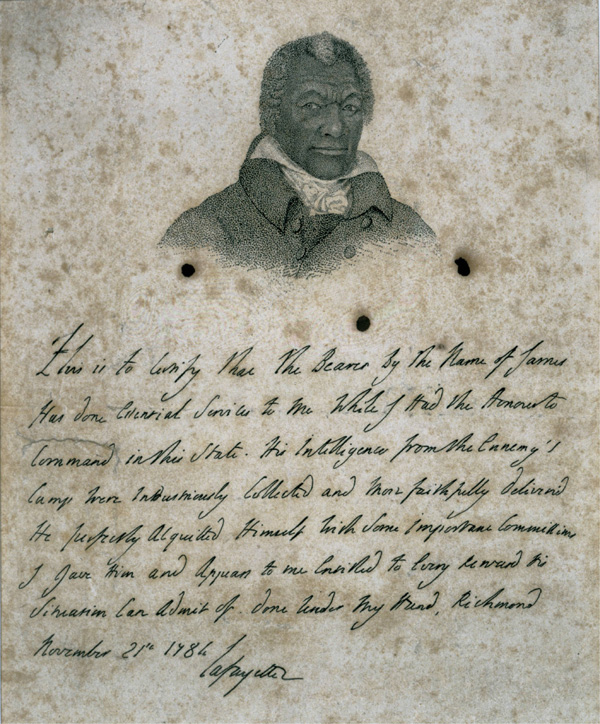
Certificate for James Armistead Lafayette
Marquis de Lafayette · 21 November 1784
 Document
Primary source
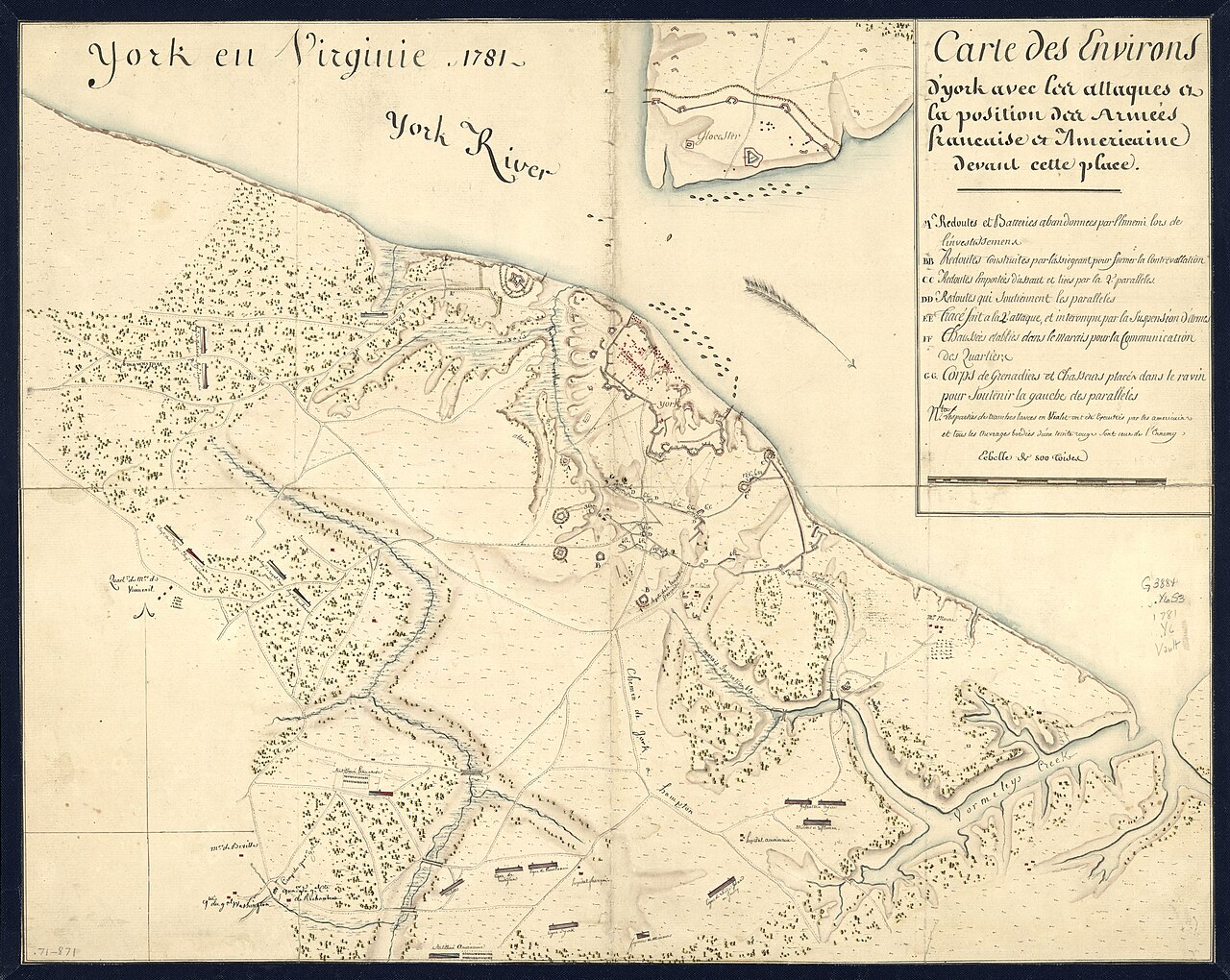
York en Virginie, 1781: Map of Franco-American Positions at York
1781
 Painting
Primary source
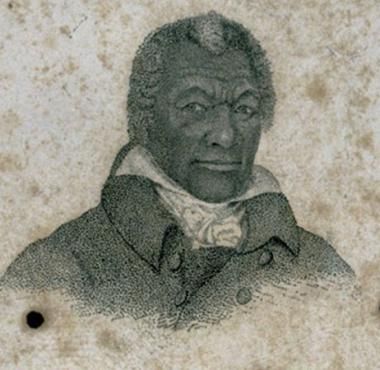
Portrait of James Armistead Lafayette
John B. Martin · c. 1824
 Document
Primary source
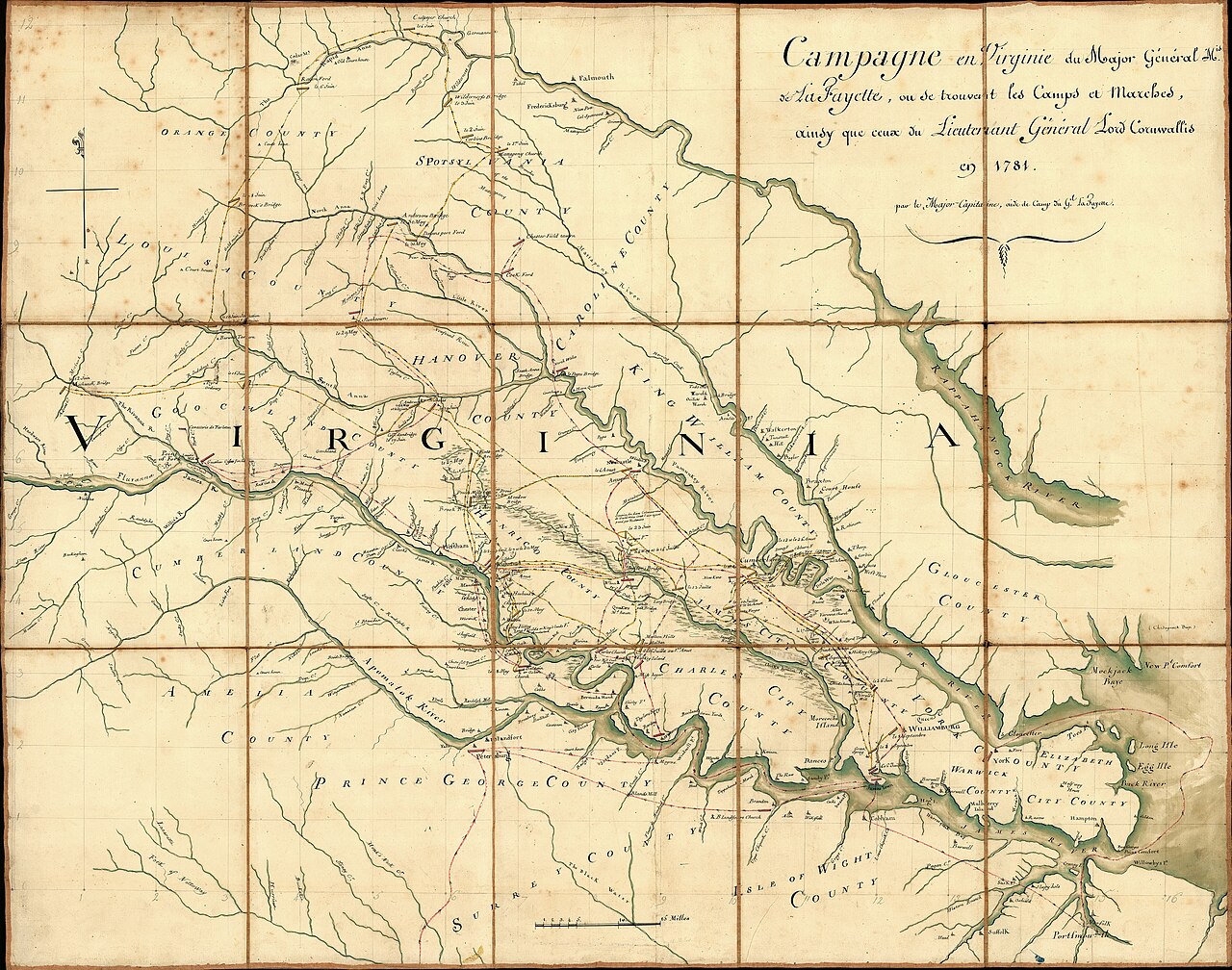
Campaign of the Marquis de Lafayette in Virginia, 1781
Michel Capitaine Du Chesnoy · 1781
Ready when you are
Start chatting with James Armistead Lafayette now.
20 messages free · No credit card · Available in 50+ languages.