


Secondary sourceArtifactbuilt 1778-1779
Brontë Parsonage Museum
built 1778-1779
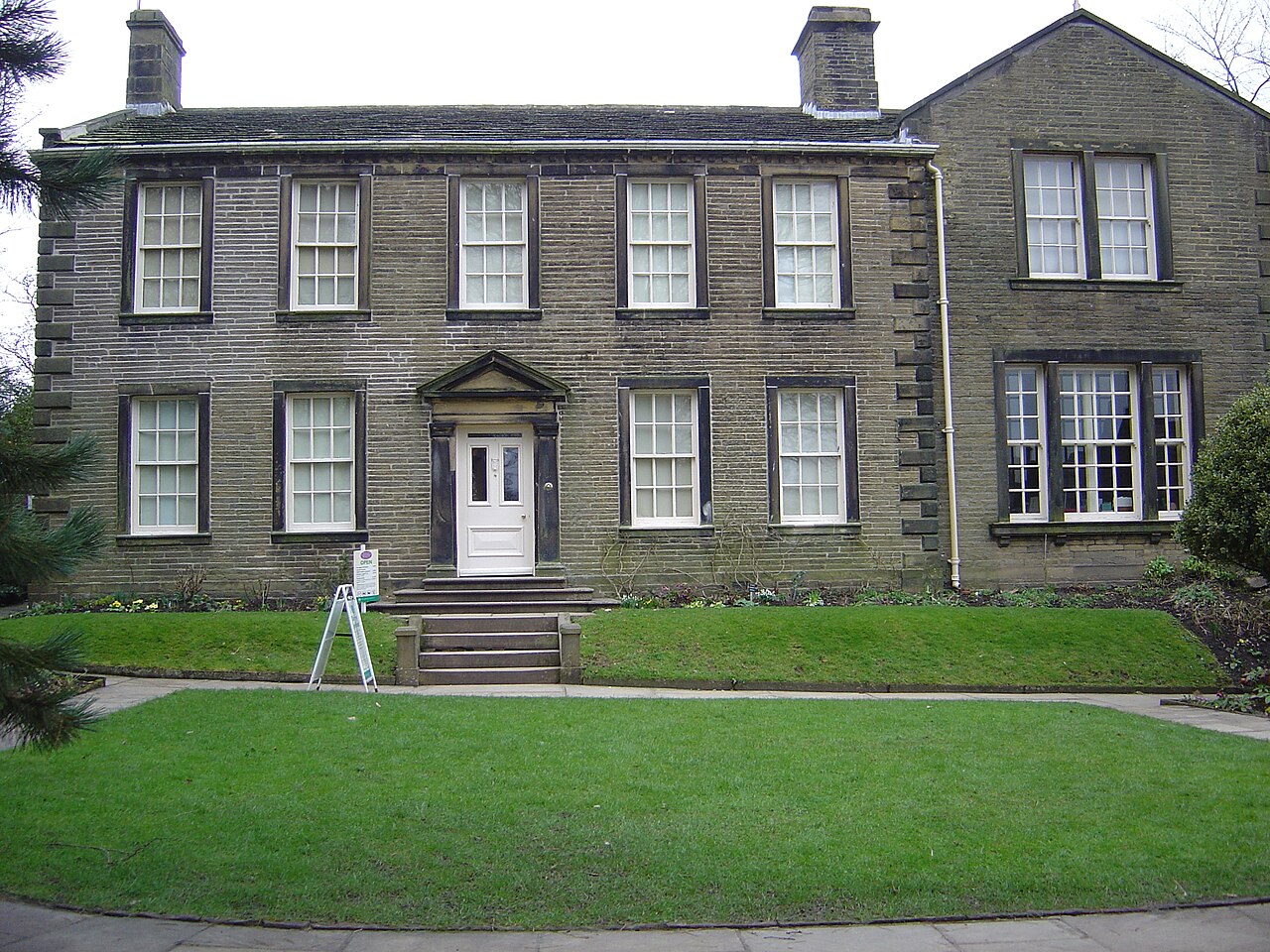
The Georgian parsonage in Haworth where Charlotte Brontë lived from 1820 and wrote her novels, now a museum devoted to the family.
The parsonage was Charlotte Brontë's home for most of her life and the setting where she wrote her novels.
About this source
What it is
This is the former parsonage in Haworth, West Yorkshire, built in 1778–1779, which became the Brontë family home when Patrick Brontë arrived in 1820 with his wife and six children, including Charlotte. It is now the Brontë Parsonage Museum, run by the Brontë Society, and is listed Grade I.
Why it matters
Charlotte spent most of her life here, and the house and surrounding moors shaped the writing of Charlotte, Emily, and Anne. The family suffered repeated loss in this house, including the deaths of Charlotte's mother and several siblings, which deeply influenced her work. After Patrick Brontë's death the contents were dispersed, but the Brontë Society later preserved the house as a museum, including Charlotte's own writing desk.
Look closer
- Why might the setting of a remote moorland parsonage have influenced the sisters' writing?
- What does the preservation of this house as a museum tell us about how later generations valued the Brontës?
- What parts of daily life in the house are not captured by looking at the building alone?
This artifact is part of the curated material that grounds the AI version of Charlotte Brontë on Humy.ai — when students ask about related events, the AI can quote it and cite it.
More Charlotte Brontë sources
Meet the AI Charlotte Brontë →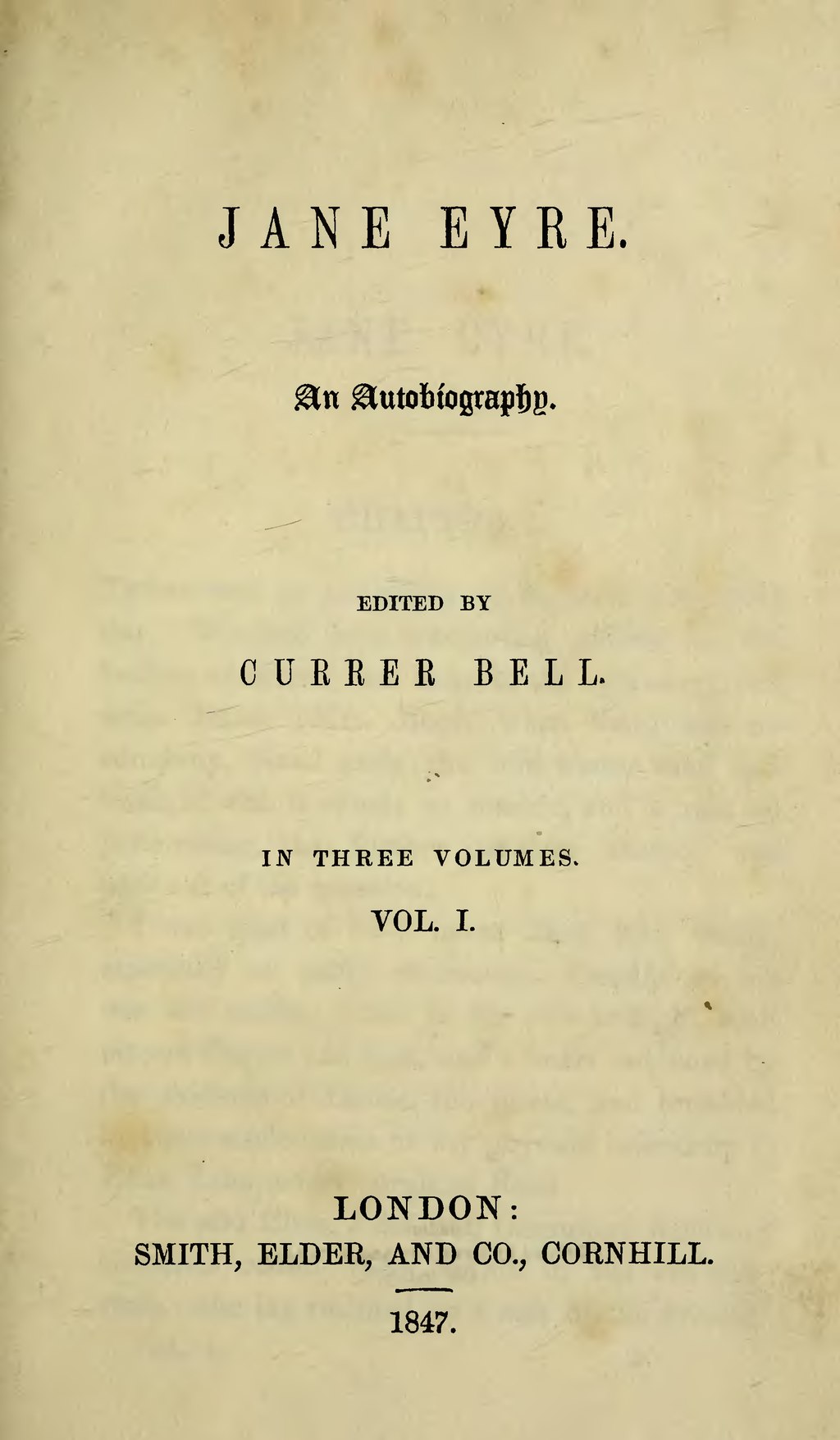 Book
Primary source
Jane Eyre
Charlotte Brontë · 1847
 Painting
Primary source
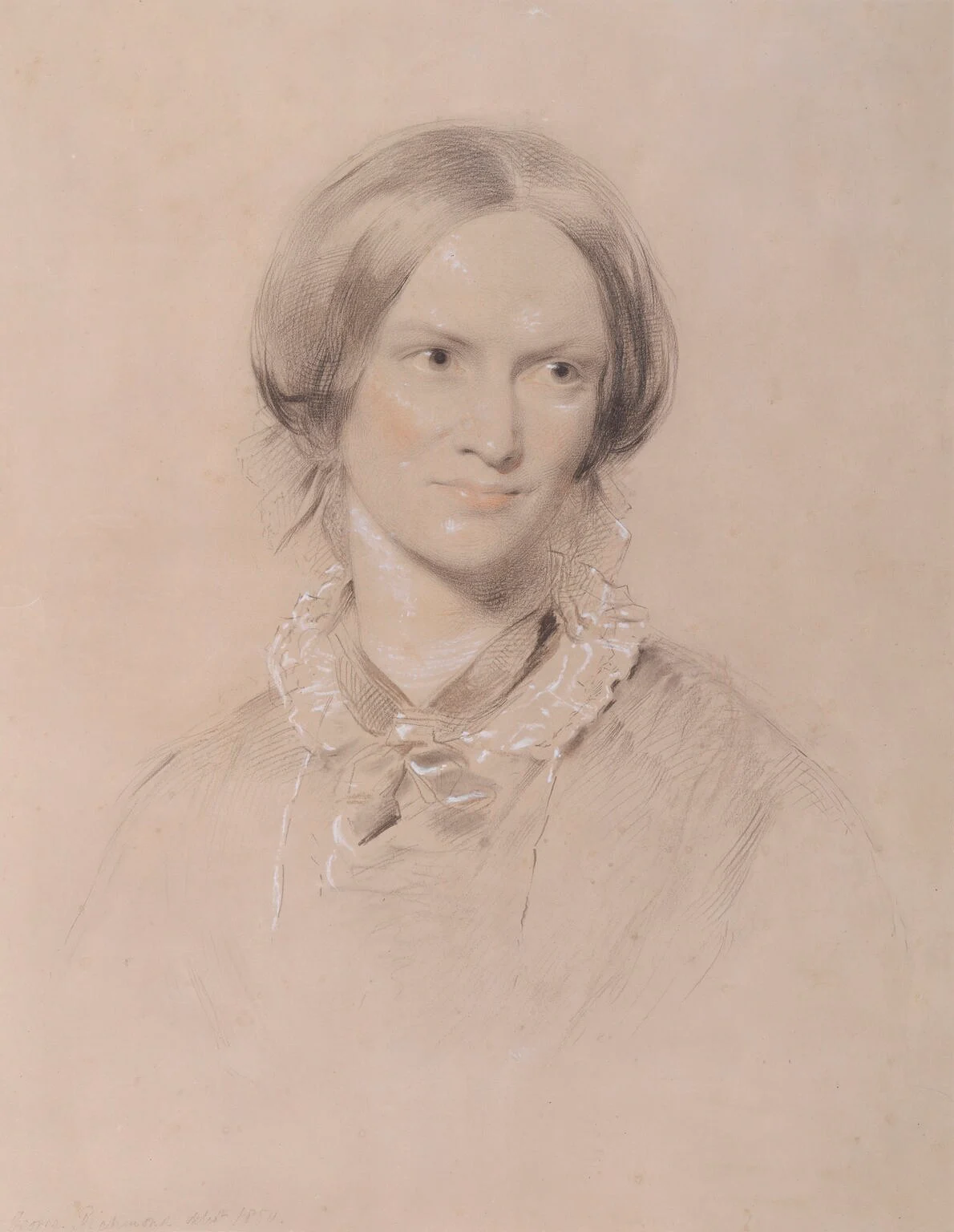
Charlotte Brontë (chalk portrait by George Richmond)
George Richmond · 1850
 Painting
Primary source
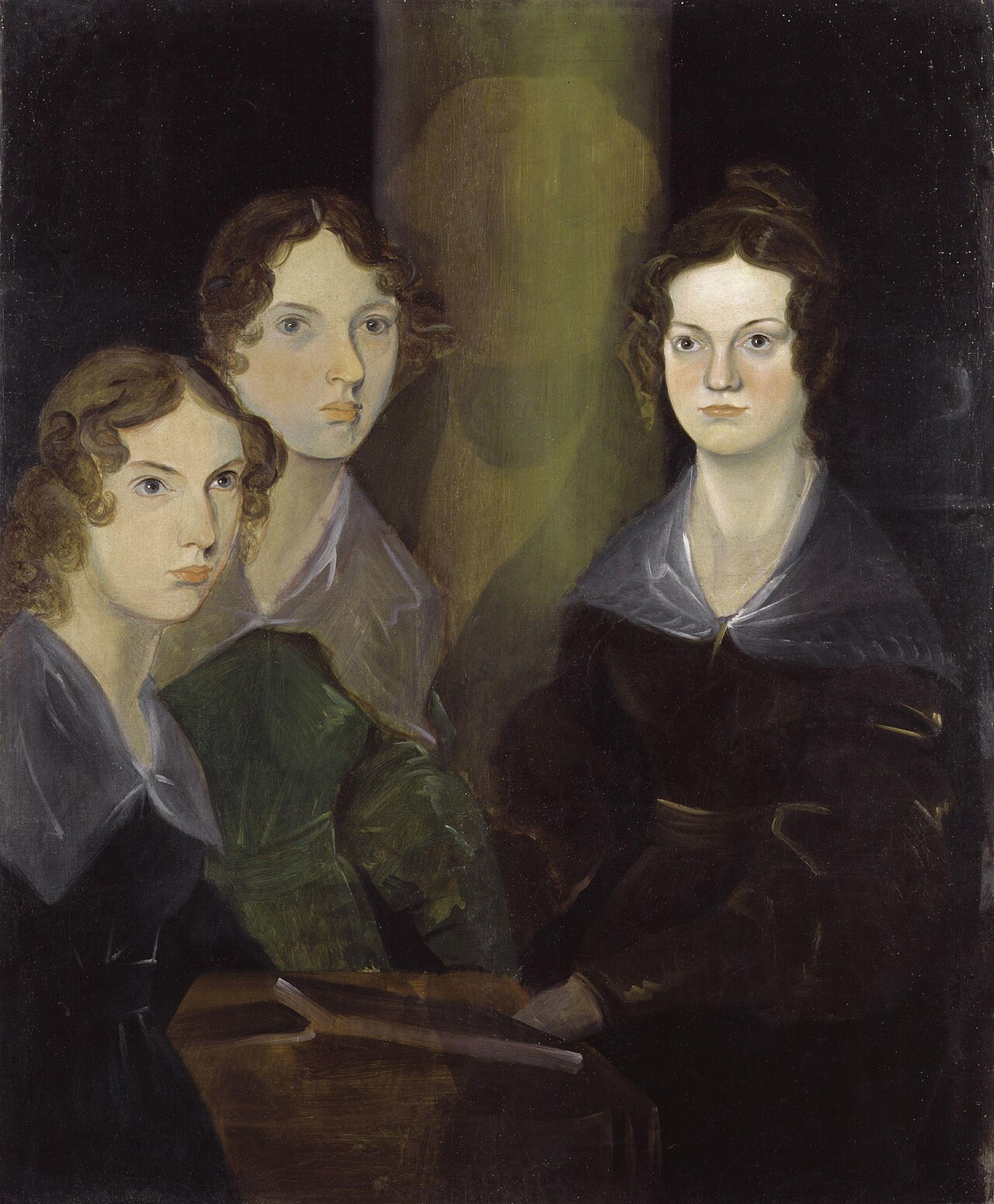
The Brontë Sisters
Branwell Brontë · c. 1834
 Book
Secondary source
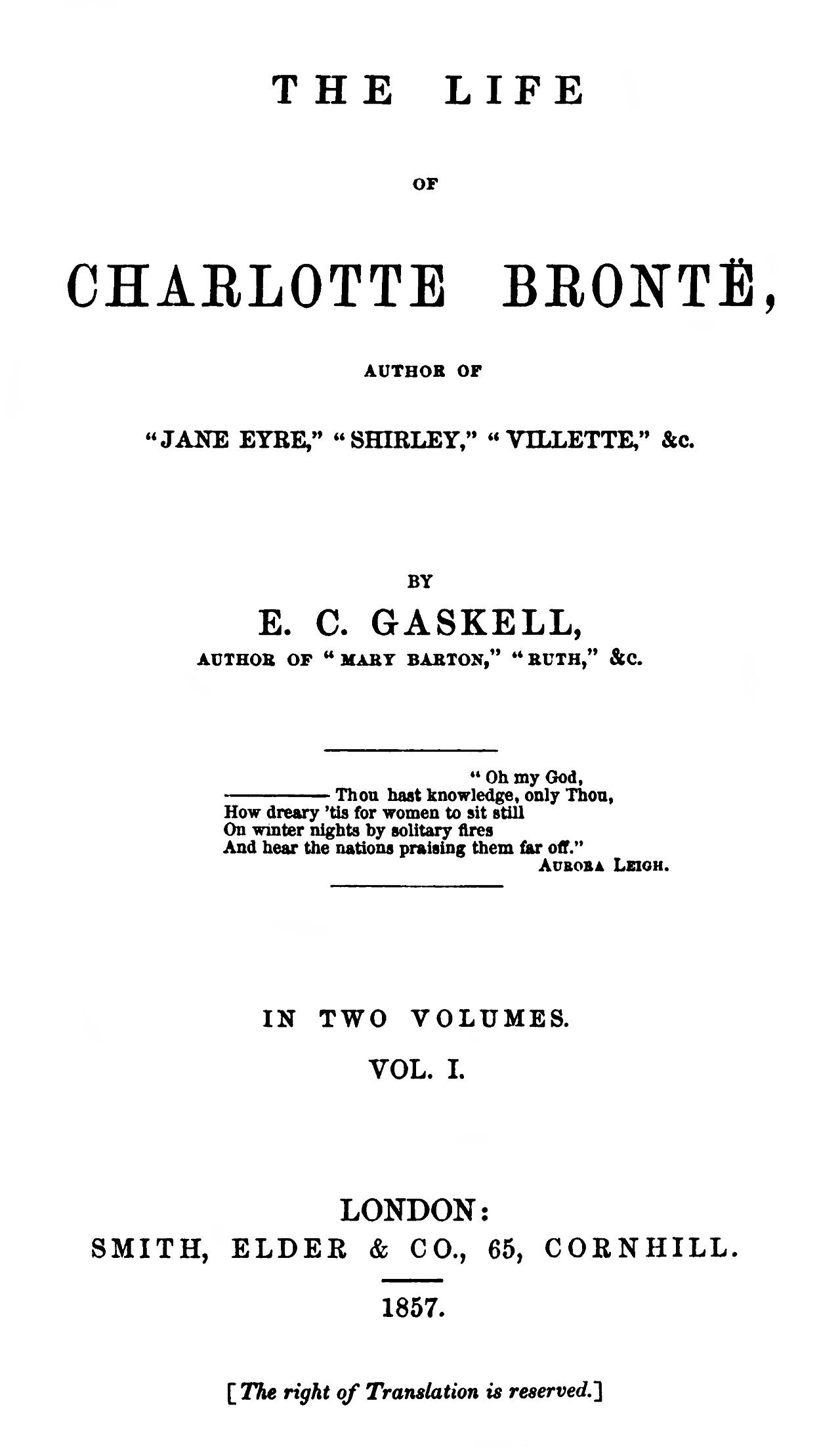
The Life of Charlotte Brontë
Elizabeth Gaskell · 1857
 Book
Primary source
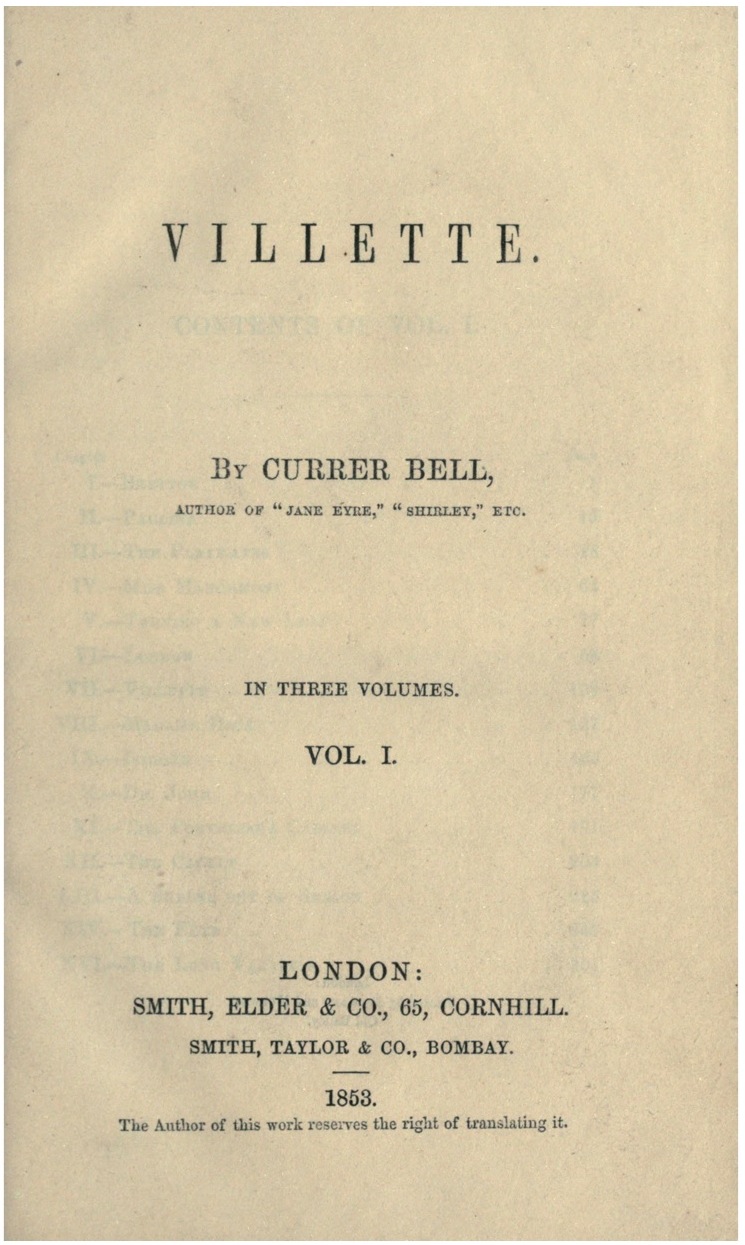
Villette
Charlotte Brontë · 1853
Ready when you are
Start chatting with Charlotte Brontë now.
20 messages free · No credit card · Available in 50+ languages.