


Primary sourceArtifact
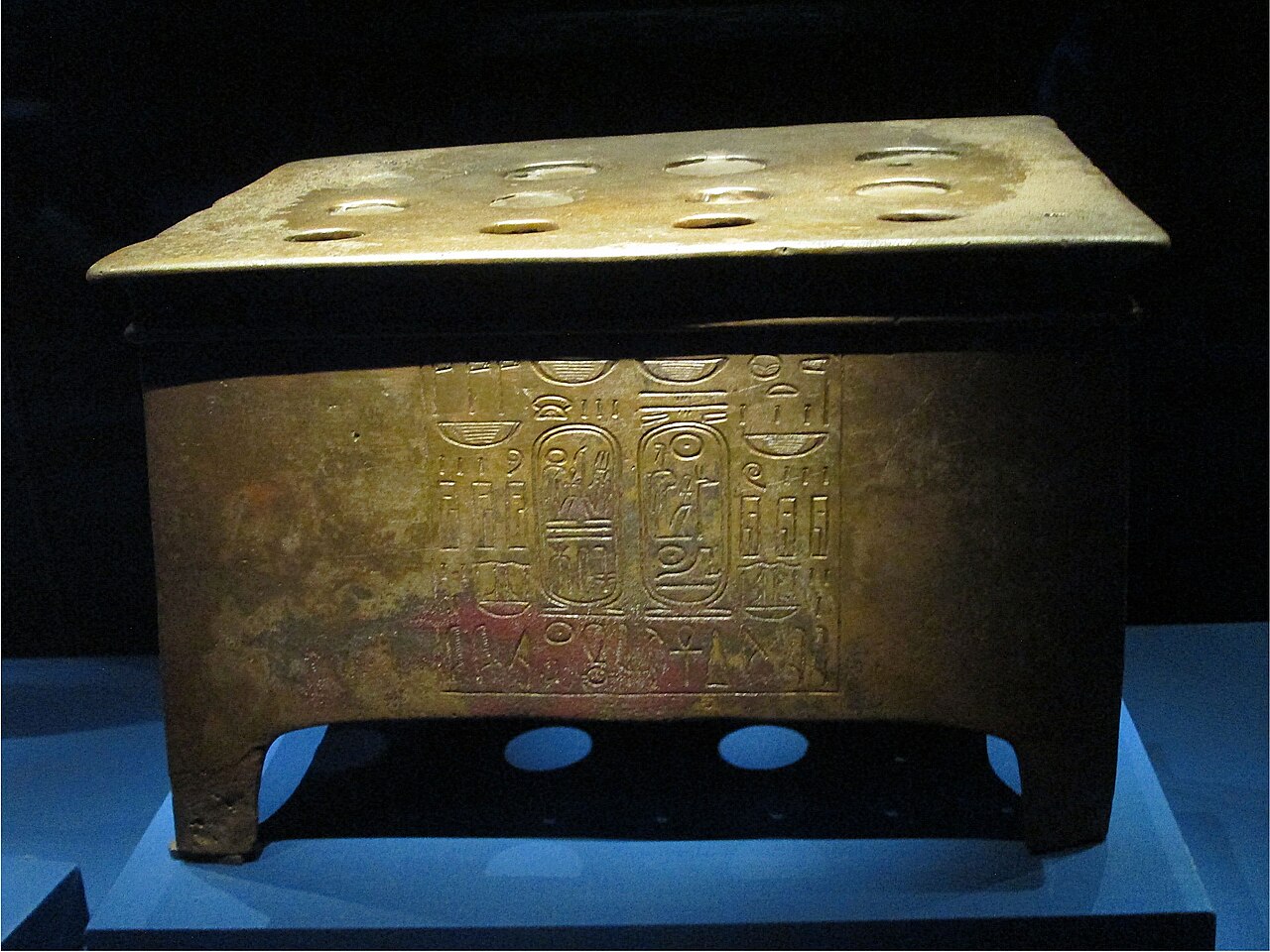
Bronze Brazier of Ramesses II
A rare inscribed bronze brazier used for burning incense, dedicated by Ramesses II to temple gods.
This bronze brazier was dedicated by Ramesses II to the temple gods, showing his role in royal religious ritual.
About this source
What it is
This bronze brazier, or oven, was used to burn incense and carries an inscription dedicating it by Ramesses II to the temple gods during one of his jubilees. It was originally kept in a palace or temple near Tanis or Thebes and later found buried in the tomb of King Psusennes I at Tanis, who ruled about two hundred years after Ramesses II.
Why it matters
This is one of few surviving inscribed bronze utensils from his reign, offering rare physical evidence of royal ritual practice. Its later burial with Psusennes I shows how objects linked to Ramesses II were treasured and reused as sacred relics long after his death.
Look closer
- What does the inscription suggest about the object's original purpose?
- Why might a later king want an object connected to Ramesses II buried in his own tomb?
- What can the brazier's survival tell us about how metal objects usually disappear from the archaeological record?
This artifact is part of the curated material that grounds the AI version of Ramses II (Ramses the Great) on Humy.ai — when students ask about related events, the AI can quote it and cite it.
More Ramses II (Ramses the Great) sources
Meet the AI Ramses II (Ramses the Great) →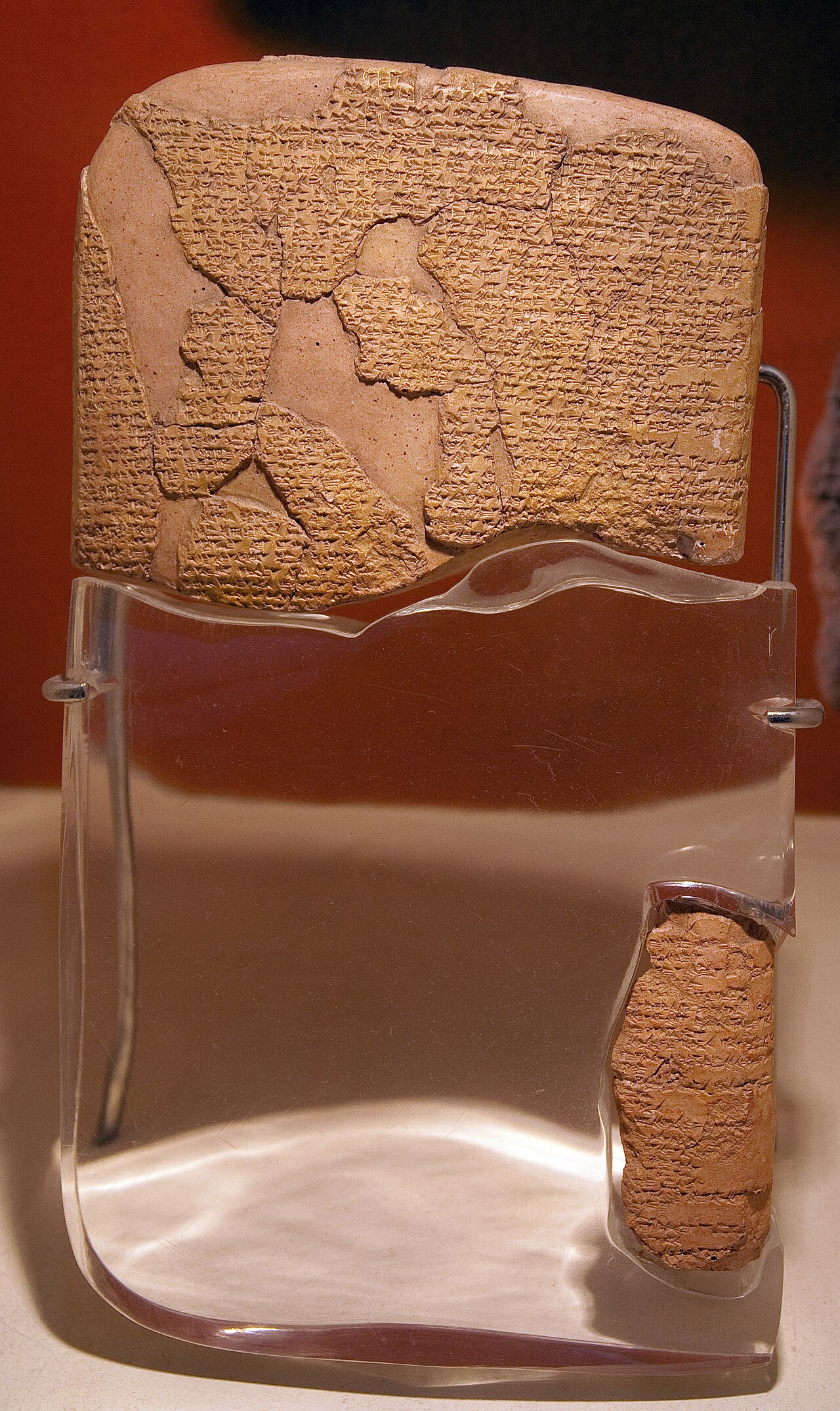 Document
Primary source
Egyptian–Hittite Peace Treaty
c. 1258 BCE
 Photograph
Secondary source
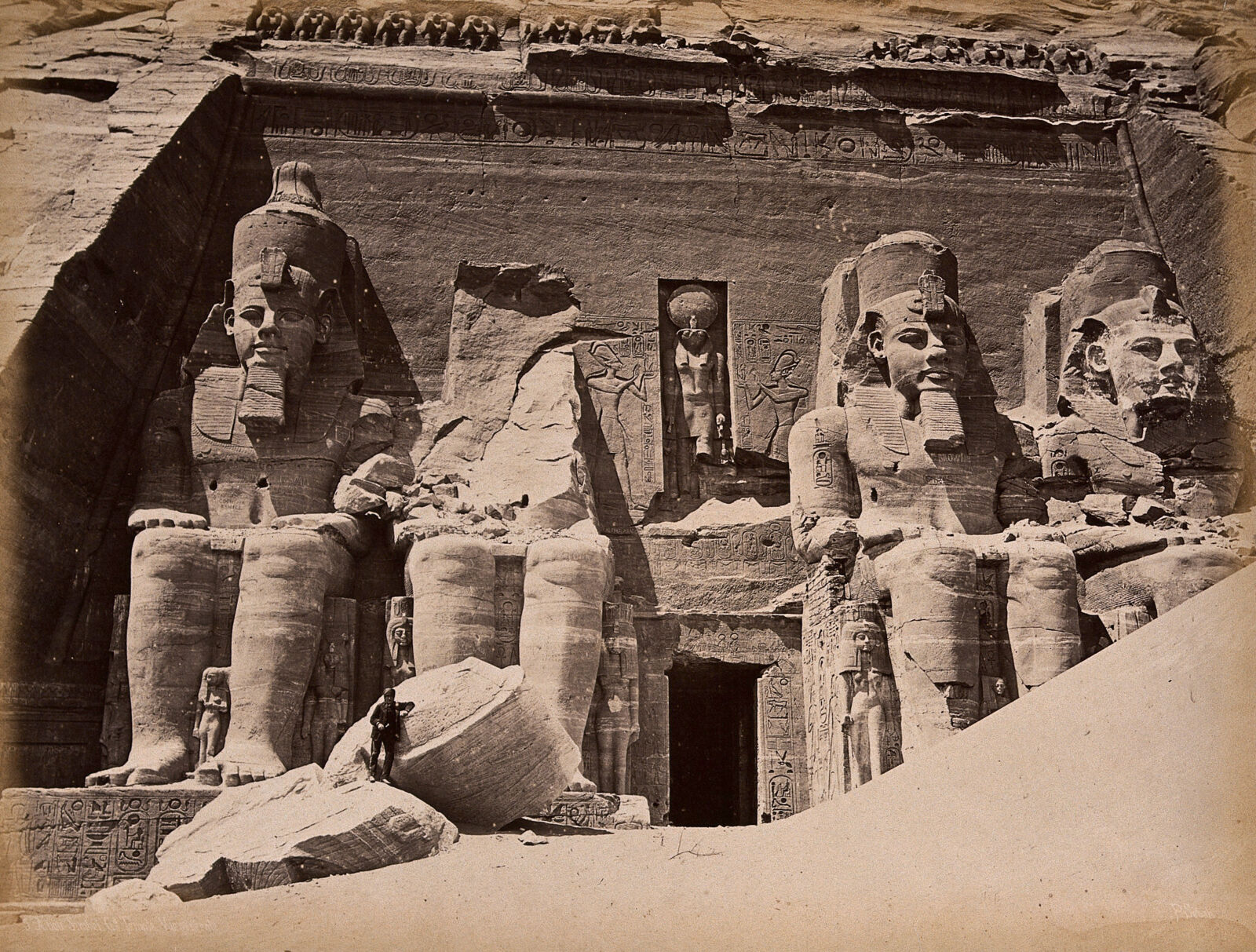
Abu Simbel Temple Colossi
Pascal Sébah · 1875
 Artifact
Primary source
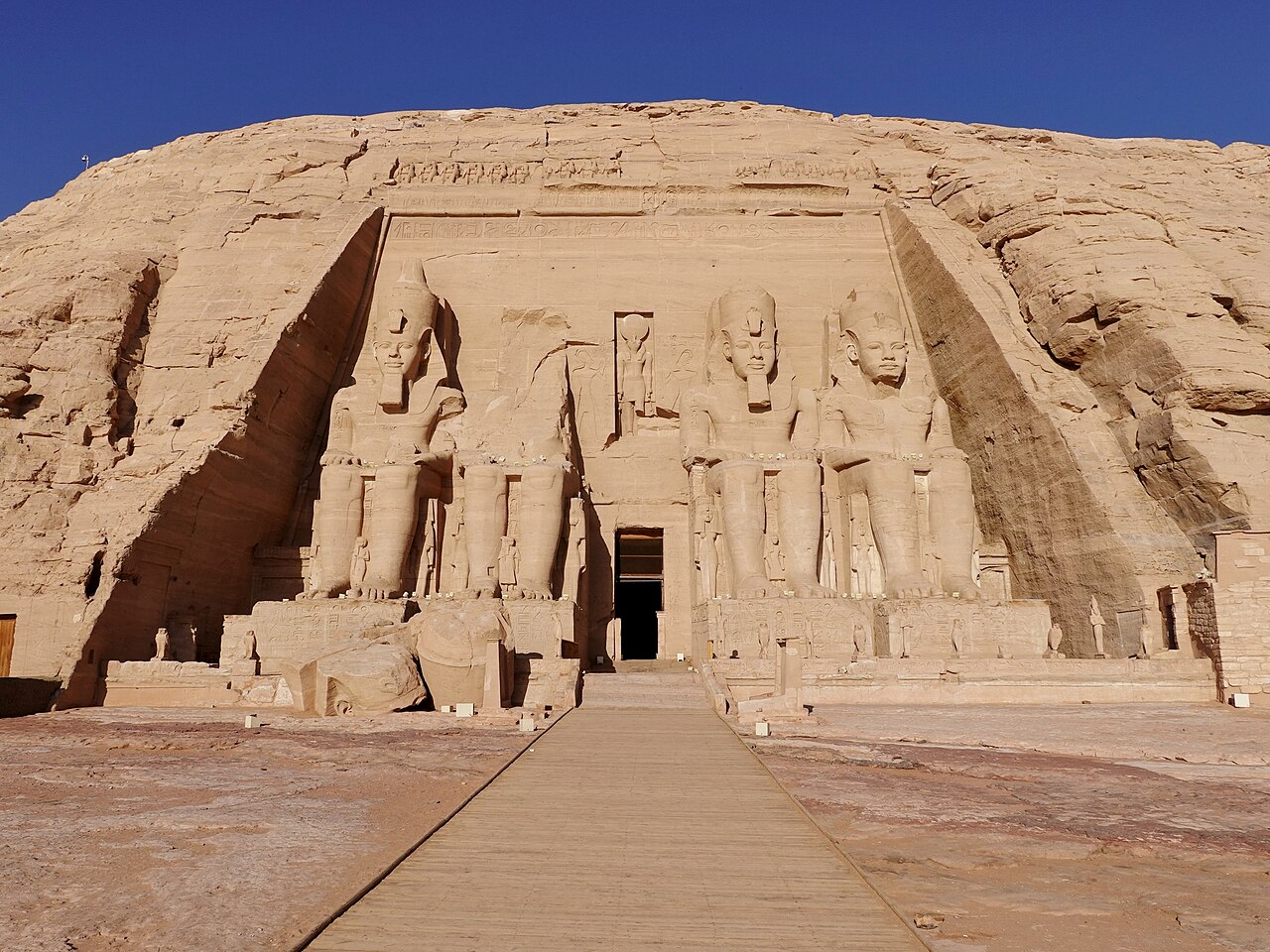
Abu Simbel
Ramesses II · c. 1273 BCE
 Photograph
Secondary source
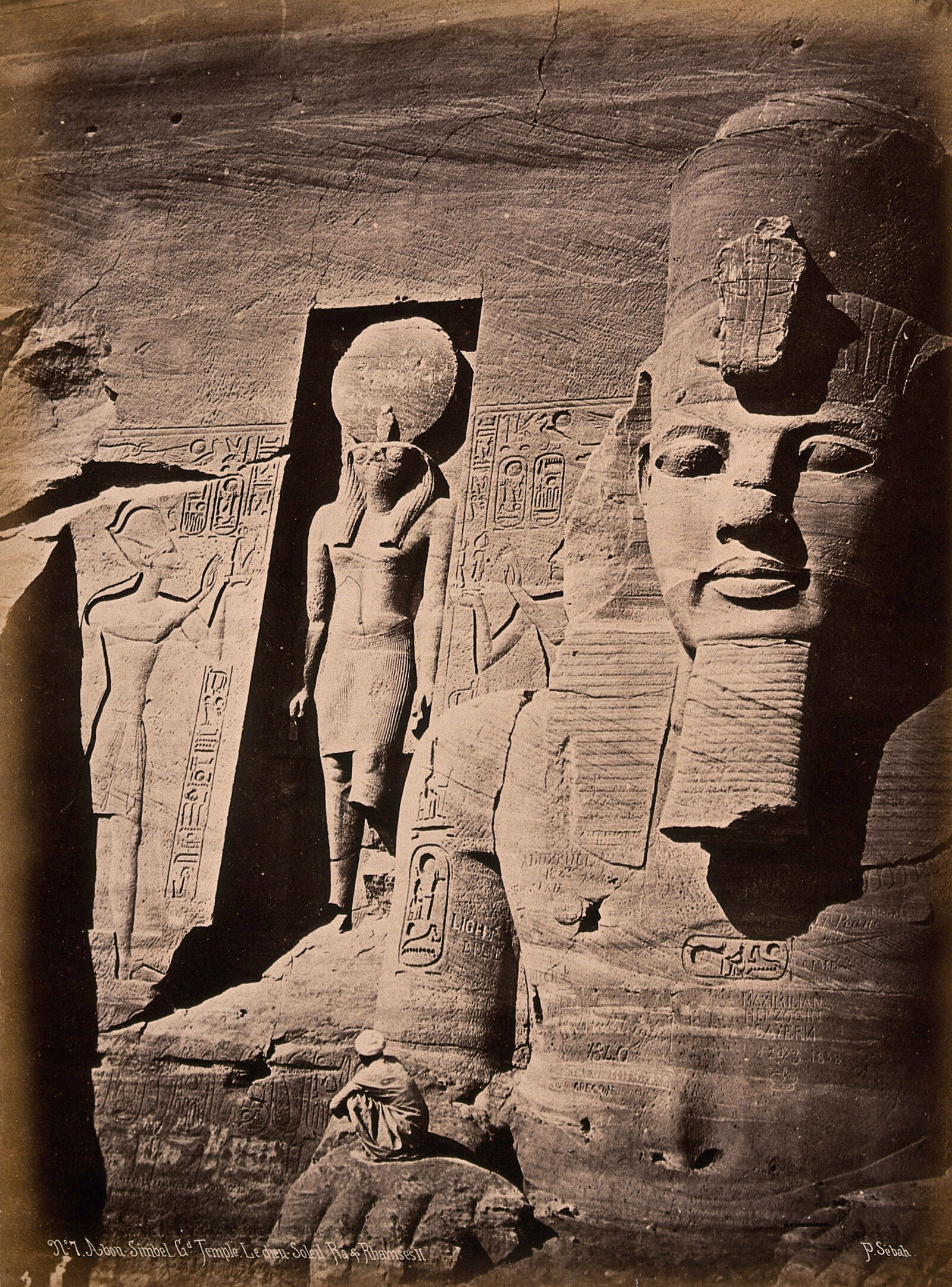
Facade Detail of Abu Simbel Showing Ramesses II and Ra
Pascal Sébah · 1875
 Photograph
Secondary source
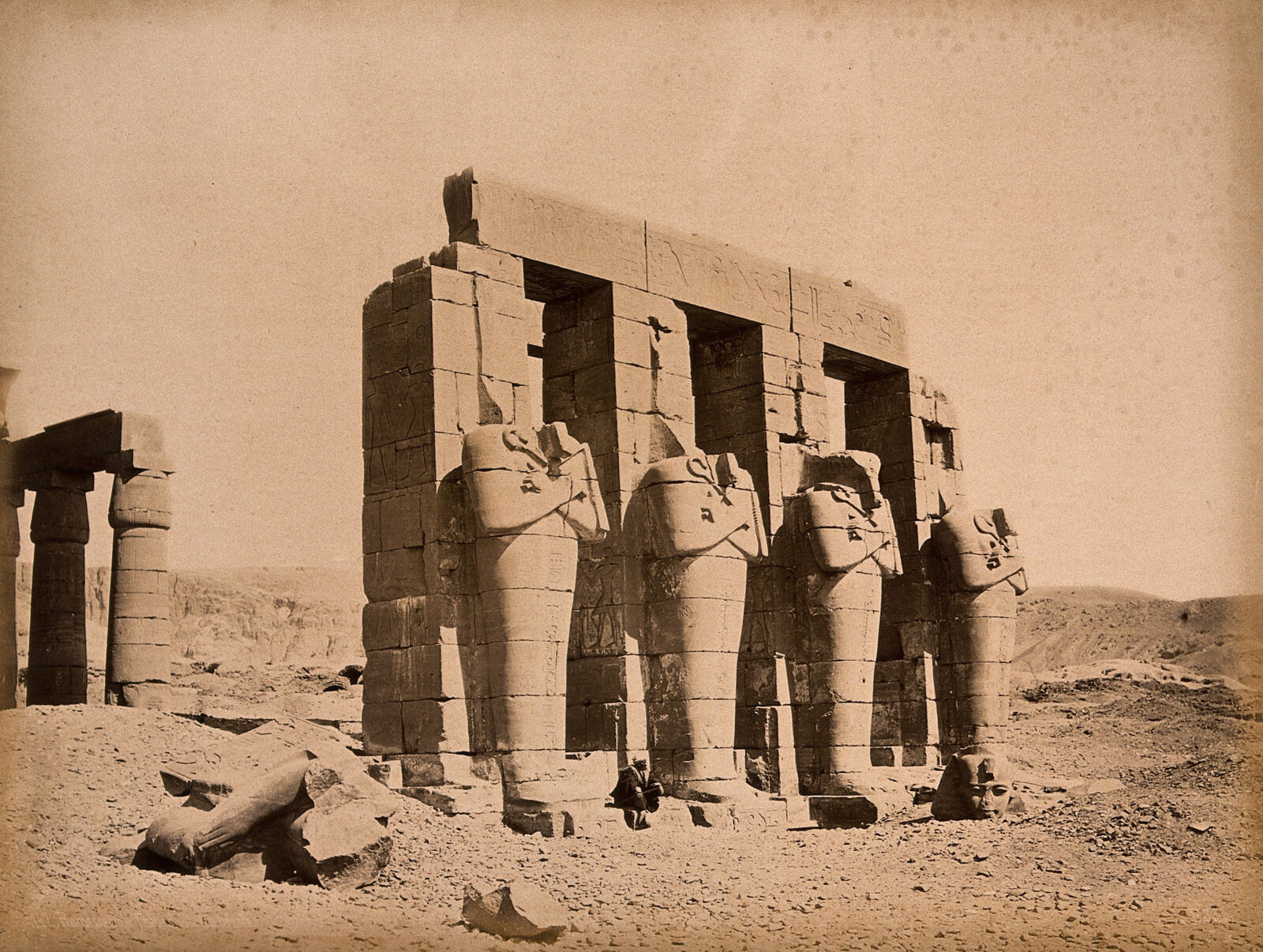
Ramesseum Colossi in Ruins
Pascal Sébah · c. 1875
Ready when you are
Start chatting with Ramses II (Ramses the Great) now.
20 messages free · No credit card · Available in 50+ languages.