


Primary sourceSculpturec. 1800-1750 BCE
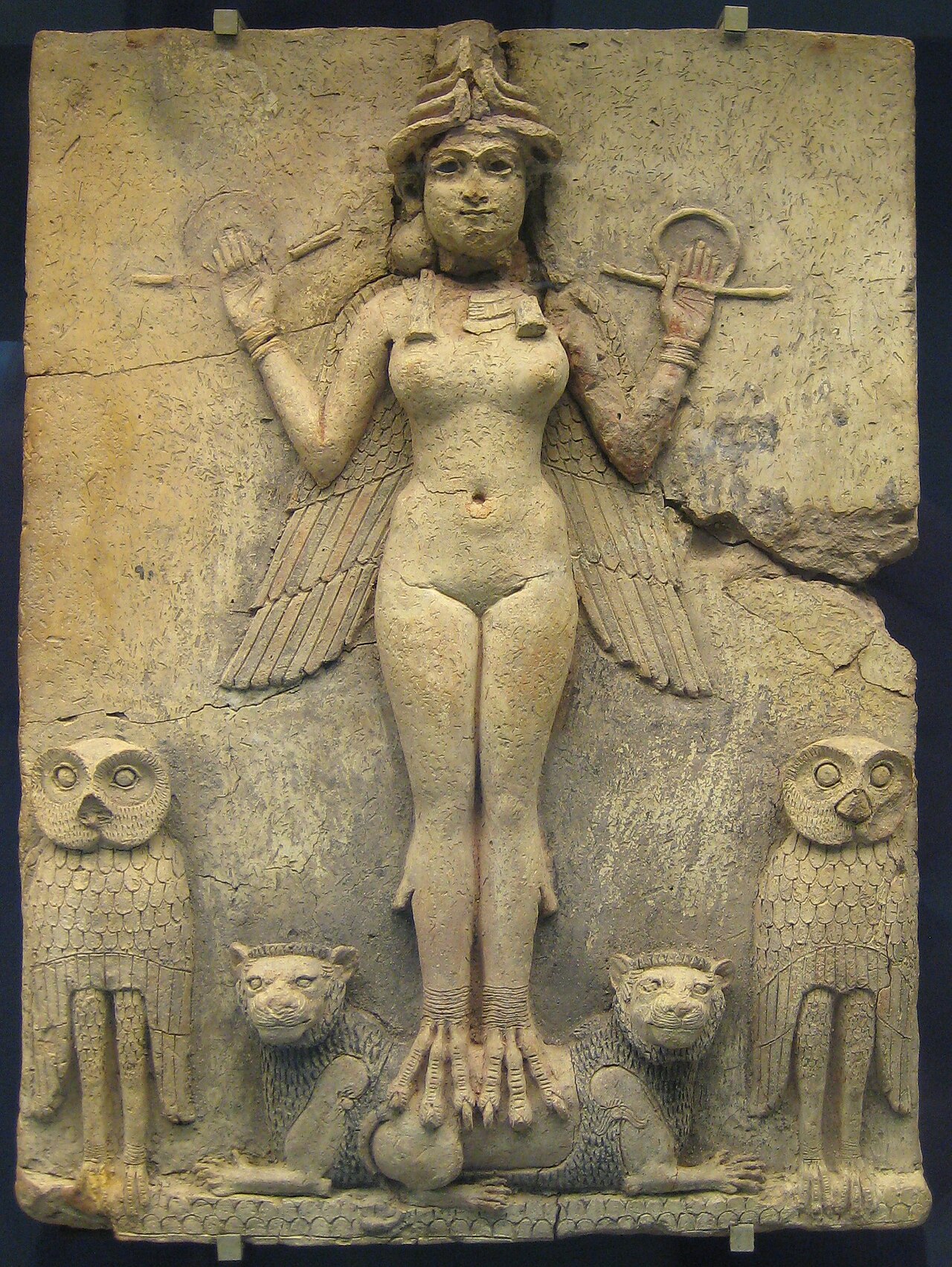
Burney Relief
c. 1800-1750 BCE
A terracotta relief of a winged goddess-like figure, made in Mesopotamia around the time of Hammurabi's reign.
This relief, made in Hammurabi's era, illustrates the religious art and imagery of the Babylon he ruled.
About this source
What it is
The Burney Relief, also called the Queen of the Night relief, is a fired-clay plaque showing a winged, nude, goddess-like figure with bird's talons, flanked by owls and standing on two lions. The British Museum dates it to between 1800 and 1750 BCE, during the Old Babylonian period. Its exact findspot is unknown, and its authenticity and the identity of the figure have long been debated by scholars.
Why it matters
The relief is one of the finest surviving artworks from the Old Babylonian world that Hammurabi ruled. Its size, detail and unusual imagery make it a rare glimpse into the religious beliefs and artistic skills of people living under kings like Hammurabi, even though it cannot be linked to him directly.
Look closer
- What details in the figure's wings, talons, horns and animals suggest she is a goddess rather than a human?
- Why might scholars still argue about who this figure represents?
- What problems are created for historians when an object has no known findspot?
This sculpture is part of the curated material that grounds the AI version of Hammurabi on Humy.ai — when students ask about related events, the AI can quote it and cite it.
More Hammurabi sources
Meet the AI Hammurabi →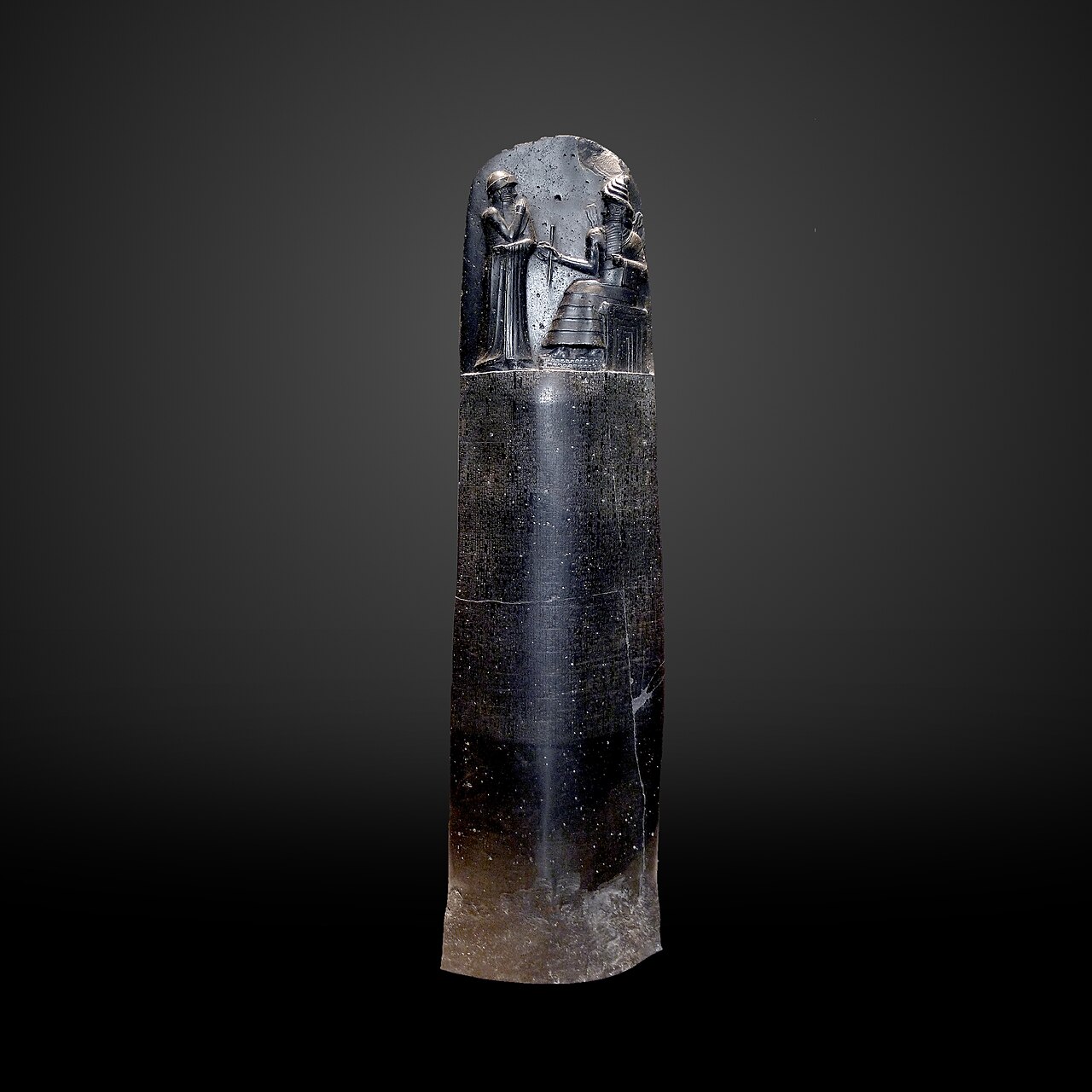 Document
Primary source
Code of Hammurabi
Hammurabi · c. 1753 BCE
 Sculpture
Primary source
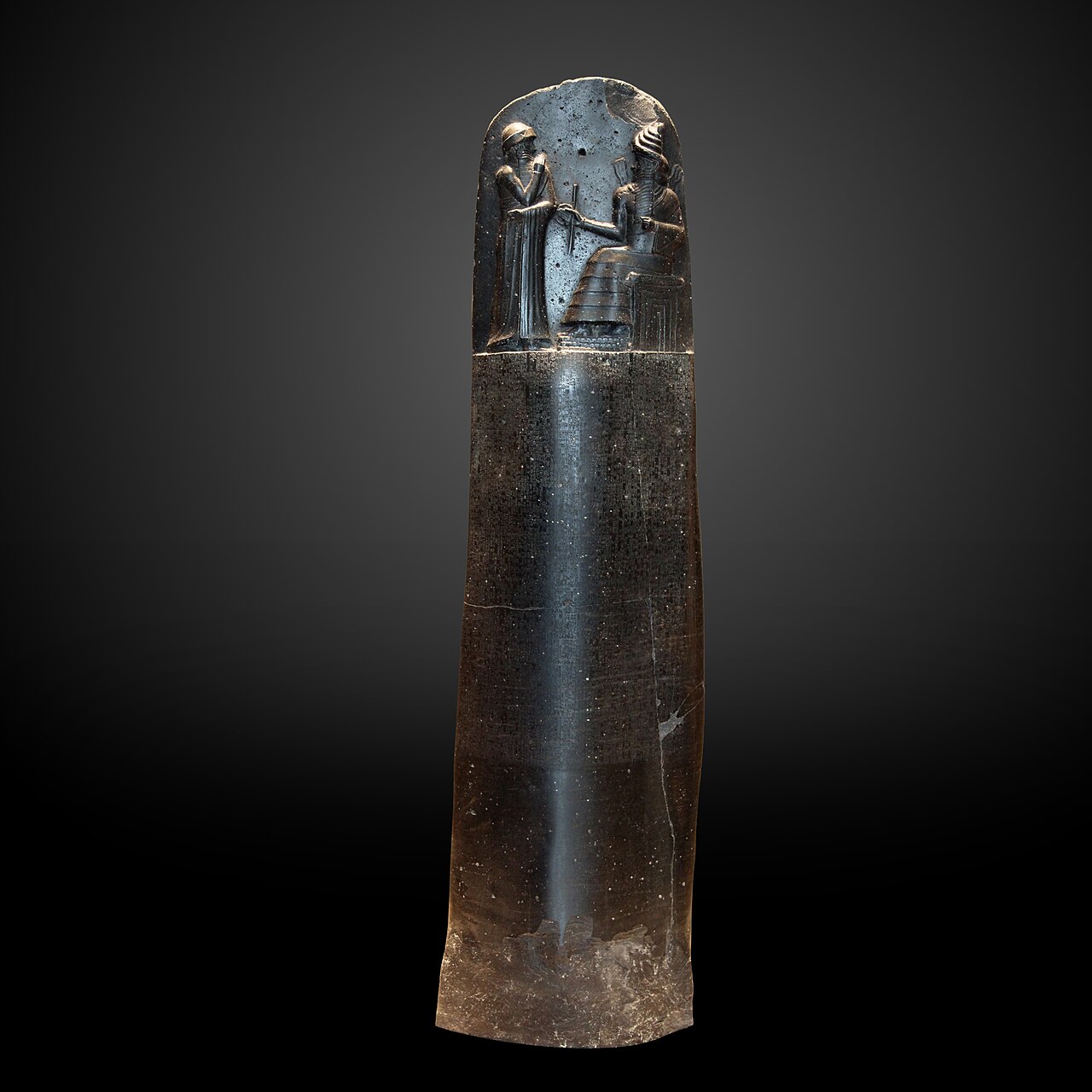
Stele with the Code of Hammurabi
Hammurabi · c. 1792 BCE
 Letter
Primary source
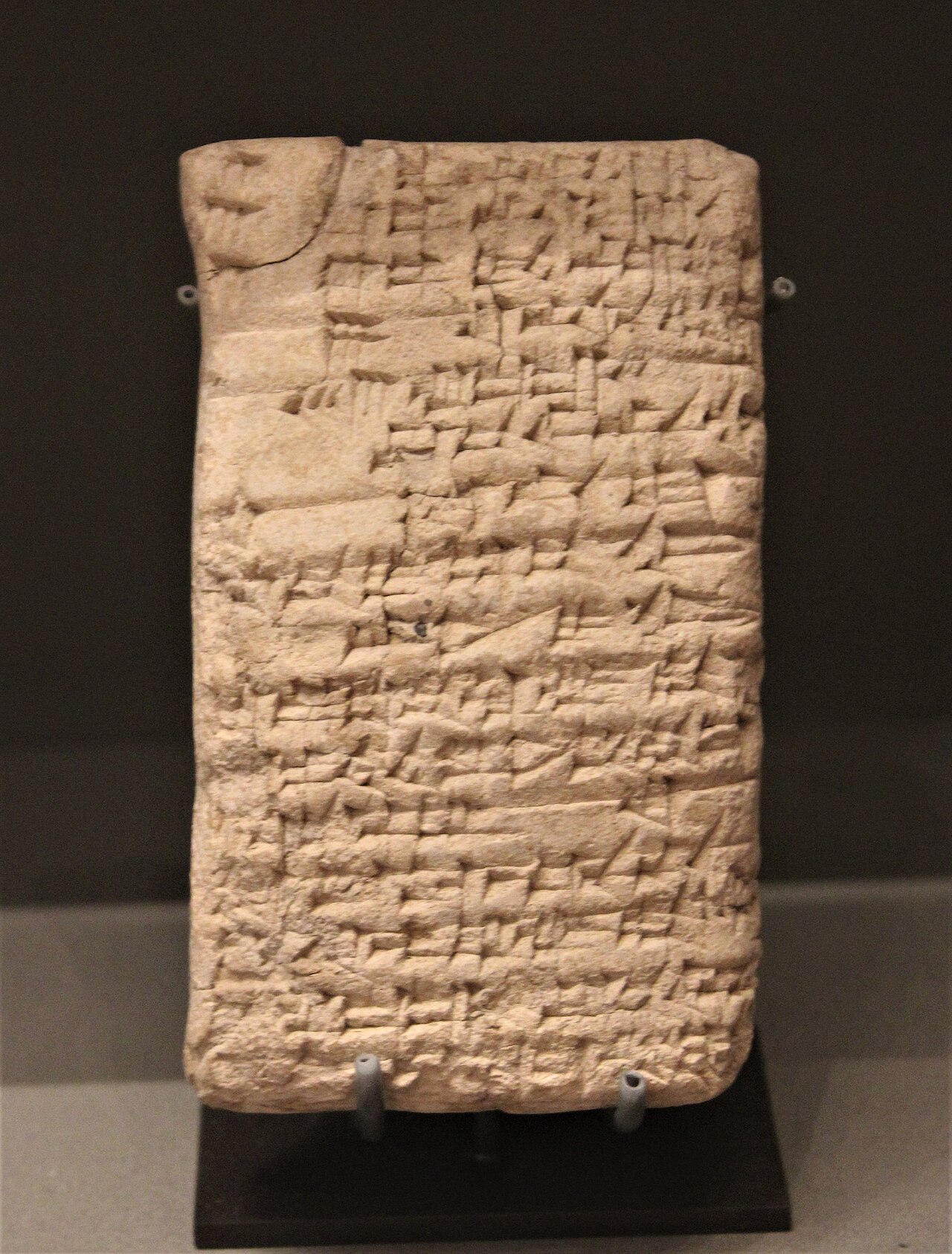
Letter from Hammurabi to Sîn-iddinam
Hammurabi · c. 1792-1750 BCE
 Document
Primary source
List of the year-names of Hammurabi's reign
Old Babylonian period, reign of Hammurabi (c. 1792-1750 BCE)
 Document
Secondary source
Chronicle of Early Kings
Babylonian scribes · c. 6th century BCE copy
Ready when you are
Start chatting with Hammurabi now.
20 messages free · No credit card · Available in 50+ languages.