


Secondary sourceSculpture1st century CE
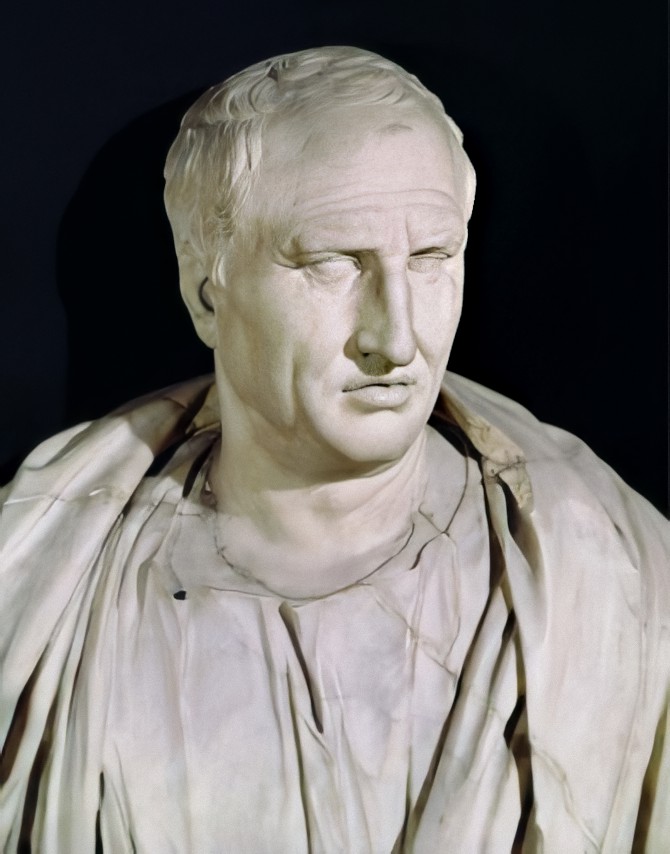
Bust of Cicero
1st century CE
A Roman marble portrait bust of Cicero, made after his death, held at the Capitoline Museums in Rome.
An ancient portrait bust made after Cicero's death, showing how Romans chose to remember his image.
About this source
What it is
This marble bust portrays Cicero as an older man, with curled hair, a furrowed brow and a thin mustache, wearing a toga-like garment. It was carved in ancient Rome after Cicero's death and is now held at the Capitoline Museums in Rome.
Why it matters
Portrait busts like this one were how Romans remembered and honored important public figures. Because it was made after Cicero died, it reflects how later generations wanted to picture him — as a serious, thoughtful statesman — rather than being an exact record of his living face. It is one of several surviving ancient images that shaped how Cicero has been imagined ever since.
Look closer
- What expression has the sculptor given Cicero, and what impression does it create?
- Since this was made after Cicero's death, how reliable do you think it is as a likeness?
- Why might Romans have wanted sculpted portraits of politicians and orators?
This sculpture is part of the curated material that grounds the AI version of Cicero on Humy.ai — when students ask about related events, the AI can quote it and cite it.
More Cicero sources
Meet the AI Cicero →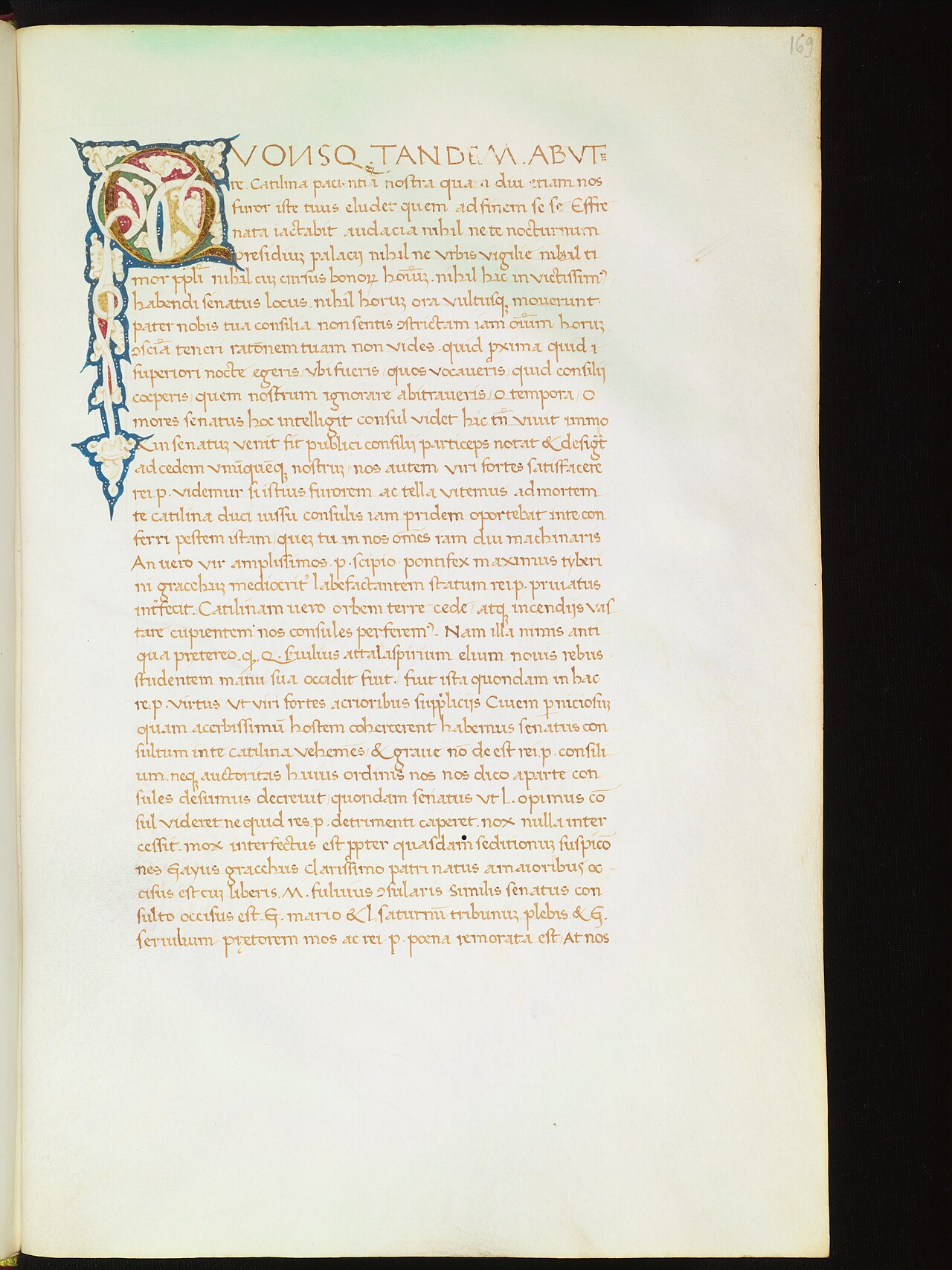 Speech
Primary source
Catiline Orations
Cicero · 63 BCE
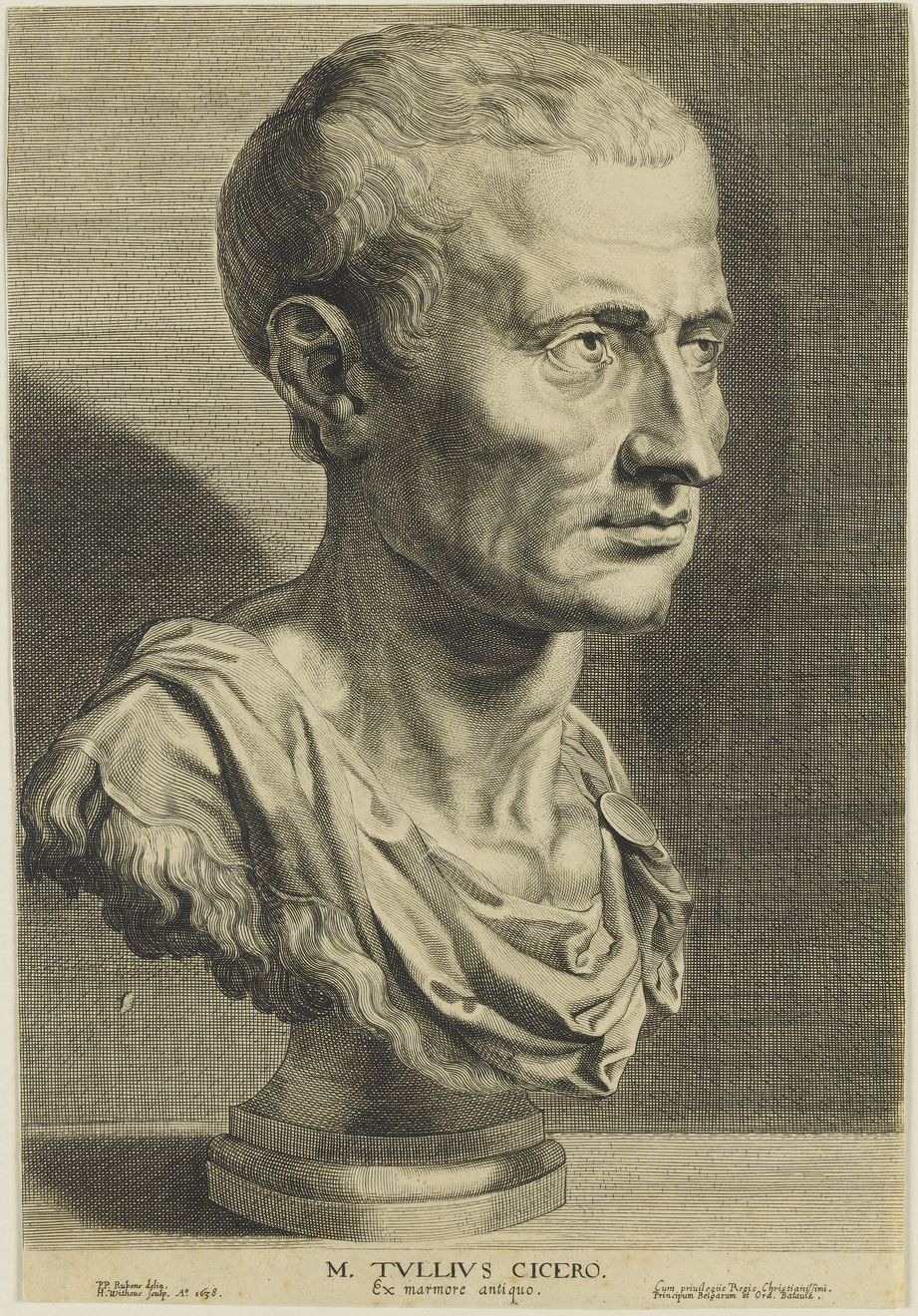 Painting
Secondary source
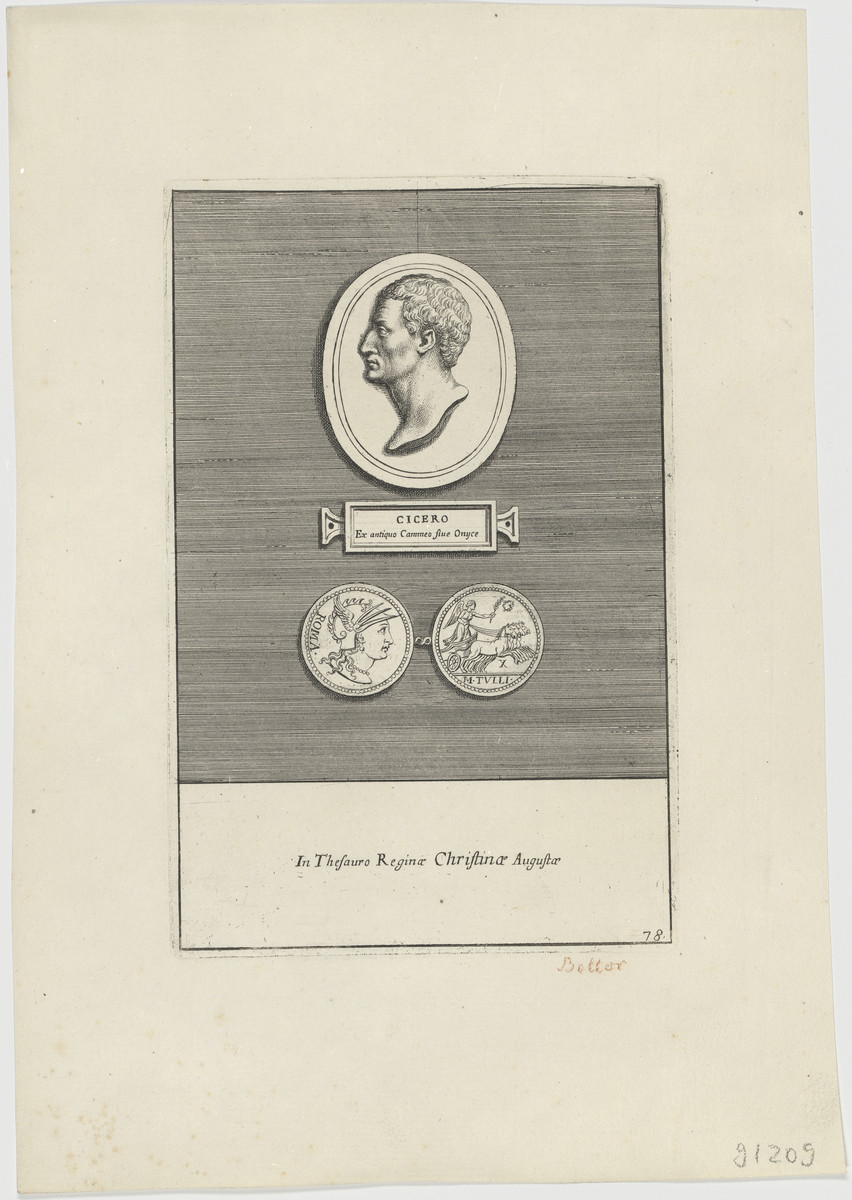
Marcus Tullius Cicero, engraved after antique marble busts
Jan Witdoeck
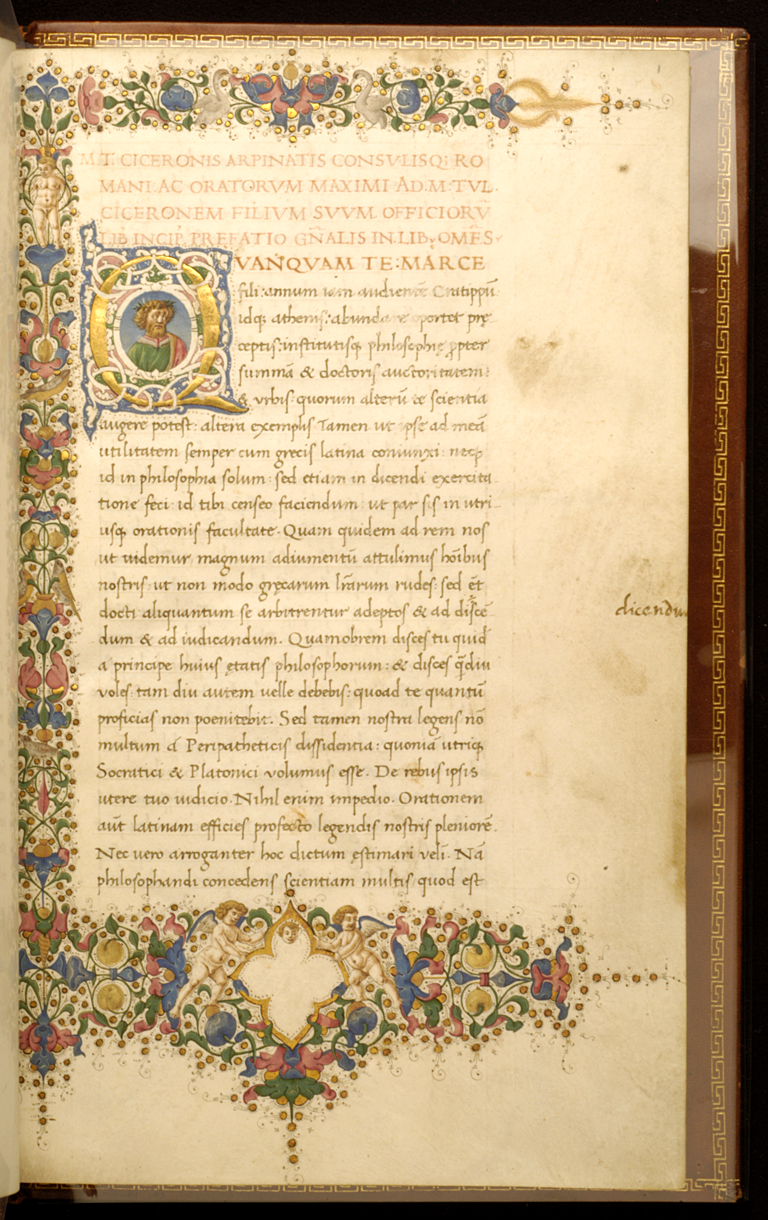 Book
Primary source
De Officiis
Cicero · 44 BC
 Painting
Secondary source
Portrait of Cicero (Bildnis des Cicero)
 Book
Primary source
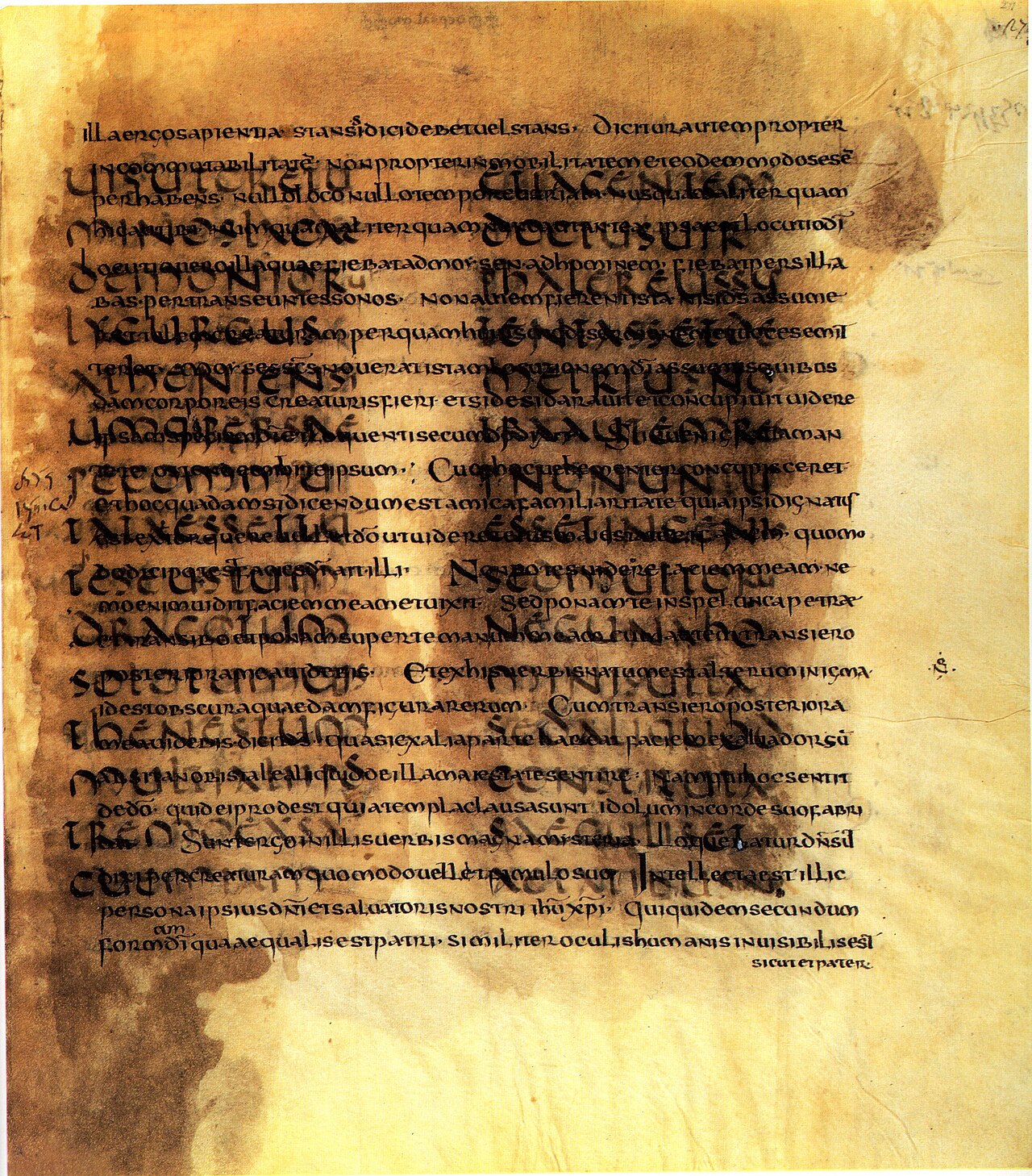
De re publica
Cicero · c. 54–51 BC
Ready when you are
Start chatting with Cicero now.
20 messages free · No credit card · Available in 50+ languages.