


Secondary sourcePhotograph1st century AD (bust); between 1839 and 1939 (slide)
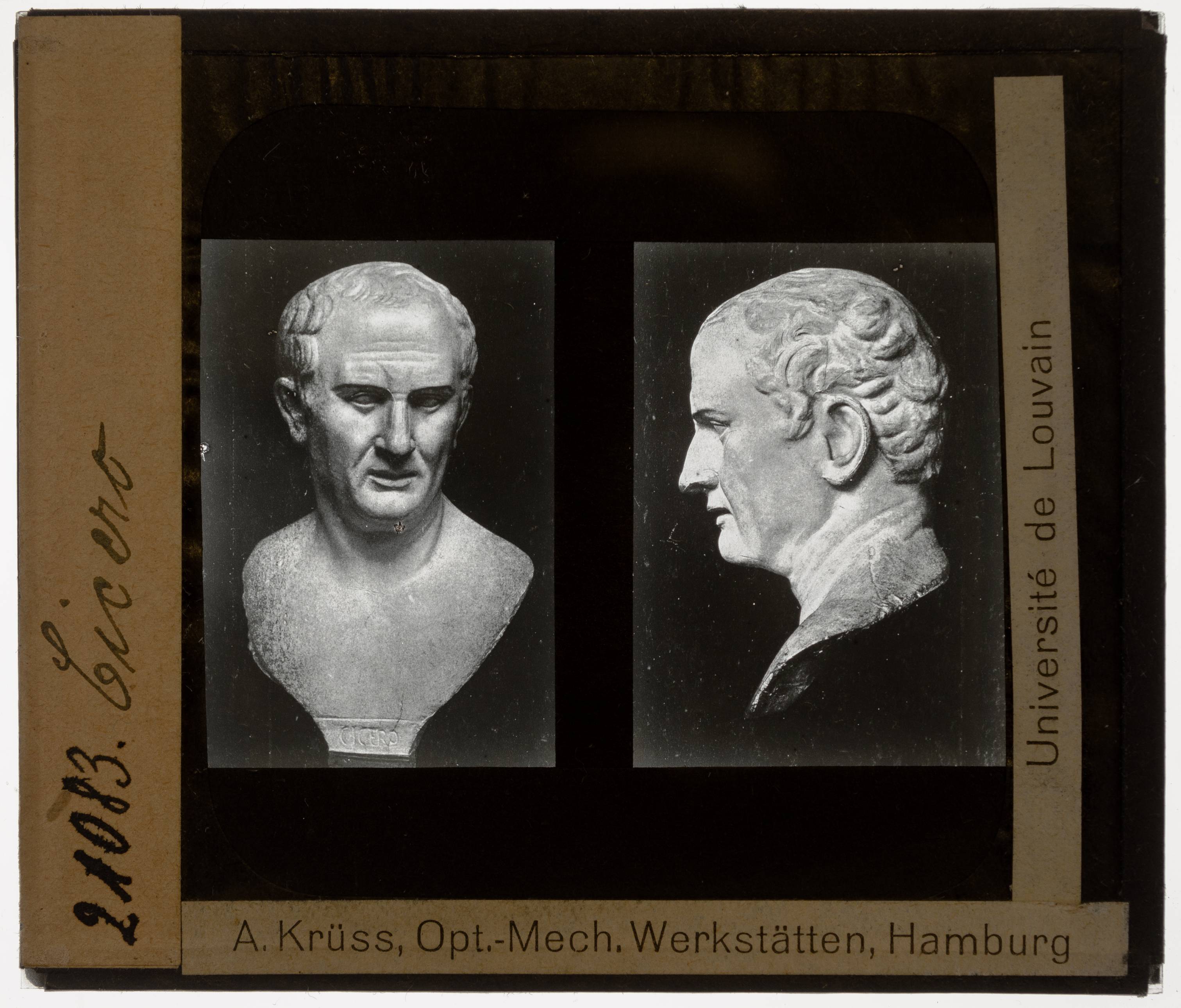
Bust of Cicero, Frontal and Profile
1st century AD (bust); between 1839 and 1939 (slide)
A lantern slide photograph of a Roman marble bust of Cicero from the 1st century AD, shown from the front and in profile.
This Roman-era bust and its teaching slide depict Cicero as remembered in antiquity itself.
About this source
What it is
This is a glass lantern slide, likely used for teaching art history at the Université de Louvain between 1839 and 1939. It shows two photographs of a marble bust inscribed CICERO, held by the Victoria and Albert Museum in London. The bust itself is a work of Roman art dated to the 1st century AD.
Why it matters
Although made long after Cicero's death, the bust belongs to the Roman period and reflects how Romans themselves chose to remember one of their most famous orators and statesmen. The slide also shows how such ancient sculptures were used as teaching tools in universities.
Look closer
- Why would a university use photographs of ancient busts to teach students?
- What might the choice of inscription 'CICERO' on the base tell us?
- How does seeing both a frontal and profile view change what we notice about the sculpture?
This photograph is part of the curated material that grounds the AI version of Cicero on Humy.ai — when students ask about related events, the AI can quote it and cite it.
More Cicero sources
Meet the AI Cicero →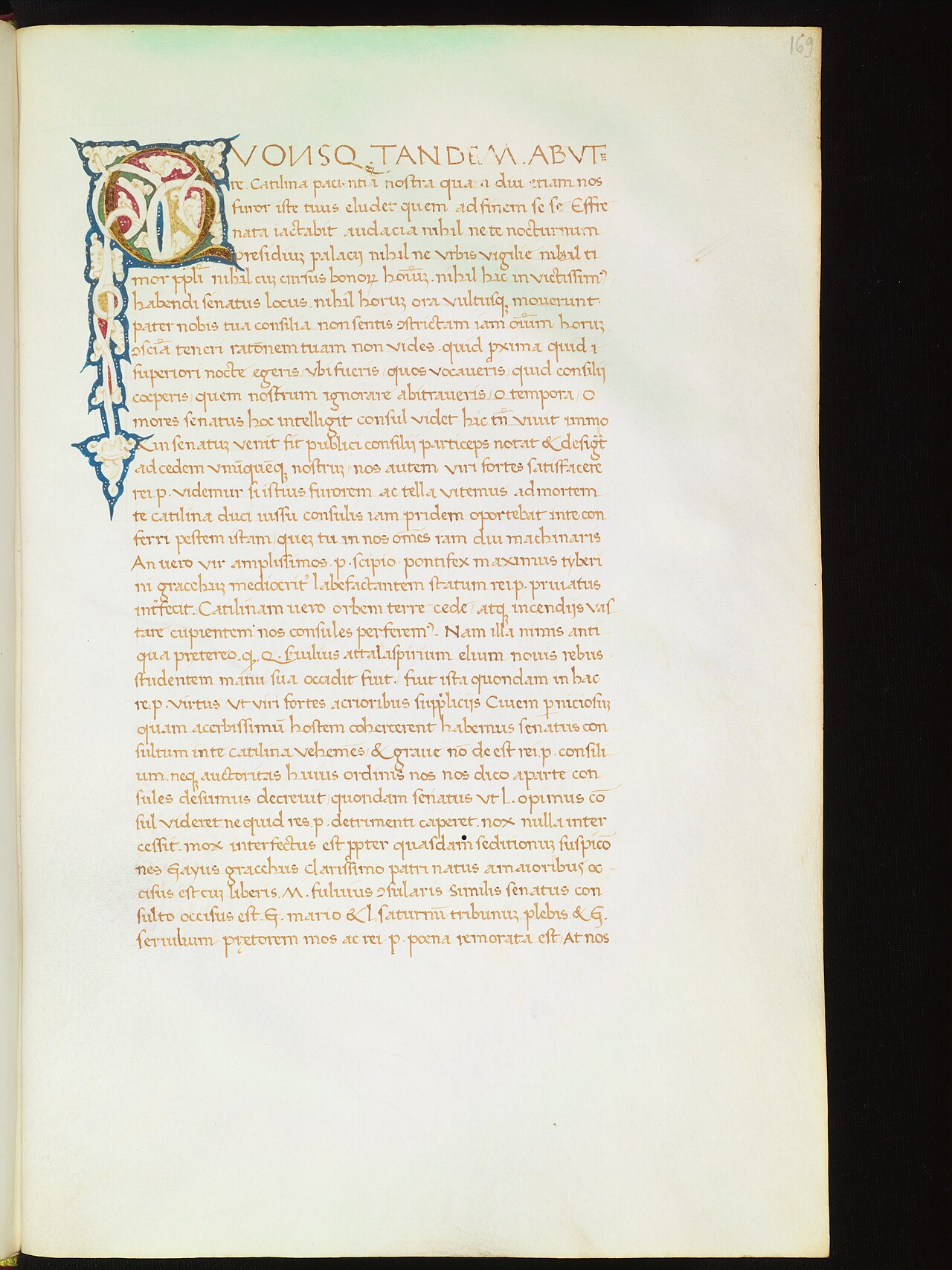 Speech
Primary source
Catiline Orations
Cicero · 63 BCE
 Painting
Secondary source
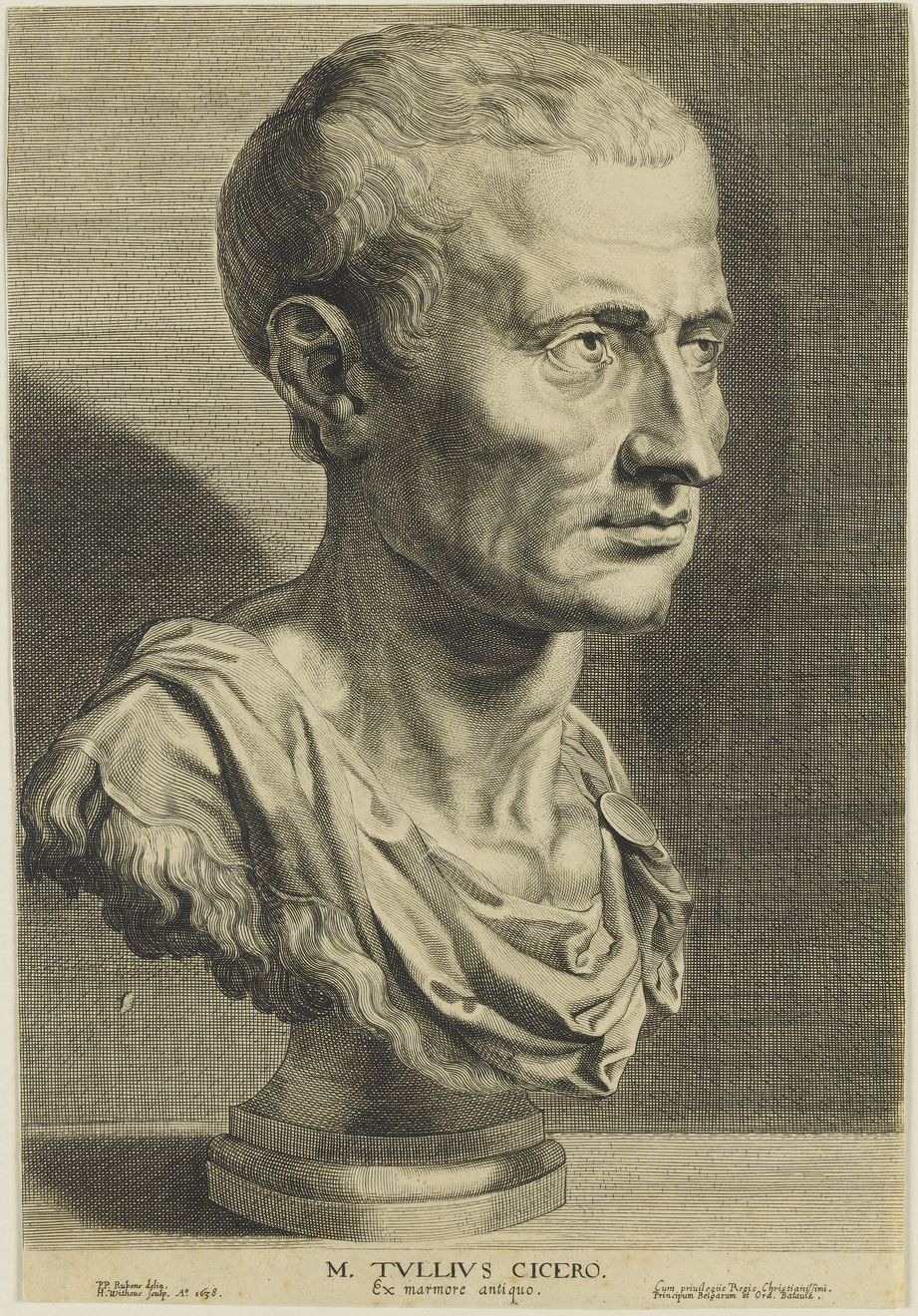
Marcus Tullius Cicero, engraved after antique marble busts
Jan Witdoeck
 Book
Primary source
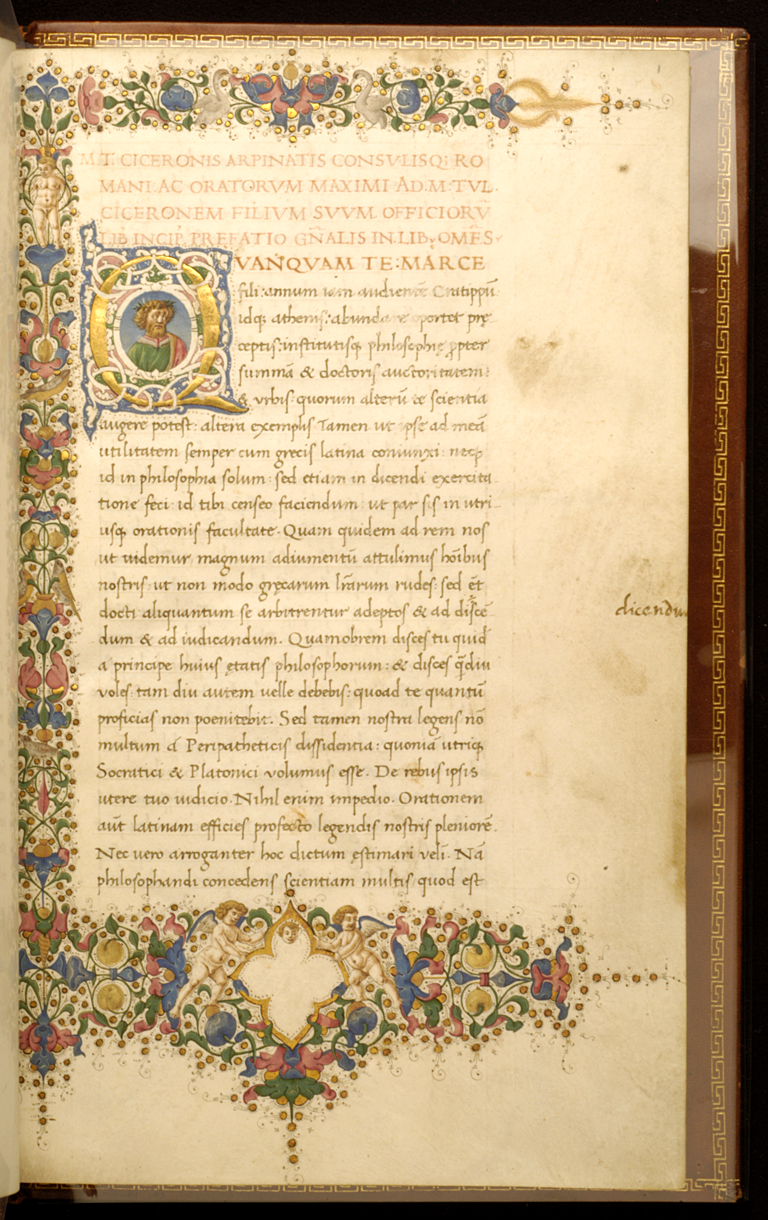
De Officiis
Cicero · 44 BC
 Painting
Secondary source
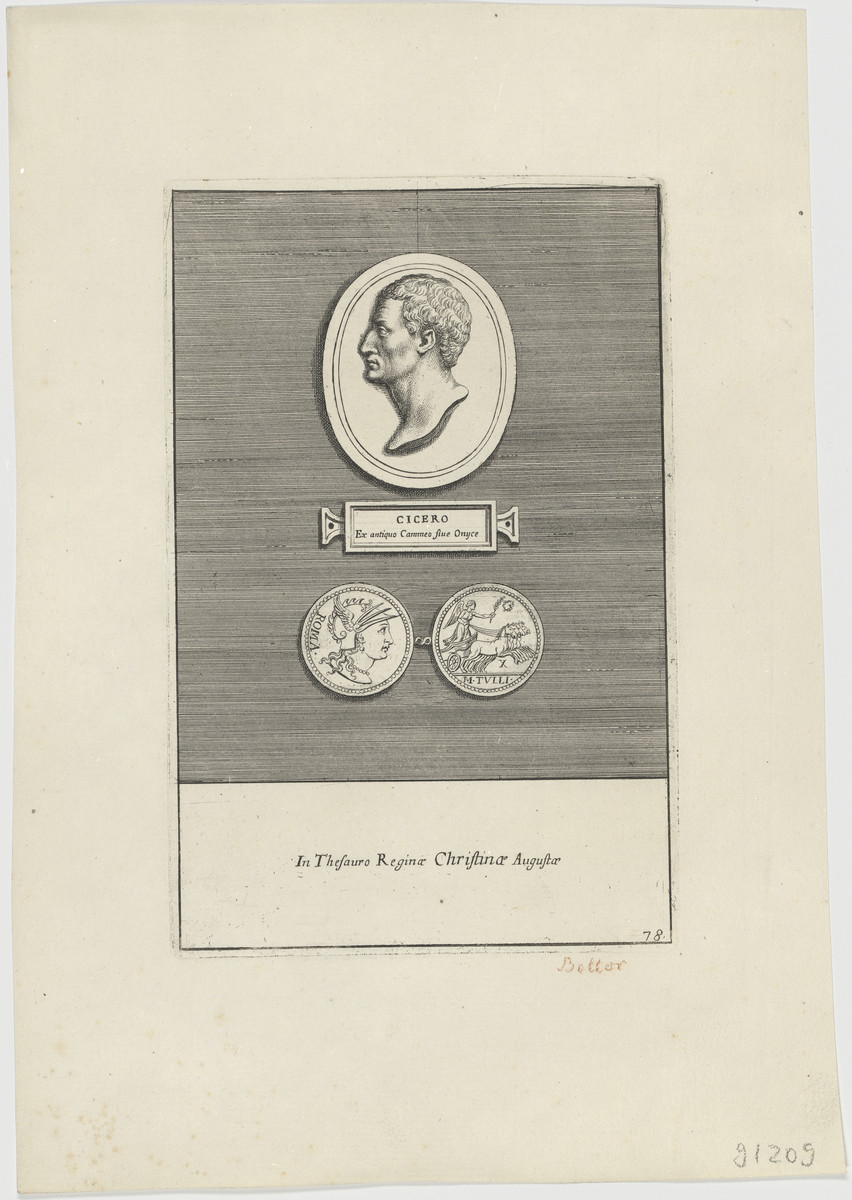
Portrait of Cicero (Bildnis des Cicero)
 Book
Primary source
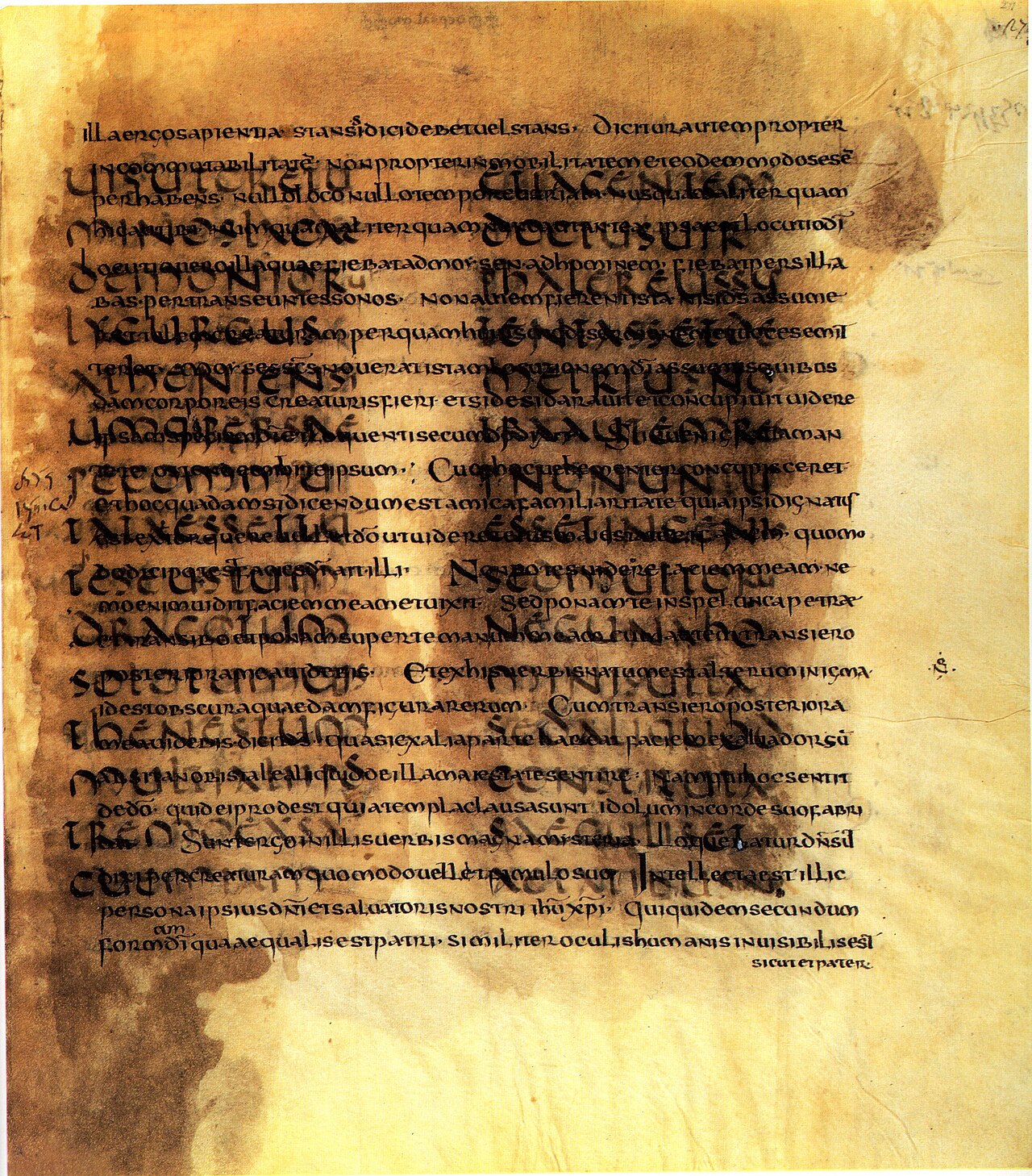
De re publica
Cicero · c. 54–51 BC
Ready when you are
Start chatting with Cicero now.
20 messages free · No credit card · Available in 50+ languages.