


Primary sourceSculpturelate 18th century, after 1778 model
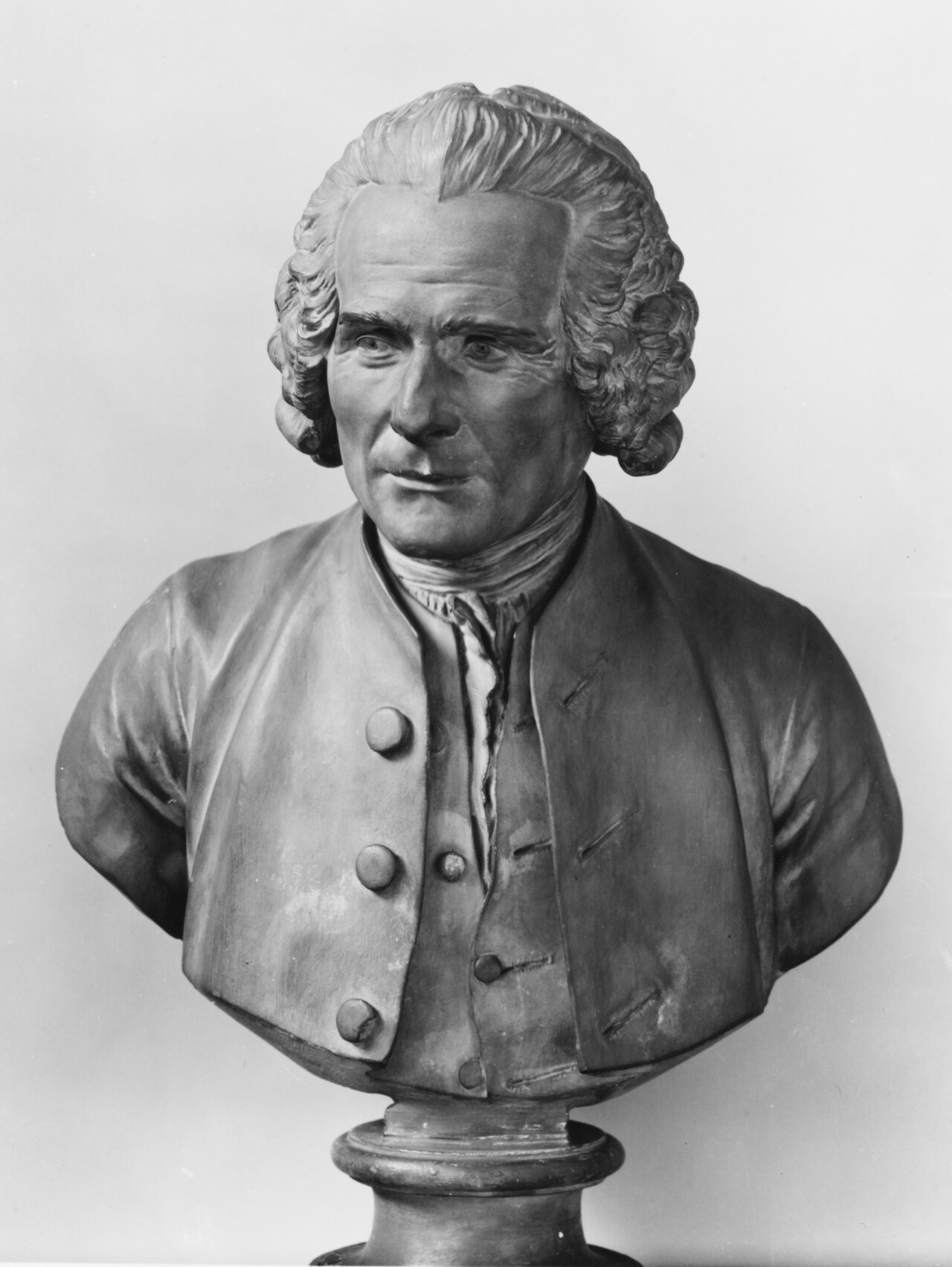
Bust of Jean-Jacques Rousseau
Jean-Antoine Houdon · late 18th century, after 1778 model
A sculpted bust portrait of Rousseau by Jean-Antoine Houdon, based on a model made in 1778, the year of Rousseau's death.
This sculpted portrait, based on a 1778 model, shaped how Rousseau was visually remembered after his death.
About this source
What it is
This is a bust sculpture of Jean-Jacques Rousseau created by the French sculptor Jean-Antoine Houdon, based on a model made in 1778. Houdon was known for portraying many leading figures of the Enlightenment.
Why it matters
Busts like this one helped shape how later generations pictured Rousseau, turning him into a recognizable public figure after his death. Houdon's skill at capturing likeness made his portraits an important visual record of Enlightenment thinkers.
Look closer
- What does the clothing and hairstyle in the sculpture suggest about Rousseau's social position?
- Why might a sculptor like Houdon have made busts of so many Enlightenment figures?
- What might a sculpted portrait leave out compared to a painted one or a written description?
This sculpture is part of the curated material that grounds the AI version of Jean-Jacques Rousseau on Humy.ai — when students ask about related events, the AI can quote it and cite it.
More Jean-Jacques Rousseau sources
Meet the AI Jean-Jacques Rousseau →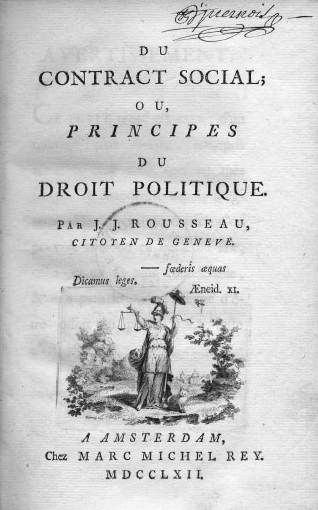 Book
Primary source
The Social Contract
Jean-Jacques Rousseau · 1762
 Painting
Primary source
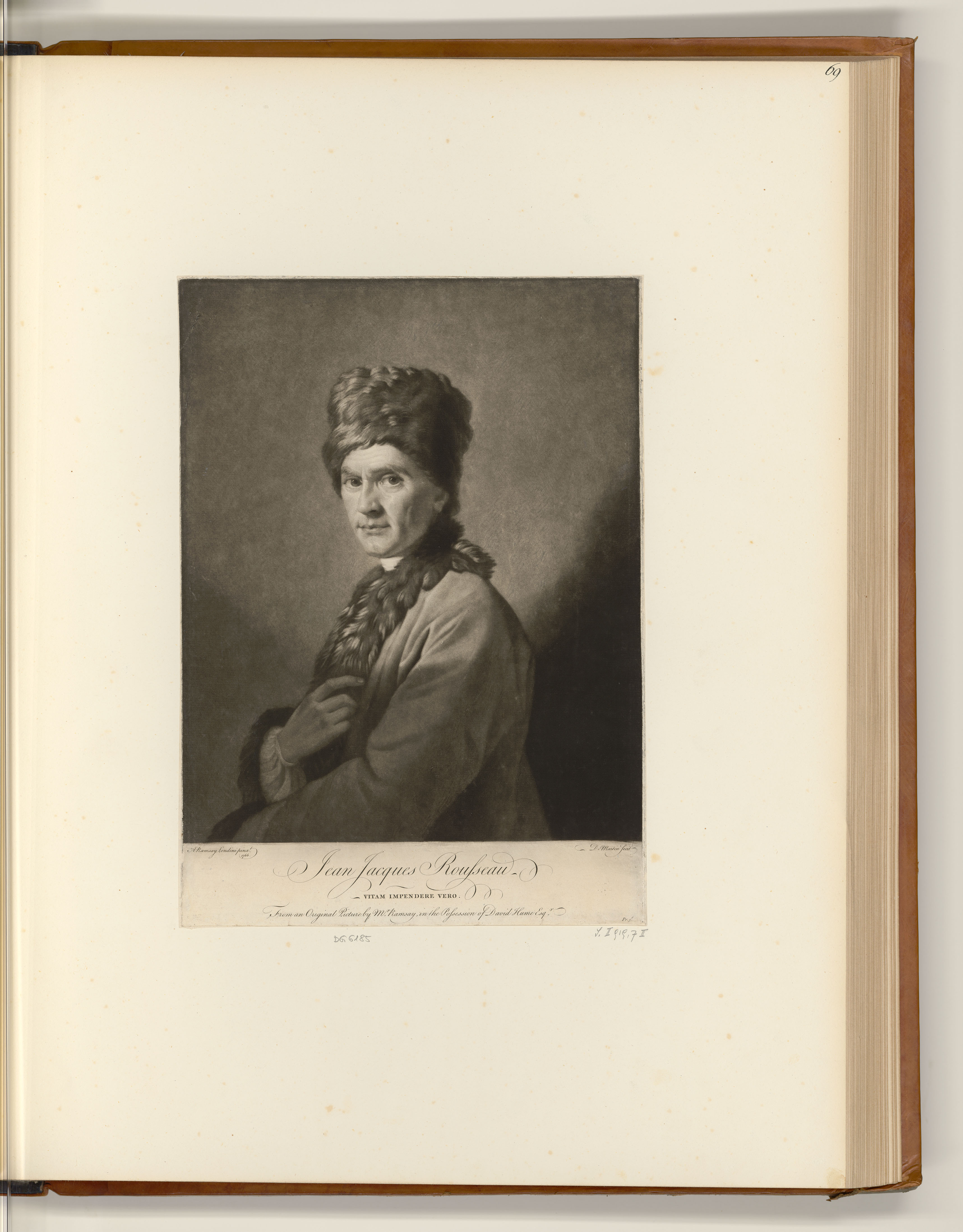
Portrait of Jean Jacques Rousseau
David Martin · 1766
 Book
Primary source
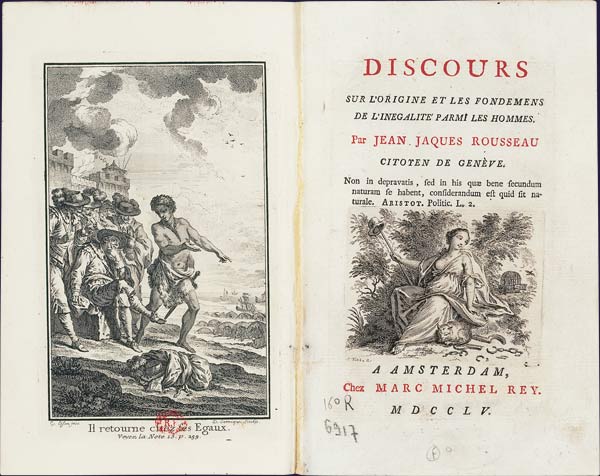
Discourse on Inequality
Jean-Jacques Rousseau · 1754 (published 1755)
 Painting
Secondary source
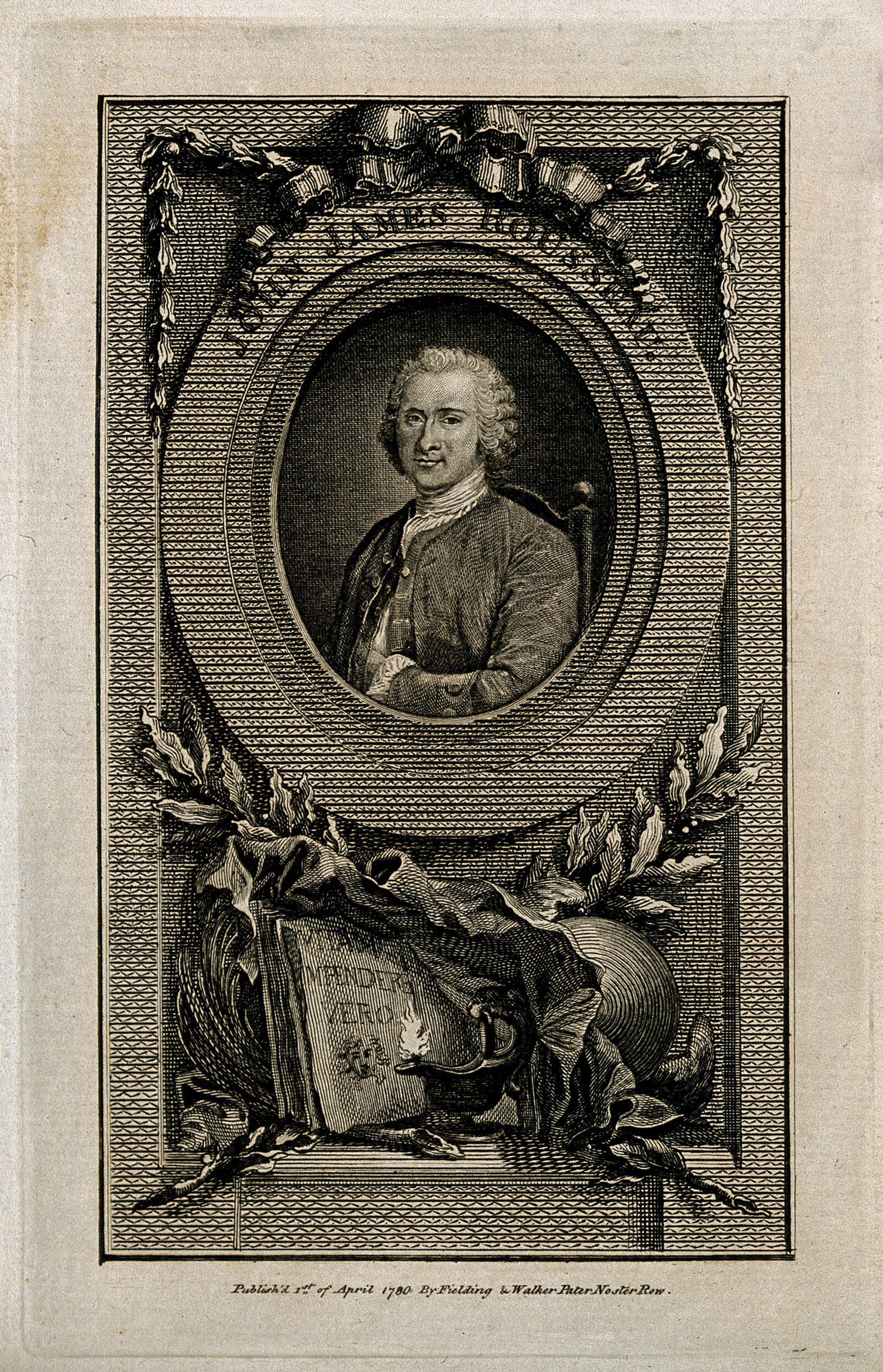
Engraving of Rousseau after La Tour's Portrait
E. Ficquet, after Maurice Quentin de La Tour · 1780
 Book
Primary source
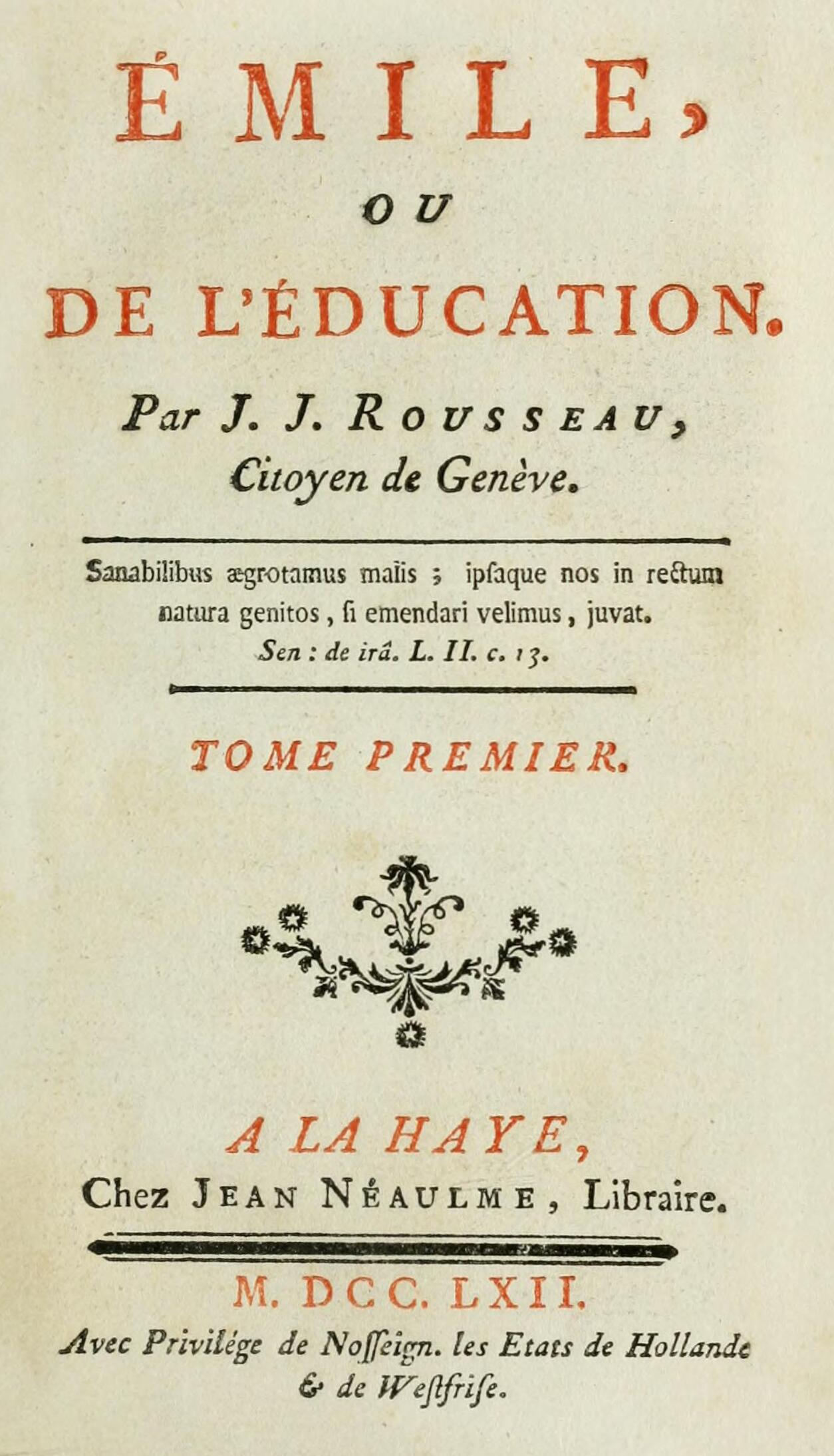
Emile, or On Education
Jean-Jacques Rousseau · 1762
Ready when you are
Start chatting with Jean-Jacques Rousseau now.
20 messages free · No credit card · Available in 50+ languages.