


Secondary sourceSculpture1930
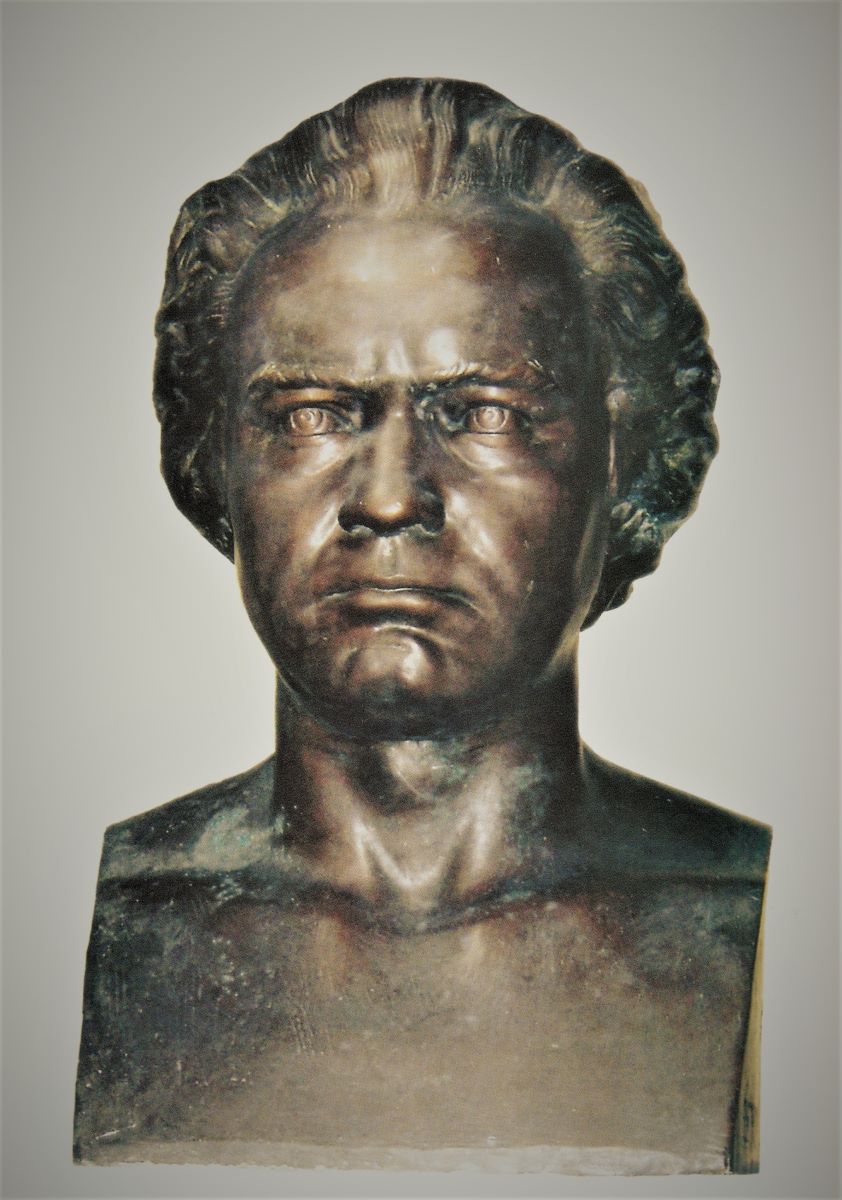
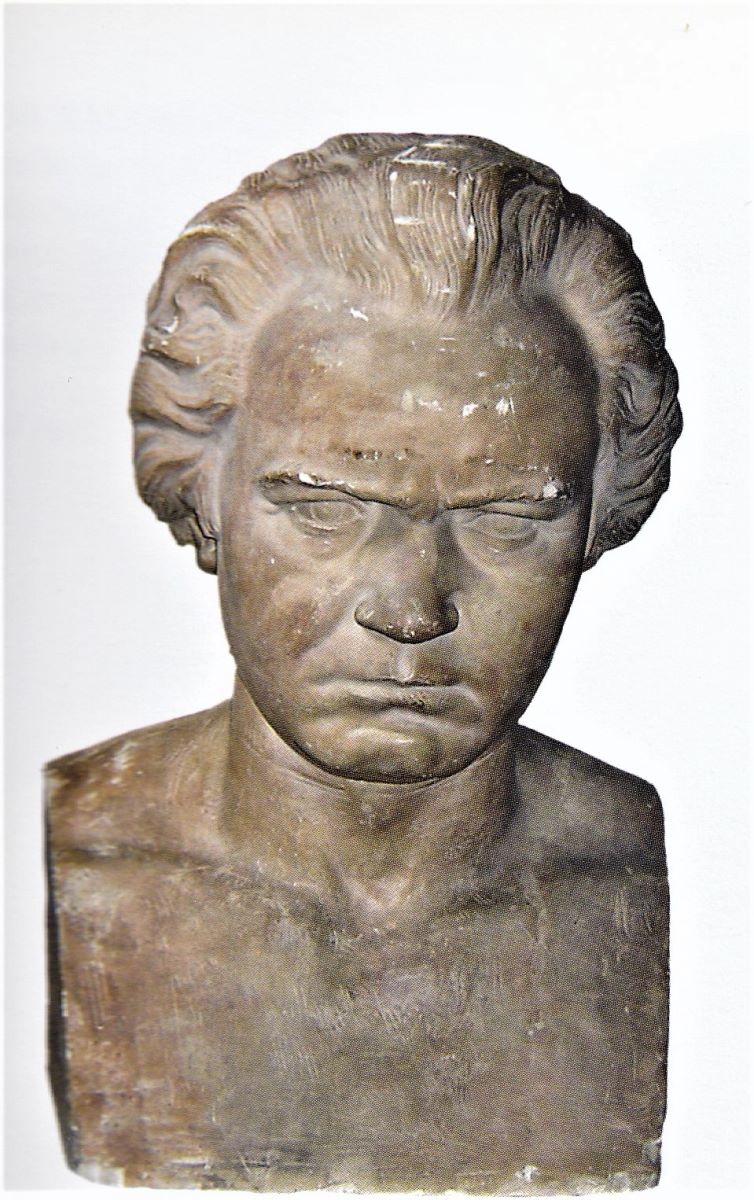
Bust of Ludwig van Beethoven by Frederic Storck
Frederic Storck · 1930
A bronze bust of Beethoven made in 1930, long after his death, showing one sculptor's idea of his face and character.
A 1930 bust imagining Beethoven's face, made long after his death as a tribute to his legacy.
About this source
What it is
This is a dark bronze bust made in 1930 by the sculptor Frederic Storck. It shows a man with wavy, swept-back hair and a stern, concentrated expression. It is held today by the Bucharest Municipality Museum in Romania.
Why it matters
Beethoven died in 1827, so Storck never met him. The bust was made over a century later, based on earlier images of the composer. It shows how later artists kept imagining and reshaping Beethoven's appearance to match his reputation as a serious, intense genius.
Look closer
- What mood does the sculptor give Beethoven's face, and how?
- Since the sculptor never saw Beethoven in person, what might he have used as a model?
- Why might artists keep making new portraits of someone long after they died?
This sculpture is part of the curated material that grounds the AI version of Ludwig van Beethoven on Humy.ai — when students ask about related events, the AI can quote it and cite it.
More Ludwig van Beethoven sources
Meet the AI Ludwig van Beethoven →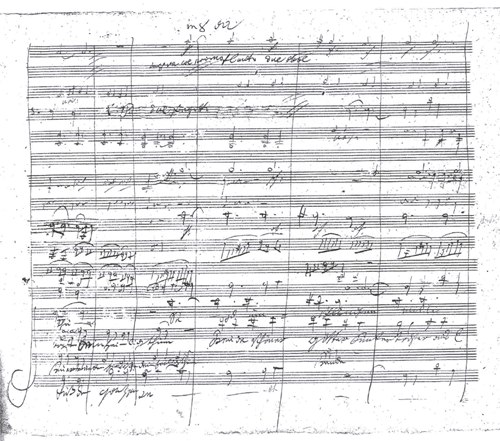 Document
Primary source
Symphony No. 9
Ludwig van Beethoven · 1824
 Sculpture
Secondary source
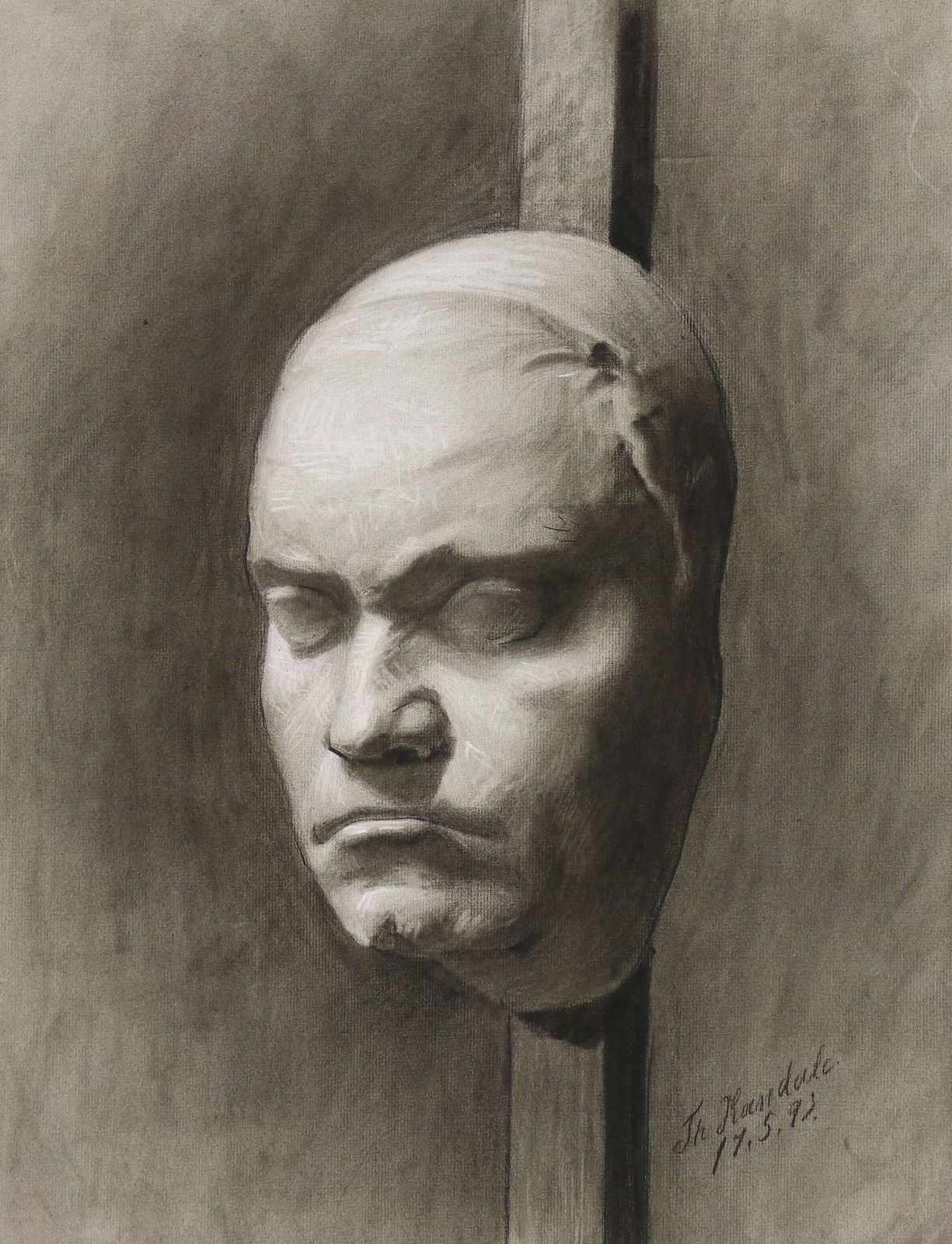
Death of Ludwig van Beethoven
Theodor Kandale (after Josef Danhauser) · 1827 (mask); drawing 1893
 Letter
Primary source
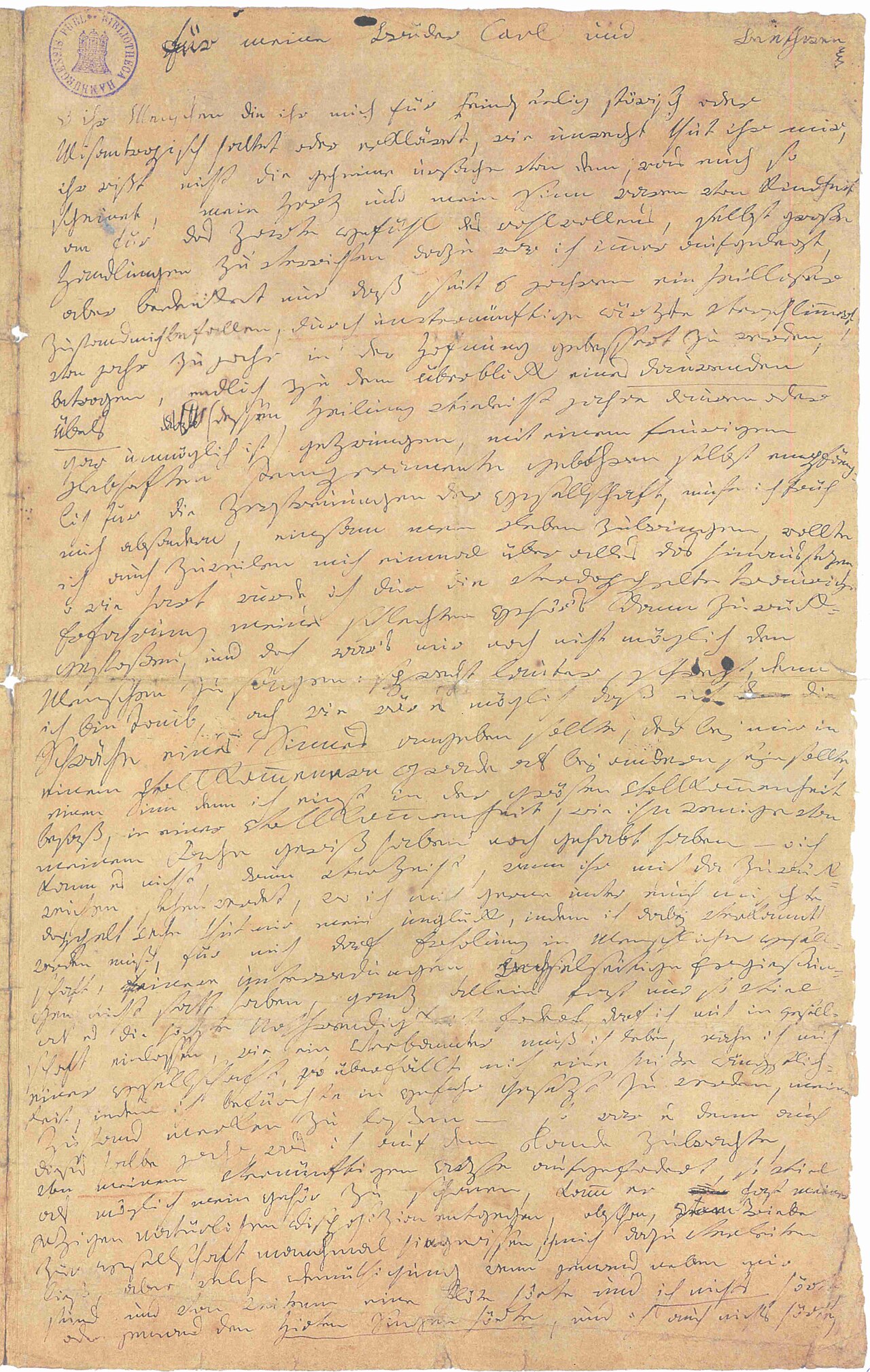
Heiligenstadt Testament
Ludwig van Beethoven · 6 October 1802
 Document
Primary source
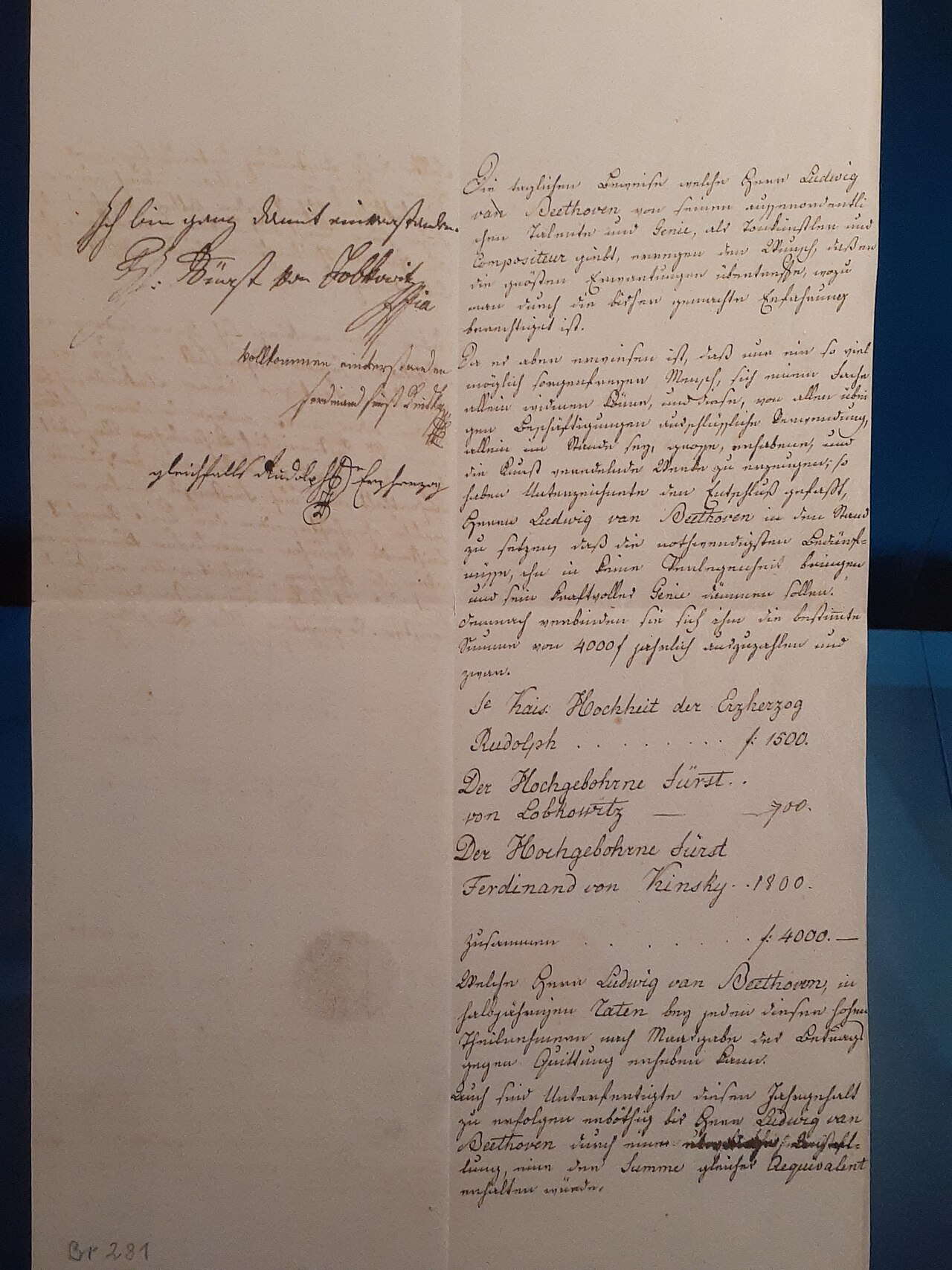
Agreement between Beethoven and Archduke Rudolph, Prince Kinsky and Prince Lobkowitz
1 March 1809
 Sculpture
Secondary source
Model for Bronze Casts of the Beethoven Bust
Frederic Storck
Ready when you are
Start chatting with Ludwig van Beethoven now.
20 messages free · No credit card · Available in 50+ languages.