


Primary sourceDocument1824
Symphony No. 9
Ludwig van Beethoven · 1824
Beethoven's final complete symphony, famous for its choral 'Ode to Joy' finale, composed while he was almost totally deaf.
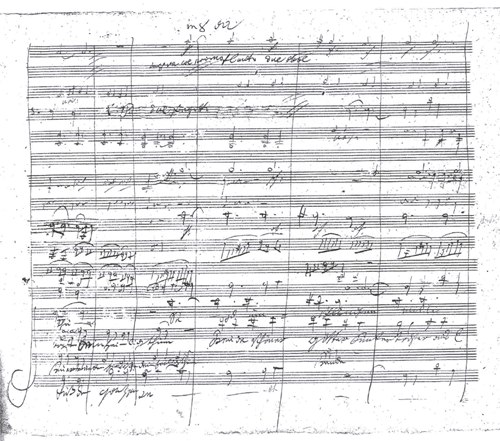
Beethoven's own manuscript of his final symphony, composed despite his total deafness.
About this source
What it is
The Symphony No. 9 in D minor is a choral symphony by Ludwig van Beethoven, composed between 1822 and 1824 and first performed in Vienna on 7 May 1824. The original manuscript score is held by the Berlin State Library.
Why it matters
This was the first time a major composer had used singers in a symphony. Beethoven wrote it while almost completely deaf, setting Schiller's poem 'Ode to Joy' for soloists and chorus. It shows his determination to keep creating despite his disability and remains one of the most performed works in Western music.
Look closer
- What does it mean that Beethoven could no longer hear his own music performed?
- Why might a composer choose to add human voices to an orchestral form that usually had none?
- What does the handwritten manuscript tell you about how Beethoven composed, compared to a printed score?
This document is part of the curated material that grounds the AI version of Ludwig van Beethoven on Humy.ai — when students ask about related events, the AI can quote it and cite it.
More Ludwig van Beethoven sources
Meet the AI Ludwig van Beethoven →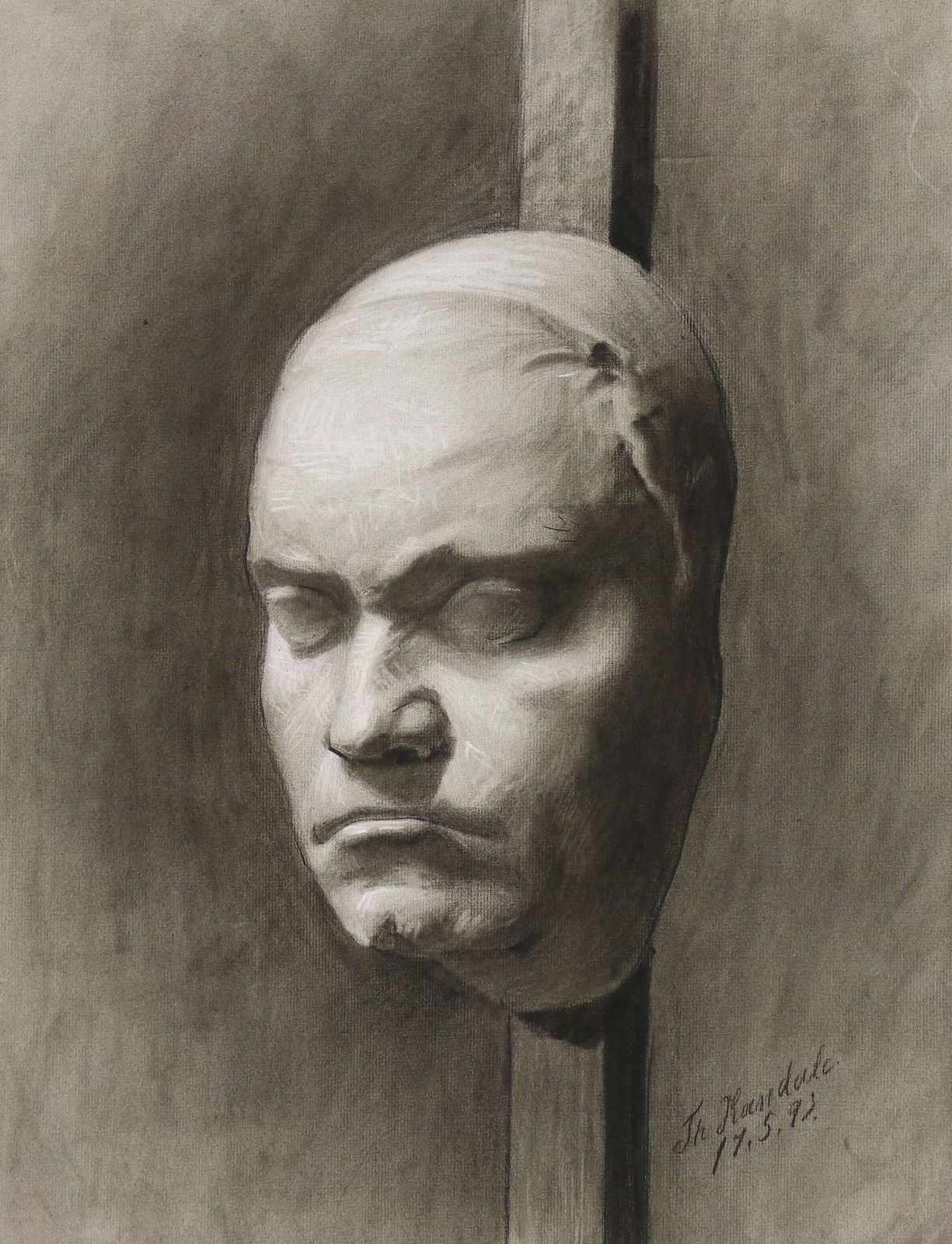 Sculpture
Secondary source
Death of Ludwig van Beethoven
Theodor Kandale (after Josef Danhauser) · 1827 (mask); drawing 1893
 Sculpture
Secondary source
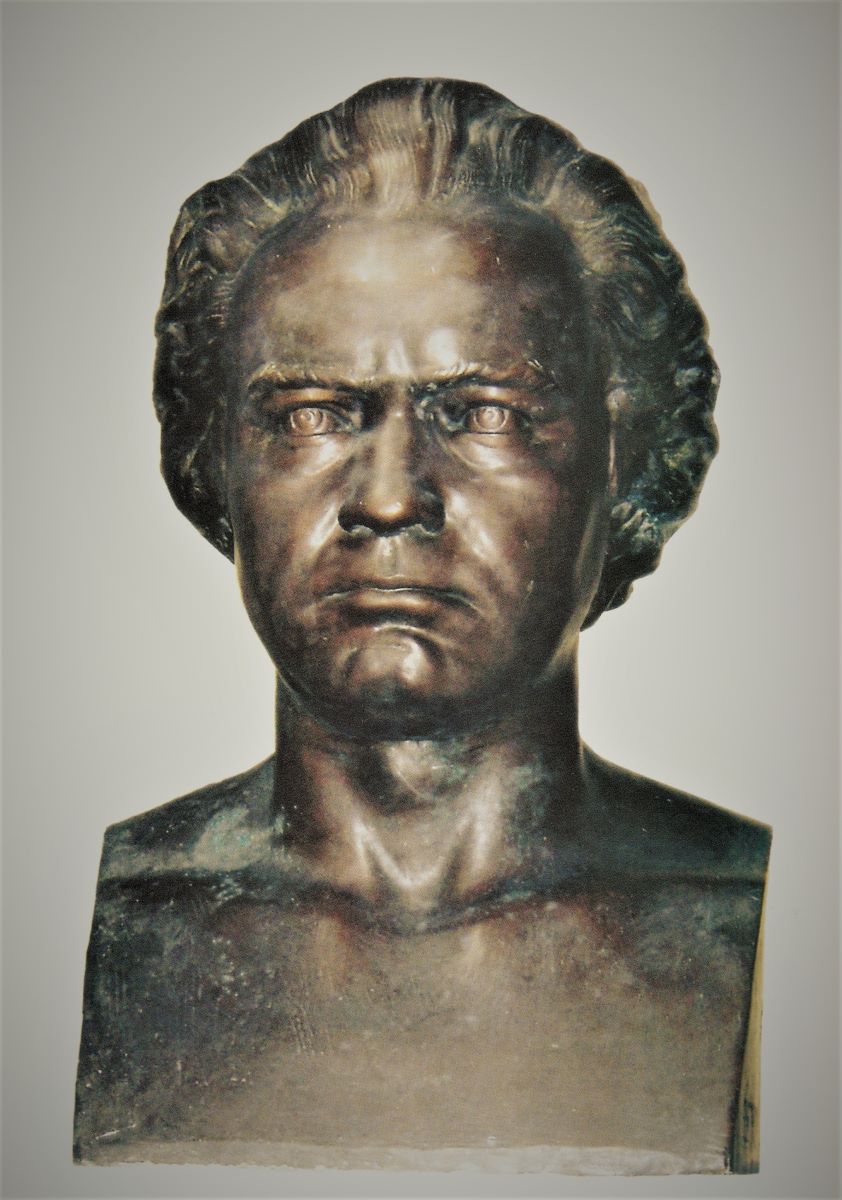
Bust of Ludwig van Beethoven by Frederic Storck
Frederic Storck · 1930
 Letter
Primary source
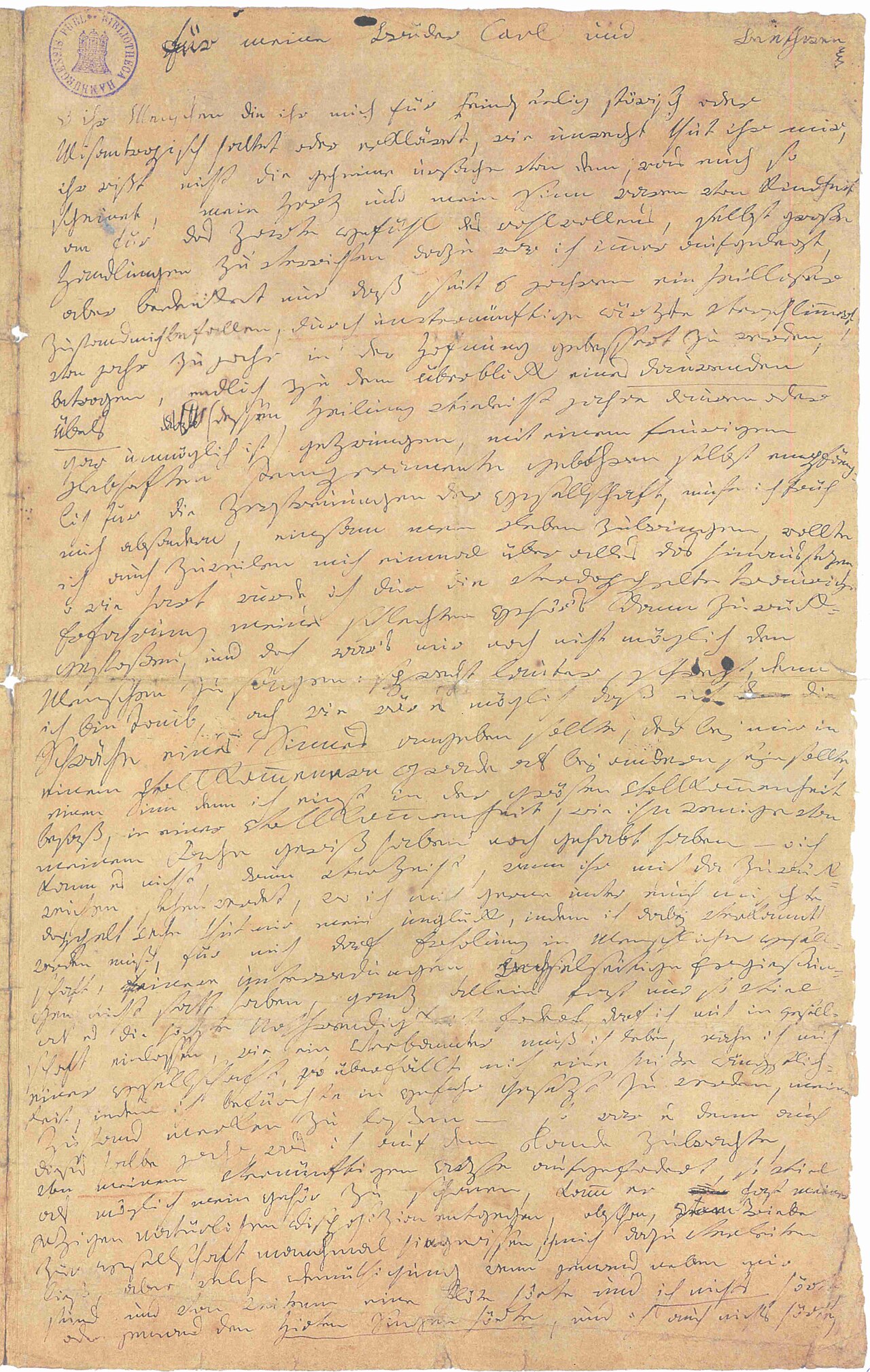
Heiligenstadt Testament
Ludwig van Beethoven · 6 October 1802
 Document
Primary source
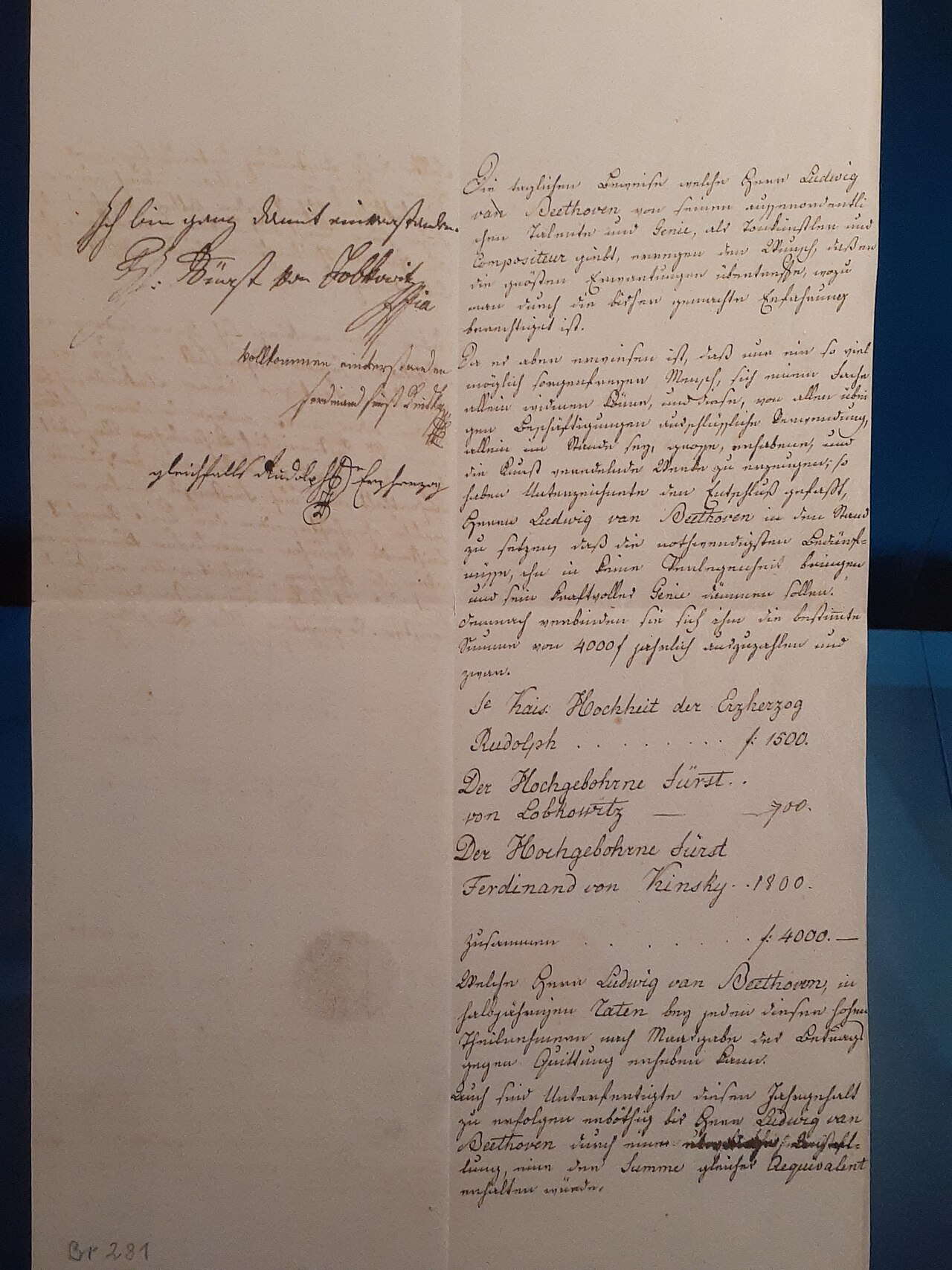
Agreement between Beethoven and Archduke Rudolph, Prince Kinsky and Prince Lobkowitz
1 March 1809
 Sculpture
Secondary source
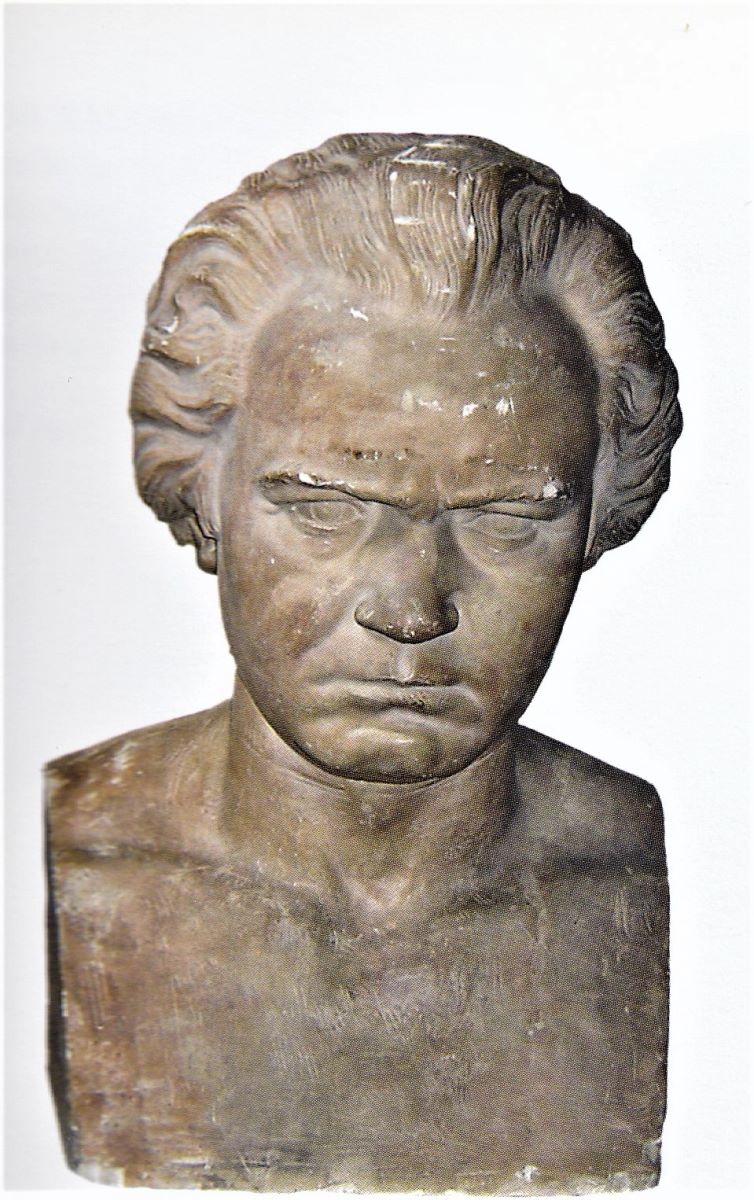
Model for Bronze Casts of the Beethoven Bust
Frederic Storck
Ready when you are
Start chatting with Ludwig van Beethoven now.
20 messages free · No credit card · Available in 50+ languages.