


Primary sourceLetter6 October 1802
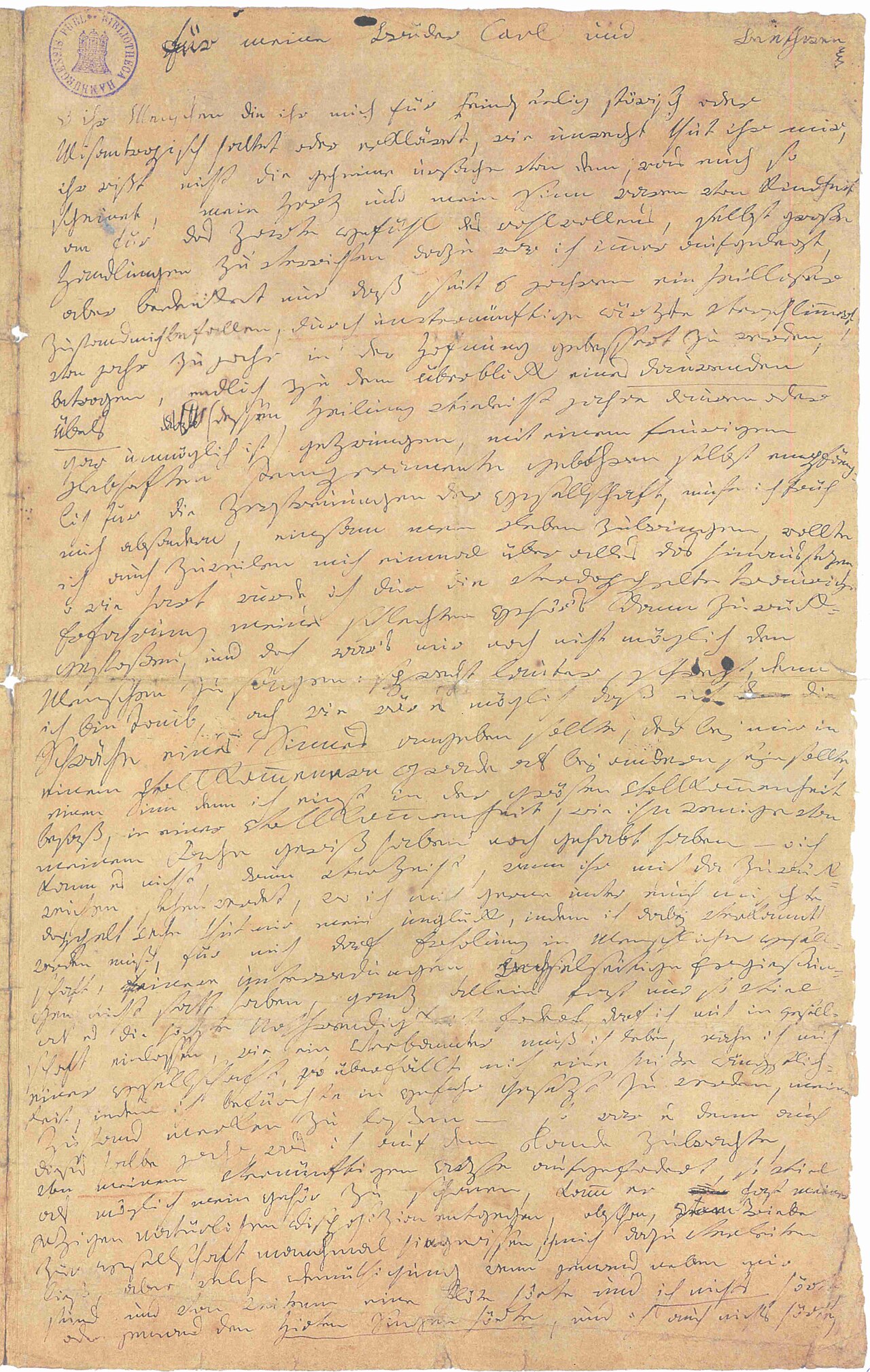
Heiligenstadt Testament
Ludwig van Beethoven · 6 October 1802
A private 1802 letter in which Beethoven confessed his despair over his deafness and his resolve to keep living for his art.
Beethoven's own confession of despair over his deafness, the central document of his personal crisis.
About this source
What it is
The Heiligenstadt Testament is a letter Beethoven wrote to his brothers Carl and Johann on 6 October 1802 at Heiligenstadt. He kept it among his private papers, and it was only discovered after his death in 1827. The original is held at the State and University Library in Hamburg.
Why it matters
In the letter Beethoven describes his despair over his worsening deafness, even mentioning thoughts of suicide, but also his determination to keep working as an artist. It is a rare, deeply personal document that shows the private suffering behind the public composer.
Look closer
- Why might Beethoven have written this letter but never sent it or shown it to anyone?
- What does it reveal about him that his private papers tell a different story than his public image?
- Notice the blank space where his brother Johann's name should be — what might that suggest?
This letter is part of the curated material that grounds the AI version of Ludwig van Beethoven on Humy.ai — when students ask about related events, the AI can quote it and cite it.
More Ludwig van Beethoven sources
Meet the AI Ludwig van Beethoven →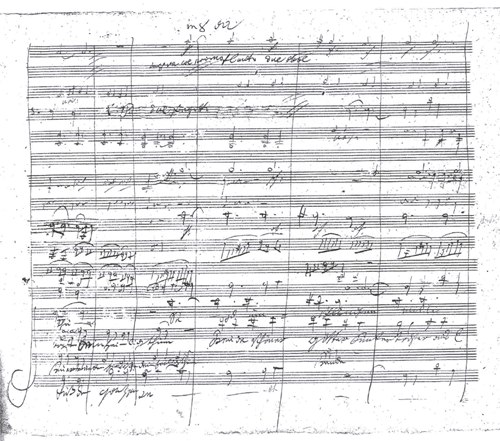 Document
Primary source
Symphony No. 9
Ludwig van Beethoven · 1824
 Sculpture
Secondary source
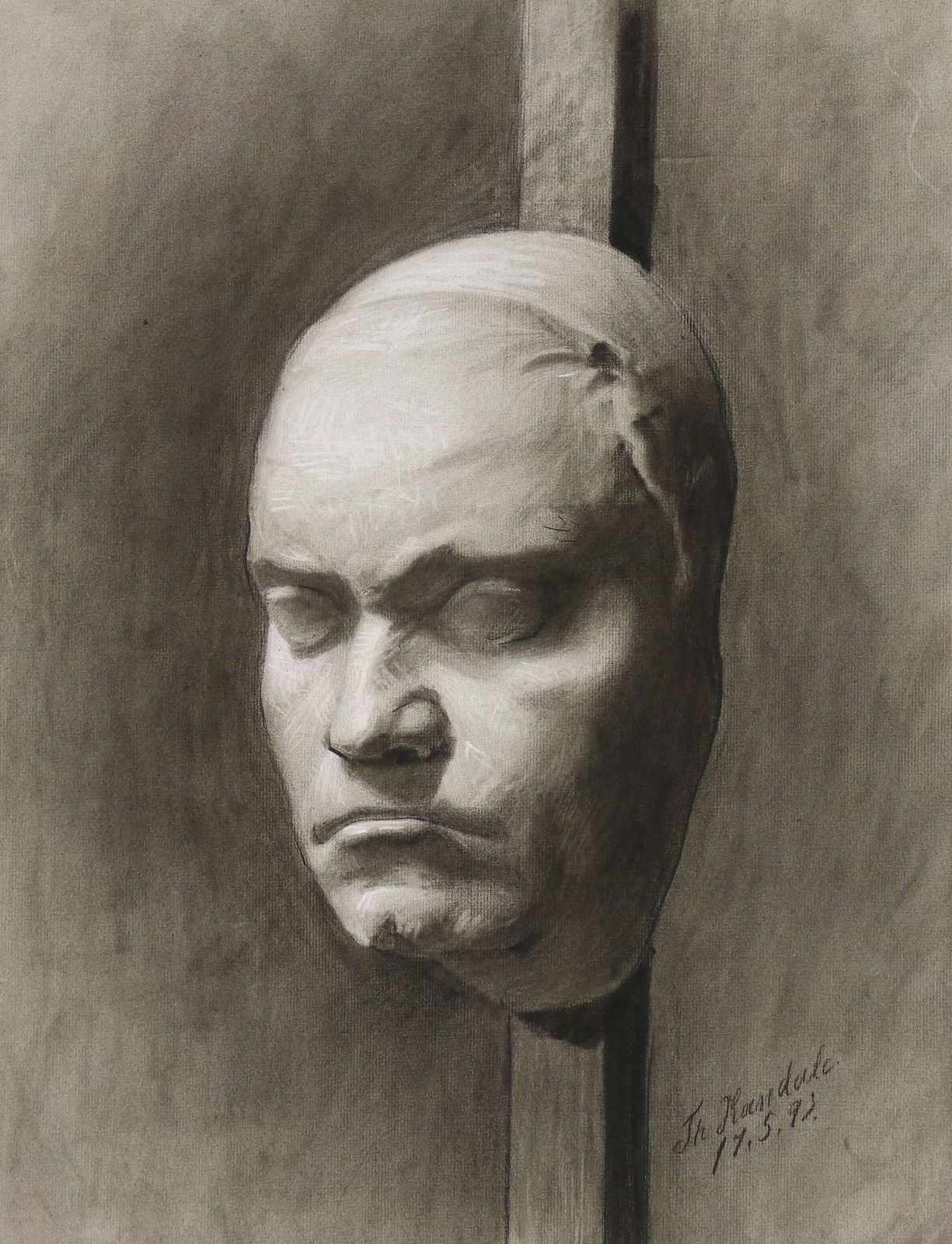
Death of Ludwig van Beethoven
Theodor Kandale (after Josef Danhauser) · 1827 (mask); drawing 1893
 Sculpture
Secondary source
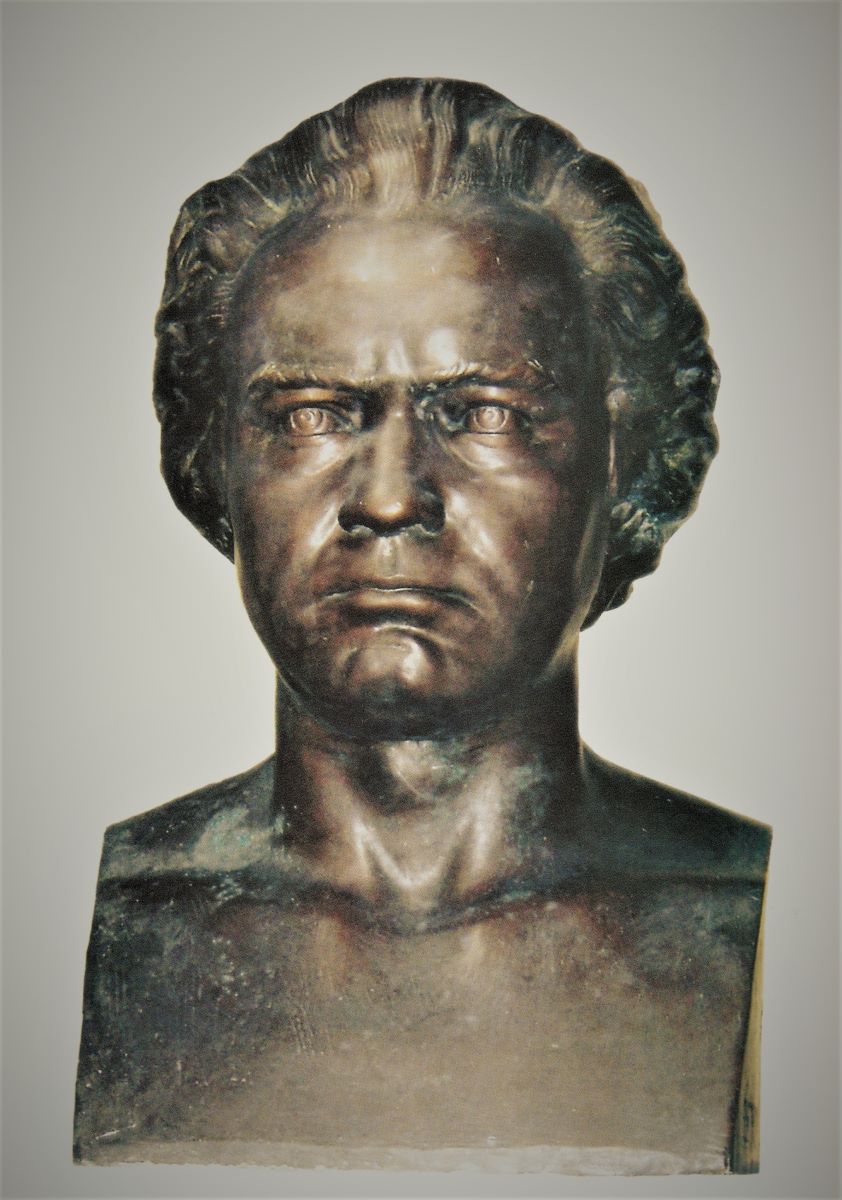
Bust of Ludwig van Beethoven by Frederic Storck
Frederic Storck · 1930
 Document
Primary source
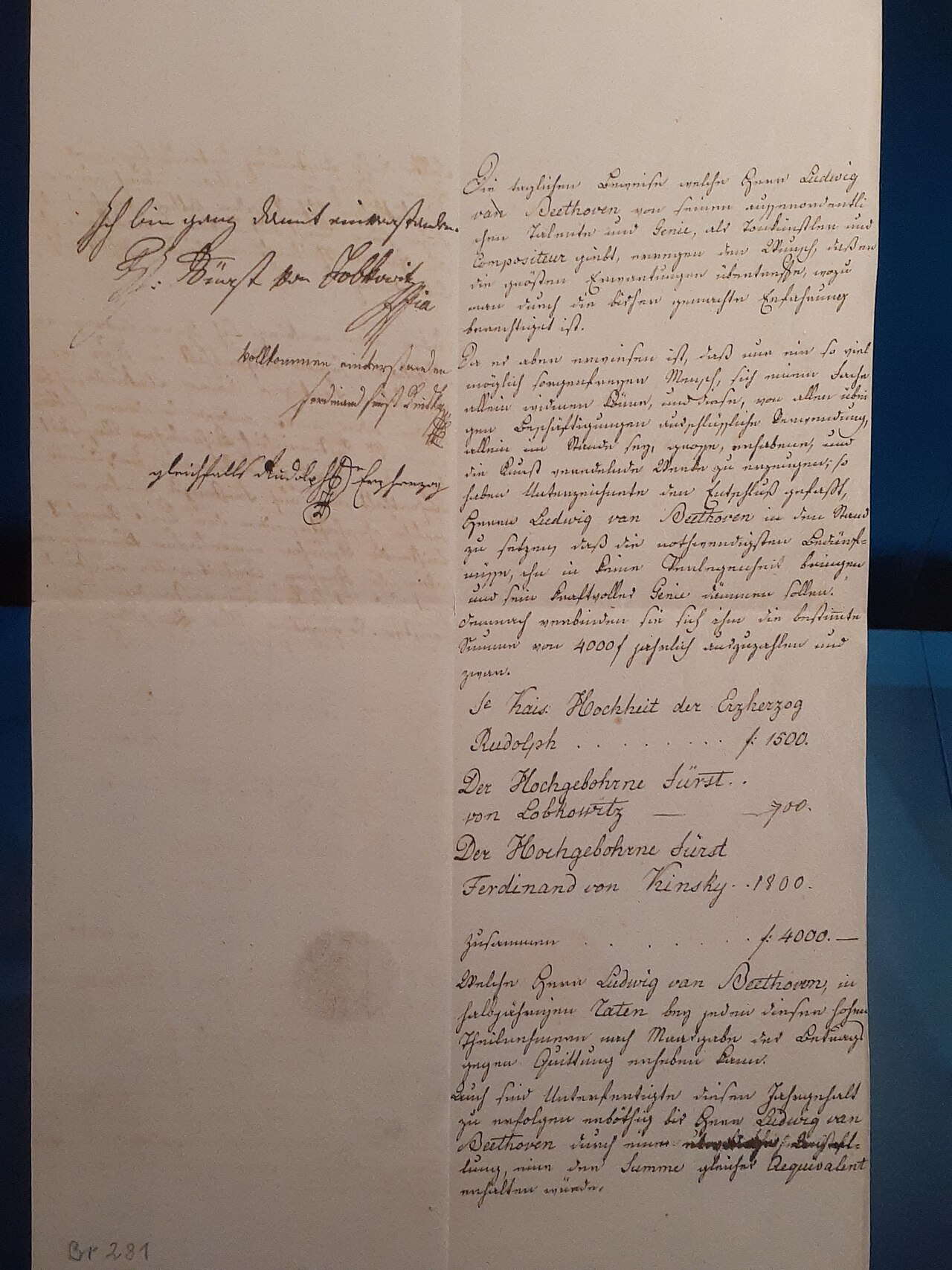
Agreement between Beethoven and Archduke Rudolph, Prince Kinsky and Prince Lobkowitz
1 March 1809
 Sculpture
Secondary source
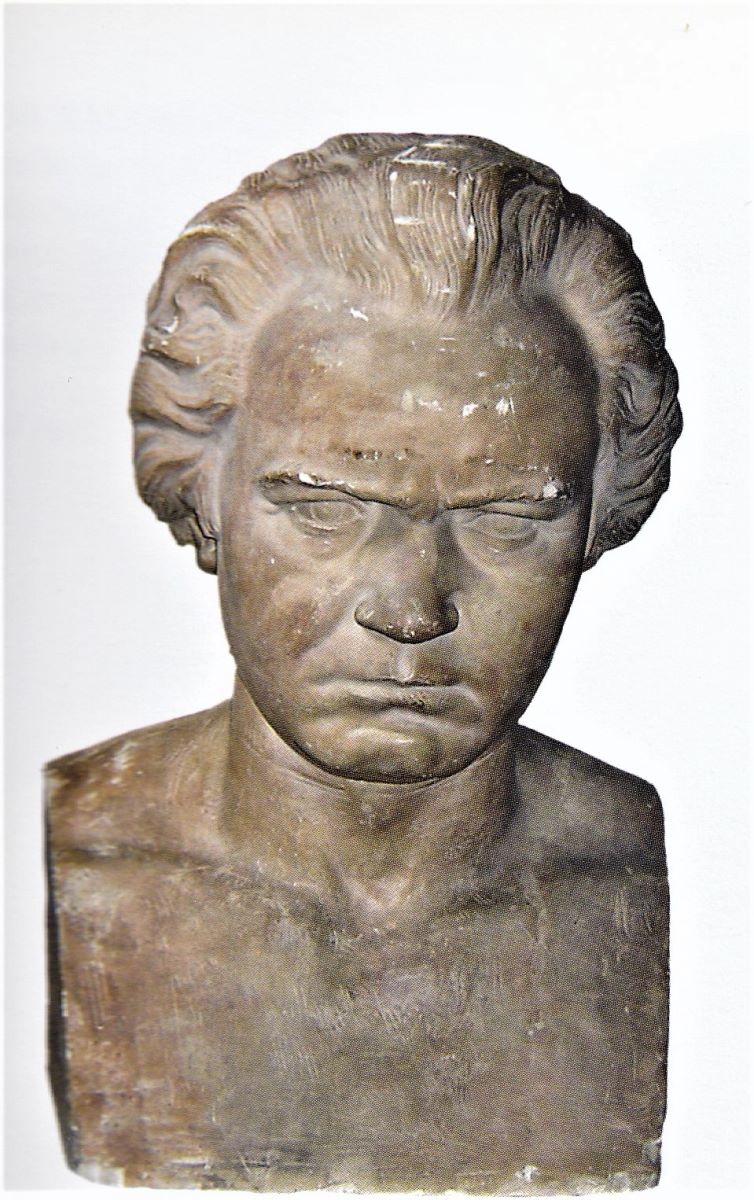
Model for Bronze Casts of the Beethoven Bust
Frederic Storck
Ready when you are
Start chatting with Ludwig van Beethoven now.
20 messages free · No credit card · Available in 50+ languages.