


Secondary sourceSculpture1862-1863
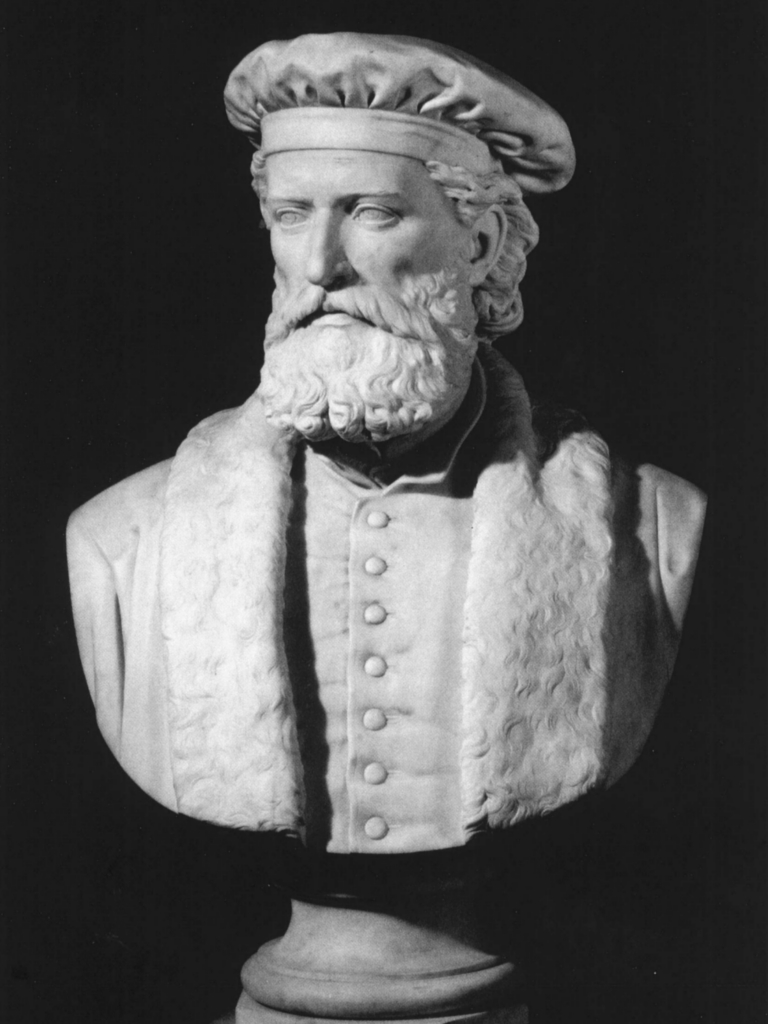
Bust of Marco Polo in the Panteon Veneto
Augusto Gamba · 1862-1863
A 19th-century marble bust of Marco Polo, part of a monument in Venice honoring notable Venetians.
This bust shows how Venice later honored Marco Polo as one of its most celebrated citizens.
About this source
What it is
This is a photograph of a marble bust of Marco Polo made by sculptor Augusto Gamba between 1862 and 1863. It forms part of the Panteon Veneto, a collection of busts honoring notable Venetians, kept at Palazzo Loredan in Venice.
Why it matters
The bust was created more than five centuries after Marco Polo's death, showing how Venice chose to remember and honor him as one of its most famous citizens. It reflects 19th-century ideas about Polo as a symbol of Venetian exploration and achievement, rather than being based on any real portrait made during his lifetime.
Look closer
- Since no portrait of Marco Polo was made during his life, what do you think the sculptor based this face on?
- Why might Venice have wanted to commemorate Polo in a public hall of honor?
- What does this monument tell us about how cities build and use the memory of historical figures?
This sculpture is part of the curated material that grounds the AI version of Marco Polo on Humy.ai — when students ask about related events, the AI can quote it and cite it.
More Marco Polo sources
Meet the AI Marco Polo →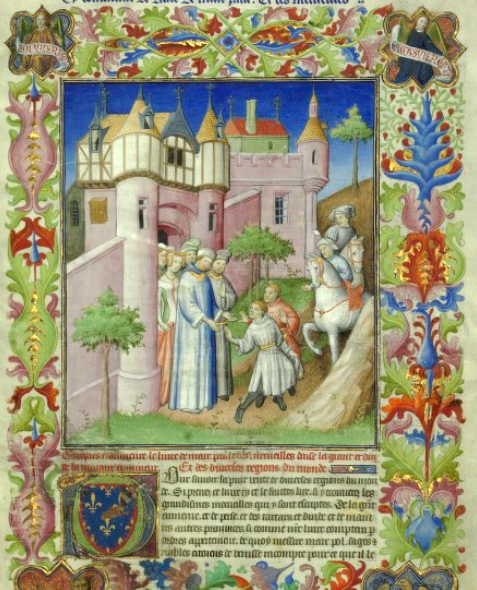 Book
Secondary source
The Travels of Marco Polo
Rustichello da Pisa · 1298
 Document
Primary source
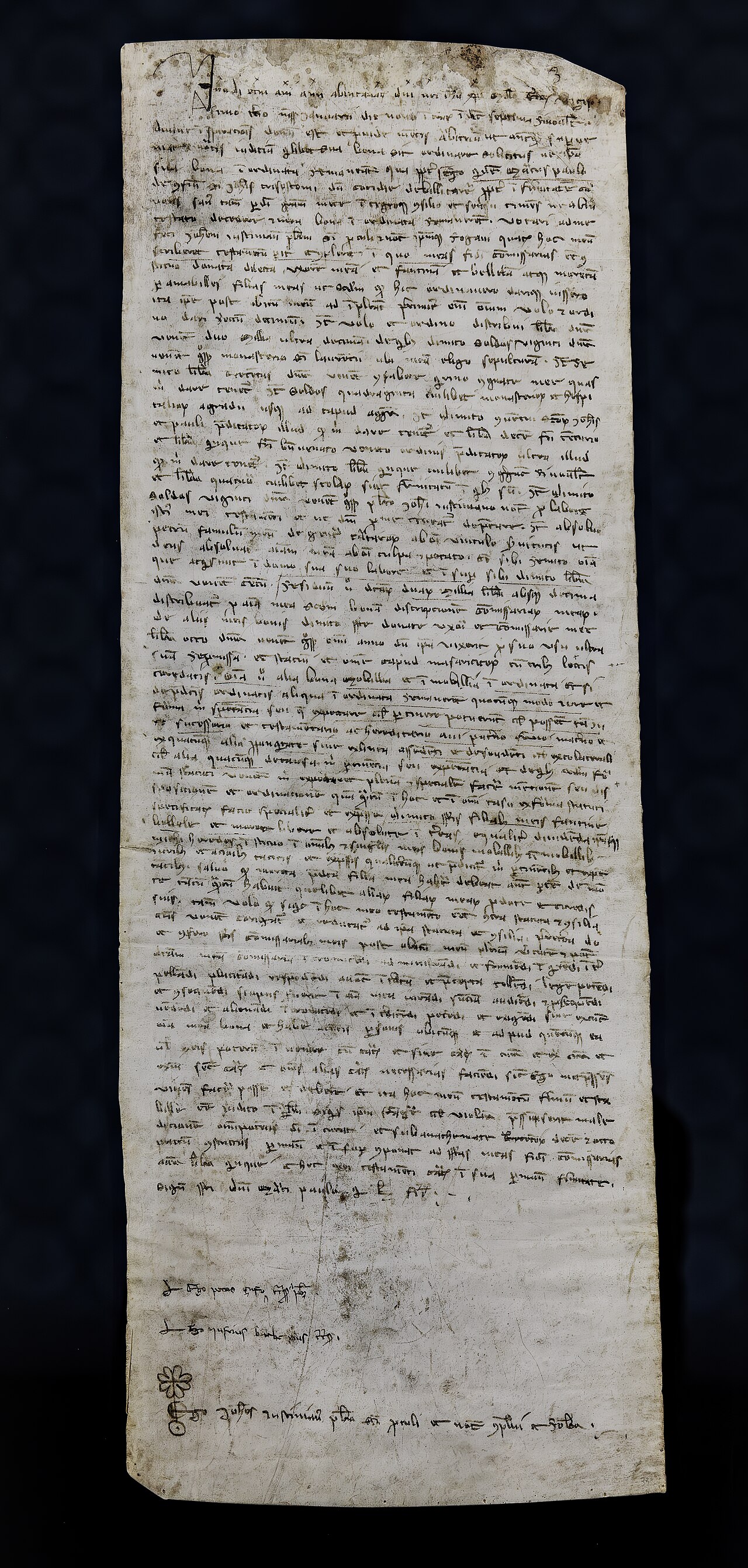
Marco Polo's Will
Marco Polo · 1324
 Painting
Secondary source
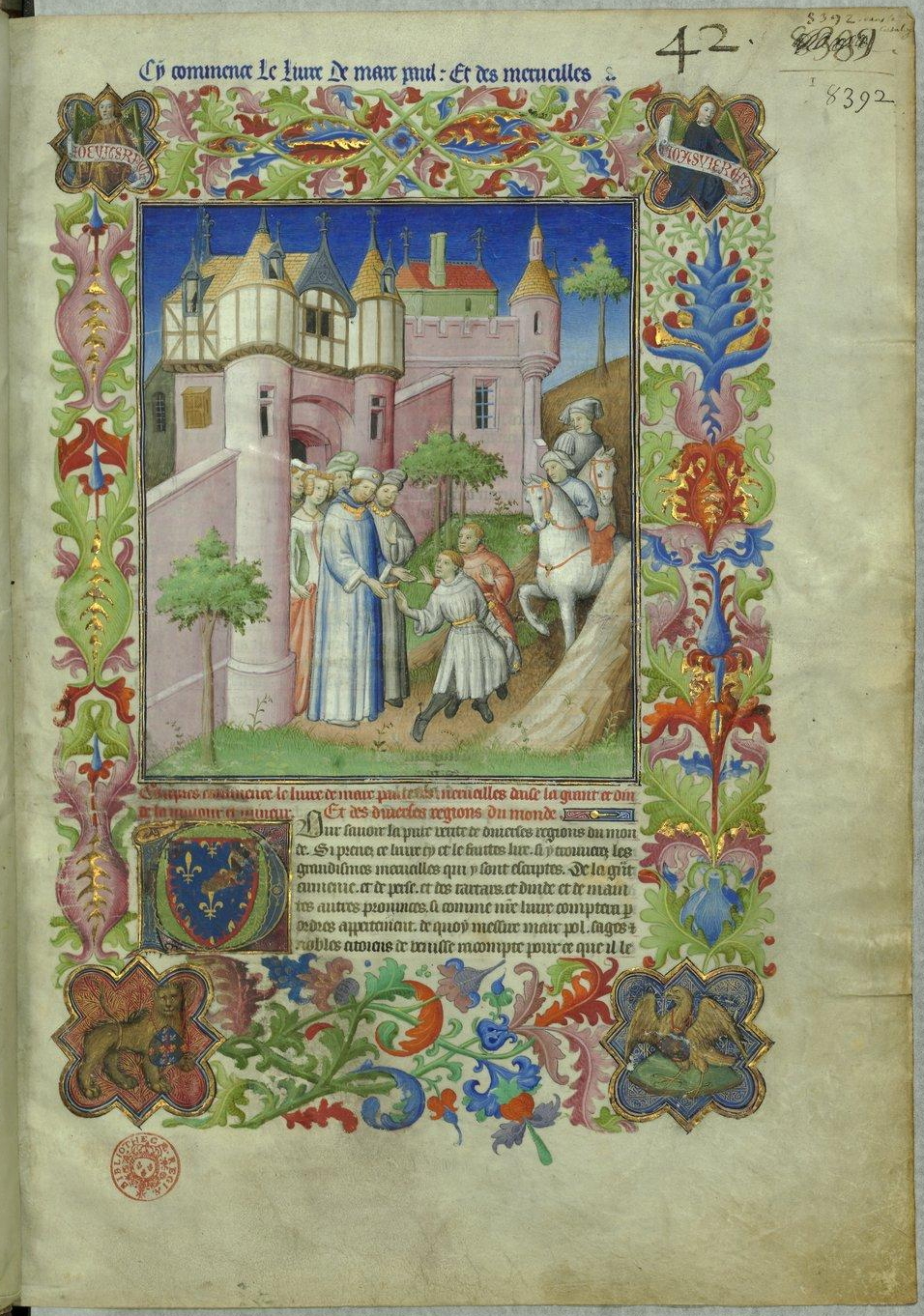
Livre des merveilles
Mazarine Master · c. 1410-1412
 Painting
Secondary source
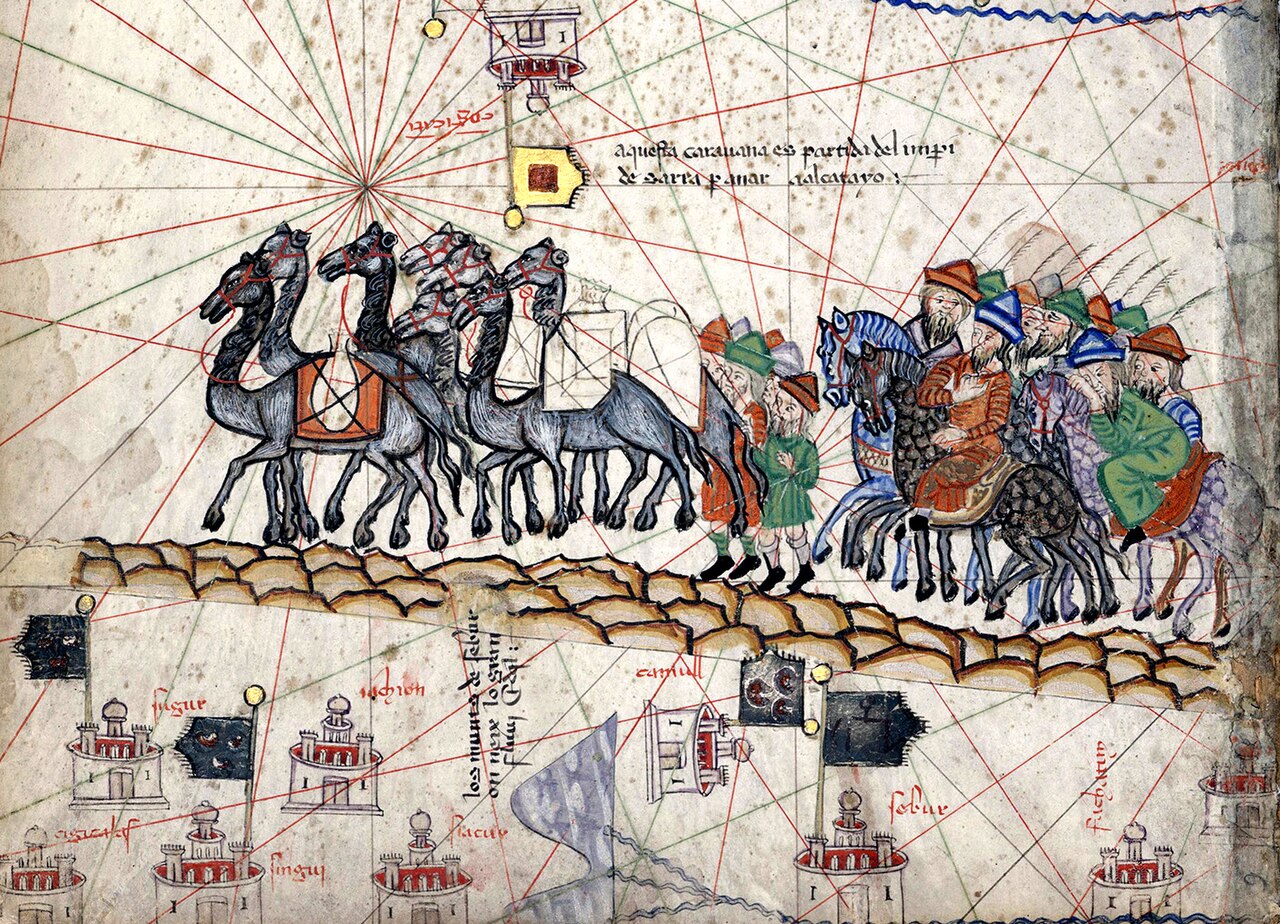
Caravane Marco Polo
Abraham Cresques · c. 1375
 Artifact
Secondary source
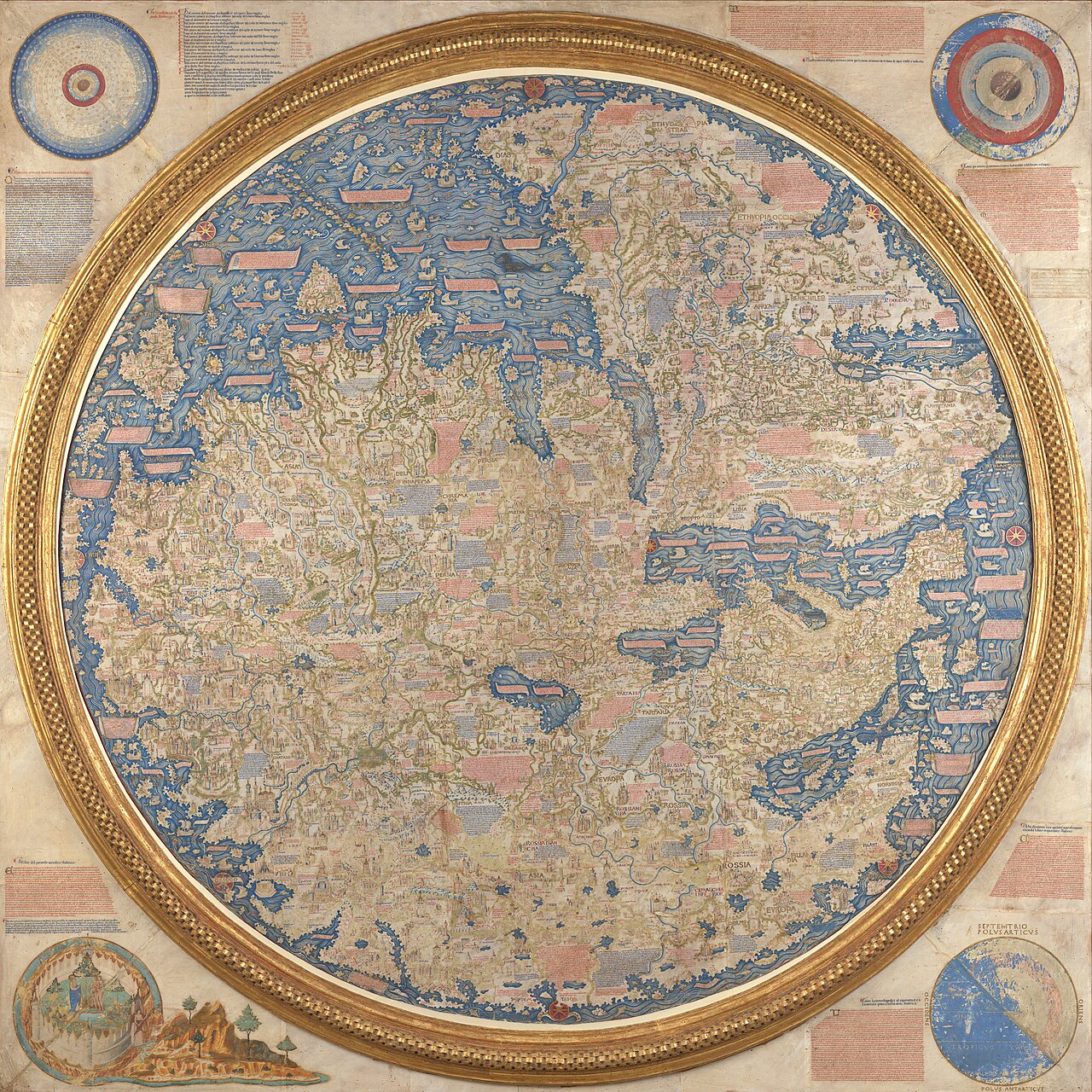
Fra Mauro map
Fra Mauro · c. 1450-1459
Ready when you are
Start chatting with Marco Polo now.
20 messages free · No credit card · Available in 50+ languages.