


Secondary sourceSculpture2017-10-18
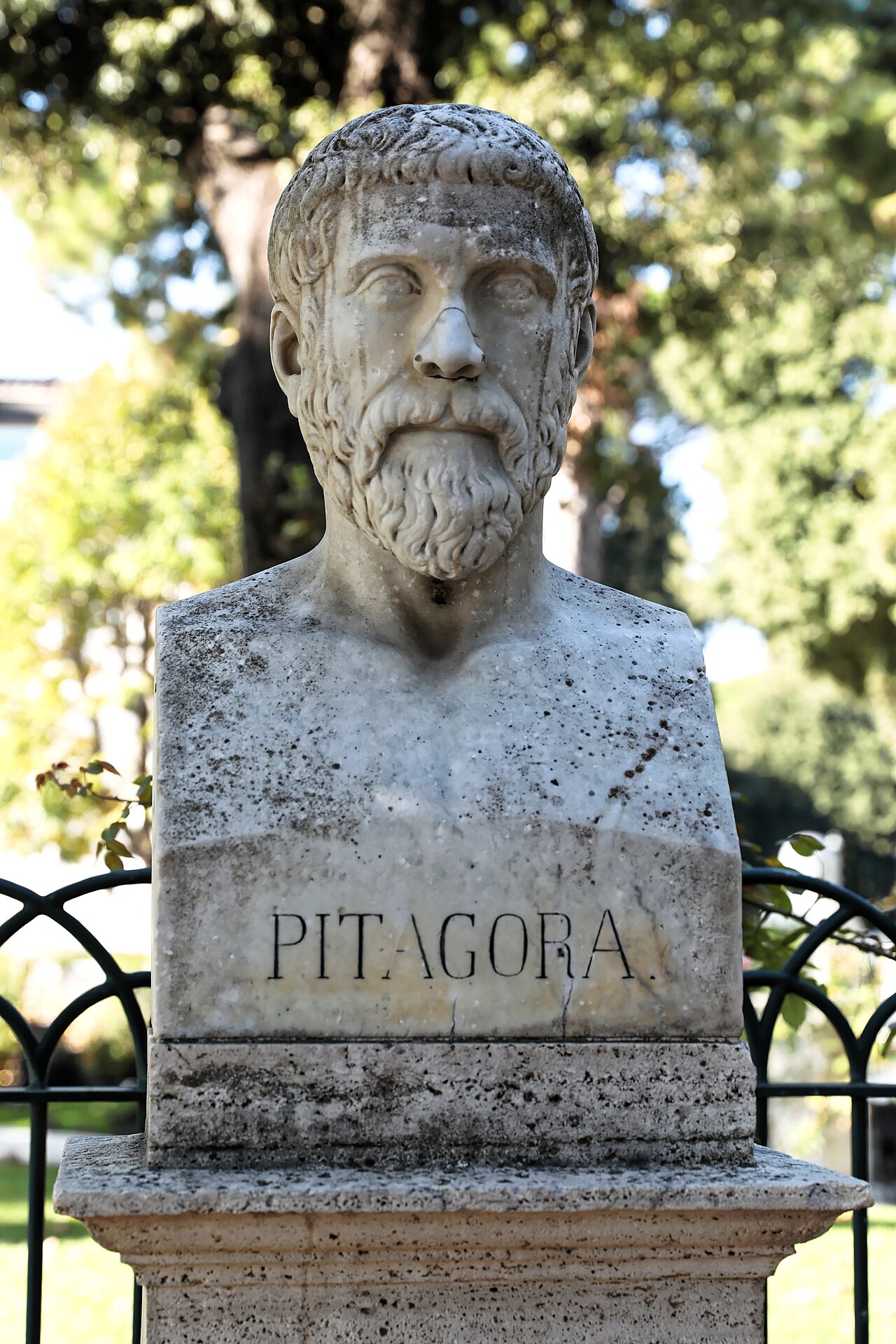
Bust of Pythagoras, Villa Borghese
2017-10-18
A marble bust labelled PITAGORA in a Roman park, representing an imagined likeness of Pythagoras.
This bust, labelled PITAGORA, is a later imagined portrait honouring Pythagoras in a Roman park.
About this source
What it is
This photograph, taken in 2017, shows a marble bust of a bearded man with curly hair, set on a stone pedestal in the gardens of the Villa Borghese in Rome. The block beneath the bust is inscribed PITAGORA, identifying it as Pythagoras.
Why it matters
No portrait of Pythagoras survives from his own lifetime, so busts like this one are later imaginative images created to honour him as a thinker. Its presence among the garden statues of a grand Roman villa shows how ancient philosophers were admired and displayed as cultural heroes long after their deaths.
Look closer
- Since no real image of Pythagoras survives, what do you think the sculptor used to decide what he should look like?
- Why might a park full of statues of ancient thinkers have been built in Rome?
- What does the inscription tell you that the sculpture alone could not?
This sculpture is part of the curated material that grounds the AI version of Pythagoras on Humy.ai — when students ask about related events, the AI can quote it and cite it.
More Pythagoras sources
Meet the AI Pythagoras → Book
Secondary source
Lives and Opinions of Eminent Philosophers, Book V (Life of Aristotle)
Diogenes Laërtius · c. 3rd century CE
 Book
Secondary source
Histories
Herodotus · c. 440 BCE
 Painting
Secondary source
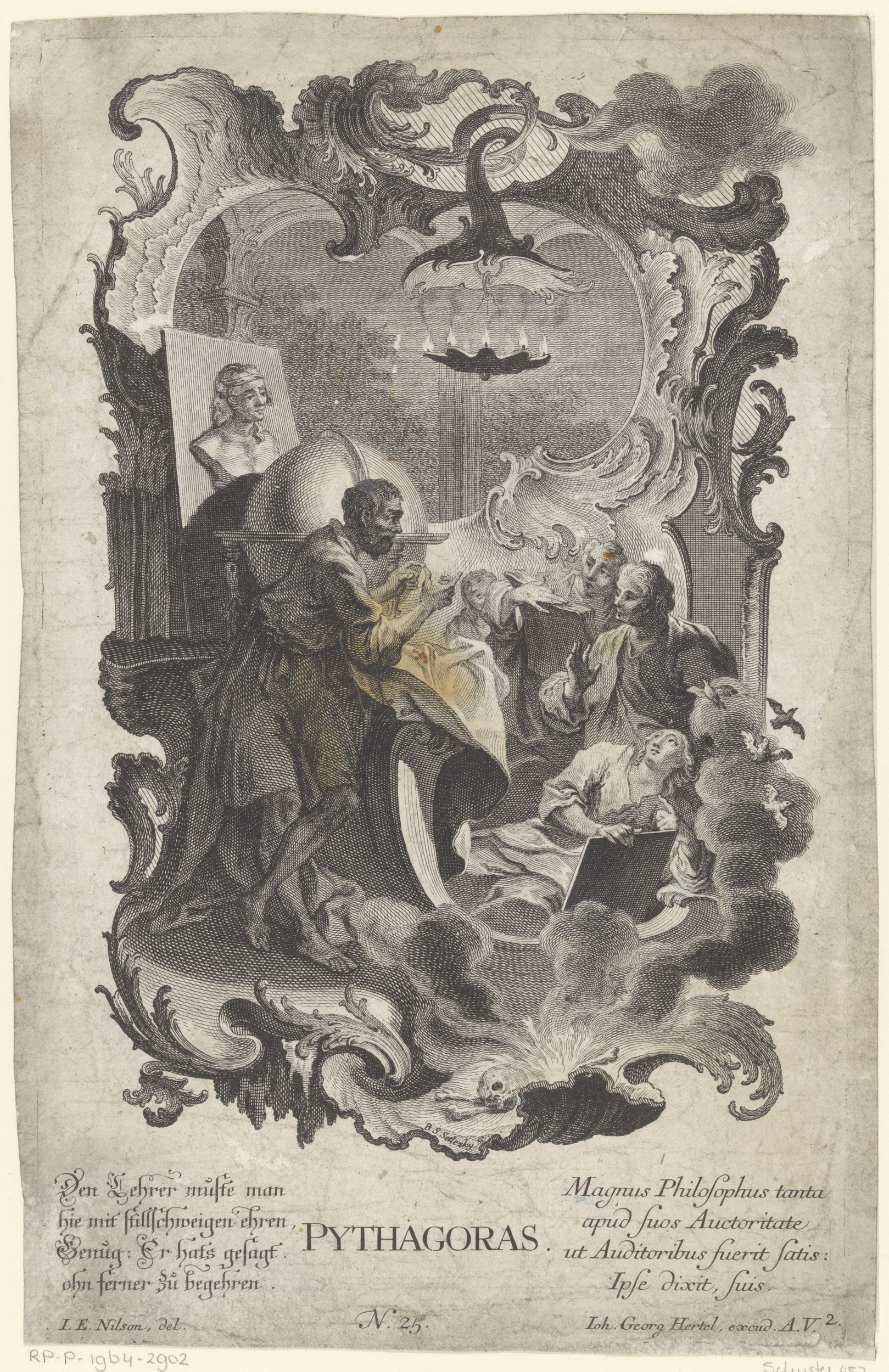
Pythagoras Leaning on a Globe with Four Listeners
 Book
Secondary source
Metaphysics
Aristotle · c. 400 BCE
 Painting
Secondary source
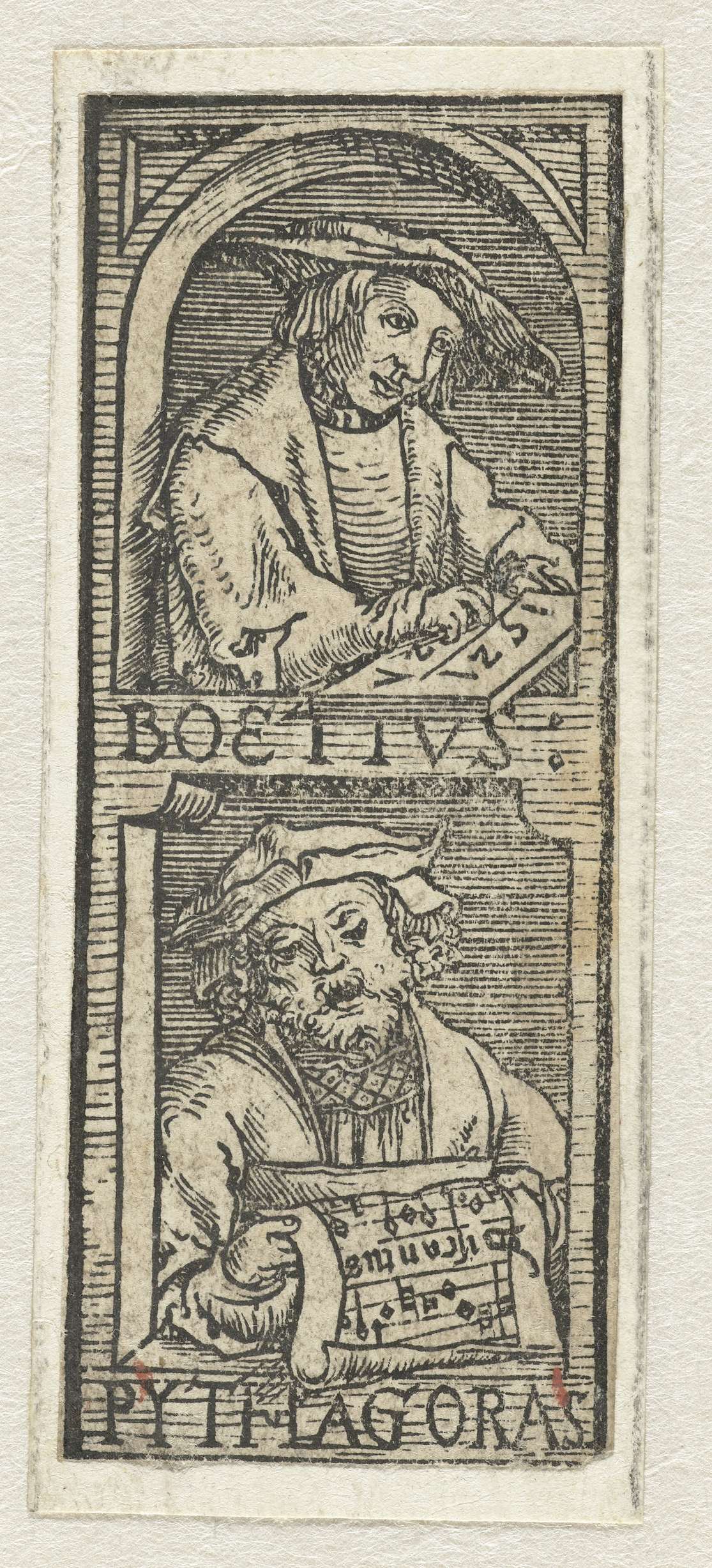
Boethius and Pythagoras
1521
Ready when you are
Start chatting with Pythagoras now.
20 messages free · No credit card · Available in 50+ languages.