


Secondary sourceSculpture1785
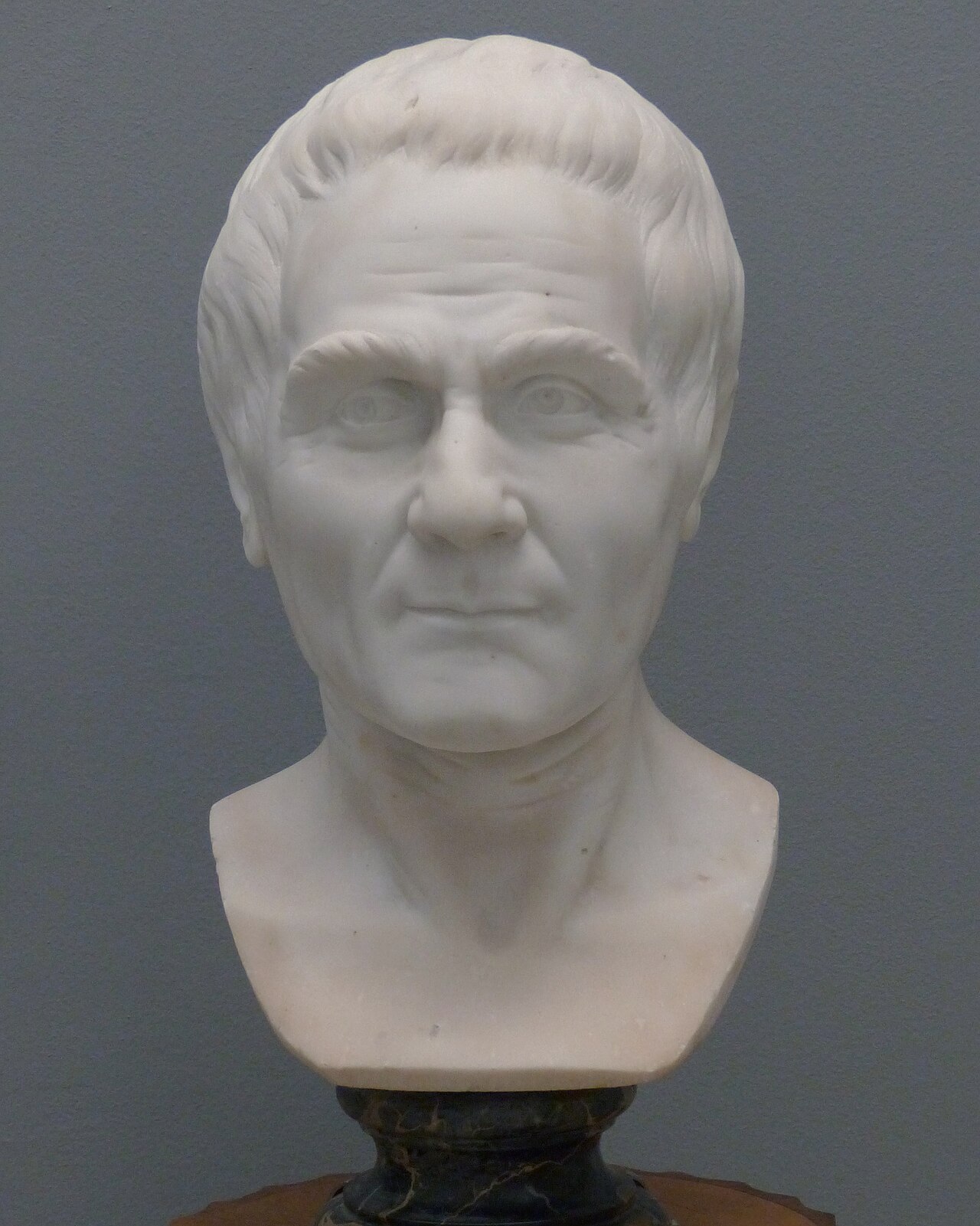
Buste de Jean-Jacques Rousseau a l'antique
Jean-Antoine Houdon · 1785
A 1785 marble bust by Jean-Antoine Houdon, based on Rousseau's death mask, depicting him as a classical sage.
This posthumous bust, based on Rousseau's death mask, shows how he was remembered as a classical sage after death.
About this source
What it is
This marble bust of Jean-Jacques Rousseau was made in 1785 by the sculptor Jean-Antoine Houdon, based on the death mask Houdon had taken of Rousseau in 1778. It is held at the Musée Fabre.
Why it matters
Because it was based on a death mask rather than a living sitting, this bust reflects how Rousseau was remembered and idealised after his death, styled in the manner of classical antiquity as a wise philosopher. It shows how admirers shaped his public image into that of a timeless sage, connecting him visually to the ancient thinkers he admired.
Look closer
- Why might Houdon choose to present Rousseau in a classical, antique style rather than modern dress?
- What does using a death mask as a basis mean for how accurate or idealised this bust might be?
- How does this image of Rousseau compare to a portrait made during his lifetime?
This sculpture is part of the curated material that grounds the AI version of Jean-Jacques Rousseau on Humy.ai — when students ask about related events, the AI can quote it and cite it.
More Jean-Jacques Rousseau sources
Meet the AI Jean-Jacques Rousseau →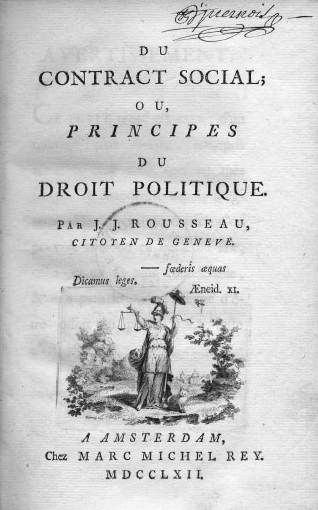 Book
Primary source
The Social Contract
Jean-Jacques Rousseau · 1762
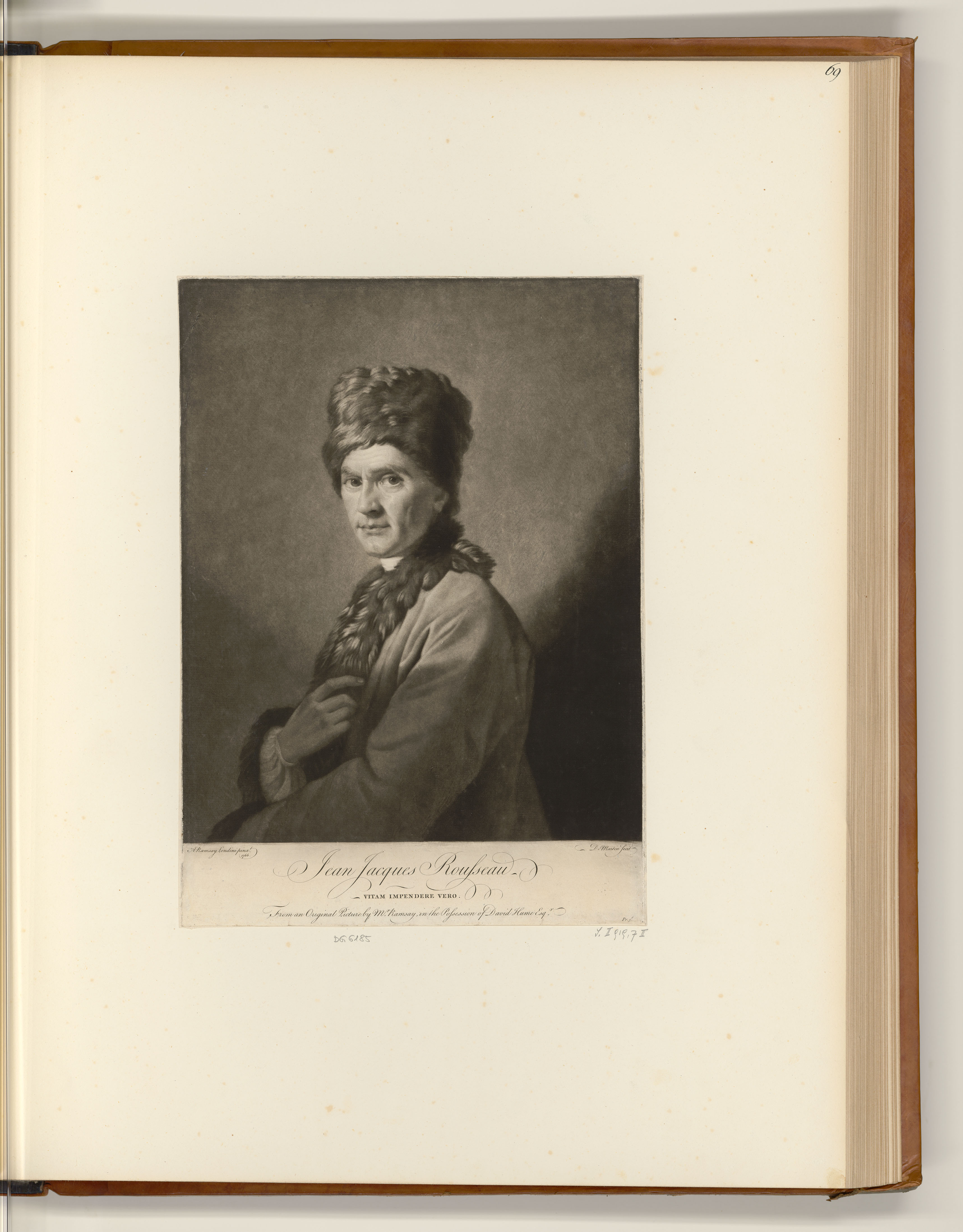 Painting
Primary source
Portrait of Jean Jacques Rousseau
David Martin · 1766
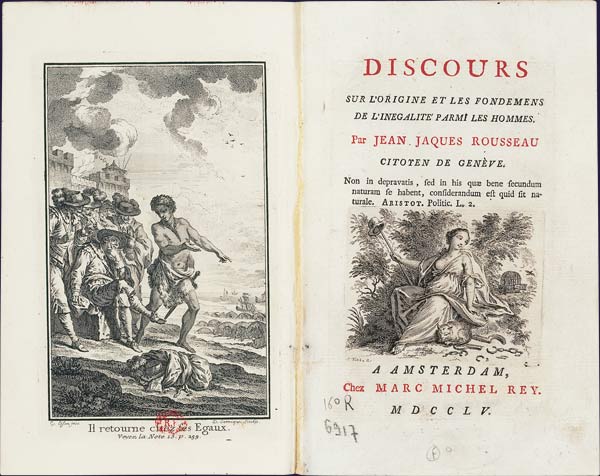 Book
Primary source
Discourse on Inequality
Jean-Jacques Rousseau · 1754 (published 1755)
 Painting
Secondary source
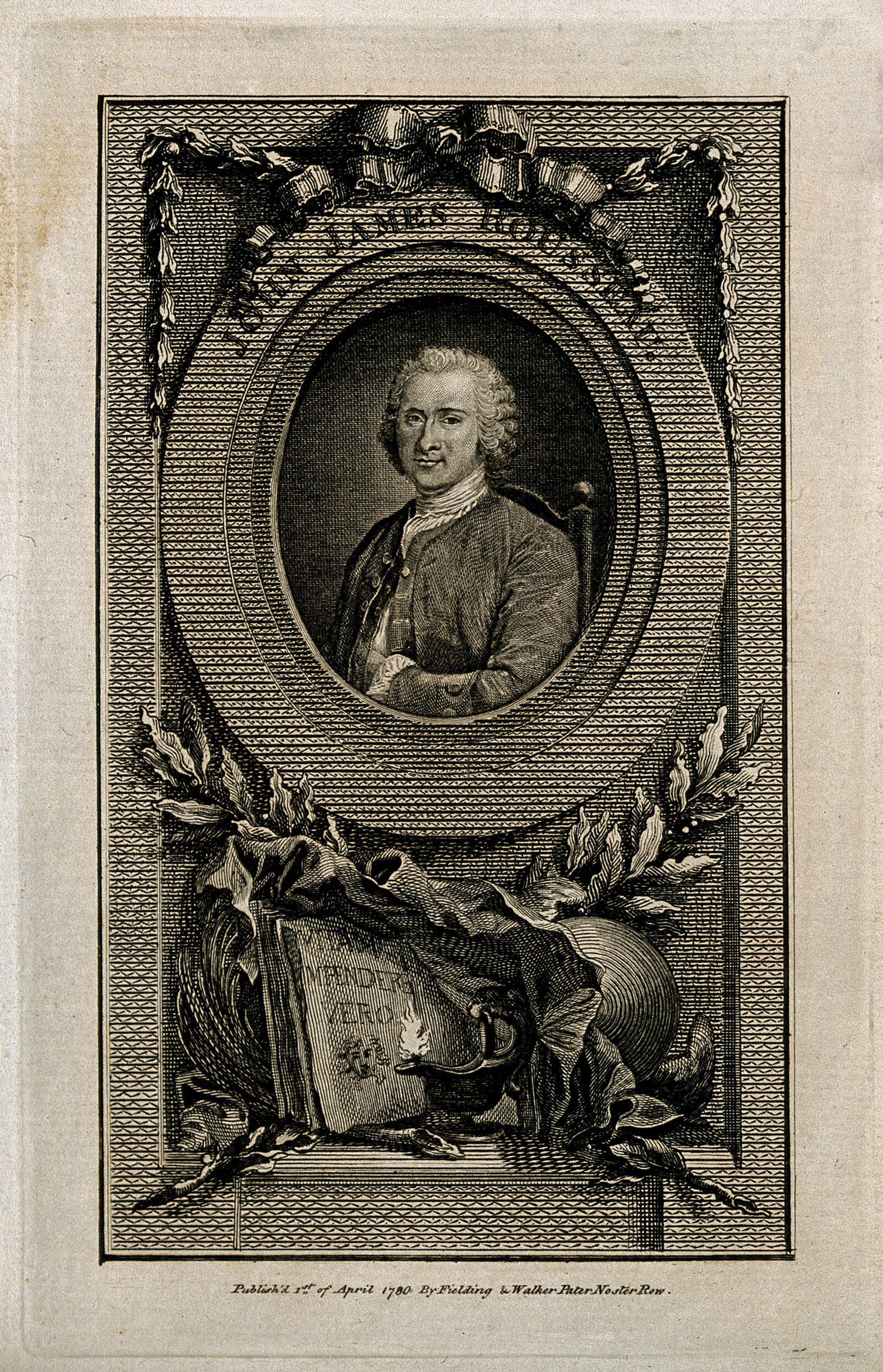
Engraving of Rousseau after La Tour's Portrait
E. Ficquet, after Maurice Quentin de La Tour · 1780
 Book
Primary source
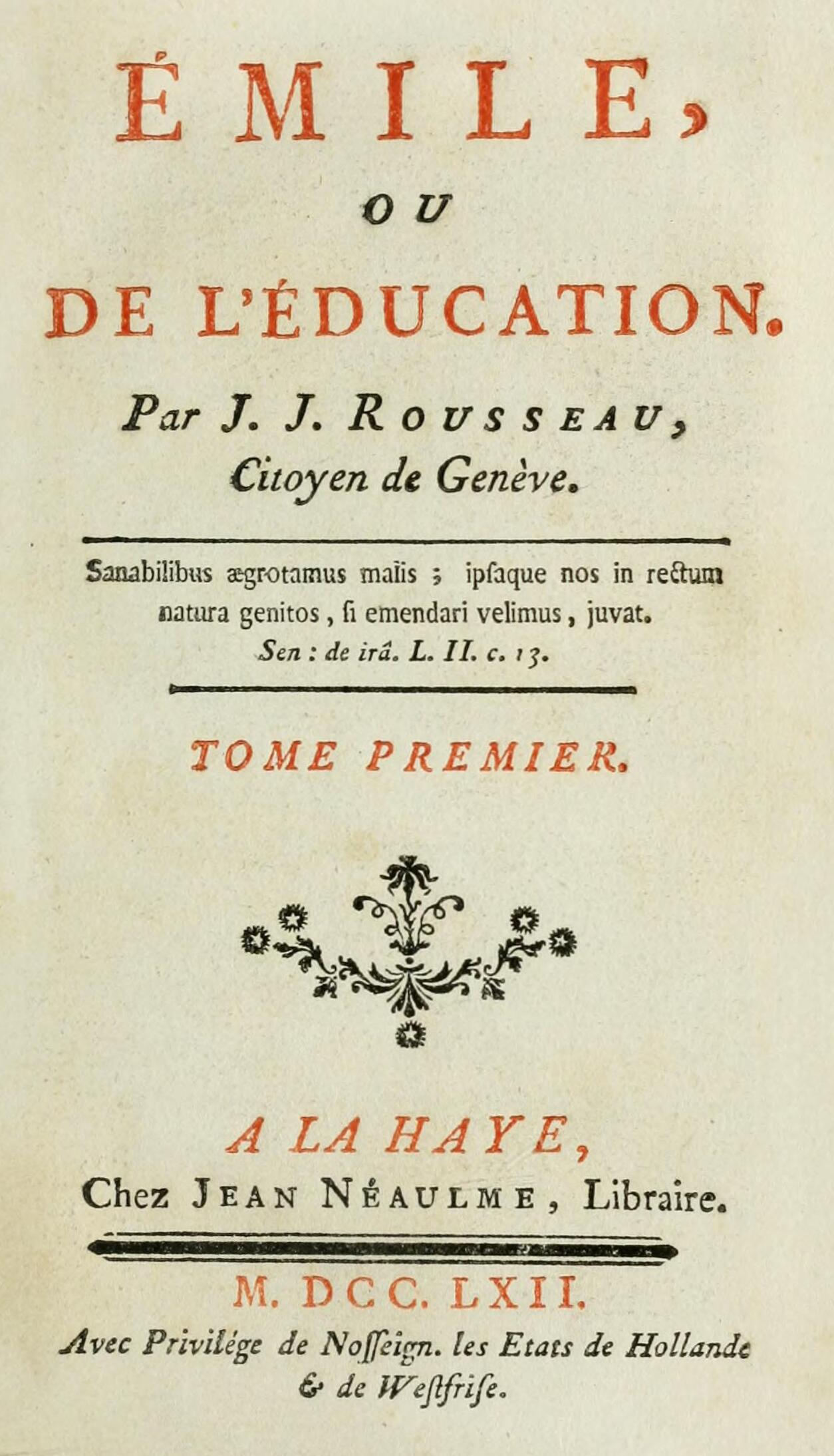
Emile, or On Education
Jean-Jacques Rousseau · 1762
Ready when you are
Start chatting with Jean-Jacques Rousseau now.
20 messages free · No credit card · Available in 50+ languages.