


Secondary sourceBook1920
Bygone Beliefs
H. Stanley Redgrove · 1920
A 1920 book by H. Stanley Redgrove that includes a chapter on Pythagoras and his philosophy, set among essays on magic, alchemy and superstition.
This chapter is a 1920 study of Pythagoras written from a mystical and esoteric viewpoint, not an ancient source.
 PDF · 298 pages
About this source
What it is
Bygone Beliefs is a book by H. Stanley Redgrove, a British chemist and writer, published by William Rider and Son in London in 1920. It is a series of essays on subjects such as medieval thought, talismans, alchemy and superstition. One chapter is titled 'Pythagoras and his philosophy.' The scanned book is available through the Internet Archive, digitized in 2007.
Why it matters
Redgrove wrote this book in the years after the First World War, when many readers were interested in mysticism and the occult. His chapter on Pythagoras presents the thinker in a way that links him to mystical and esoteric traditions. The book therefore tells us how Pythagoras was understood in the early 20th century, more than what he taught in ancient Greece.
Look closer
- The book groups Pythagoras with magic and alchemy. Why might an author do this?
- Redgrove was a chemist writing about belief. How might his training shape the way he describes ancient ideas?
- What might a modern reader need to check before trusting this chapter as a picture of Pythagoras?
This book is part of the curated material that grounds the AI version of Pythagoras on Humy.ai — when students ask about related events, the AI can quote it and cite it.
More Pythagoras sources
Meet the AI Pythagoras → Book
Secondary source
Lives and Opinions of Eminent Philosophers, Book V (Life of Aristotle)
Diogenes Laërtius · c. 3rd century CE
 Book
Secondary source
Histories
Herodotus · c. 440 BCE
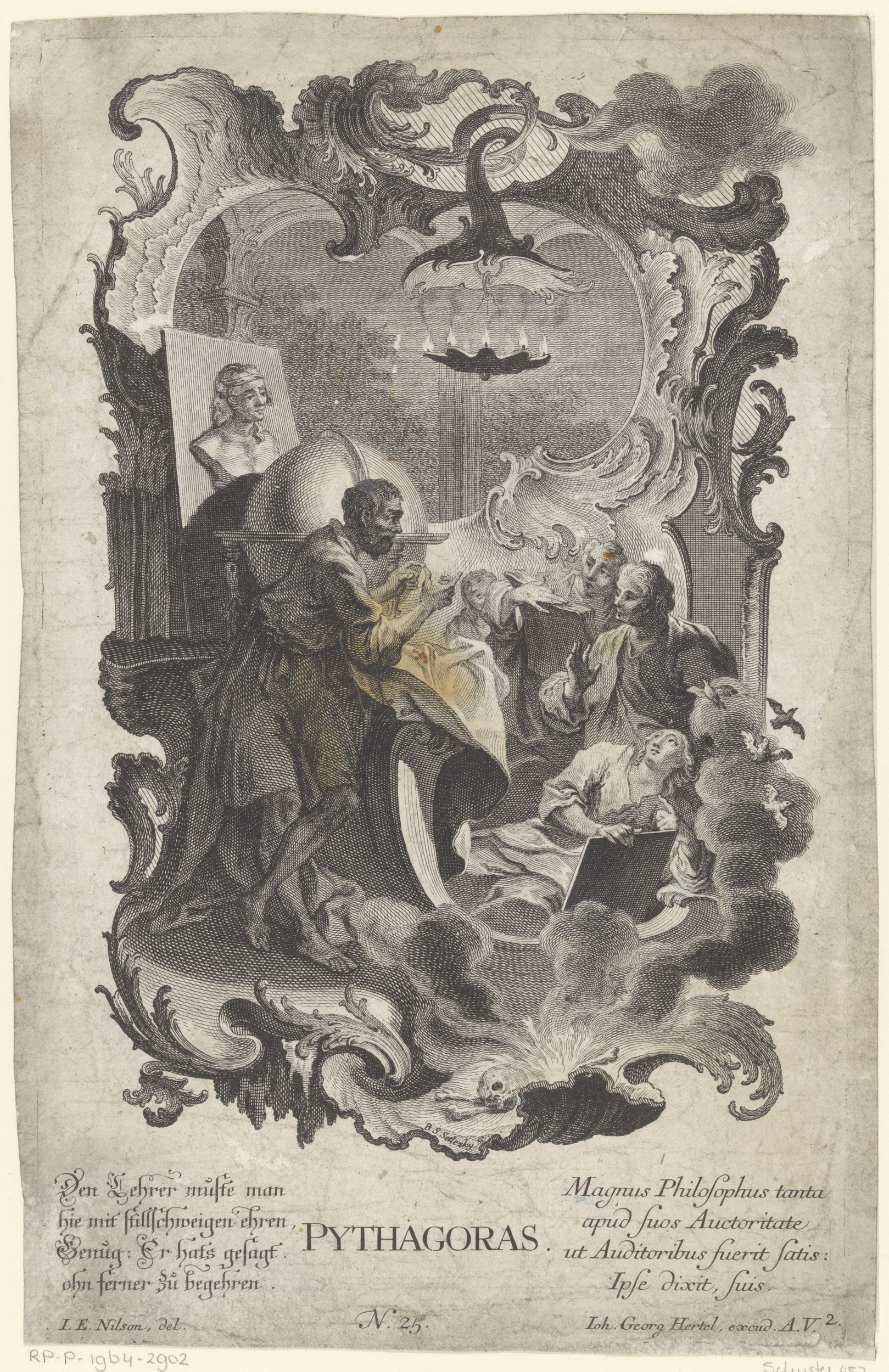 Painting
Secondary source
Pythagoras Leaning on a Globe with Four Listeners
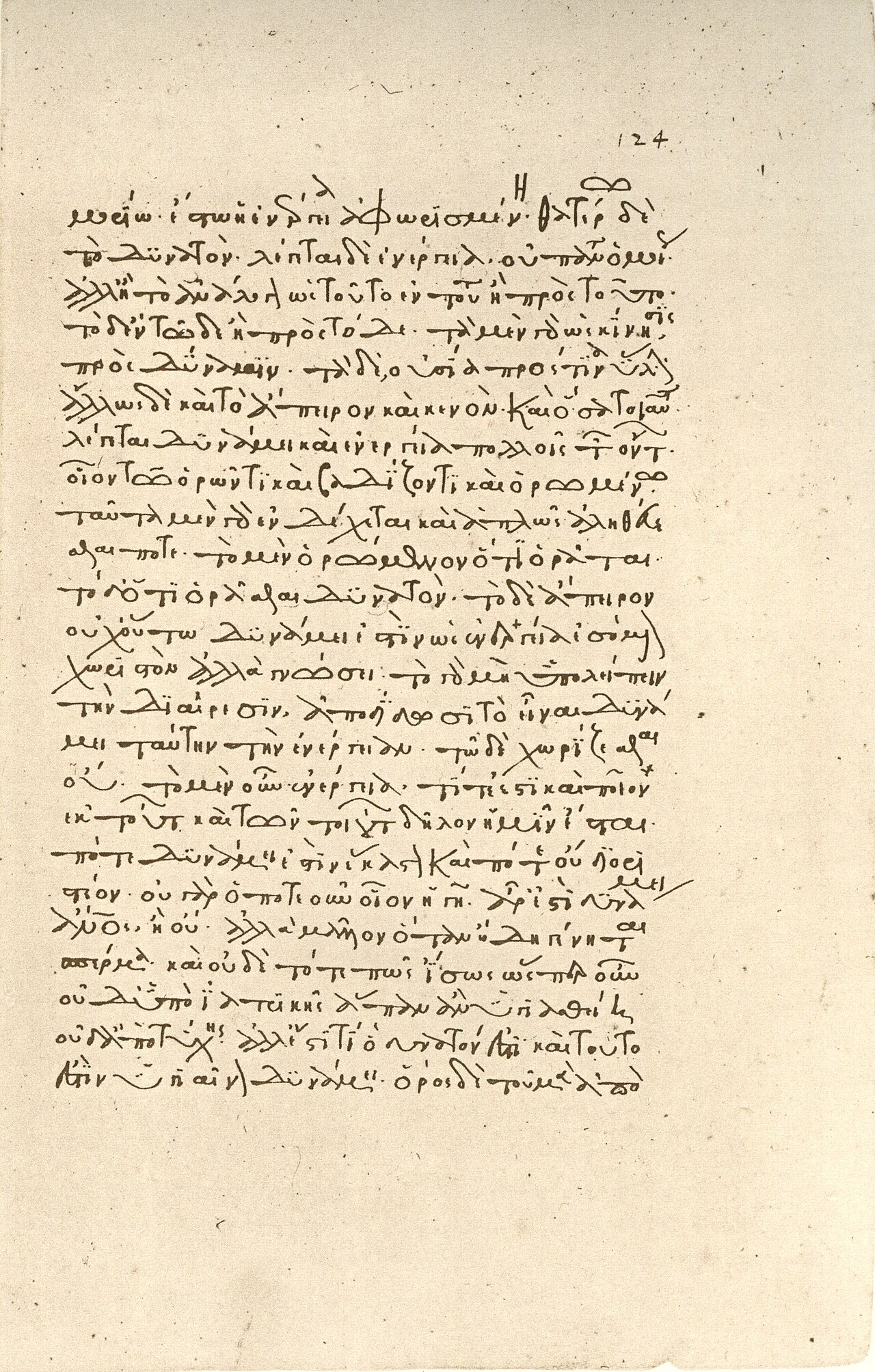 Book
Secondary source
Metaphysics
Aristotle · c. 400 BCE
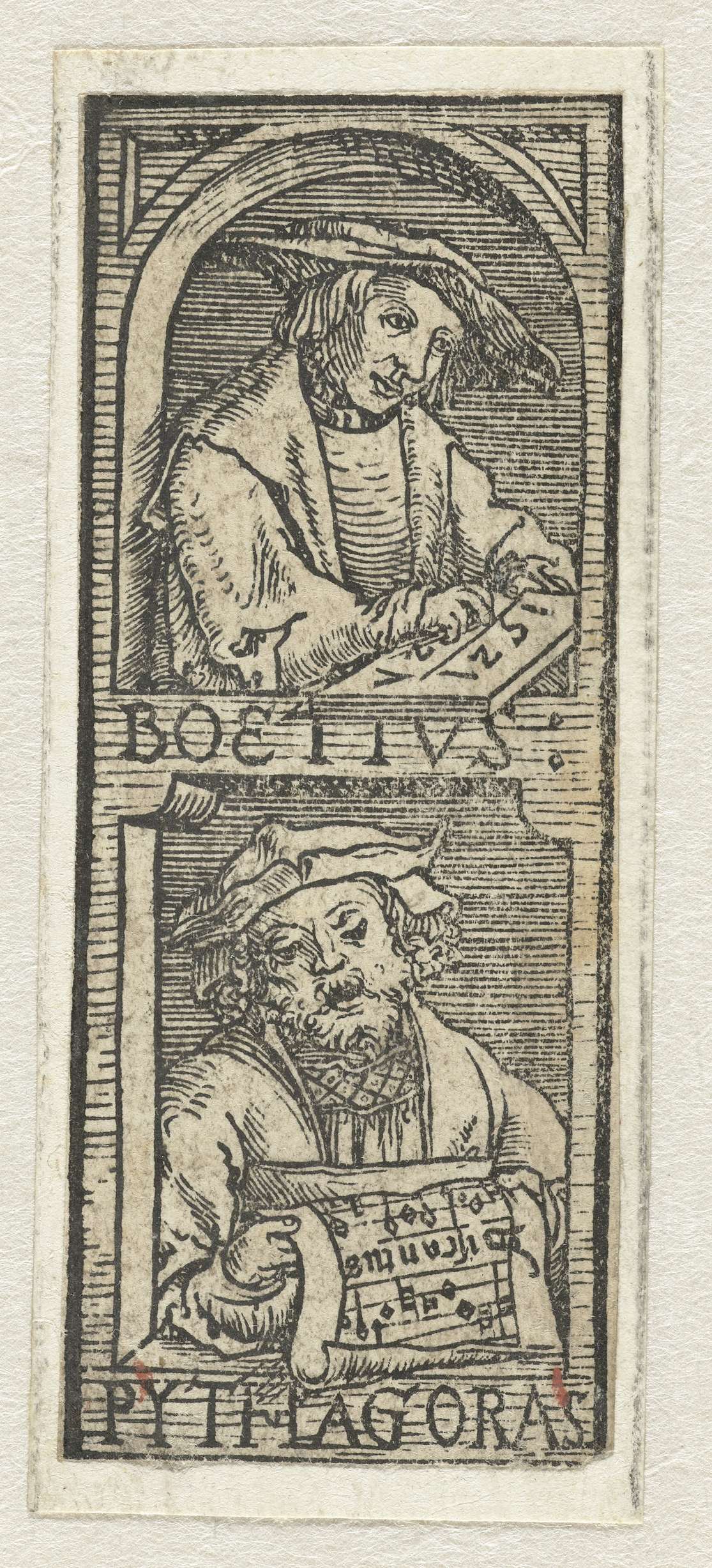 Painting
Secondary source
Boethius and Pythagoras
1521
Ready when you are
Start chatting with Pythagoras now.
20 messages free · No credit card · Available in 50+ languages.