


Secondary sourceArtifact1949
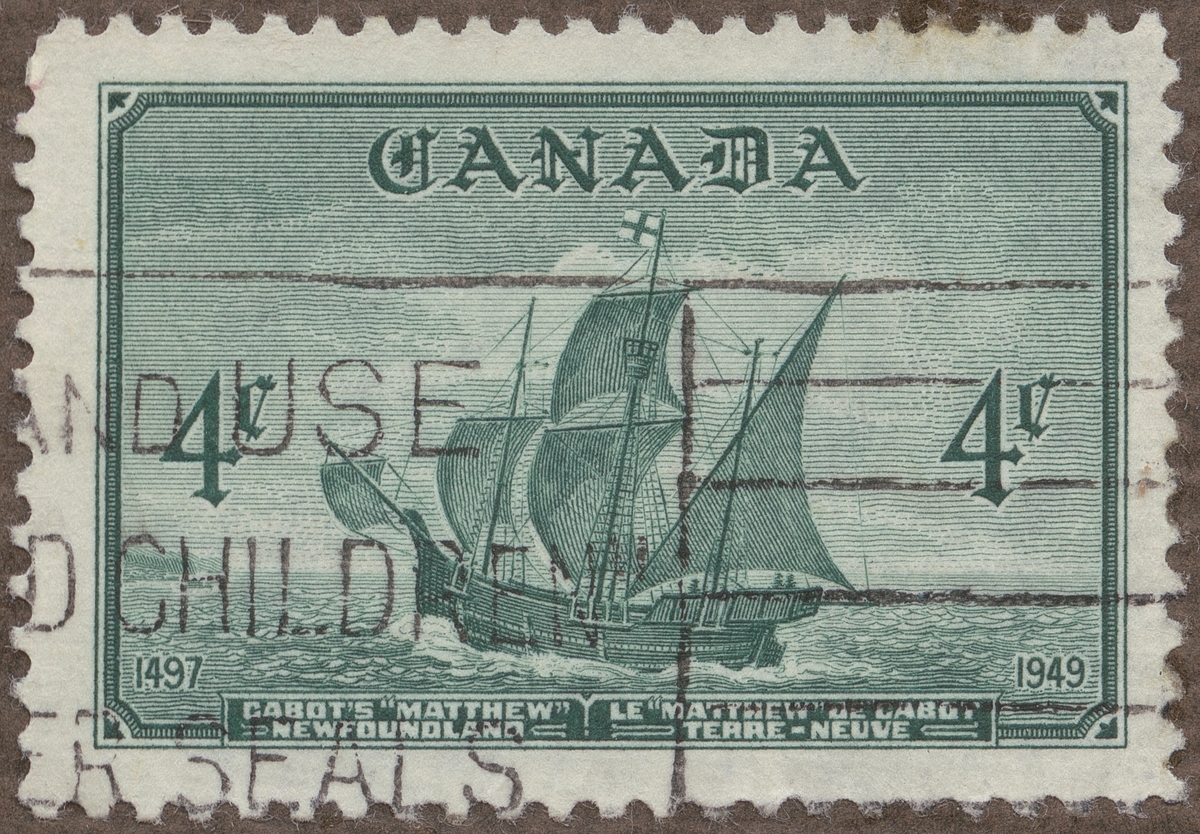
Canada 1949 Postage Stamp Showing John Cabot Aboard the Matthew
1949
A Canadian postage stamp from 1949 showing Cabot's ship Matthew, marking Newfoundland's entry into the Canadian union.
This stamp commemorates Cabot's 1497 voyage, using his ship Matthew as a symbol of Newfoundland's union with Canada.
About this source
What it is
This is a green 4-cent Canadian postage stamp issued in 1949. It shows the ship Matthew under sail on rough seas, with the words CABOT'S MATTHEW NEWFOUNDLAND in English and French, and the dates 1497 and 1949 in the corners. It is held in the Gösta Bodman philatelic collection at the Swedish National Museum of Science and Technology.
Why it matters
The stamp was issued to mark Newfoundland joining the Canadian union, using John Cabot's 1497 voyage as a founding national story. It shows how later governments used explorers like Cabot to build a sense of history and identity, long after his voyage took place.
Look closer
- Why might a country choose an old sea voyage to celebrate a modern political event?
- What does the stamp include, and what does it leave out, about Cabot's actual voyage?
- How does a postage stamp spread historical images to ordinary people?
This artifact is part of the curated material that grounds the AI version of John Cabot (Giovanni Caboto) on Humy.ai — when students ask about related events, the AI can quote it and cite it.
More John Cabot (Giovanni Caboto) sources
Meet the AI John Cabot (Giovanni Caboto) →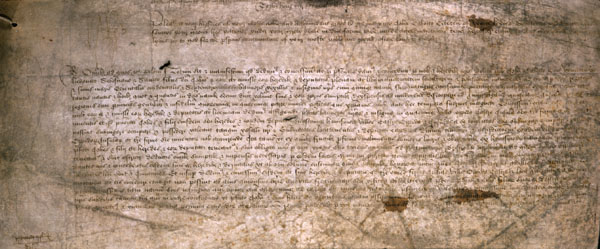 Document
Primary source
Letters Patent to John Cabot
Henry VII of England · 5 March 1496
 Document
Primary source
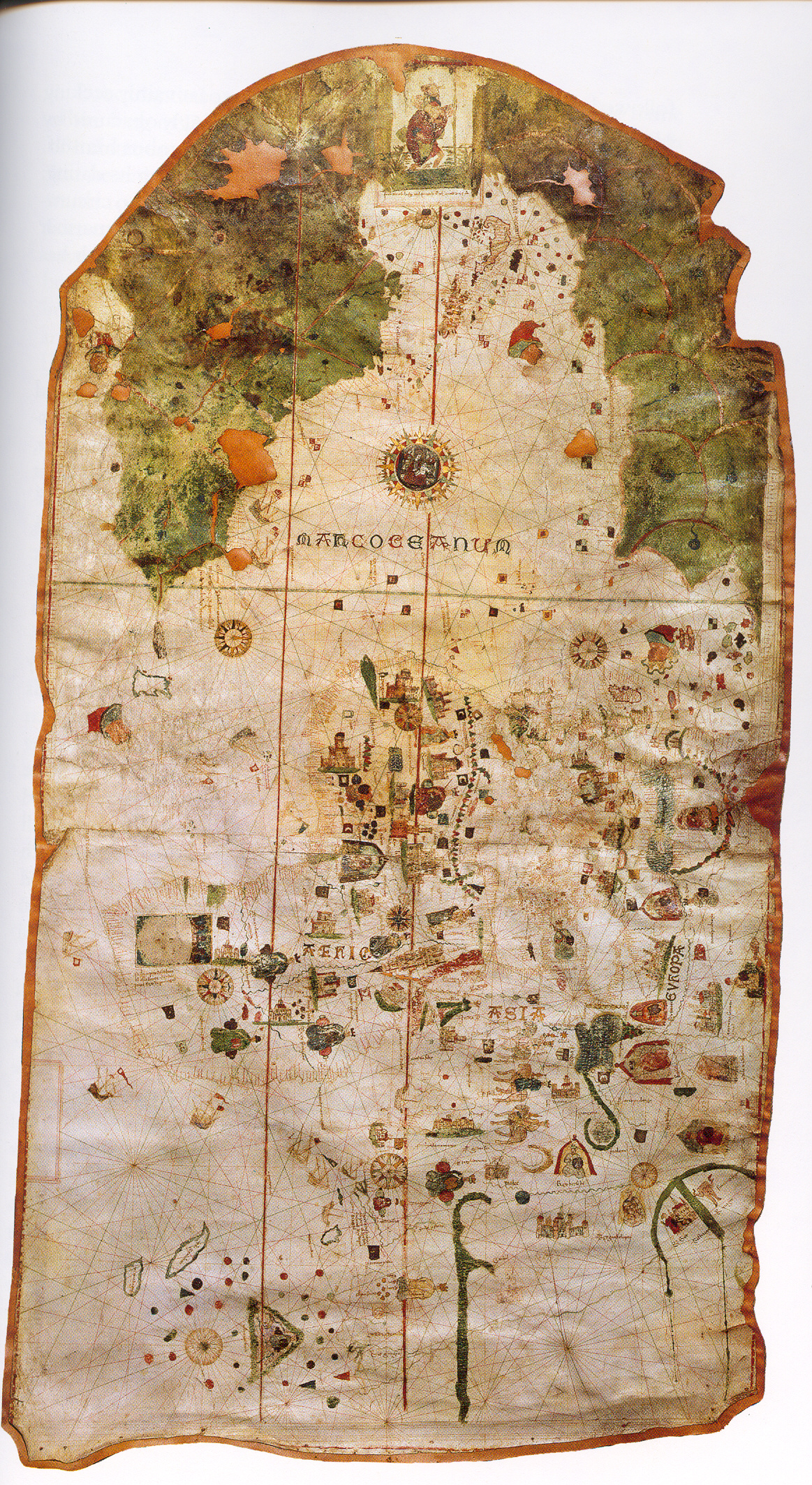
Map of Juan de la Cosa
Juan de la Cosa · 1500
 Document
Primary source
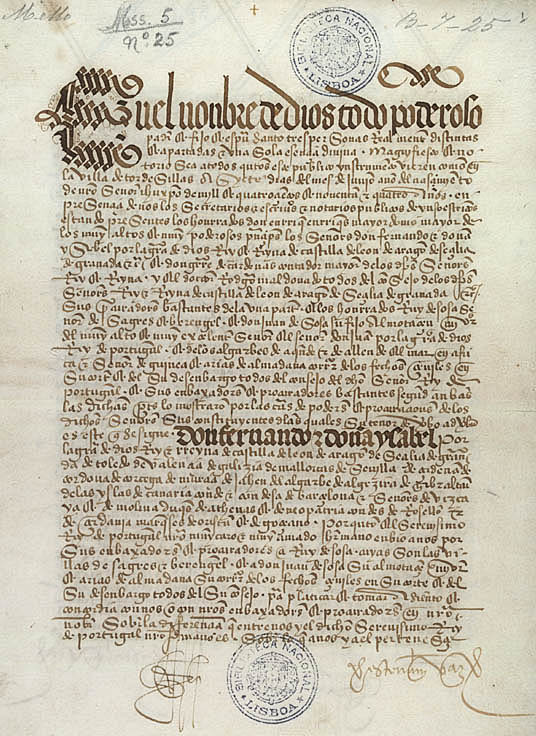
Treaty of Tordesillas
7 June 1494
 Artifact
Secondary source
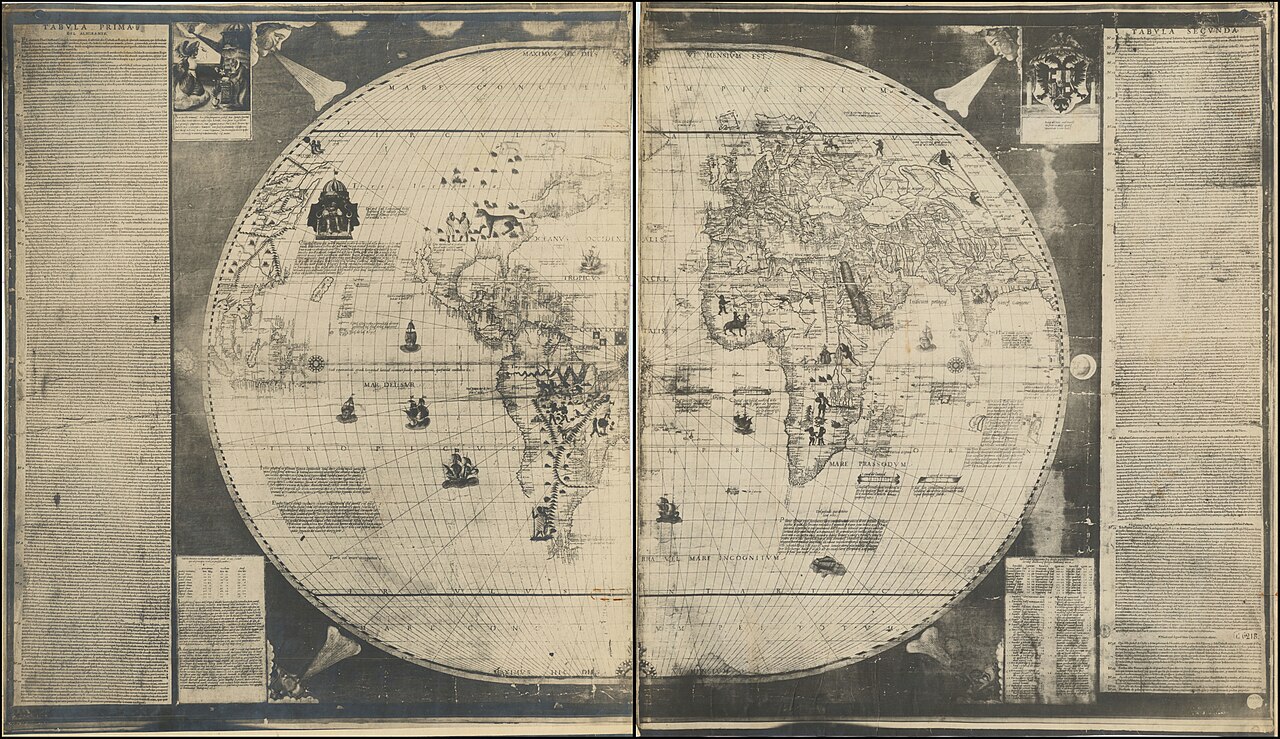
Sebastian Cabot's World Map of 1544
Sebastian Cabot · 1544
 Painting
Secondary source
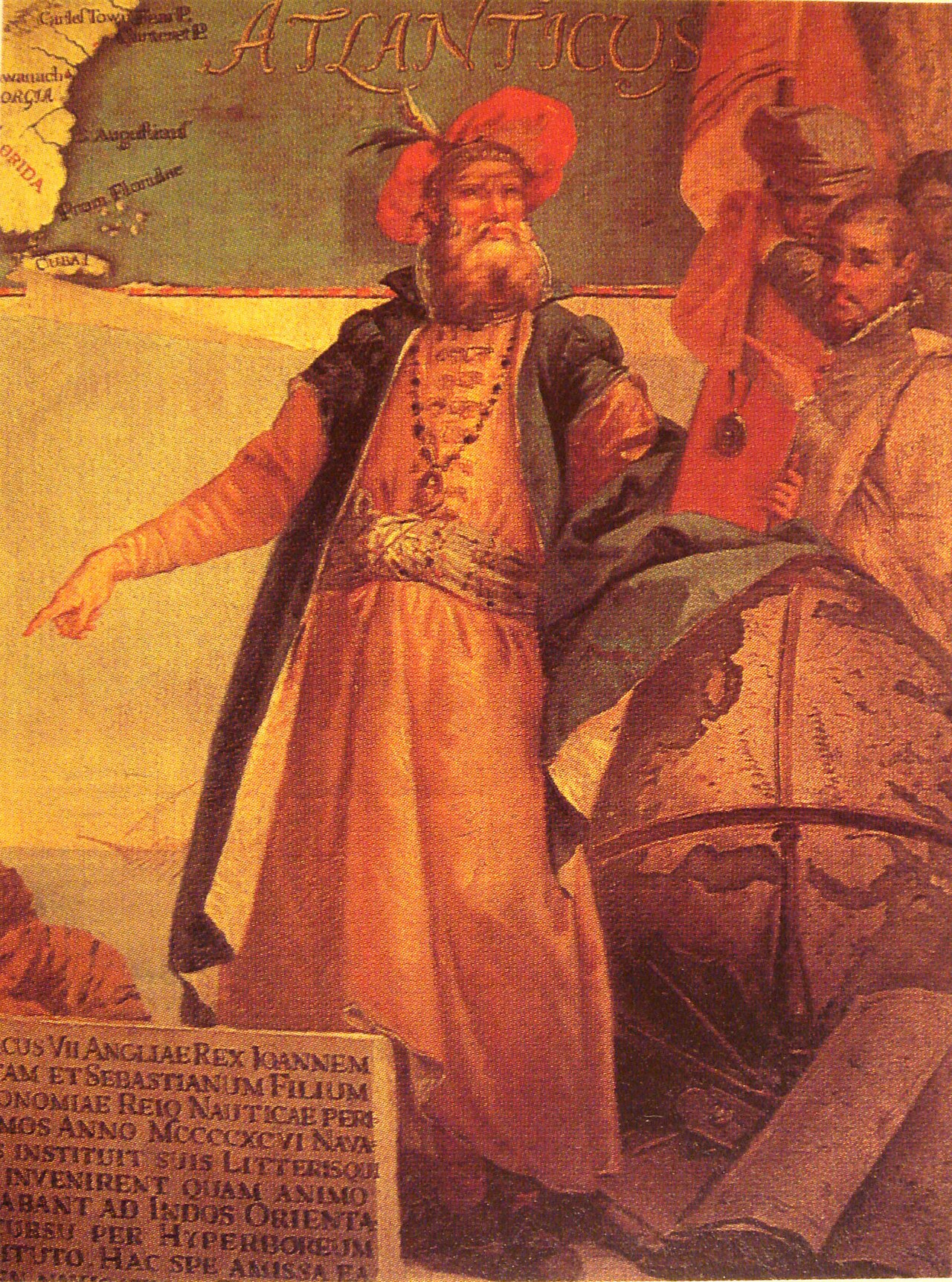
Portrait of John Cabot
Ready when you are
Start chatting with John Cabot (Giovanni Caboto) now.
20 messages free · No credit card · Available in 50+ languages.