


Secondary sourceDocument6th century BCE
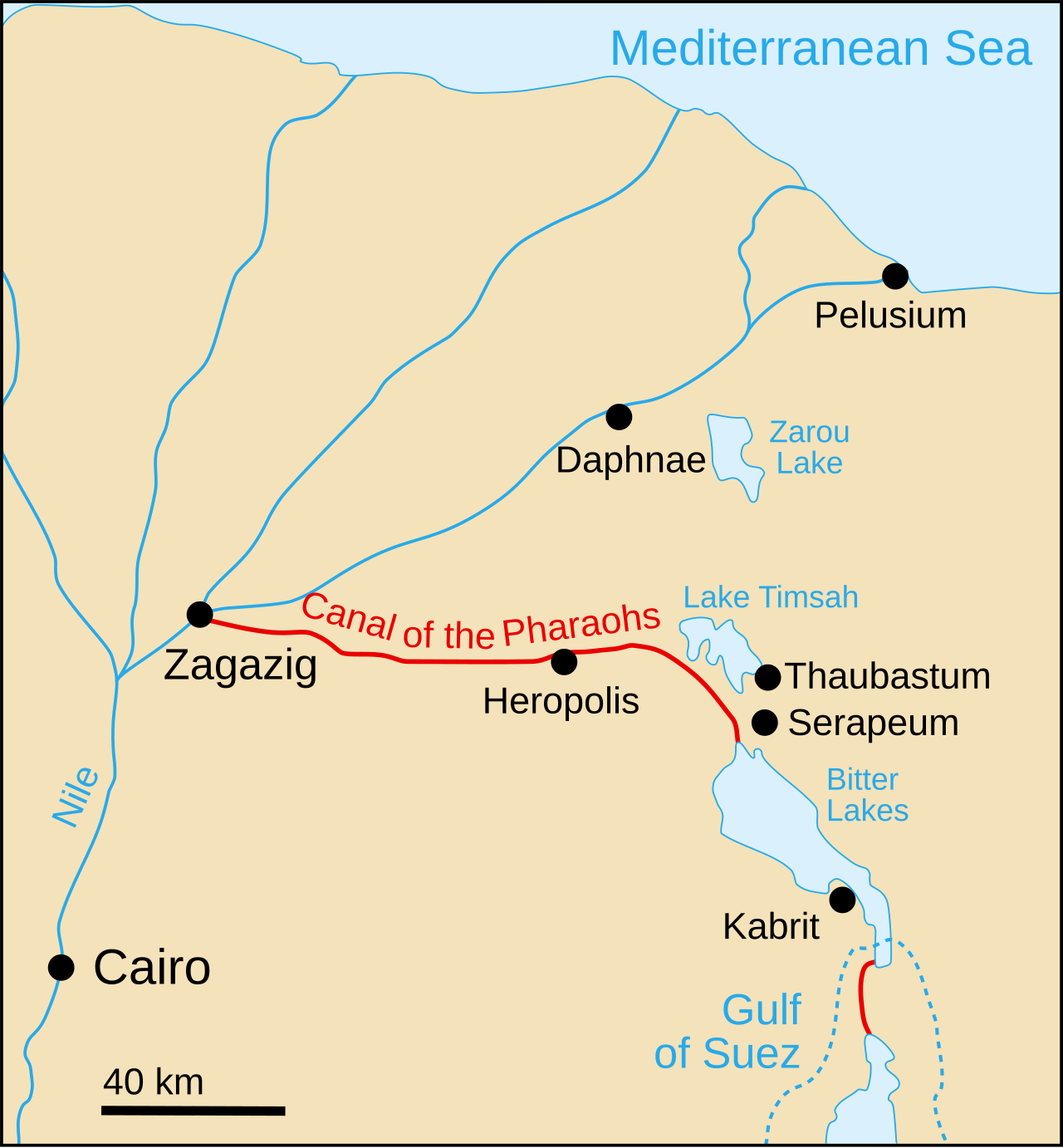
Canal of the Pharaohs
6th century BCE
An ancient canal linking the Nile to the Red Sea, begun by earlier pharaohs and, according to Darius I's own inscriptions and Herodotus, completed under him.
Darius I's own inscriptions claim he completed this canal linking the Nile to the Red Sea.
About this source
What it is
The Canal of the Pharaohs was a waterway joining the Nile River to the Red Sea through the Wadi Tumilat, a forerunner of the modern Suez Canal. Work on it may have started as early as pharaoh Senusret III, and was continued by Necho II. Darius I's own Suez Inscriptions, along with the Greek historian Herodotus, claim that he completed it, though other ancient writers such as Aristotle, Strabo and Pliny say he did not finish the job.
Why it matters
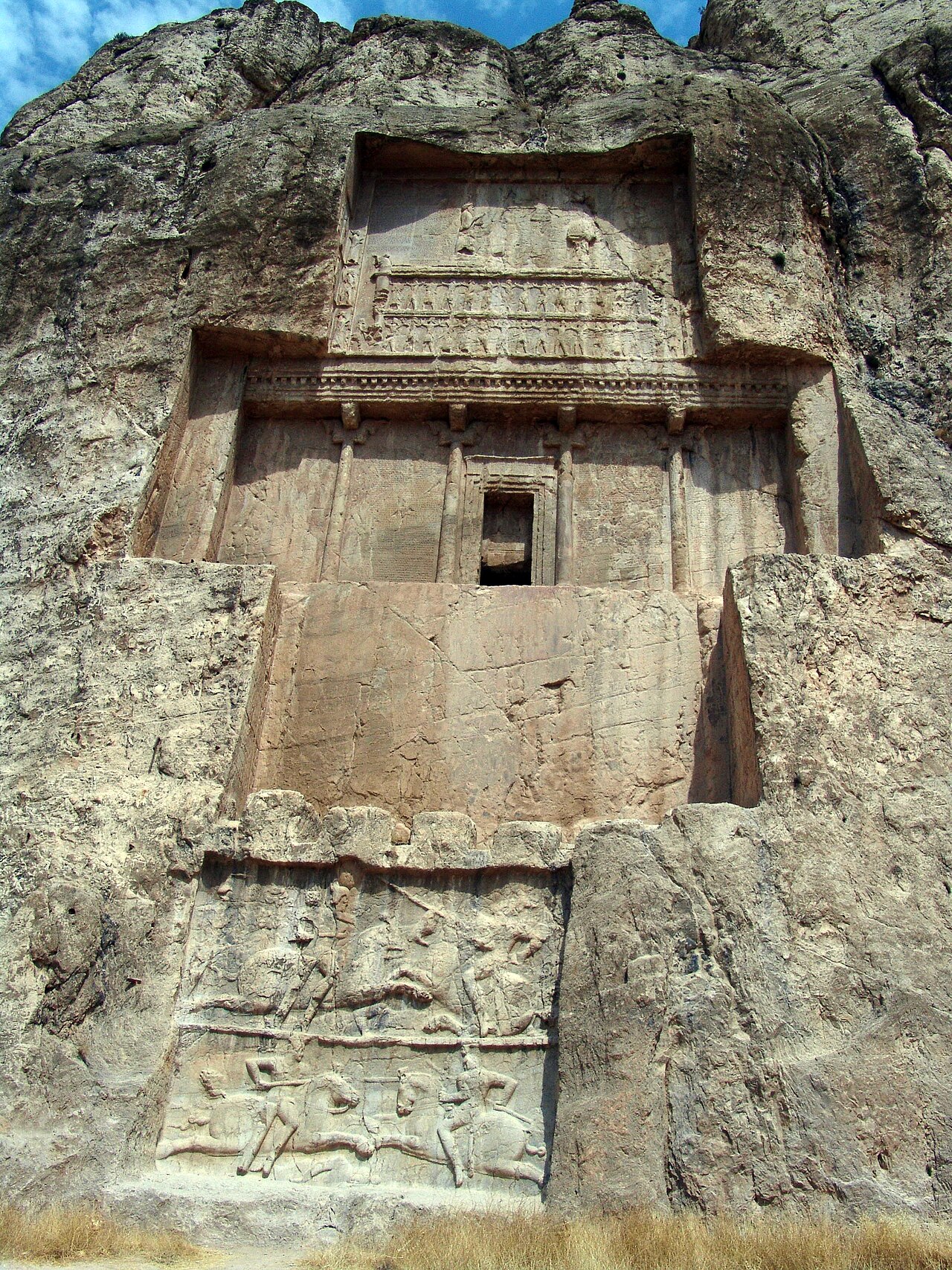
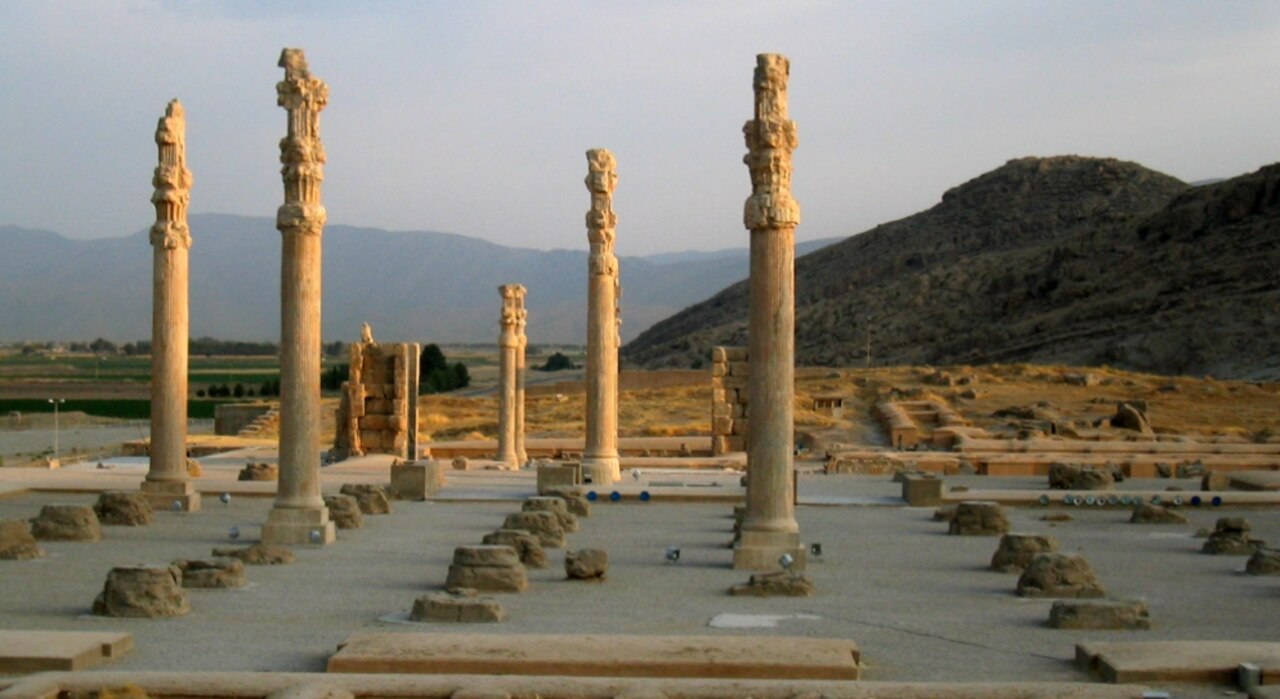
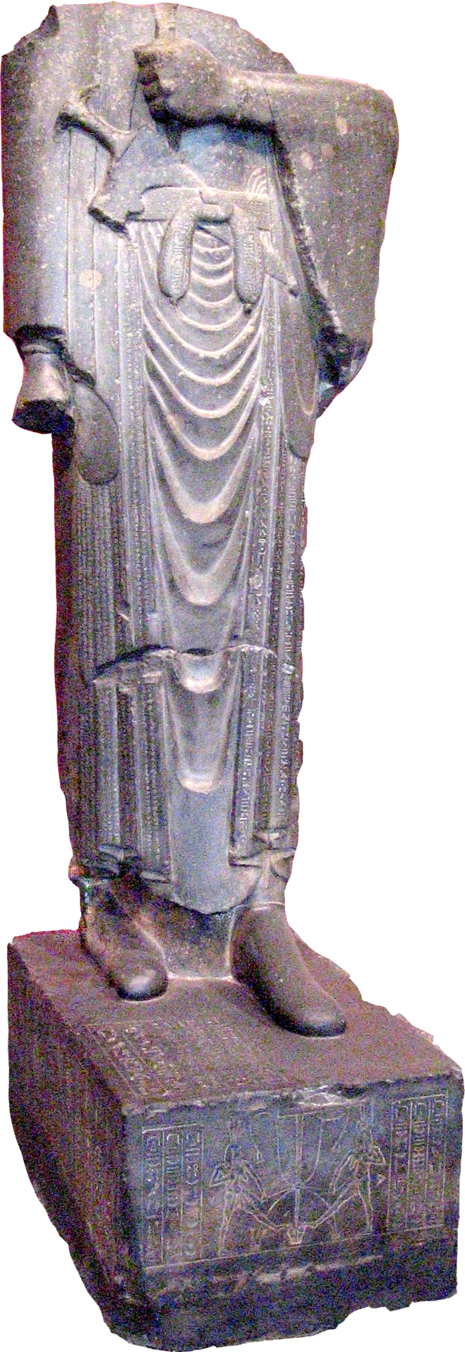
Whether or not Darius actually completed it, his monuments along the canal show he wanted to be remembered as the ruler who connected Egypt to the Persian Gulf and the wider empire, making trade and troop movement easier. The disagreement among ancient sources is itself a lesson in how even contemporaries could not agree on what a king had actually achieved.
Look closer
- Why might ancient writers disagree about whether Darius finished the canal?
- What would controlling this waterway have meant for trade and power in the region?
- How does a ruler use building projects like this to shape how he is remembered?
This document is part of the curated material that grounds the AI version of Darius the Great on Humy.ai — when students ask about related events, the AI can quote it and cite it.
More Darius the Great sources
Meet the AI Darius the Great →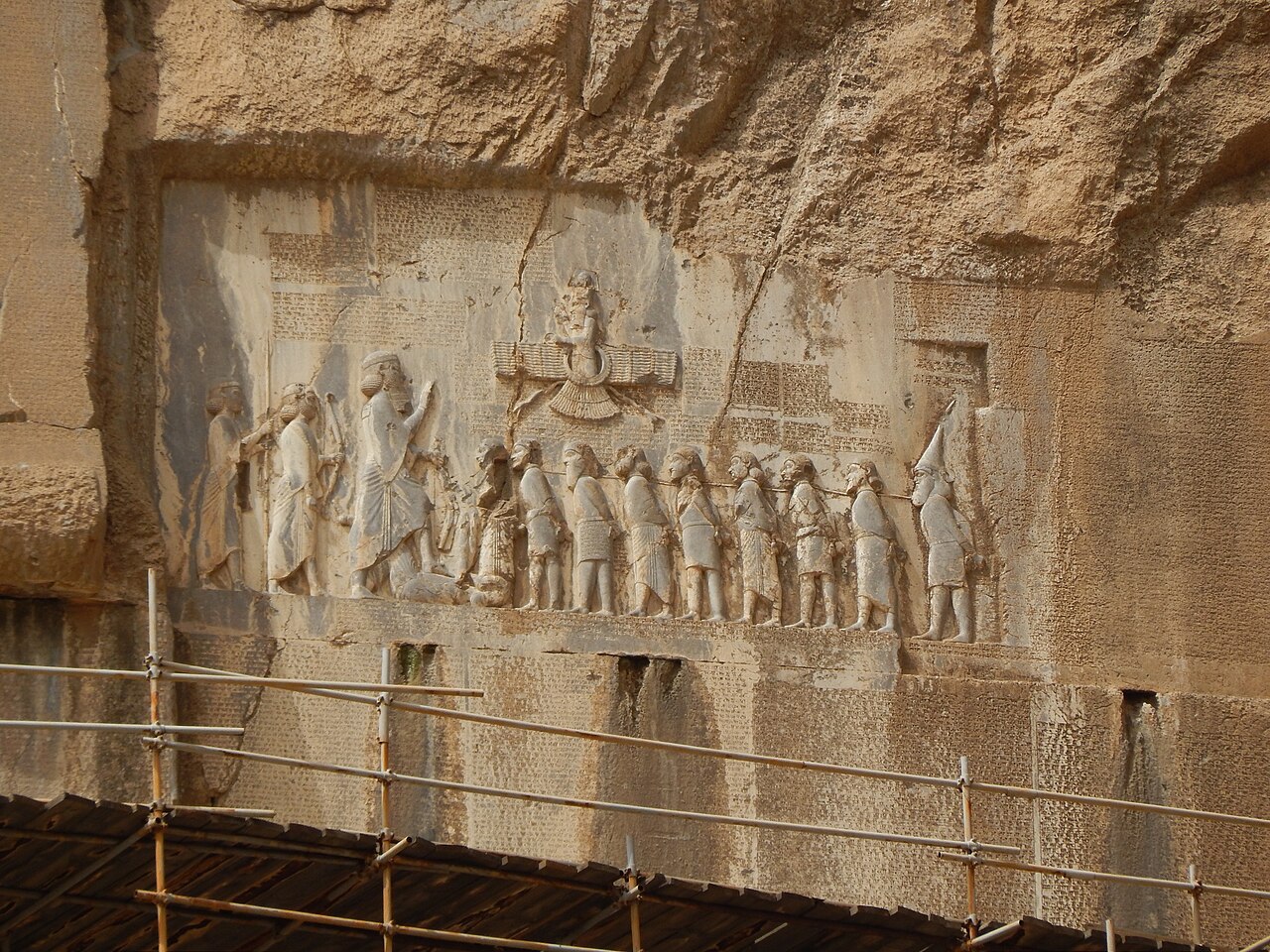

Ready when you are
Start chatting with Darius the Great now.
20 messages free · No credit card · Available in 50+ languages.