


Primary sourceBook1759
Candide
Voltaire · 1759
Voltaire's satirical novella mocking blind optimism, war and persecution, ending with the call to 'cultivate our garden'.
Candide is Voltaire's best-known work, showing his wit and his campaign against religious and philosophical dogma.
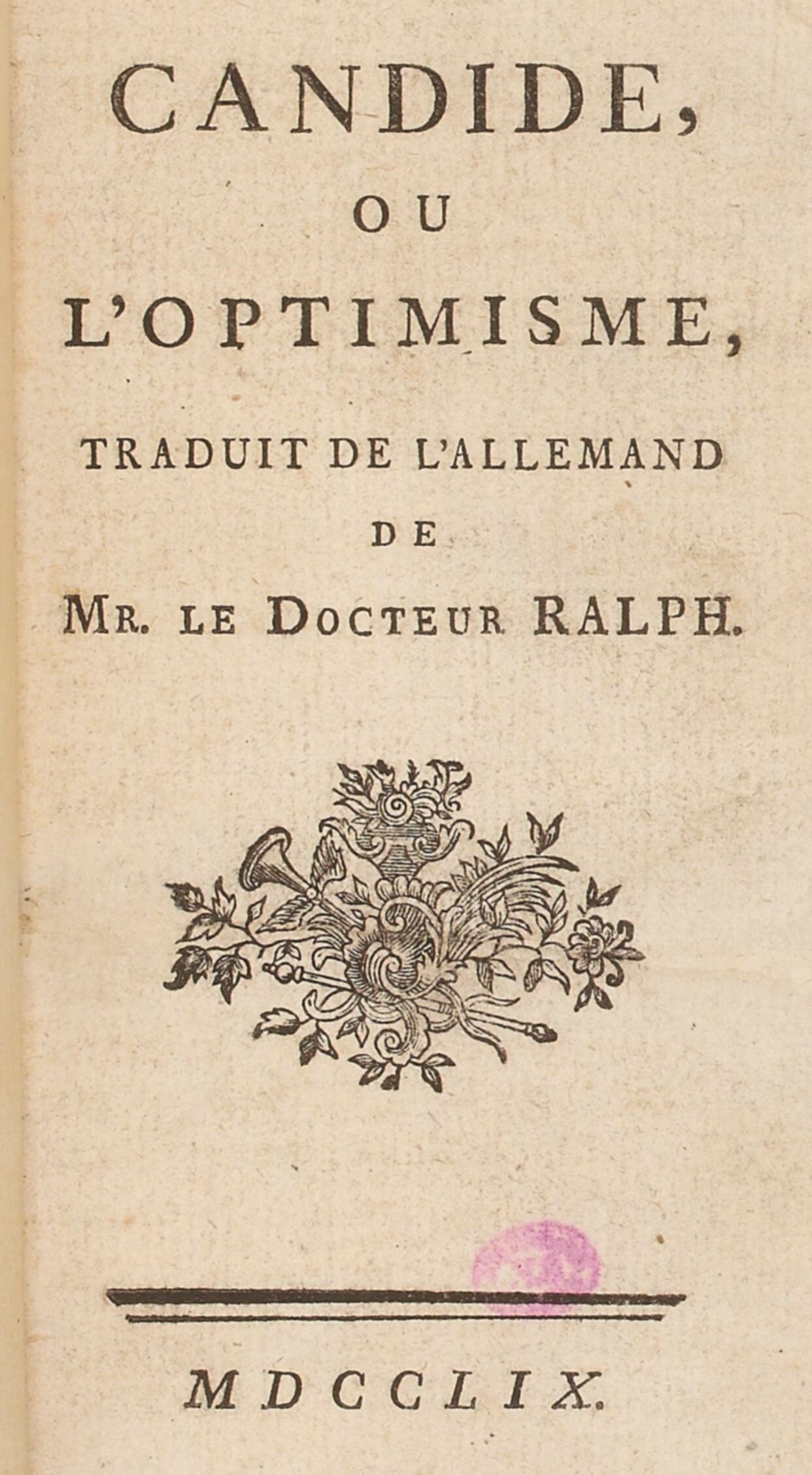
About this source
What it is
Candide, ou l'Optimisme is a short satirical tale written by Voltaire and first published in 1759. It follows a young man's disillusioning journey through a world full of war, disaster and cruelty.
Why it matters
Candide was written as a response to philosophical optimism, the idea that we live in 'the best of all possible worlds'. Inspired partly by the Lisbon earthquake and the Seven Years' War, Voltaire used sharp humour to attack religious fanaticism, slavery, and the arrogance of philosophers and rulers. It became one of the most widely read and banned books of its time, and remains central to how Voltaire is remembered as a critic of dogma and cruelty.
Look closer
- Why might a comic, fast-paced story be an effective way to criticize serious ideas?
- What does the title page's claim of a 'German' translator suggest about how Voltaire tried to protect himself?
- What historical events can you spot hidden inside the adventures of Candide?
This book is part of the curated material that grounds the AI version of Voltaire on Humy.ai — when students ask about related events, the AI can quote it and cite it.
More Voltaire sources
Meet the AI Voltaire →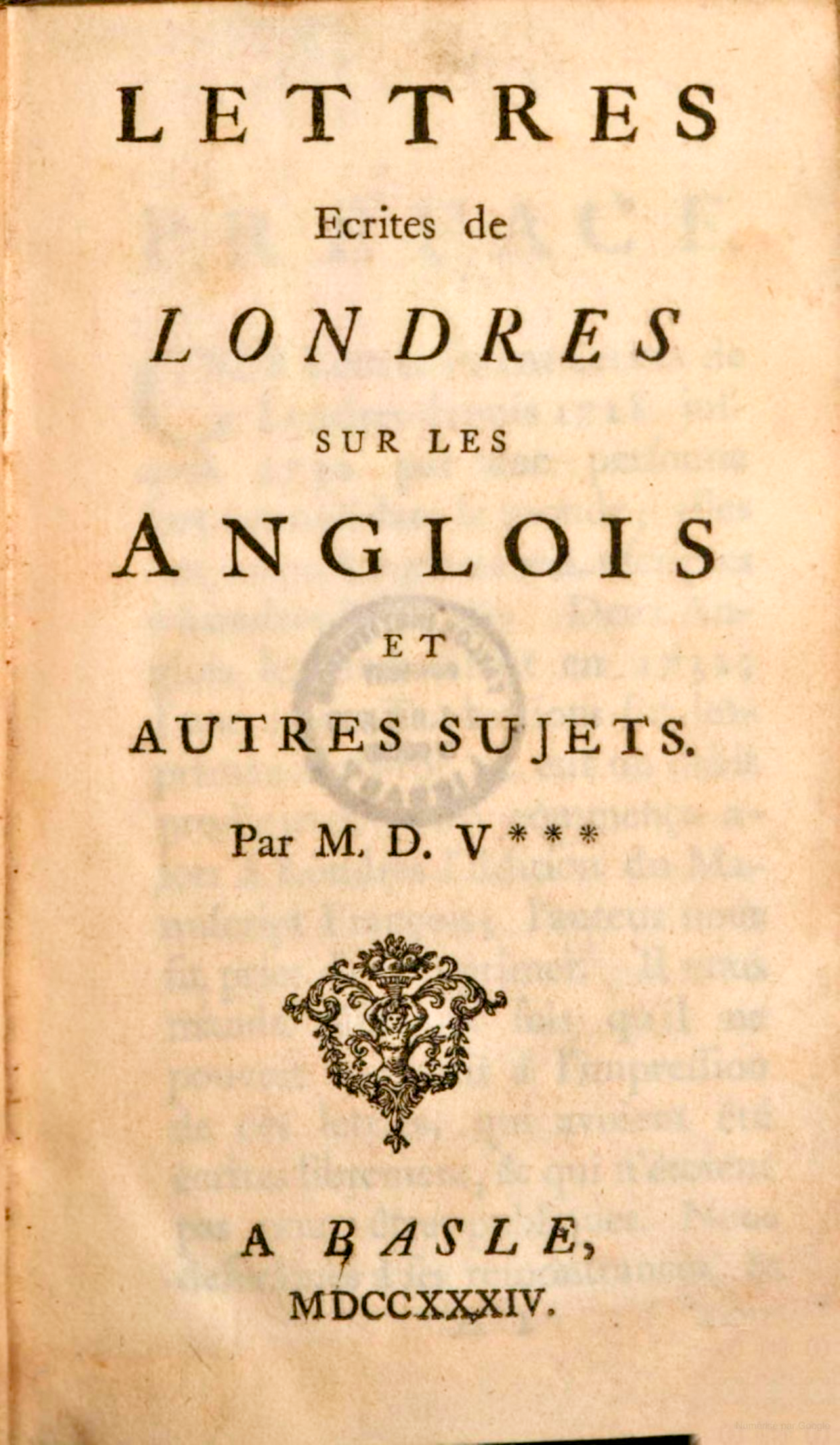 Book
Secondary source
Letters on the English
Voltaire · 1734
 Painting
Secondary source
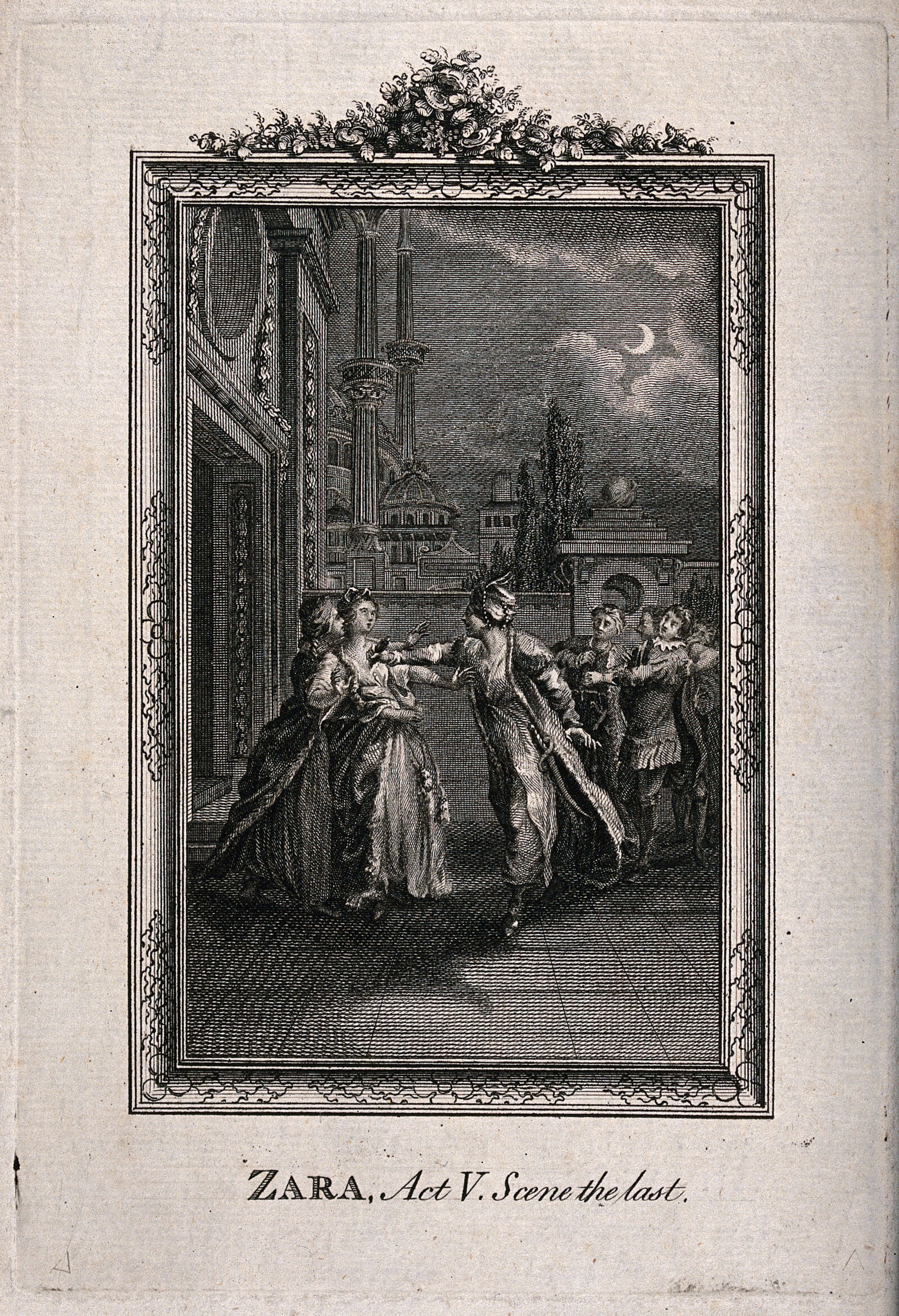
The Sultan Stabs Zara
1700-1799
 Painting
Secondary source
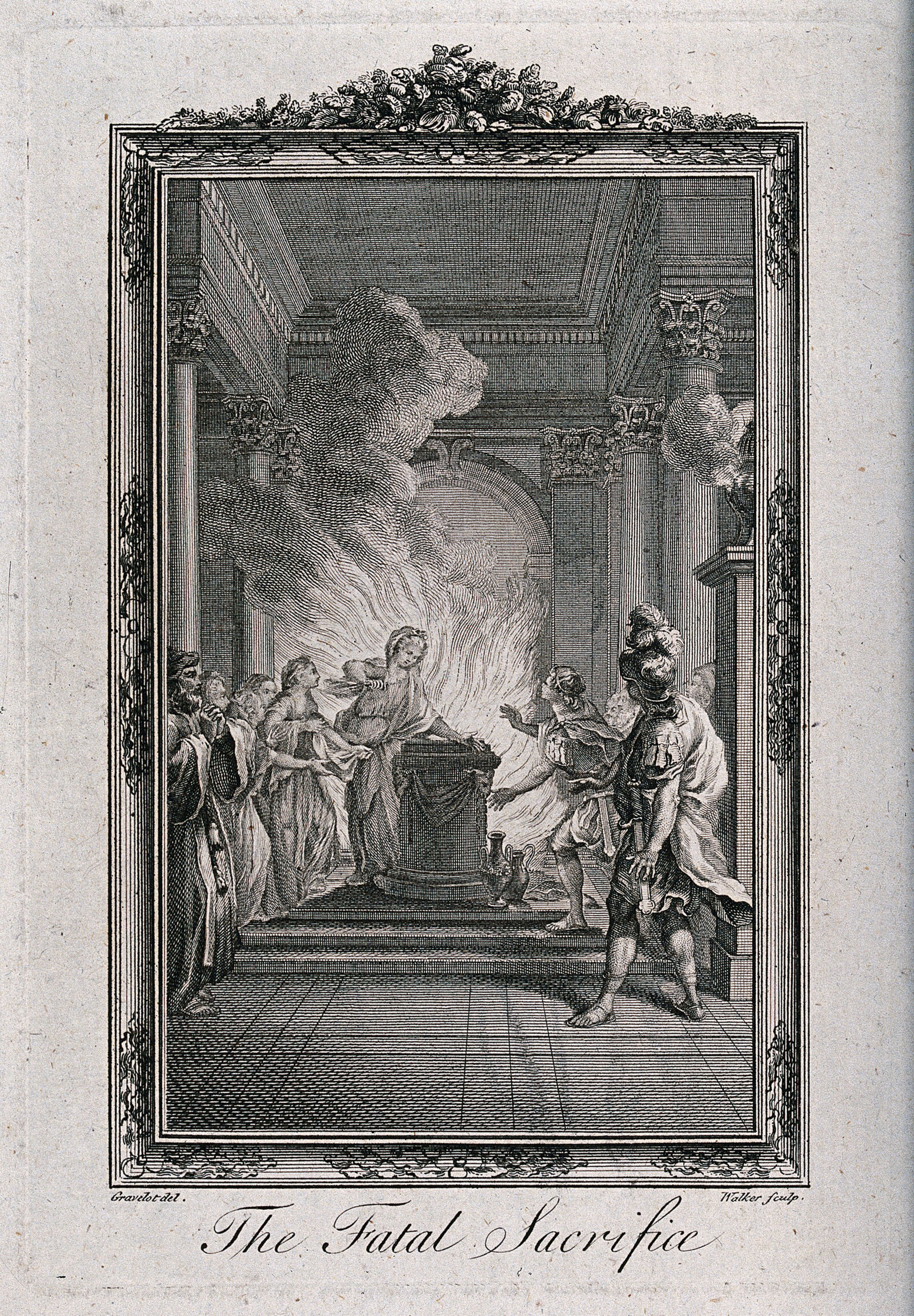
Olympia Throws Herself on the Fire
Hubert-François Gravelot · 1700-1799
Primary source
Treatise on Tolerance
Voltaire · 1763
 Book
Primary source
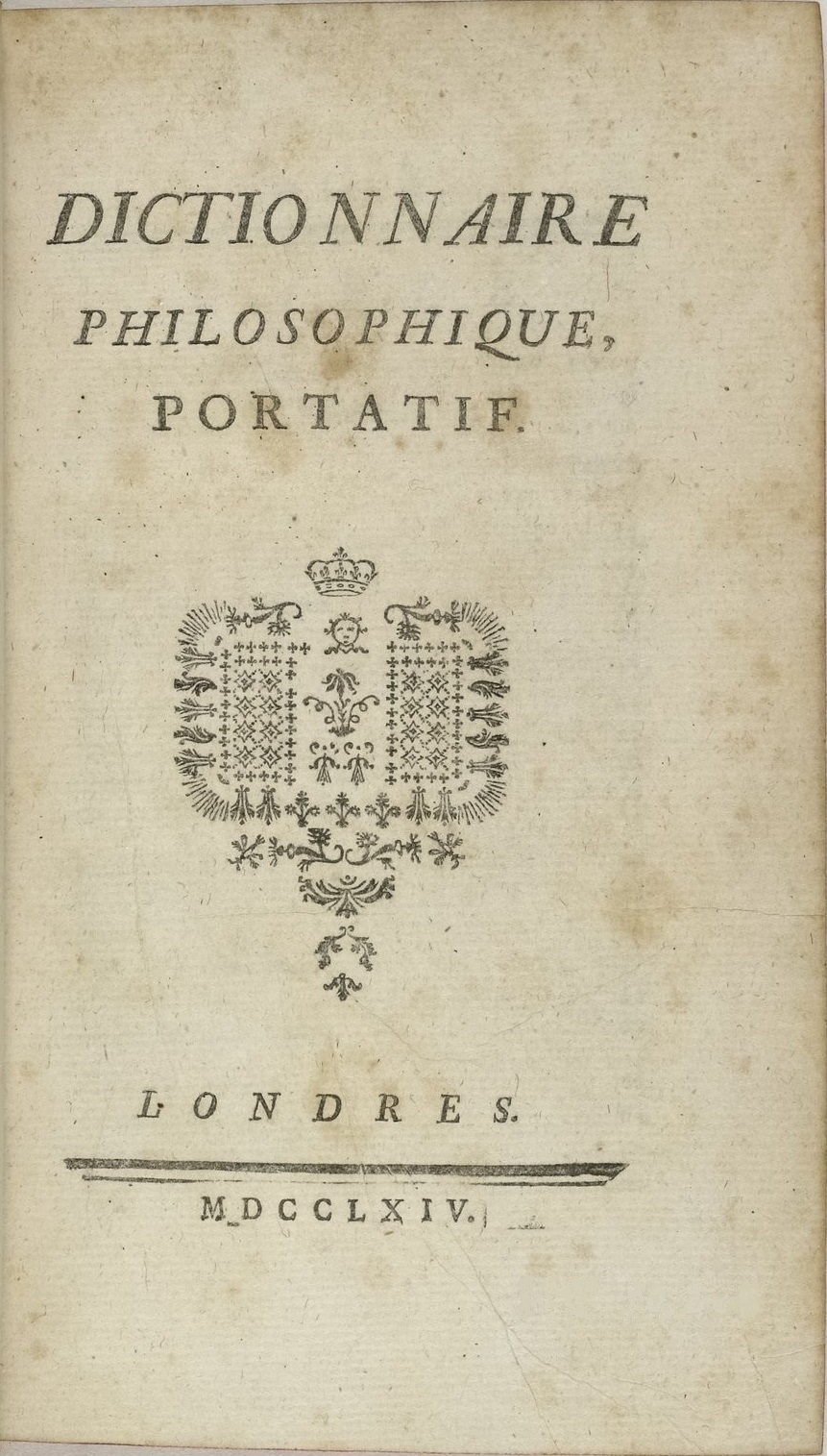
Dictionnaire philosophique
Voltaire · 1764
Ready when you are
Start chatting with Voltaire now.
20 messages free · No credit card · Available in 50+ languages.