


Primary sourceBook1763
Treatise on Tolerance
Voltaire · 1763
Voltaire's book attacking religious fanaticism, written after the wrongful execution of Protestant Jean Calas.
This book shows Voltaire as a public campaigner, using the wrongful execution of Jean Calas to fight religious fanaticism.
About this source
What it is
The Treatise on Tolerance was written by Voltaire and printed in 1763, following the trial and execution of Jean Calas, a Protestant merchant wrongly accused of murdering his son. Calas was tortured and executed in 1762 despite a lack of evidence.
Why it matters
Shocked by the injustice of the Calas case, Voltaire launched a public campaign to clear his name, using this book to expose religious prejudice and fanaticism. The campaign succeeded: Calas was posthumously exonerated in 1765. The Treatise shows Voltaire not just as a writer but as an activist who used his fame to fight miscarriages of justice, and it remains influential — it became a bestseller again after the 2015 Charlie Hebdo attack.
Look closer
- Why might public opinion be a powerful tool against an unjust legal system?
- What does Voltaire compare religious intolerance to in his arguments?
- Why do you think this centuries-old book became popular again in 2015?
This book is part of the curated material that grounds the AI version of Voltaire on Humy.ai — when students ask about related events, the AI can quote it and cite it.
More Voltaire sources
Meet the AI Voltaire →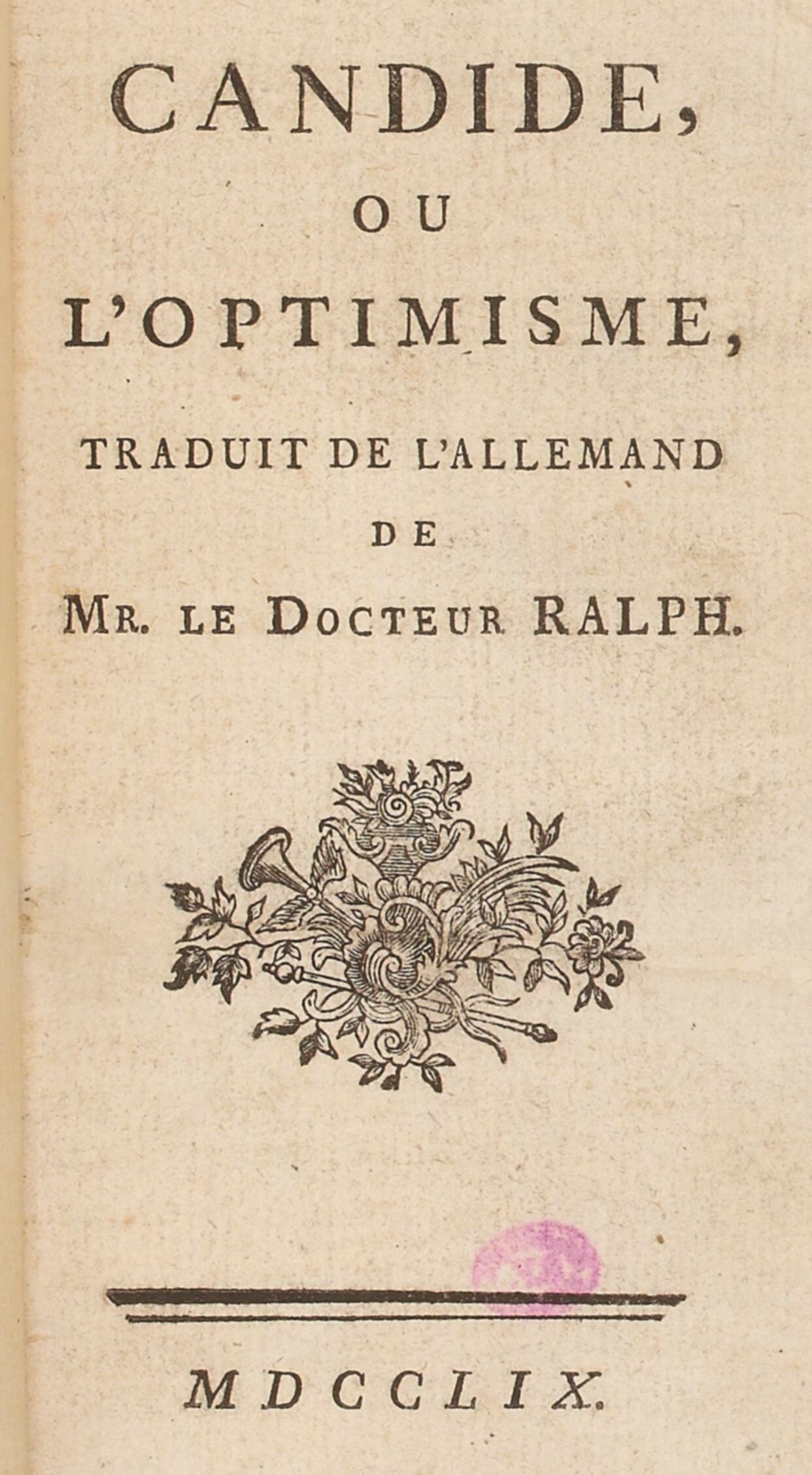 Book
Primary source
Candide
Voltaire · 1759
 Book
Secondary source
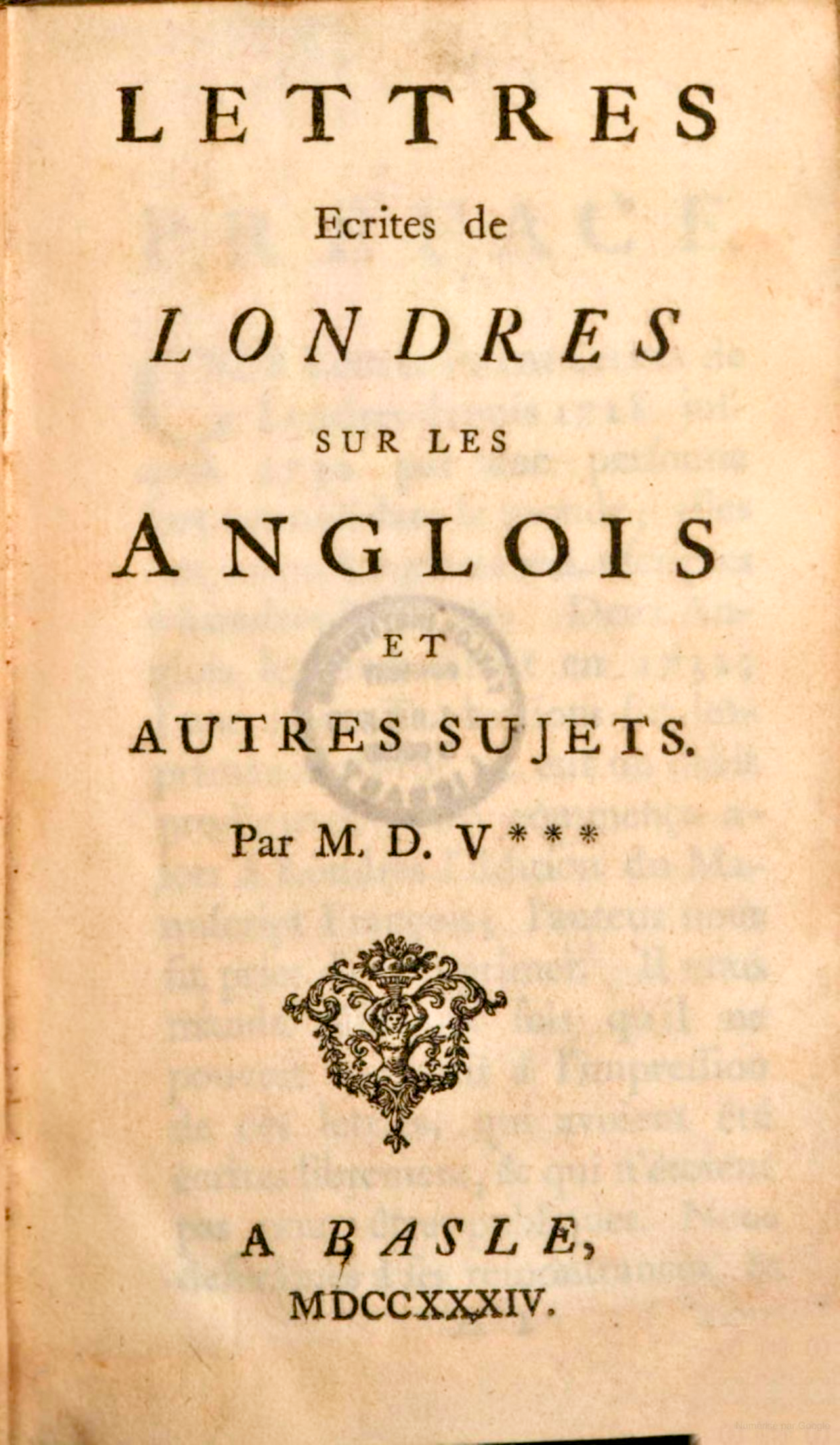
Letters on the English
Voltaire · 1734
 Painting
Secondary source
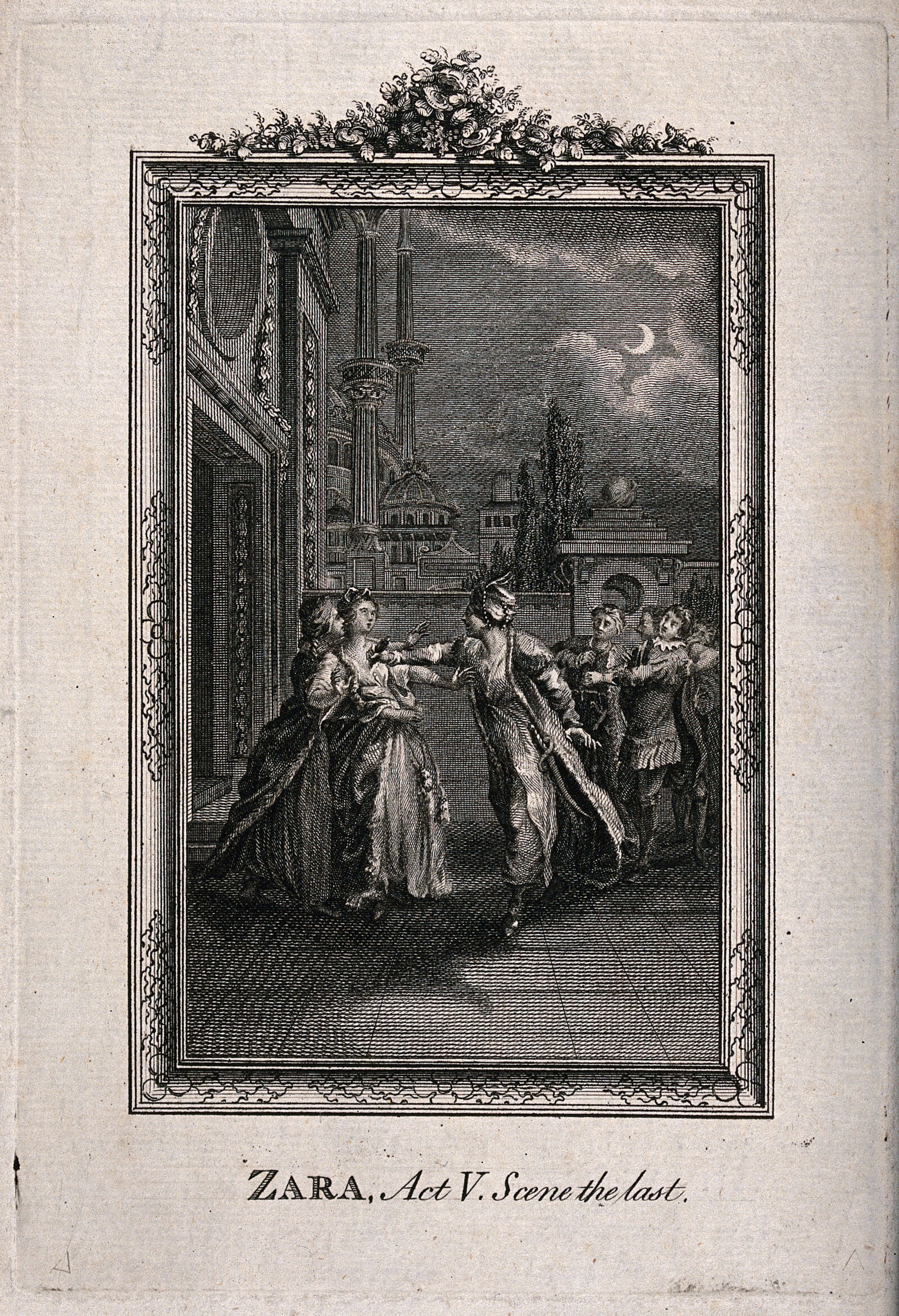
The Sultan Stabs Zara
1700-1799
 Painting
Secondary source
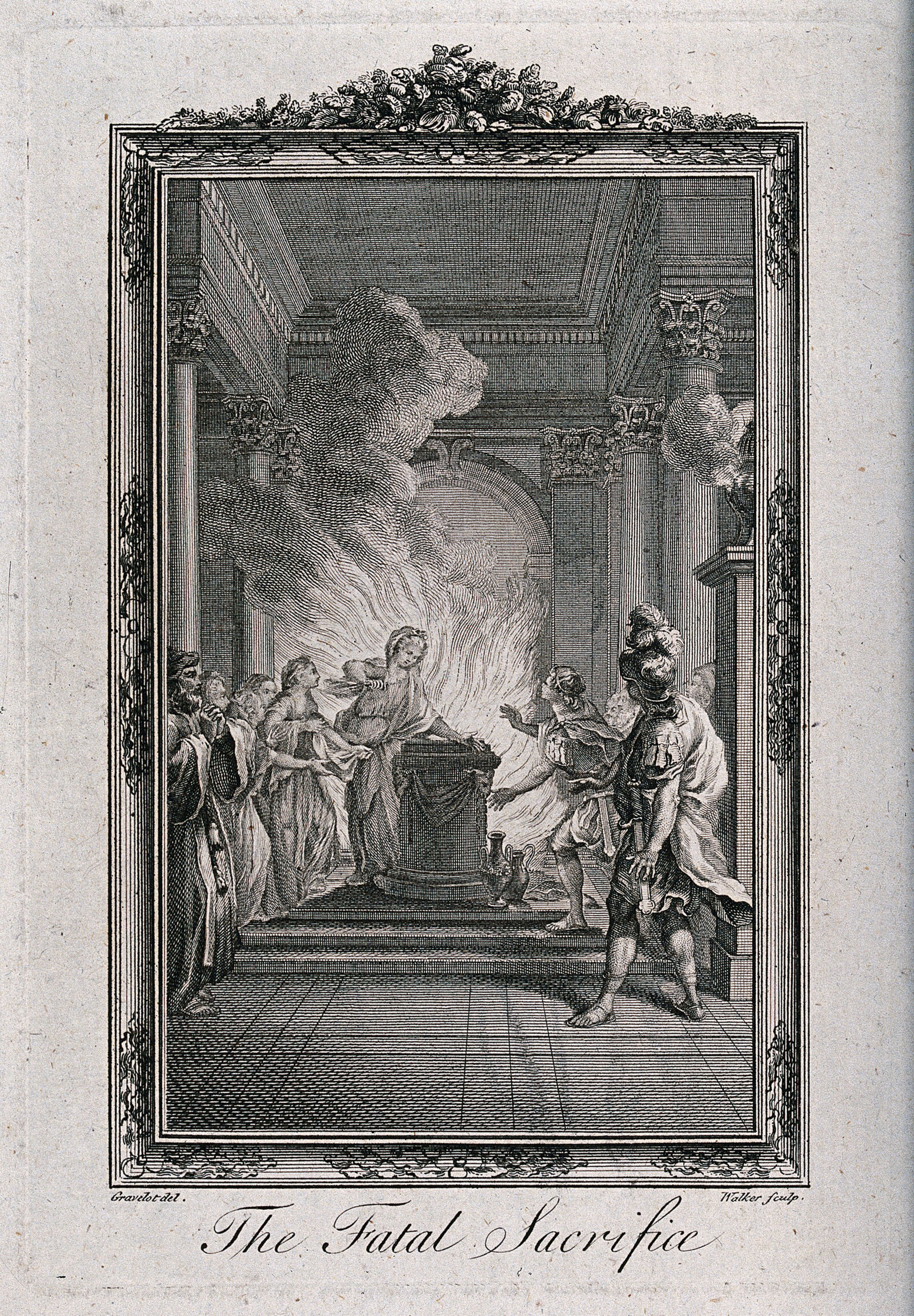
Olympia Throws Herself on the Fire
Hubert-François Gravelot · 1700-1799
 Book
Primary source
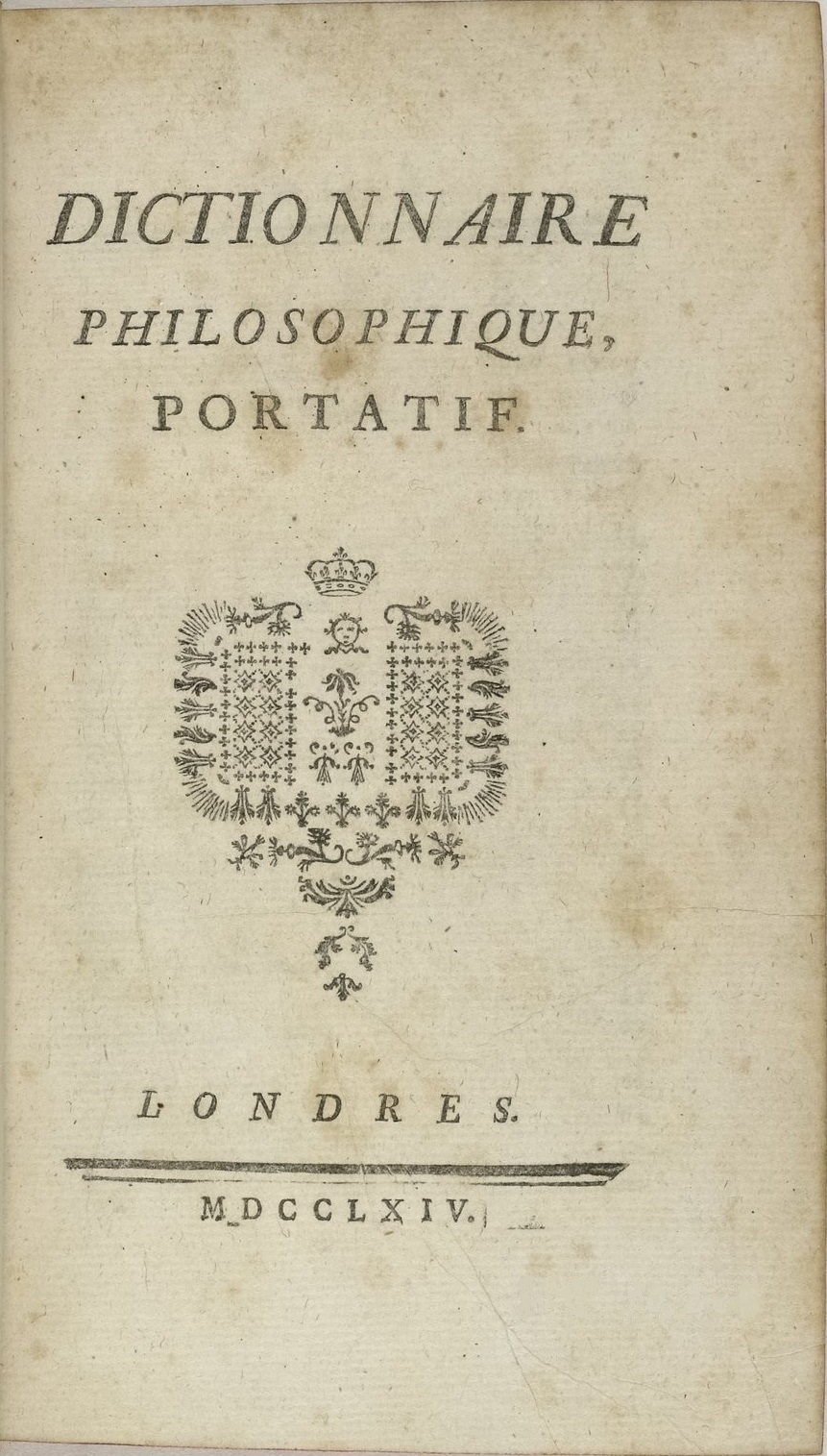
Dictionnaire philosophique
Voltaire · 1764
Ready when you are
Start chatting with Voltaire now.
20 messages free · No credit card · Available in 50+ languages.