


Secondary sourcePainting1700-1799
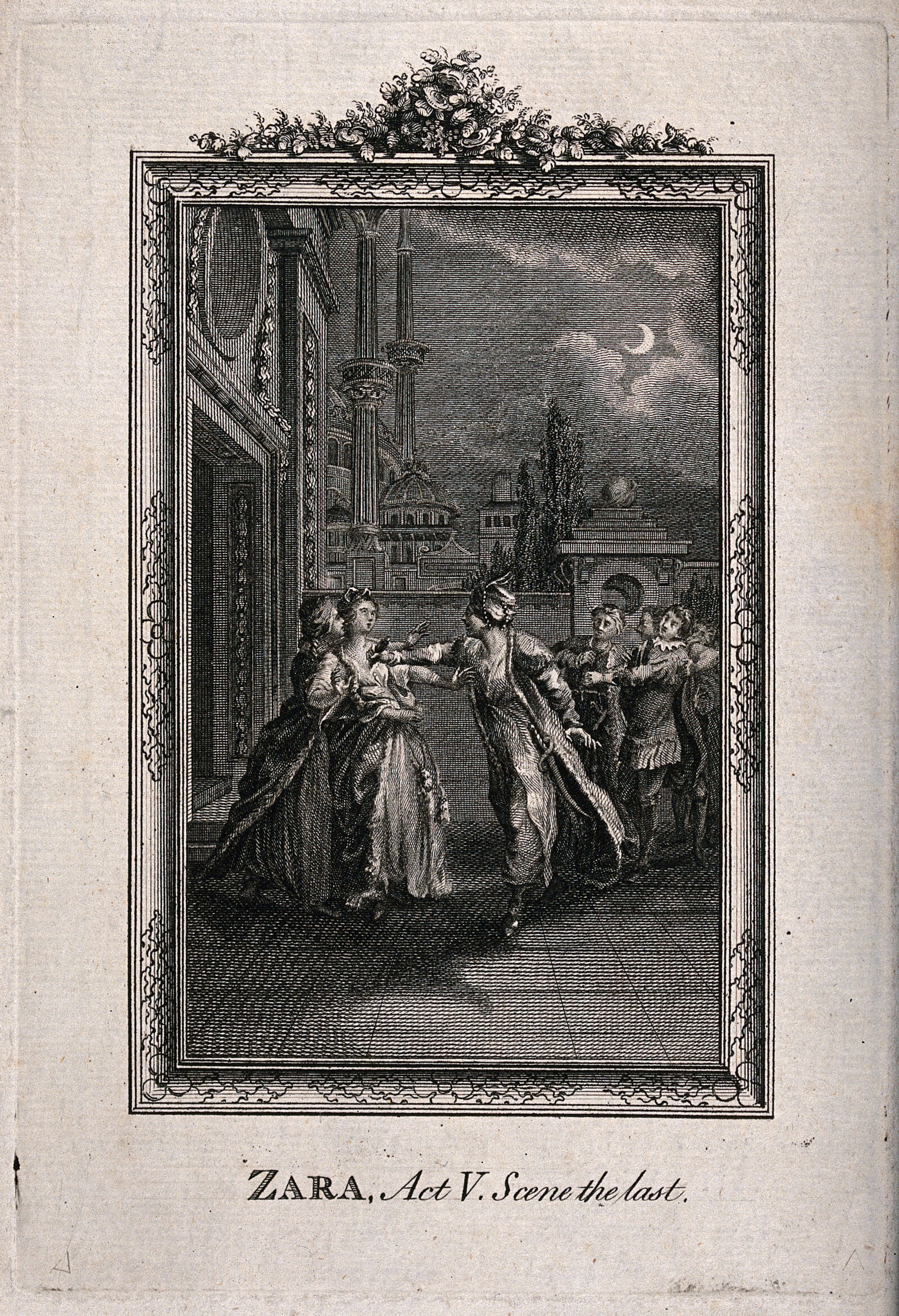
The Sultan Stabs Zara
1700-1799
An etching showing the violent final scene of Voltaire's tragedy Zaïre, set against an Ottoman backdrop.
This etching illustrates the finale of Voltaire's play Zaïre, reflecting how his drama was staged and received.
About this source
What it is
This etching illustrates the final act of Voltaire's play Zaïre, showing the Sultan stabbing Zara in a courtyard scene with minarets, domes, and the Bosphorus in the background. It dates from the 1700s and is held by the Wellcome Collection in London.
Why it matters
Zaïre was one of Voltaire's most successful tragedies, set in the Ottoman world and exploring themes of love, religion, and jealousy. This print, made after Voltaire's lifetime work, shows how his plays were visualized and remembered by later illustrators, reflecting European fascination with the Ottoman Empire as a dramatic setting.
Look closer
- What details in the setting (buildings, moon, dress) tell you this is meant to look Ottoman?
- Why do you think illustrators chose to depict this dramatic, violent moment from the play?
- What might this image leave out about the full story or characters of Zaïre?
This painting is part of the curated material that grounds the AI version of Voltaire on Humy.ai — when students ask about related events, the AI can quote it and cite it.
More Voltaire sources
Meet the AI Voltaire →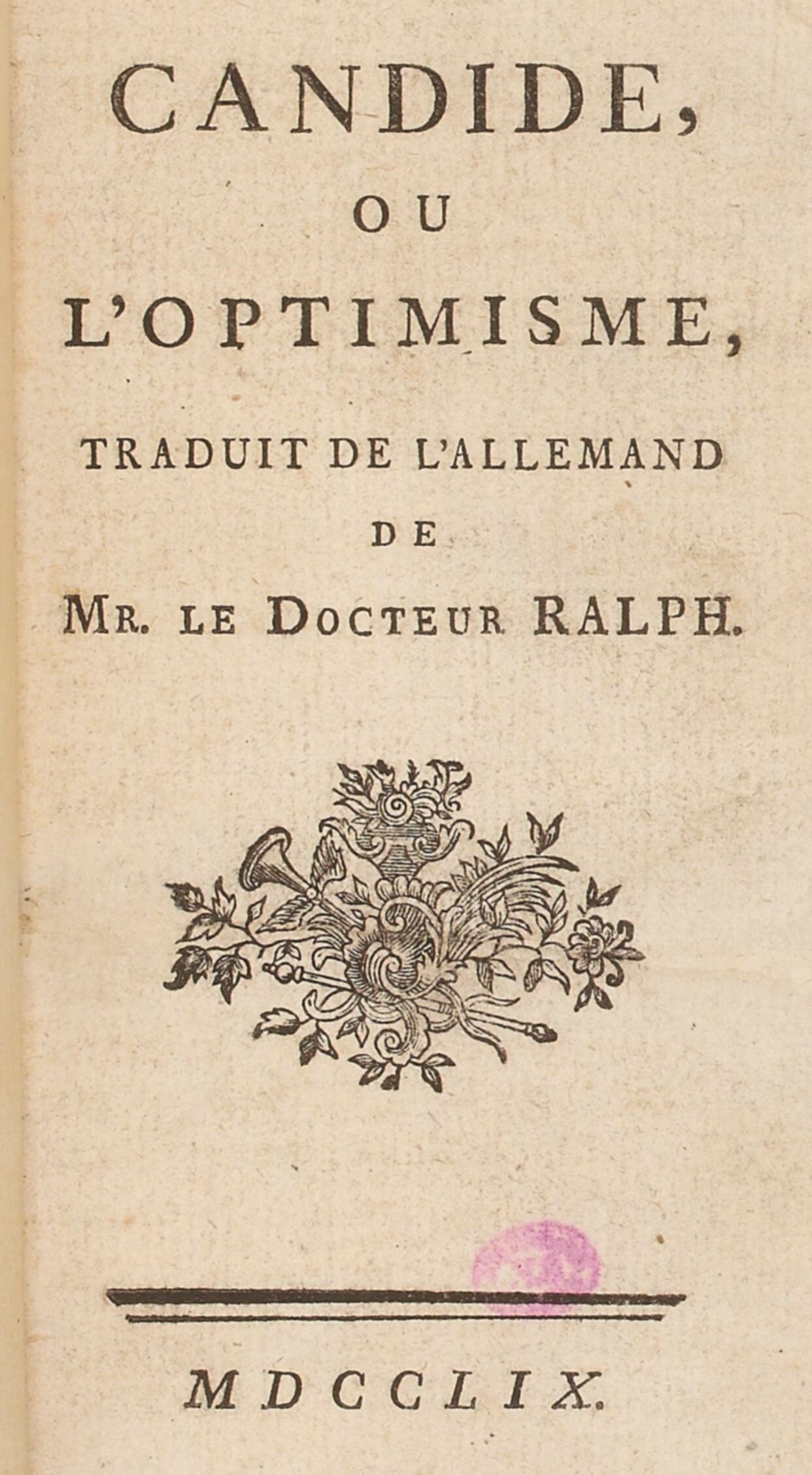 Book
Primary source
Candide
Voltaire · 1759
 Book
Secondary source
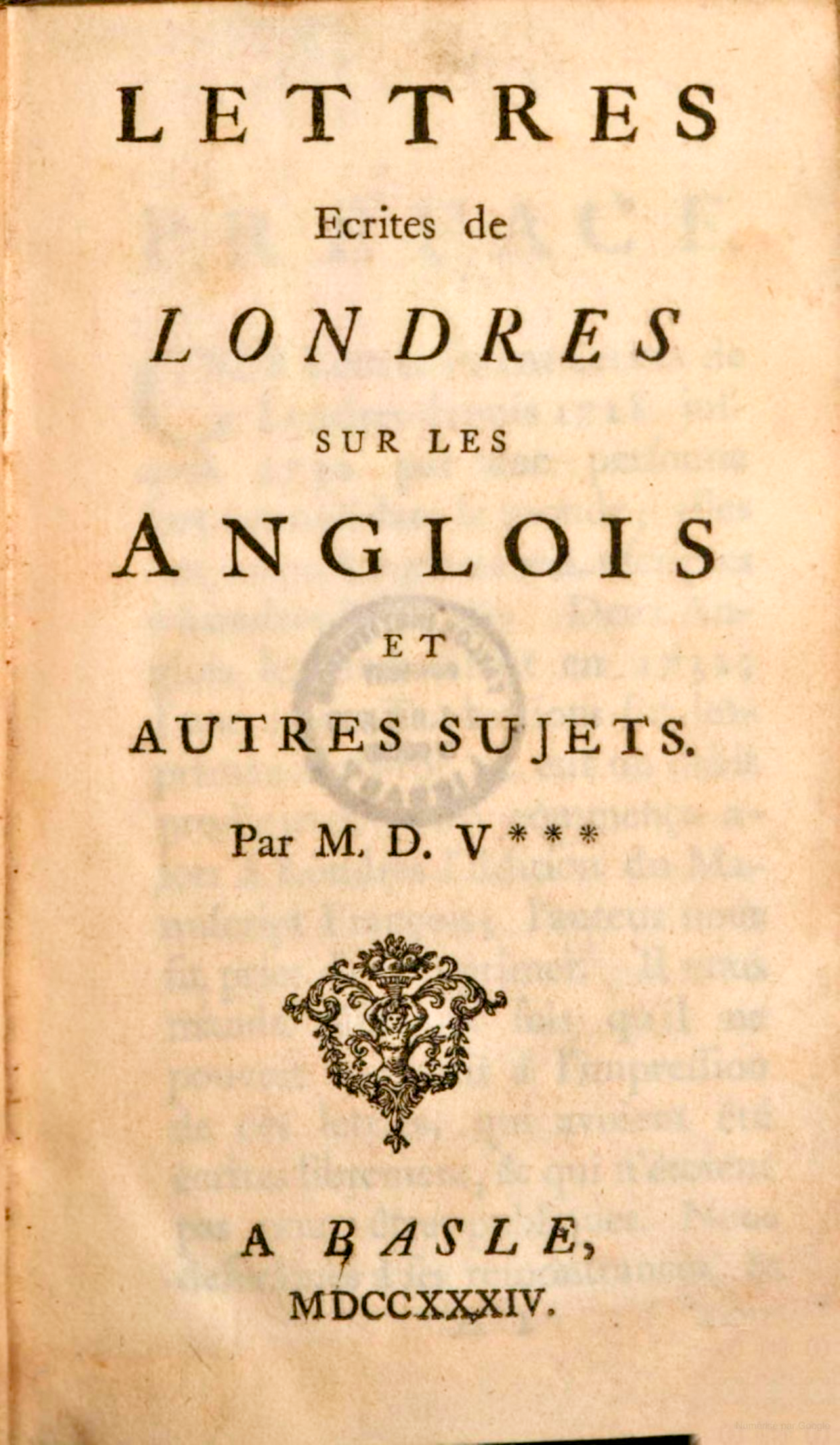
Letters on the English
Voltaire · 1734
 Painting
Secondary source
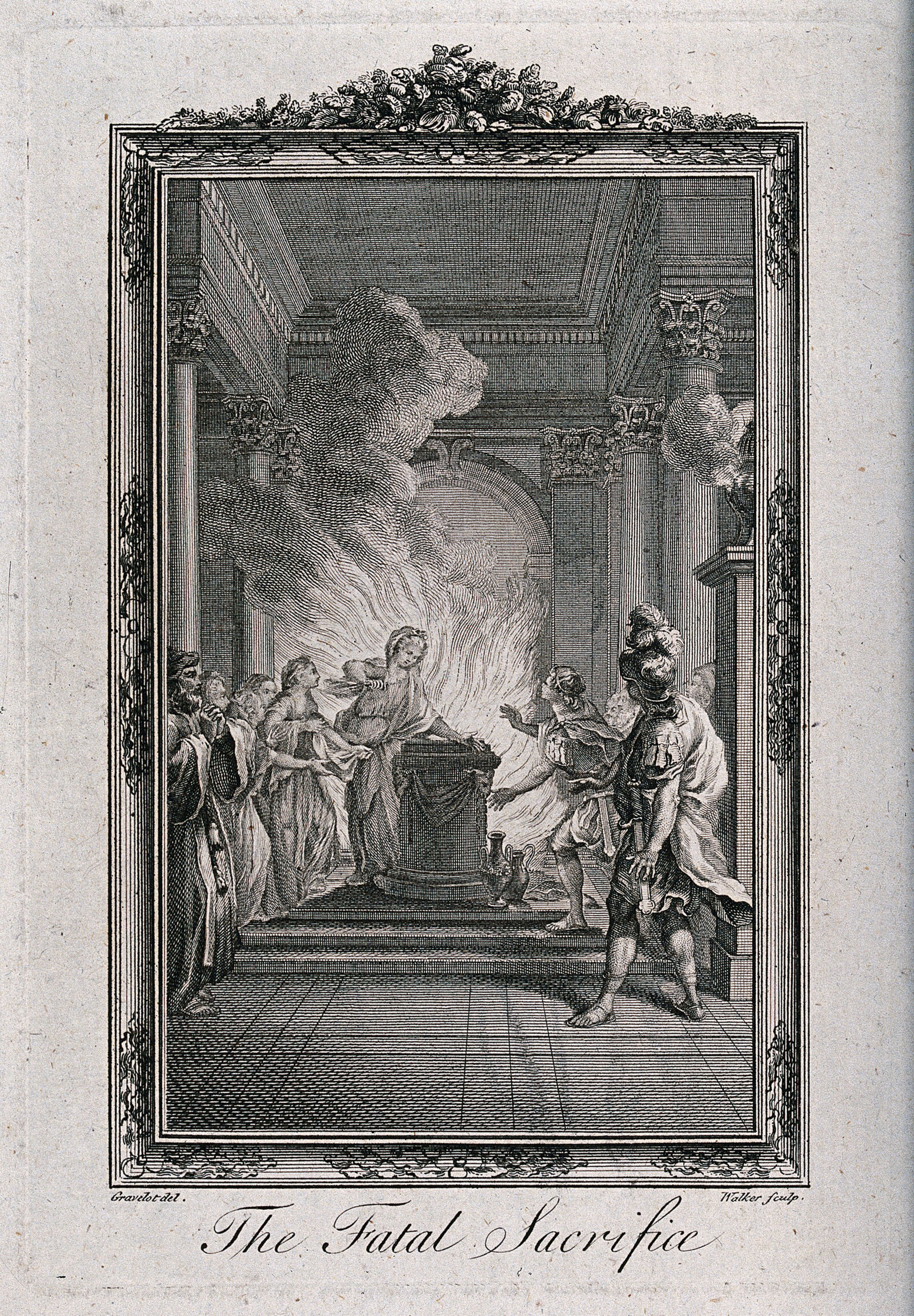
Olympia Throws Herself on the Fire
Hubert-François Gravelot · 1700-1799
Primary source
Treatise on Tolerance
Voltaire · 1763
 Book
Primary source
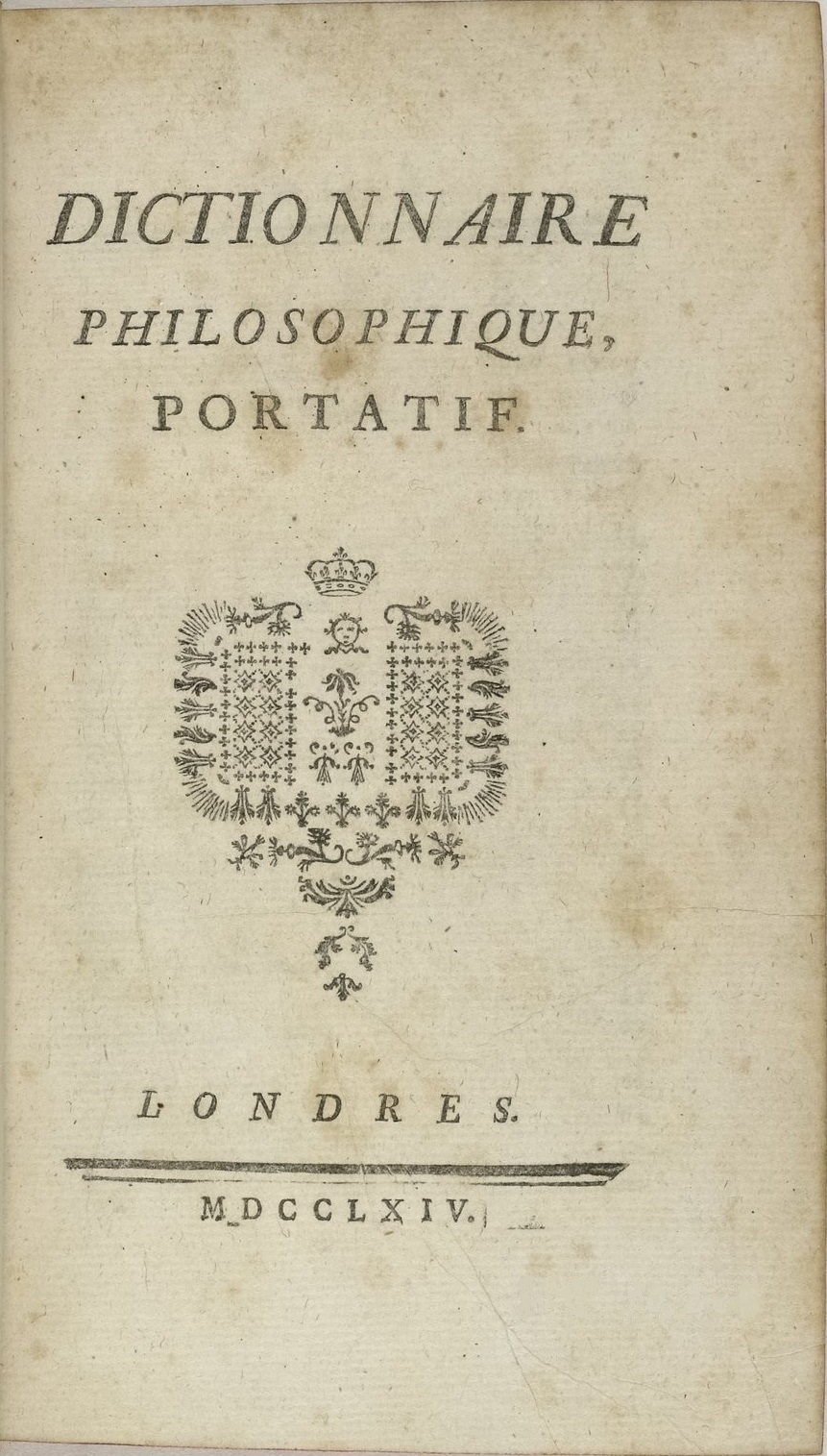
Dictionnaire philosophique
Voltaire · 1764
Ready when you are
Start chatting with Voltaire now.
20 messages free · No credit card · Available in 50+ languages.