


Primary sourceSculpturec. 1279–1212 BCE
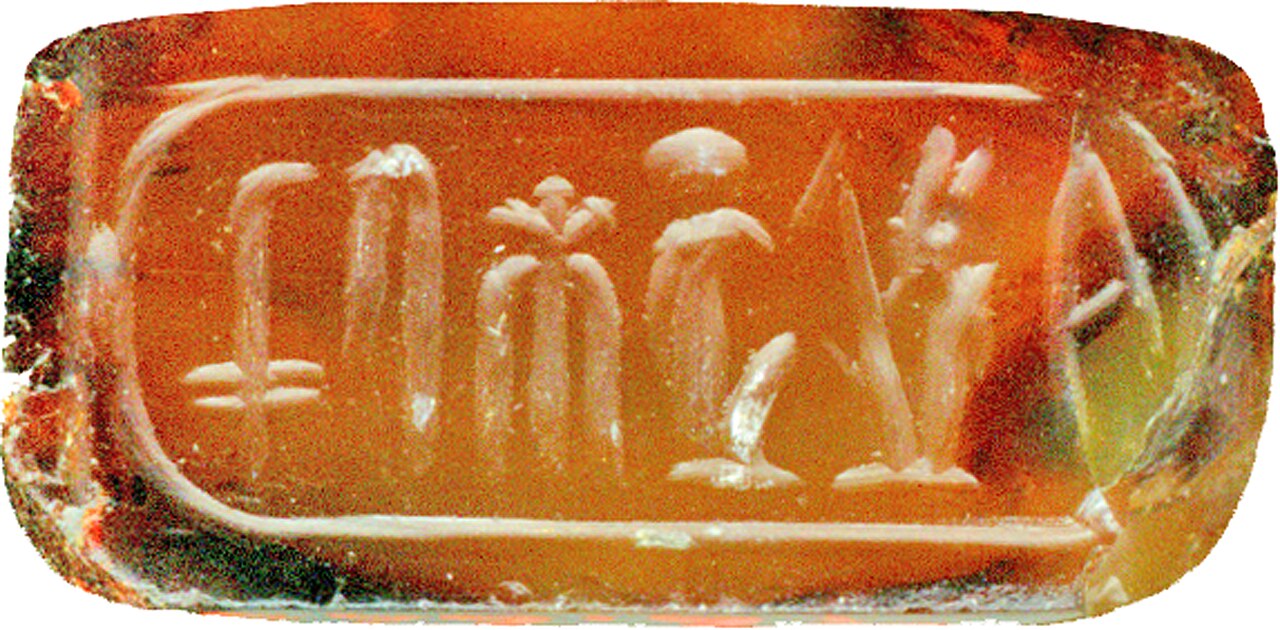
Carnelian Statuette of Ramesses II and a Goddess
c. 1279–1212 BCE
A small carnelian statuette showing the young Ramesses II standing beside a goddess, inscribed with his cartouche.
This statuette, inscribed with his cartouche, shows Ramesses II in a youthful, divinely protected image made during his reign.
About this source
What it is
This is a small statuette carved from carnelian, made during the reign of Ramesses II. It shows the king as a youth standing beside a goddess, identified in the inscription as Hathor or Isis, with his cartouche carved beneath the base.
Why it matters
The object links Ramesses II directly to Egyptian religious belief, showing how pharaohs were depicted in close, protective relationships with goddesses. The careful inscription and craftsmanship reveal the importance placed on royal identity and divine connection even in small, personal objects.
Look closer
- What does the pose of the goddess with her arm around the king suggest about their relationship?
- Why do you think the king is shown as a youth with a side lock, a traditional symbol in Egyptian art?
- What might this object have been used for, given its small size and precious material?
This sculpture is part of the curated material that grounds the AI version of Ramses II (Ramses the Great) on Humy.ai — when students ask about related events, the AI can quote it and cite it.
More Ramses II (Ramses the Great) sources
Meet the AI Ramses II (Ramses the Great) →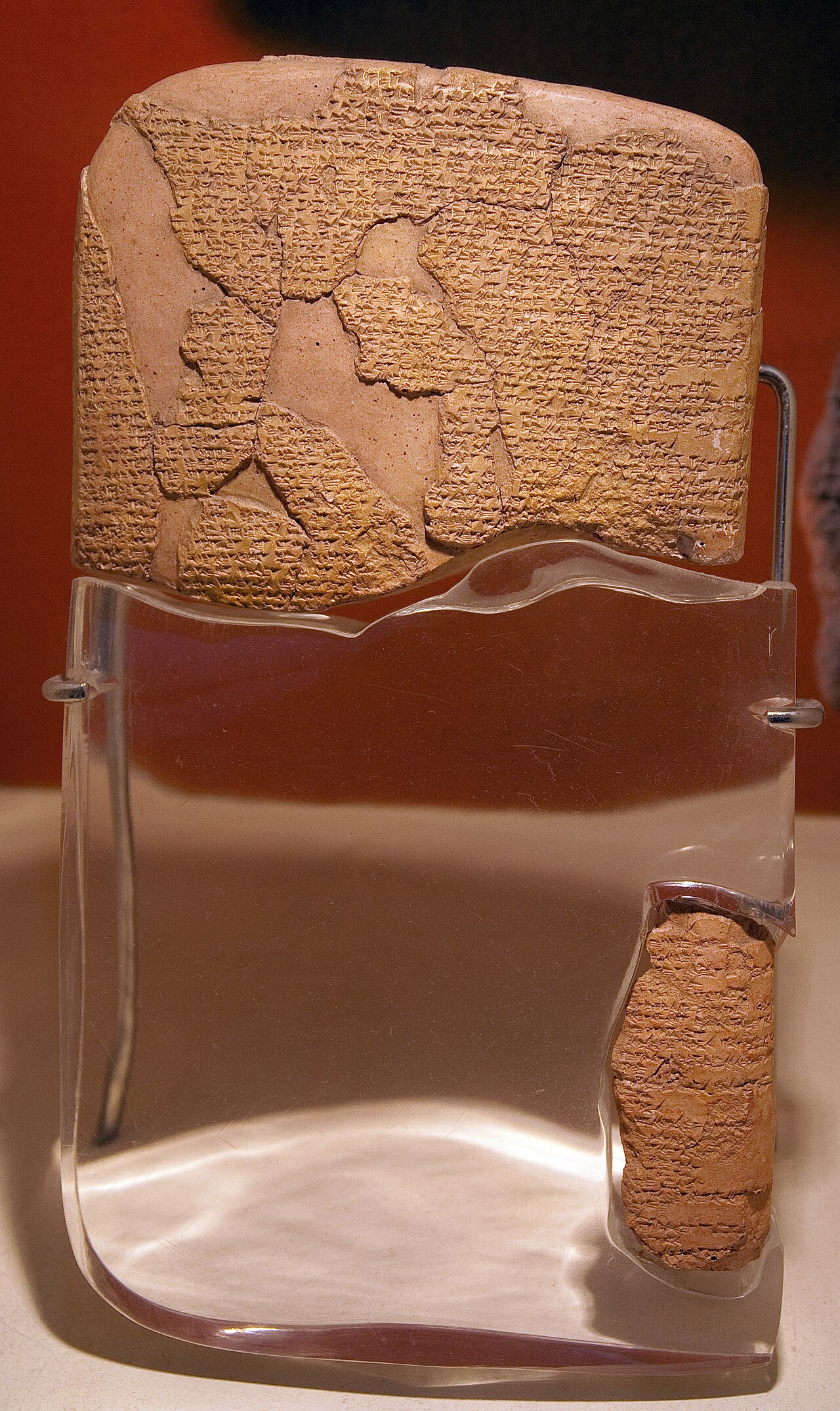 Document
Primary source
Egyptian–Hittite Peace Treaty
c. 1258 BCE
 Photograph
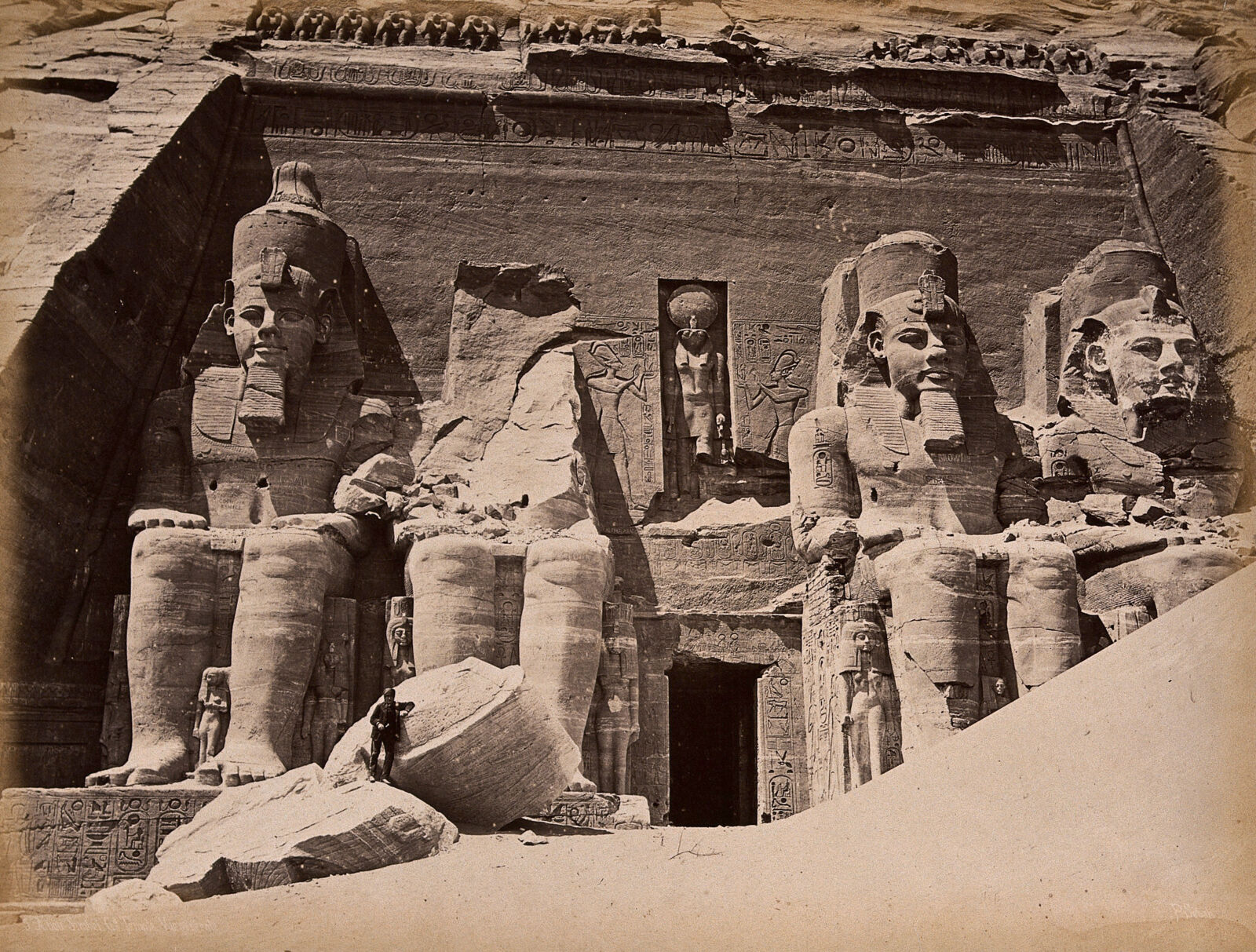
Secondary source
Abu Simbel Temple Colossi
Pascal Sébah · 1875
 Artifact
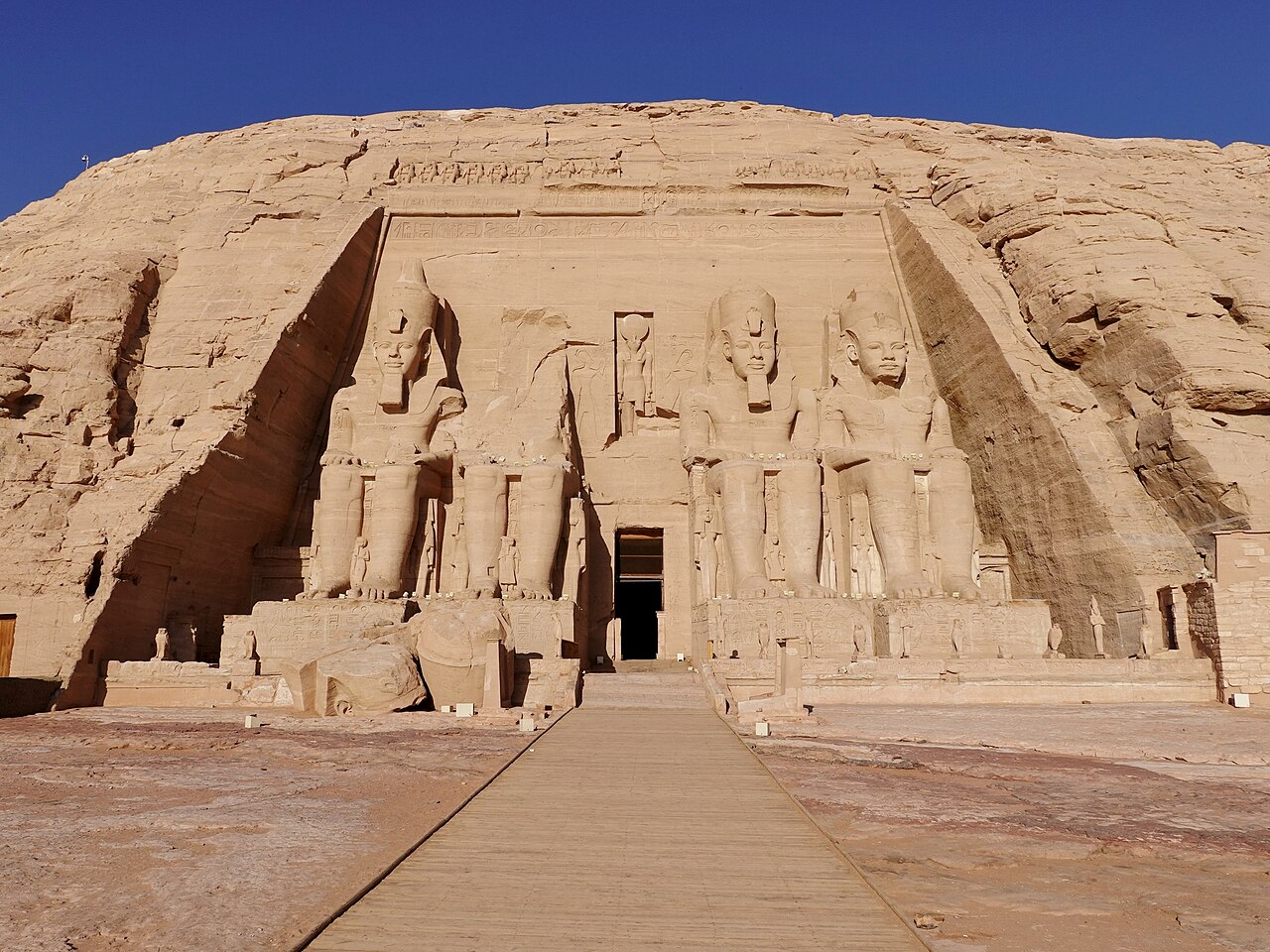
Primary source
Abu Simbel
Ramesses II · c. 1273 BCE
 Photograph
Secondary source
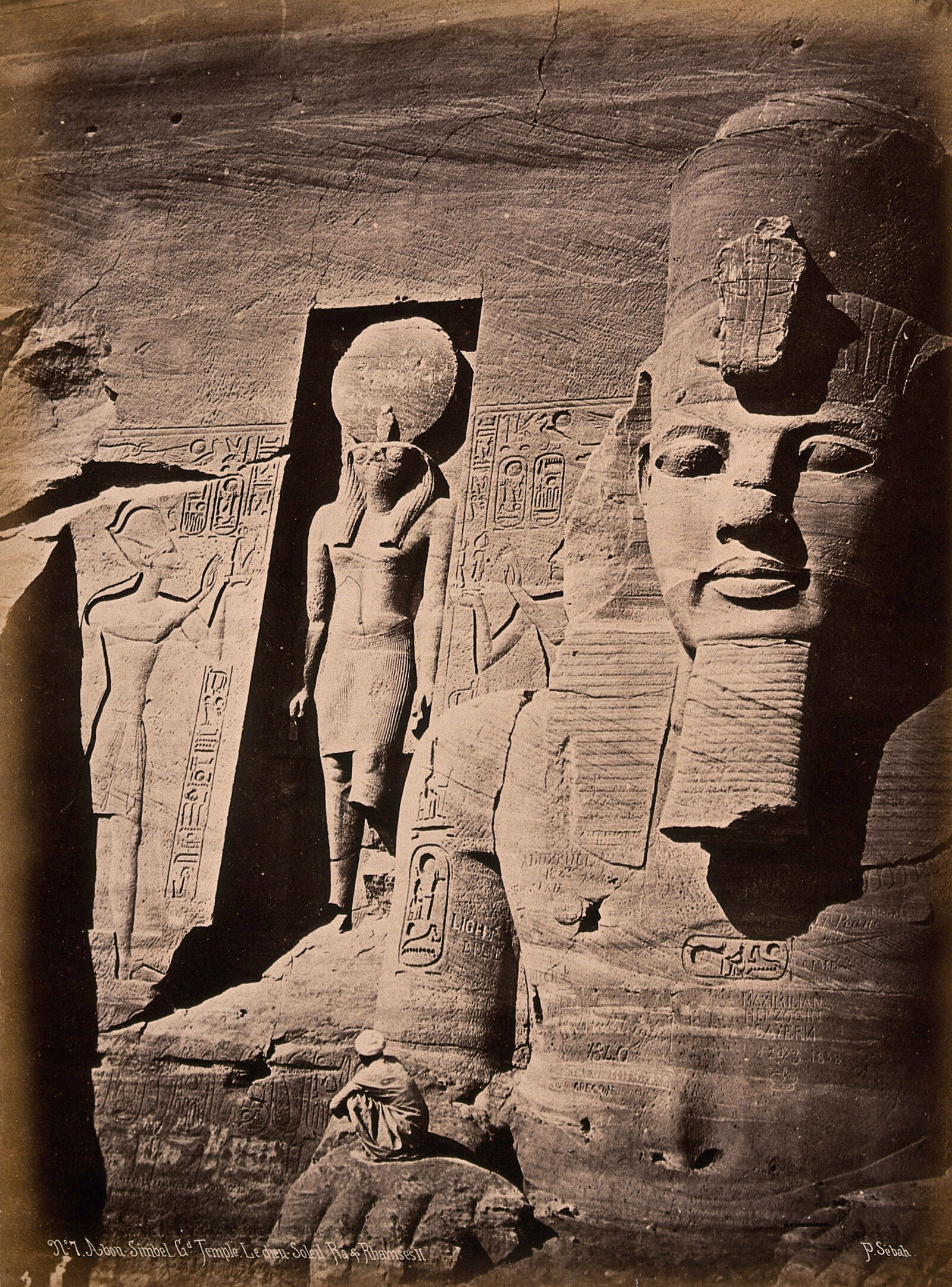
Facade Detail of Abu Simbel Showing Ramesses II and Ra
Pascal Sébah · 1875
 Photograph
Secondary source
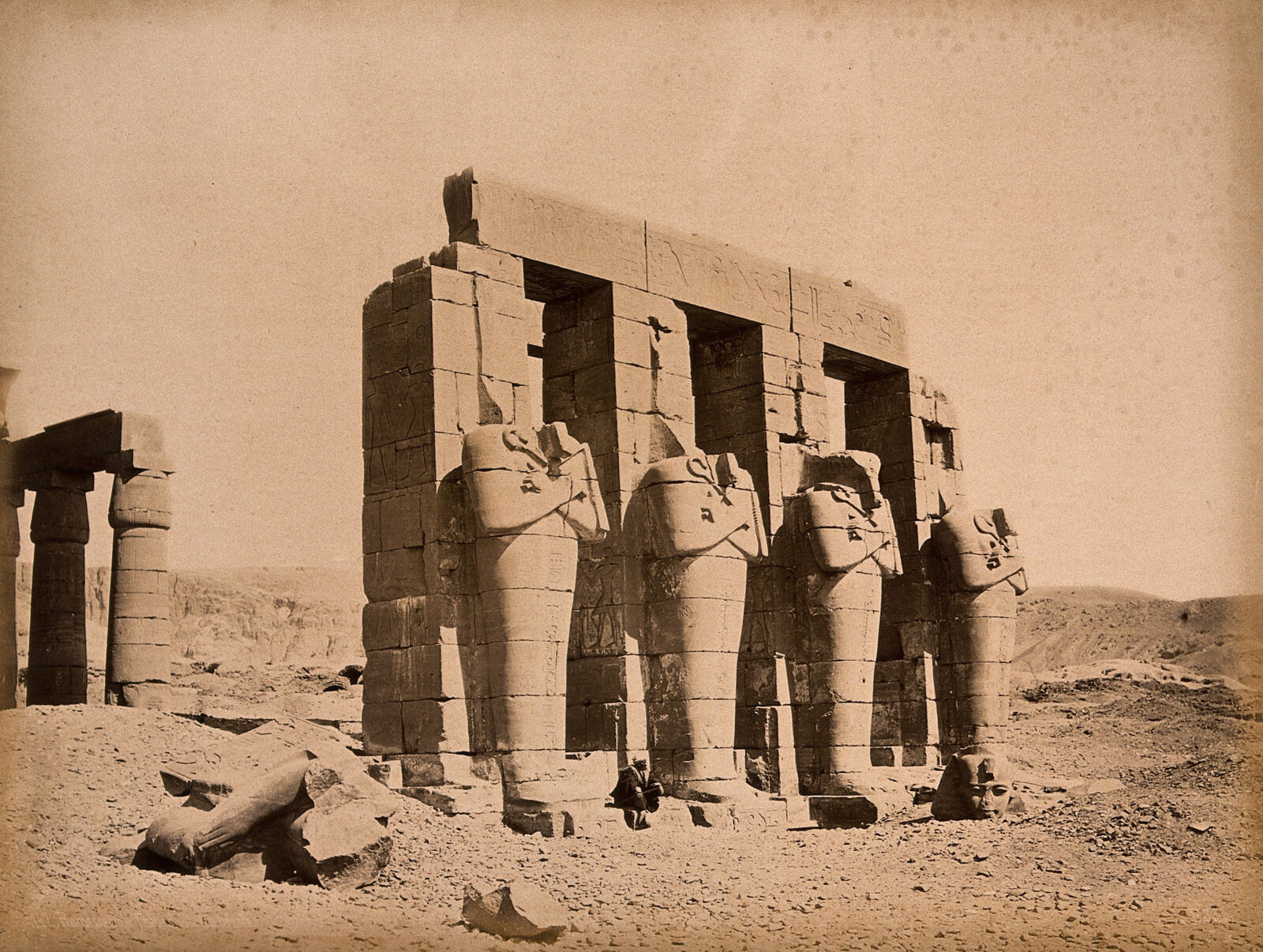
Ramesseum Colossi in Ruins
Pascal Sébah · c. 1875
Ready when you are
Start chatting with Ramses II (Ramses the Great) now.
20 messages free · No credit card · Available in 50+ languages.