


Primary sourceArtifact
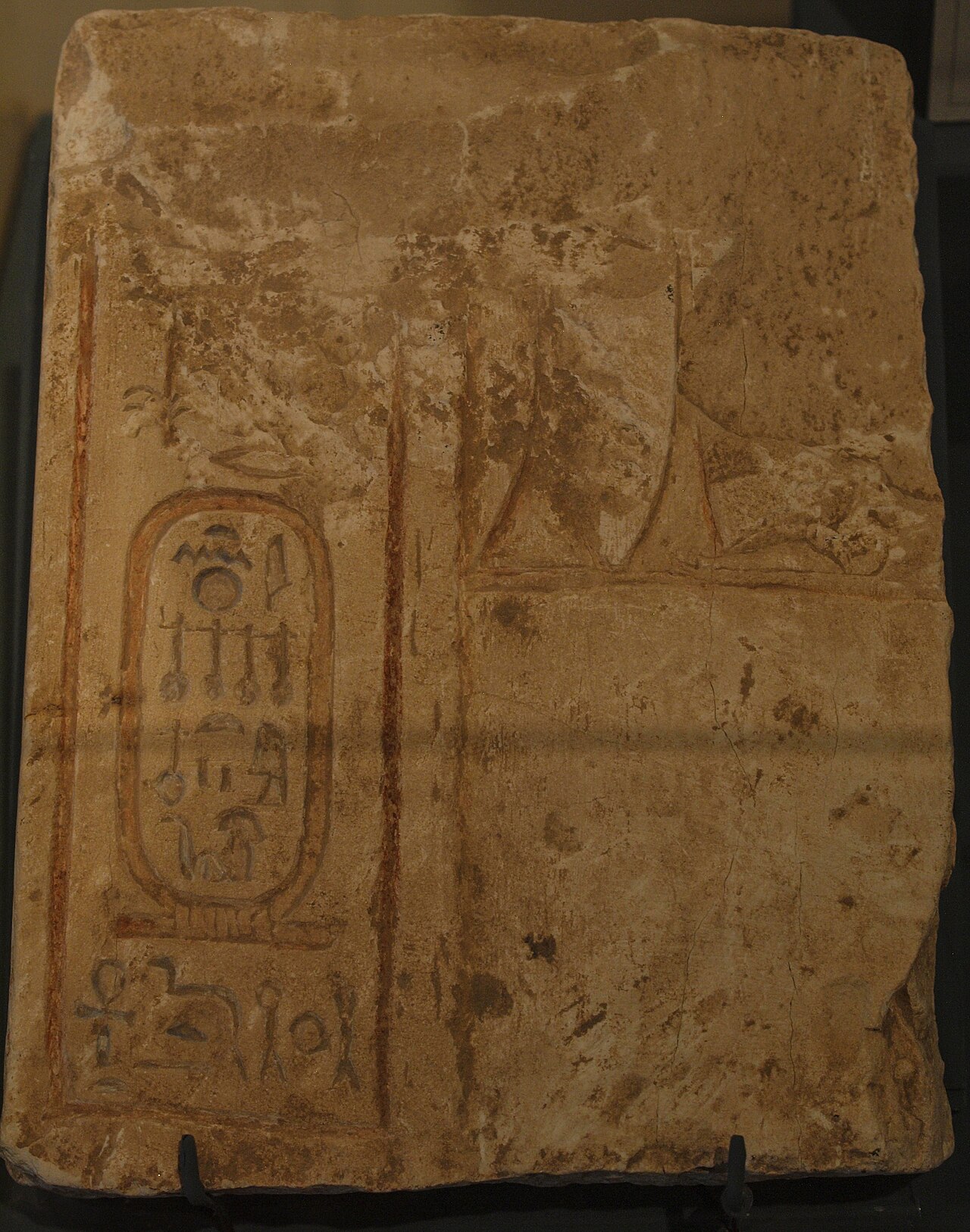
Cartouche of Nefertiti from the House of Panehsy, Amarna
A carved stone cartouche naming Nefertiti, originally from the house of the high priest Panehsy at Amarna, her capital city.
This carved cartouche bears Nefertiti's own royal name, found in the capital city she helped build and rule from.
About this source
What it is
This is a limestone relief block carved with a cartouche containing Nefertiti's name, along with other carved figures below it. It originally came from the house of the high priest Panehsy in Amarna, the capital city built during Akhenaten's reign. It is now held at the San Diego Museum of Man.
Why it matters
Amarna was the city Akhenaten and Nefertiti built as the new center of worship for the Aten. Finding Nefertiti's name inside a priest's house shows how closely her identity as queen was tied to the religious life of the city and to officials like Panehsy who served the royal family.
Look closer
- Why might a high priest have Nefertiti's name carved into his own house?
- What does the painted border tell you about how this object was decorated or finished?
- What questions would you ask about how this fragment traveled from Amarna to a museum in San Diego?
This artifact is part of the curated material that grounds the AI version of Queen Nefereti on Humy.ai — when students ask about related events, the AI can quote it and cite it.
More Queen Nefereti sources
Browse all 83 →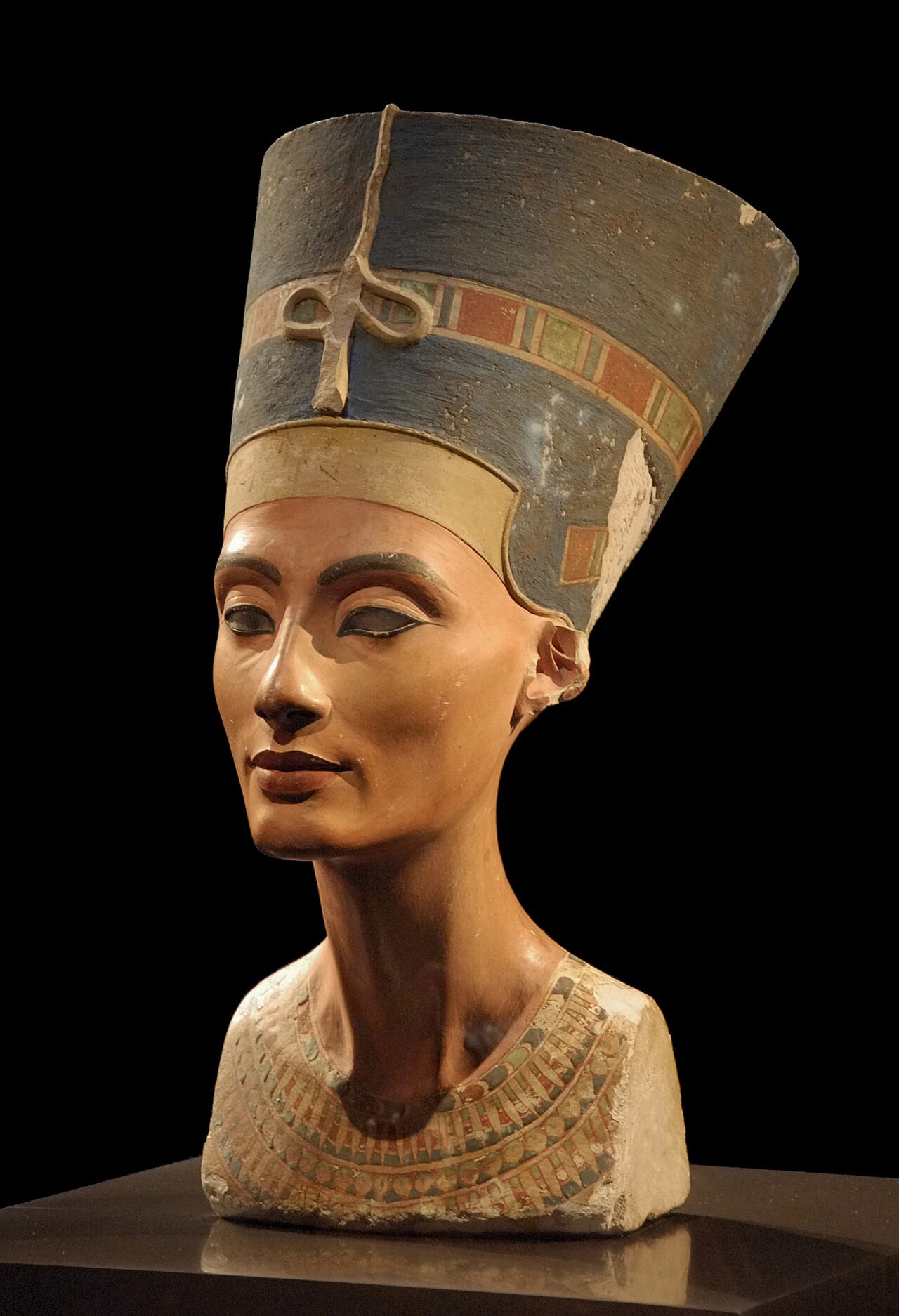 Sculpture
Primary source
Bust of Queen Nefertiti
Thutmose · c. 1345 BC
 Sculpture
Primary source
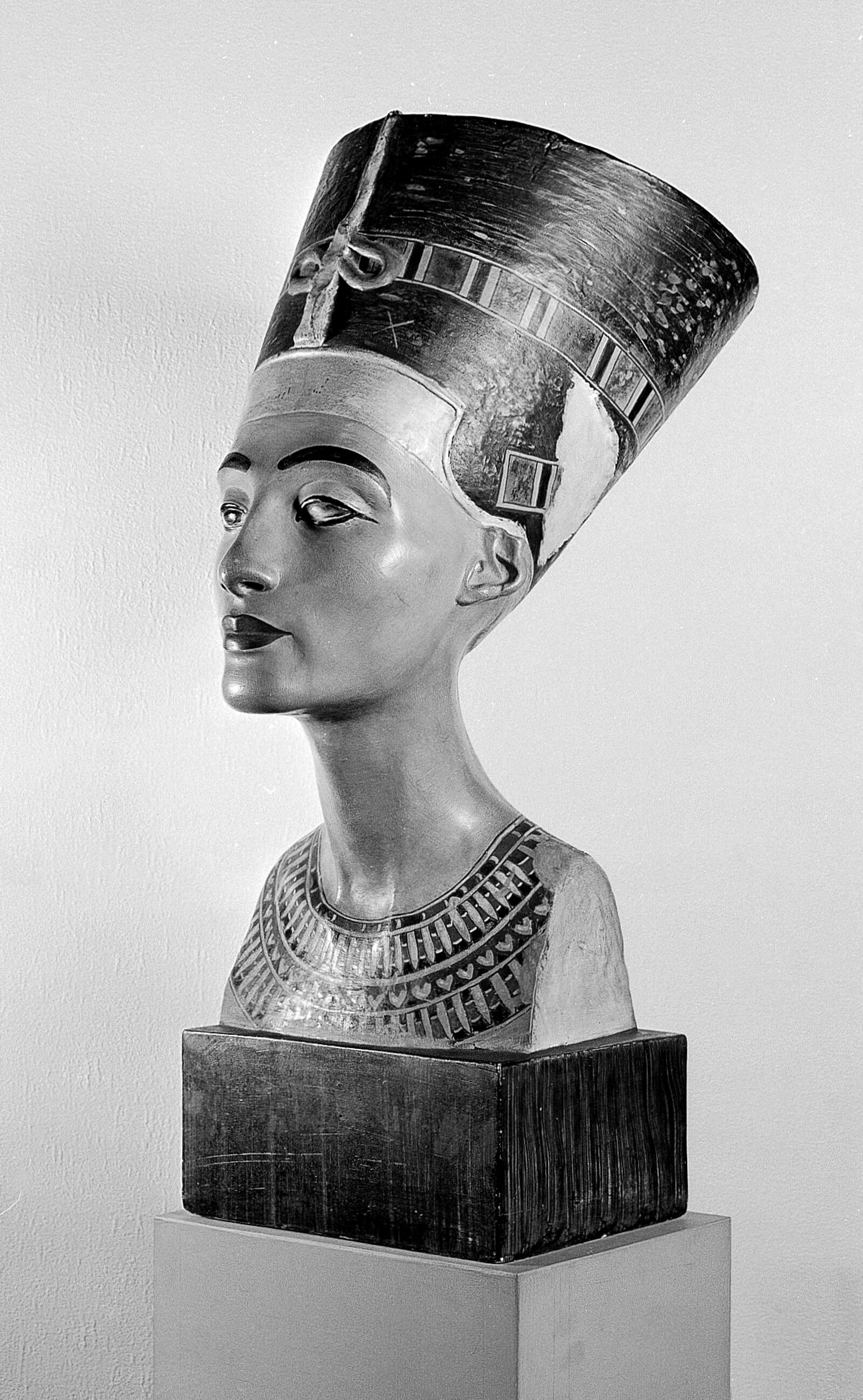
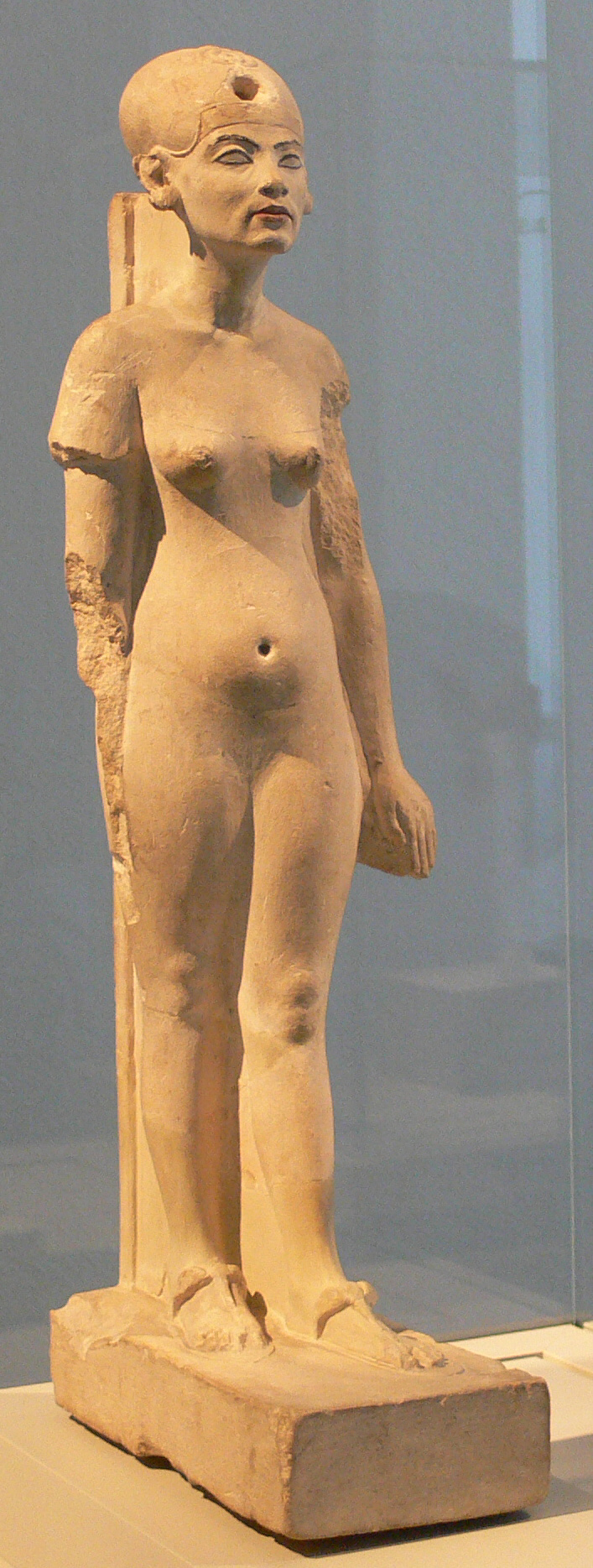
Figure of Nefertiti
 Sculpture
Primary source
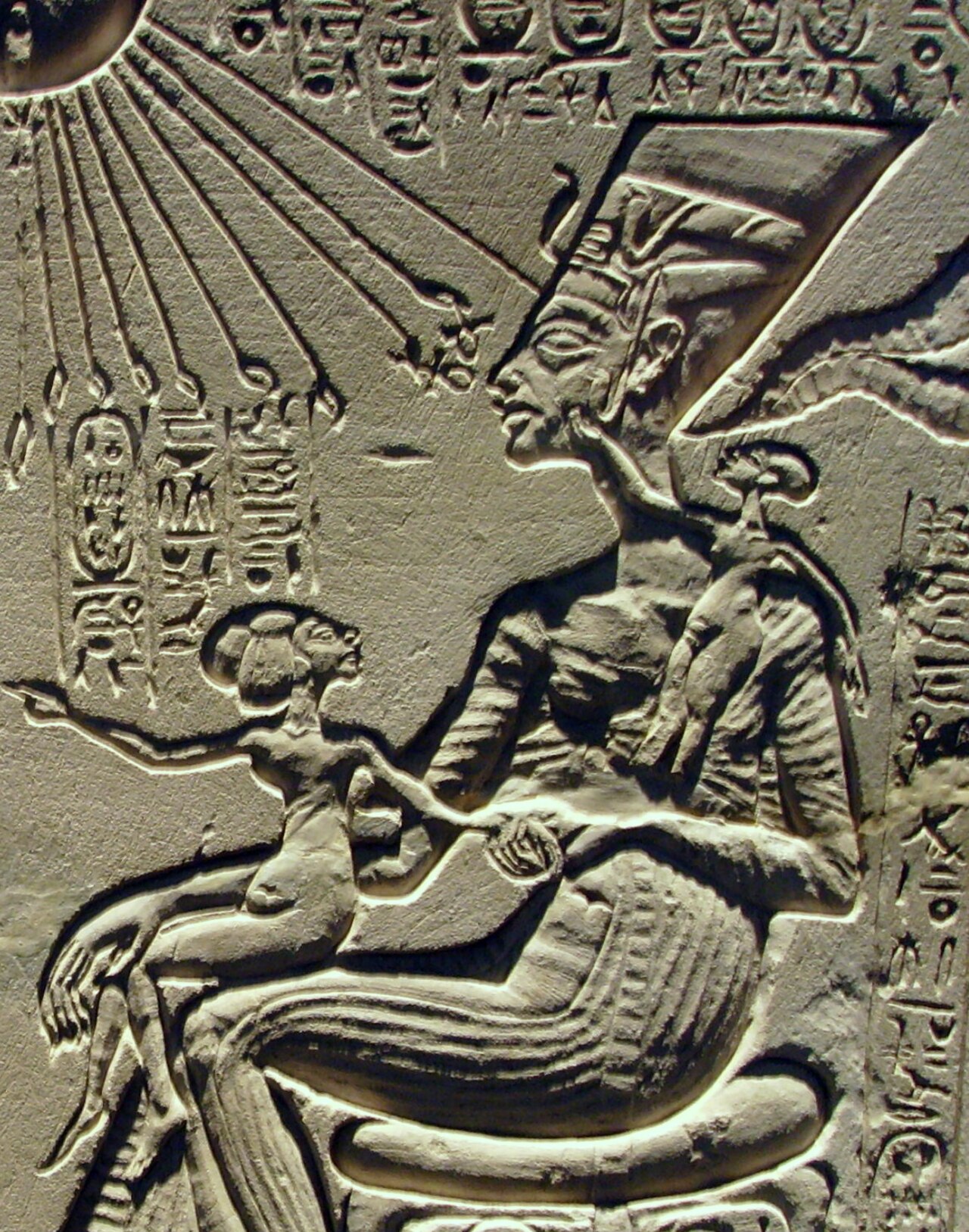
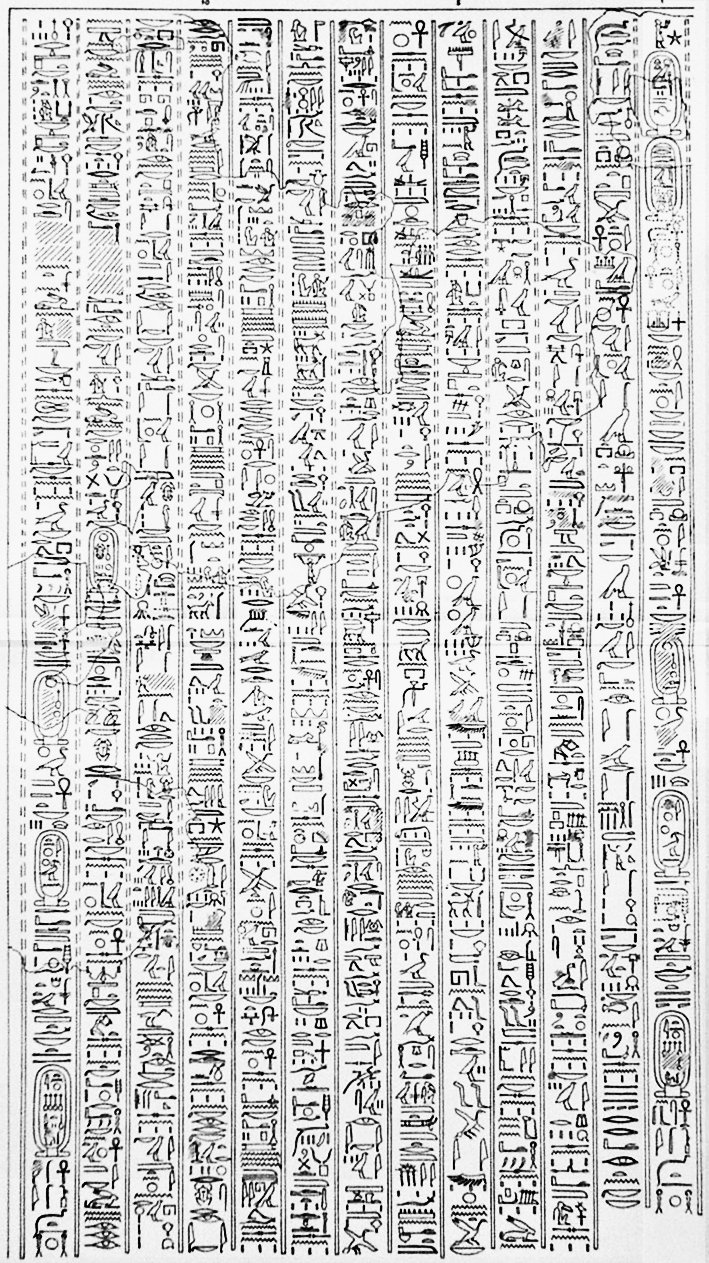
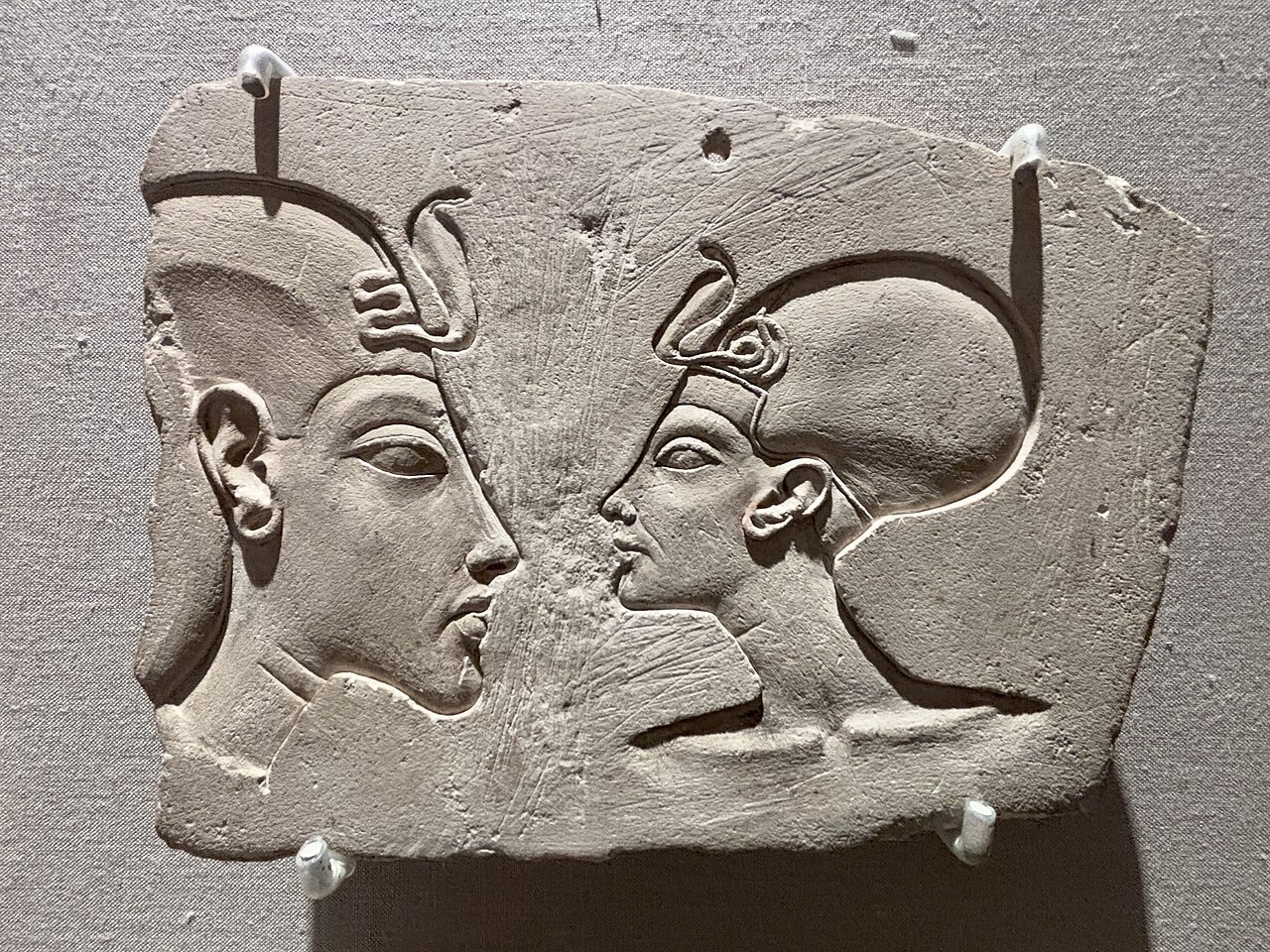
Akhenaten and His Family
c. 1352 BC
 Sculpture
Primary source
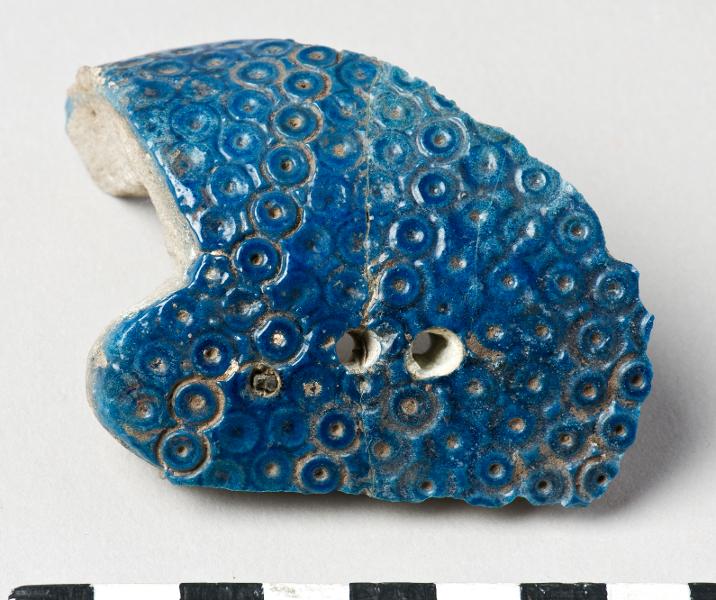
Relief Fragment Showing the Blue Crown of Nefertiti
Free account
Read every Queen Nefereti source
Sign up free →
Ready when you are
Start chatting with Queen Nefereti now.
20 messages free · No credit card · Available in 50+ languages.