


Primary sourceSculpturec. 1352 BC
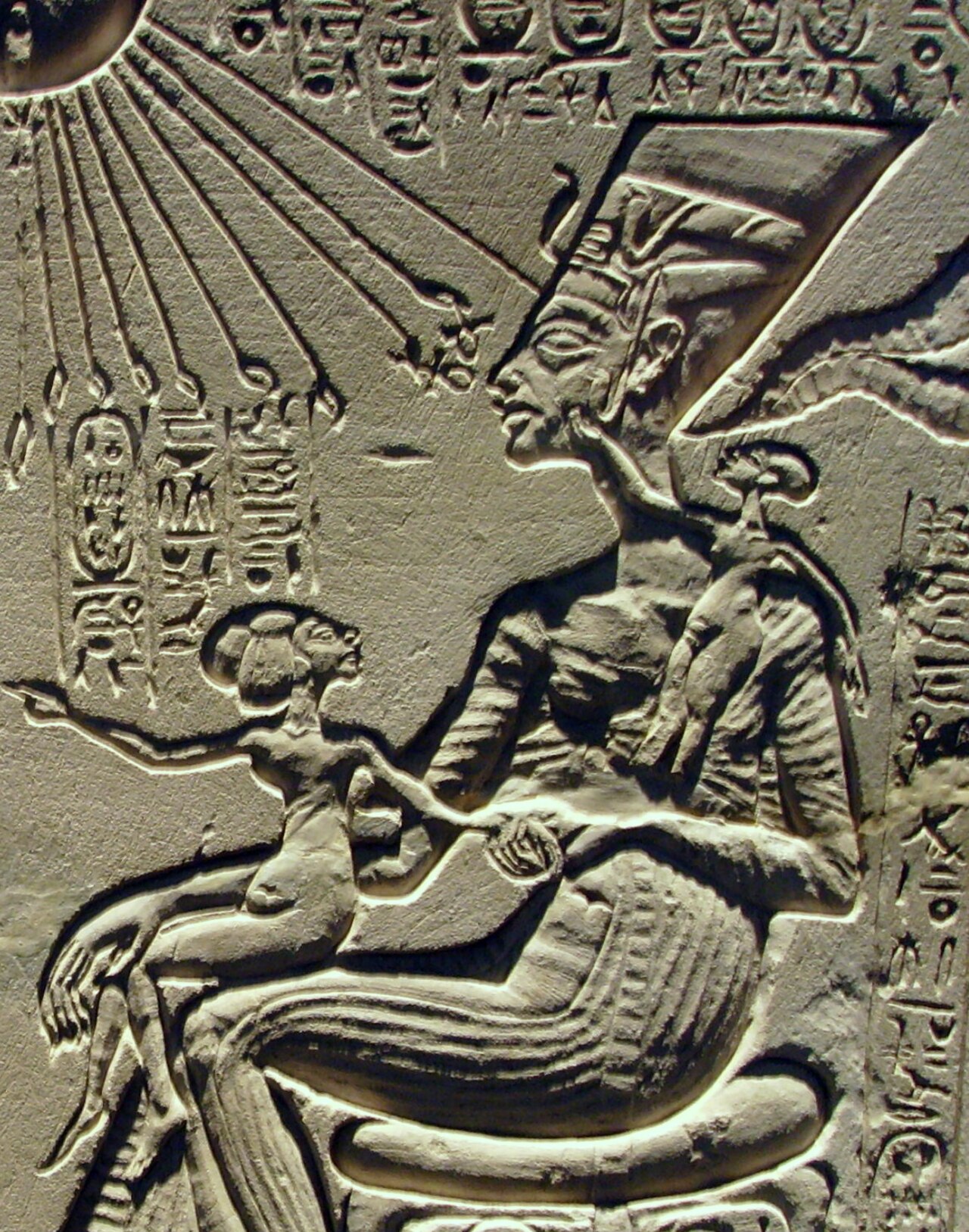
Akhenaten and His Family
c. 1352 BC
A limestone house altar showing Akhenaten and Nefertiti with their daughters under the rays of the sun-disc Aten.
This house altar shows Nefertiti as part of the new religious imagery of the royal family under Atenism.
About this source
What it is
This limestone stela, known as a house altar, was made during the Amarna period and shows Akhenaten and Nefertiti seated with their daughters beneath the rays of the Aten. It is held at the Egyptian Museum of Berlin.
Why it matters
Unlike traditional Egyptian royal art, this piece presents the royal family itself as a sacred image, part of Akhenaten's new worship of the Aten. Nefertiti appears here not just as a consort but as a central figure of the new religion, shown intimately with her children.
Look closer
- Why might the royal family be shown worshipped like gods themselves?
- What does the tenderness of the scene tell you about how the Amarna period changed royal art?
- What is missing from this image that you might expect in an official portrait?
This sculpture is part of the curated material that grounds the AI version of Queen Nefereti on Humy.ai — when students ask about related events, the AI can quote it and cite it.
More Queen Nefereti sources
Meet the AI Queen Nefereti →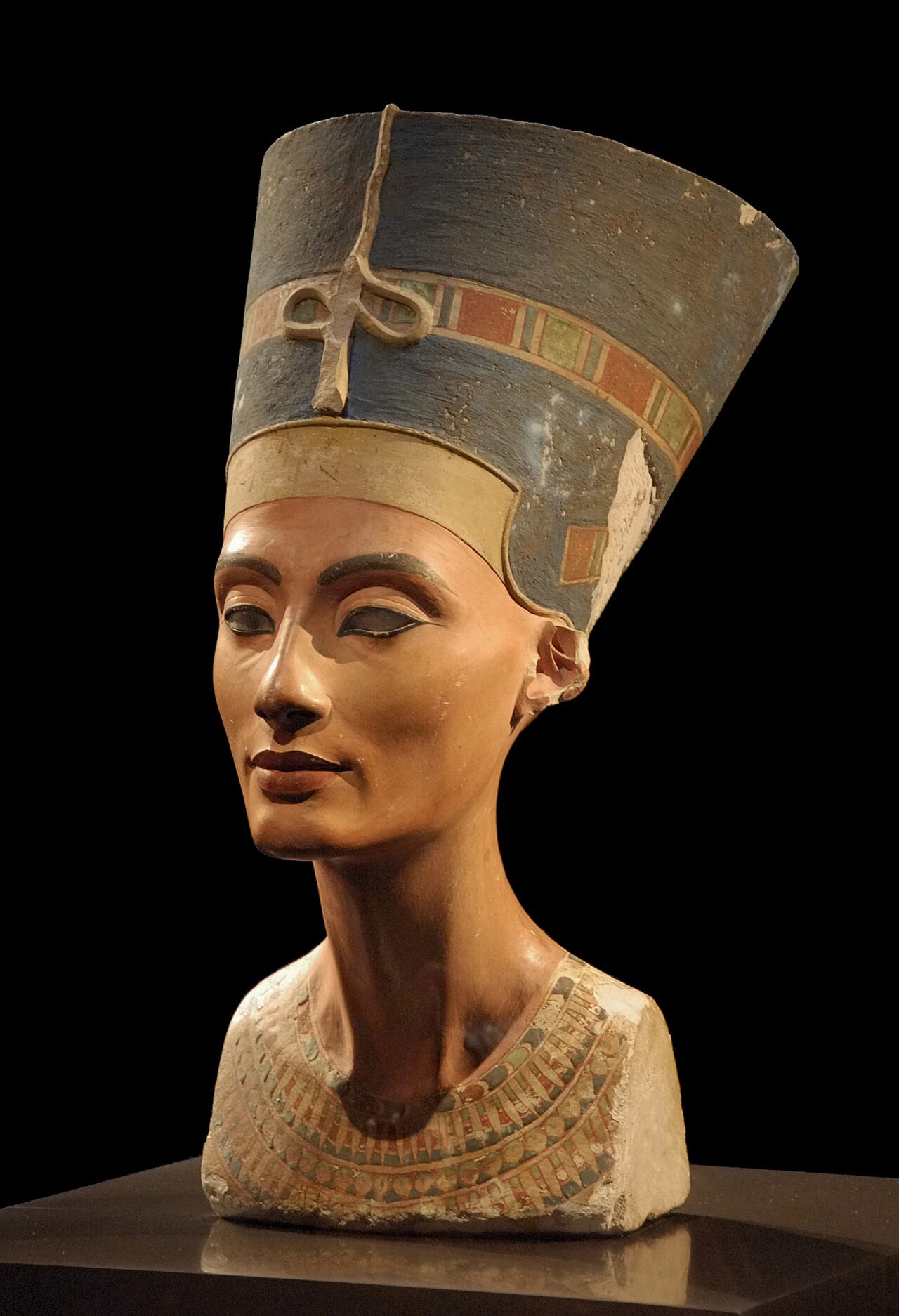 Sculpture
Primary source
Bust of Queen Nefertiti
Thutmose · c. 1345 BC
 Sculpture
Primary source
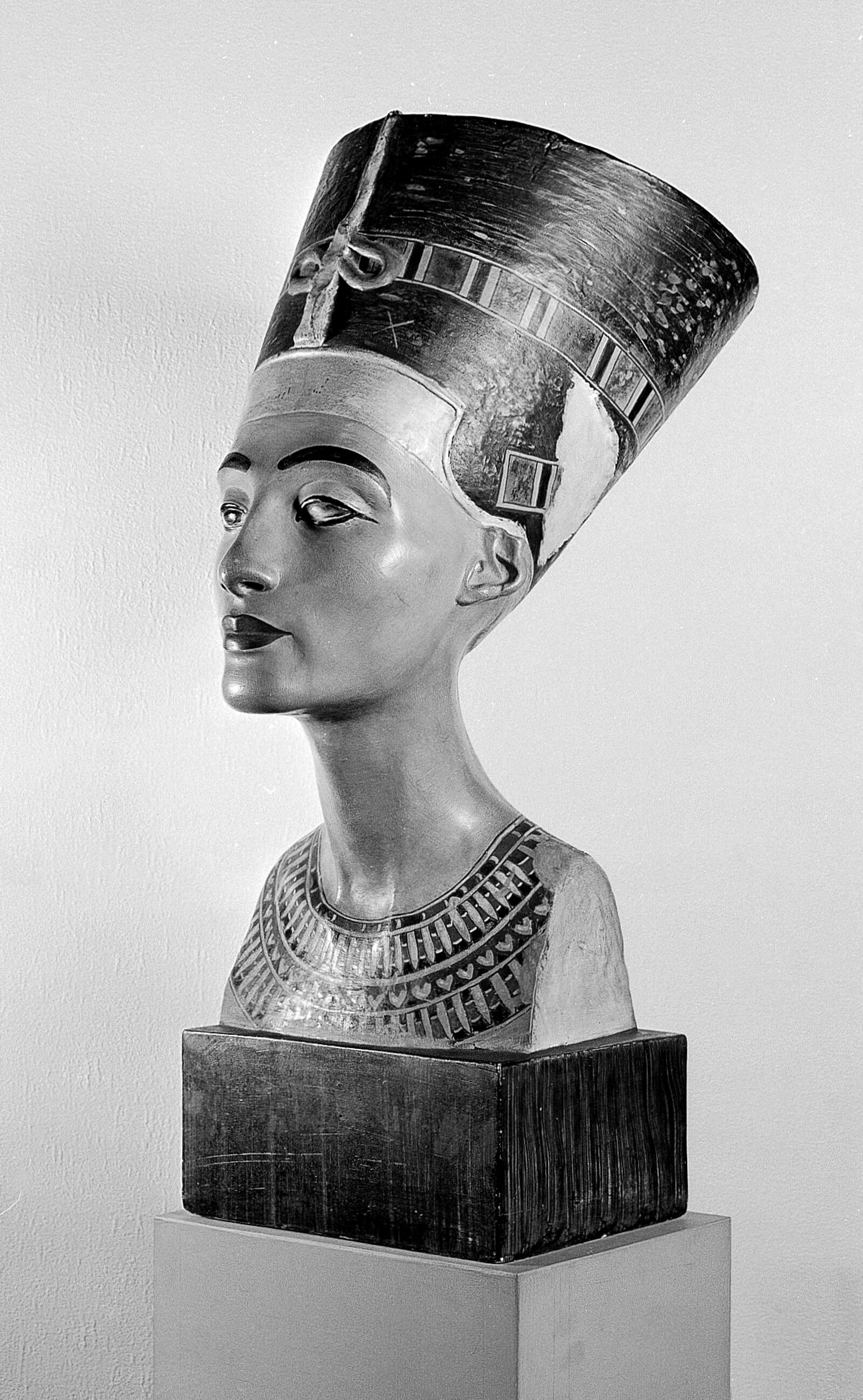
Figure of Nefertiti
 Sculpture
Primary source
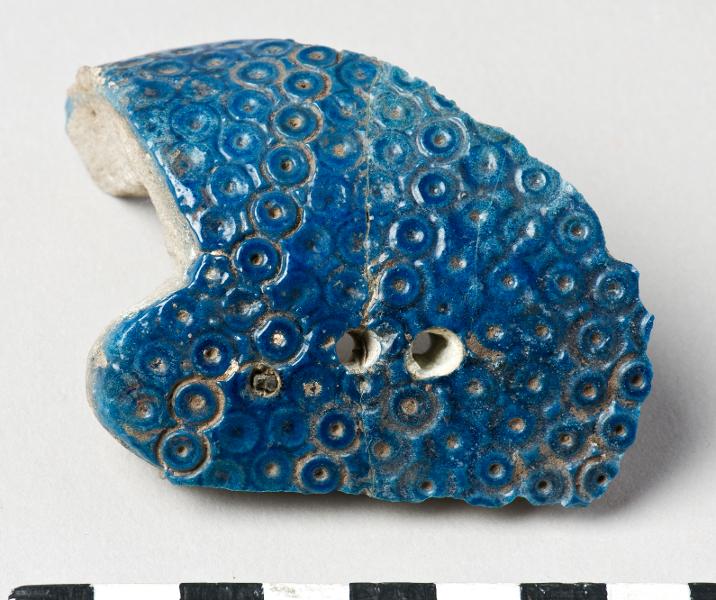
Relief Fragment Showing the Blue Crown of Nefertiti
 Document
Primary source
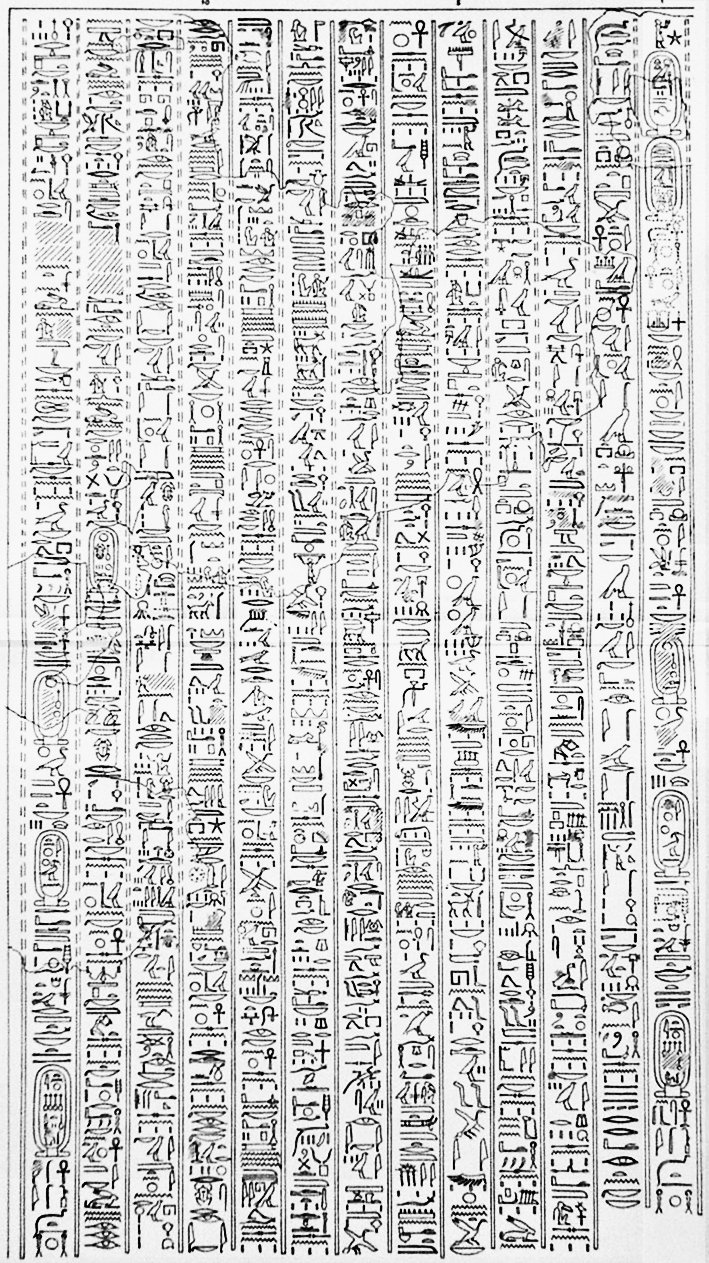
Great Hymn to the Aten
Akhenaten · c. 1350 BC
 Sculpture
Primary source
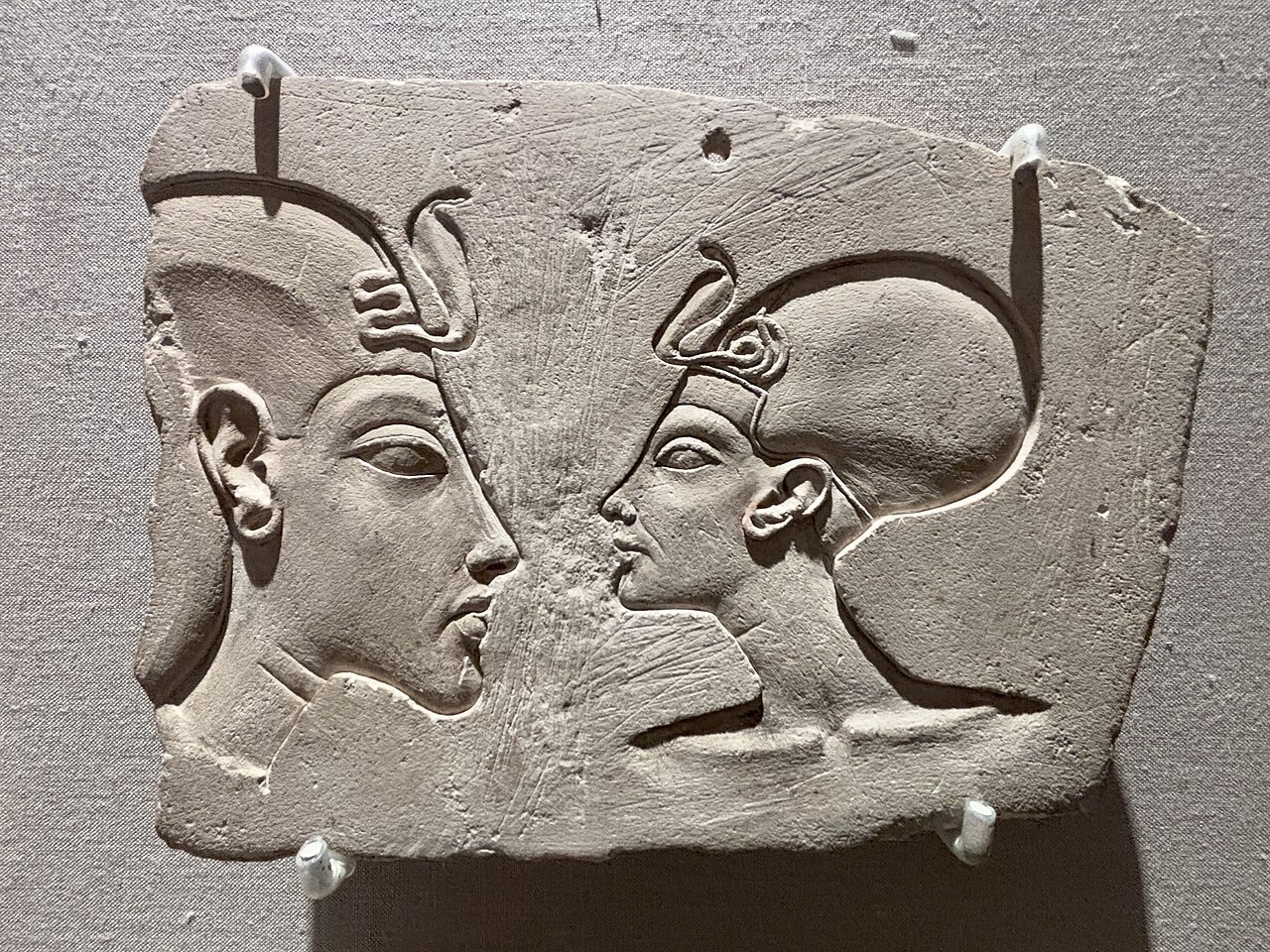
Wilbour Plaque
c. 1352-1336 BC
Ready when you are
Start chatting with Queen Nefereti now.
20 messages free · No credit card · Available in 50+ languages.