


Primary sourceDocumentc. 1350 BC
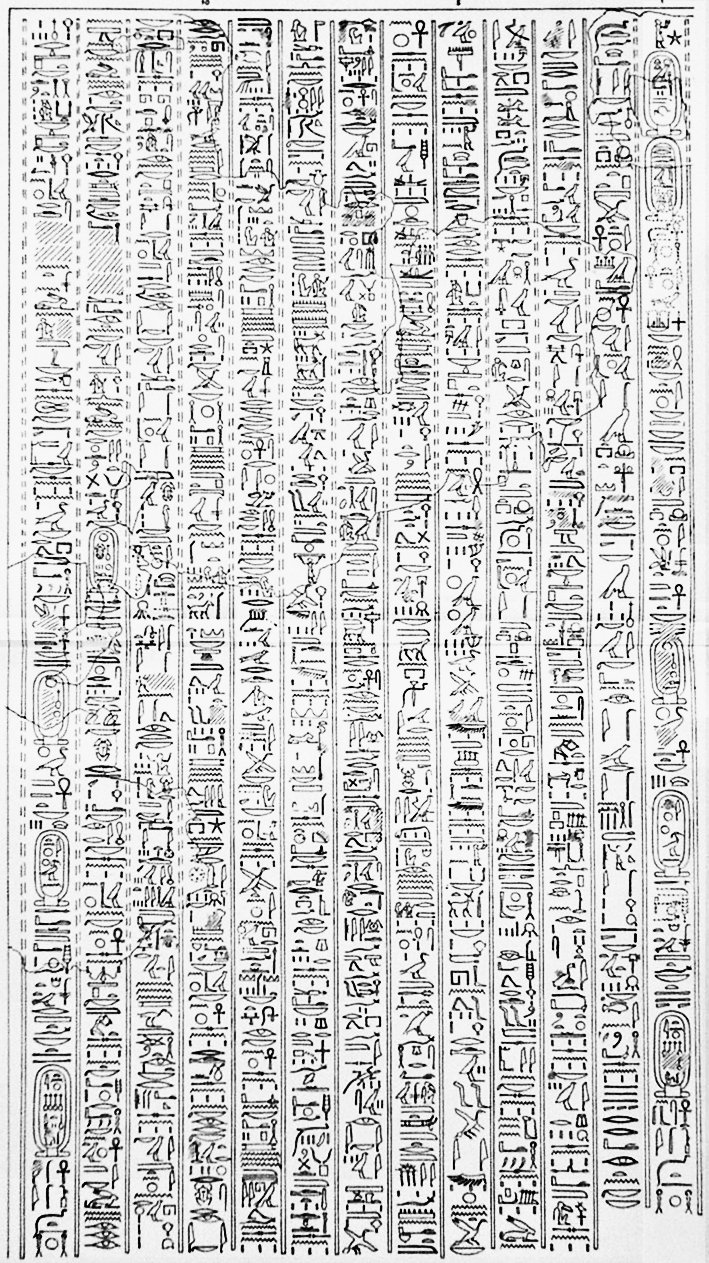
Great Hymn to the Aten
Akhenaten · c. 1350 BC
A hymn-poem to the sun-god Aten, inscribed in the tomb of the courtier Ay, which names Nefertiti as the Great Royal Wife living beside the king.
The hymn names Nefertiti as the Great Royal Wife who lives and rejoices beside Akhenaten within the new Atenist religion.
About this source
What it is
The Great Hymn to the Aten is a long hymn-poem to the sun-disc deity Aten, composed in the mid-14th century BC and attributed either to Pharaoh Akhenaten or his courtiers. It survives inscribed in the rock tomb of the courtier (and later pharaoh) Ay at Amarna.
Why it matters
The hymn is a key text of Atenism, the religion that Akhenaten made central to Egyptian worship. It names Nefertiti as the Great Royal Wife who lives and rejoices beside the king, placing her formally within the new theology alongside her husband. Some scholars have compared it to Psalm 104 in the Bible, though this is debated.
Look closer
- Why might Nefertiti be named directly in a religious hymn to a god?
- What does it tell you that this hymn was carved in a courtier's tomb rather than a royal one?
- Why do some scholars compare this text to the biblical Psalm 104, and why might others disagree?
This document is part of the curated material that grounds the AI version of Queen Nefereti on Humy.ai — when students ask about related events, the AI can quote it and cite it.
More Queen Nefereti sources
Meet the AI Queen Nefereti →
Ready when you are
Start chatting with Queen Nefereti now.
20 messages free · No credit card · Available in 50+ languages.