


Primary sourceSculpturec. 1352-1336 BC
Wilbour Plaque
c. 1352-1336 BC
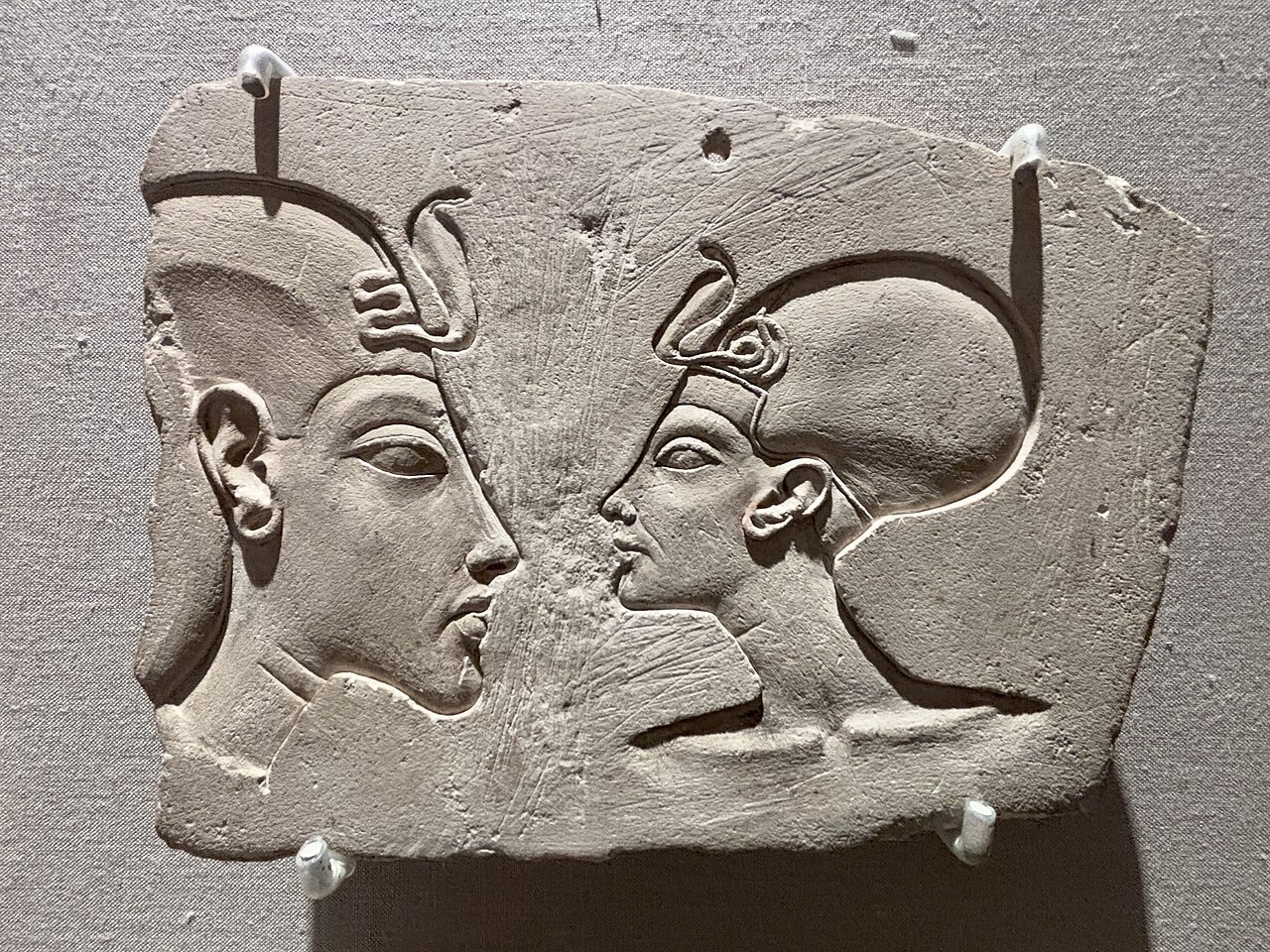
A sunk-relief sandstone plaque showing profile heads of Akhenaten and Nefertiti, likely used as a sculptor's reference piece.
This sculptor's trial piece carries one of the standard profile images of Nefertiti used to train artists.
About this source
What it is
This sandstone plaque from the Amarna period, carved in sunk relief, shows two profile heads facing each other: Nefertiti wearing the cap crown and most likely Akhenaten wearing the khat headdress. It is named after the American Egyptologist Charles Wilbour, who acquired it in Egypt in 1881, and is now held at the Brooklyn Museum.
Why it matters
The plaque is believed to have been a reference piece used by sculptors to copy royal features correctly, giving a rare glimpse into how royal portraits of Akhenaten and Nefertiti were designed and taught in workshops of the time.
Look closer
- Why might sculptors have needed a model like this to copy from?
- What differences can you see between the two profiles, and what might that suggest about how each figure was meant to be shown?
- What does this object tell you about how royal images were controlled and standardised?
This sculpture is part of the curated material that grounds the AI version of Queen Nefereti on Humy.ai — when students ask about related events, the AI can quote it and cite it.
More Queen Nefereti sources
Meet the AI Queen Nefereti →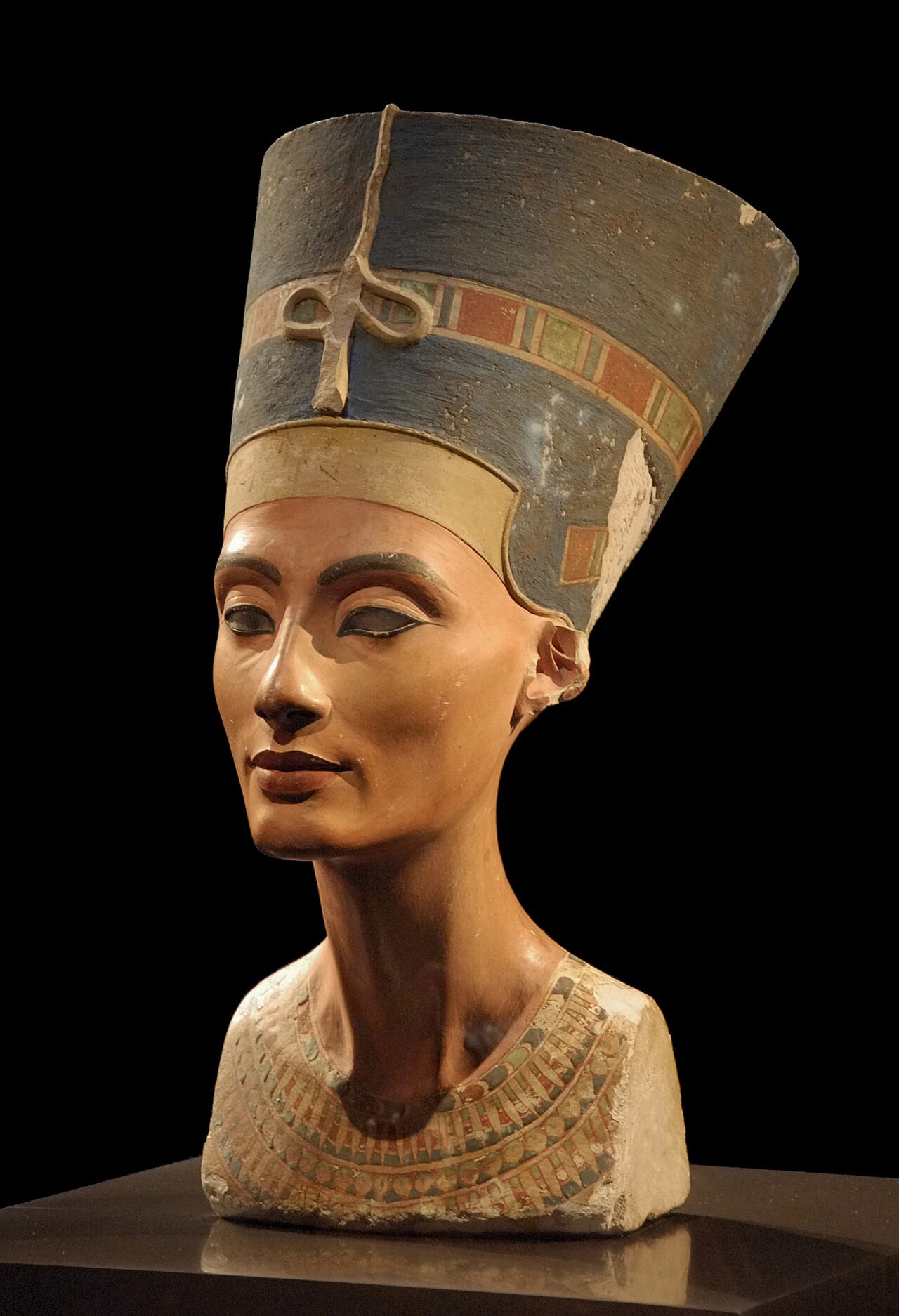 Sculpture
Primary source
Bust of Queen Nefertiti
Thutmose · c. 1345 BC
 Sculpture
Primary source
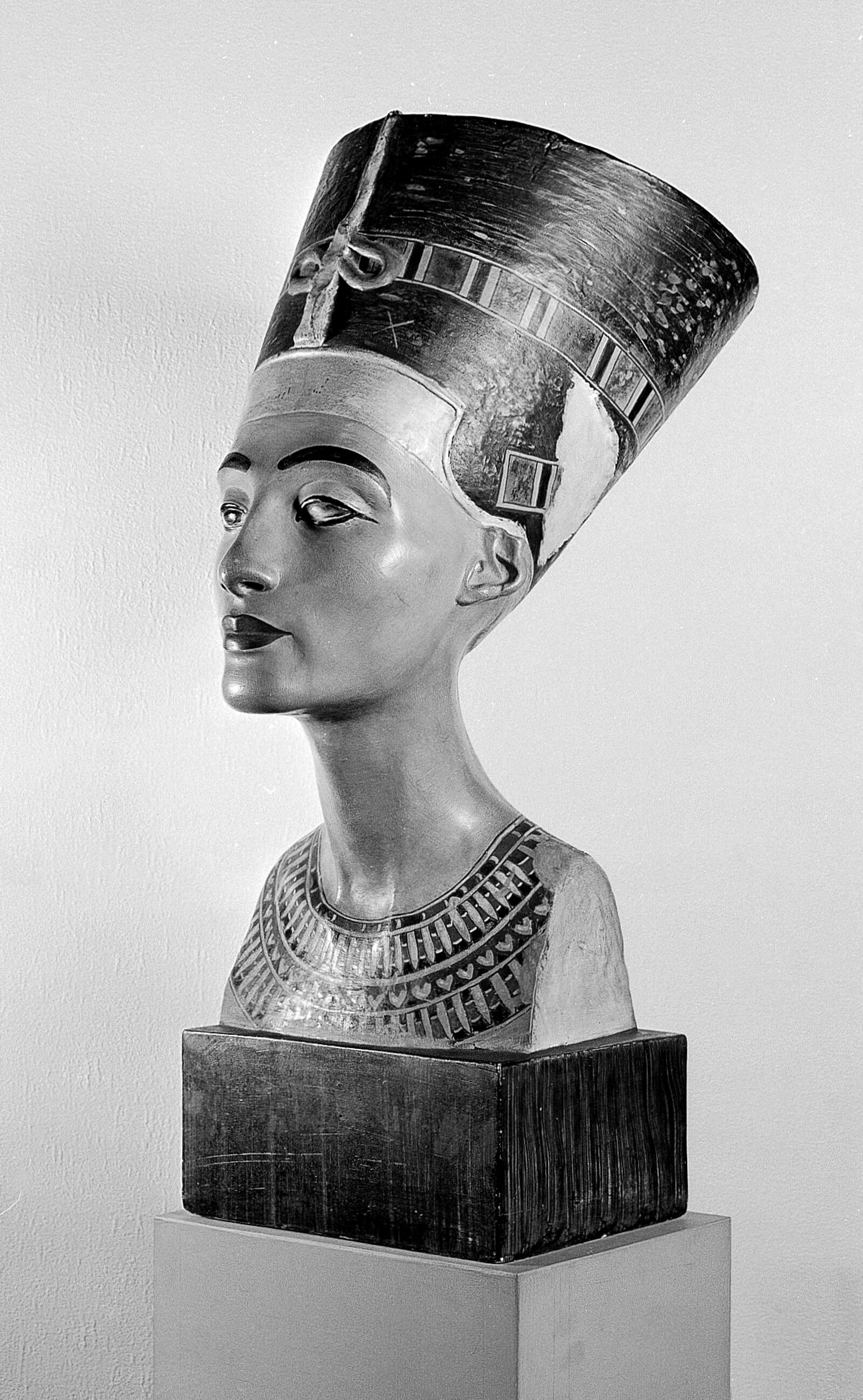
Figure of Nefertiti
 Sculpture
Primary source
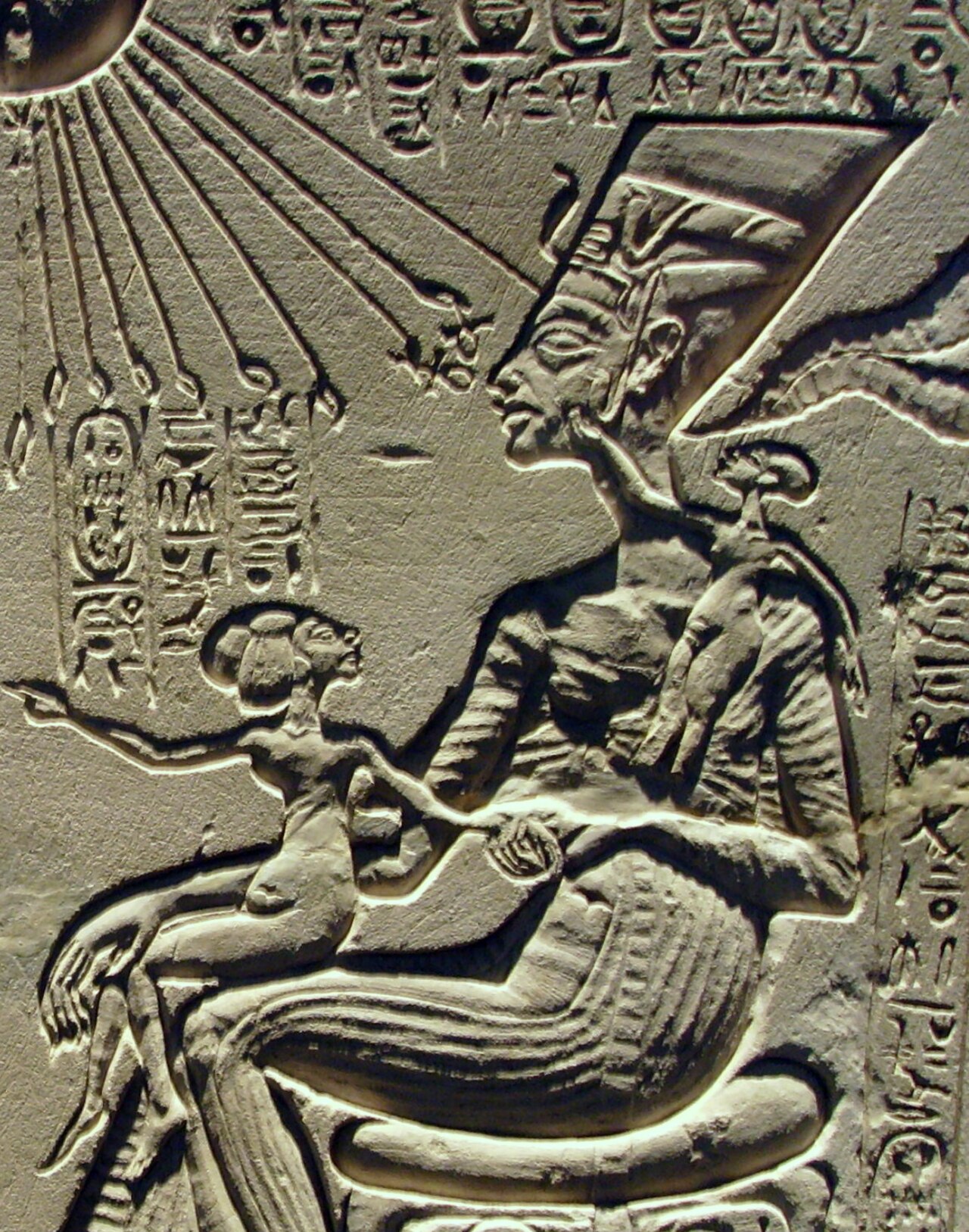
Akhenaten and His Family
c. 1352 BC
 Sculpture
Primary source
Relief Fragment Showing the Blue Crown of Nefertiti
 Document
Primary source
Great Hymn to the Aten
Akhenaten · c. 1350 BC
Ready when you are
Start chatting with Queen Nefereti now.
20 messages free · No credit card · Available in 50+ languages.