


Secondary sourceSculpture
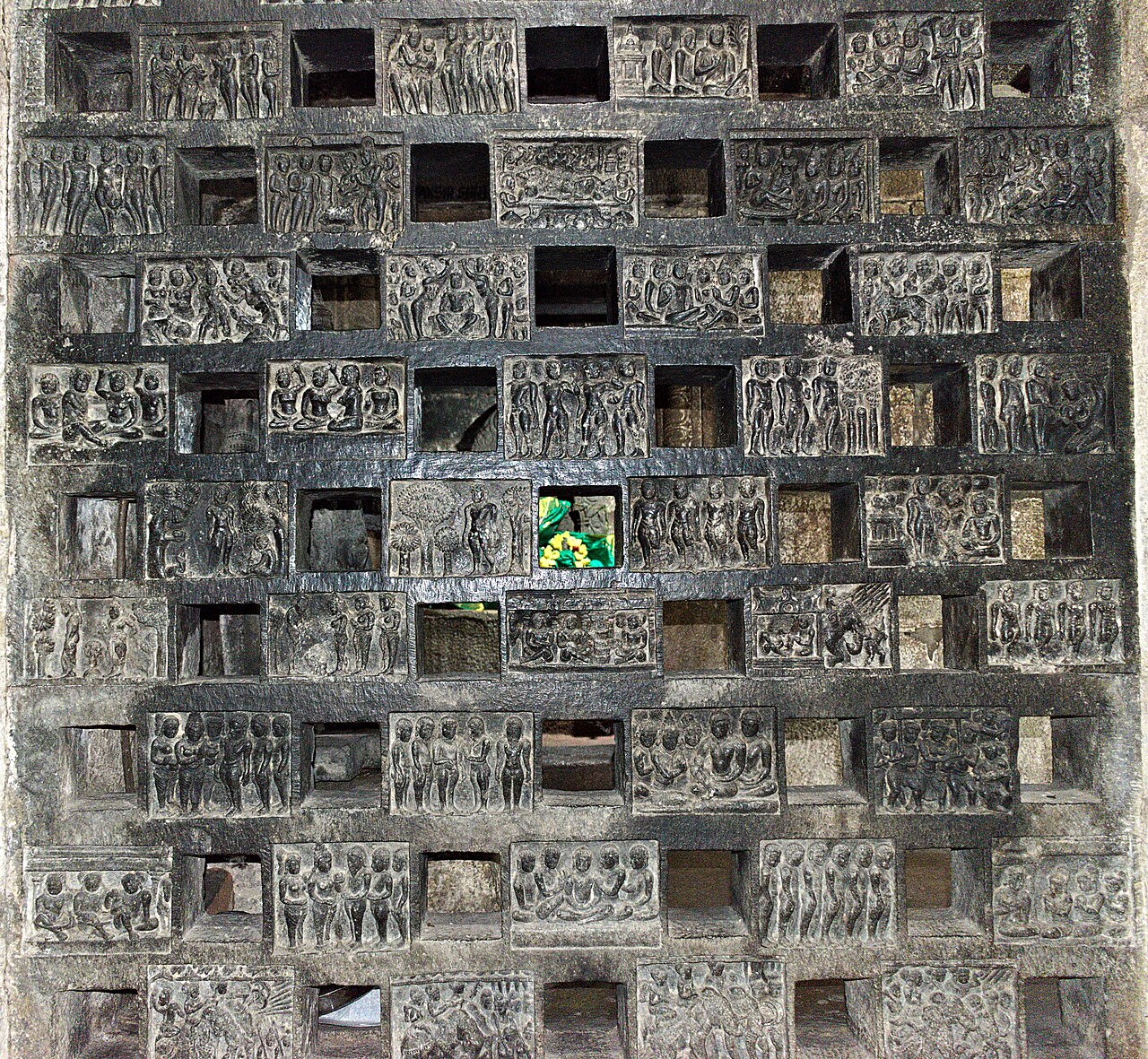
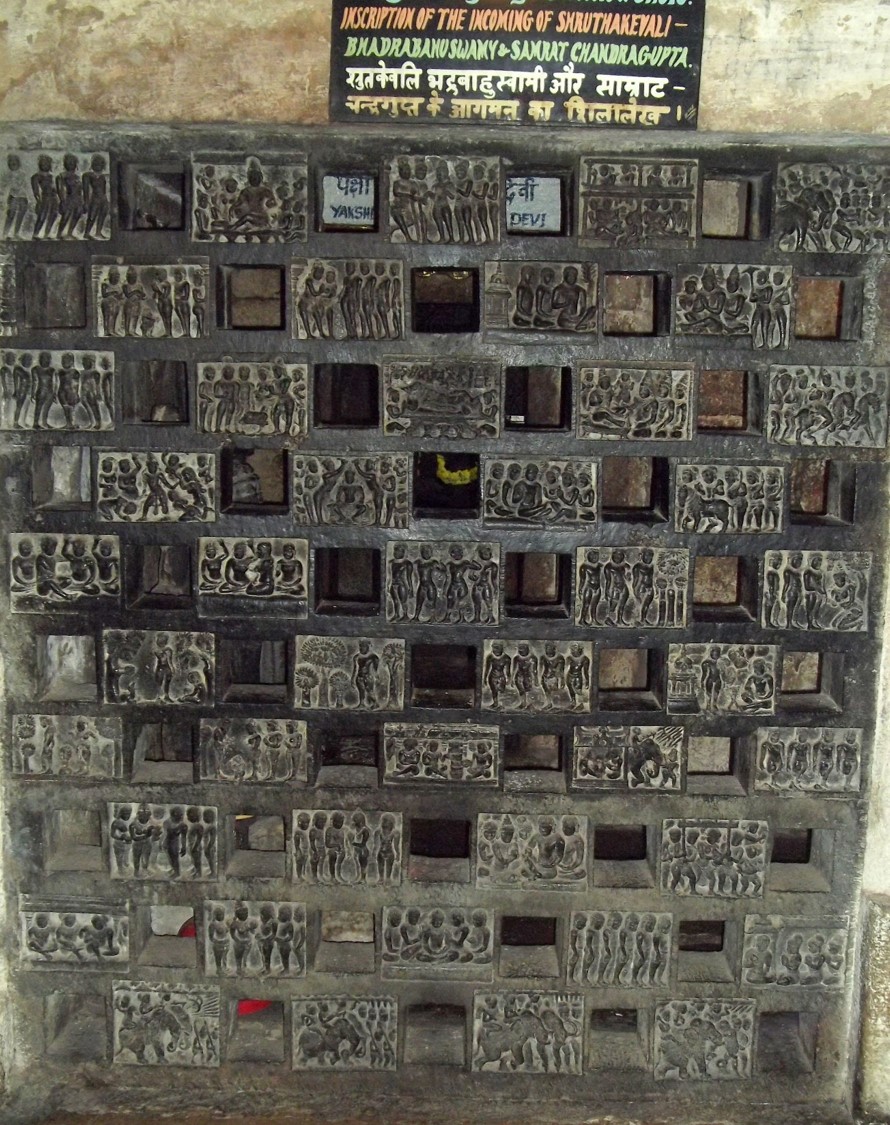
Carved Scenes of Bhadrabahu and Chandragupta, Chandragupta Basadi
Stone carvings on a later Jain temple at Chandragiri Hill depicting legendary scenes from the lives of the sage Bhadrabahu and Emperor Chandragupta Maurya.
Commemorates Chandragupta Maurya through later Jain religious carvings depicting his legendary life.
About this source
What it is
This photograph shows carved relief panels on the doorway of Chandragupta Basadi, the smallest temple on Chandragiri Hill. The carvings, added later to the temple, depict scenes from the lives of the Jain teacher Bhadrabahu and Emperor Chandragupta Maurya.
Why it matters
The temple and its carvings show how Chandragupta Maurya was remembered in Jain tradition long after his lifetime, linked especially to the sage Bhadrabahu. The building itself, with cells for figures like Parshwanatha, Padmavathi, and Kushmandini, reflects the religious devotion that grew around this part of his legend.
Look closer
- Why might a temple builder choose to carve scenes from a ruler's life centuries after he lived?
- What does the shared temple space for Jain figures and Chandragupta suggest about how he was viewed religiously?
- What can carvings like this tell us, and what can they not tell us, about the real historical Chandragupta?
This sculpture is part of the curated material that grounds the AI version of Chandragupta Maurya on Humy.ai — when students ask about related events, the AI can quote it and cite it.
More Chandragupta Maurya sources
Meet the AI Chandragupta Maurya →Secondary source
Arthashastra
Chanakya (traditional attribution) · c. 1st–3rd century CE (traditionally attributed to Chanakya, c. 300 BCE)
 Document
Secondary source
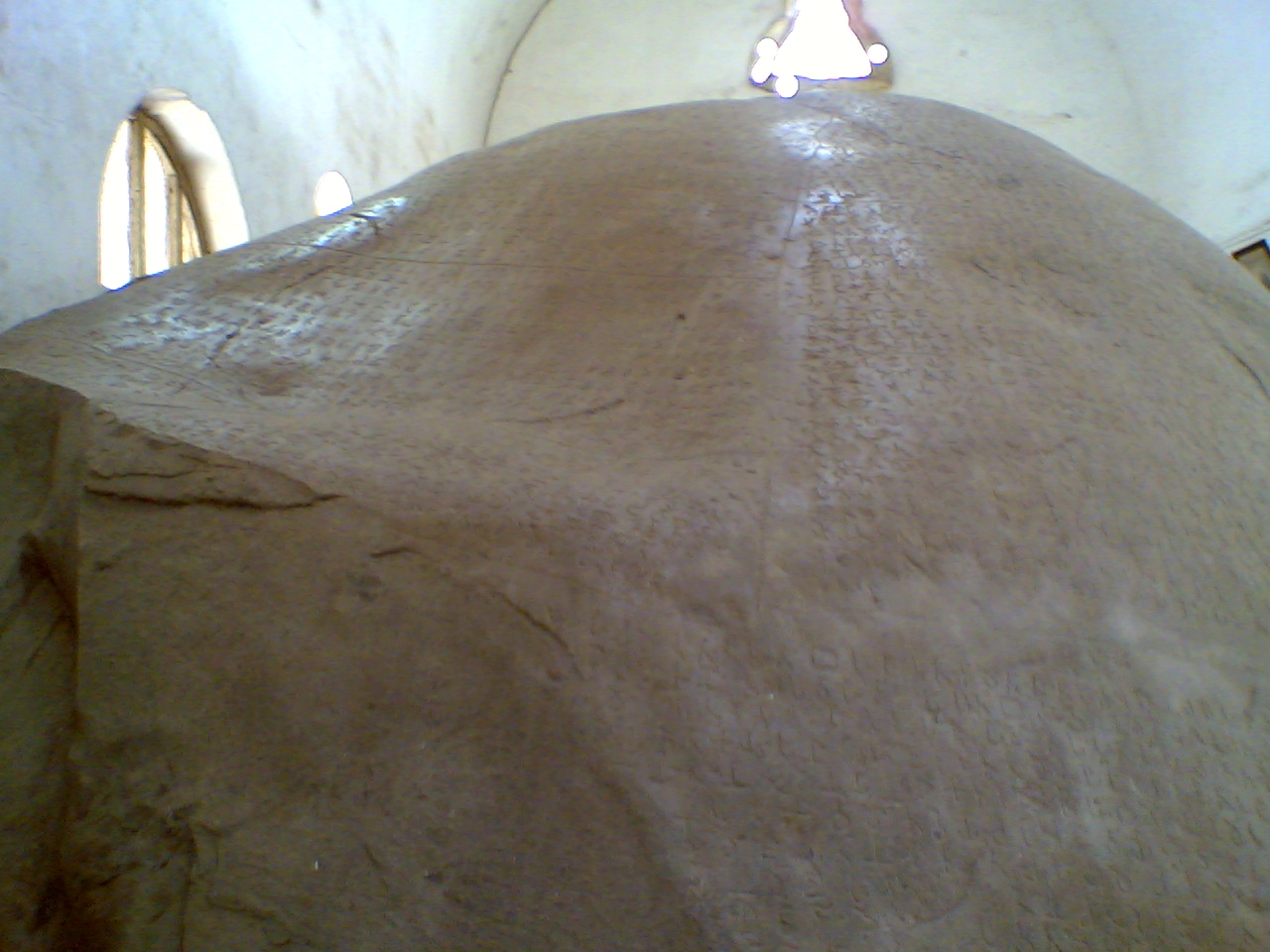
Junagadh Rock Inscription of Rudradaman
Rudradaman I (commissioner) · shortly after 150 CE
 Book
Secondary source
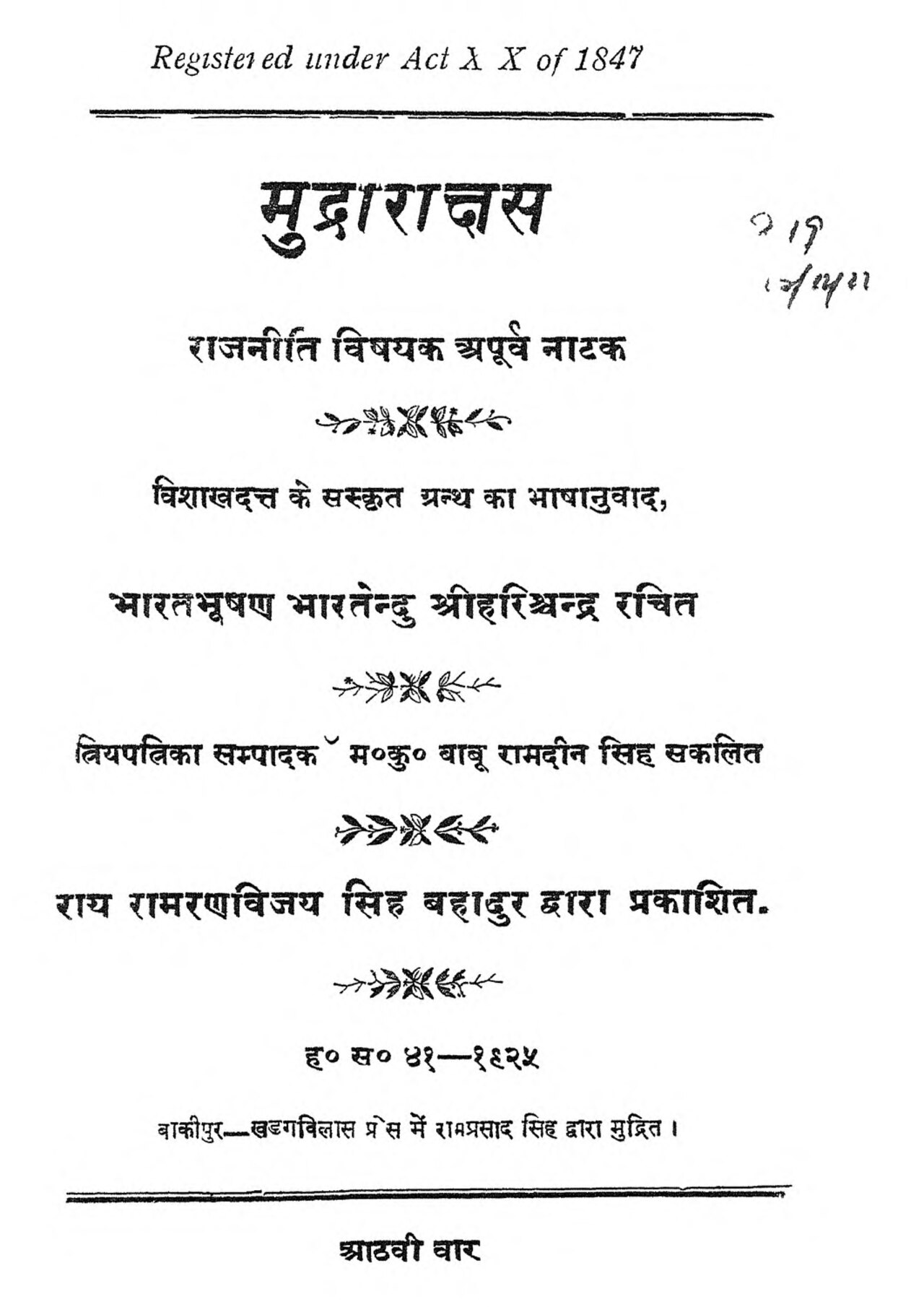
Mudrarakshasa
Vishakhadatta · between the 4th and 8th century CE
 Document
Primary source
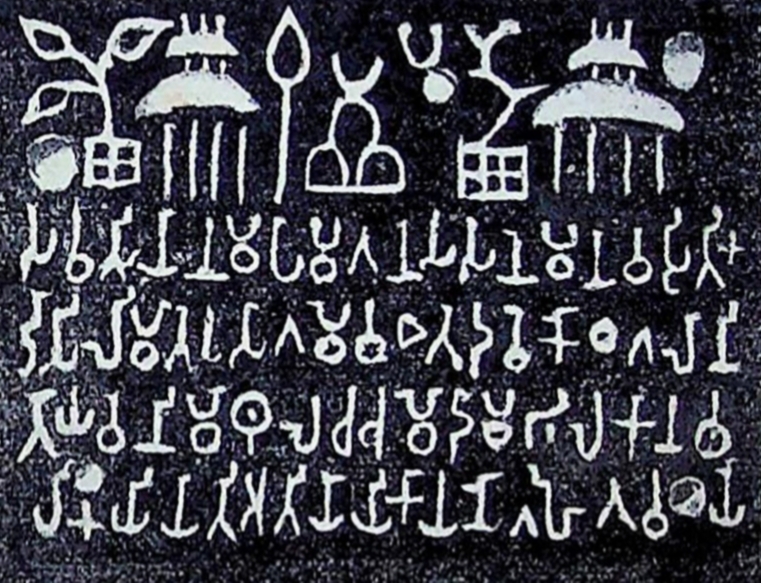
Sohgaura Copper Plate Inscription
3rd century BCE
 Document
Secondary source
Shravanabelagola Inscription of Bhadrabahu and Chandragupta
Ready when you are
Start chatting with Chandragupta Maurya now.
20 messages free · No credit card · Available in 50+ languages.