


Primary sourceDocumentOctober 1897
Cathode Rays
J. J. Thomson · October 1897
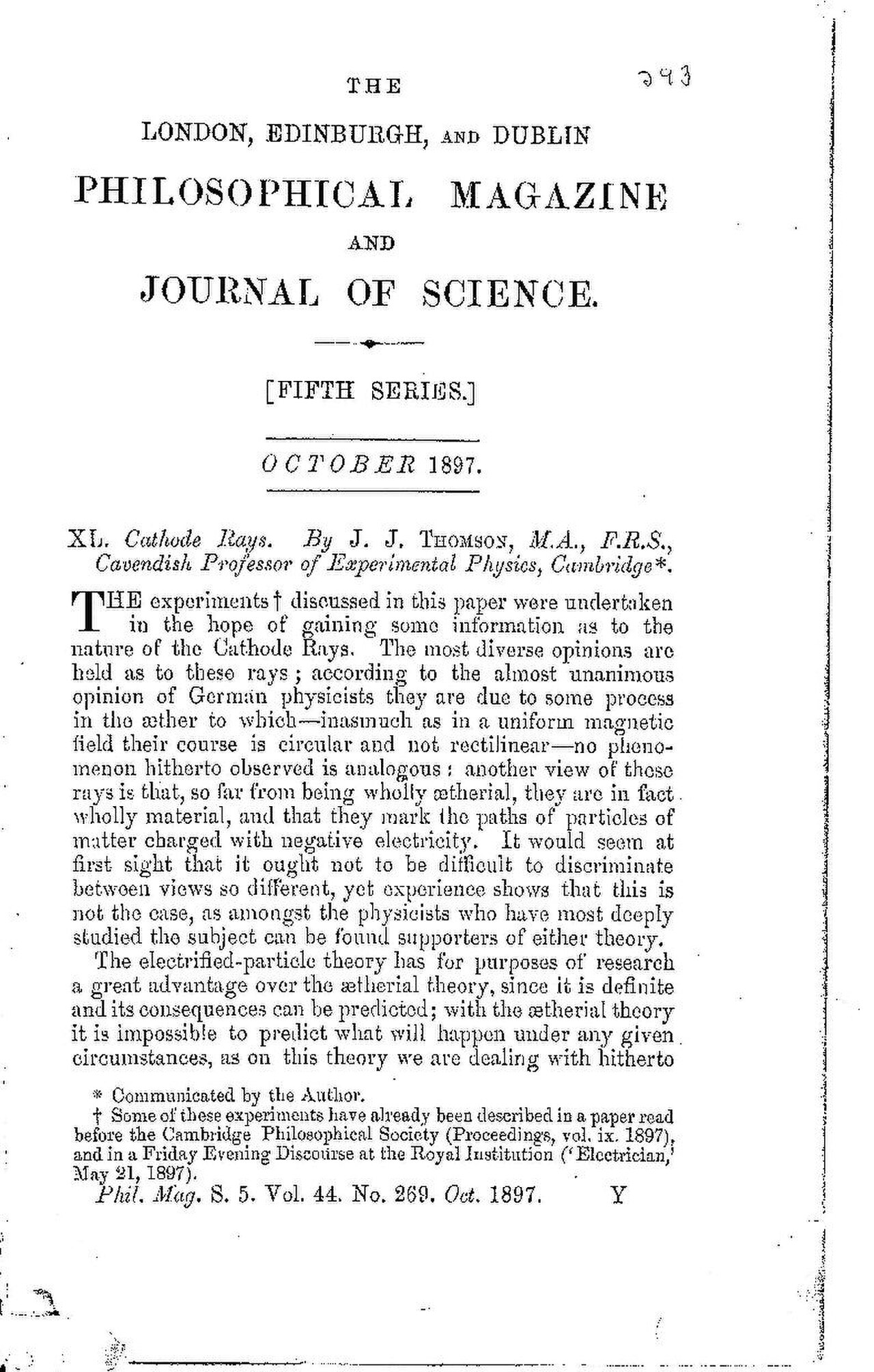
Thomson's 1897 paper announcing the discovery of the electron, showing that cathode rays are charged particles smaller than atoms.
This is Thomson's own paper announcing his discovery of the electron, the achievement that made him famous.
Free Humy account · No credit card · 53,307 sources to read
About this source
What it is
This is J. J. Thomson's paper 'Cathode Rays', published in the Philosophical Magazine in October 1897. Thomson was Cavendish Professor of Experimental Physics at Cambridge. In it he describes experiments using electric and magnetic fields to deflect cathode rays and measure the mass-to-charge ratio of the particles that make them up.
Why it matters
At the time, physicists disagreed about what cathode rays were: some German physicists thought they were a wave in the ether, while others thought they were charged matter. Thomson's measurements showed the rays were made of particles much smaller than atoms, later named electrons. This paper is one of the foundational texts of modern physics, showing that atoms are not the smallest unit of matter.
Look closer
- Why does Thomson spend time explaining the disagreement among physicists before giving his own results?
- What kind of evidence does he use to argue that the rays are particles rather than waves?
- How might this discovery have changed the way scientists pictured the atom?
This document is part of the curated material that grounds the AI version of J. J. Thomson on Humy.ai — when students ask about related events, the AI can quote it and cite it.
More J. J. Thomson sources
Browse all 54 →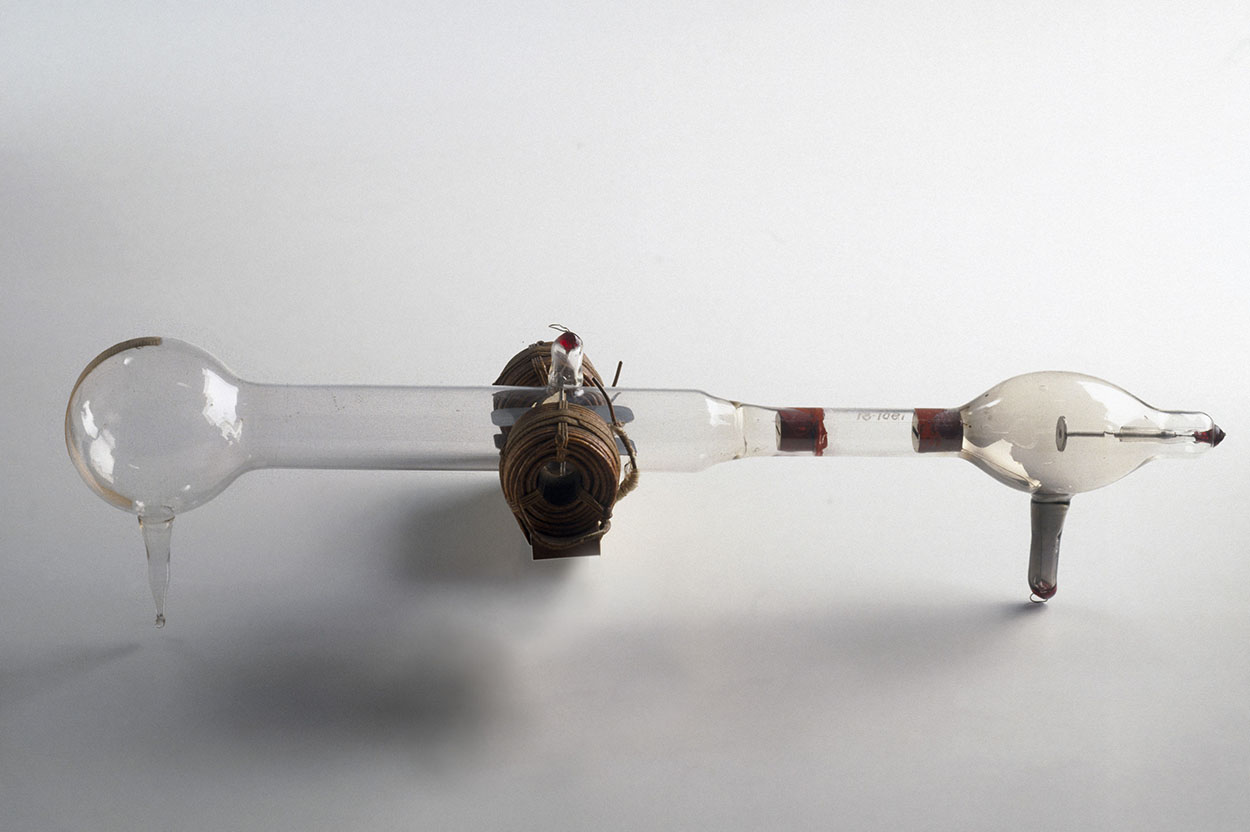 Artifact
Primary source
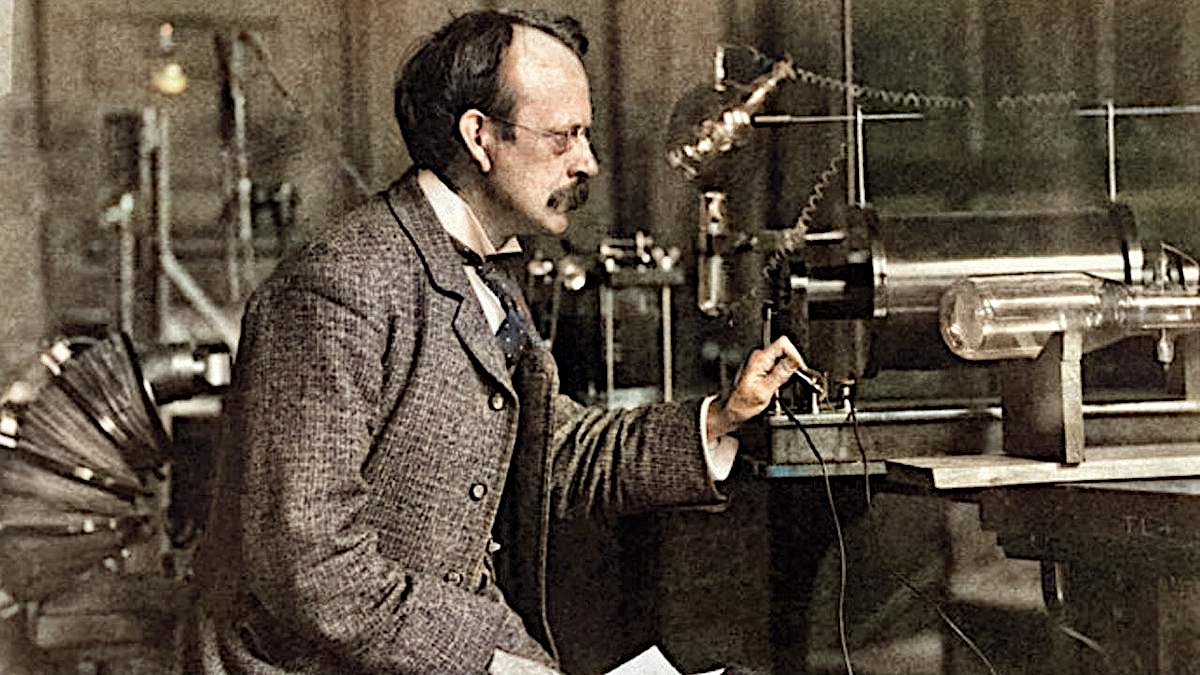
Cathode Ray Tube with Magnet Coils
1897
 Painting
Primary source
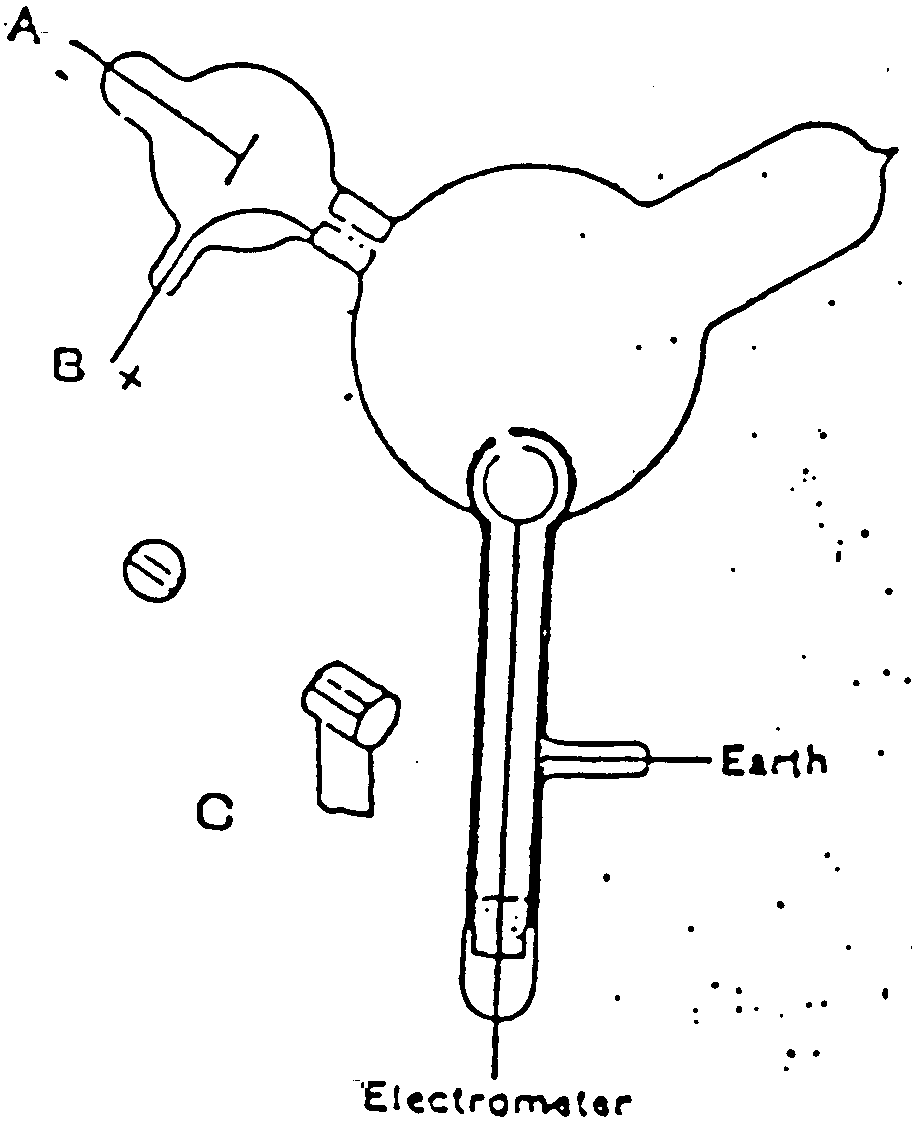
Cathode Ray Tube Diagram
J. J. Thomson · 1897
 Photograph
Primary source
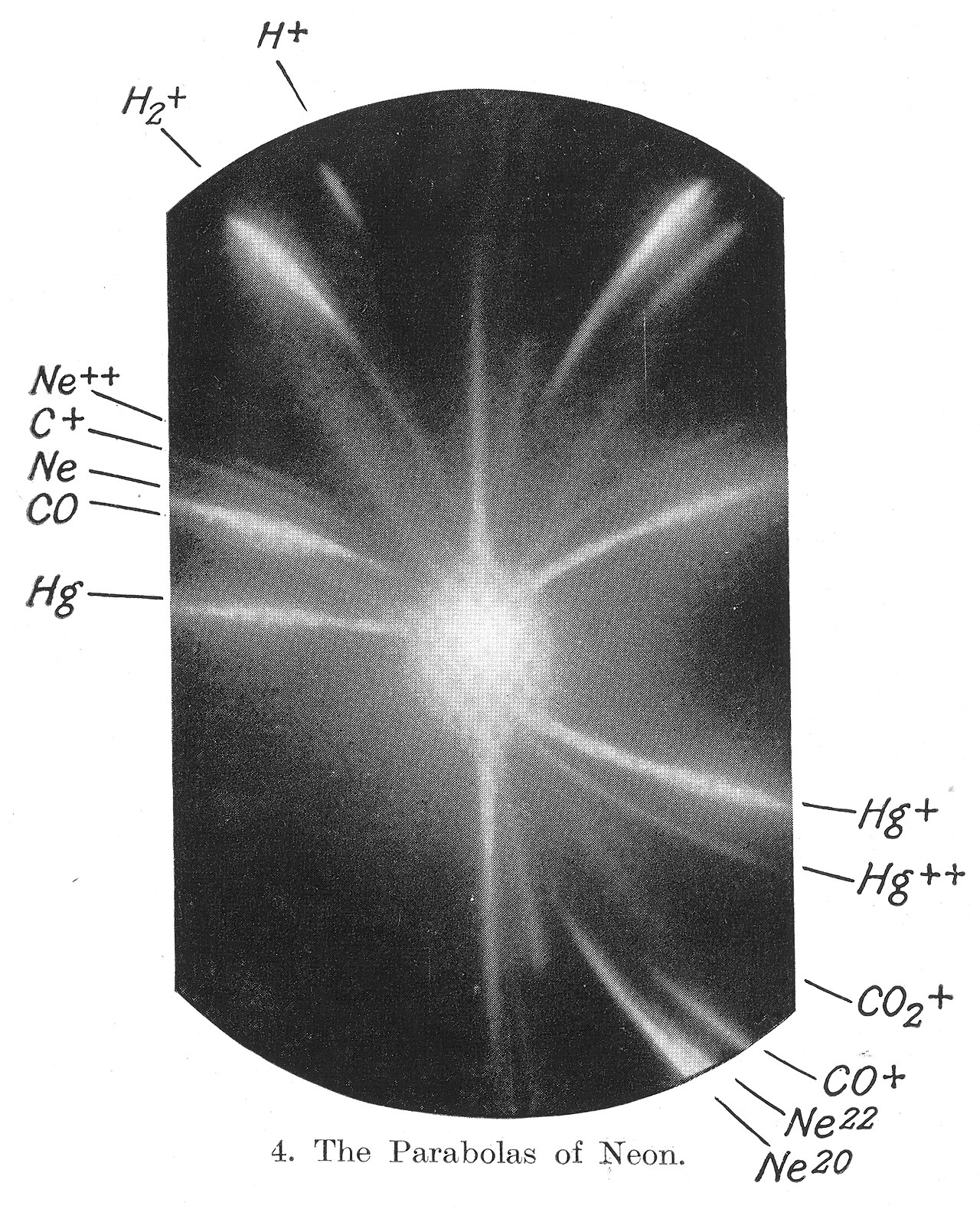
Discovery of Neon Isotopes
Francis William Aston · 1912-1913
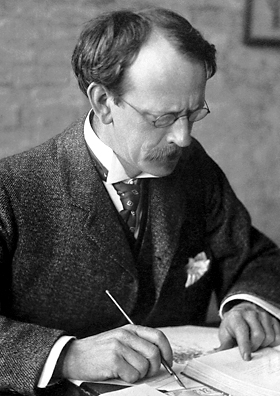 Photograph
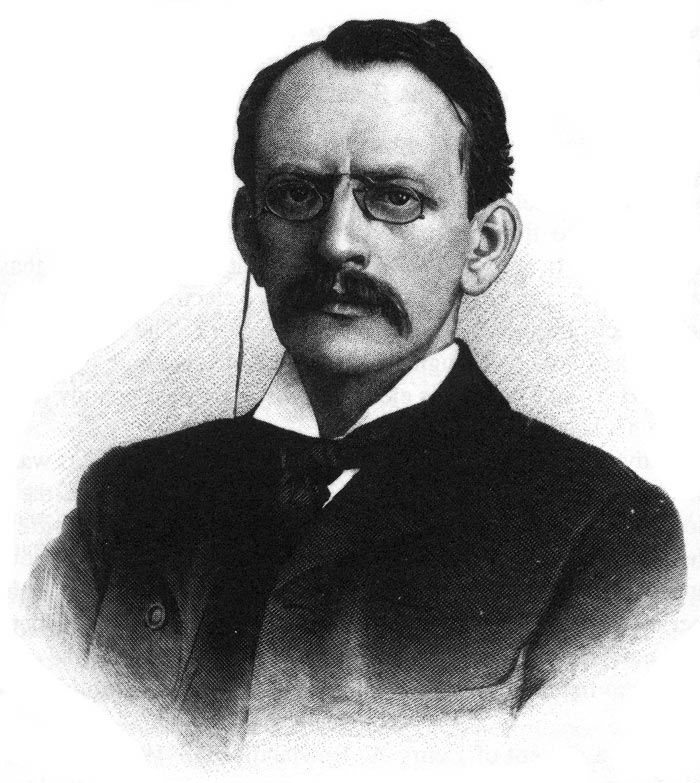
Primary source
Portrait of J. J. Thomson
Nobel foundation · c. 1906
Free account
Browse every J. J. Thomson source
Sign up free →
Ready when you are
Start chatting with J. J. Thomson now.
20 messages free · No credit card · Available in 50+ languages.