


Secondary sourceSculpture
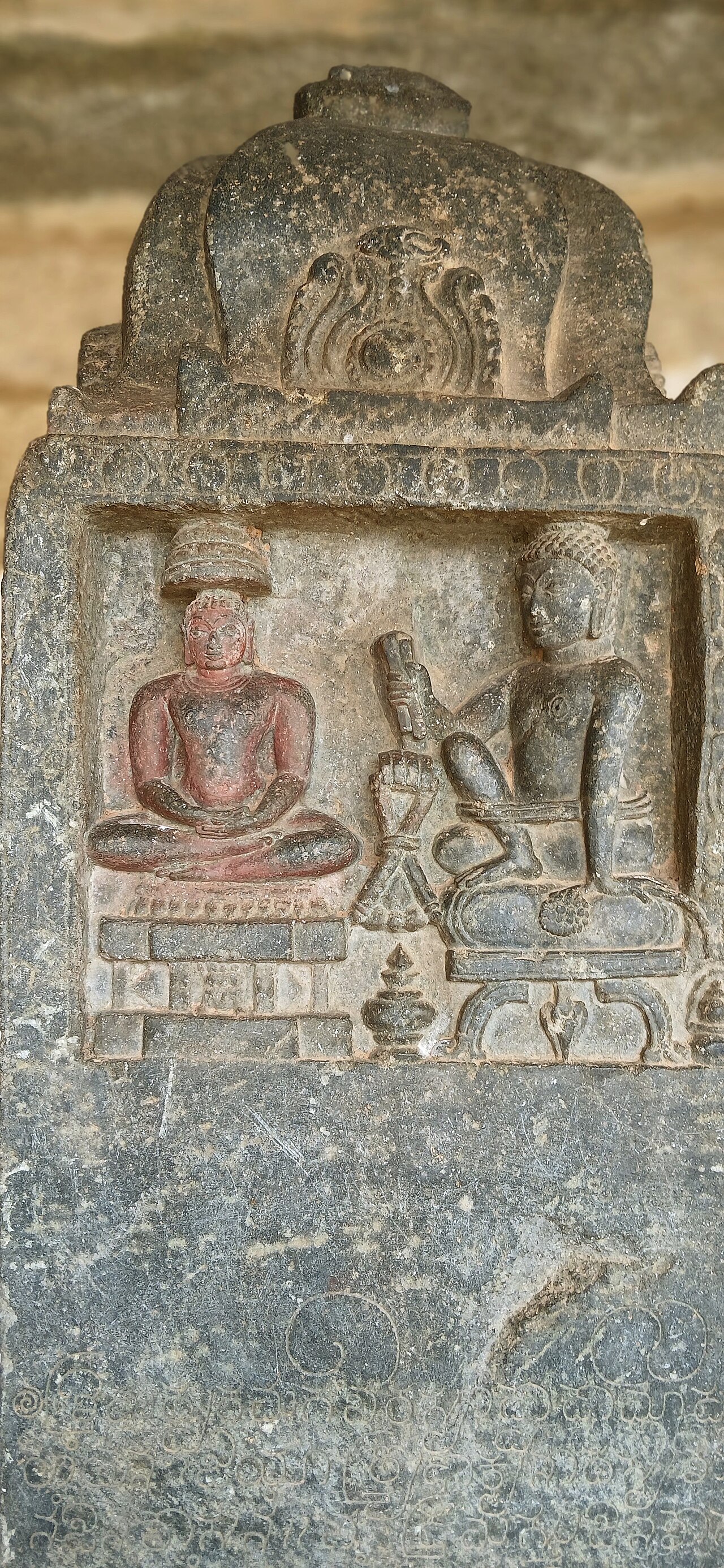
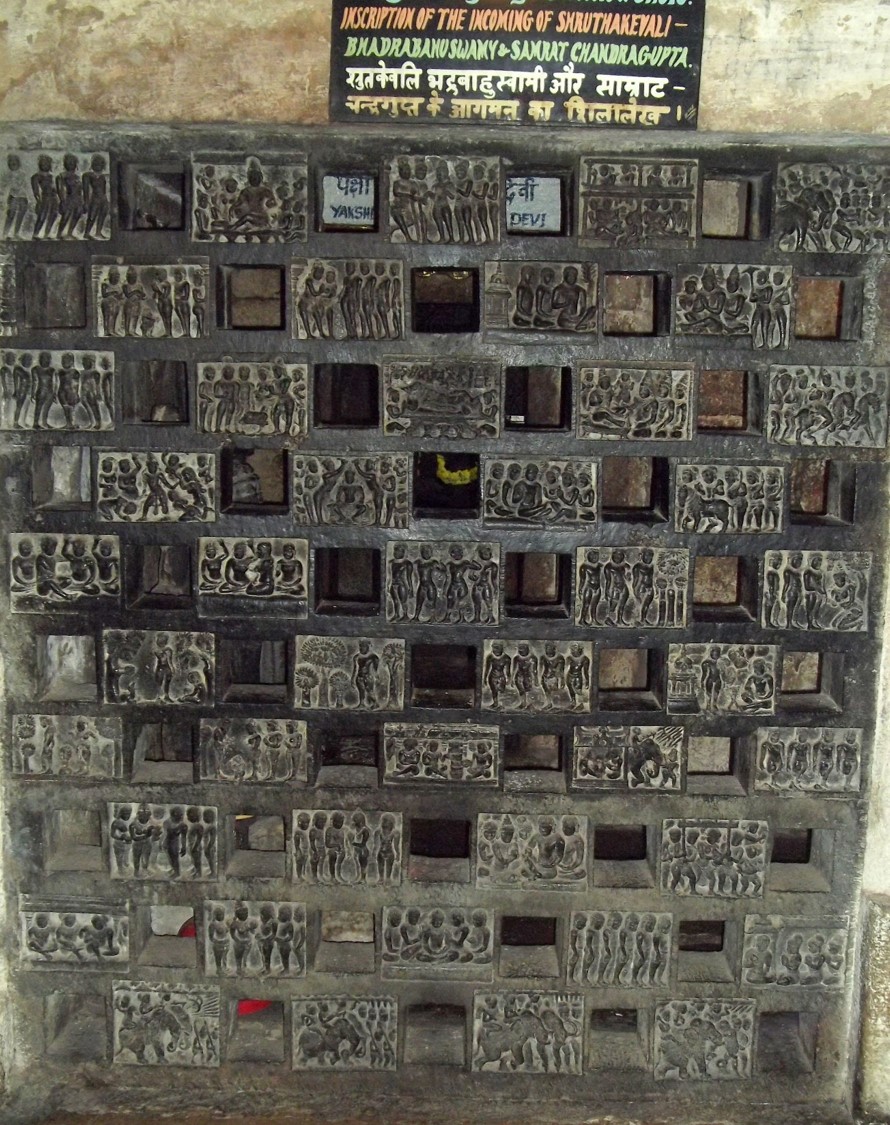
Chandragupta Maurya and Bhadrabahu at Chandragupta Basadi
A carved relief panel at the entrance of a Jain temple depicting Chandragupta Maurya with the sage Bhadrabahu.
Depicts the Jain tradition of Chandragupta Maurya's later life as a disciple of Bhadrabahu.
About this source
What it is
This is a photograph of a carved relief panel at the entrance to Chandragupta Basadi, a temple on Chandragiri Hill. It shows two seated figures identified as Chandragupta Maurya and the Jain teacher Bhadrabahu, with a carved inscription below.
Why it matters
The image reflects the Jain tradition that Chandragupta Maurya, founder of the Maurya Empire, spent his final years as a follower of Bhadrabahu. This belief shaped how he was remembered long after his reign, turning him into a figure of religious devotion as well as political history.
Look closer
- What differences do you notice between the two figures in the carving — their posture, clothing, and position?
- Why do you think this scene was placed at the entrance of the temple?
- How might a carving like this differ from a written historical record of the same events?
This sculpture is part of the curated material that grounds the AI version of Chandragupta Maurya on Humy.ai — when students ask about related events, the AI can quote it and cite it.
More Chandragupta Maurya sources
Meet the AI Chandragupta Maurya →Secondary source
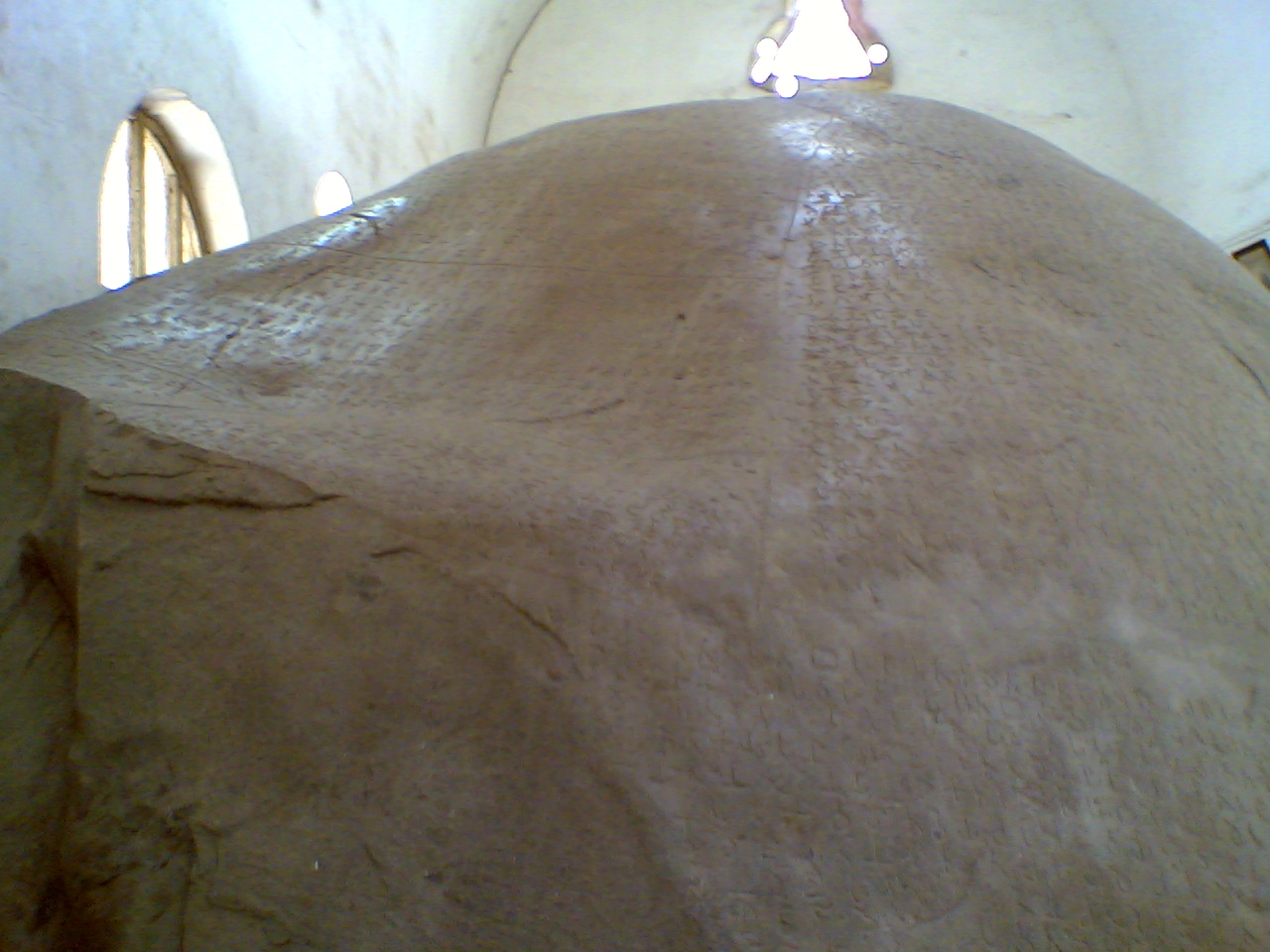
Arthashastra
Chanakya (traditional attribution) · c. 1st–3rd century CE (traditionally attributed to Chanakya, c. 300 BCE)
 Document
Secondary source
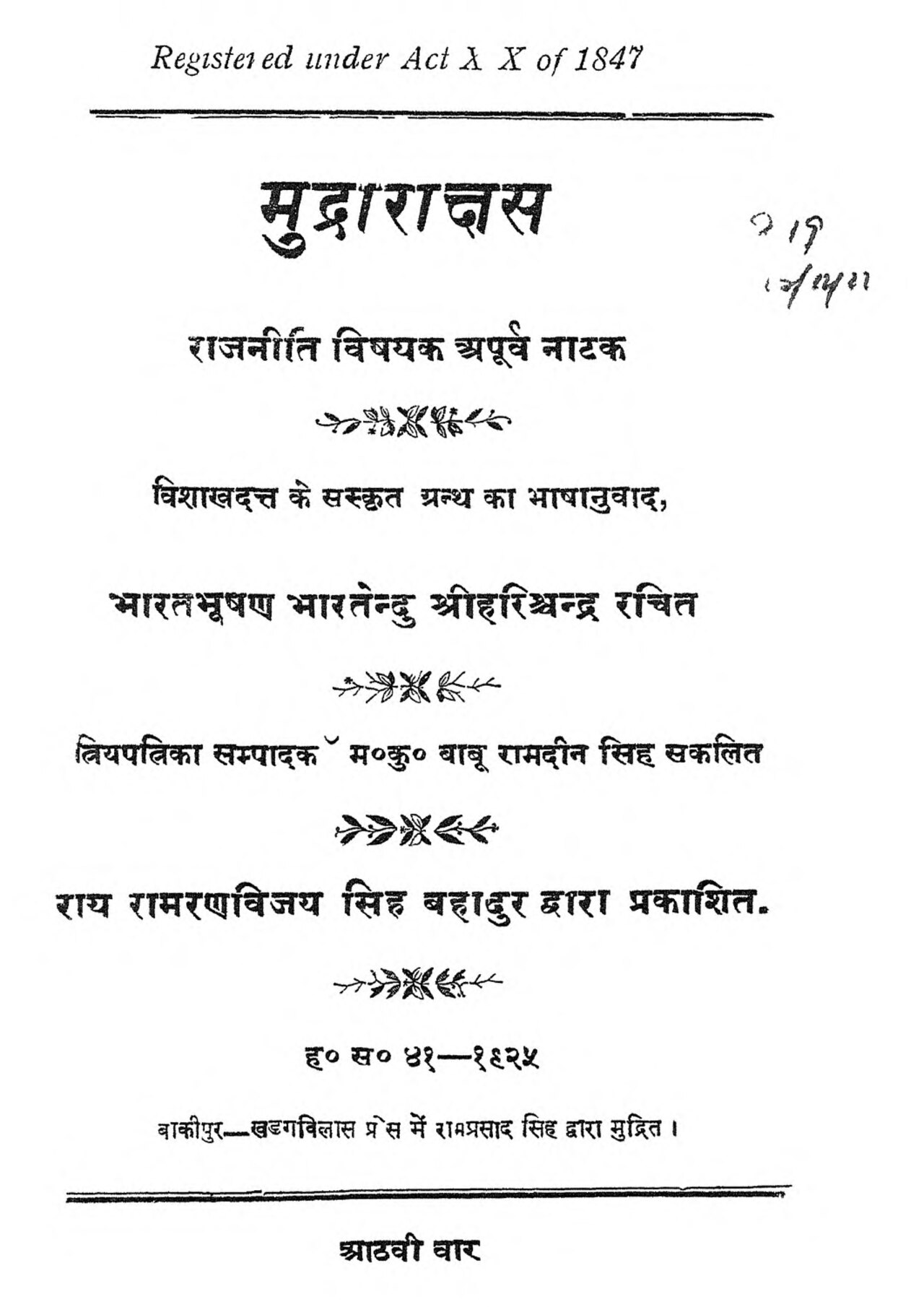
Junagadh Rock Inscription of Rudradaman
Rudradaman I (commissioner) · shortly after 150 CE
 Book
Secondary source
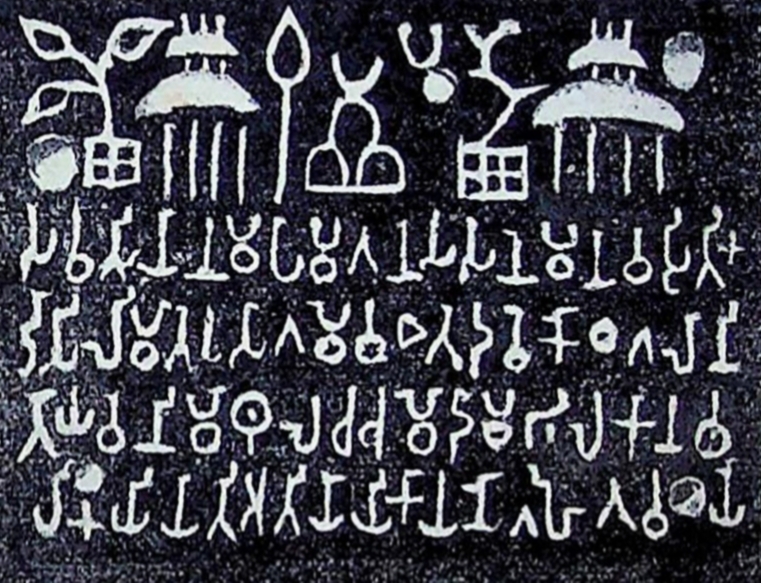
Mudrarakshasa
Vishakhadatta · between the 4th and 8th century CE
 Document
Primary source
Sohgaura Copper Plate Inscription
3rd century BCE
 Document
Secondary source
Shravanabelagola Inscription of Bhadrabahu and Chandragupta
Ready when you are
Start chatting with Chandragupta Maurya now.
20 messages free · No credit card · Available in 50+ languages.