


Secondary sourceBook1902
Charlotte Brontë (essay by G. K. Chesterton)
G. K. Chesterton · 1902
An 1902 critical essay by G. K. Chesterton that assesses Charlotte Brontë's character and work. It argues about the value of biography for understanding her.
A later critical essay that assesses Charlotte Brontë's character and work, showing how a writer of her century was judged after her death.
About this source
What it is
This is an essay titled Charlotte Brontë by the writer G. K. Chesterton. It was published in 1902 in the collection Twelve Types. It opens with a general argument against realistic biography, saying that such biography reveals facts about a person, such as class, income and home, that the person himself rarely thinks about. Chesterton then applies this idea to the Brontës.
Why it matters
Chesterton was a popular English writer who wrote about many famous figures. His essay shows how readers of the early 1900s thought about Charlotte Brontë, a novelist who had died in 1855. Her life had been widely written about, and this essay reflects a debate about how much private detail a biography should reveal. The essay is a later judgment, not a record made in her lifetime.
Look closer
- What does Chesterton claim biography reveals that the subject would not think important?
- Why does Chesterton compare the Brontës to a mad lady in a village, and what does that comparison suggest about how they were seen?
- What does the essay leave out, given that it is written by a later writer?
This book is part of the curated material that grounds the AI version of Charlotte Brontë on Humy.ai — when students ask about related events, the AI can quote it and cite it.
More Charlotte Brontë sources
Meet the AI Charlotte Brontë →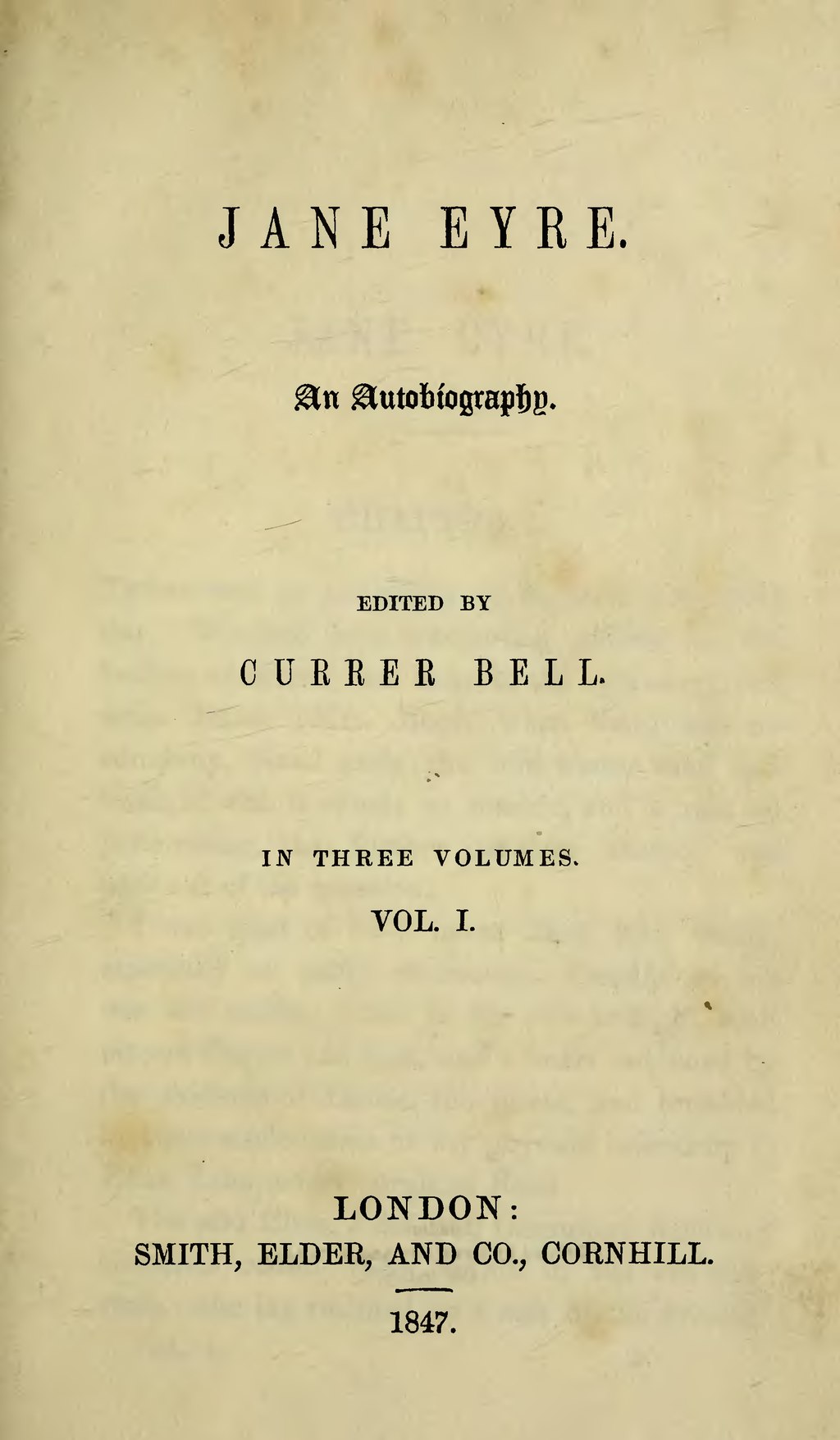 Book
Primary source
Jane Eyre
Charlotte Brontë · 1847
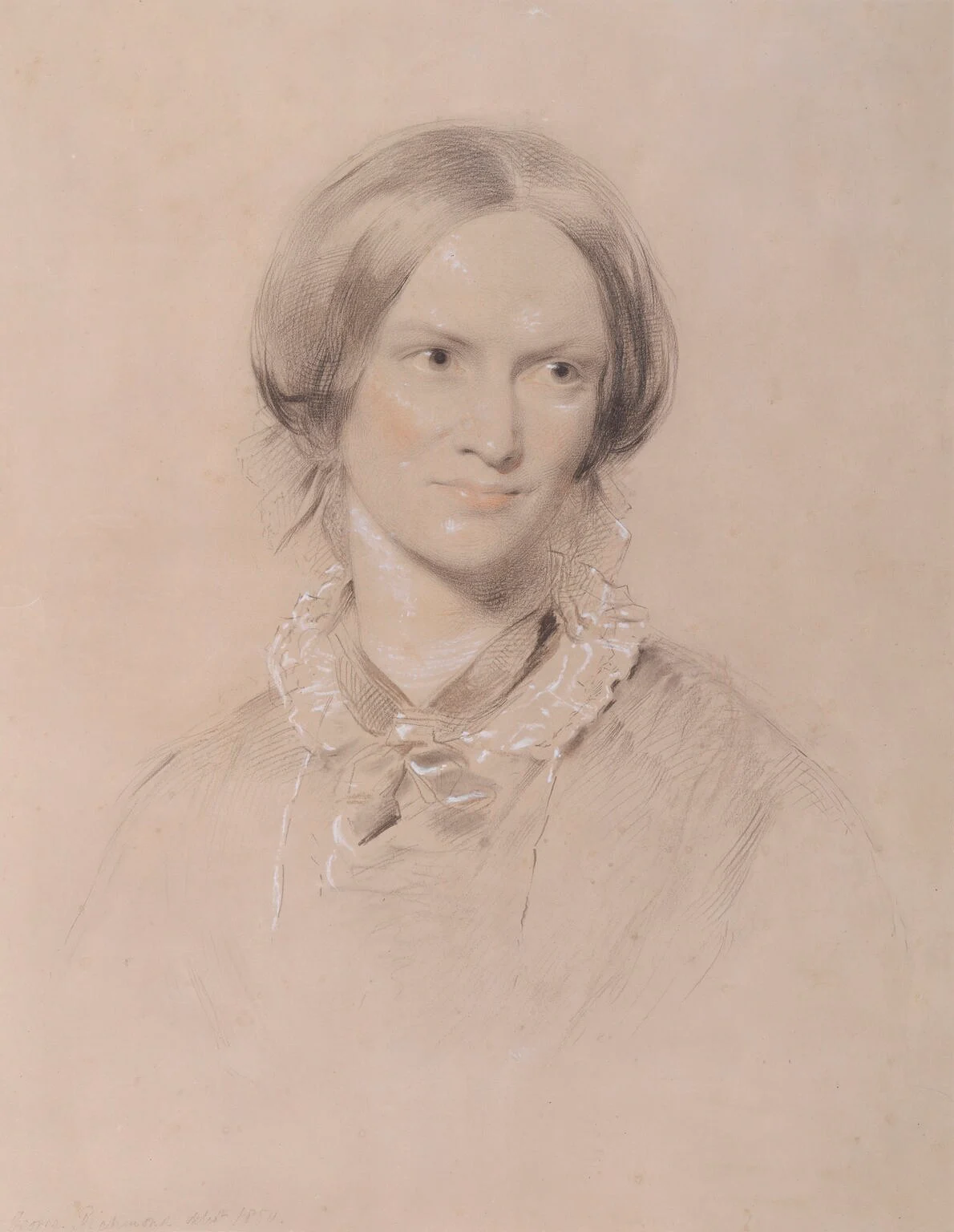 Painting
Primary source
Charlotte Brontë (chalk portrait by George Richmond)
George Richmond · 1850
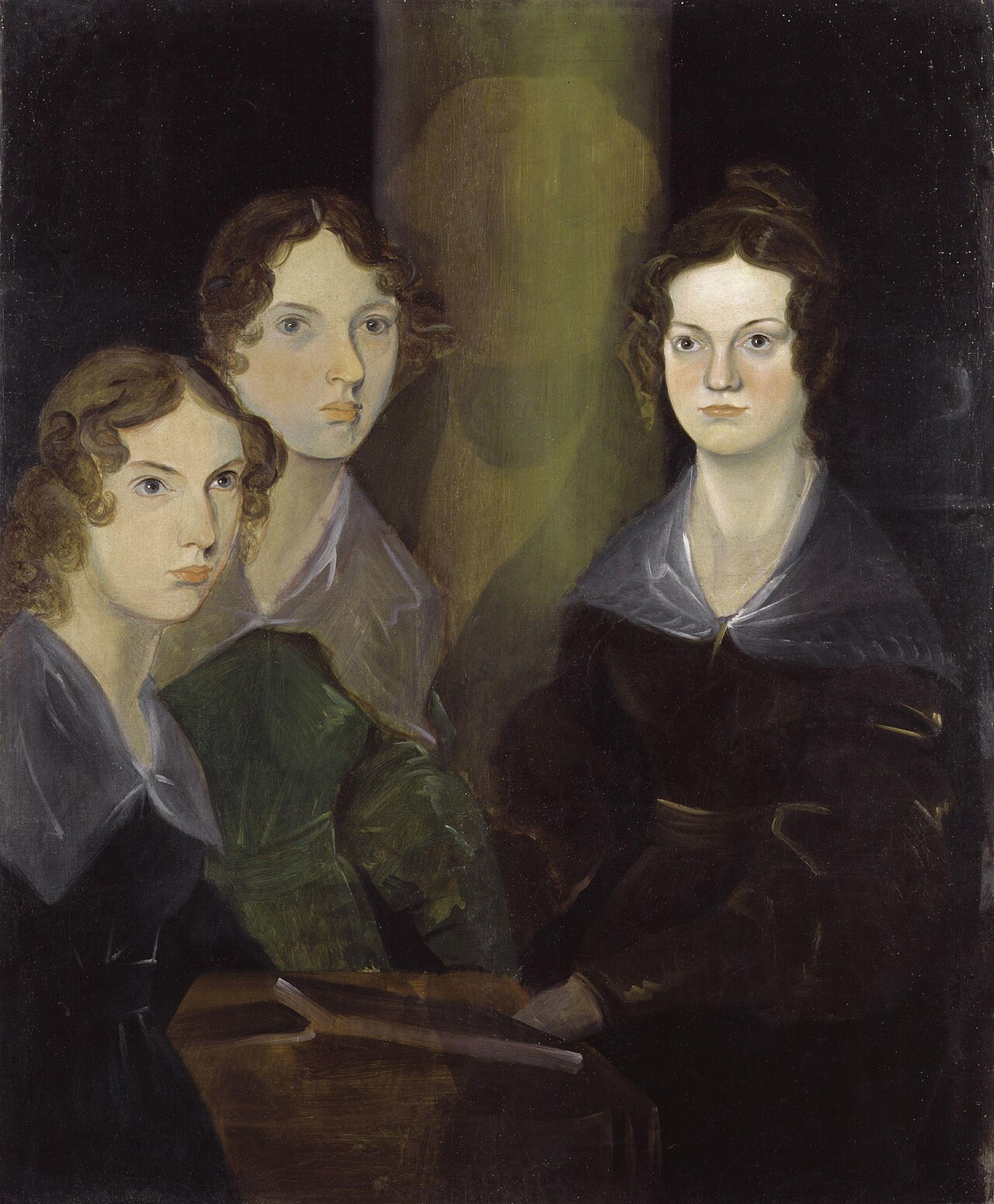 Painting
Primary source
The Brontë Sisters
Branwell Brontë · c. 1834
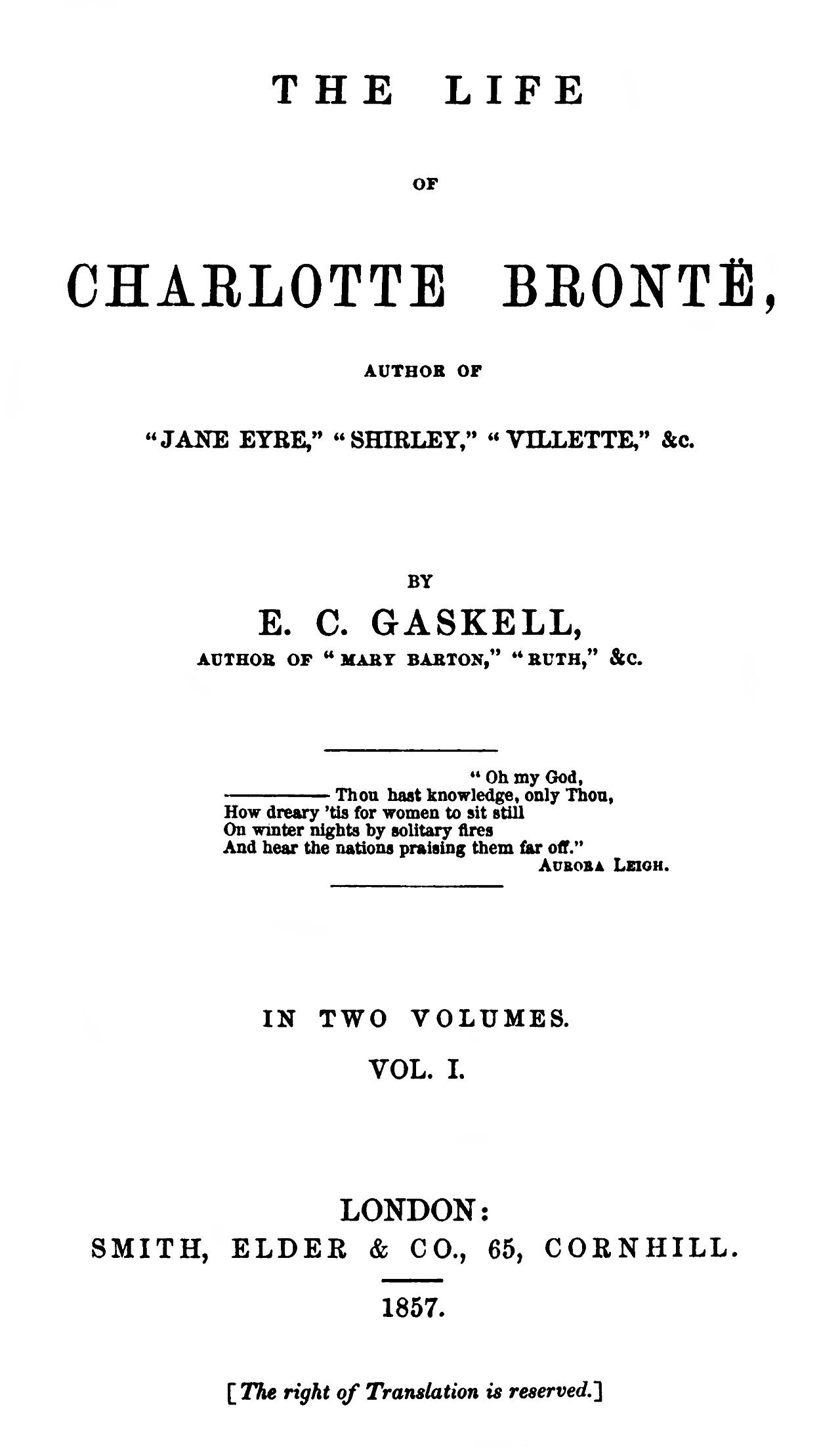 Book
Secondary source
The Life of Charlotte Brontë
Elizabeth Gaskell · 1857
 Book
Primary source
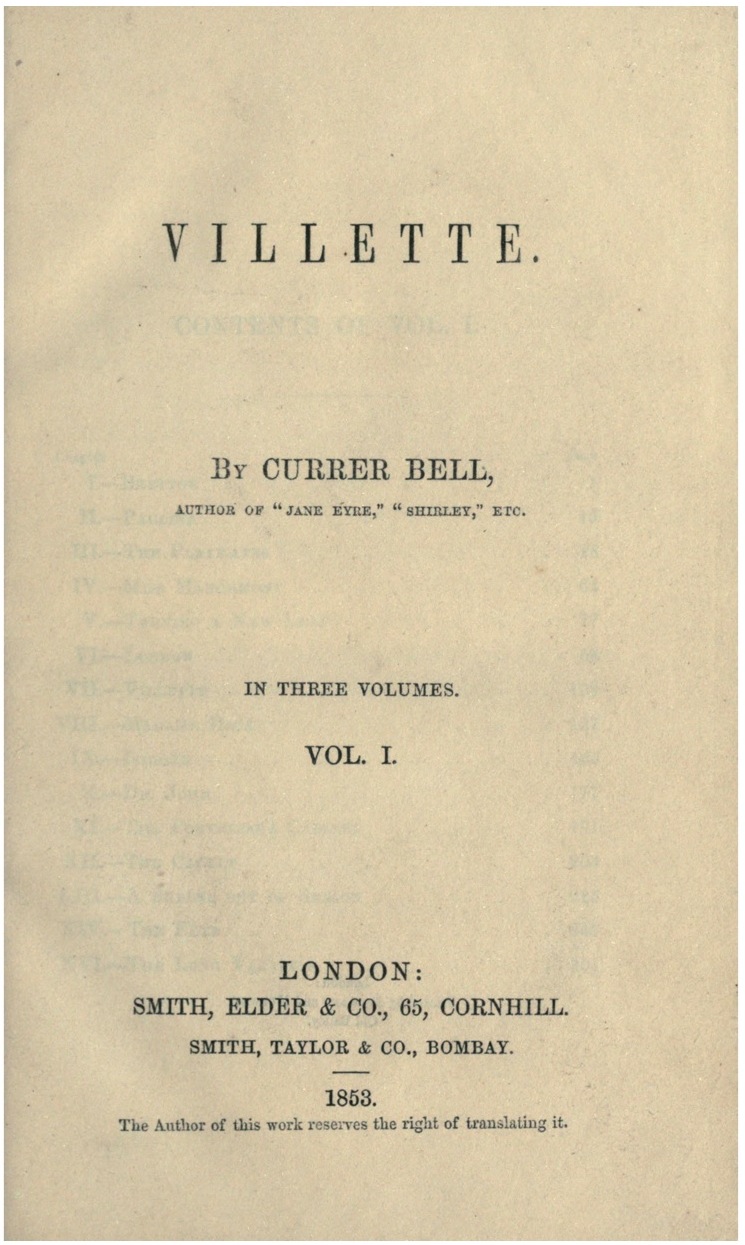
Villette
Charlotte Brontë · 1853
Ready when you are
Start chatting with Charlotte Brontë now.
20 messages free · No credit card · Available in 50+ languages.