


Secondary sourcePainting1904
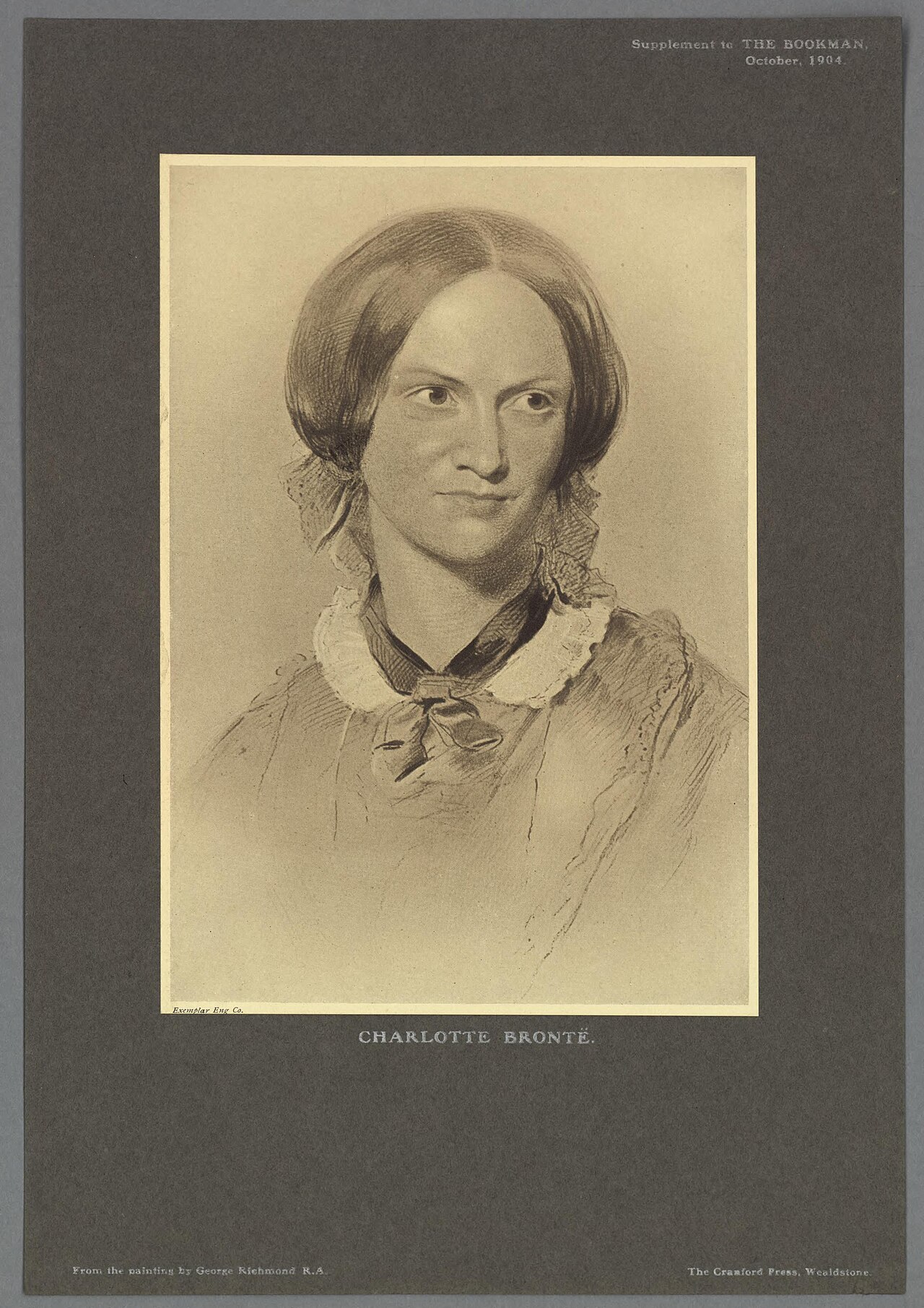
Charlotte Brontë, Photomechanical Print after George Richmond (1904)
George Richmond · 1904
A sepia photomechanical reproduction of George Richmond's portrait drawing of Charlotte Brontë, printed in 1904. It is held in the National Library of Wales portrait archive.
This 1904 print reproduces George Richmond's portrait of Charlotte Brontë, making her likeness widely available.
About this source
What it is
This is a sepia photomechanical print from 1904 that reproduces a pencil or chalk portrait by George Richmond. The original portrait is recorded as dating from 1850. The print shows a woman with dark hair parted in the centre, wearing a white lace collar, a dark ribbon tie and a lace cap, gazing sideways with a slight smile. It is printed on a dark grey mount with the caption 'Charlotte Brontë' below. The copy is part of the National Library of Wales portrait archive.
Why it matters
Richmond's 1850 portrait is one of the best-known images of Charlotte Brontë. Reproductions like this one carried her likeness into homes, schools and libraries after her death in 1855. Comparing a print with the original drawing shows how portraits were copied and circulated in the early twentieth century.
Look closer
- What details of clothing and hair does the print show, and what might they suggest about the time?
- Why might a library keep a reproduction instead of the original drawing?
- What does a single portrait leave out about how Brontë lived and worked?
This painting is part of the curated material that grounds the AI version of Charlotte Brontë on Humy.ai — when students ask about related events, the AI can quote it and cite it.
More Charlotte Brontë sources
Meet the AI Charlotte Brontë →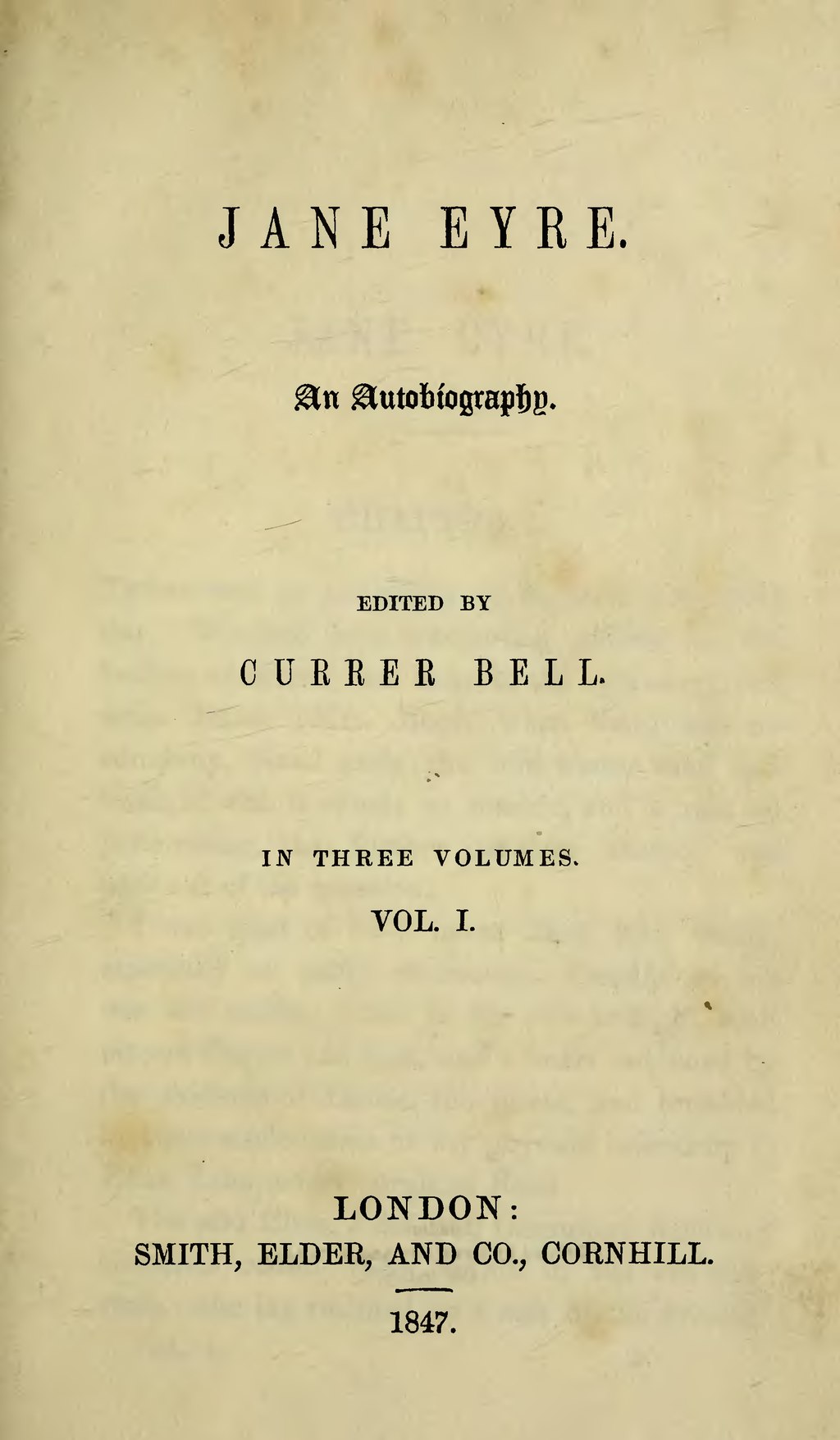 Book
Primary source
Jane Eyre
Charlotte Brontë · 1847
 Painting
Primary source
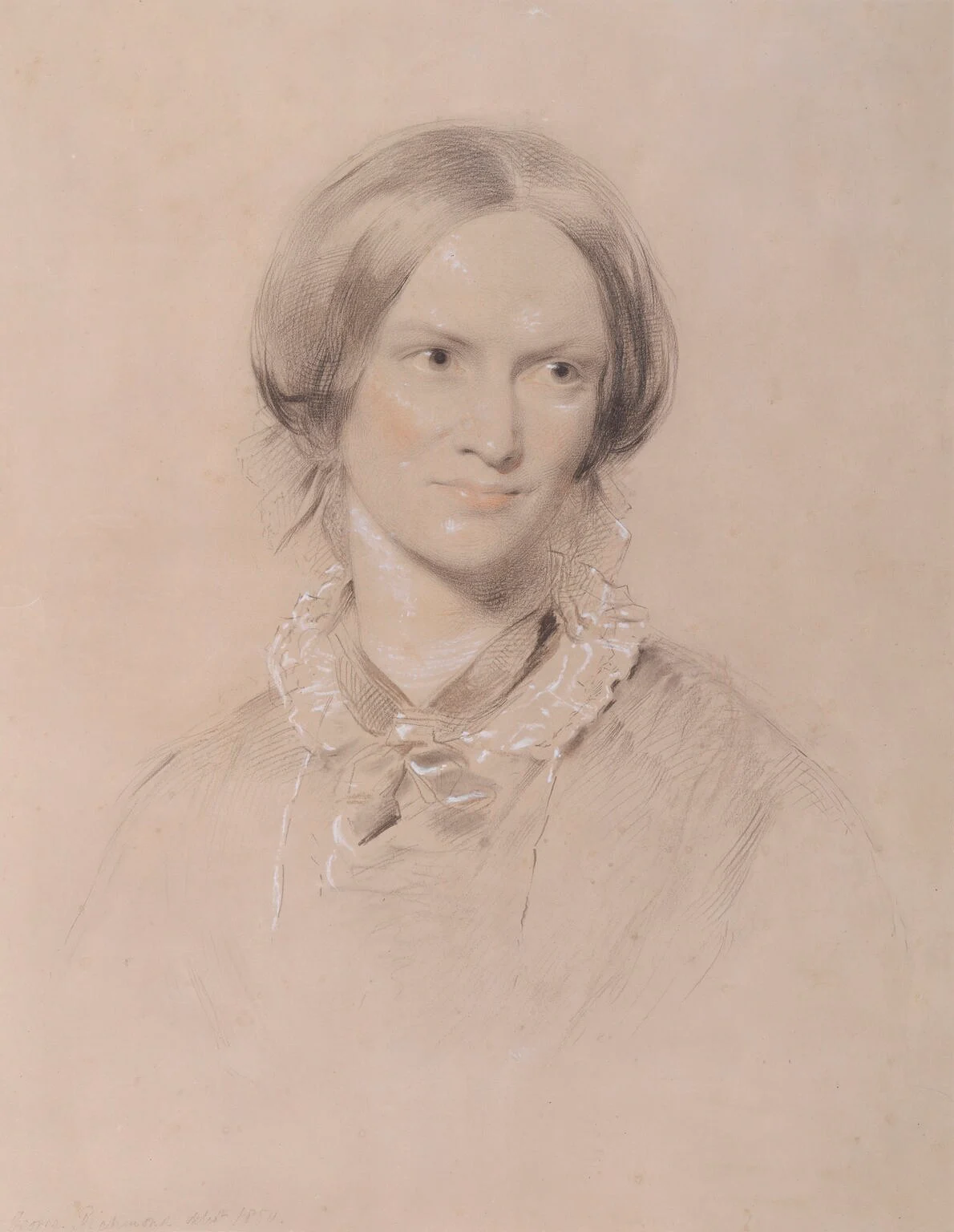
Charlotte Brontë (chalk portrait by George Richmond)
George Richmond · 1850
 Painting
Primary source
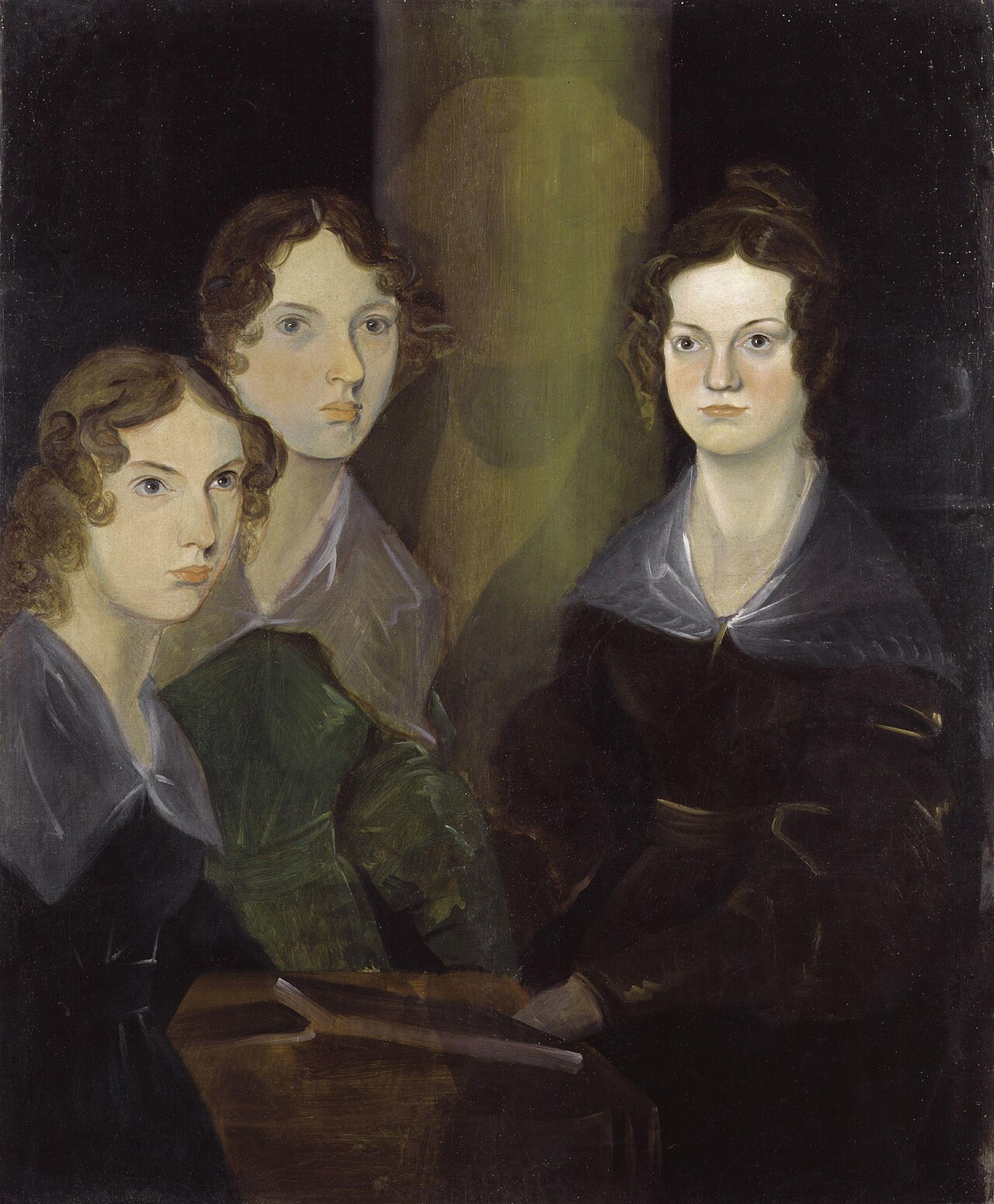
The Brontë Sisters
Branwell Brontë · c. 1834
 Book
Secondary source
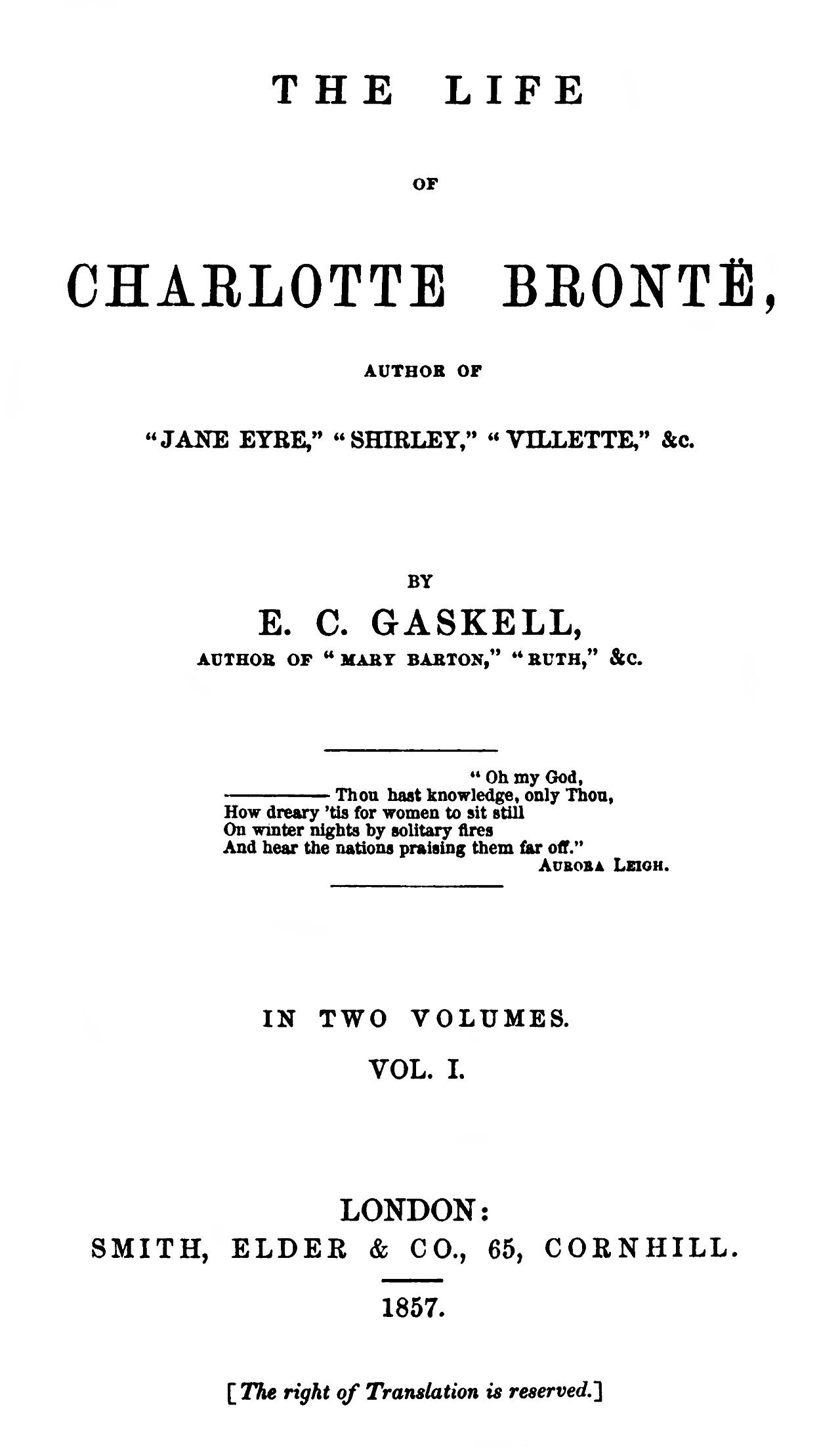
The Life of Charlotte Brontë
Elizabeth Gaskell · 1857
 Book
Primary source
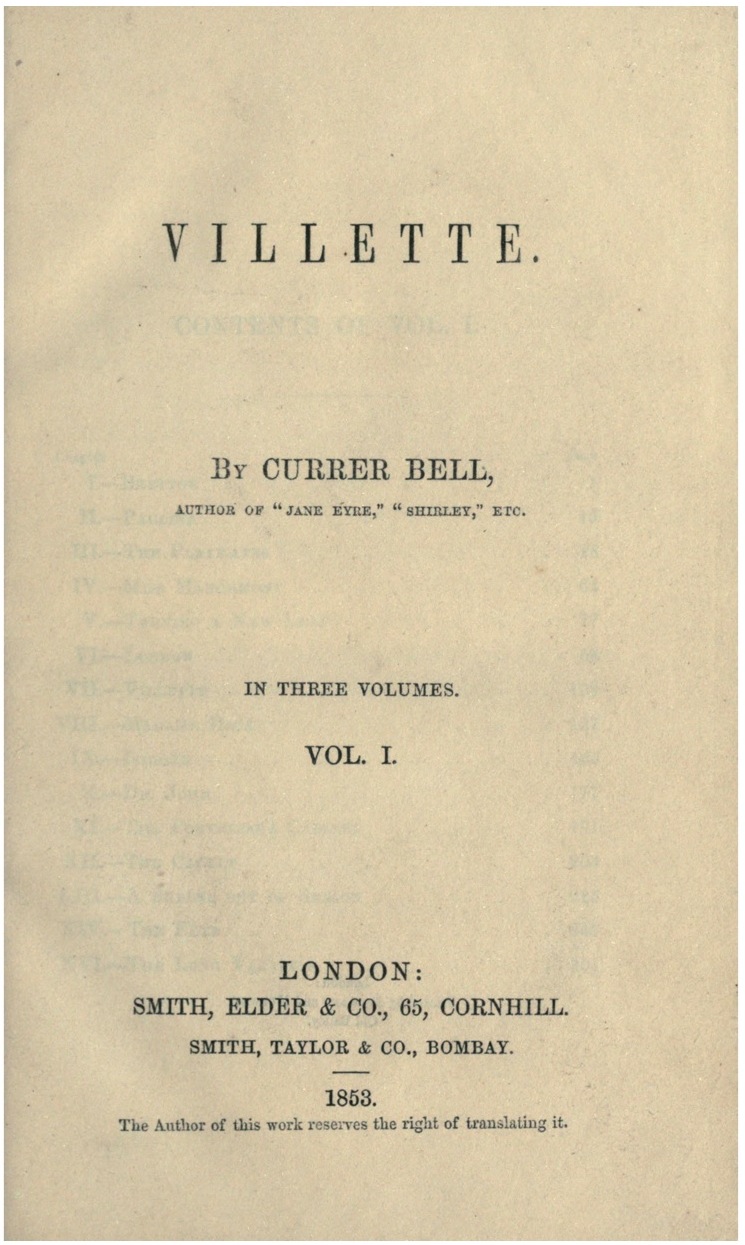
Villette
Charlotte Brontë · 1853
Ready when you are
Start chatting with Charlotte Brontë now.
20 messages free · No credit card · Available in 50+ languages.