


Secondary sourcePainting1787
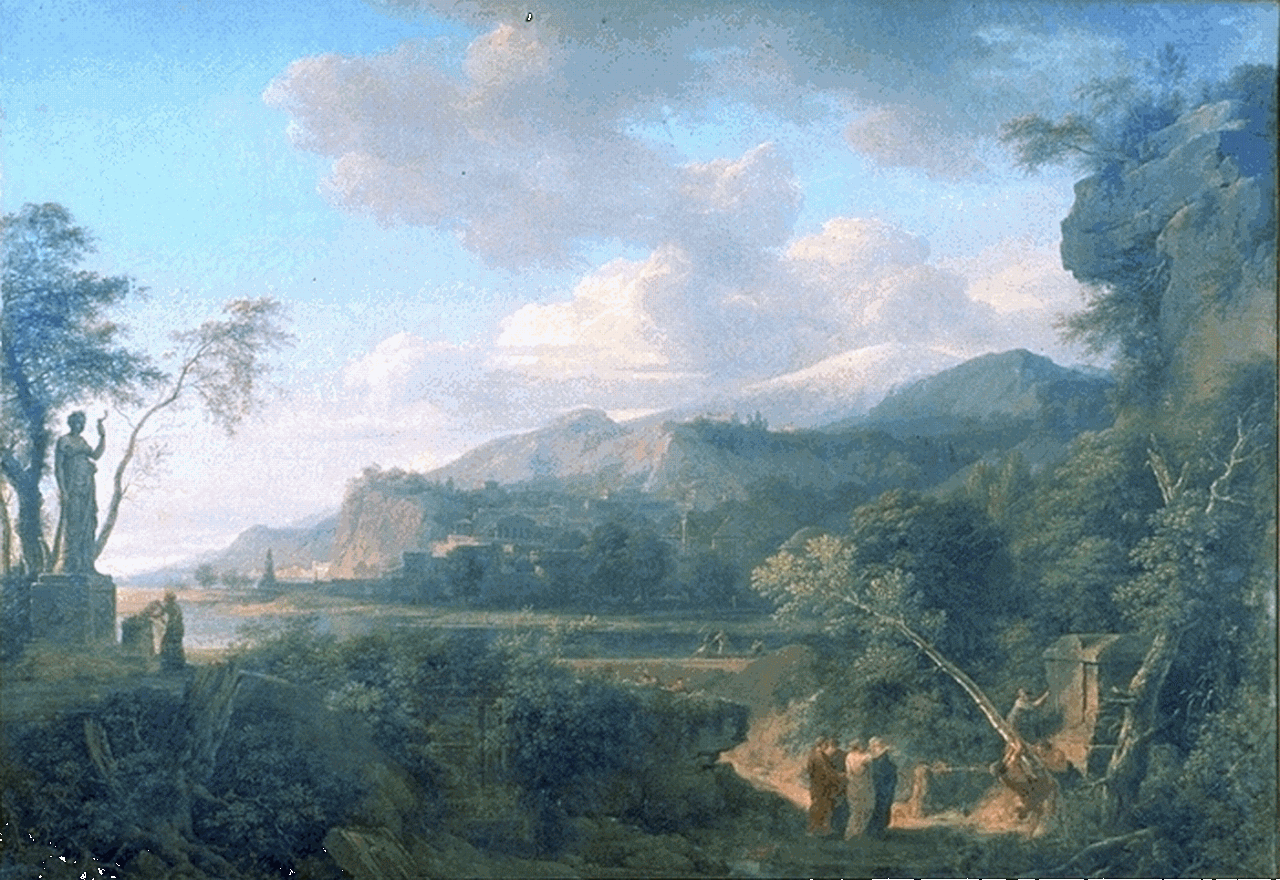
Cicero Discovering the Tomb of Archimedes
Pierre-Henri de Valenciennes · 1787
A 1787 painting showing Cicero finding the neglected tomb of Archimedes, as Cicero himself described.
This later painting depicts a story Cicero told about himself, discovering Archimedes' tomb as quaestor in Sicily.
About this source
What it is
This painting by Pierre-Henri de Valenciennes, made in 1787, shows a classical landscape with figures near a ruined tomb. It is now held in the Department of Paintings of the Louvre.
Why it matters
The scene illustrates a story Cicero told about himself in his work the Tusculan Disputations: while serving as quaestor in Sicily, he searched for and found the forgotten tomb of the mathematician Archimedes. The painting, made more than 1,800 years after Cicero's lifetime, shows how later European artists used Cicero's own writings to imagine and celebrate moments from Roman history and the value placed on learning and memory.
Look closer
- Why would an 18th-century painter choose this particular story about Cicero to paint?
- How does the artist use landscape and ruins to tell the story?
- Since this painting was made centuries after Cicero, what does it tell us about later admiration for him rather than about the event itself?
This painting is part of the curated material that grounds the AI version of Cicero on Humy.ai — when students ask about related events, the AI can quote it and cite it.
More Cicero sources
Meet the AI Cicero →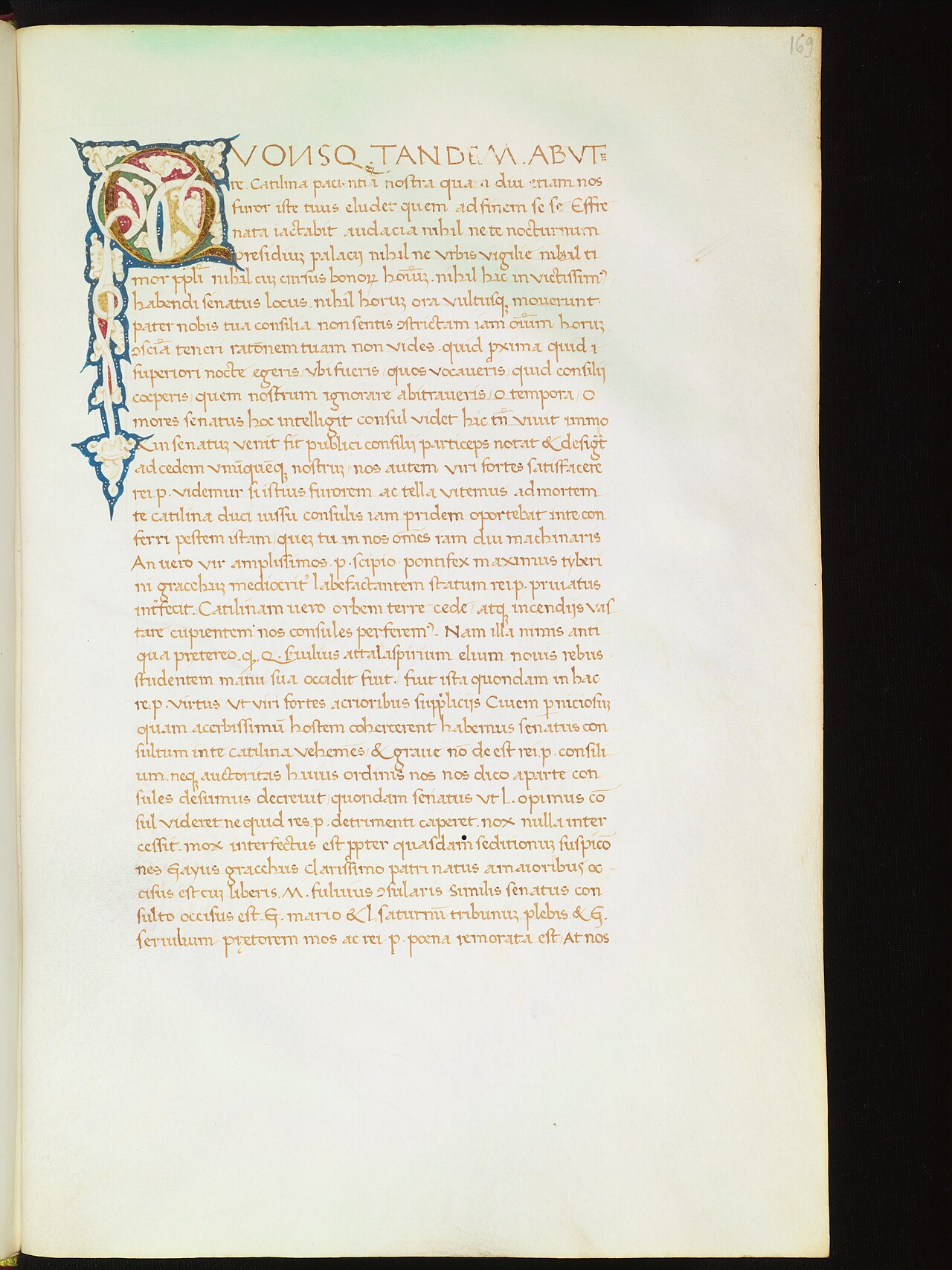 Speech
Primary source
Catiline Orations
Cicero · 63 BCE
 Painting
Secondary source
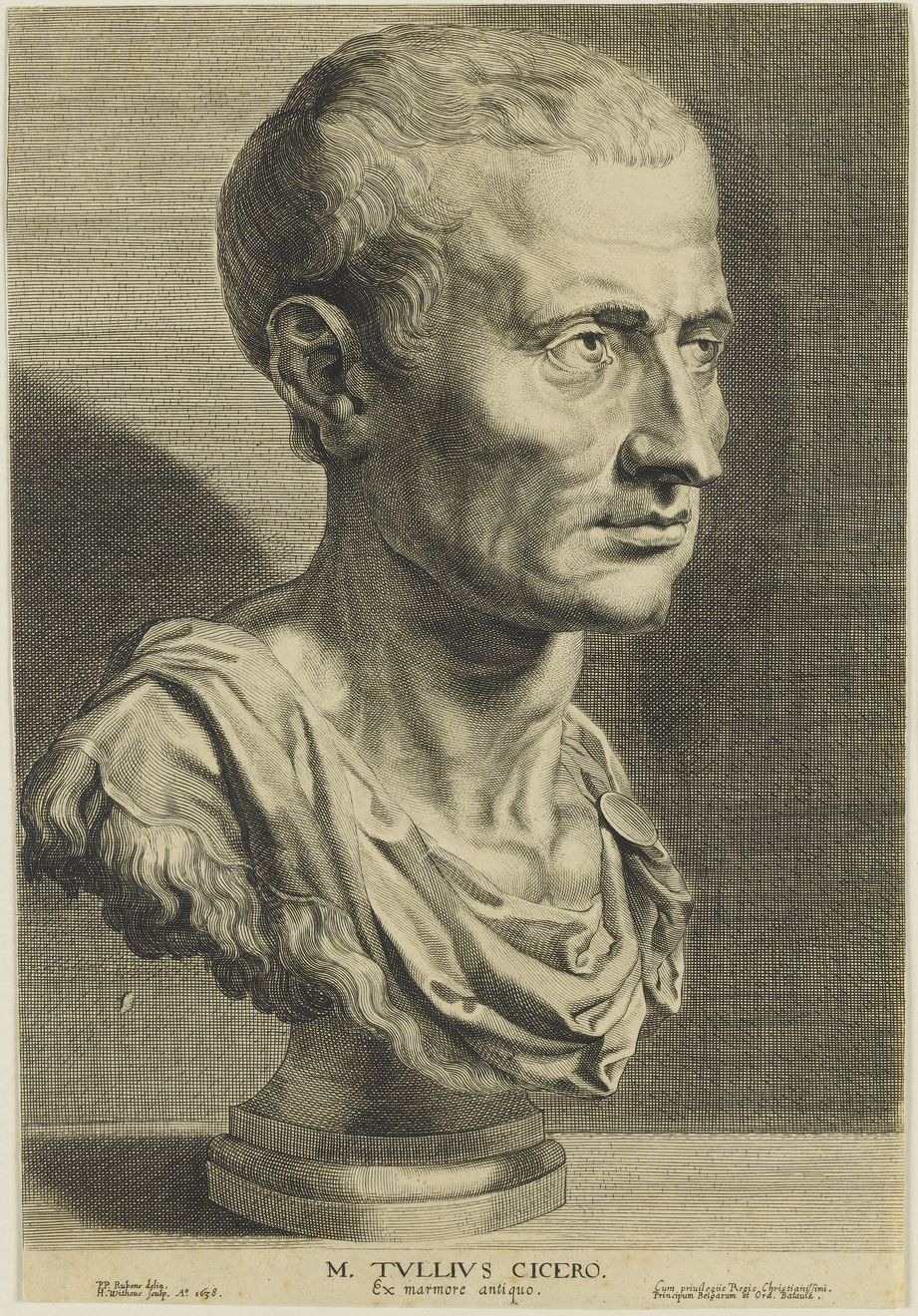
Marcus Tullius Cicero, engraved after antique marble busts
Jan Witdoeck
 Book
Primary source
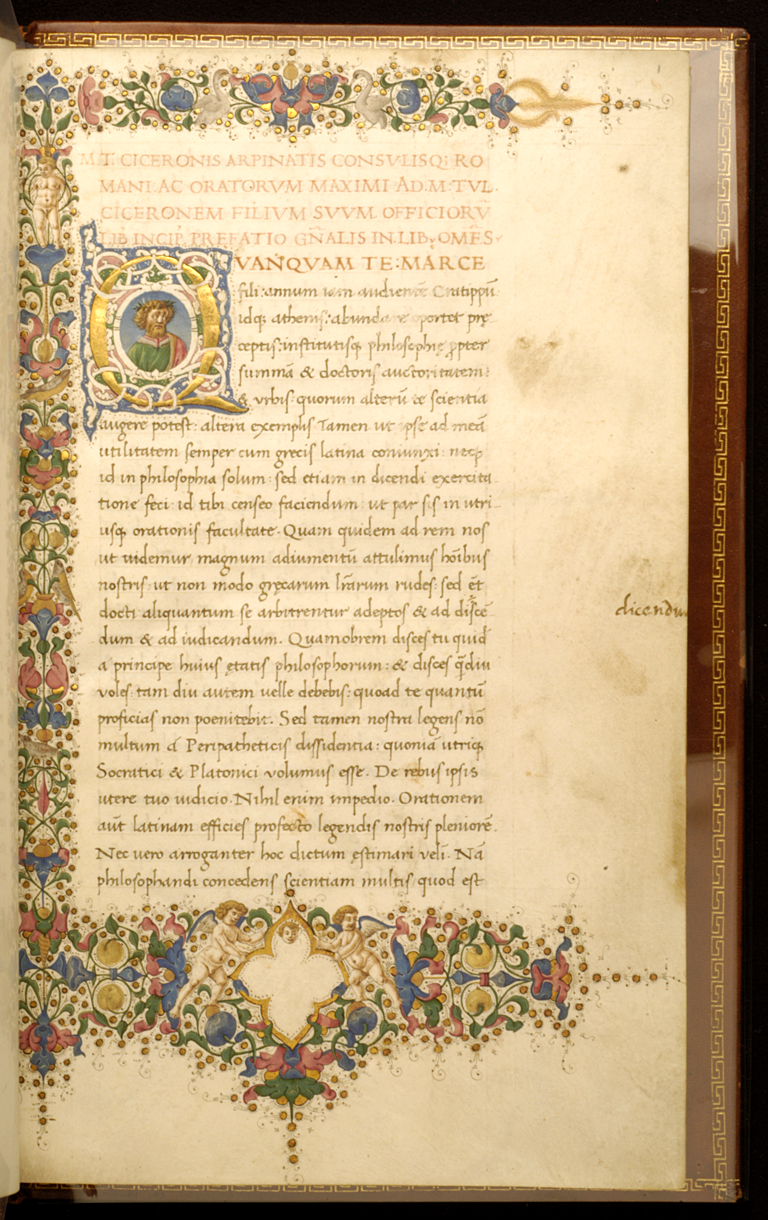
De Officiis
Cicero · 44 BC
 Painting
Secondary source
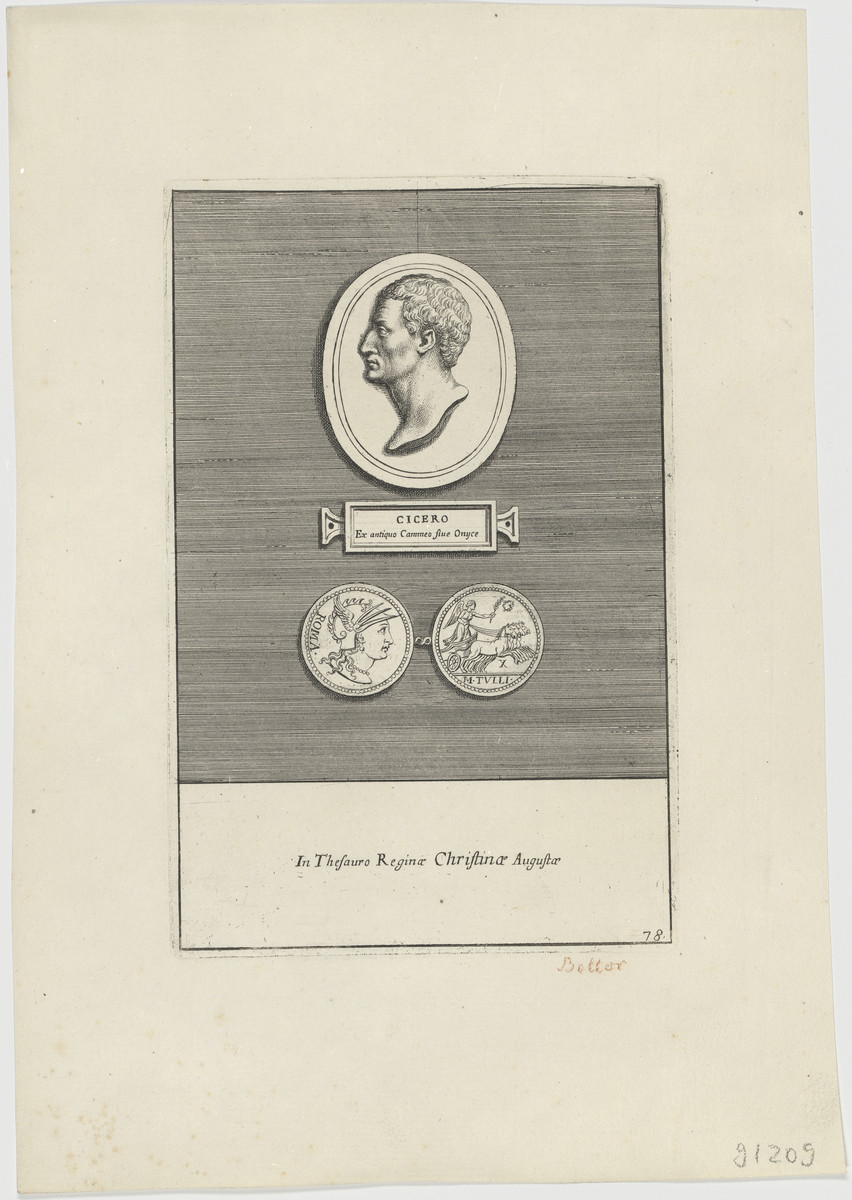
Portrait of Cicero (Bildnis des Cicero)
 Book
Primary source
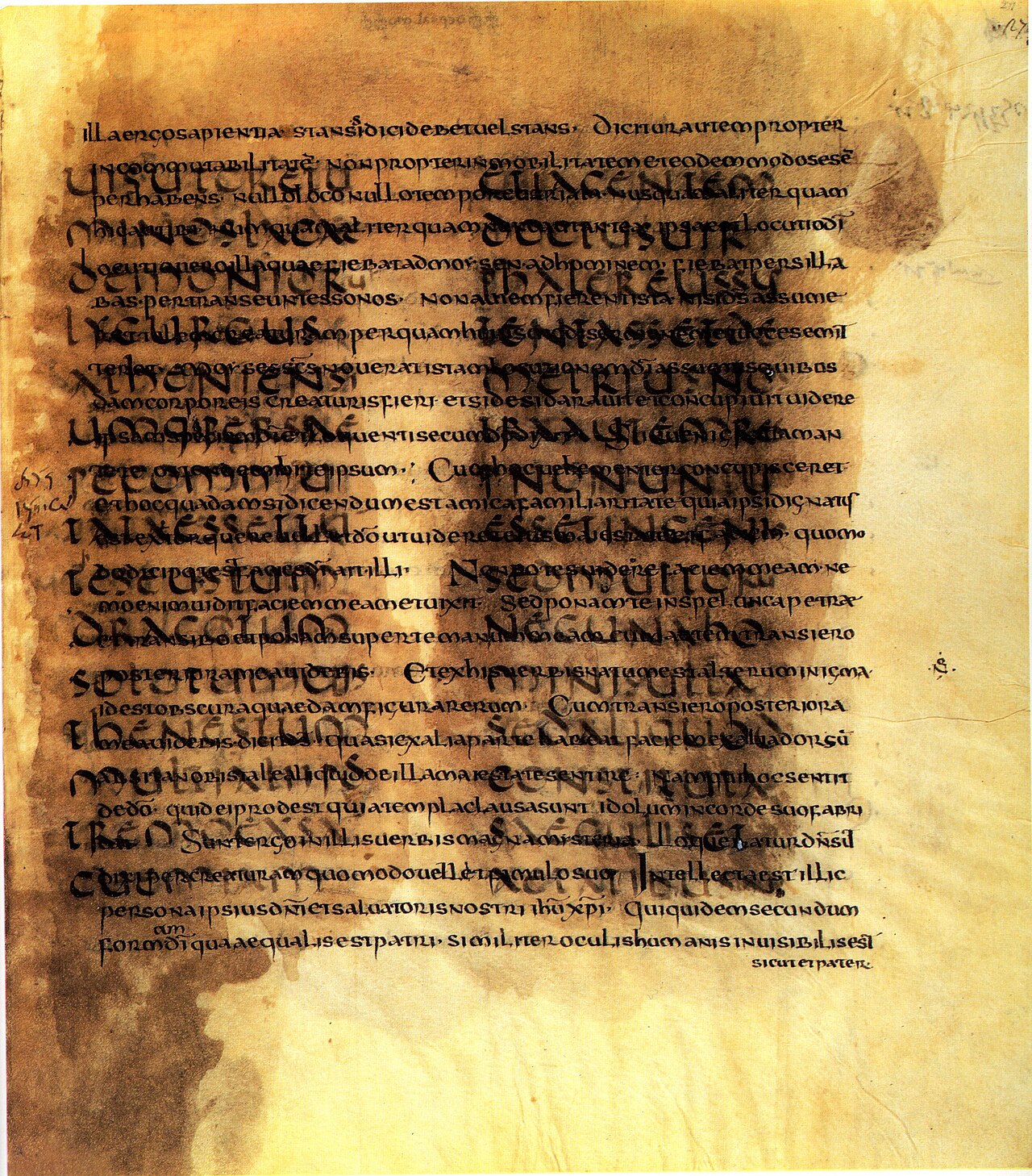
De re publica
Cicero · c. 54–51 BC
Ready when you are
Start chatting with Cicero now.
20 messages free · No credit card · Available in 50+ languages.