


Primary sourceDocument1425
Cicero's Fourth Catilinarian Oration in Poggio's Manuscript
Poggio Bracciolini · 1425
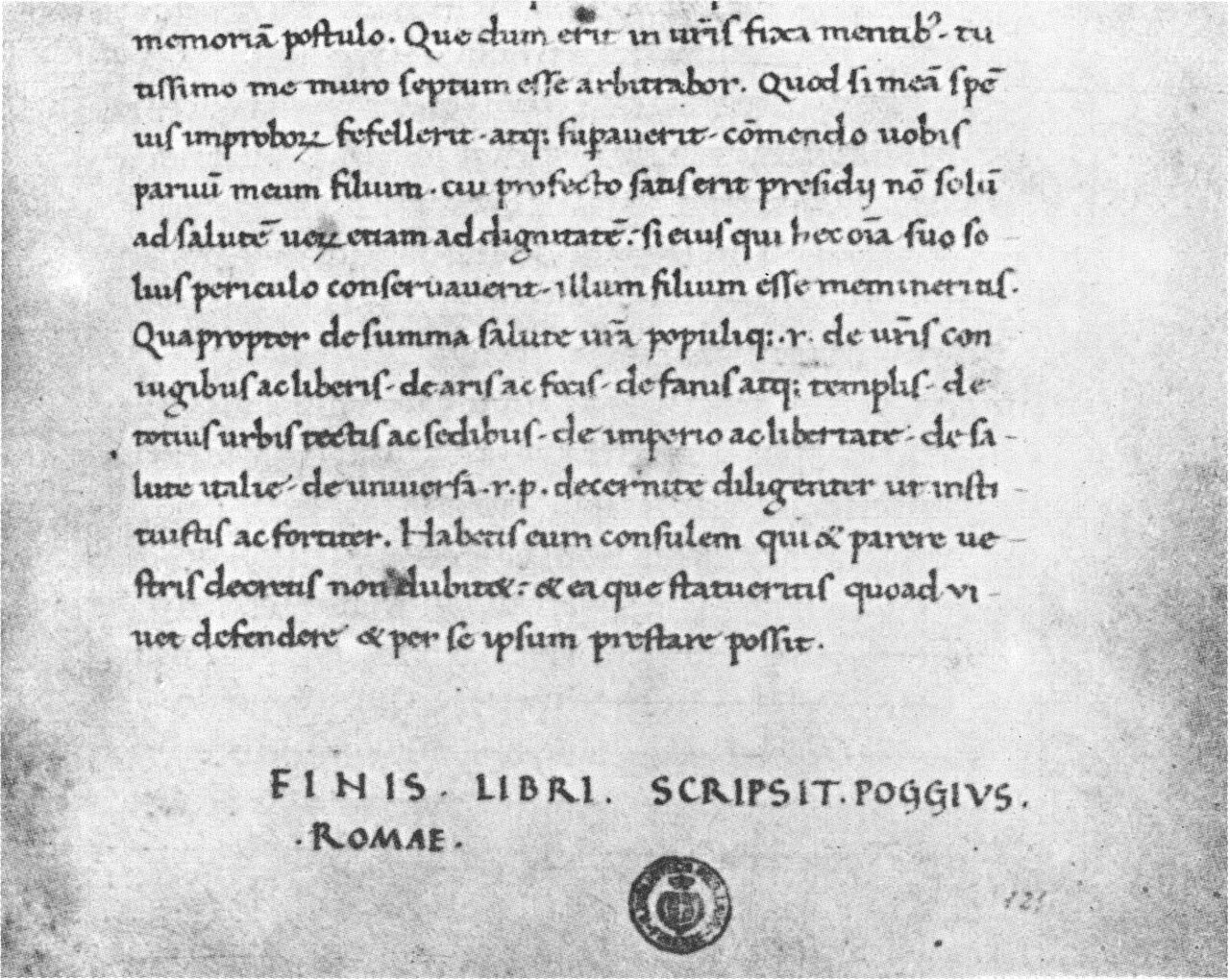
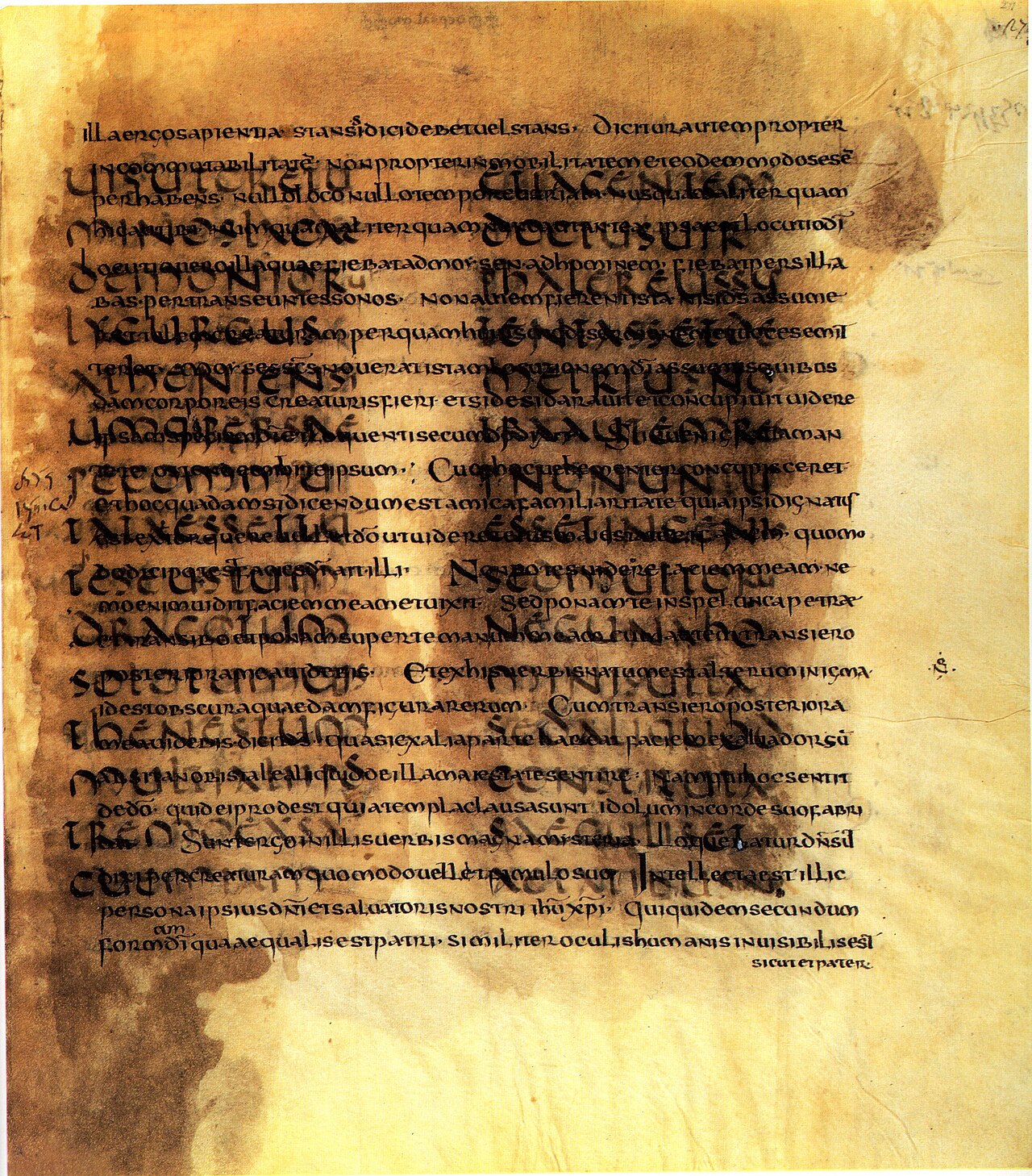
A 1425 manuscript copy of the ending of Cicero's Fourth Catilinarian Oration, written by Poggio Bracciolini.
This manuscript preserves the ending of one of Cicero's own speeches, copied by a Renaissance scholar.
About this source
What it is
This is a page from a manuscript made in 1425 containing the end of Cicero's Fourth Catilinarian Oration, one of his famous speeches against the conspirator Catiline. It was copied by the humanist scholar Poggio Bracciolini in Florence, and is now held in the Biblioteca Medicea Laurenziana. The page ends with a colophon stating it was written by Poggio in Rome.
Why it matters
This manuscript shows how Renaissance scholars like Poggio Bracciolini copied and preserved ancient Roman texts by hand, helping Cicero's speeches survive and circulate centuries after he delivered them. It connects Cicero's own words to the later humanist movement that revived interest in classical Latin literature.
Look closer
- What does the handwriting style tell us about when and where this copy was made?
- Why would a scholar like Poggio choose to copy Cicero's speeches by hand?
- What might be lost or changed when a speech is copied by hand many years after it was first given?
This document is part of the curated material that grounds the AI version of Cicero on Humy.ai — when students ask about related events, the AI can quote it and cite it.
More Cicero sources
Meet the AI Cicero →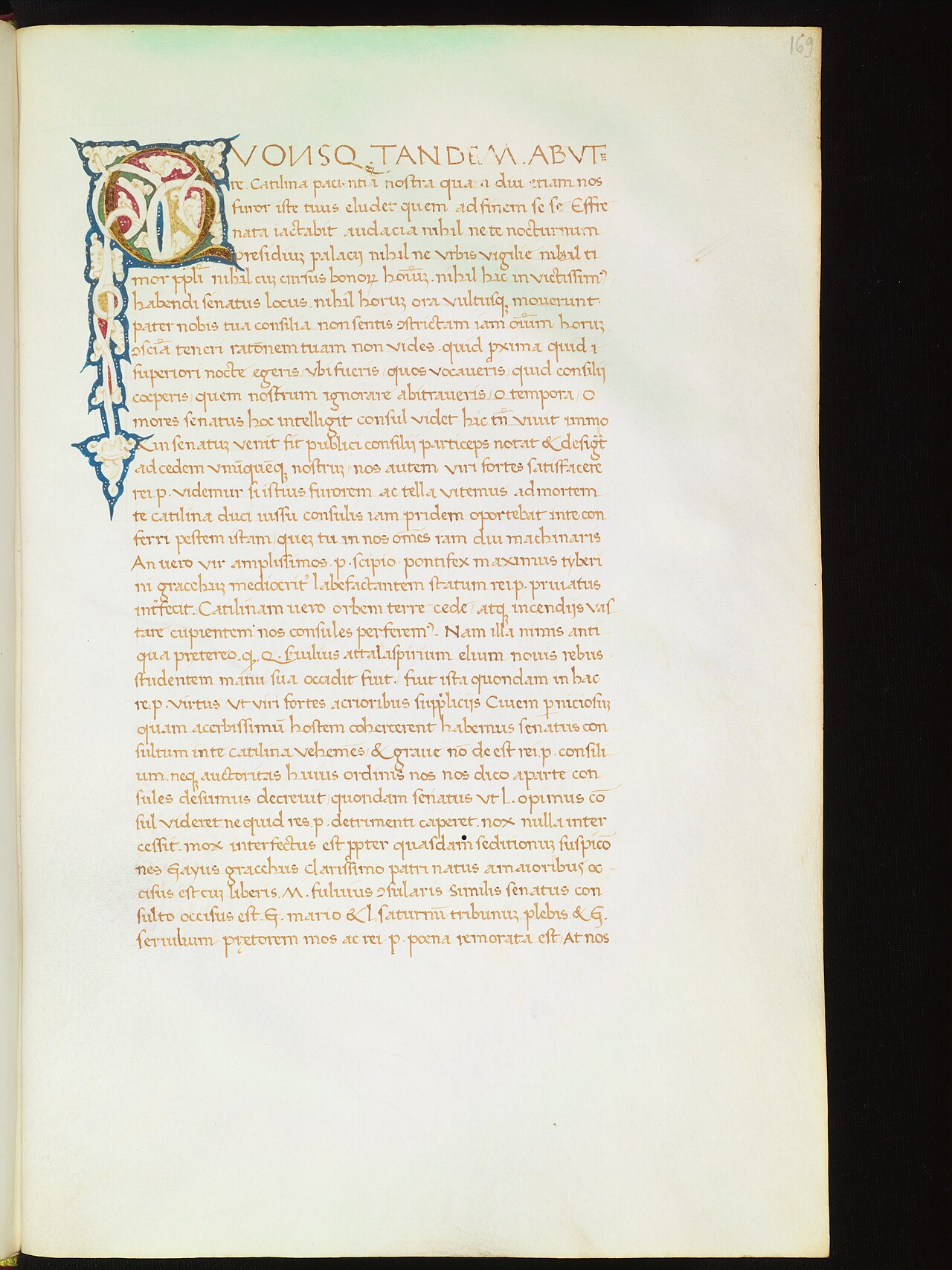 Speech
Primary source
Catiline Orations
Cicero · 63 BCE
 Painting
Secondary source
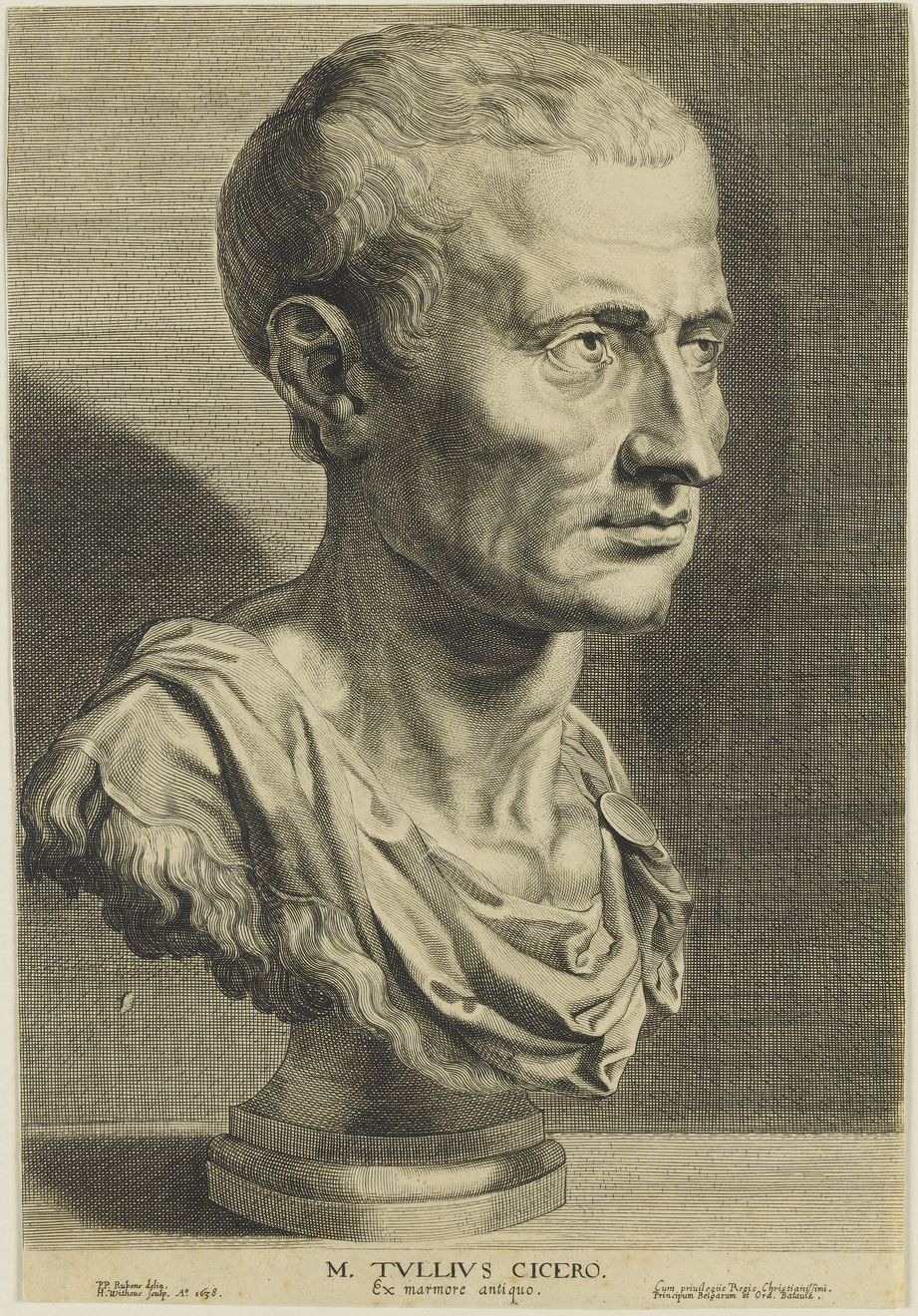
Marcus Tullius Cicero, engraved after antique marble busts
Jan Witdoeck
 Book
Primary source
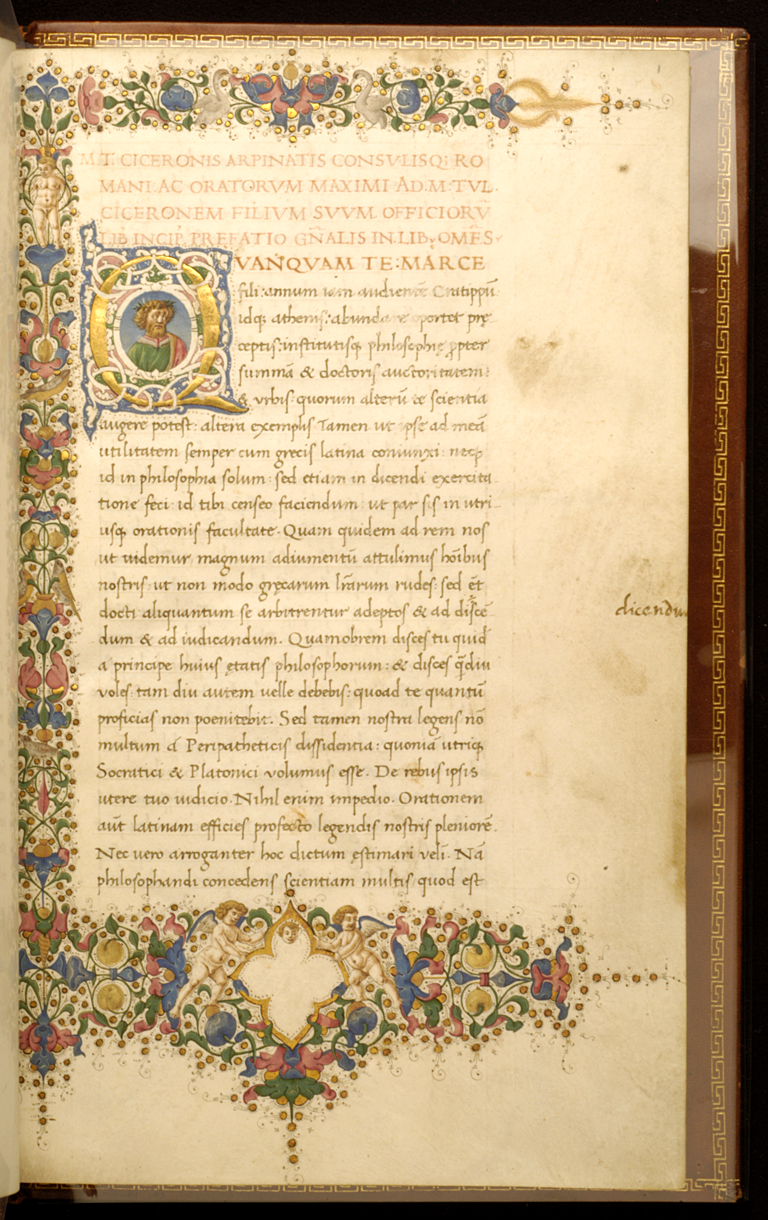
De Officiis
Cicero · 44 BC
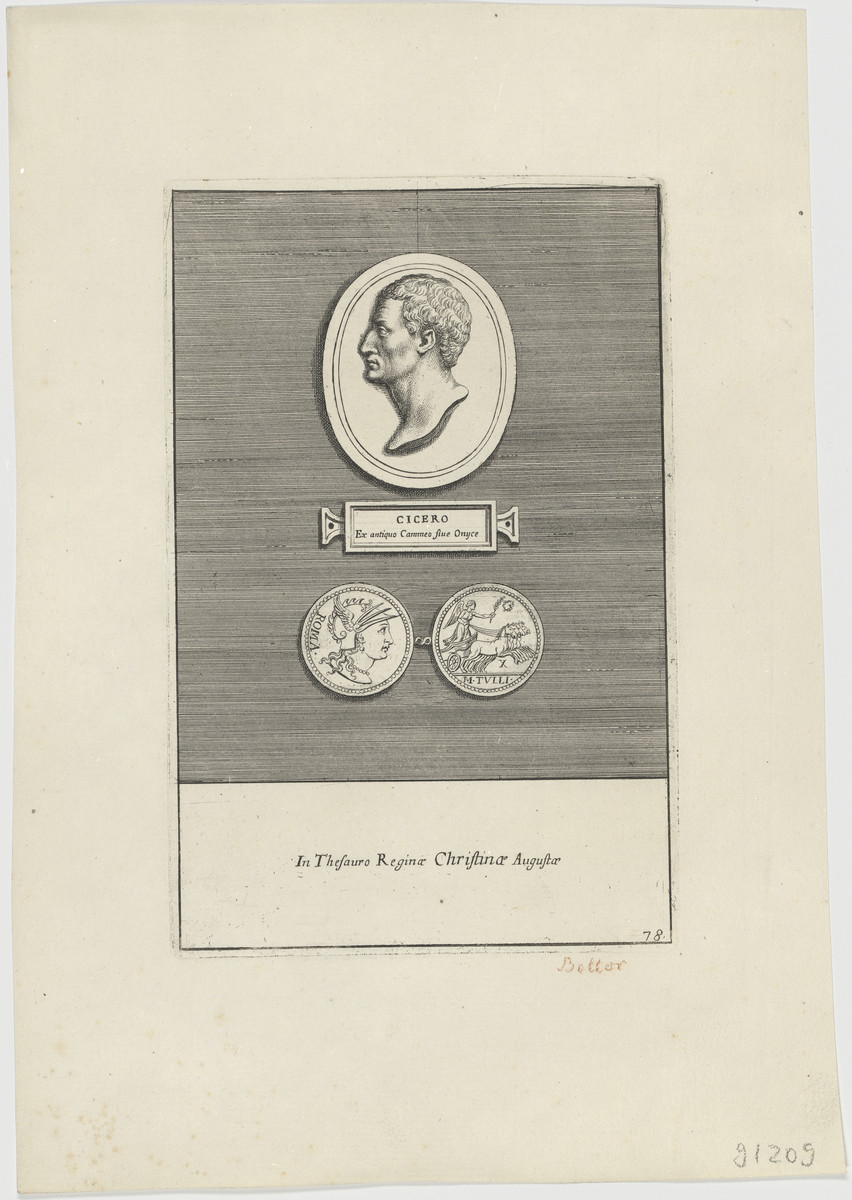 Painting
Secondary source
Portrait of Cicero (Bildnis des Cicero)
 Book
Primary source
De re publica
Cicero · c. 54–51 BC
Ready when you are
Start chatting with Cicero now.
20 messages free · No credit card · Available in 50+ languages.