


Primary sourceDocumentOctober 1791
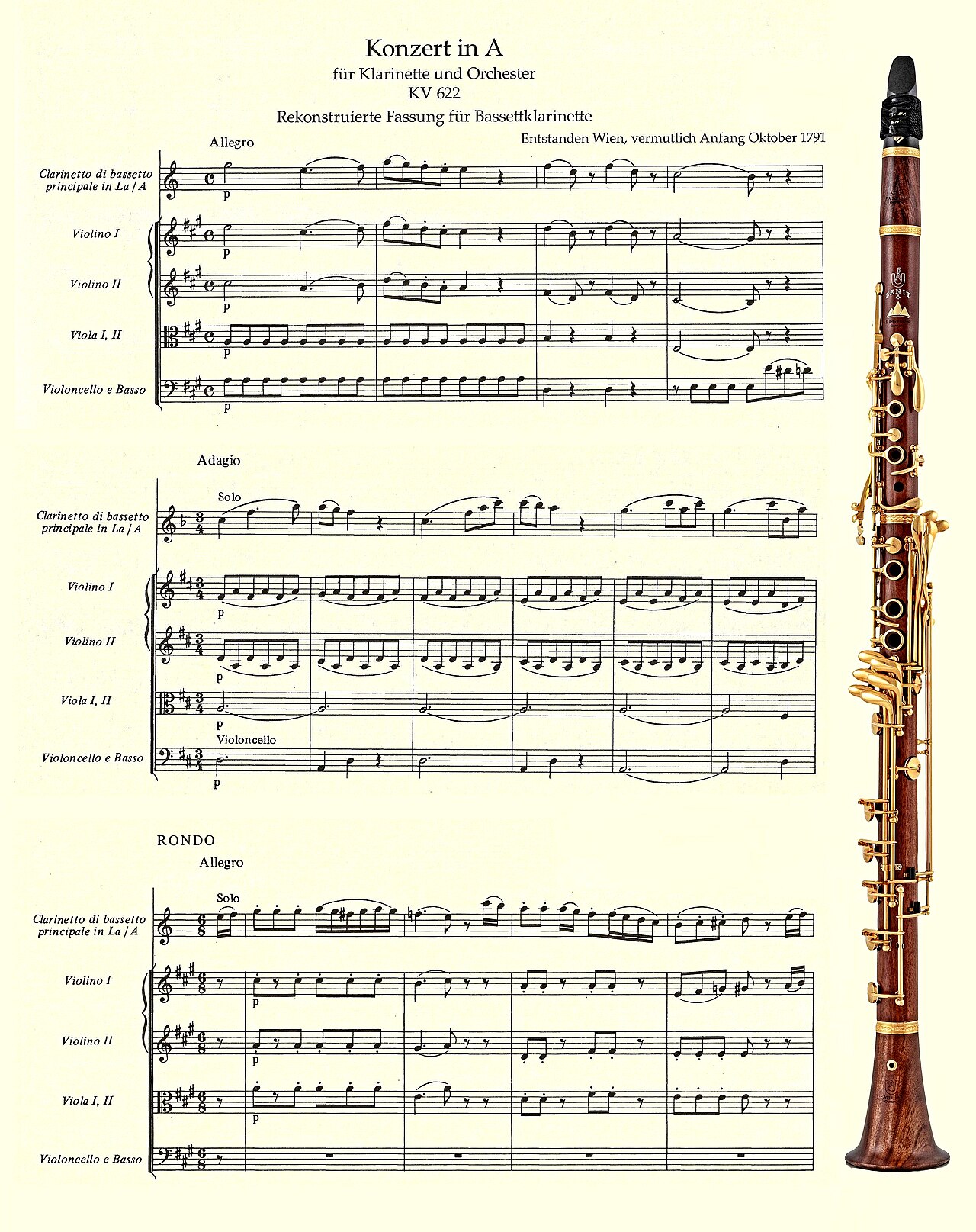
Clarinet Concerto in A major, K. 622
Wolfgang Amadeus Mozart · October 1791
One of Mozart's final completed works, written in 1791 for his friend the clarinettist Anton Stadler and the newly invented basset clarinet.
Mozart composed this concerto, one of his last works, for his close friend the clarinettist Anton Stadler.
About this source
What it is
This concerto was completed by Wolfgang Amadeus Mozart in October 1791 for the clarinettist Anton Stadler, who co-invented the basset clarinet, an instrument with an extended lower range. The original manuscript score is lost; the work survives through posthumous published editions.
Why it matters
Composed only weeks before Mozart's death, the concerto has been called his instrumental swan song. It reflects his close friendship with Stadler and his interest in new instrumental technology, and continues to inspire modern reconstructions using specially built basset clarinets.
Look closer
- Why might a composer write a concerto for a brand-new, rare instrument instead of a common one?
- What problems arise for performers and historians when an original manuscript is lost?
- What does the loss of the manuscript and later reconstruction attempts tell us about how music history gets pieced together?
This document is part of the curated material that grounds the AI version of Wolfgang Amadeus Mozart on Humy.ai — when students ask about related events, the AI can quote it and cite it.
More Wolfgang Amadeus Mozart sources
Meet the AI Wolfgang Amadeus Mozart →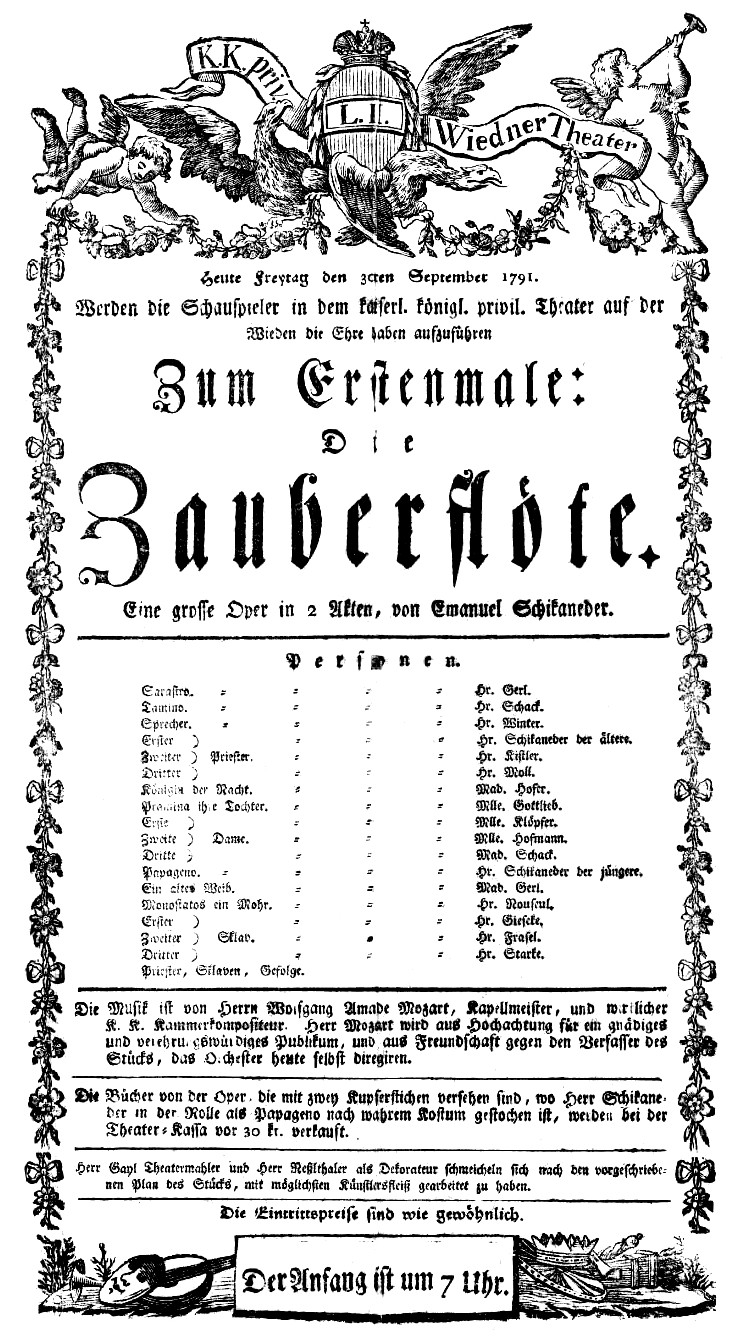 Document
Primary source
The Magic Flute
Wolfgang Amadeus Mozart · 1791
 Photograph
Secondary source
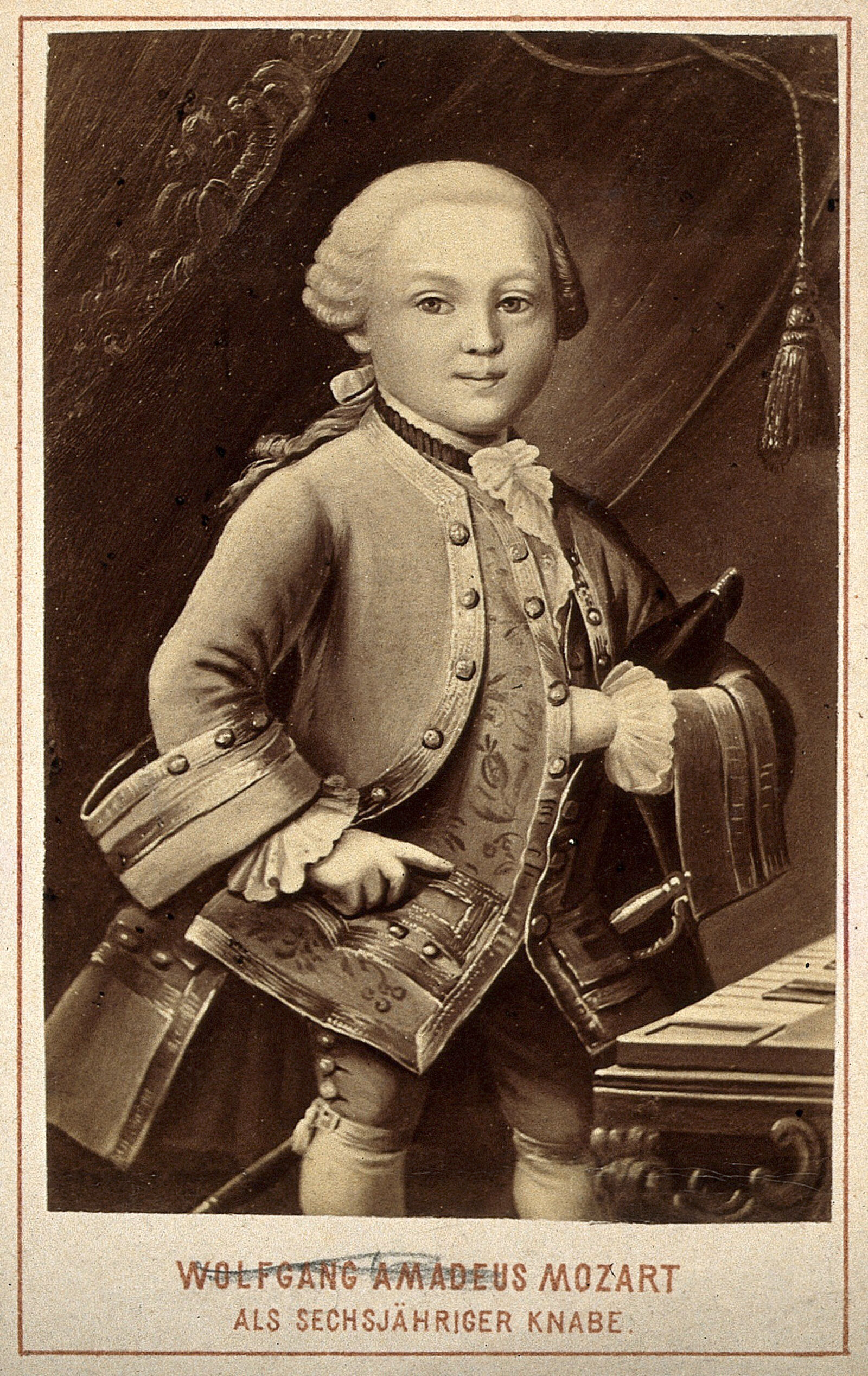
Wolfgang Amadeus Mozart at the age of six
A. Lenisch
 Document
Primary source
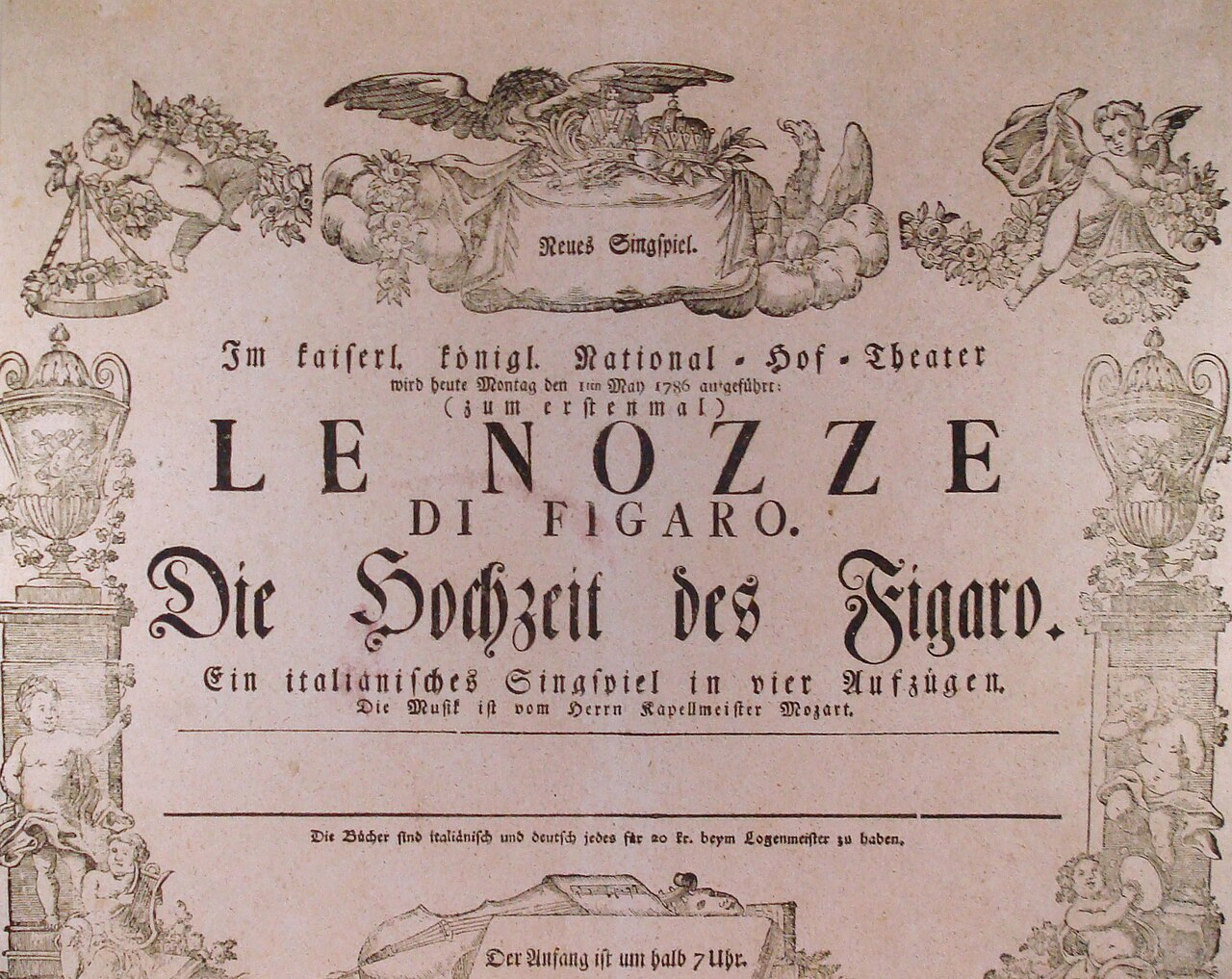
The Marriage of Figaro
Wolfgang Amadeus Mozart · 1786
 Document
Primary source
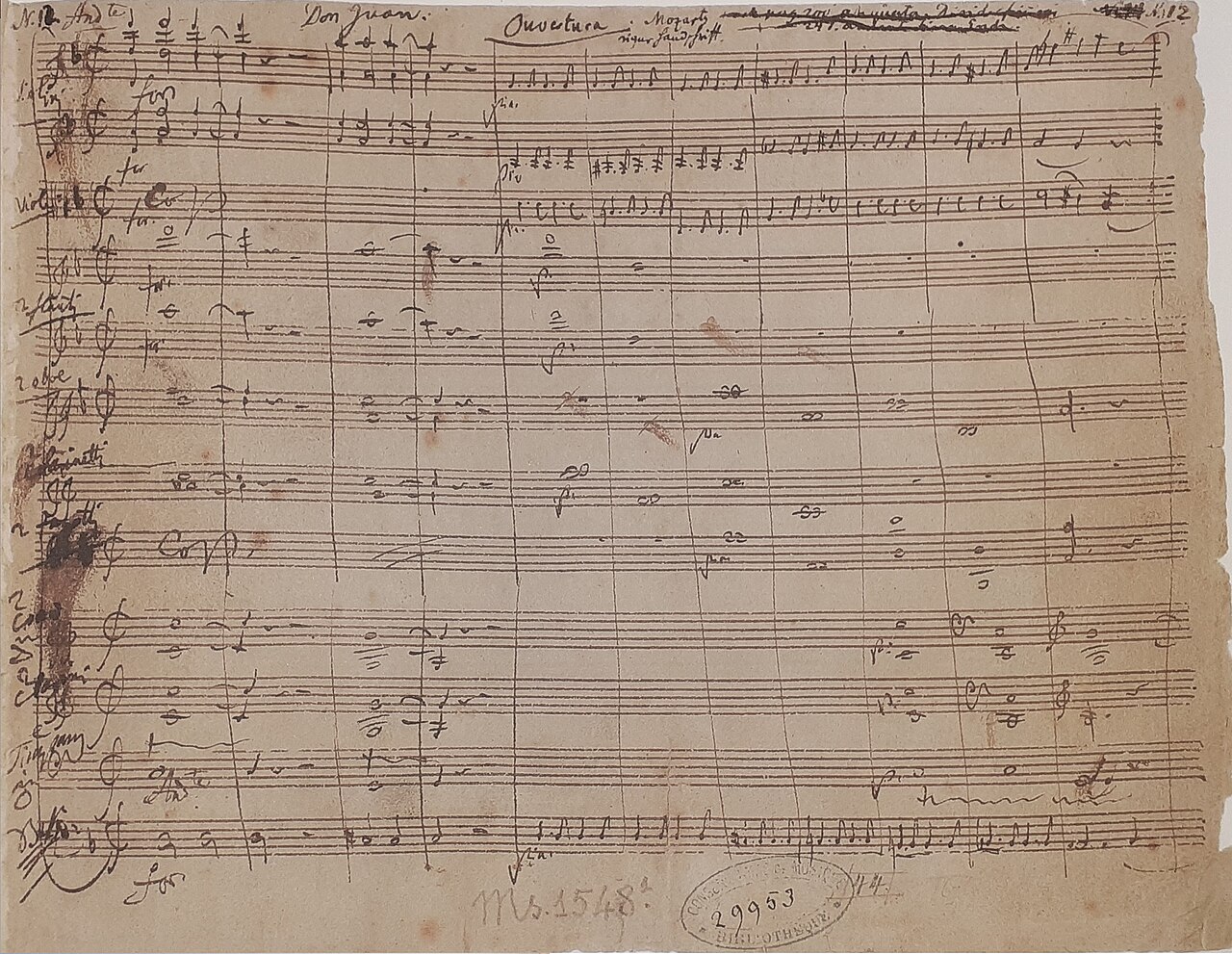
Don Giovanni
Wolfgang Amadeus Mozart · 1787
 Document
Primary source
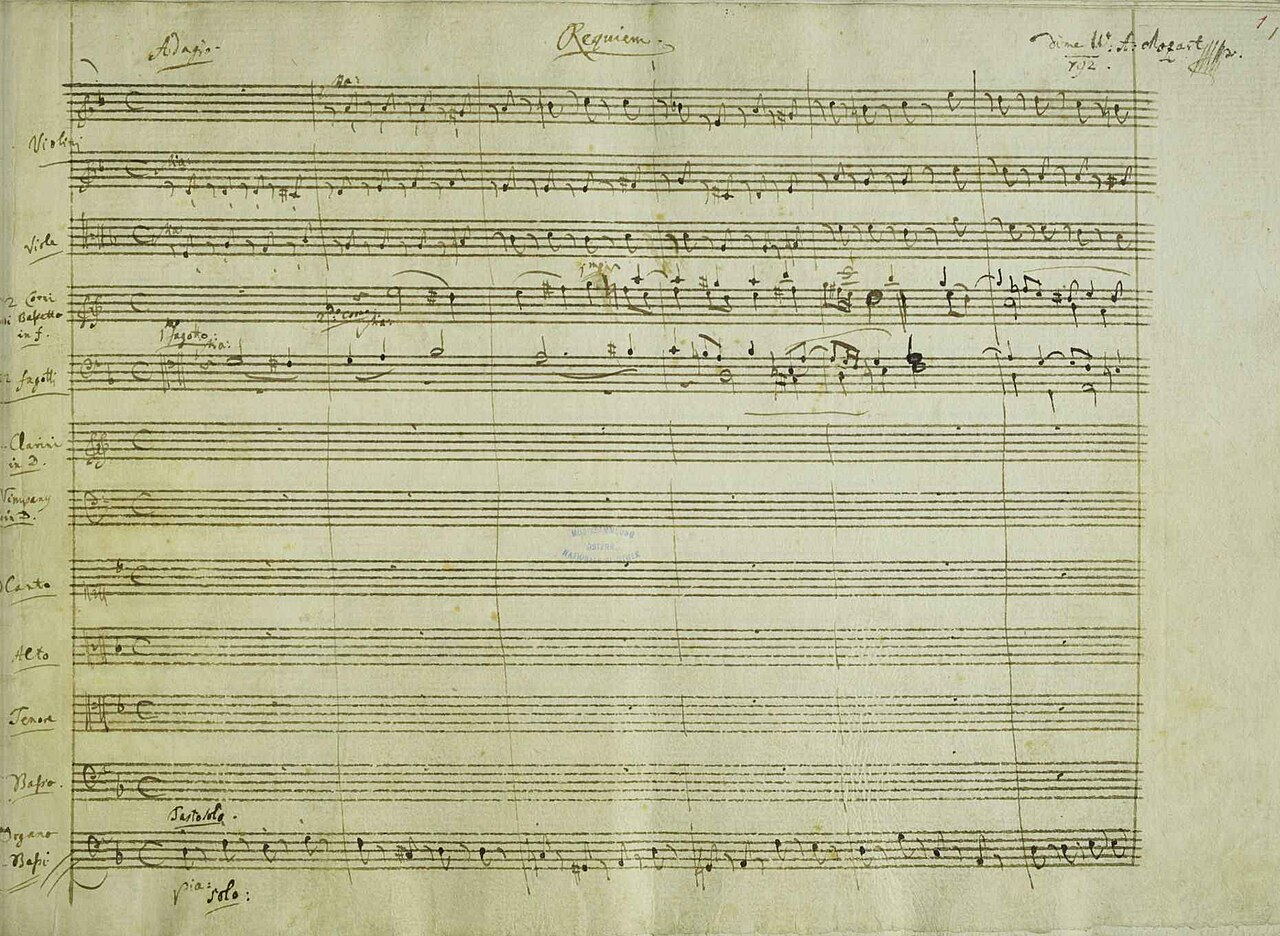
Requiem
Wolfgang Amadeus Mozart · 1791
Ready when you are
Start chatting with Wolfgang Amadeus Mozart now.
20 messages free · No credit card · Available in 50+ languages.