


Secondary sourceBookc. 400 BCE
Classic of Filial Piety
Unknown, attributed to Confucius and Zengzi · c. 400 BCE
A Confucian treatise on filial devotion presented as a dialogue between Confucius and his disciple Zengzi, used for centuries to teach children basic morals.
Presented as Confucius's own dialogue with his disciple Zengzi, teaching that filial devotion underlies family and state.
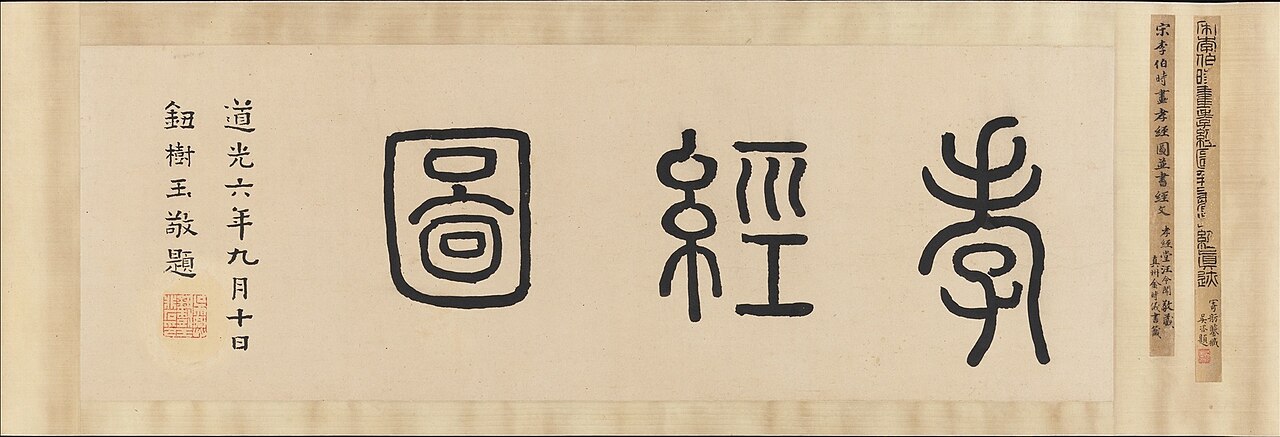
About this source
What it is
The Classic of Filial Piety (Xiaojing) is a short Confucian text framed as a conversation between Confucius and his student Zengzi. Scholars believe it was actually written during the late Warring States or early Han period, centuries after Confucius lived, though its true author is unknown.
Why it matters
The text argues that loving and serving one's parents leads naturally to loyalty toward rulers, linking family duty to political order. It was used across Chinese history to teach children to read while also instilling moral values, and it shaped ideas about virtue used to enter government service.
- Why might a text claiming to be Confucius's own words actually have been written long after his death?
- What does the comparison between serving a father and serving a ruler suggest about the society that produced this text?
- Why would a government want children to study a text about filial duty?
This book is part of the curated material that grounds the AI version of Confucius on Humy.ai — when students ask about related events, the AI can quote it and cite it.
More Confucius sources
Meet the AI Confucius →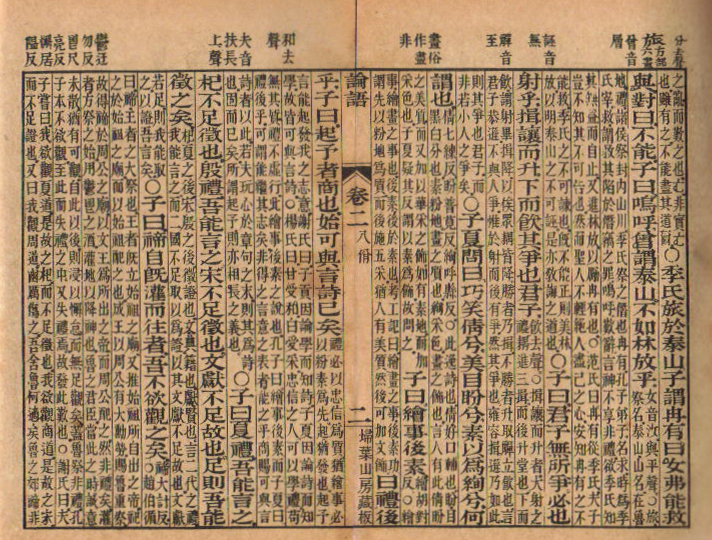 Book
Secondary source
Analects
c. 480 BCE – 2nd century BCE
 Book
Secondary source
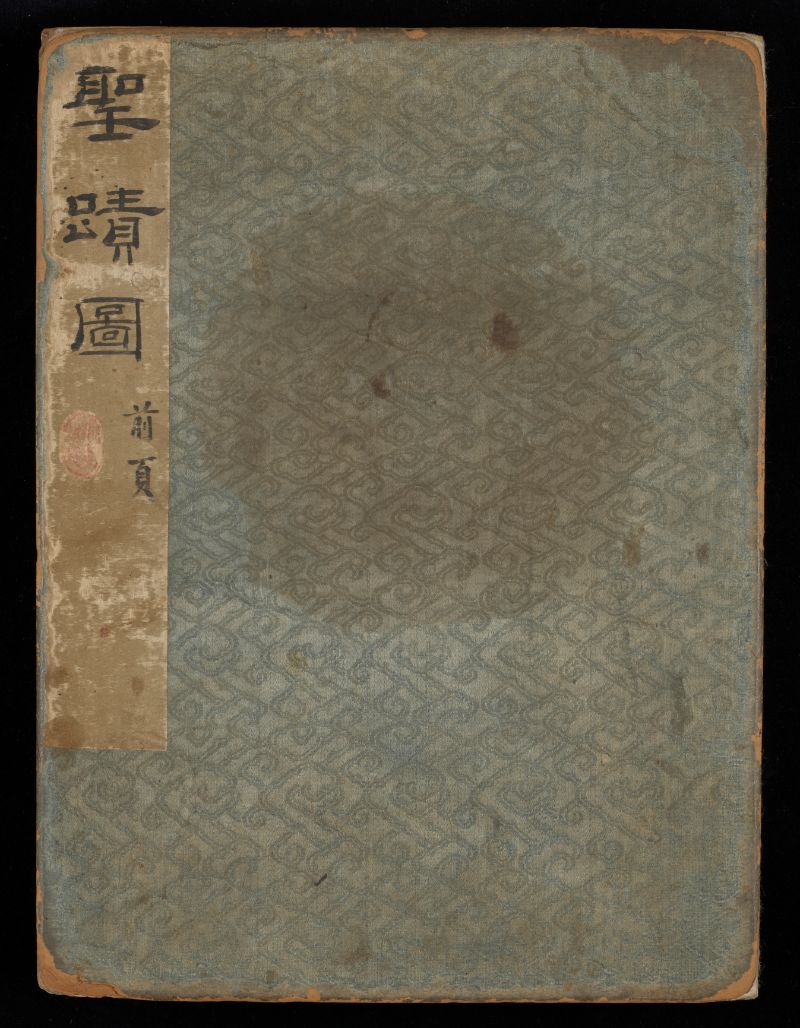
Pictures of the Sage's Traces
Unknown · 1758
Secondary source
Records of the Grand Historian, Vol. 47: Hereditary House of Confucius
Sima Qian · c. 94 BCE
 Photograph
Primary source
Temple of Confucius, Peking (Interior)
John Thomson · 1871
 Document
Secondary source
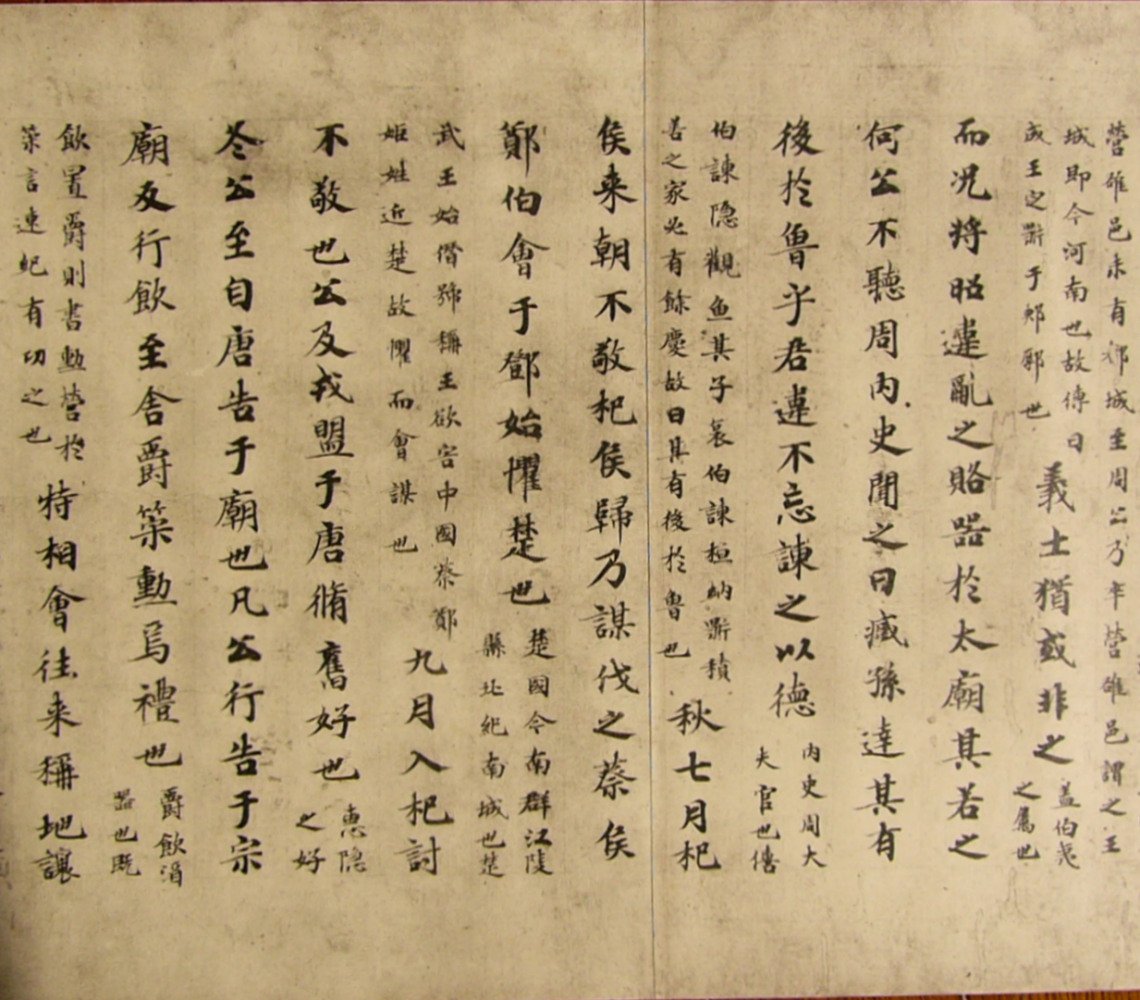
Spring and Autumn Annals
Confucius · 5th century BCE
Ready when you are
Start chatting with Confucius now.
20 messages free · No credit card · Available in 50+ languages.