


Secondary sourceBook11th-7th century BCE
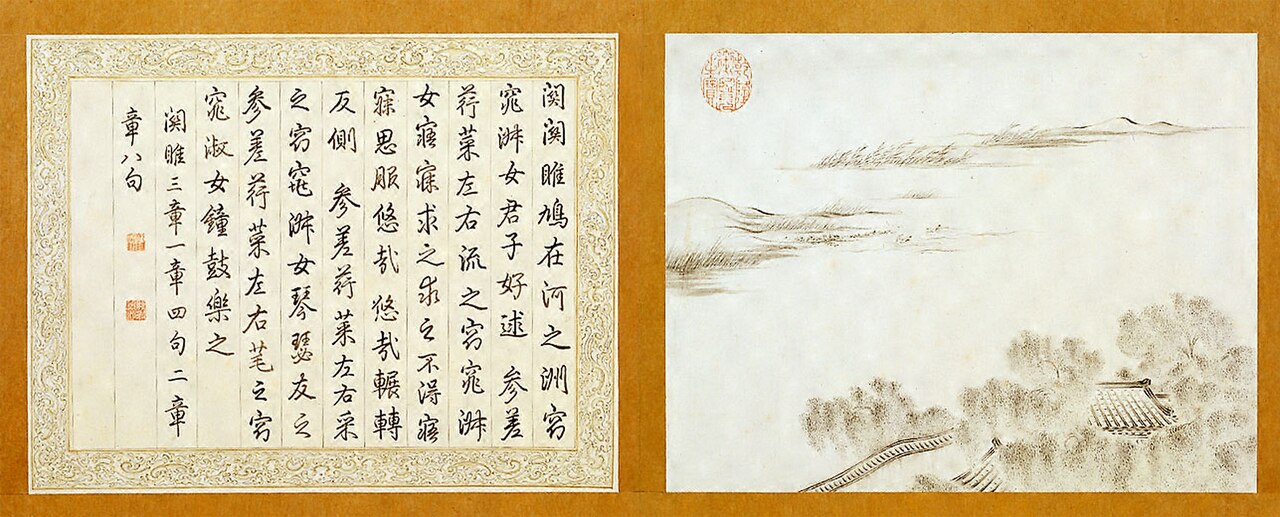
Classic of Poetry
Various authors · 11th-7th century BCE
The oldest surviving Chinese poetry anthology, traditionally said to have been edited by Confucius and cited in the Analects as the foundation of moral education.
Confucius is traditionally said to have selected and taught these poems, using them as the foundation of moral education.
About this source
What it is
The Classic of Poetry (Shijing) is a collection of 305 poems composed by various unknown authors between the 11th and 7th centuries BCE. It is one of the "Five Classics" that Confucius is traditionally said to have edited, and it was studied and memorized by scholars across China for over two thousand years.
Why it matters
The Analects shows Confucius commenting on these poems and treating them as central to moral and literary education. The anthology mixes folk songs about love, farming, and political protest with formal court hymns, revealing both the daily life of ordinary people and the values of the ruling class in ancient China.
- Why might Confucius have valued simple folk songs as part of moral education?
- What differences do you notice between the folk songs and the court hymns described here?
- Why would a philosopher include poetry, rather than just rules, in his teaching?
This book is part of the curated material that grounds the AI version of Confucius on Humy.ai — when students ask about related events, the AI can quote it and cite it.
More Confucius sources
Meet the AI Confucius →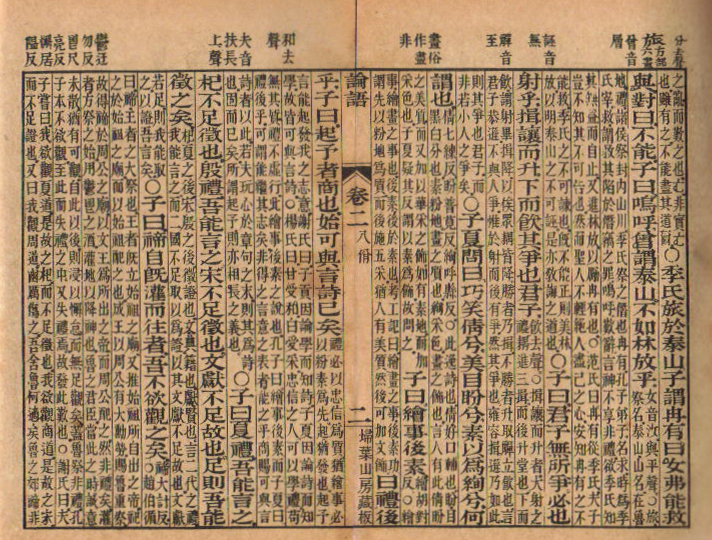 Book
Secondary source
Analects
c. 480 BCE – 2nd century BCE
 Book
Secondary source
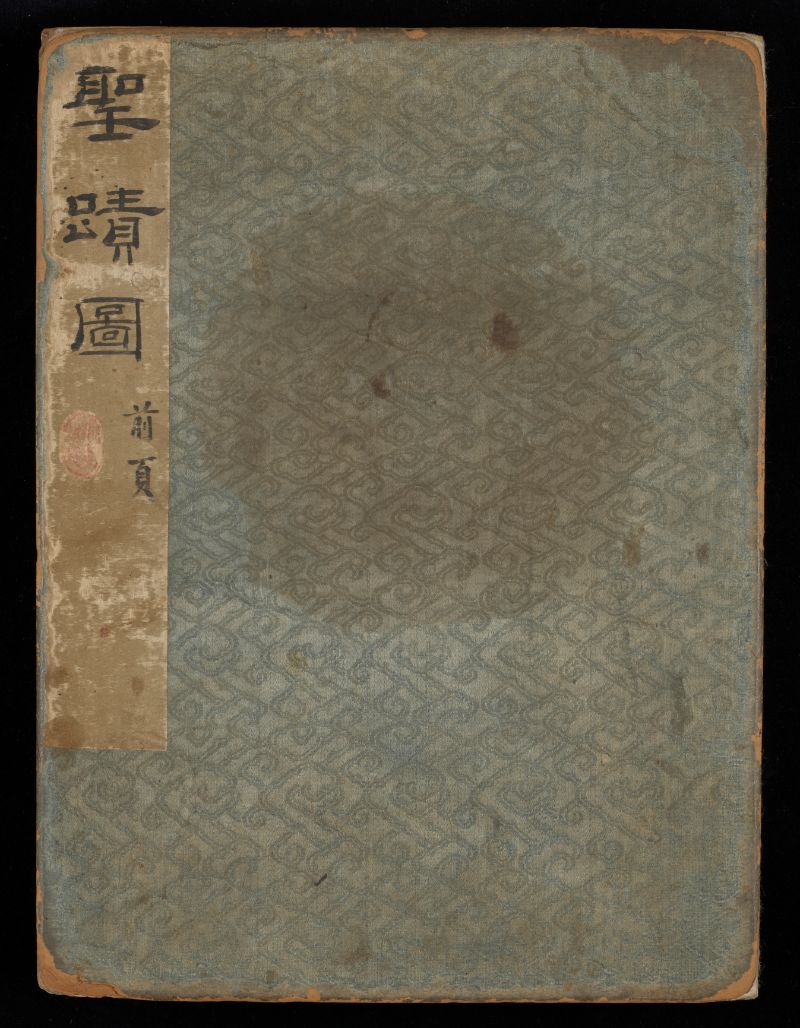
Pictures of the Sage's Traces
Unknown · 1758
Secondary source
Records of the Grand Historian, Vol. 47: Hereditary House of Confucius
Sima Qian · c. 94 BCE
 Photograph
Primary source
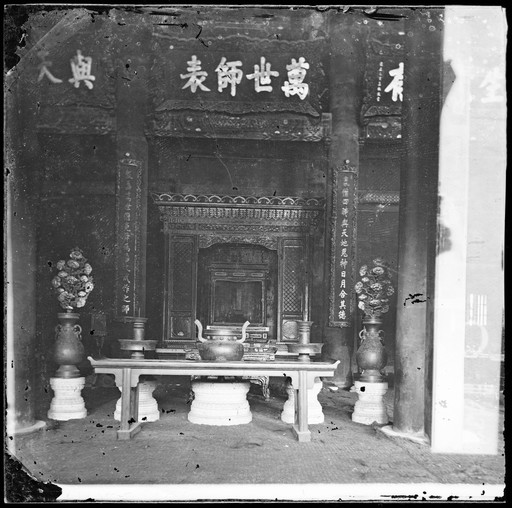
Temple of Confucius, Peking (Interior)
John Thomson · 1871
 Document
Secondary source
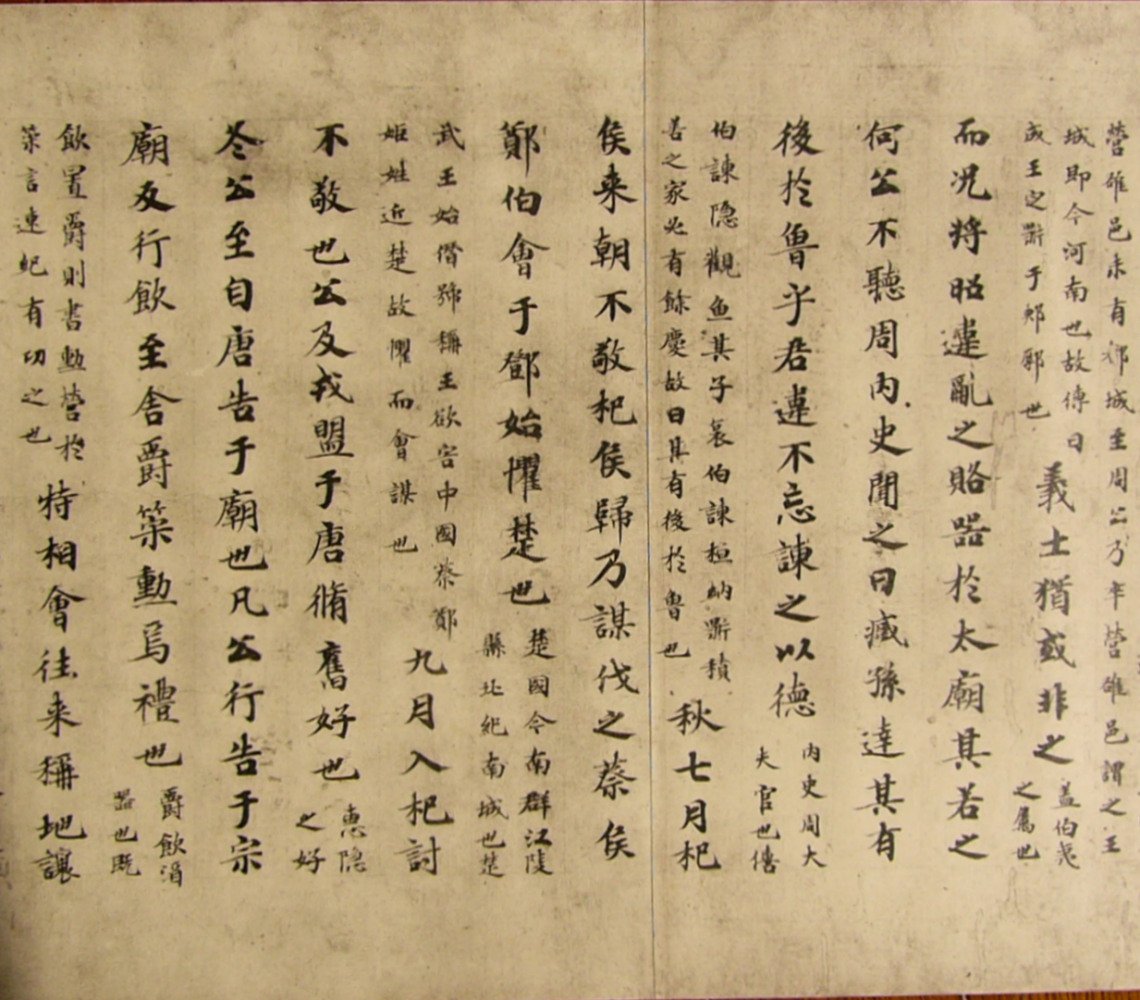
Spring and Autumn Annals
Confucius · 5th century BCE
Ready when you are
Start chatting with Confucius now.
20 messages free · No credit card · Available in 50+ languages.