


Primary sourceArtifactc. 1792-1750 BCE
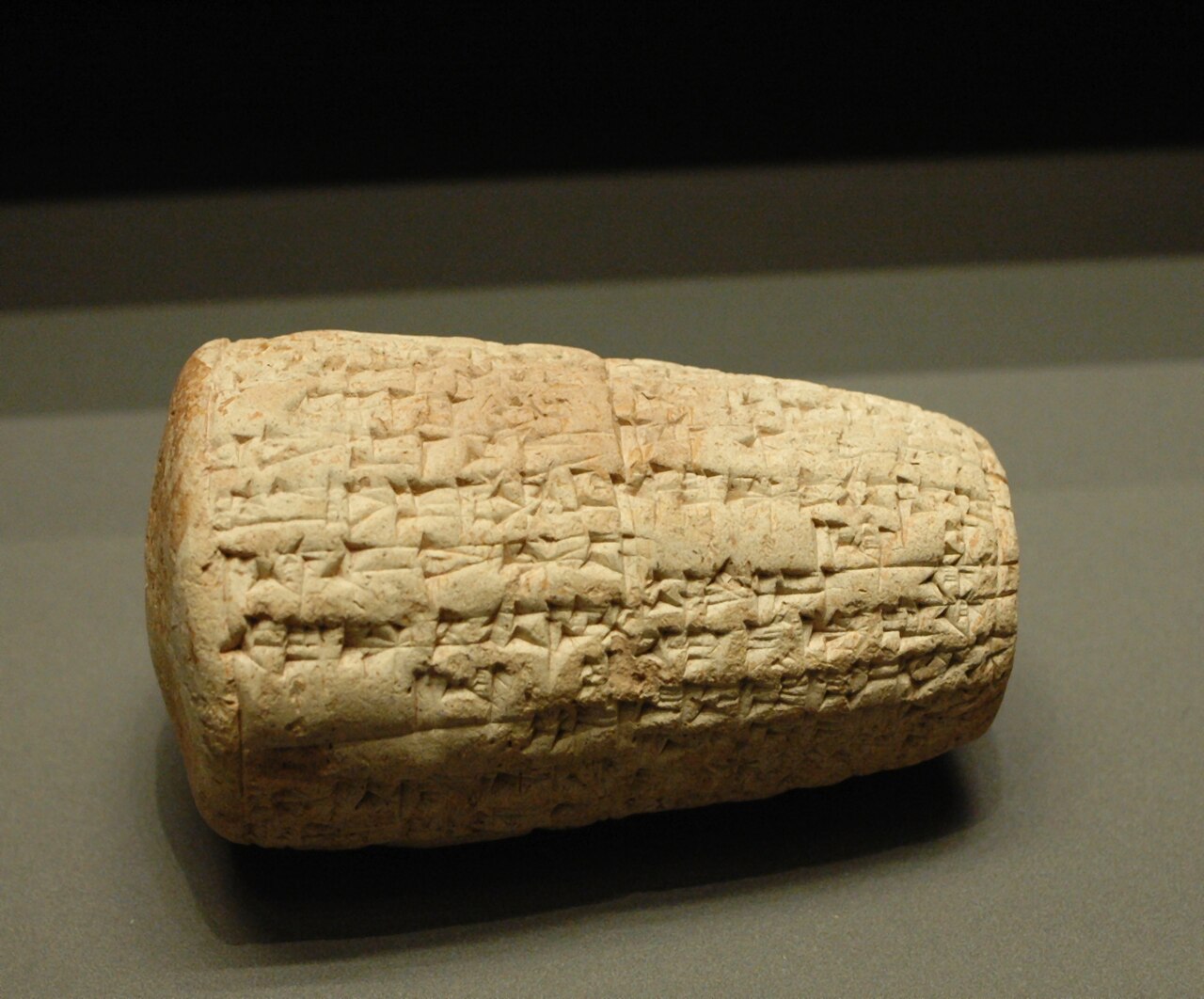
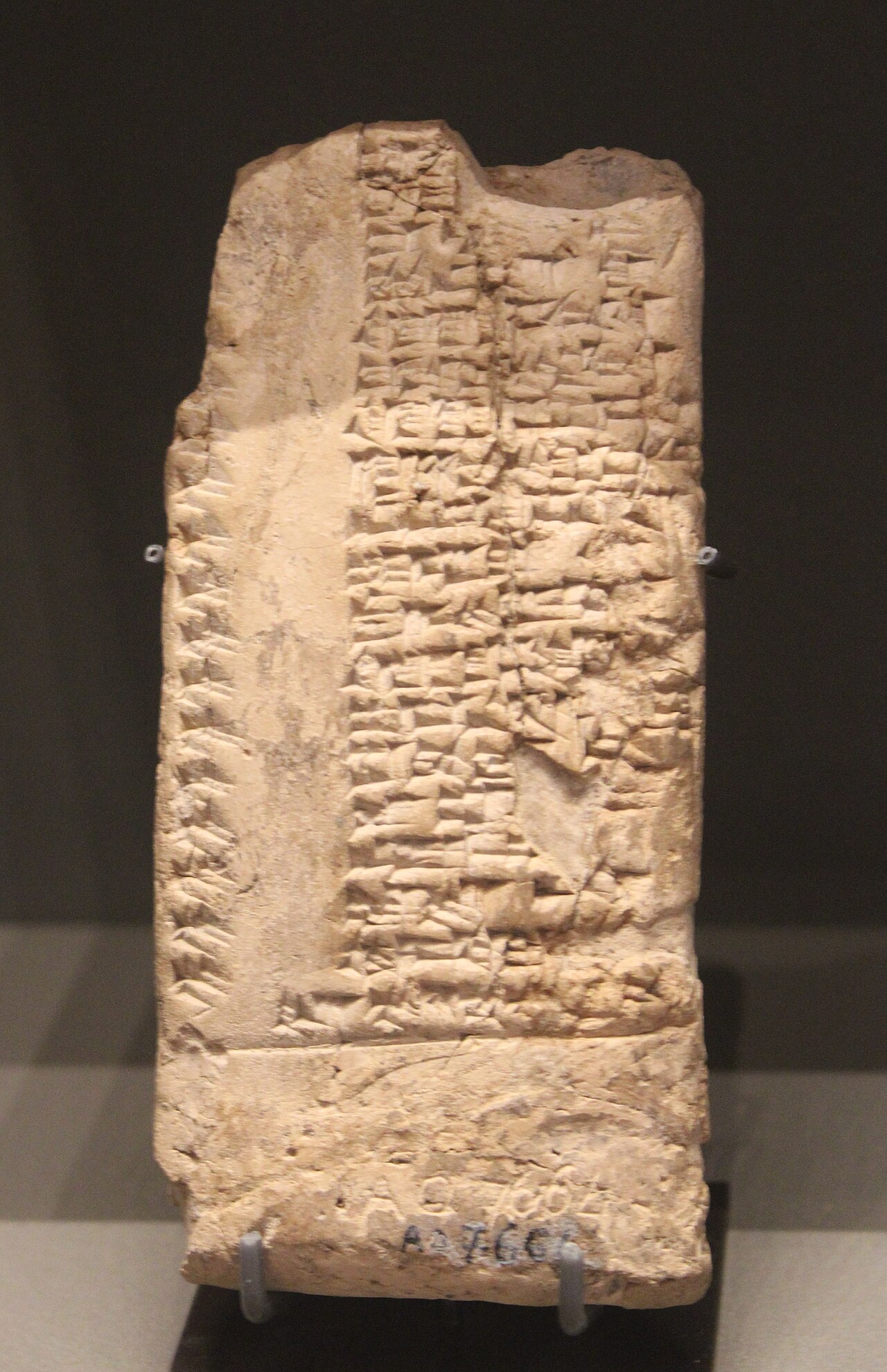
Clay Cone from Sippar
Hammurabi · c. 1792-1750 BCE
A foundation cone commemorating Hammurabi's rebuilding of the walls of Sippar.
This cone was commissioned by Hammurabi to commemorate his rebuilding of Sippar's walls.
About this source
What it is
This is a tapering clay cone covered in cuneiform inscriptions, a type of object buried in building foundations to commemorate construction work. It records Hammurabi's rebuilding of the walls of the city of Sippar and is held at the Louvre.
Why it matters
Foundation cones like this were part of how Mesopotamian kings publicised their building projects as acts carried out for the gods. It shows Hammurabi presenting himself not only as a lawgiver and administrator but also as a builder and protector of cities, fulfilling duties owed to the divine.
Look closer
- Why might a king bury an inscribed object in a building's foundation rather than display it openly?
- What does this object suggest about how rulers wanted to be remembered?
- What is missing from this record that a modern building record might include?
This artifact is part of the curated material that grounds the AI version of Hammurabi on Humy.ai — when students ask about related events, the AI can quote it and cite it.
More Hammurabi sources
Meet the AI Hammurabi →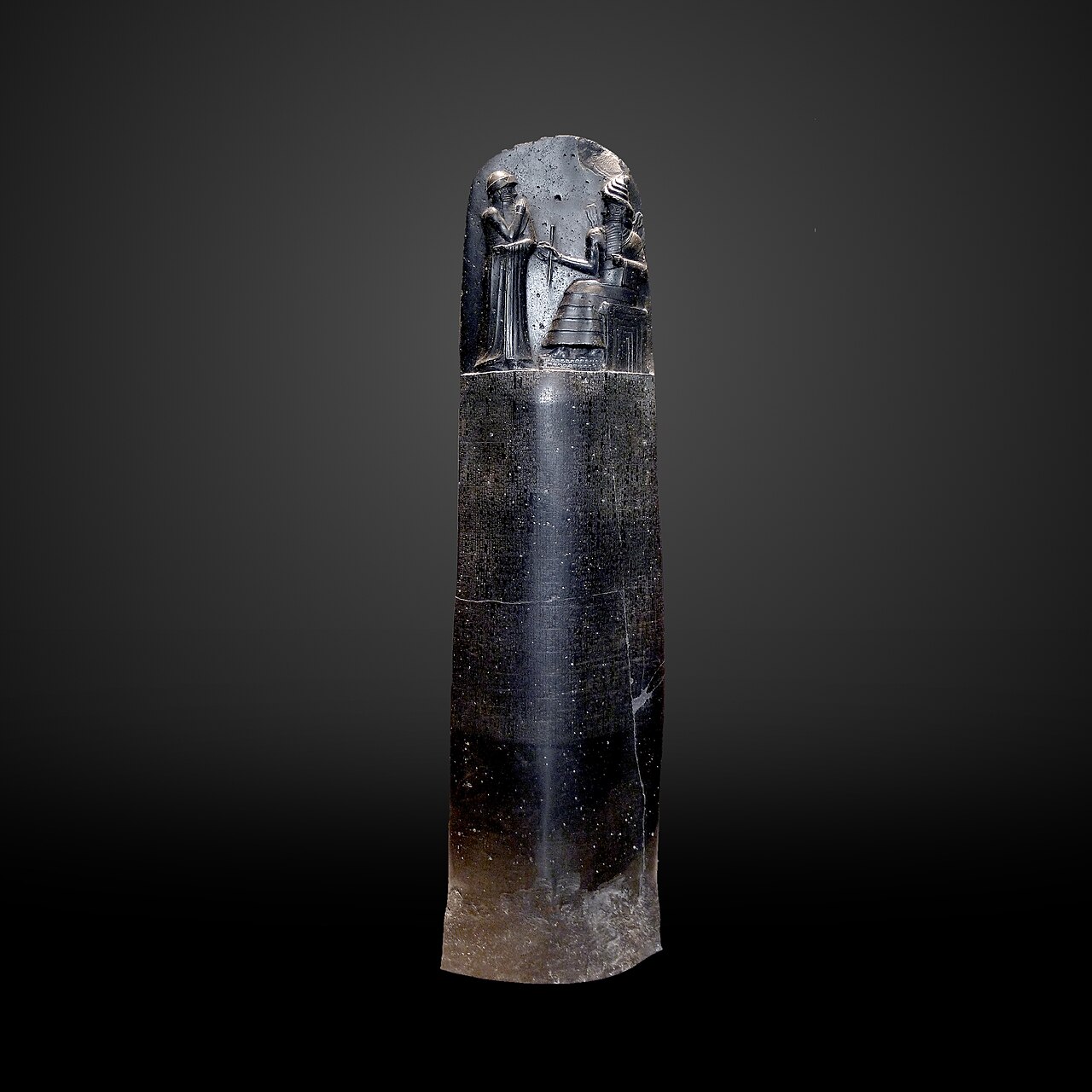 Document
Primary source
Code of Hammurabi
Hammurabi · c. 1753 BCE
 Sculpture
Primary source
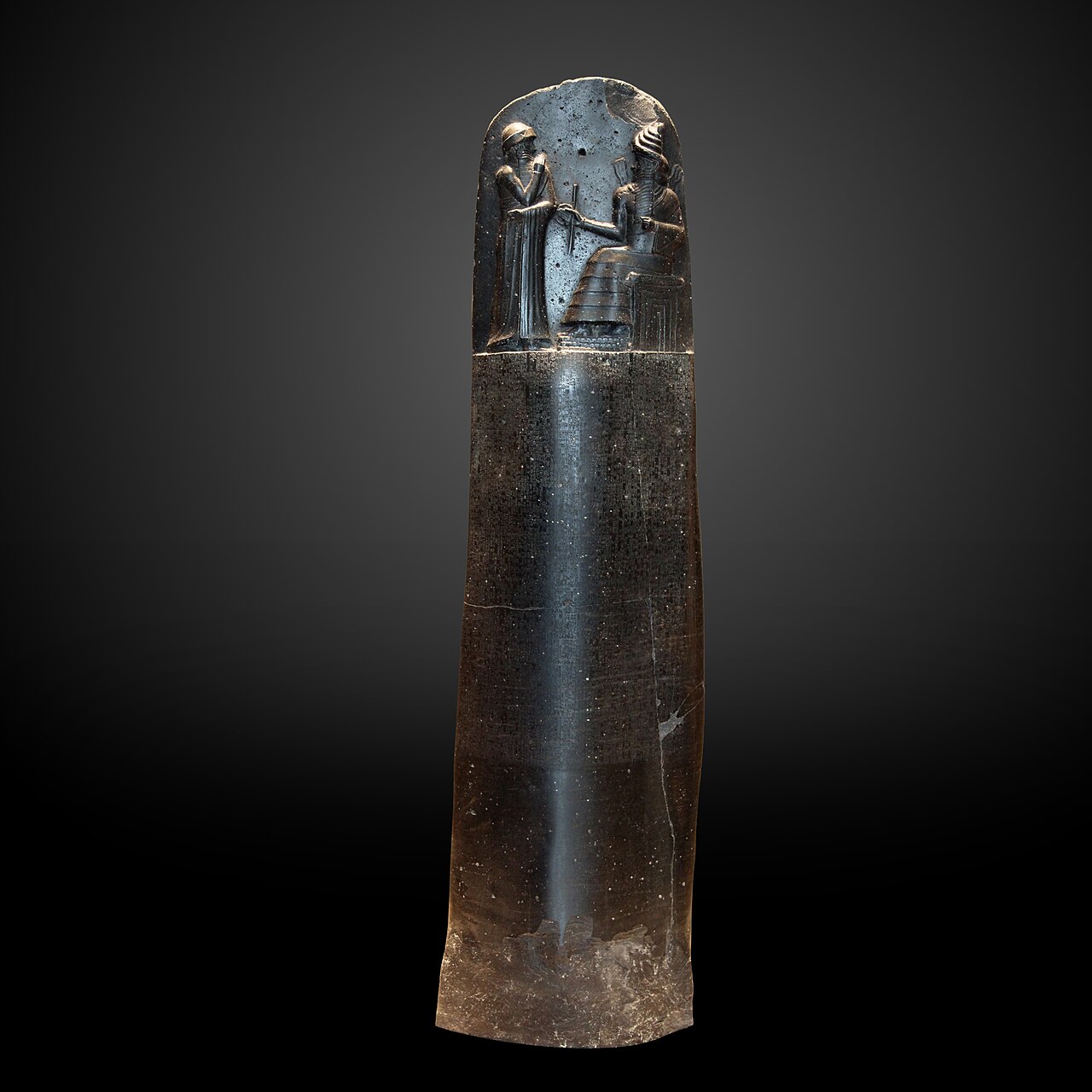
Stele with the Code of Hammurabi
Hammurabi · c. 1792 BCE
 Letter
Primary source
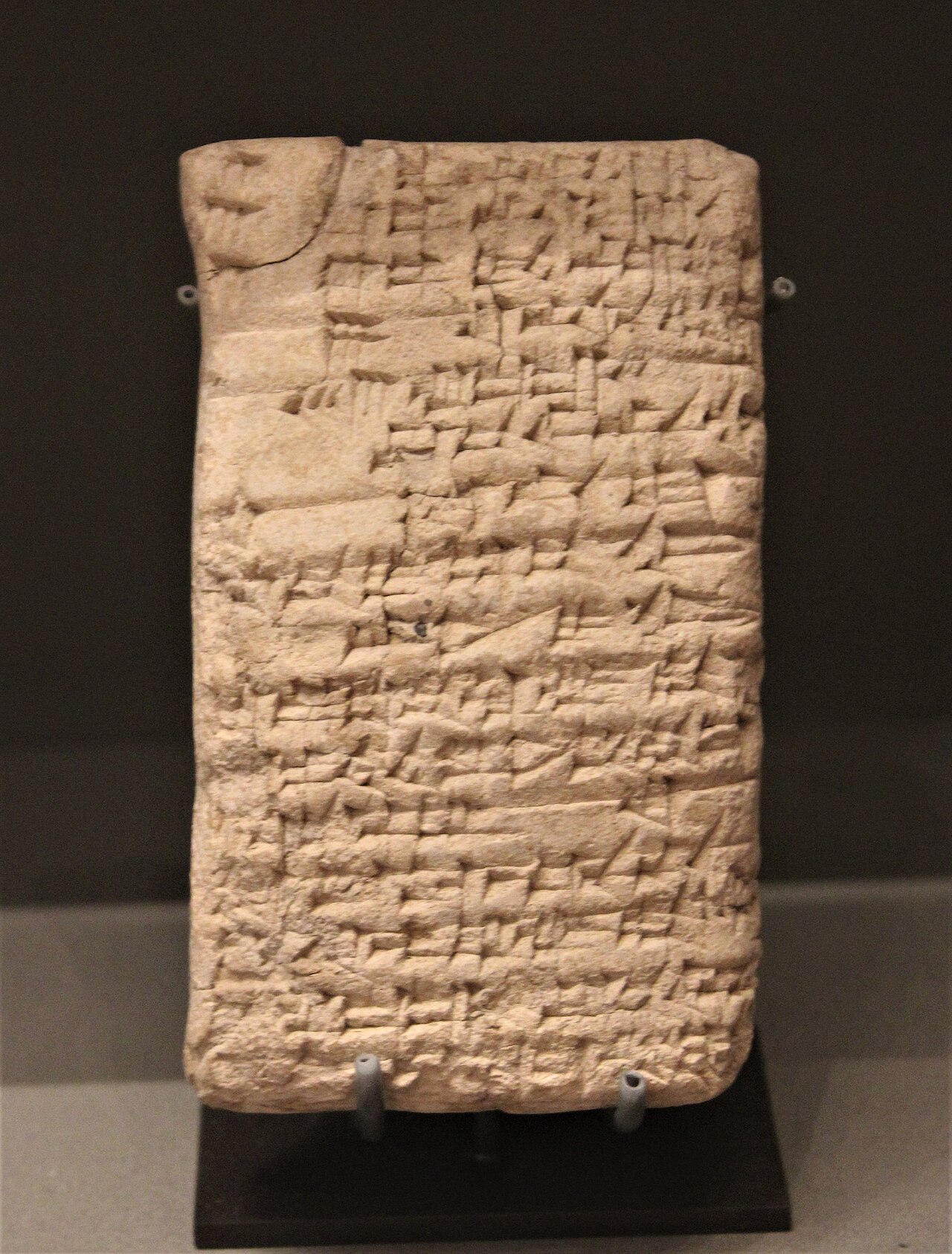
Letter from Hammurabi to Sîn-iddinam
Hammurabi · c. 1792-1750 BCE
 Document
Primary source
List of the year-names of Hammurabi's reign
Old Babylonian period, reign of Hammurabi (c. 1792-1750 BCE)
 Document
Secondary source
Chronicle of Early Kings
Babylonian scribes · c. 6th century BCE copy
Ready when you are
Start chatting with Hammurabi now.
20 messages free · No credit card · Available in 50+ languages.