


Primary sourceArtifact1596
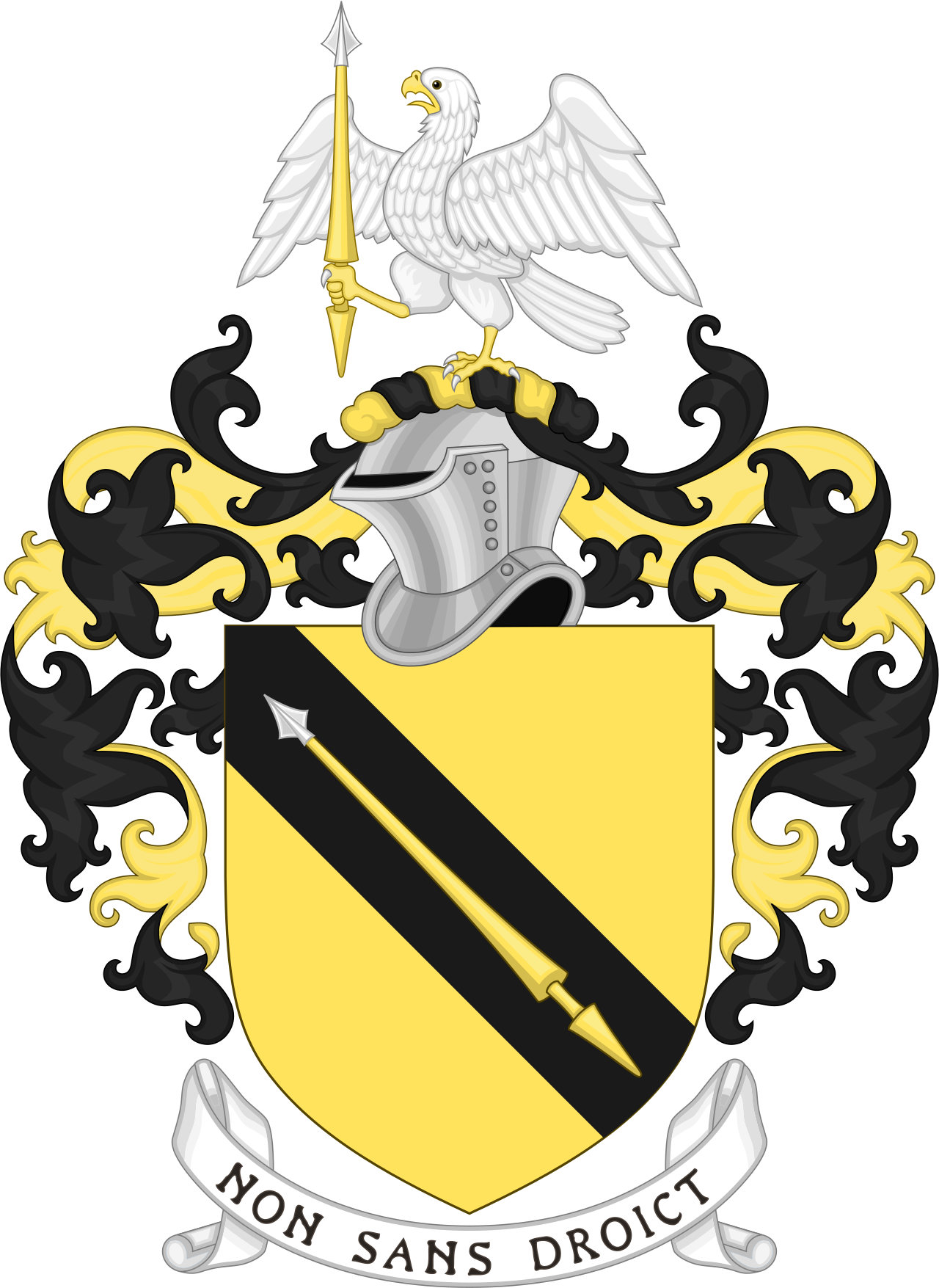
Coat of arms of William Shakespeare
College of Arms · 1596
The heraldic coat of arms granted in 1596, originally obtained for Shakespeare's father, showing the family's claim to gentleman status.
This grant of arms, pursued on his father's behalf, reveals Shakespeare's ambition for social status.
About this source
What it is
This coat of arms was granted by the College of Arms in 1596, officially to Shakespeare's father John Shakespeare, but it was later used by William Shakespeare himself. It shows a gold shield with a black diagonal band and a silver-tipped spear, topped by a crest of a falcon holding a spear, and the motto 'Non sans droict' ('Not without right').
Why it matters
In Elizabethan England, a coat of arms marked a family as gentry, a status that carried social prestige. Shakespeare, a successful playwright and actor, pushed for this grant on his father's behalf, showing his ambition to raise his family's social standing beyond his trade origins.
Look closer
- Why might a successful playwright still want his family to be recognised as 'gentlemen'?
- What might the spear design on the shield be a visual pun on?
- What does the motto 'Not without right' suggest about how the Shakespeares felt about their new status?
This artifact is part of the curated material that grounds the AI version of William Shakespeare on Humy.ai — when students ask about related events, the AI can quote it and cite it.
More William Shakespeare sources
Meet the AI William Shakespeare → Book
Primary source
First Folio
William Shakespeare · 1623
 Painting
Secondary source
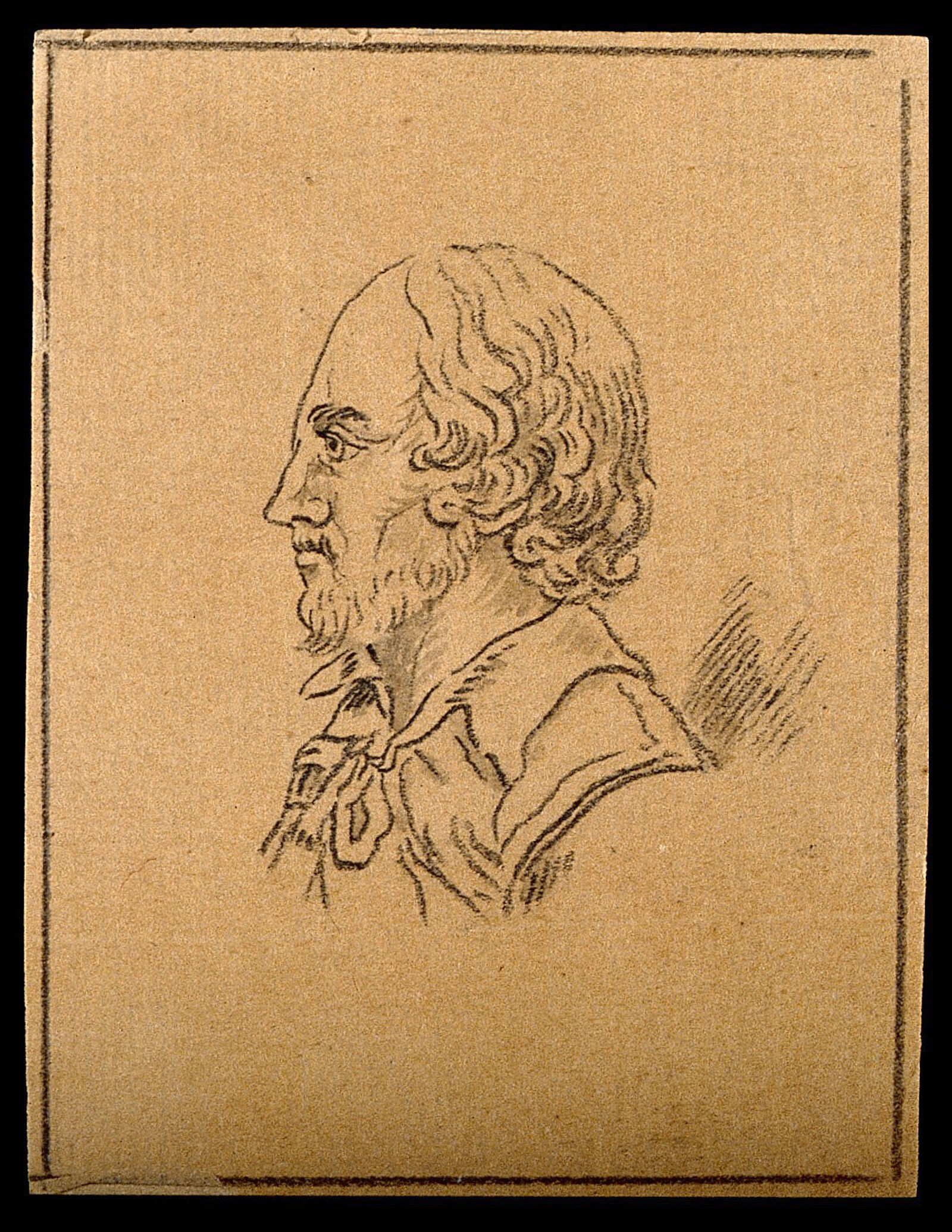
Profile Drawing of William Shakespeare
Johann Kaspar Lavater · c. 1793
 Painting
Secondary source
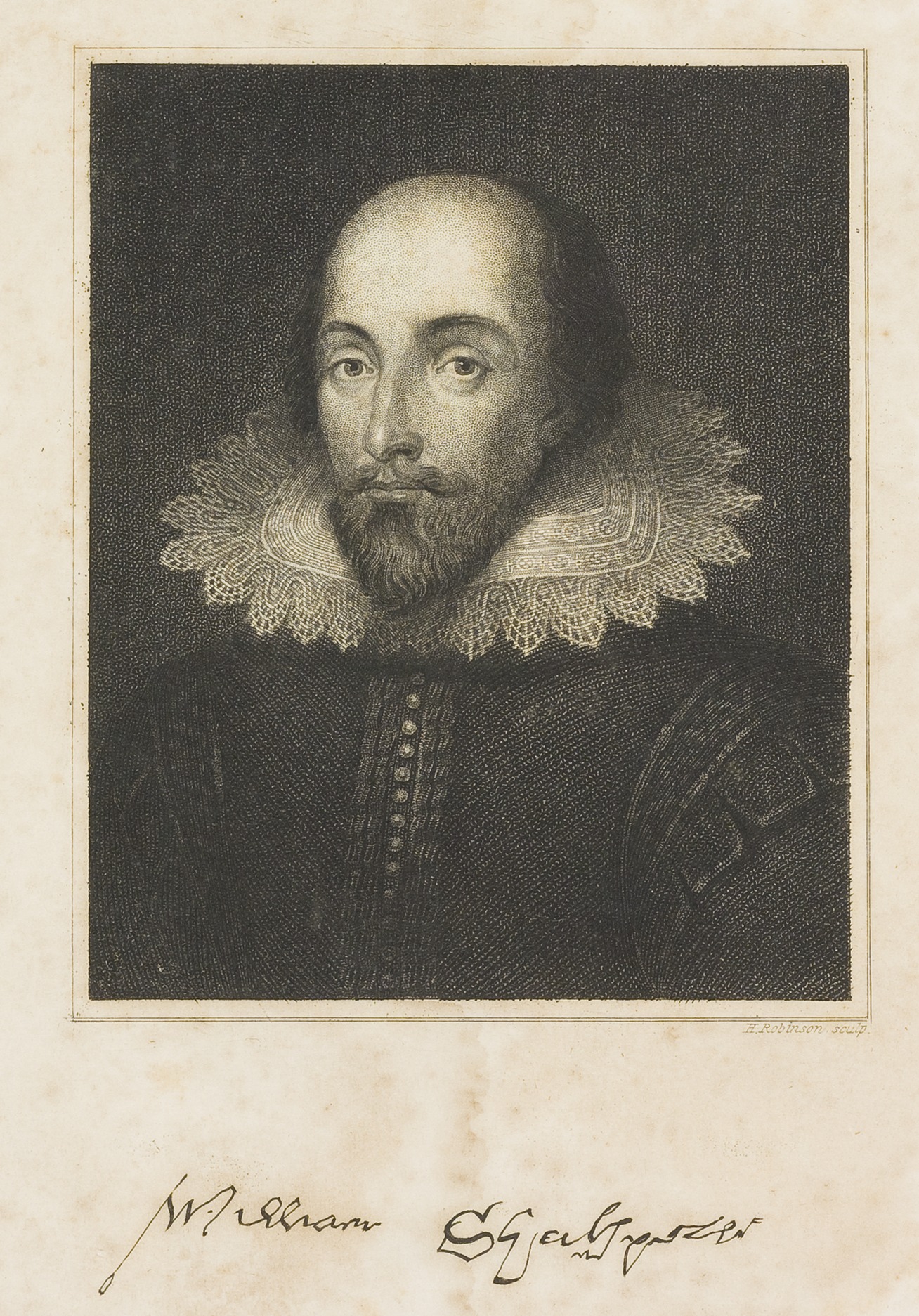
William Shakespeare engraving by John Henry Robinson
John Henry Robinson · 30 November 1827
 Document
Primary source
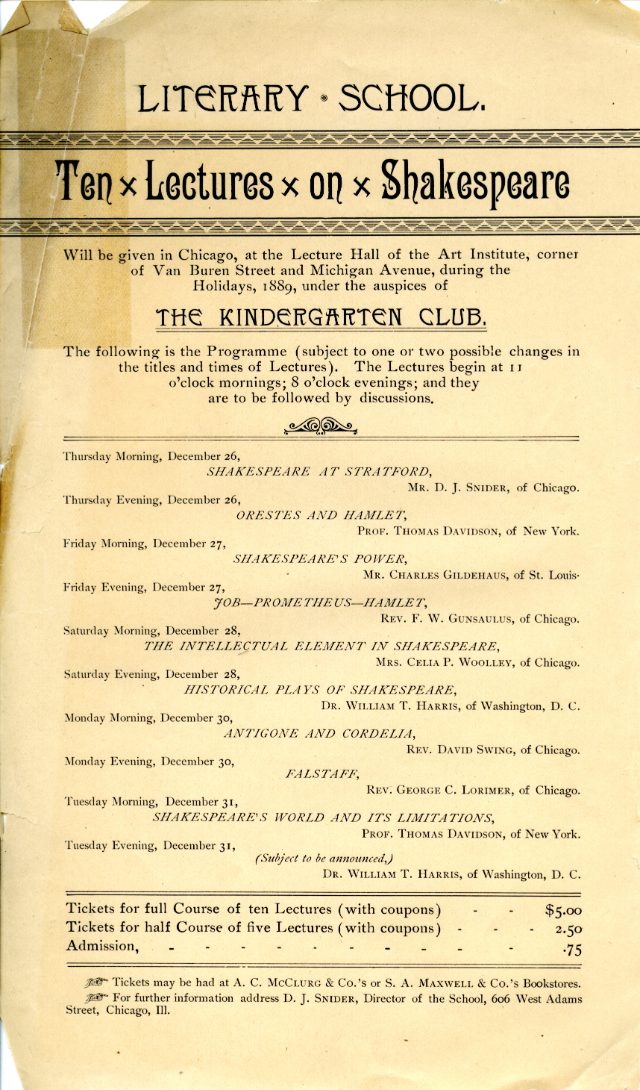
Ten Lectures on Shakespeare
Literary School · 1889
Primary source
Macbeth
William Shakespeare · c. 1606
Ready when you are
Start chatting with William Shakespeare now.
20 messages free · No credit card · Available in 50+ languages.