


Secondary sourcePainting30 November 1827
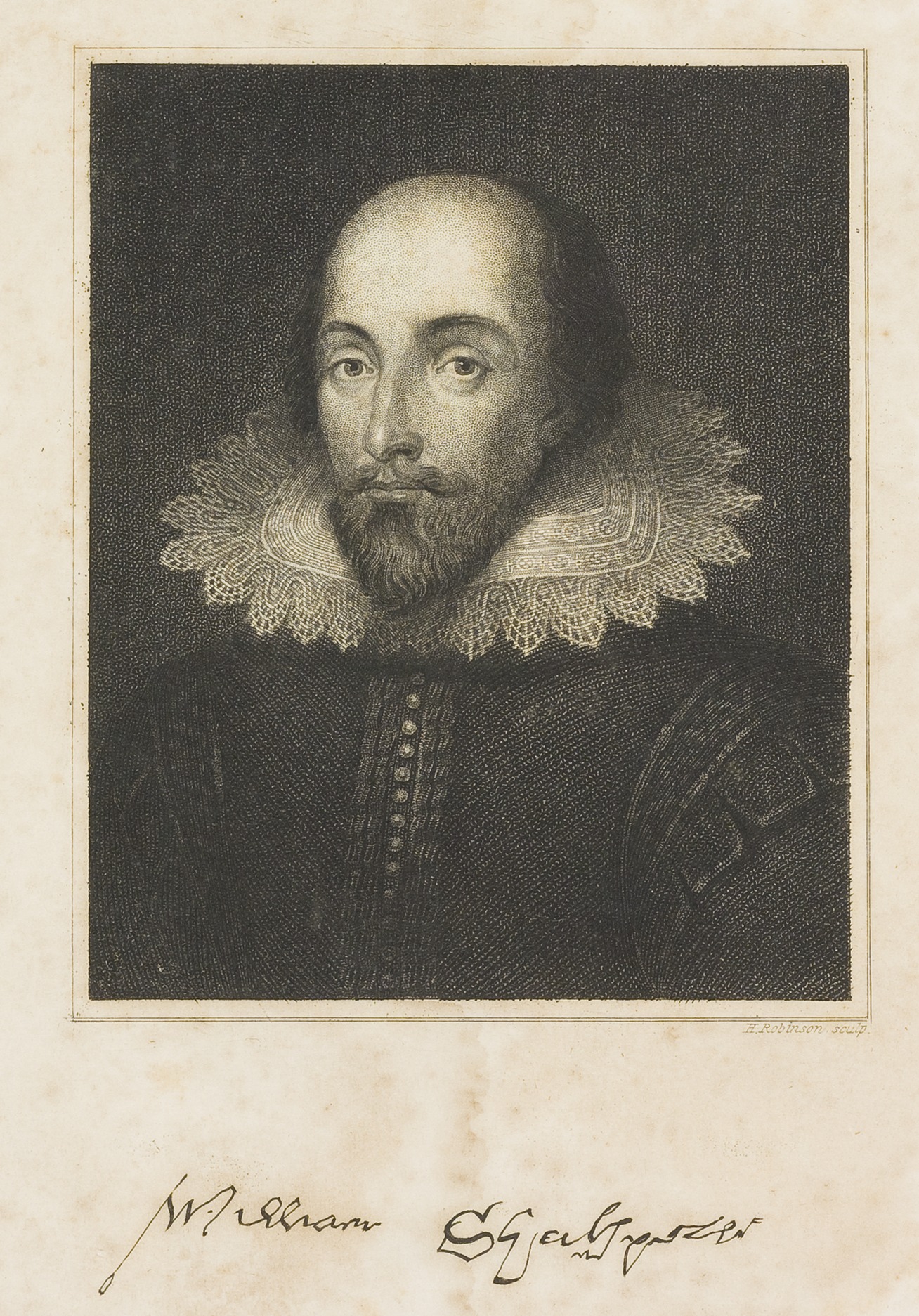
William Shakespeare engraving by John Henry Robinson
John Henry Robinson · 30 November 1827
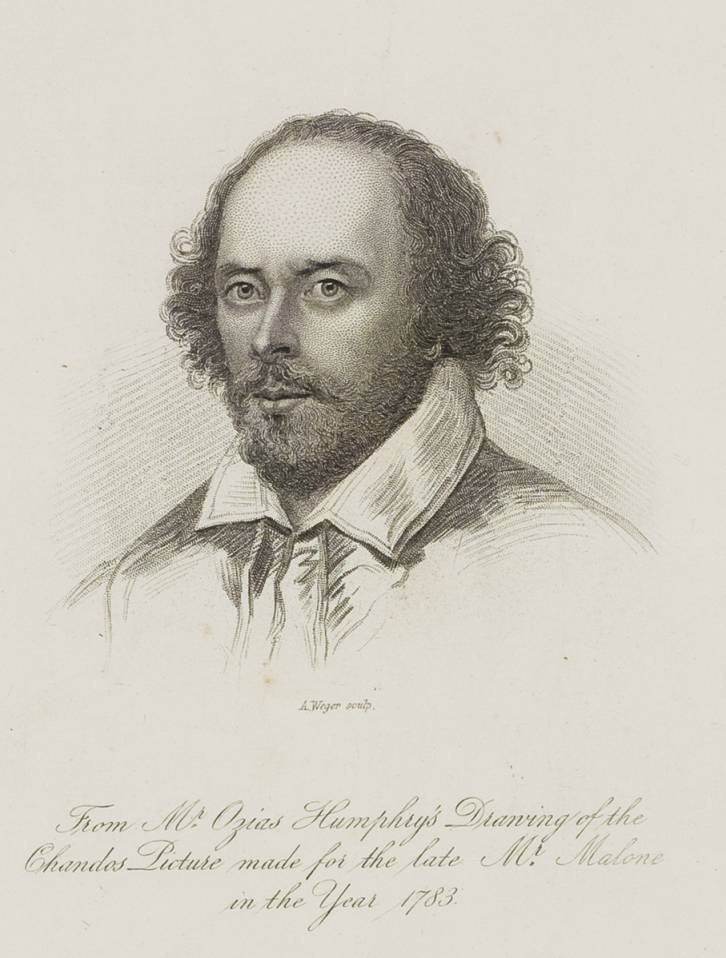
An 1827 engraved portrait of Shakespeare, made over two centuries after his death and published in London.
A later engraved portrait depicting Shakespeare, made over 200 years after his death to accompany publications of his works.
About this source
What it is
This is a black-and-white engraving of William Shakespeare, made by the engraver John Henry Robinson and published by Fisher, Son & Co. in London in 1827. It is held today by the Catholic University of Leuven in Belgium. The print shows a bald man with a pointed beard, wearing a lace collar, with a signature reading 'William Shakespeare' beneath the image.
Why it matters
Shakespeare died in 1616, so this image was created more than two hundred years later. It was not based on a sitting with Shakespeare himself but on earlier images, showing how publishers in the 1800s kept producing and reselling versions of his face for readers and book buyers. It reveals how an image can become a brand long after the real person is gone.
Look closer
- What details make this portrait look confident and authoritative, even though no one alive in 1827 had ever seen Shakespeare?
- Why might a publisher in 1827 want a striking portrait like this to sell alongside Shakespeare's works?
- What is missing from this image that you might want to know about the real Shakespeare?
This painting is part of the curated material that grounds the AI version of William Shakespeare on Humy.ai — when students ask about related events, the AI can quote it and cite it.
More William Shakespeare sources
Meet the AI William Shakespeare →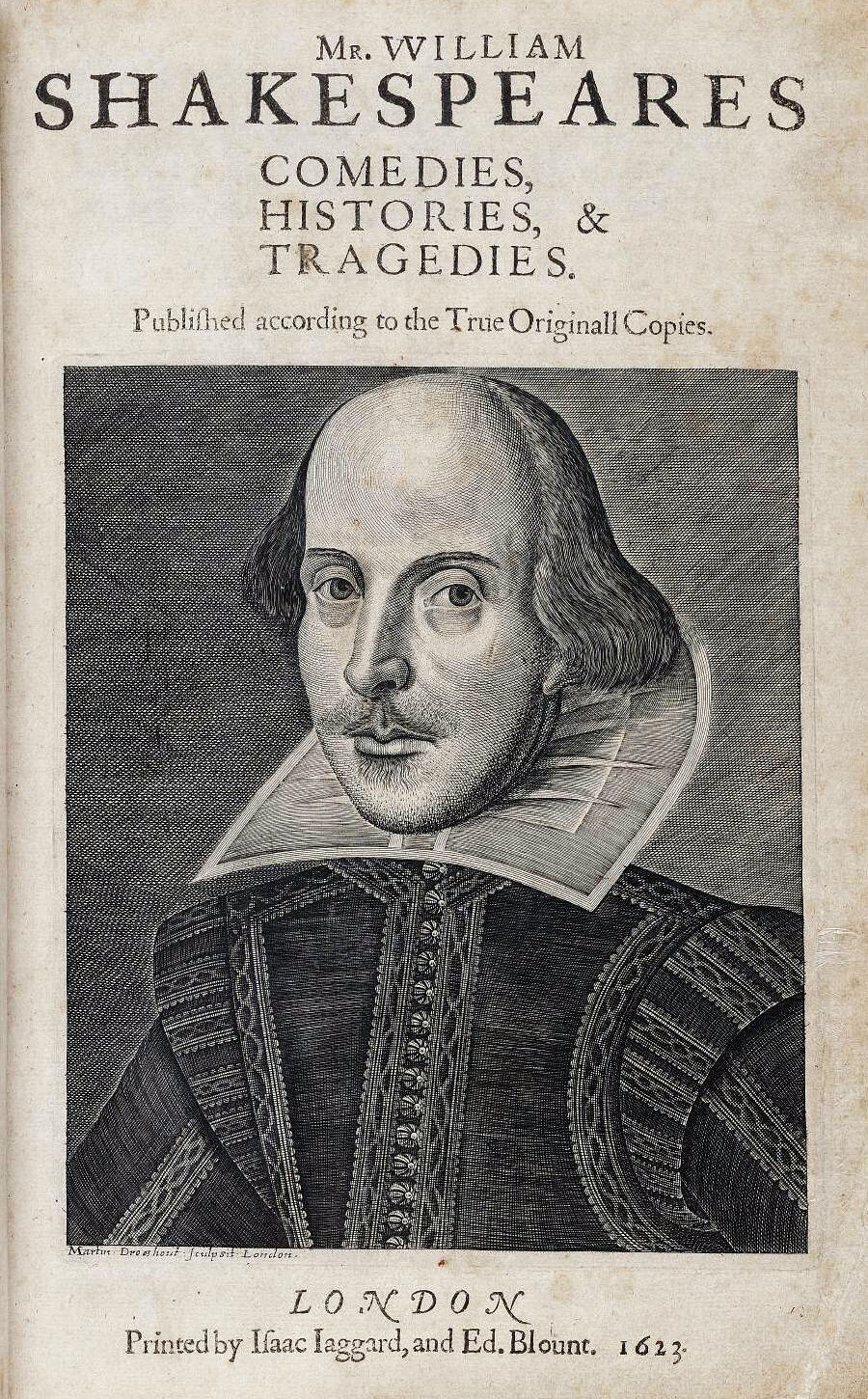 Book
Primary source
First Folio
William Shakespeare · 1623
 Painting
Secondary source
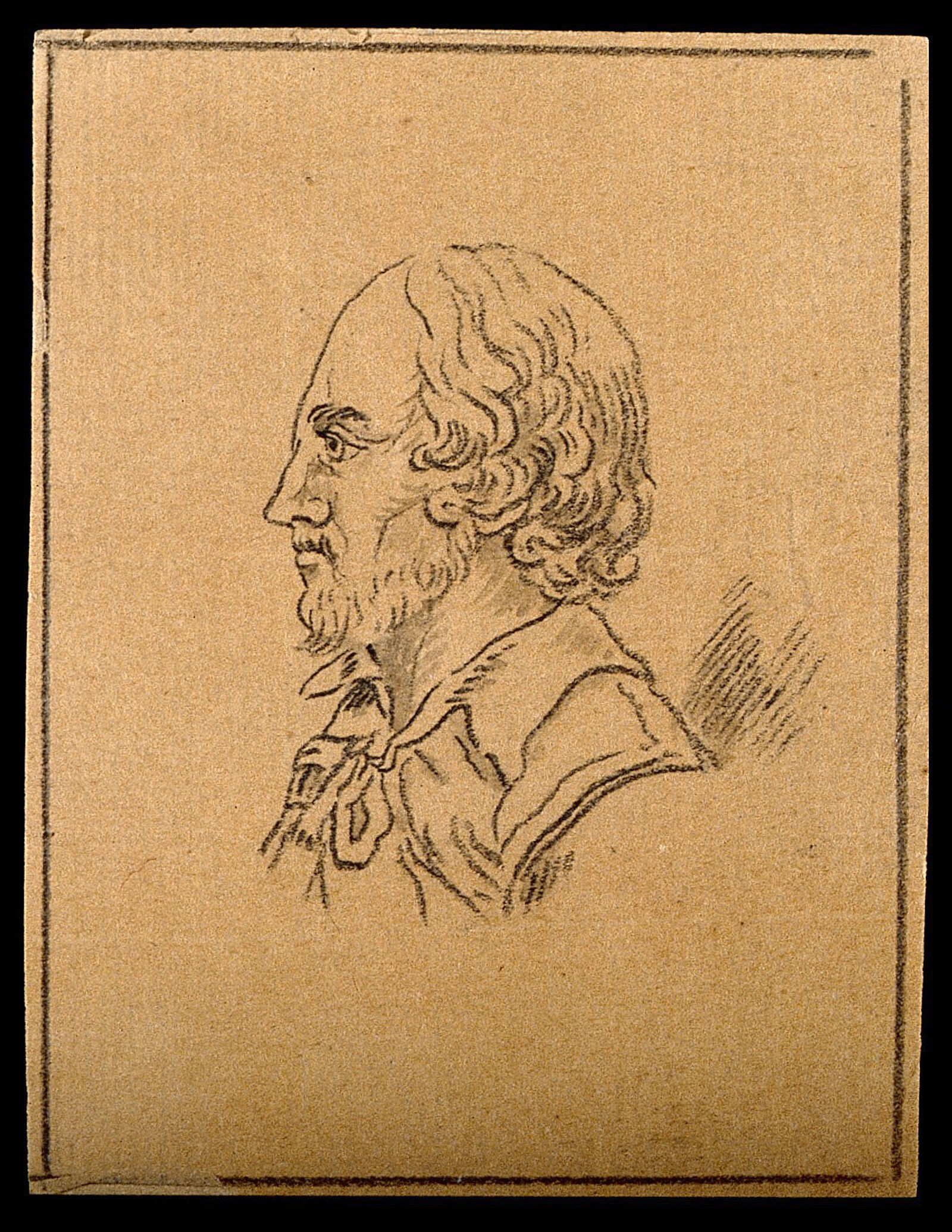
Profile Drawing of William Shakespeare
Johann Kaspar Lavater · c. 1793
 Document
Primary source
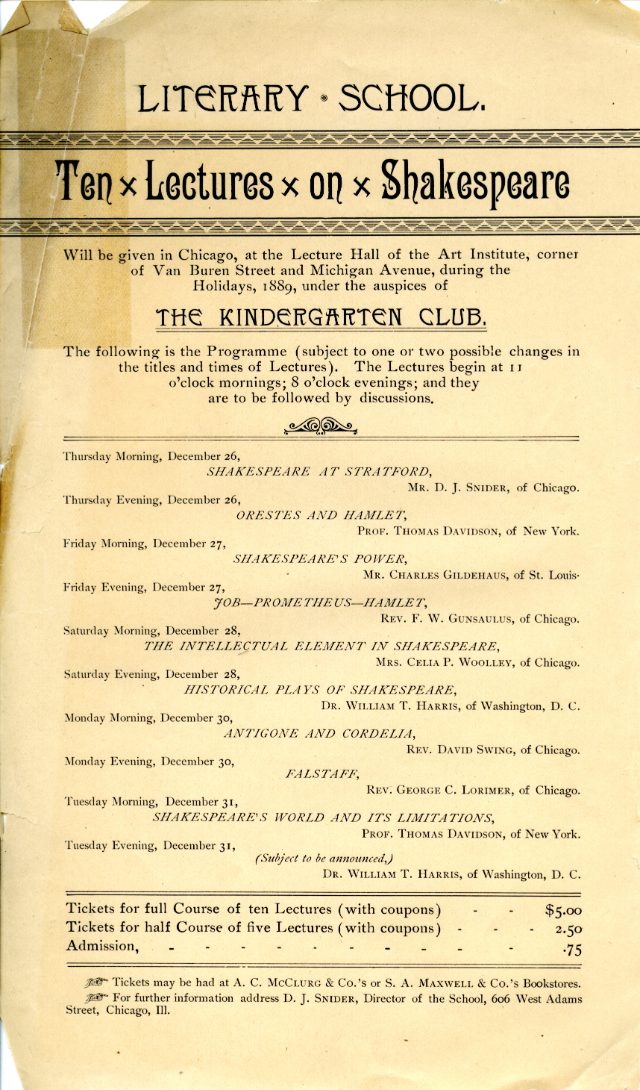
Ten Lectures on Shakespeare
Literary School · 1889
Primary source
Macbeth
William Shakespeare · c. 1606
 Painting
Secondary source
William Shakespeare engraving after Ozias Humphry's drawing
Ozias Humphry · after 1783
Ready when you are
Start chatting with William Shakespeare now.
20 messages free · No credit card · Available in 50+ languages.