


Secondary sourcePaintingc. 1793
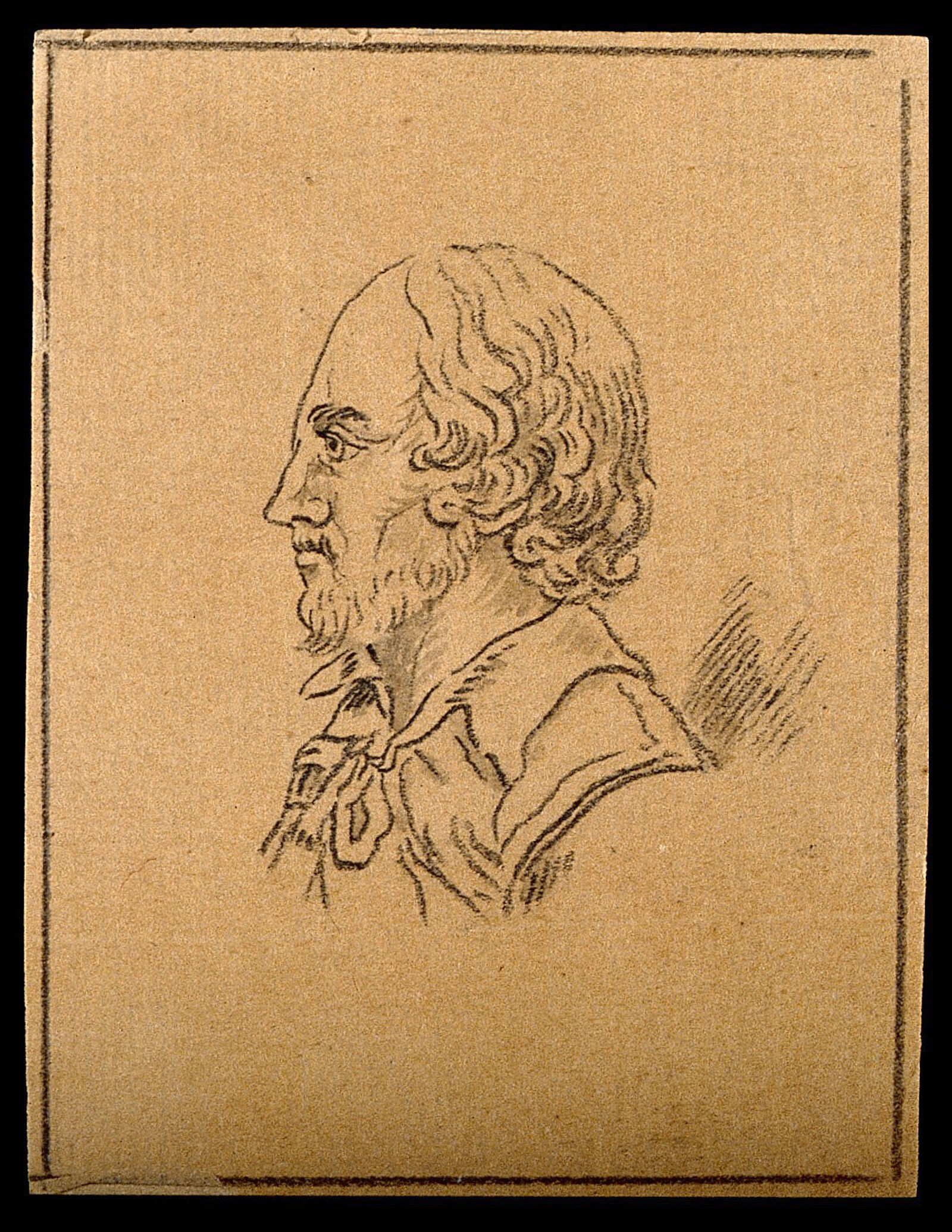
Profile Drawing of William Shakespeare
Johann Kaspar Lavater · c. 1793
An imagined profile portrait of Shakespeare drawn about 170 years after his death, showing how later generations pictured him.
A later imagined portrait of Shakespeare, useful for showing how he was pictured long after his death.
About this source
What it is
This is a pencil profile drawing of William Shakespeare made by Johann Kaspar Lavater around 1793, long after Shakespeare's lifetime. It is held by the Wellcome Collection in London.
Why it matters
Because no definite life portrait of Shakespeare survives that everyone agrees on, artists like Lavater created their own imagined likenesses based on earlier images and imagination. This drawing tells us more about how later generations wanted to picture the famous playwright than about his actual appearance.
Look closer
- Why might an artist drawing 170 years after someone's death still choose to make a formal profile portrait?
- What details in the drawing (clothing, hair) look like they come from an earlier century?
- What does this image leave out that a true likeness would need?
This painting is part of the curated material that grounds the AI version of William Shakespeare on Humy.ai — when students ask about related events, the AI can quote it and cite it.
More William Shakespeare sources
Meet the AI William Shakespeare →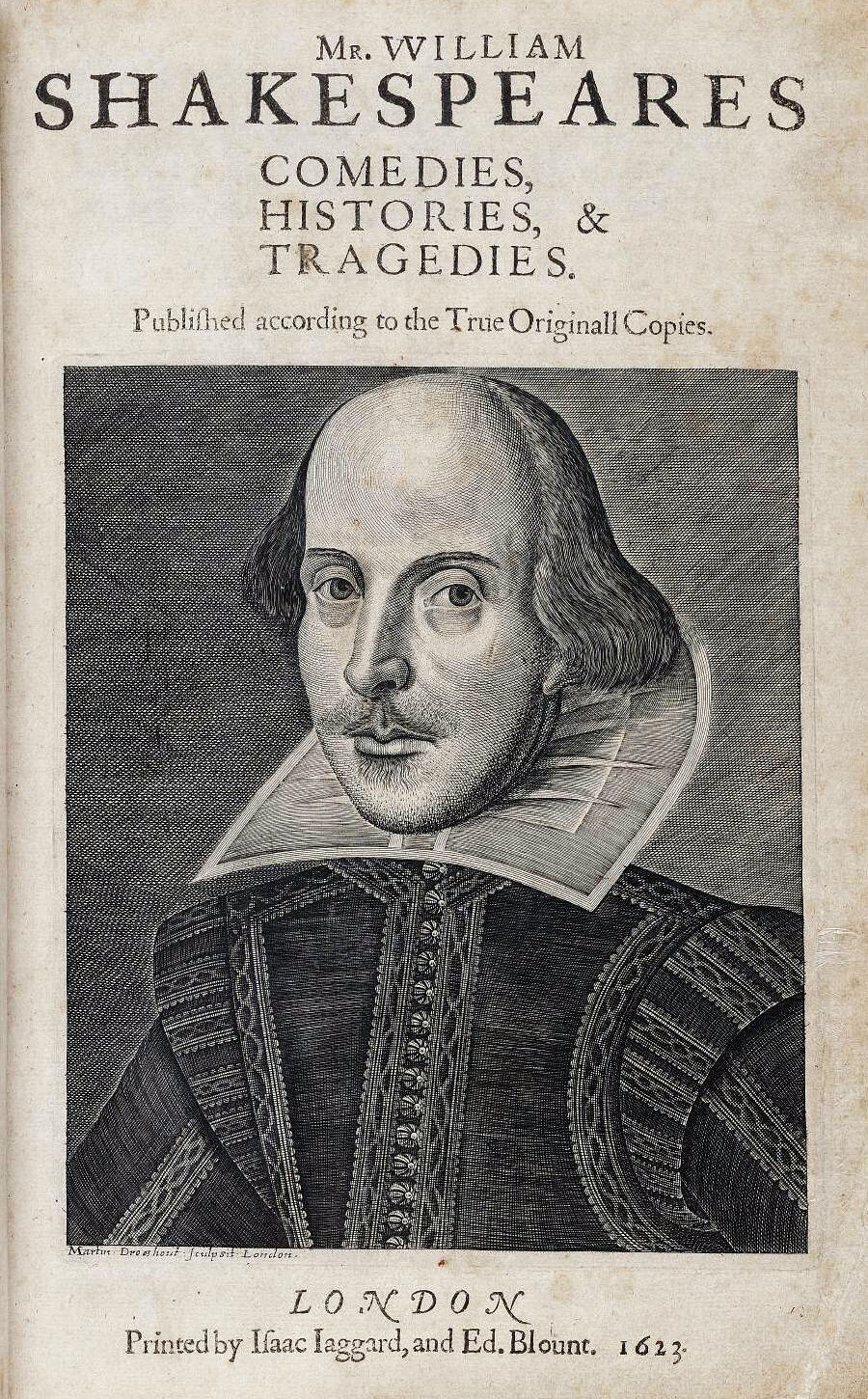 Book
Primary source
First Folio
William Shakespeare · 1623
 Painting
Secondary source
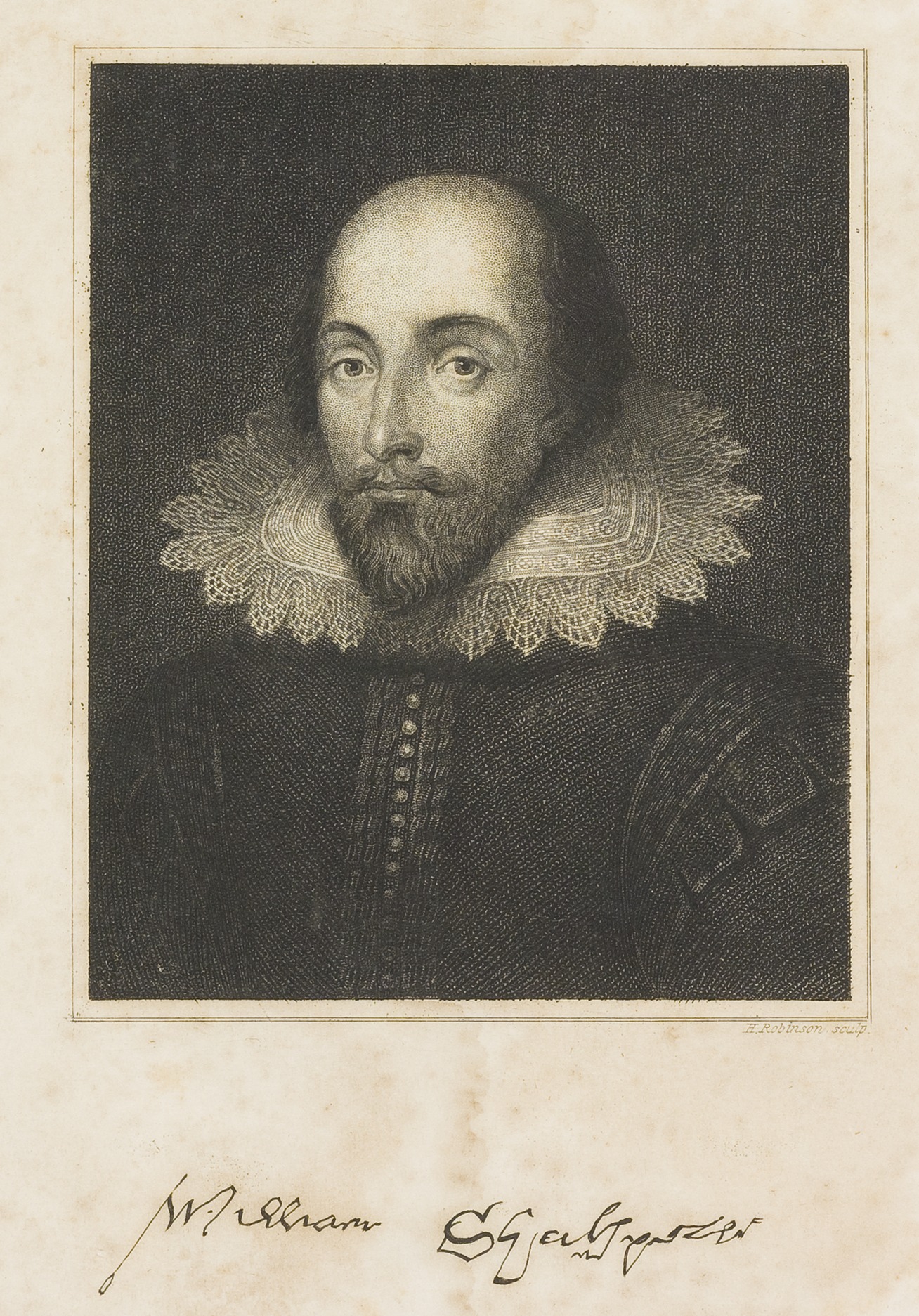
William Shakespeare engraving by John Henry Robinson
John Henry Robinson · 30 November 1827
 Document
Primary source
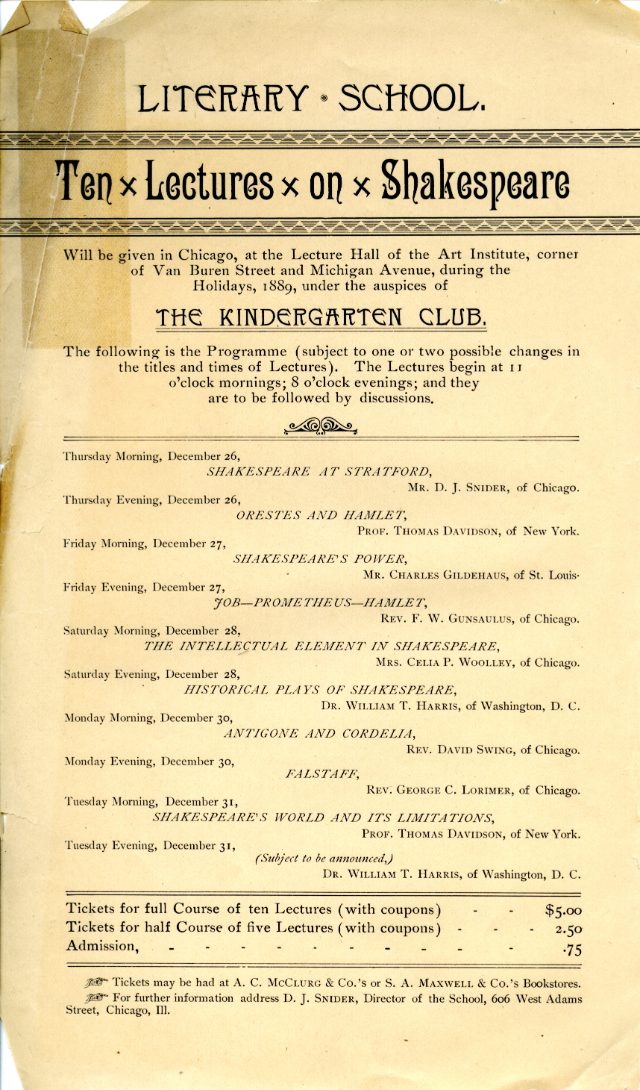
Ten Lectures on Shakespeare
Literary School · 1889
Primary source
Macbeth
William Shakespeare · c. 1606
 Painting
Secondary source
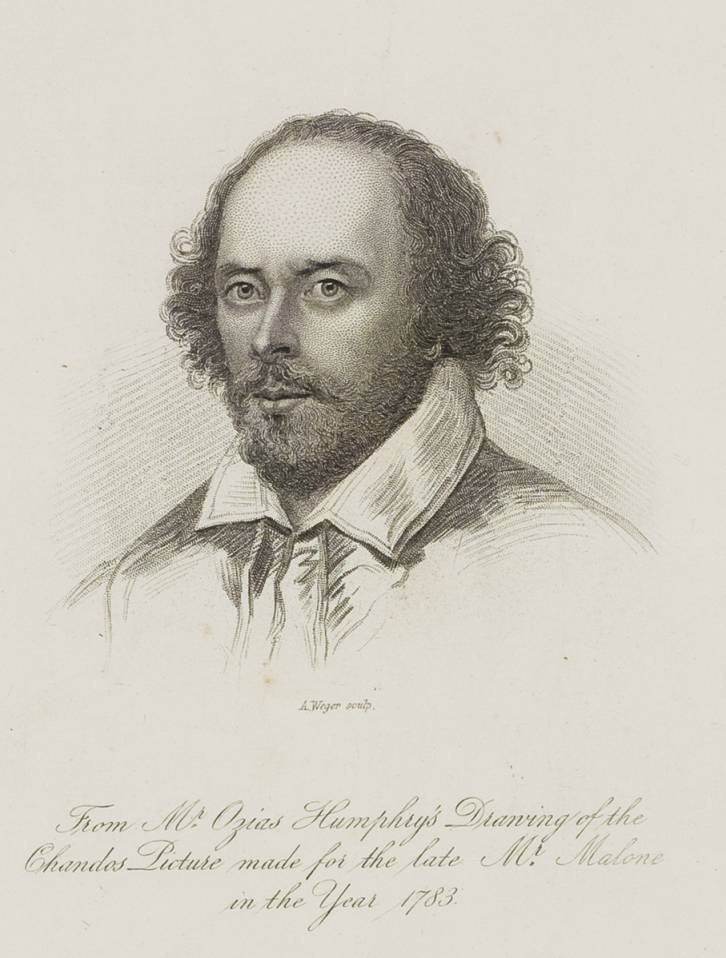
William Shakespeare engraving after Ozias Humphry's drawing
Ozias Humphry · after 1783
Ready when you are
Start chatting with William Shakespeare now.
20 messages free · No credit card · Available in 50+ languages.