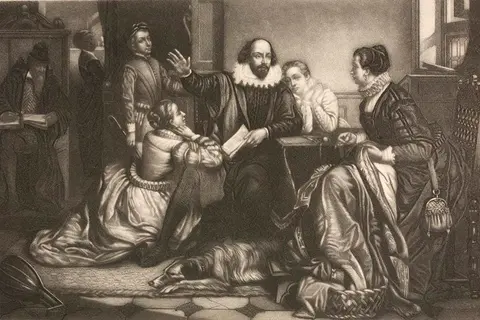

Portrait of William Shakespeare

AI Historical Figure

William Shakespeare

English playwright and poet

Chat with William Shakespeare via text or voice — in 42 languages, drawing on a curated biography and 94 historical sources. Available 24/7.

Start chatting with William Shakespeare20 messages free · No credit card
Lived
1564–1616
From
United Kingdom
Known for
Literature & writingFilm, stage & dance
William Shakespeare

William Shakespeare

Online · responds in seconds

Hello — I'm William Shakespeare. English playwright and poet. What would you like to ask me?

20 messages free · No credit card · Powered by Humy.ai

Live preview · Switch between 42 languages above · Send a message to continue in the app

Multilingual

Talk to William Shakespeare in 42 languages

Ask William Shakespeare questions in any language below, and the rest of Humy's app speaks it too. Pick yours to open the chat in that language.

Also in German (Austria), German (Switzerland), English (UK), English (Australia), English (Canada).

The sources behind this AI

94 sources · 53 books · 15 documents · 12 paintings · 7 artifacts · 2 sculptures · 2 speeches · 2 diary entries · 1 photograph

William Shakespeare doesn’t improvise from thin air. The AI is grounded in 94 curated historical sources students can inspect. Open any of them to see what informs the conversation.

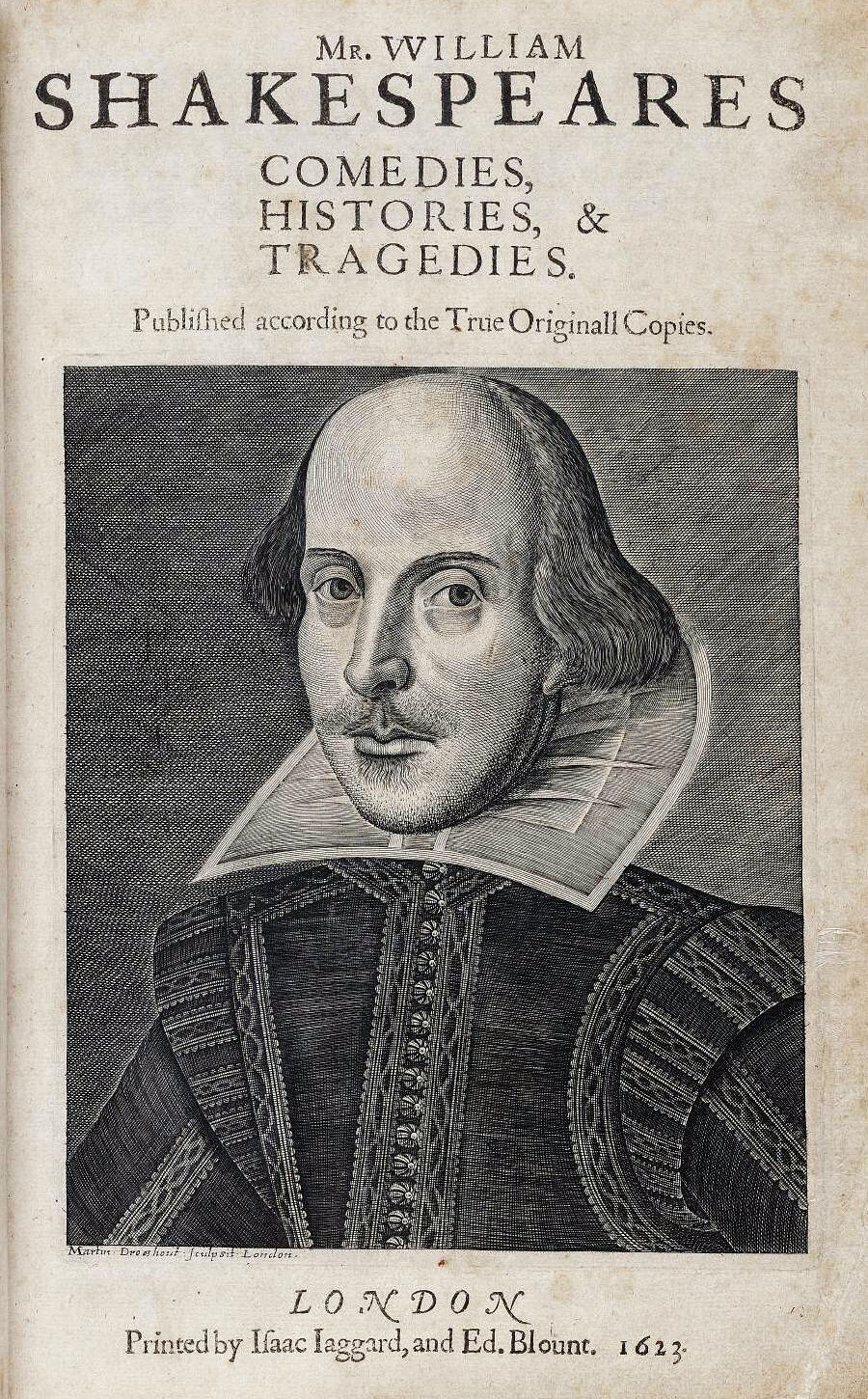
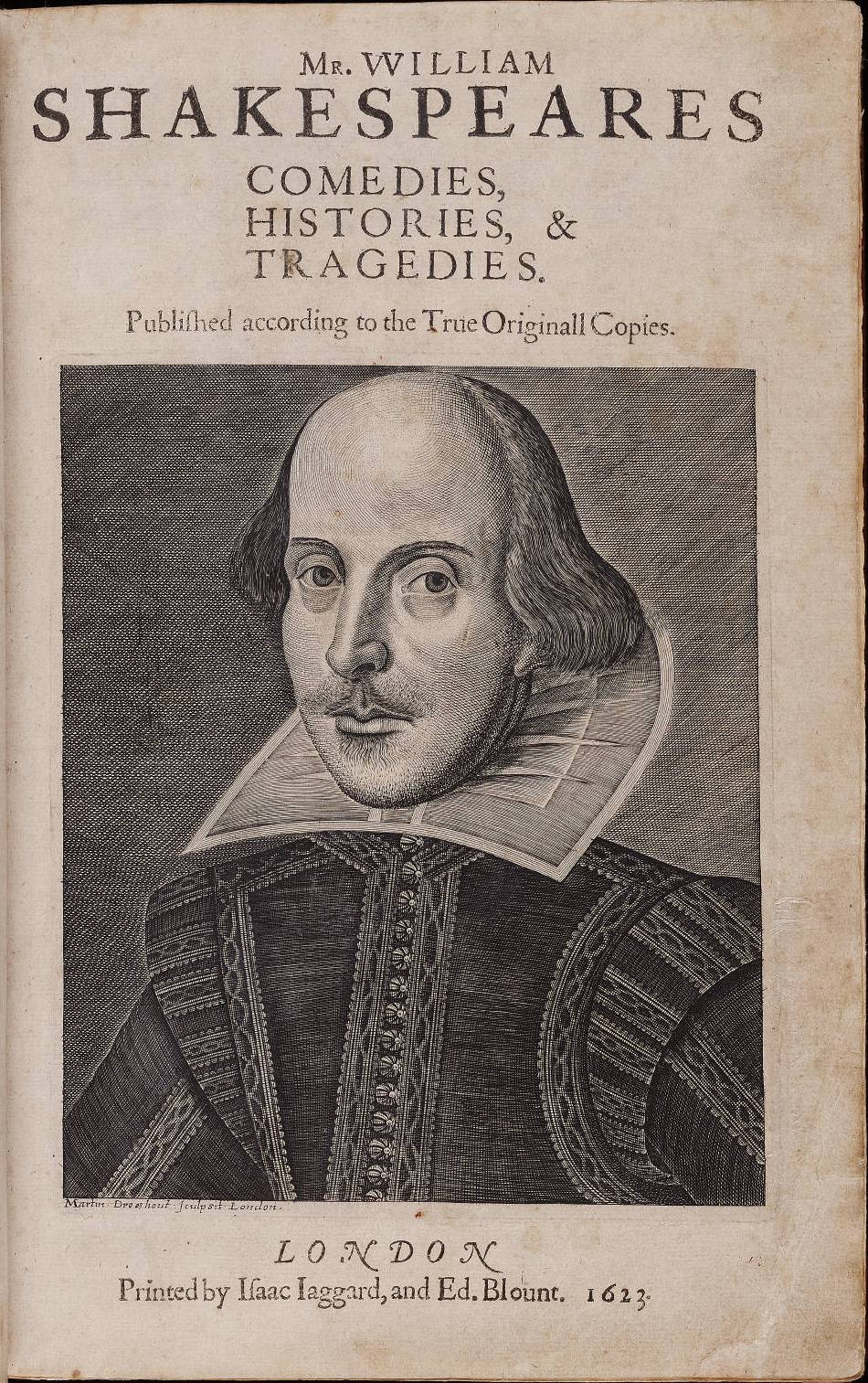
Title page of the First Folio of Shakespeare's plays. Large text reads 'Mr. William Shakespeares Comedies, Histories, & Tragedies' and 'Published according to the True Originall Copies.' Below is an engraved portrait of a balding man with a moustache and a large white collar. At the bottom: 'London, Printed by Isaac Jaggard, and Ed. Blount. 1623.'Book

Primary source

First Folio

William Shakespeare · 1623

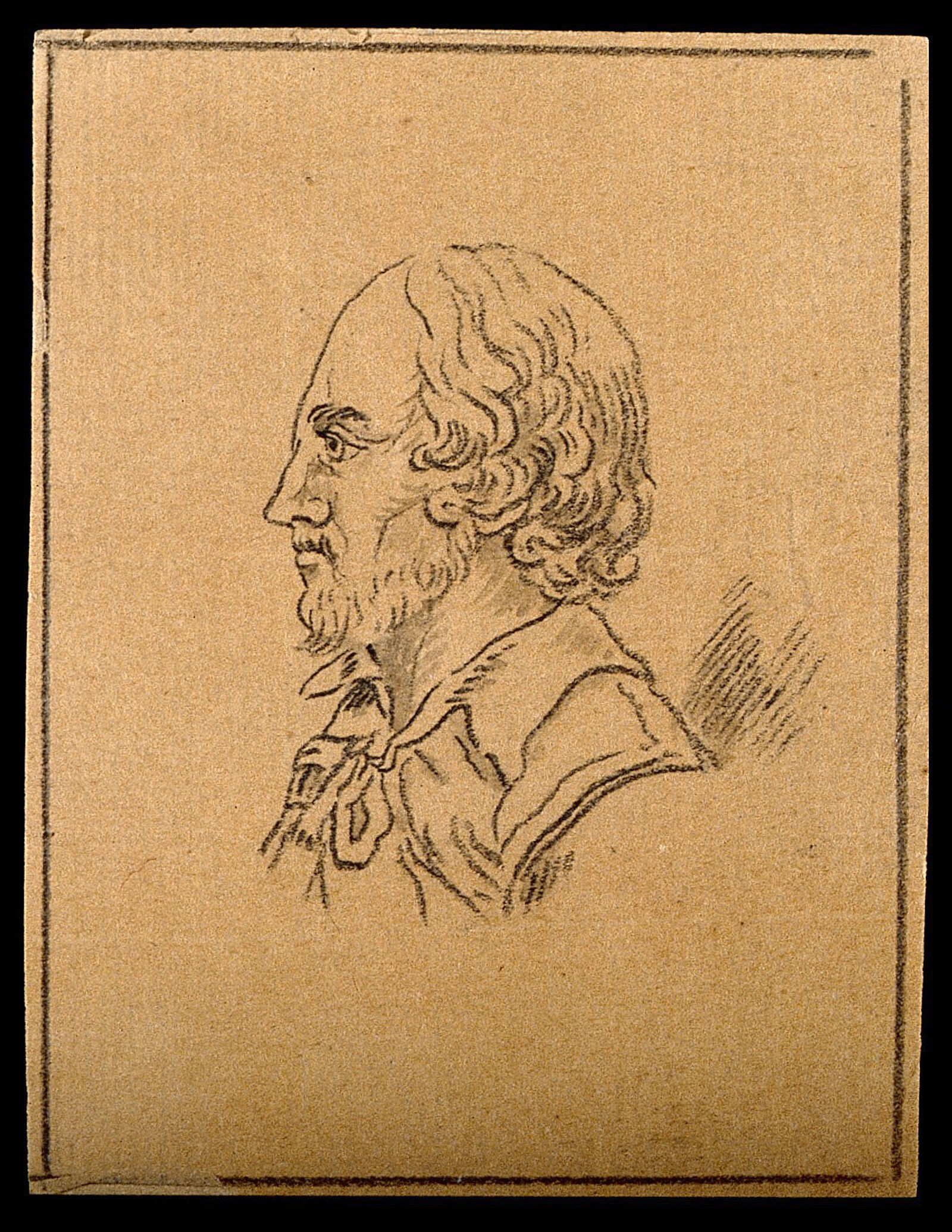
Pencil or ink profile drawing on tan paper, facing left, of a man with a bald crown, long wavy hair at the back and sides, a beard, and a plain collared garment. Thin border lines frame the sheet.Painting

Secondary source

Profile Drawing of William Shakespeare

Johann Kaspar Lavater · c. 1793

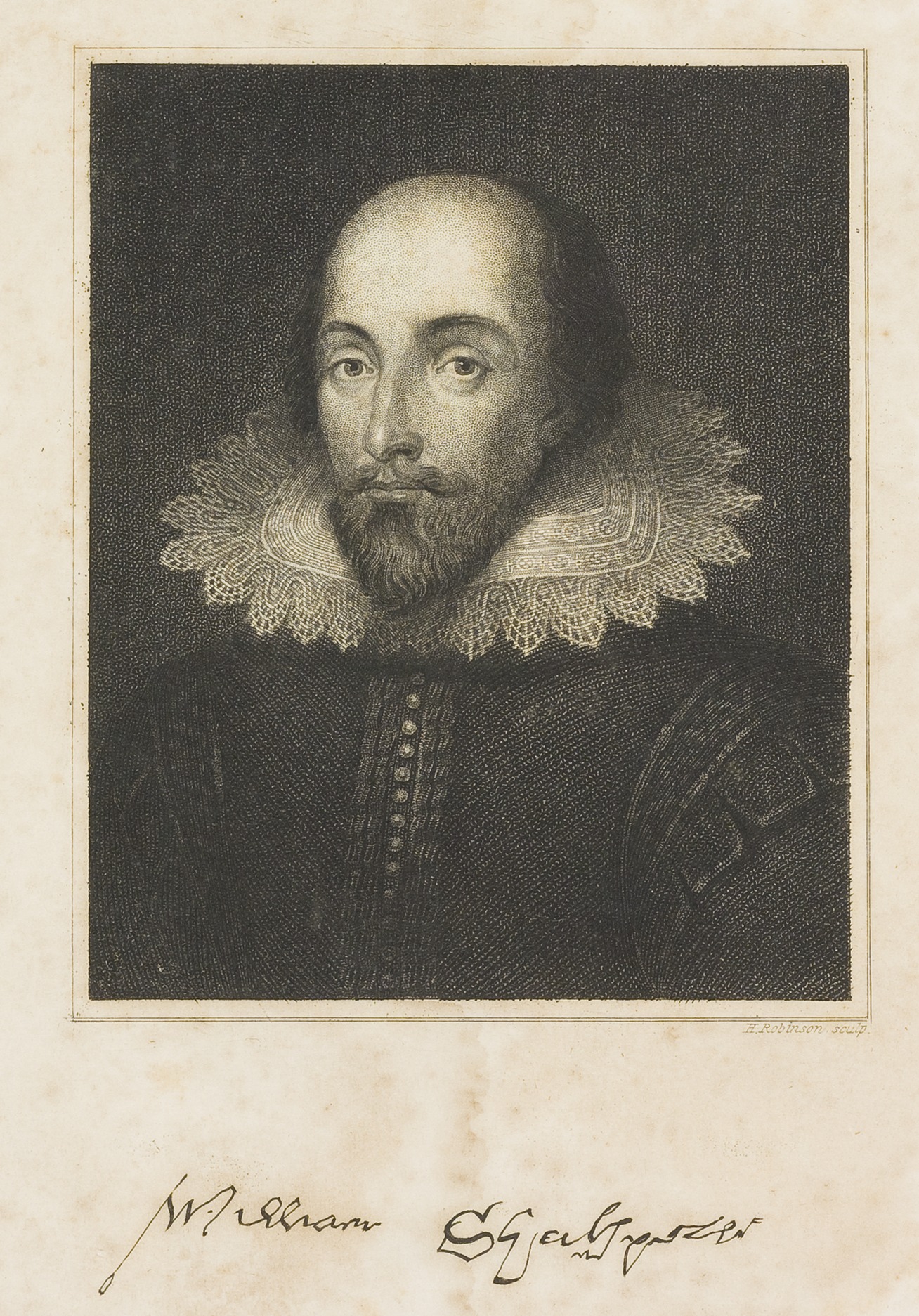
Black-and-white engraved portrait of a bald-headed man with a pointed beard and moustache, wearing a large lace collar and dark buttoned doublet, set in a rectangular frame. Below is a handwritten signature reading William Shakespeare. Engraver credit at lower right reads H. Robinson sculp.Painting

Secondary source

William Shakespeare engraving by John Henry Robinson

John Henry Robinson · 30 November 1827

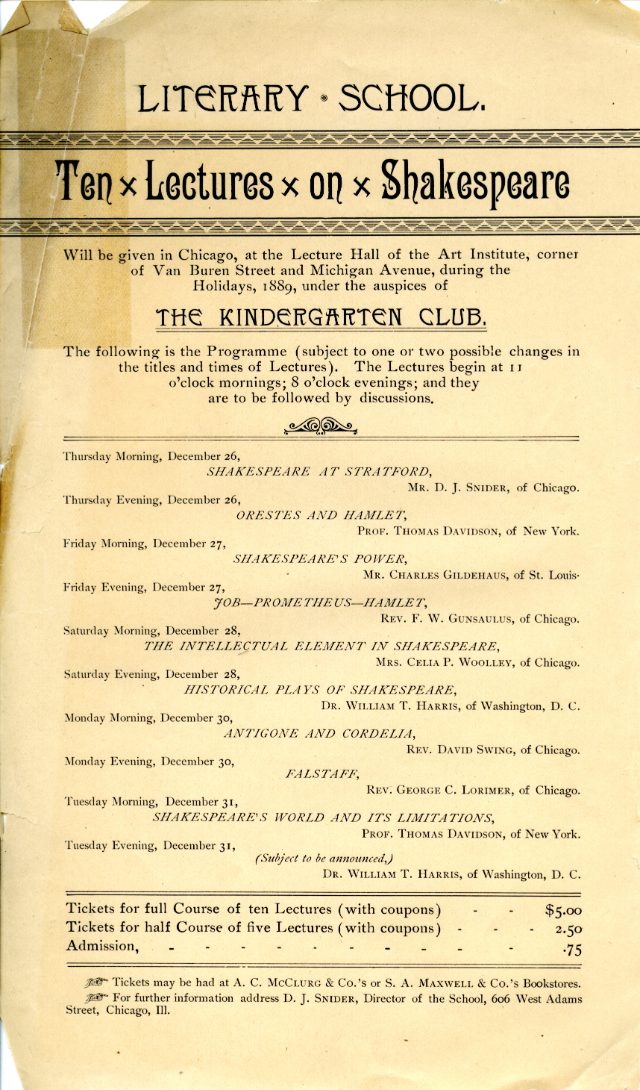
Ten Lectures on ShakespeareDocument

Primary source

Ten Lectures on Shakespeare

Literary School · 1889

Book

Primary source

Macbeth

William Shakespeare · c. 1606

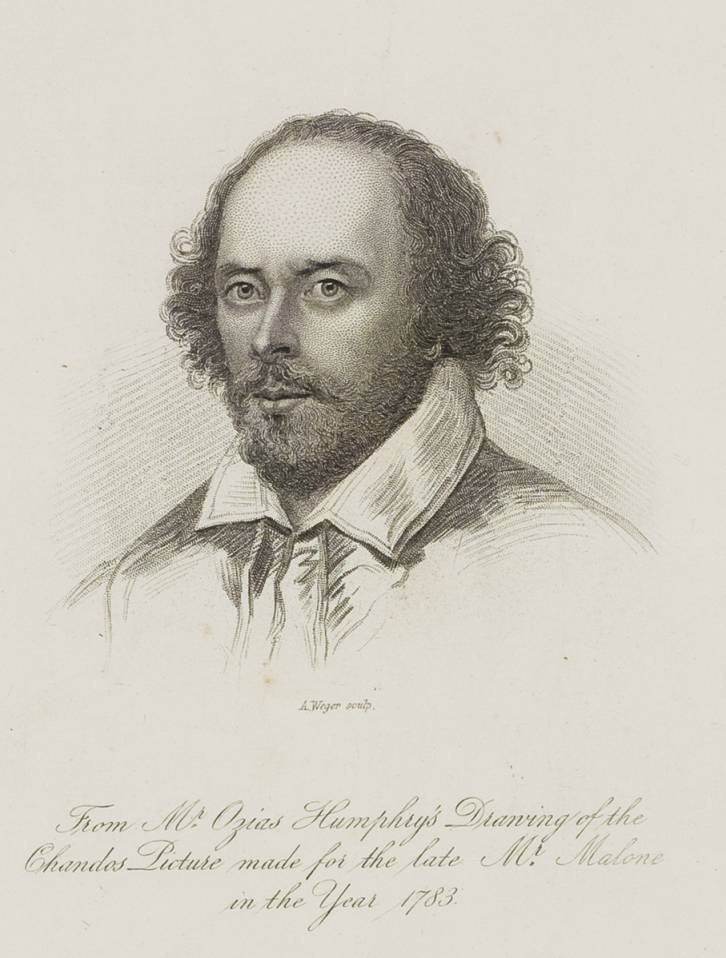
Engraved portrait of a man with receding hair, curly locks, a short beard and moustache, and a plain open-necked white collar. Below the image is a handwritten-style caption reading 'From Mr Ozias Humphry's Drawing of the Chandos Picture made for the late Mr Malone in the Year 1783', with the signature 'A. Weger sculp.' above it.Painting

Secondary source

William Shakespeare engraving after Ozias Humphry's drawing

Ozias Humphry · after 1783

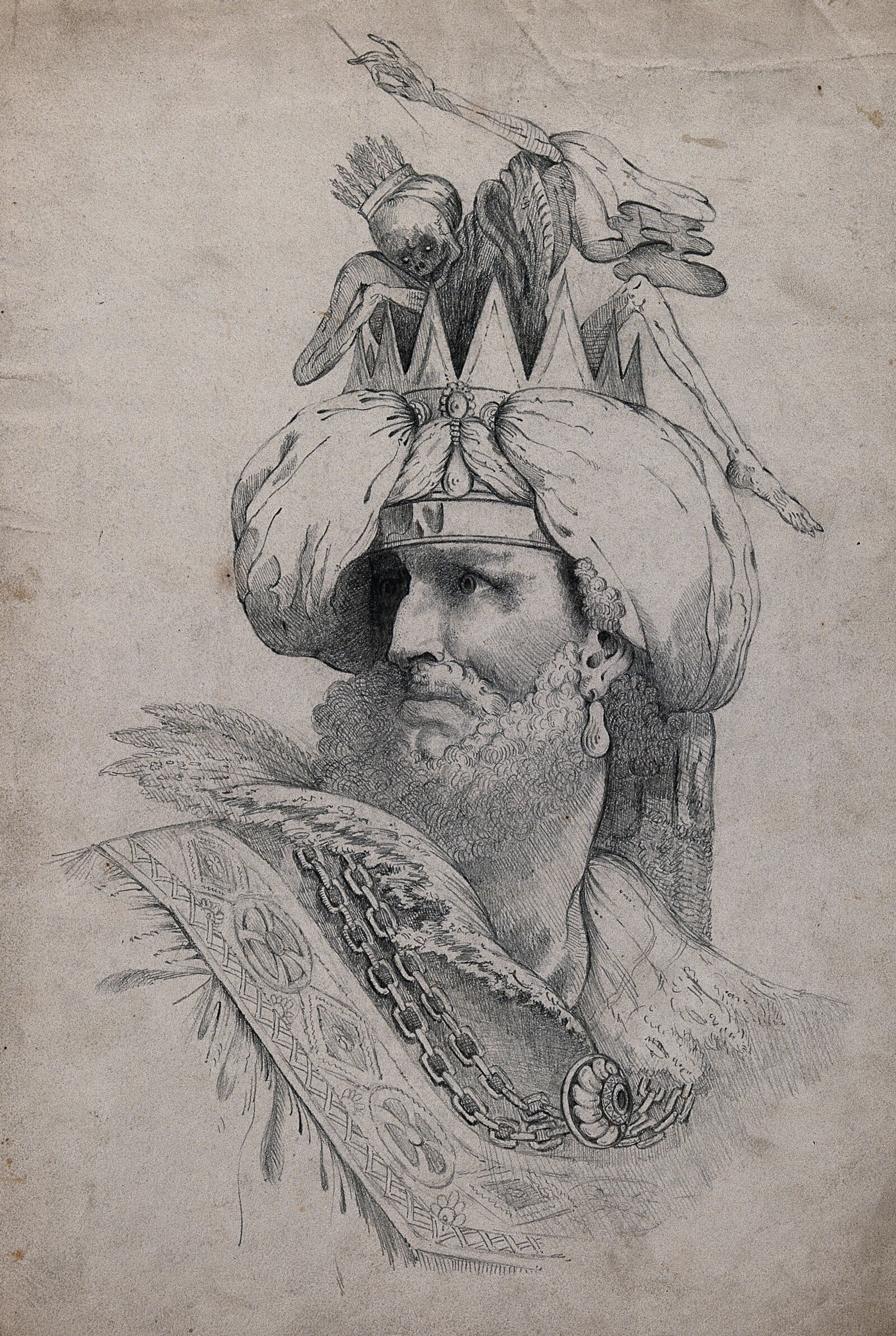
Pencil drawing on aged paper of a bearded man in a large turban with jewelled band, wearing an ornate embroidered robe and chain with medallion. A skeletal figure with a crown-like headdress sits atop the turban, reaching upward with one arm extended.Painting

Secondary source

King Richard II with Death in the Crown

John Hamilton Mortimer

Book

Primary source

Romeo and Juliet

William Shakespeare · c. 1591-1595

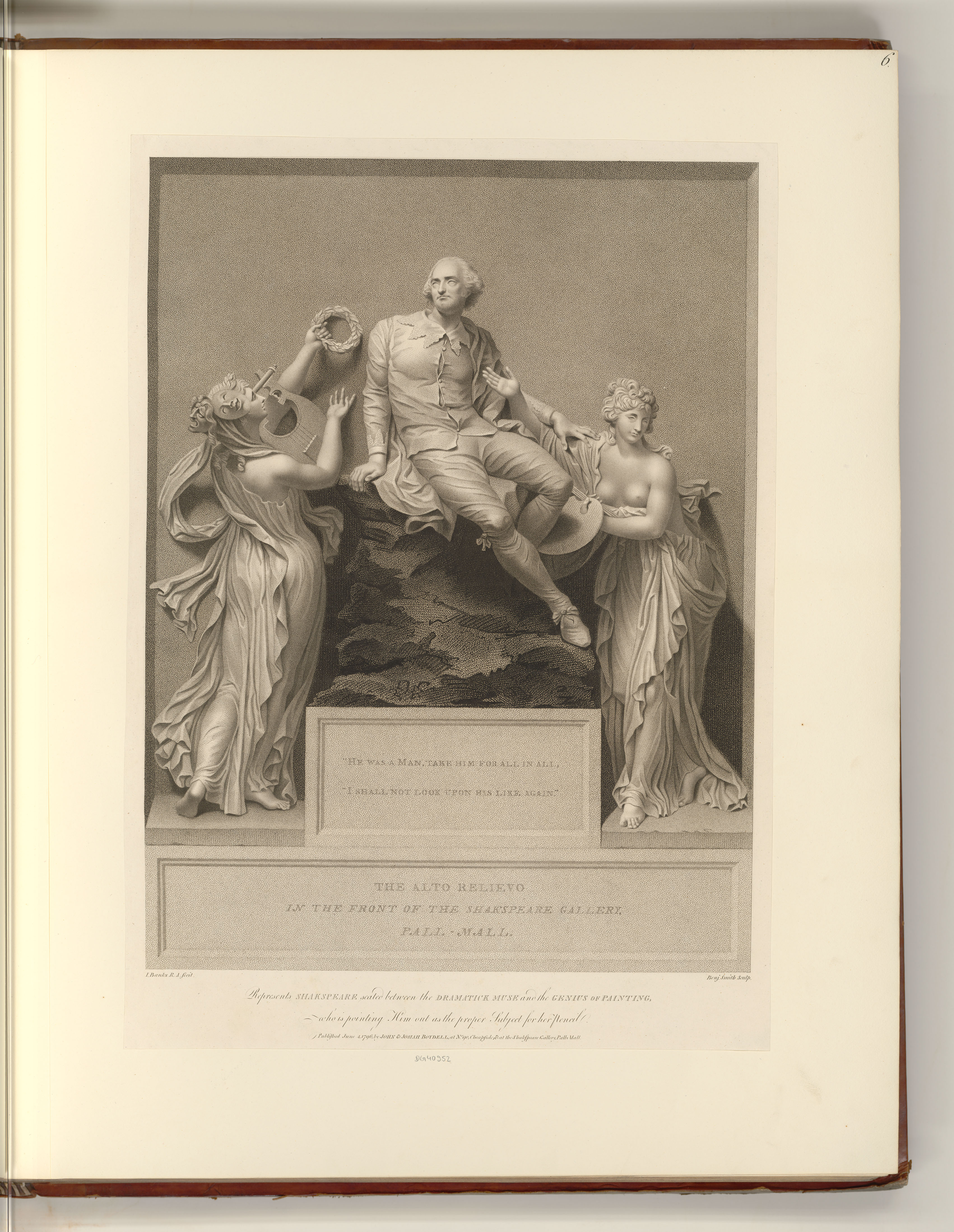
Engraved print of an alto-relievo monument showing a seated man in 18th-century dress with a frilled collar, flanked by two draped female figures: one playing a lute and holding a laurel wreath, the other holding a palette. Inscription reads 'He was a man, take him for all in all, I shall not look upon his like again.' Caption below names Shakespeare Gallery, Pall Mall.Painting

Secondary source

William Shakespeare monument print, Shakespeare Gallery

1776

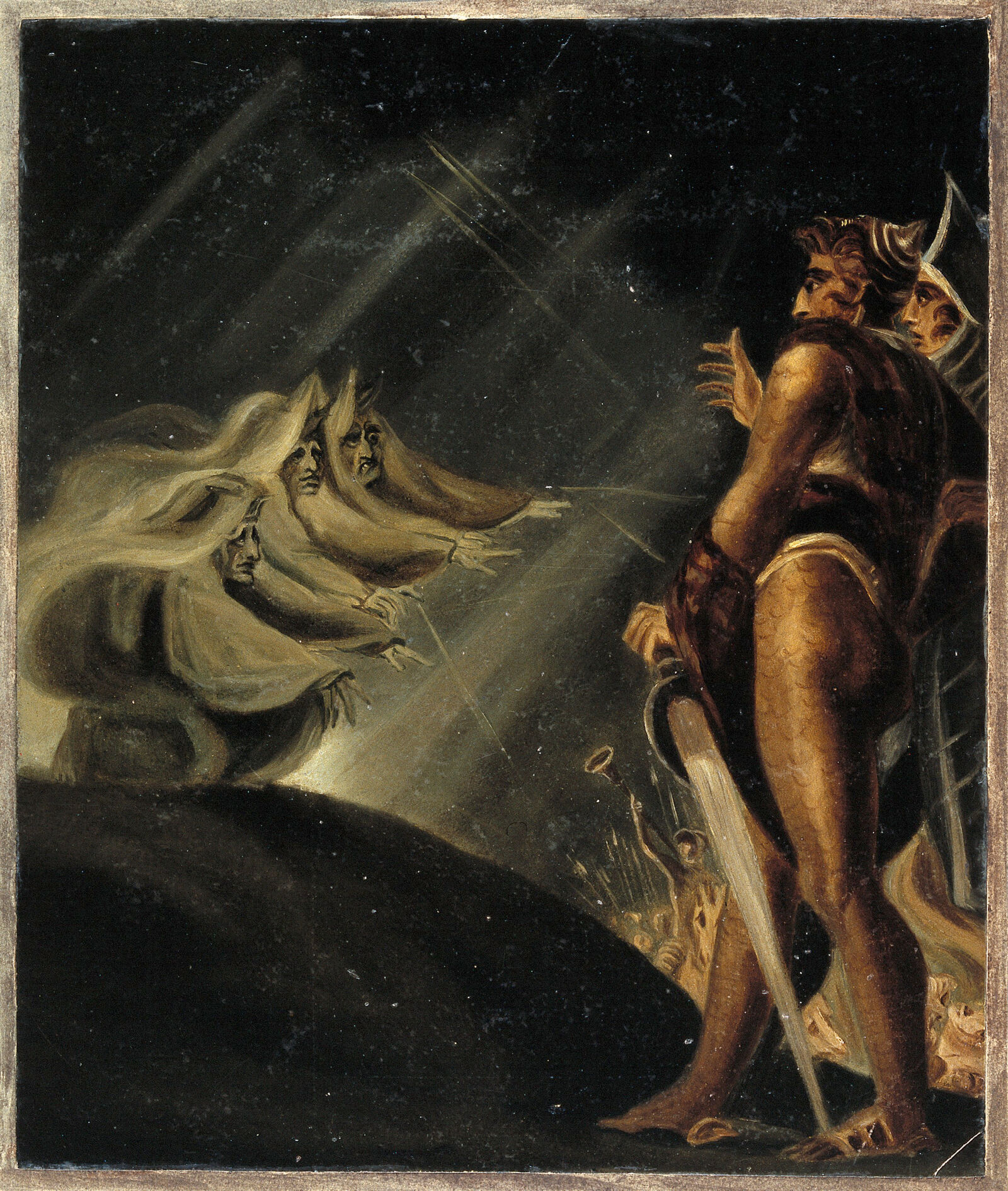
Painting in dark tones: three pale, ghostly female figures in flowing robes with outstretched arms on the left, facing two muscular male figures in brown tones on the right, one with a sword, against a night sky with light rays.Painting

Secondary source

Macbeth and Banquo Meet the Witches

Henry Fuseli

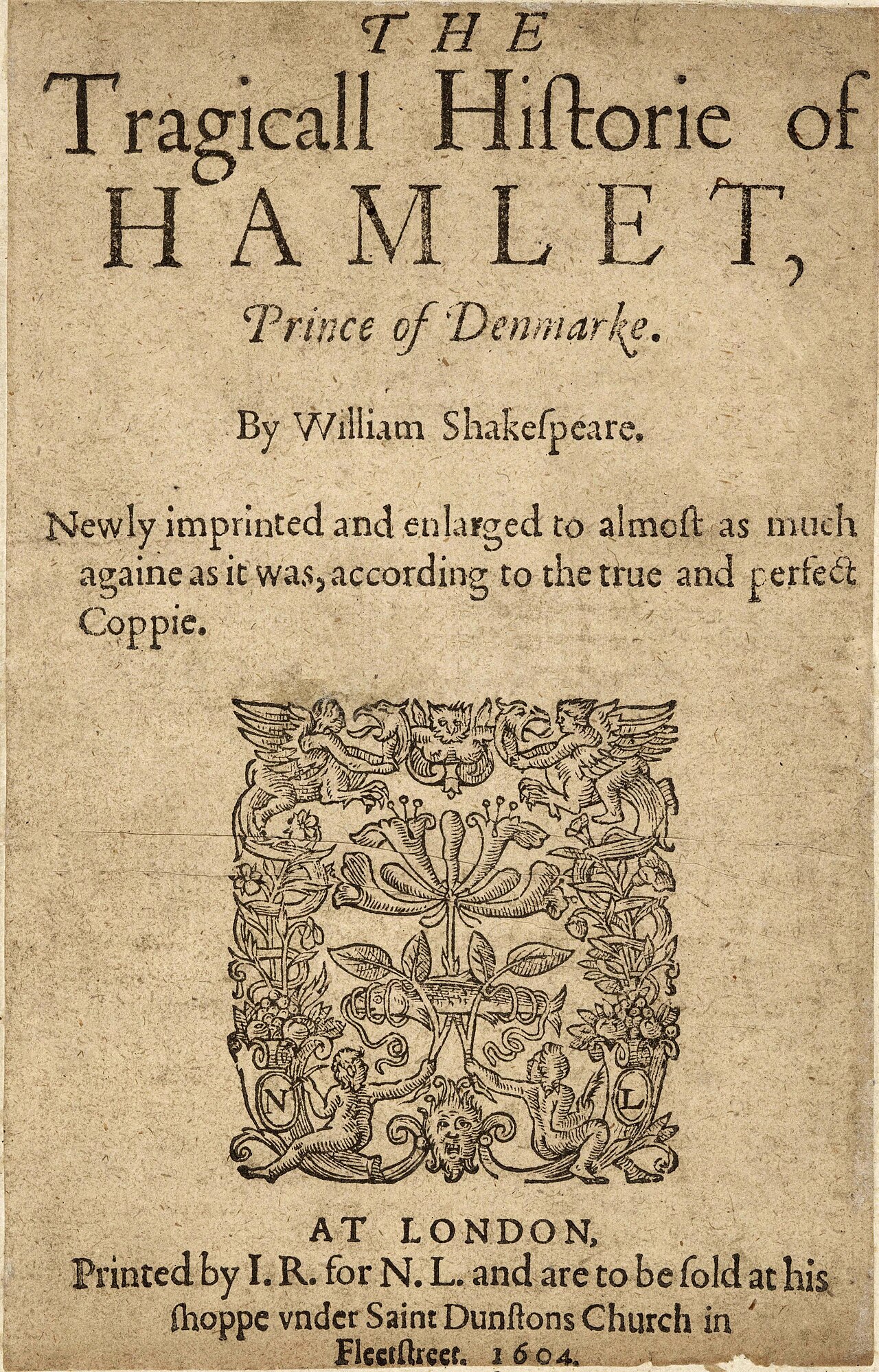
Scan of the title page of the 1604 second quarto of Hamlet. Large black-letter type reads 'The Tragicall Historie of Hamlet, Prince of Denmarke. By William Shakespeare', with a woodcut ornament below and the imprint 'At London, Printed by I.R. for N.L.' at the bottom.Book

Primary source

Hamlet

William Shakespeare · c. 1599-1601

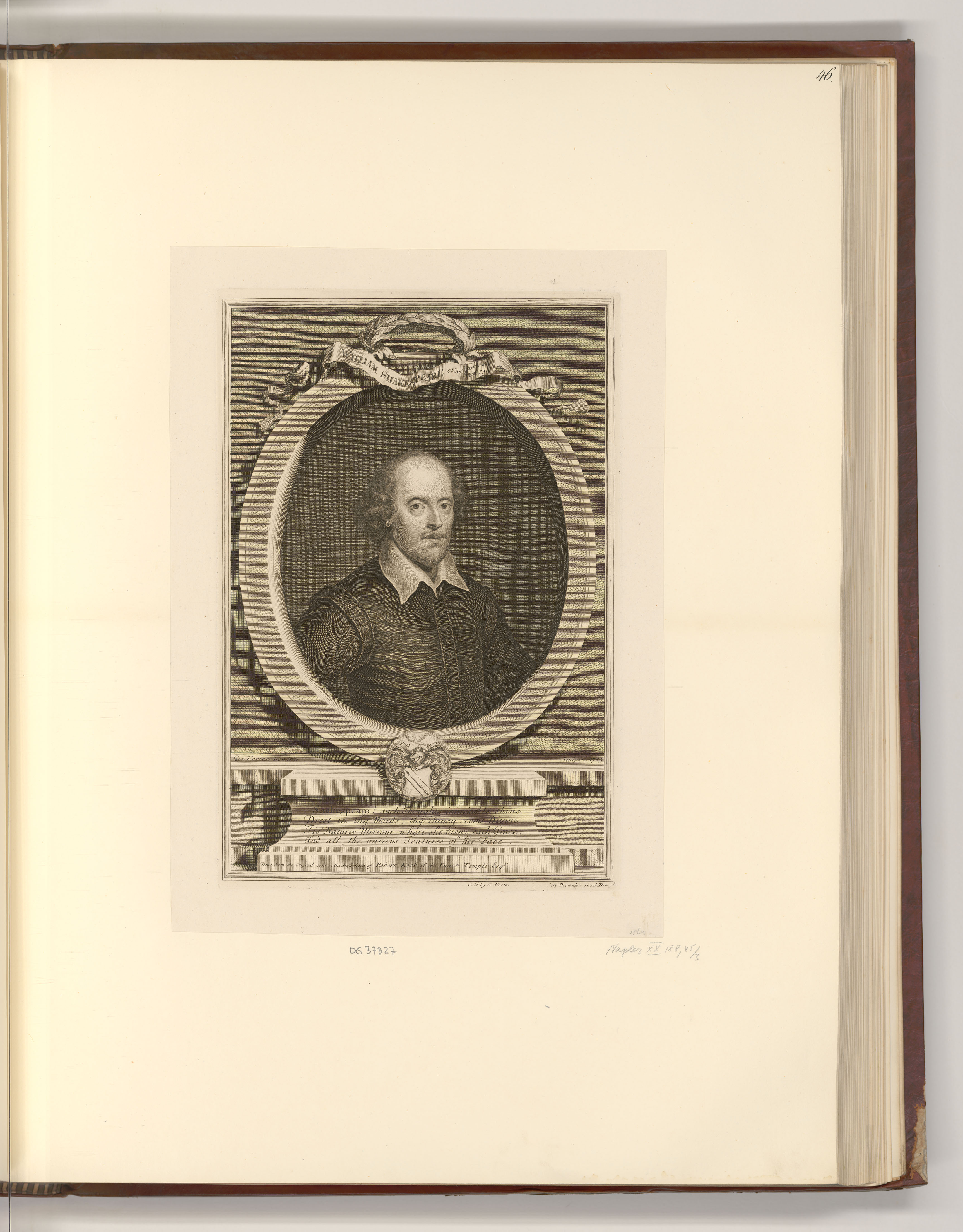
Engraved oval portrait of William Shakespeare with a laurel wreath and banner reading 'William Shakespeare', set on a pedestal with a coat of arms and a four-line verse below, printed on a page of a bound book.Painting

Secondary source

Portrait of William Shakespeare, 1719 engraving

1719

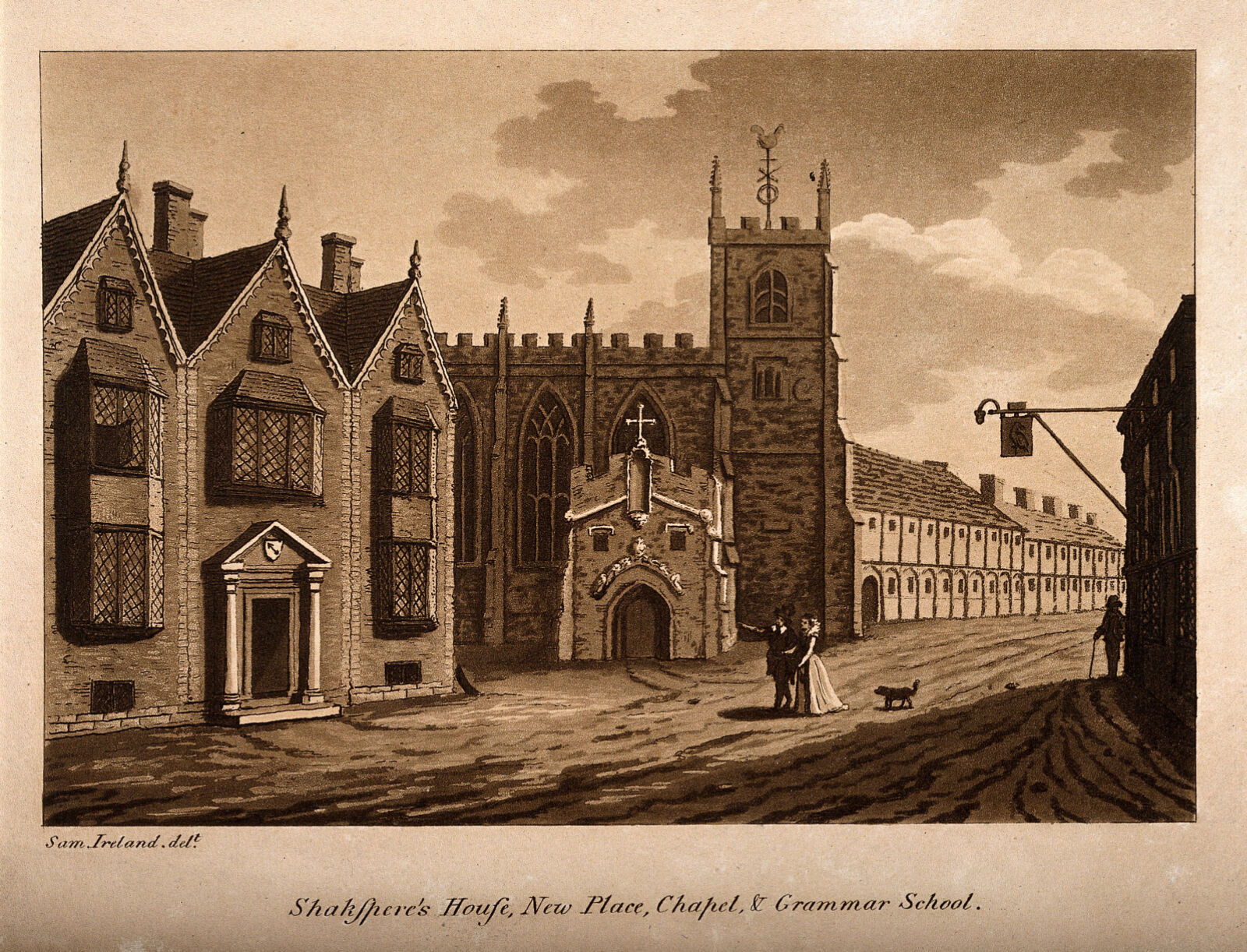
Sepia aquatint of a Tudor-style timber and stone street scene in Stratford-upon-Avon. Left, a gabled half-timbered house with mullioned bay windows and a columned doorway. Center, a church with a tall tower, a weathervane, and a gatehouse. Right, a row of low buildings and a hanging sign. Two figures and a dog stand in the street; another man stands at far right. Caption: Shakspeare's House, New Place, Chapel, & Grammar School. Signed Sam. Ireland delt.Artifact

Secondary source

Shakespeare's House at Stratford-upon-Avon

Samuel Ireland · 1795

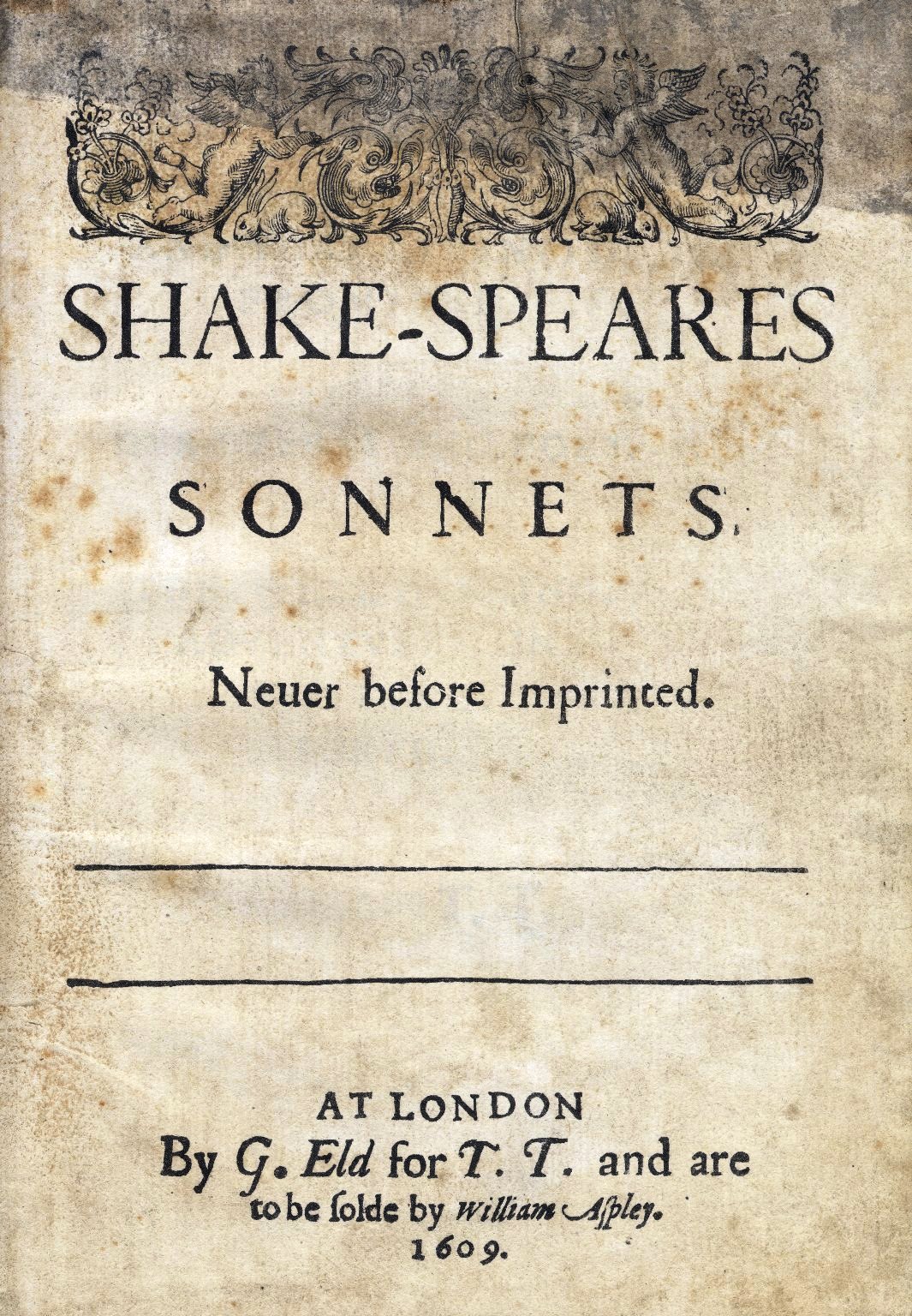
Title page of the 1609 quarto of Shakespeare's Sonnets. An ornate woodcut border of scrolls and figures sits at top. Below, in large capitals: SHAKE-SPEARES, then spaced SONNETS, then Neuer before Imprinted. Printed imprint at bottom reads: AT LONDON By G. Eld for T. T. and are to be solde by William Aspley, 1609.Book

Primary source

Shakespeare's Sonnets

William Shakespeare · 1609

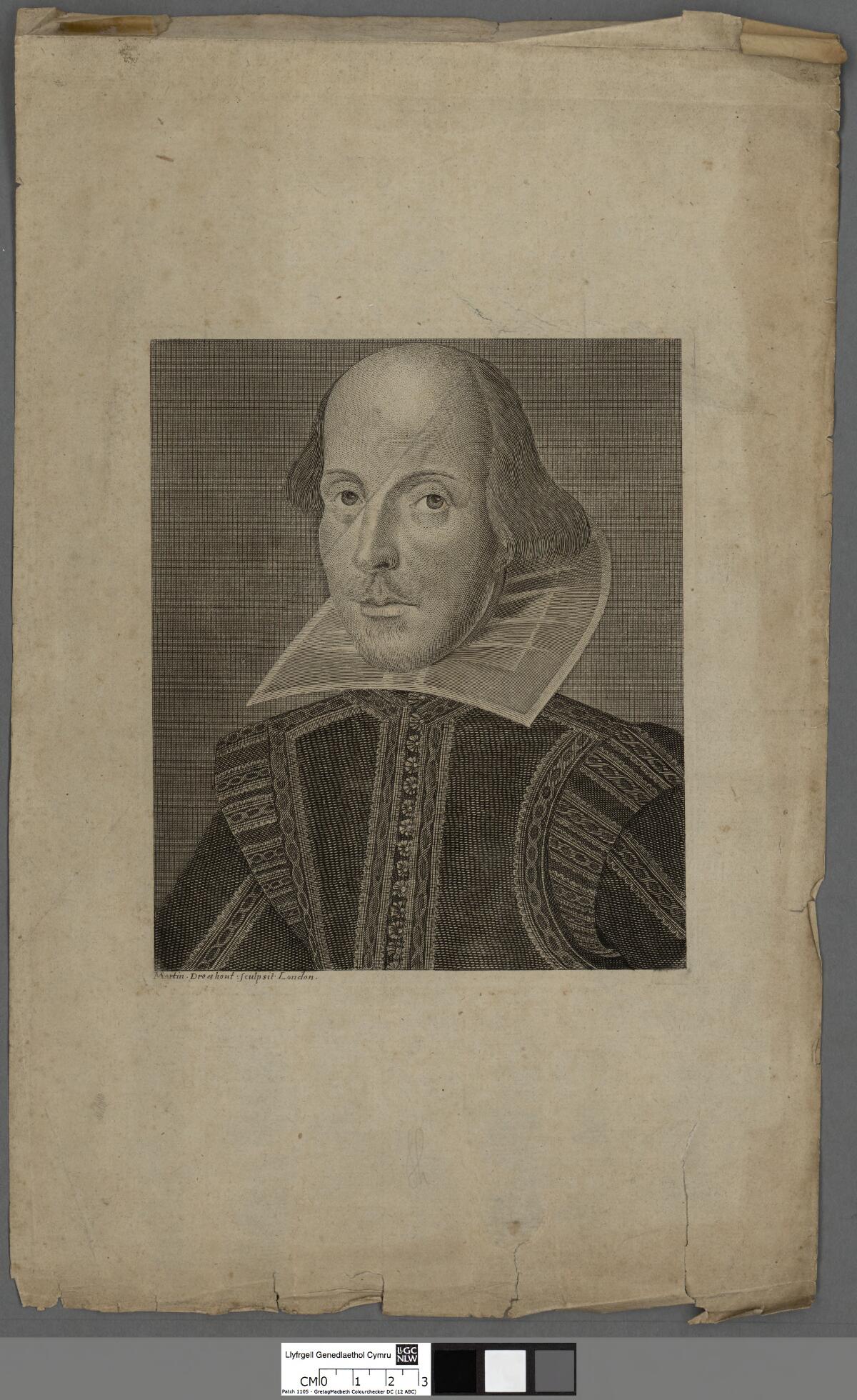
Engraved portrait print of a balding man with a short beard and mustache, wearing a large white lace collar and an ornately patterned doublet. Inscription at lower left reads Martin Droeshout sculpsit London. Printed on aged paper with a mount border.Painting

Primary source

William Shakespeare

Martin Droeshout · 1632

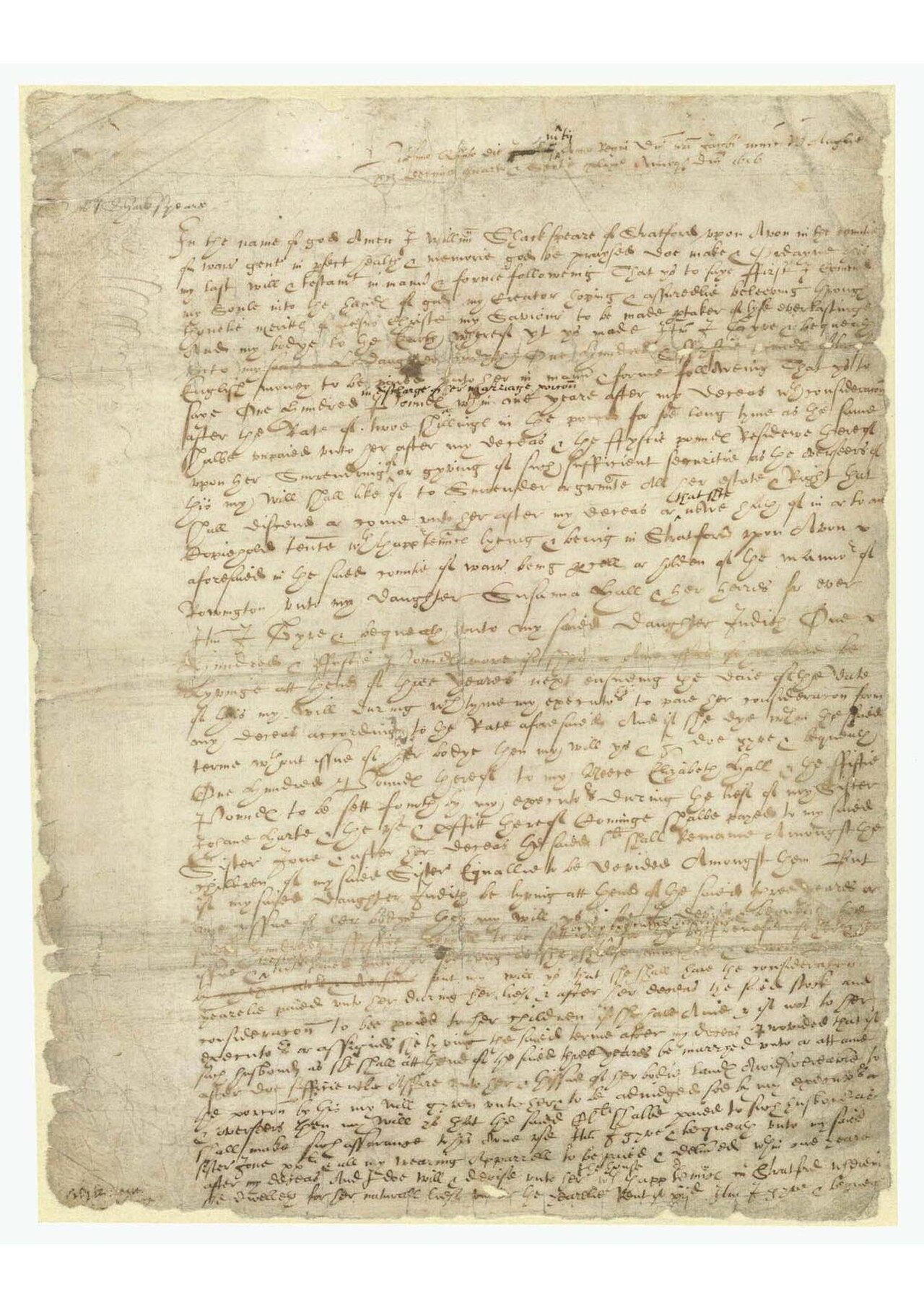
Scan of a handwritten early modern manuscript page on aged, browned paper with brown ink text in secretary hand, including a heading at top reading Shakespeare, and a partial line at top left. The page shows the first lines of the will.Document

Primary source

Shakespeare's Will

William Shakespeare · 25 March 1616

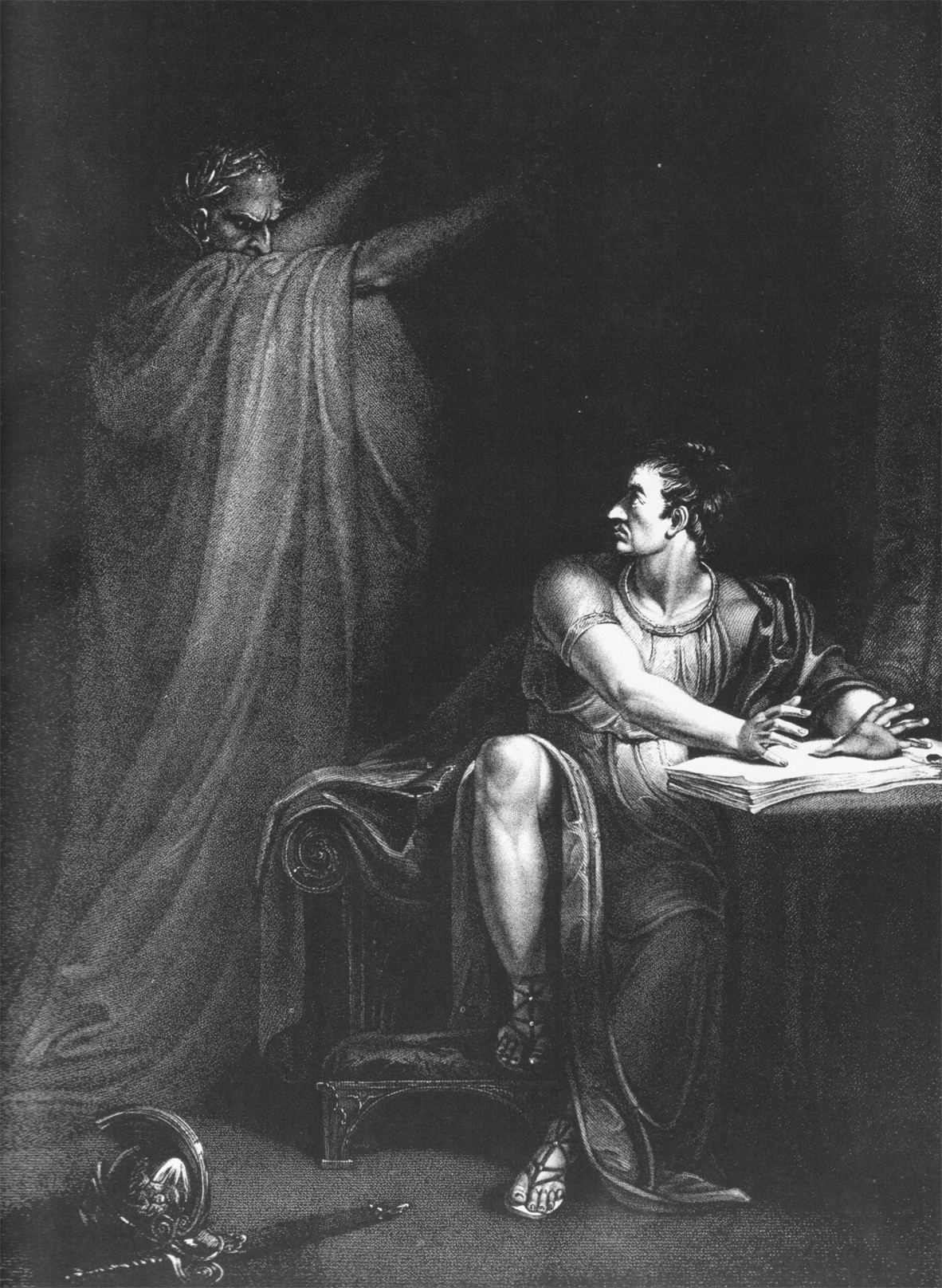
Black and white copperplate engraving. A seated man in classical robes, at a table with stacked papers, looks up toward a translucent, shrouded ghostly figure with outstretched arms and a laurel wreath, who looms on the left. A helmet and sword lie on the floor in the lower left.Book

Secondary source

Julius Caesar

William Shakespeare · 1599

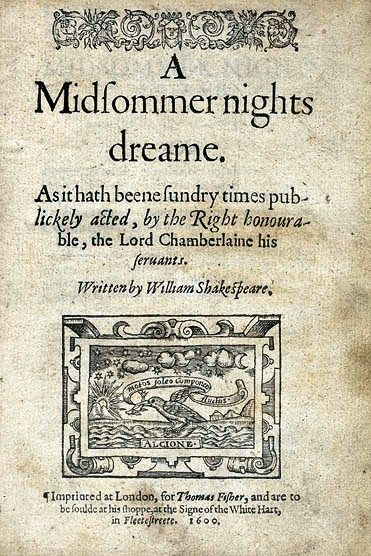
Title page of the 1600 quarto of A Midsummer Night's Dream. Large black-letter title 'A Midsommer nights dreame', a line stating it was publicly acted by the Lord Chamberlaine his servants, 'Written by William Shakespeare', a woodcut device with a dragon-like creature and the Latin motto, and the imprint for Thomas Fisher at the Signe of the White Hart, Fleetstreet, 1600.Book

Primary source

A Midsummer Night's Dream

William Shakespeare · 1595

Book

Primary source

The Tempest

William Shakespeare · 1611

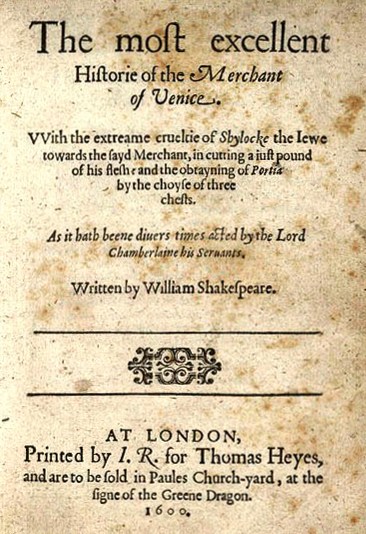
Title page of the 1600 first quarto of The Merchant of Venice, in old English black-letter type on aged paper. Text reads 'The most excellent Historie of the Merchant of Venice' and names William Shakespeare as author, with the printer and publication details at the bottom.Book

Primary source

The Merchant of Venice

William Shakespeare · 1596

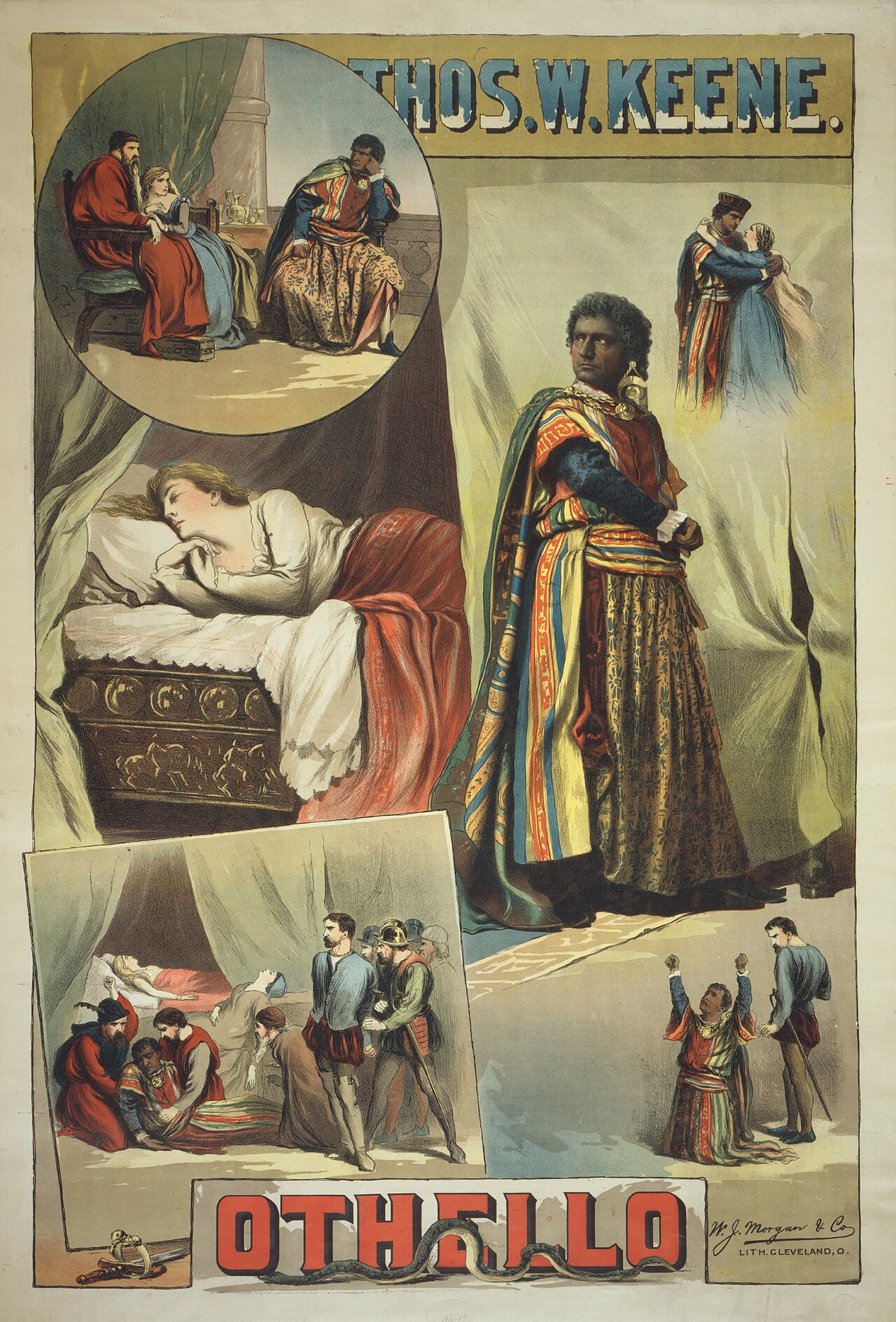
Color lithograph theatre poster headed 'Thos. W. Keene' with 'OTHELLO' at bottom. A man in a richly patterned robe stands center; insets show scenes of a sleeping woman in bed, a seated couple, an embrace, and kneeling figures with raised arms. A snake is drawn across the title.Book

Primary source

Othello

William Shakespeare · 1604

Book

Primary source

King Lear

William Shakespeare · 1606

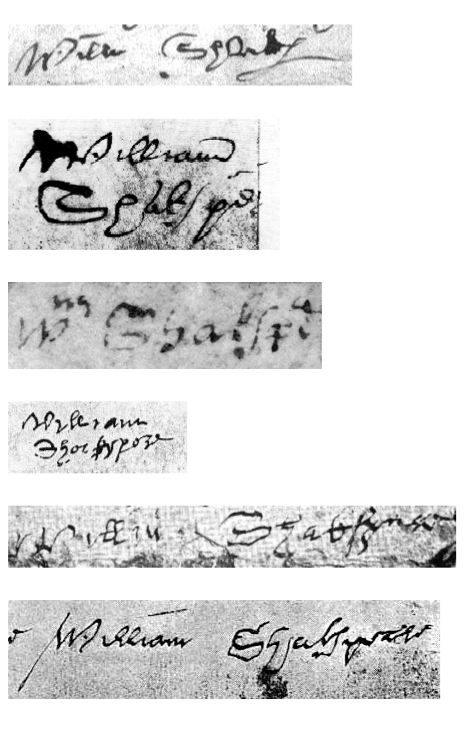
Six cropped examples of handwritten signatures reading William Shakespeare, stacked vertically on a light background, each in a different script style and state of legibility, showing the known signatures collected from documents.Document

Primary source

Shakespeare's Signatures Collected

William Shakespeare

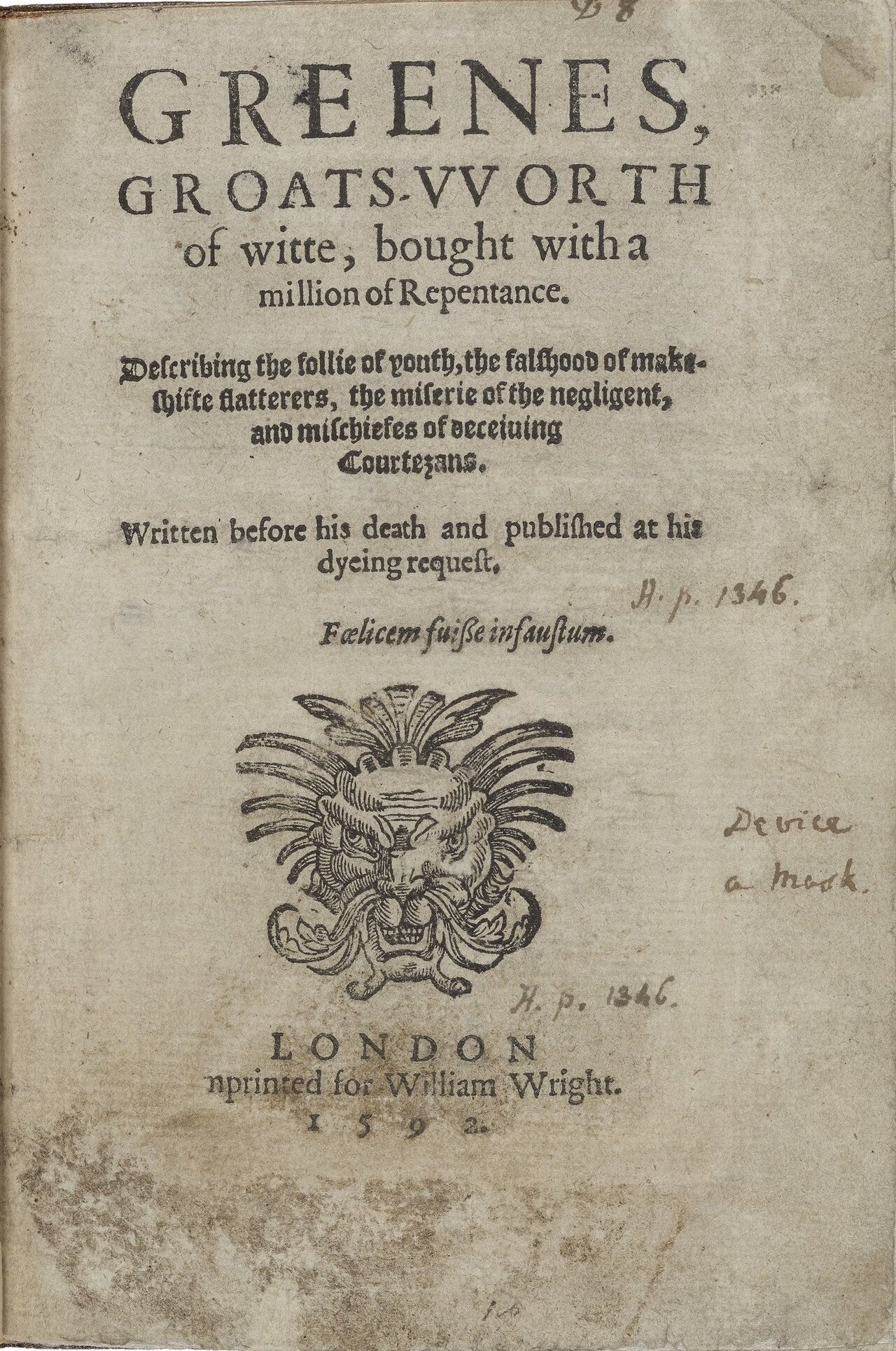
Scan of the title page of Greene's Groats-Worth of Witte, 1592, printed in London for William Wright. The title reads 'Greenes, Groats-worth of witte, bought with a million of repentance', with a subtitle in smaller black-letter type, a Latin motto, and a woodcut device of a grotesque mask at center. Handwritten annotations appear in the margins.Book

Primary source

Greene's Groats-Worth of Wit

Robert Greene · 1592

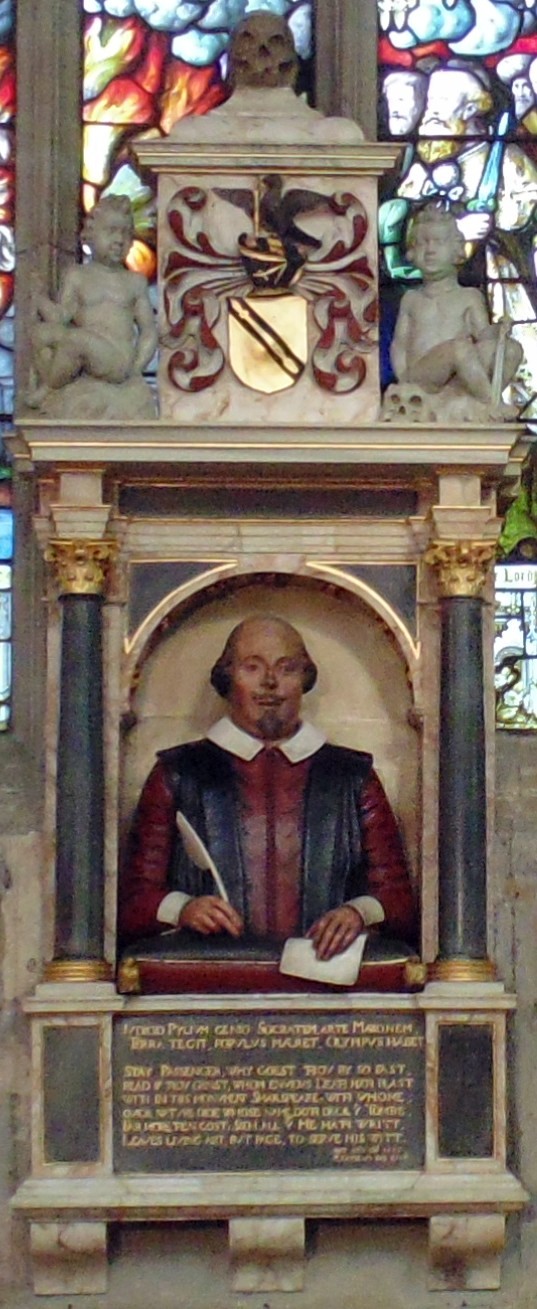
Carved and painted stone funerary monument in a church: a bust of a bald-headed man with a moustache and pointed beard, in a red and dark robe with white collar, holding a quill pen and resting a hand on a cushion with a paper. Above are a coat of arms and two carved cherub figures; below is an inscribed Latin and English epitaph panel. Stained glass windows are behind.Sculpture

Secondary source

Shakespeare's Funerary Monument, Holy Trinity Church

Gheerart Janssen (attributed) · c. 1616–1623

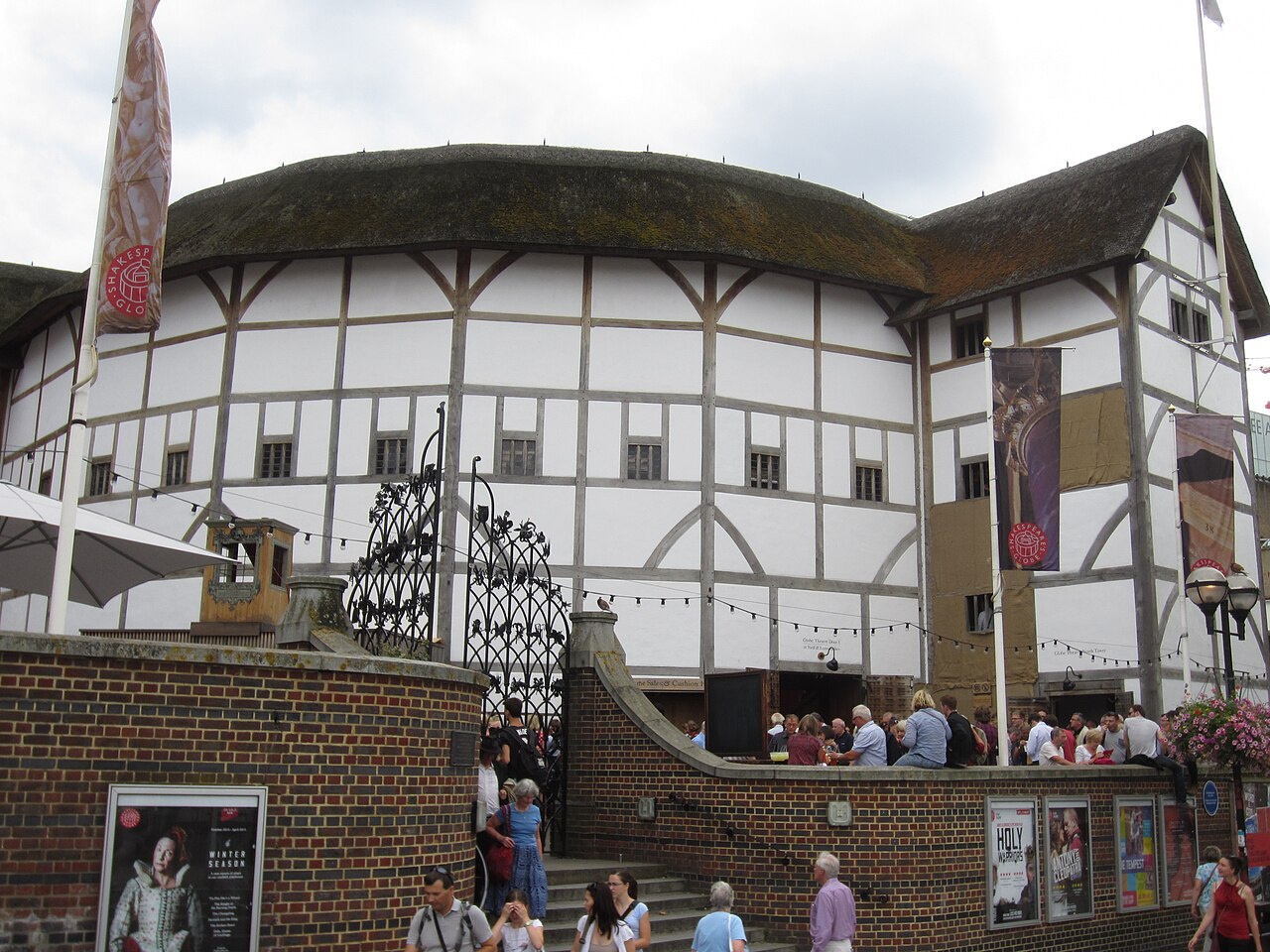
Exterior of a modern reconstruction of the Globe Theatre in London: a large round timber-framed building with white plaster panels, a thatched roof, and wrought-iron gates, with visitors and banners in front.Artifact

Secondary source

The Globe Theatre

1599

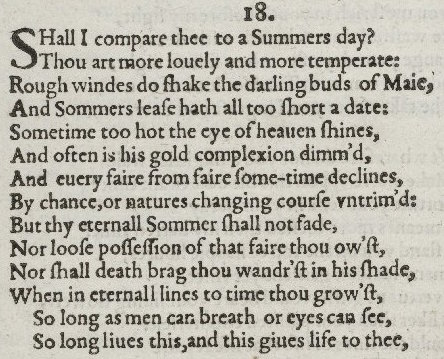
Scanned page from the 1609 Quarto showing Sonnet 18, numbered 18 at top, in old black-letter-style typeface beginning 'Shall I compare thee to a Summers day?' with fourteen lines of verse.Book

Primary source

Sonnet 18

William Shakespeare · 1609

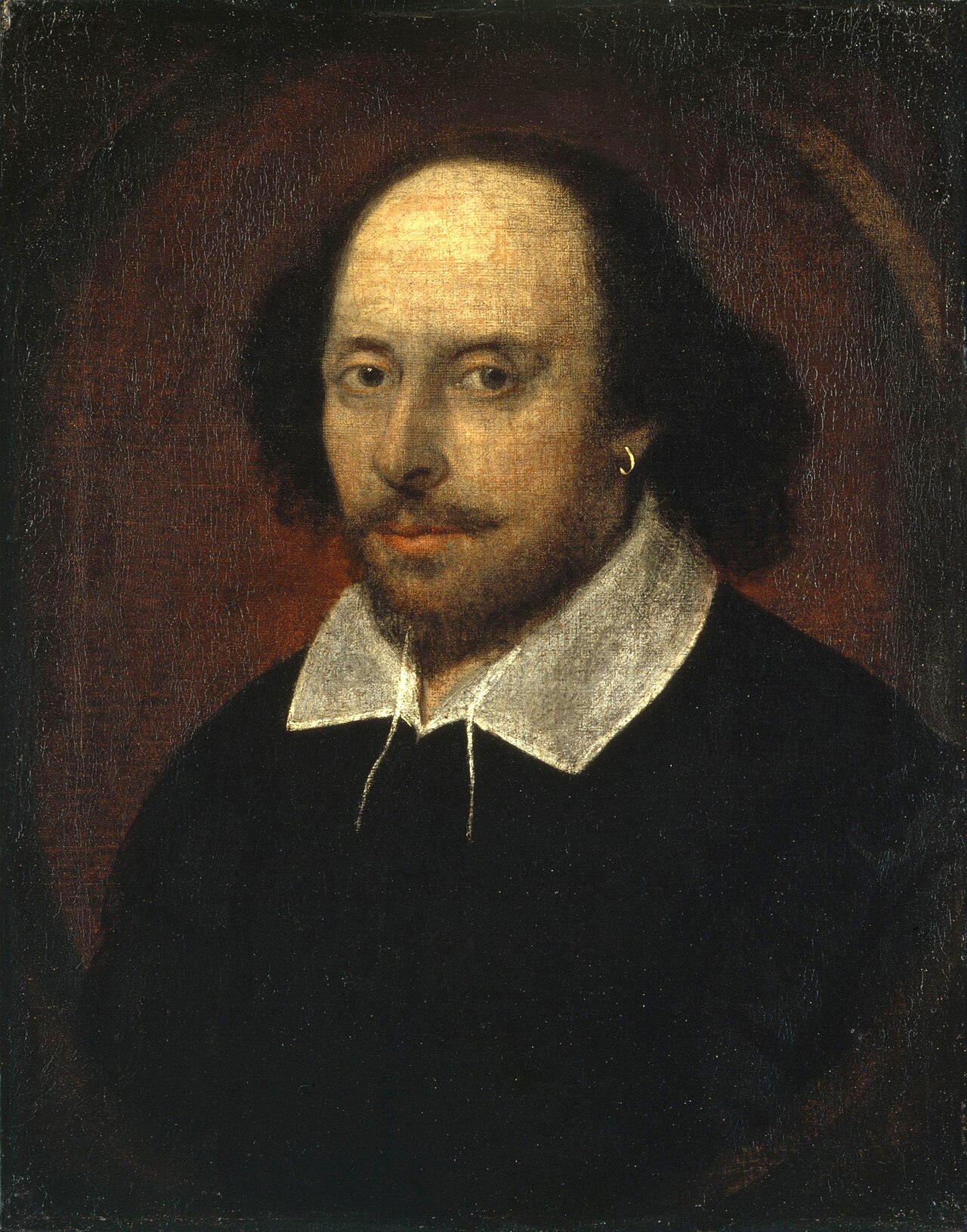
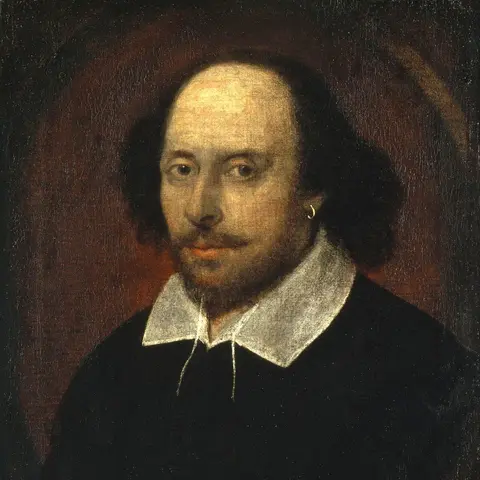
Oil painting of a man with receding dark hair, a small gold earring, a short beard and moustache, wearing a black doublet and a white collar, set against a dark reddish background.Painting

Secondary source

Chandos portrait

John Taylor · c. 1600-1610

Close crop of a handwritten parish register entry on aged, brownish paper. Faded brown ink reads 'Gulielmus filius Johannes Shakspere' with a line number '26' at left, and a partial line above.Document

Primary source

Shakespeare baptismal record

26 April 1564

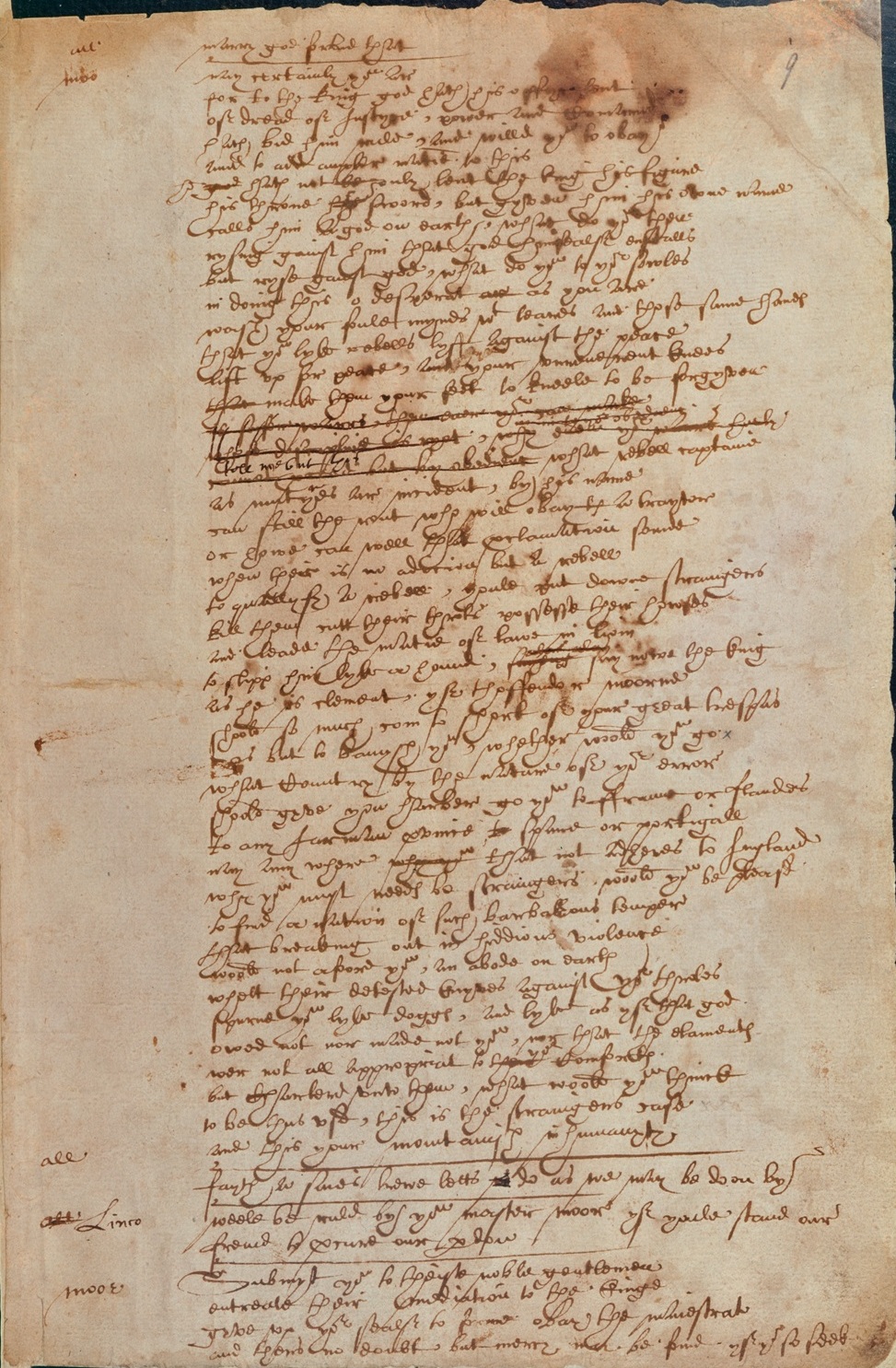
Facsimile of a handwritten manuscript page in brown ink on aged paper, with many lines of cursive English script, deletions and marginal notes. This is the Hand D page from the play Sir Thomas More.Document

Primary source

Sir Thomas More manuscript (Hand D)

Anthony Munday and others; Hand D attributed to Shakespeare · c. 1600-1604

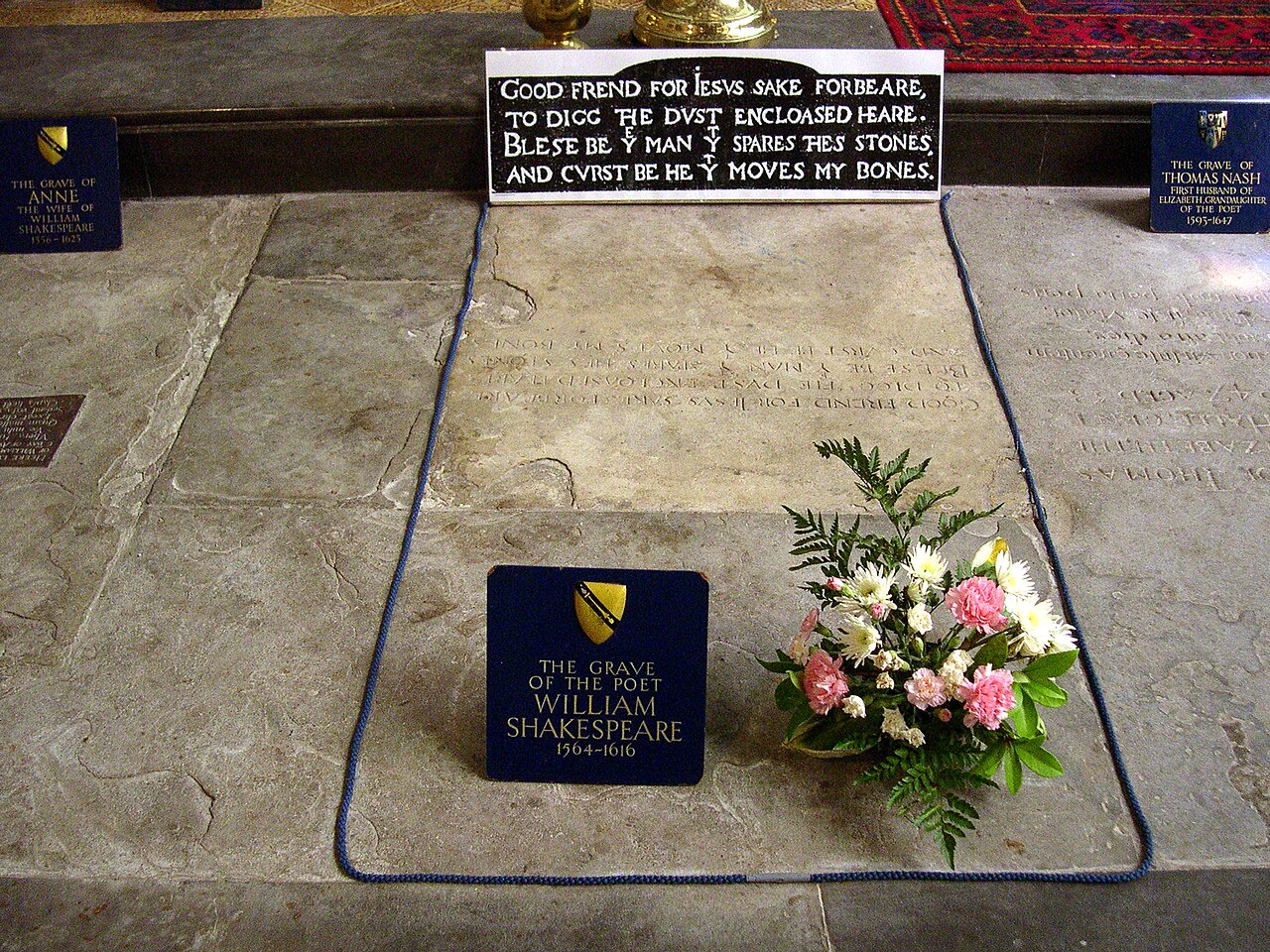
A stone grave slab in a church floor marked with a blue-bordered rope, with an inscription plaque above reading a curse against moving the bones, a small blue plaque reading 'The Grave of the Poet William Shakespeare 1564-1616', and a bouquet of pink and white flowers. Nearby plaques mark the graves of Anne and Thomas Nash.Artifact

Primary source

Grave of William Shakespeare

Coat of arms with a gold shield bearing a black diagonal band with a silver-tipped gold spear. Above the shield is a silver helmet with a wreath and black-and-gold mantling, topped by a white falcon-like eagle holding a gold spear. Motto banner reads NON SANS DROIT.Artifact

Primary source

Coat of arms of William Shakespeare

College of Arms · 1596

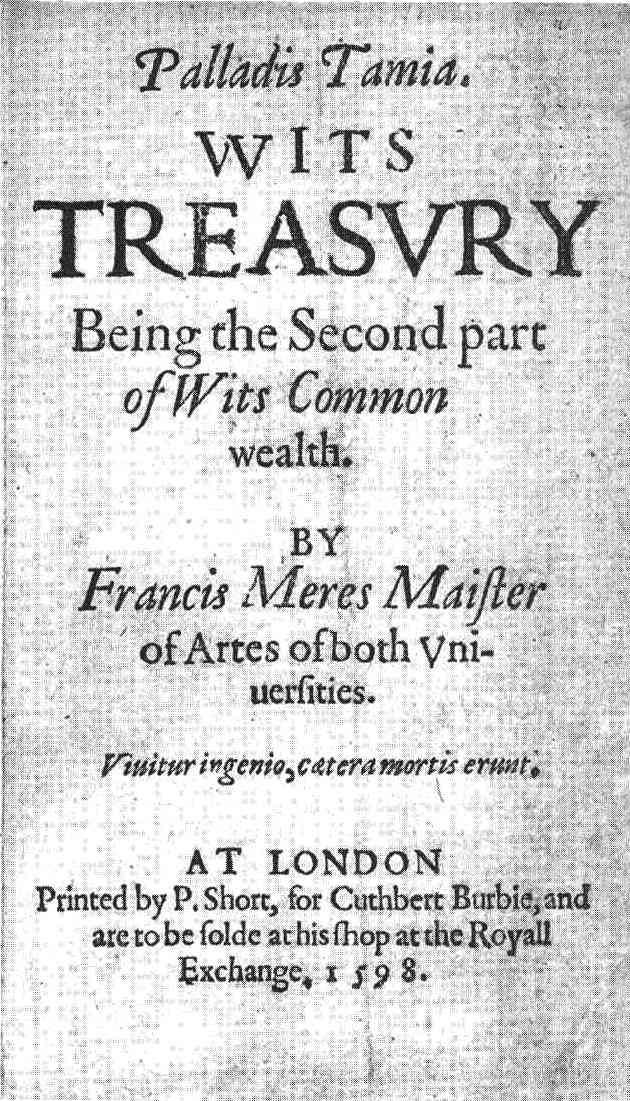
Title page of Palladis Tamia: Wits Treasury, Being the Second part of Wits Commonwealth, by Francis Meres, Master of Arts of both Universities. Printed at London by P. Short for Cuthbert Burbie, 1598. Black text on a grey, speckled background.Book

Secondary source

Palladis Tamia

Francis Meres · 1598

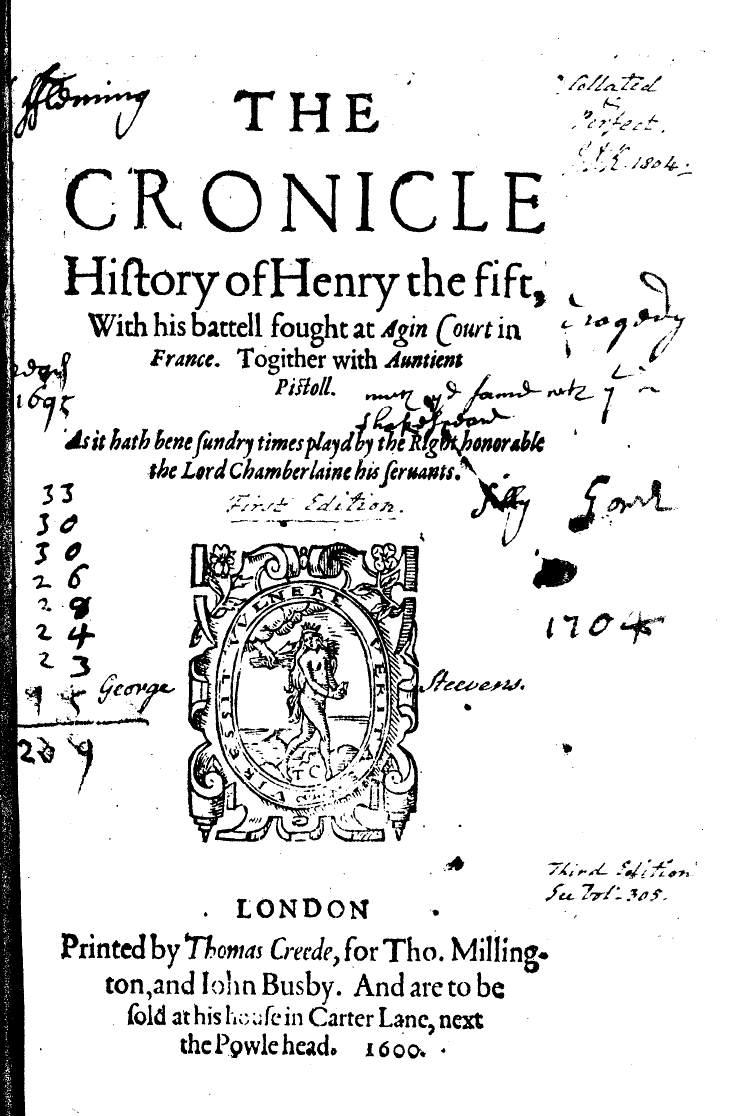
Title page of an early printed book titled The Cronicle History of Henry the fifte, with black-letter-style serif type, a central woodcut oval emblem, and the imprint London, printed by Thomas Creede, 1600. Handwritten annotations in ink appear in margins.Book

Primary source

Henry V

William Shakespeare · 1599; printed 1600

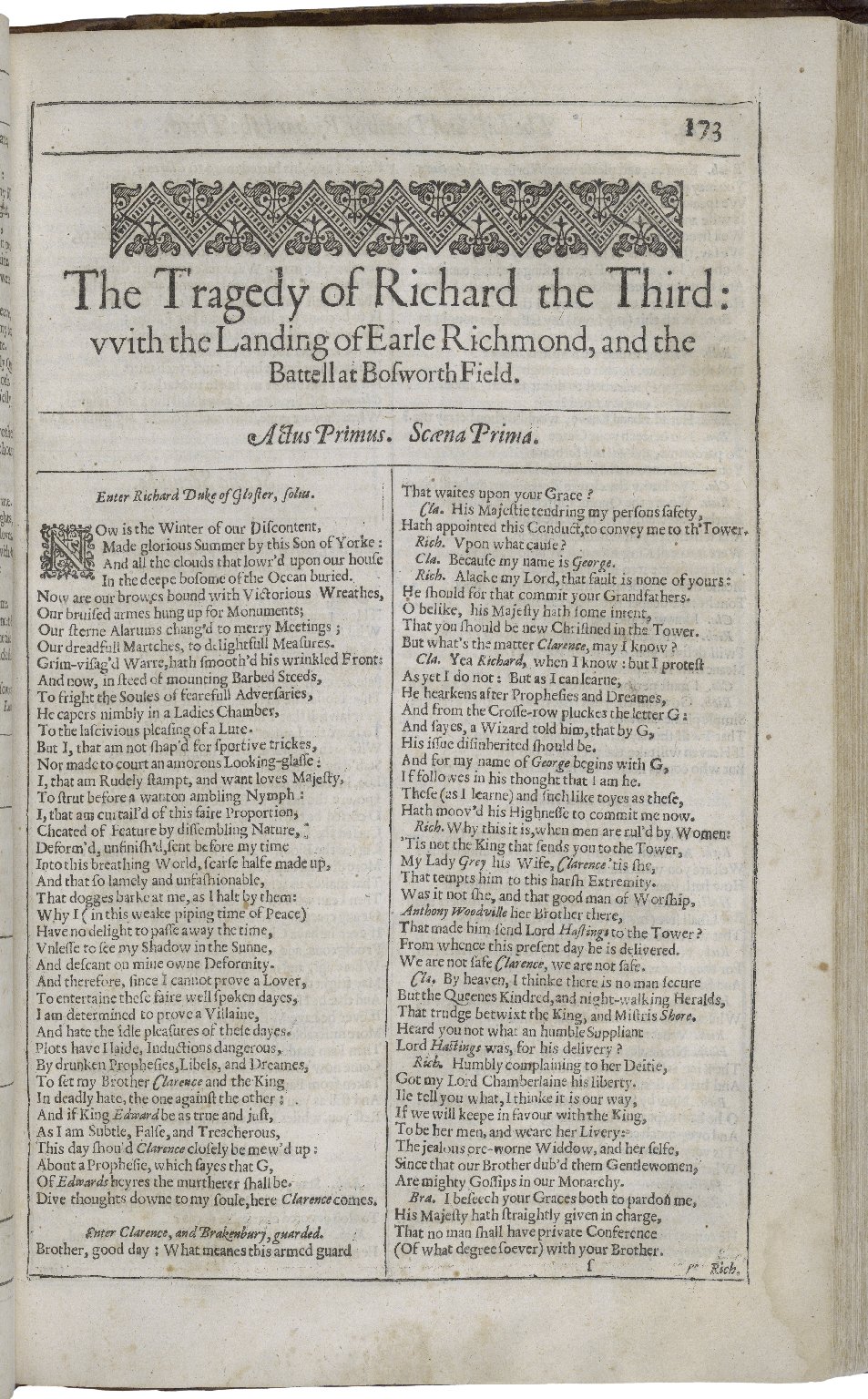
Page 173 of an old printed book showing the title 'The Tragedy of Richard the Third' with a decorative border, the subtitle about the landing of Earle Richmond and the battle at Bosworth Field, and the opening 'Actus Primus. Scena Prima' in two columns of dense black-letter-style text.Book

Primary source

Richard III

William Shakespeare · c. 1592-1594; printed 1632

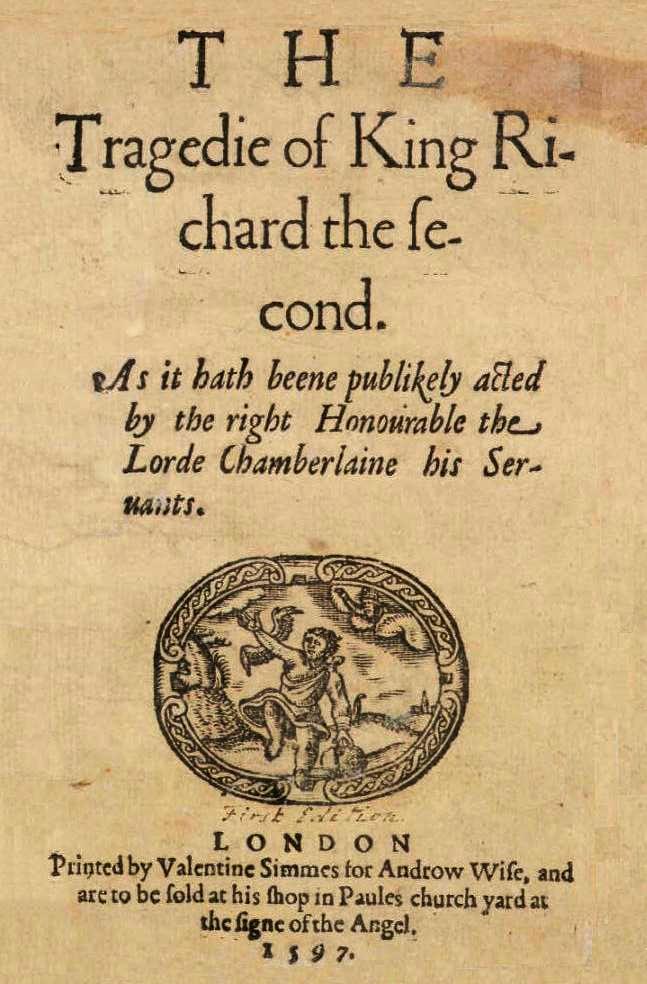
Title page of the 1597 quarto of The Tragedie of King Richard the second, printed in London by Valentine Simmes for Andrew Wise. Text notes it was publicly acted by the Lord Chamberlain's servants. A small oval woodcut ornament of a figure with a bird and a dog appears mid-page.Book

Primary source

Richard II

William Shakespeare · c. 1595; printed 1597

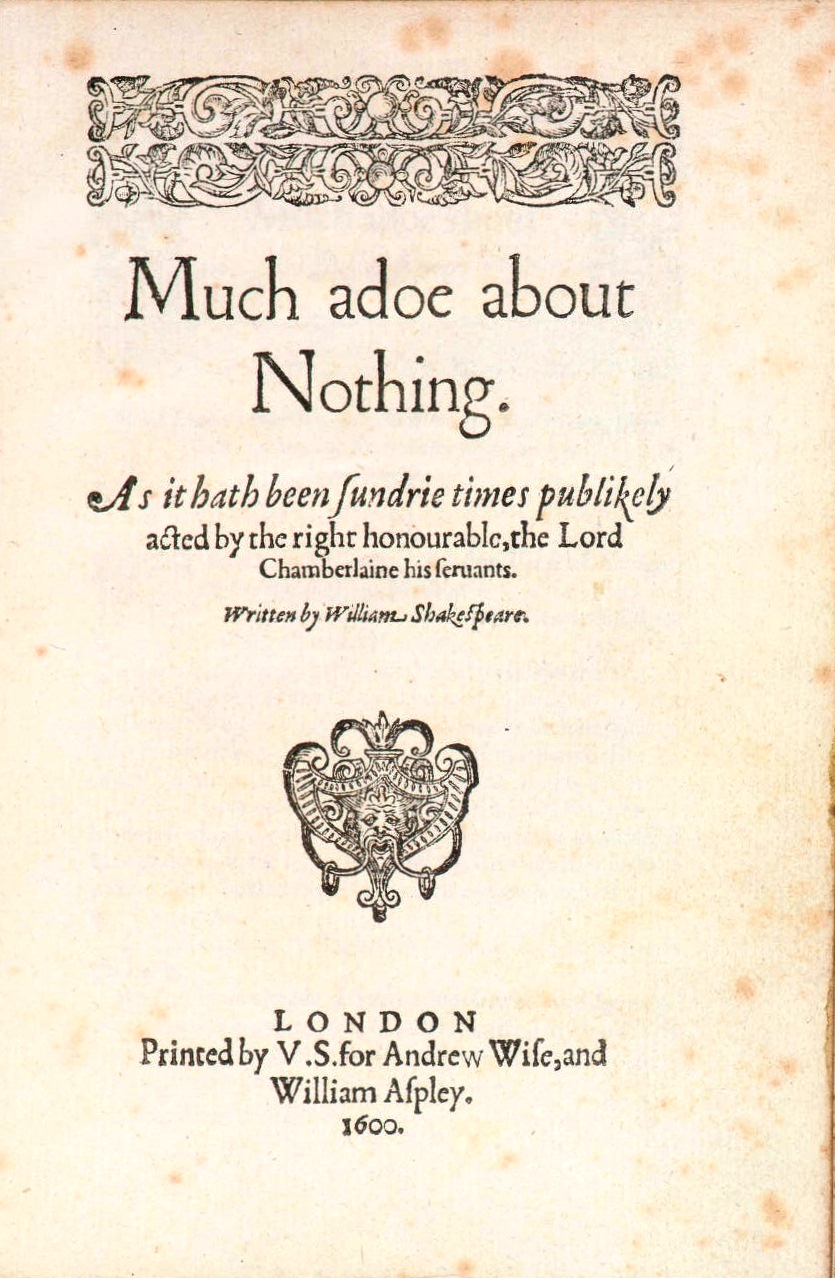
Title page of the 1600 quarto of Much Ado About Nothing. Ornamental woodcut border at top, title in large letters, subtitle noting performances by the Lord Chamberlain's servants, author credit, a grotesque mask emblem, and the printer's imprint: London, printed by V.S. for Andrew Wise and William Aspley, 1600.Book

Primary source

Much Ado About Nothing

William Shakespeare · 1598-1599; printed 1600

Book

Primary source

Twelfth Night

William Shakespeare · c. 1601-1602

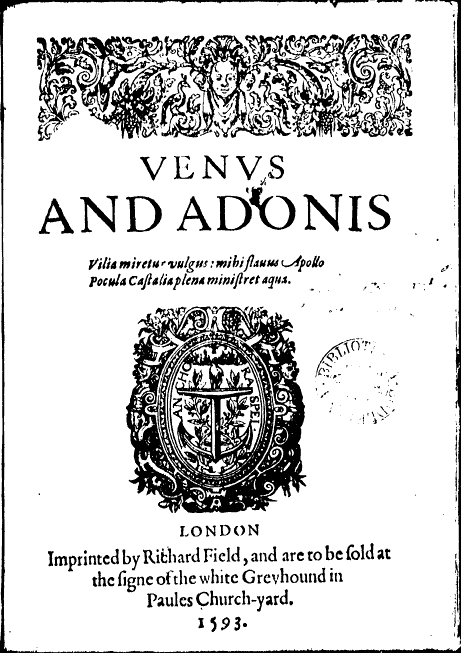
Title page of the 1593 quarto of Venus and Adonis. Ornate woodcut border at top, title in large capitals, Latin epigraph, a central printer's device with a shield, and the imprint: London, Imprinted by Richard Field, sold at the sign of the white Greyhound in Paules Church-yard, 1593.Book

Primary source

Venus and Adonis

William Shakespeare · 1592; published 1593

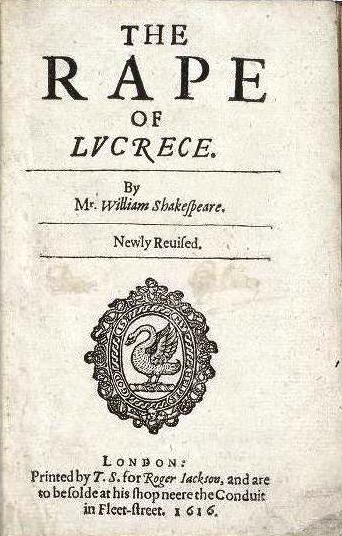
Title page of The Rape of Lucrece, printed in black letter with the title in large capitals, 'By Mr. William Shakespeare', 'Newly Reuised', a swan emblem in an ornate oval frame, and imprint 'London, Printed by T.S. for Roger Jackson, 1616'.Book

Primary source

The Rape of Lucrece

William Shakespeare · 1594

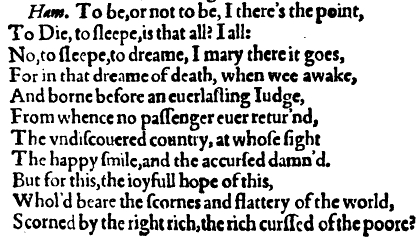
Scan of an early printed page showing the opening lines of Hamlet's soliloquy, headed 'Ham.', beginning 'To be, or not to be, I there's the point, To Die, to sleepe, is that all? I all:' in old-style spelling and typeface.Speech

Primary source

To be, or not to be

William Shakespeare · c. 1600-1601

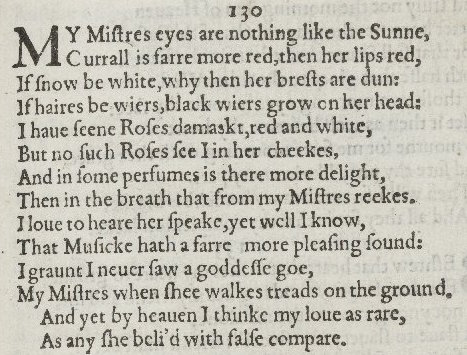
Scanned page from the 1609 Quarto showing Sonnet 130, numbered 130 at top, in black-letter-style early modern type. Lines begin with 'My Mistres eyes are nothing like the Sunne' and end with 'As any she belied with false compare.'Book

Primary source

Sonnet 130

William Shakespeare · 1609

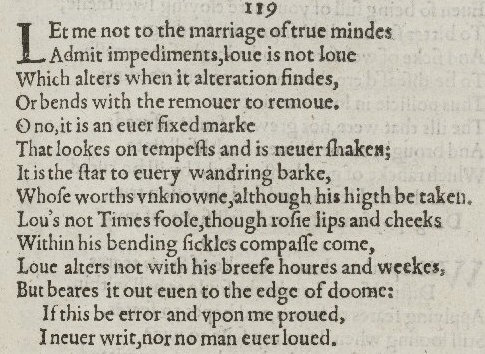
Scanned page from the 1609 Quarto of Shakespeare's sonnets, showing Sonnet 116 in old-style black letter type beginning 'Let me not to the marriage of true minds', with page number 119 at top.Book

Primary source

Sonnet 116

William Shakespeare · 1609

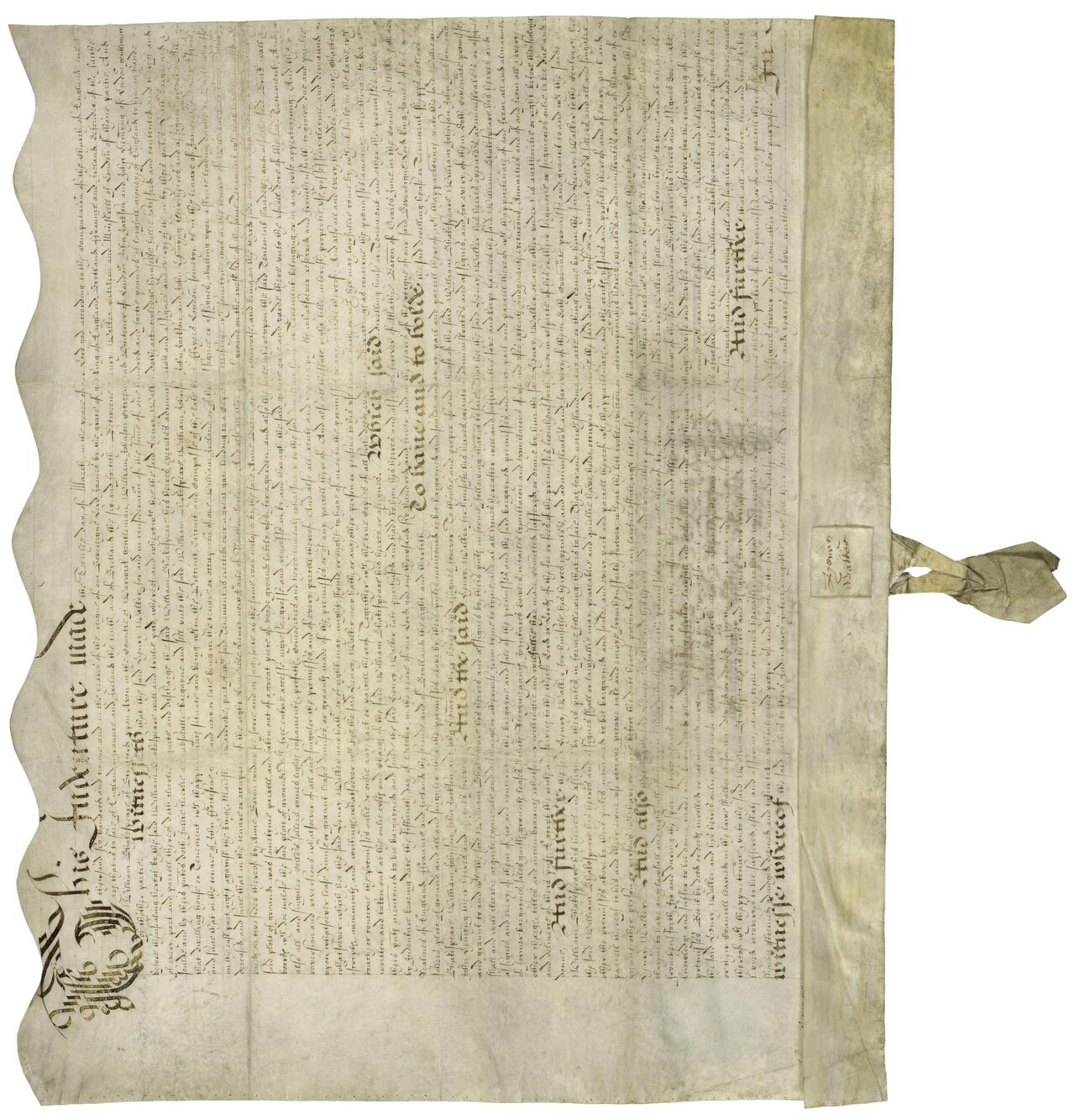
Scan of a large, aged parchment deed with a wavy left edge and brown ink handwriting in dense lines of secretary script. The opening words 'This Indenture made' and a decorated initial appear at lower left. A parchment tag with a seal label hangs from the right edge.Document

Primary source

Blackfriars Gatehouse conveyance and mortgage deeds

William Shakespeare and Henry Walker · March 1613

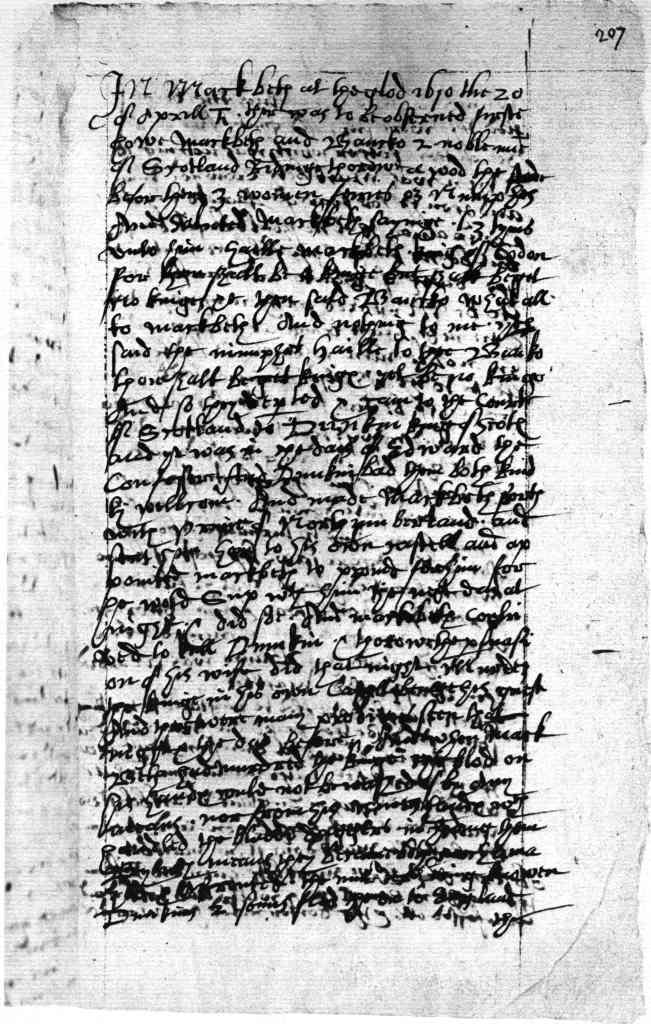
Black and white scan of a handwritten 17th-century manuscript page, numbered 207 in the upper right corner, written in dense cursive ink lines. The opening lines begin with a heading referring to Macbeth and a date in 1610.Diary entry

Primary source

Simon Forman's account of Macbeth

Simon Forman · 1610

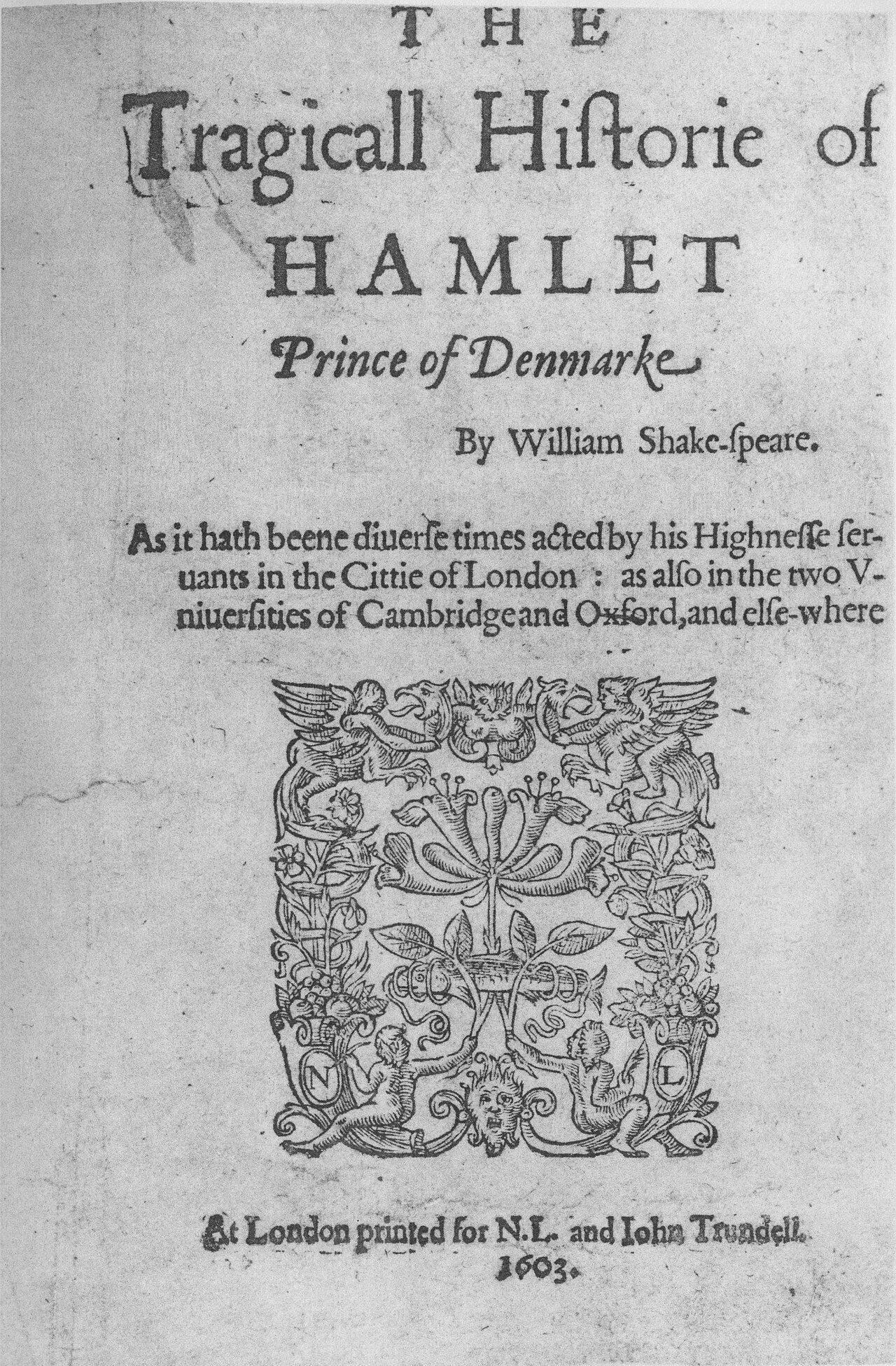
Title page of an early printed book reading 'The Tragicall Historie of Hamlet Prince of Denmarke, By William Shake-speare', with a note of performances in London and universities, a decorative woodcut border with figures and foliage, and the imprint 'At London printed for N.L. and John Trundell, 1603'.Book

Primary source

Hamlet Q1

William Shakespeare · 1602 (entered); printed 1603

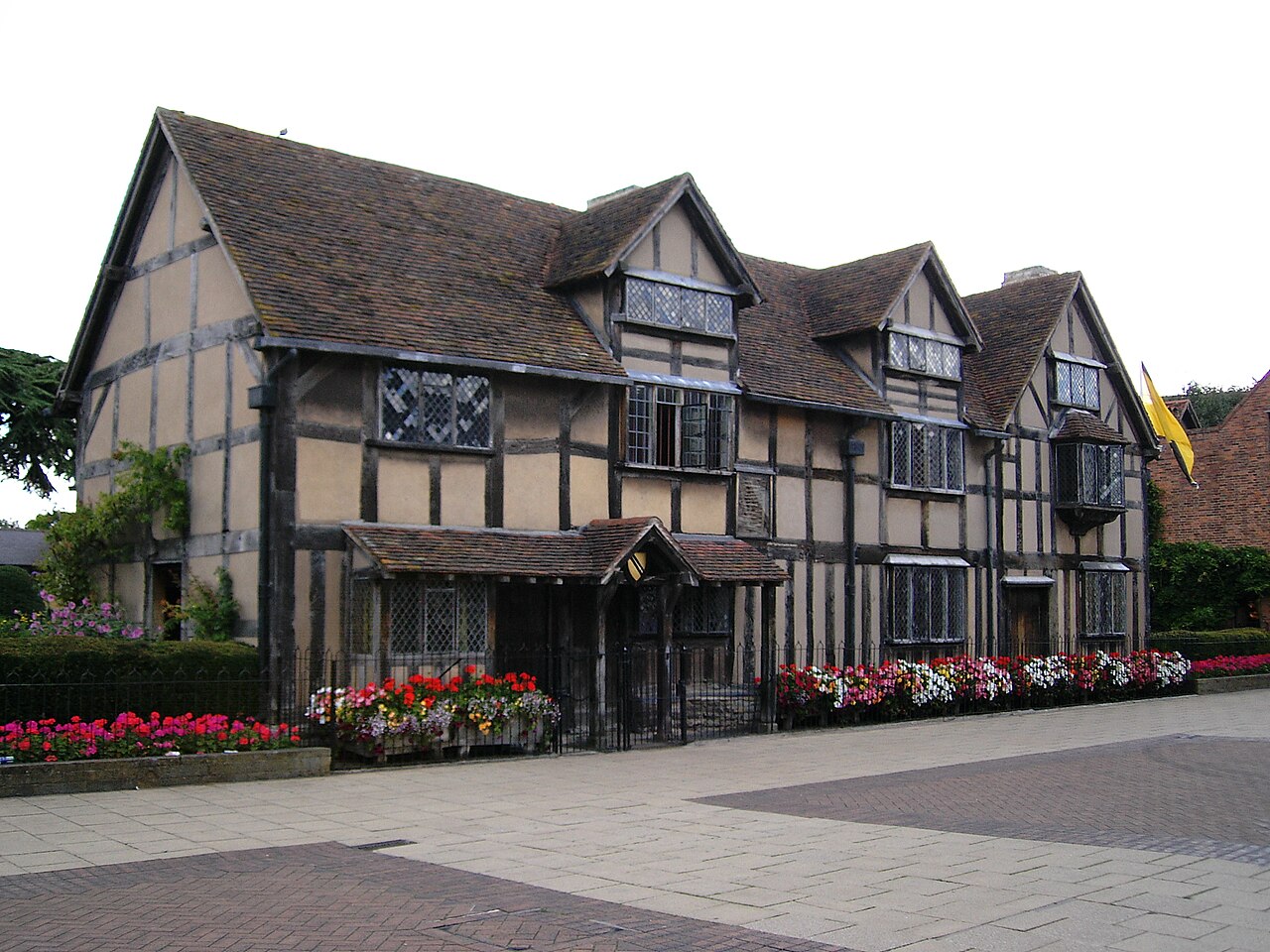
Half-timbered two-storey house with a steep tiled roof, cream plaster panels, dark timber framing, leaded diamond-paned windows, a small porch, and flower beds along the front under a grey sky.Artifact

Secondary source

Shakespeare's Birthplace

16th century

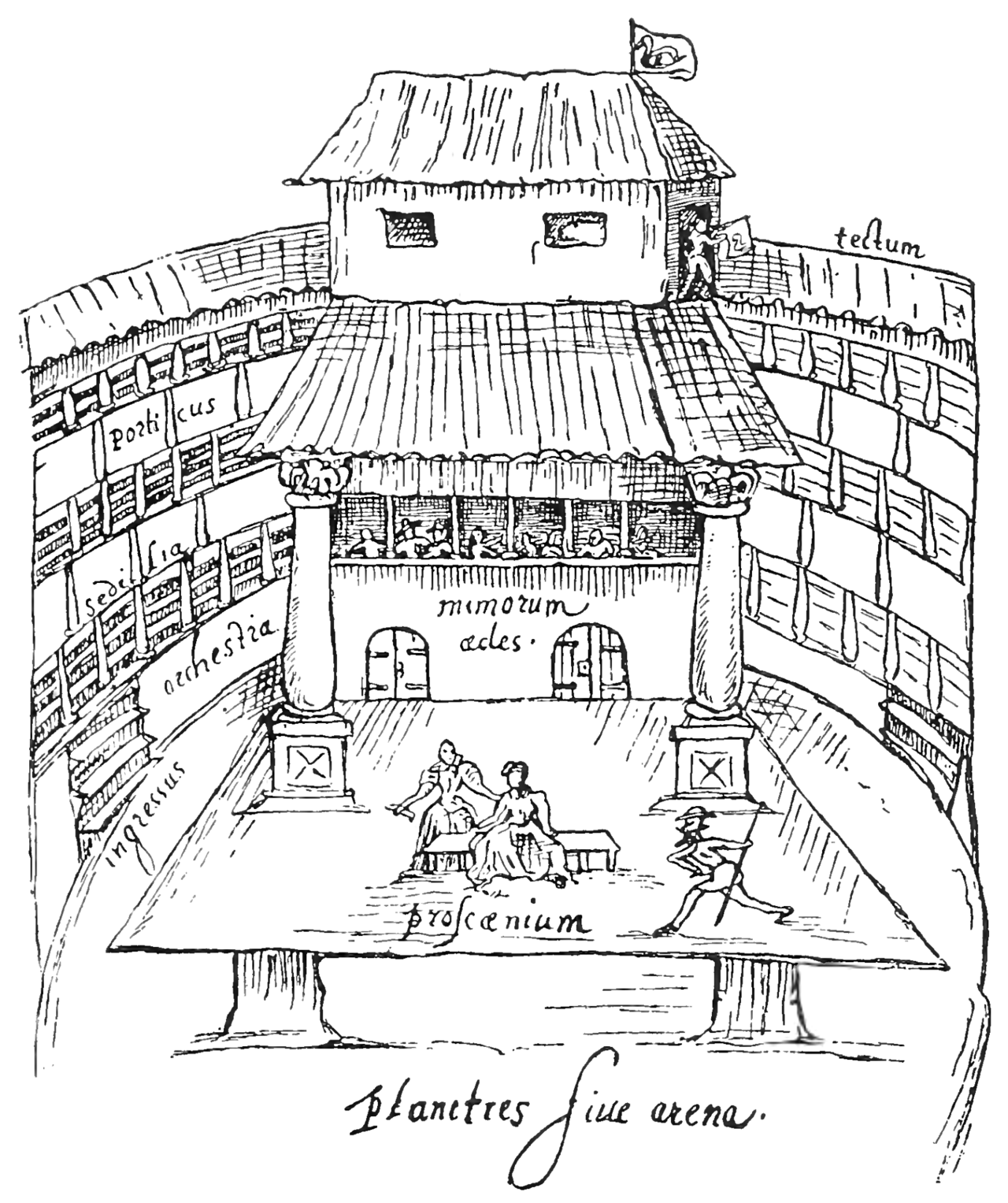
Pen-and-ink drawing of a semicircular Elizabethan theatre with tiered galleries, a thatched roof over the stage, two columns, and two seated figures and a standing figure on the stage. Labels read 'Planitres sive arena', 'proscenium', 'orchestra', 'sedilia', 'porticus', and 'ingressus'.Painting

Primary source

De Witt Sketch of the Swan Theatre

Johannes de Witt (copy by Aernout van Buchel) · c. 1596

Dark green cloth book cover with a white library label at top left reading 'UC-NRLF' and a barcode with the number 'B 3 452 631'. No title is visible on the cover.Diary entry

Primary source

Diary of John Manningham

John Manningham · 1602

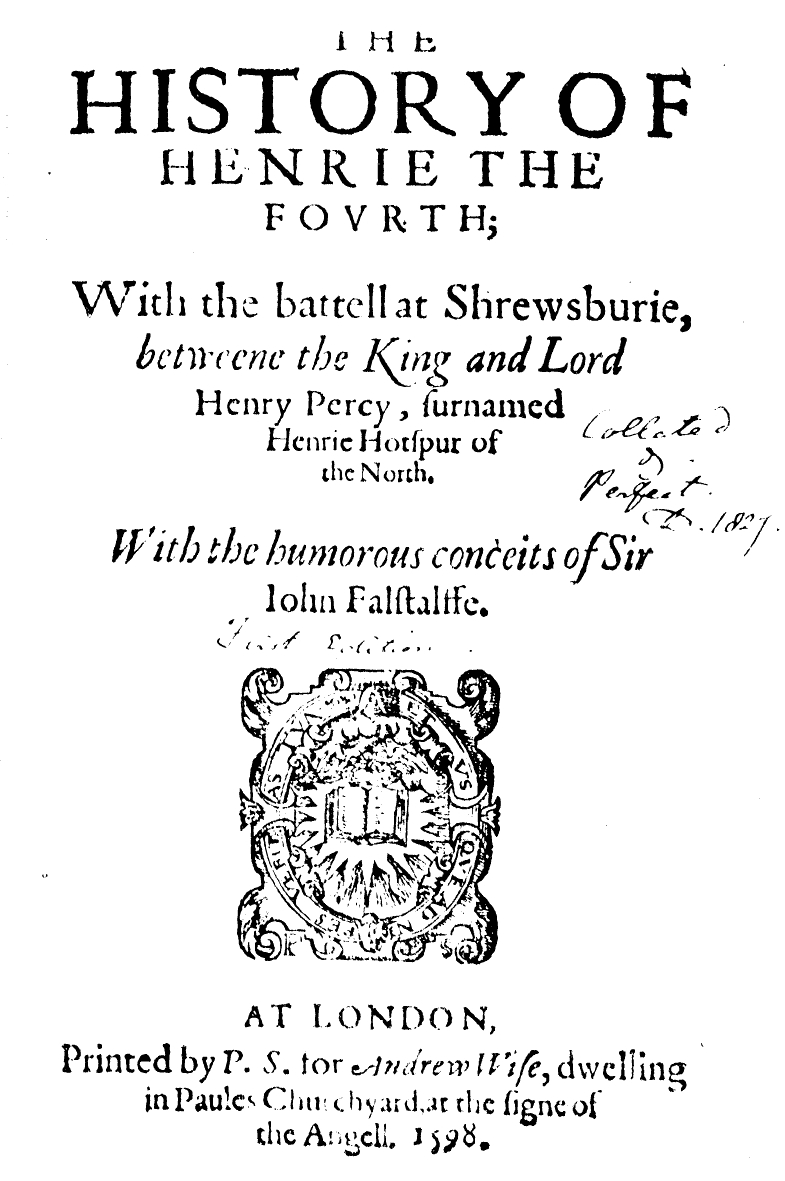
Title page of a 1598 quarto printed in London by P. S. for Andrew Wise, titled The History of Henrie the Fourth, with a decorative woodcut emblem, handwritten annotations in the margins, and a bibliographic note.Book

Primary source

Henry IV, Part 1

William Shakespeare · 1597 (written); printed 1598

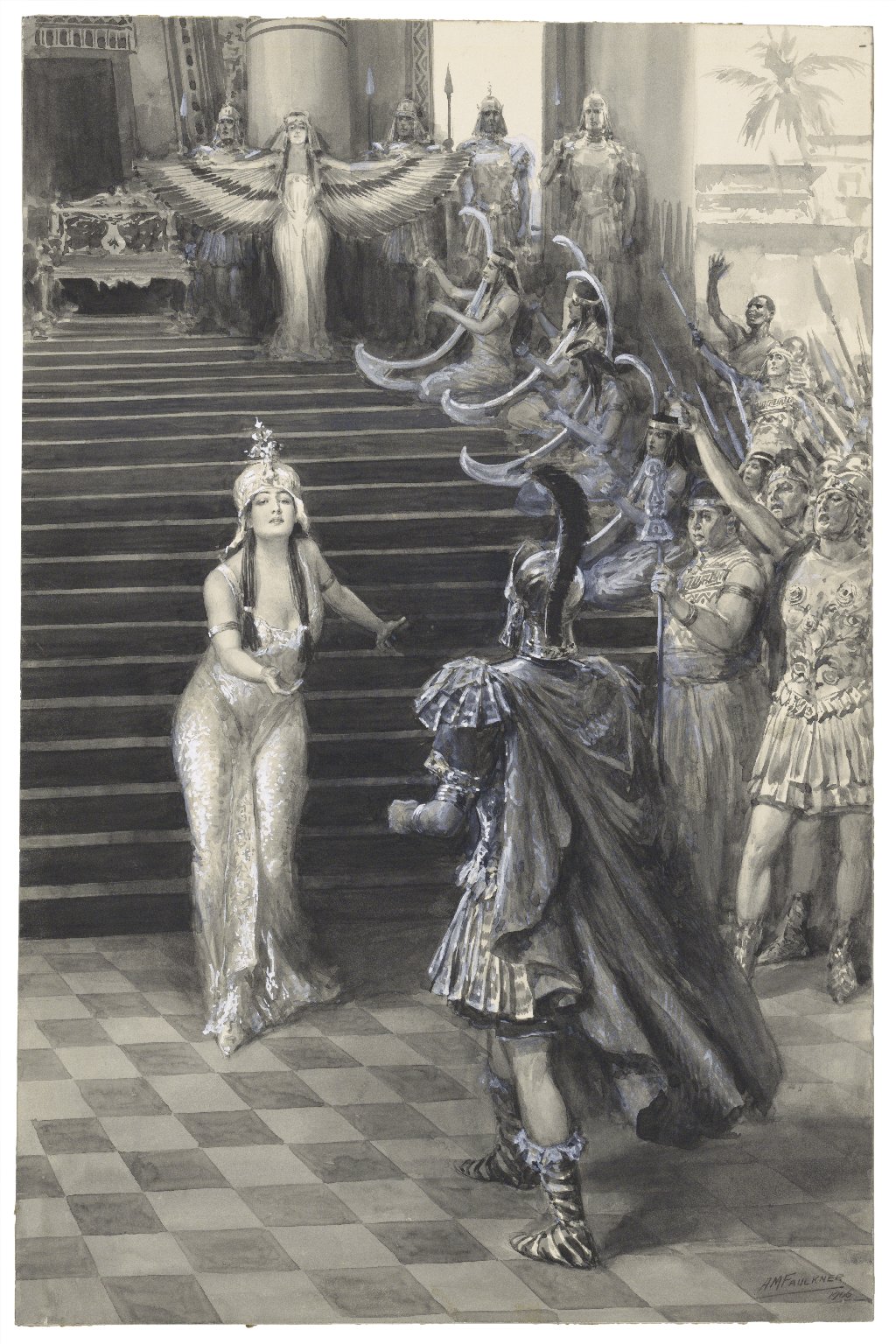
Grayscale painting in wash and gouache of a woman in a jeweled headdress and shimmering gown descending a staircase with outstretched arms toward a helmeted Roman soldier in a cloak. Egyptian guards and winged figures stand in the background, and a signature appears at lower right.Book

Secondary source

Antony and Cleopatra

William Shakespeare · 1606

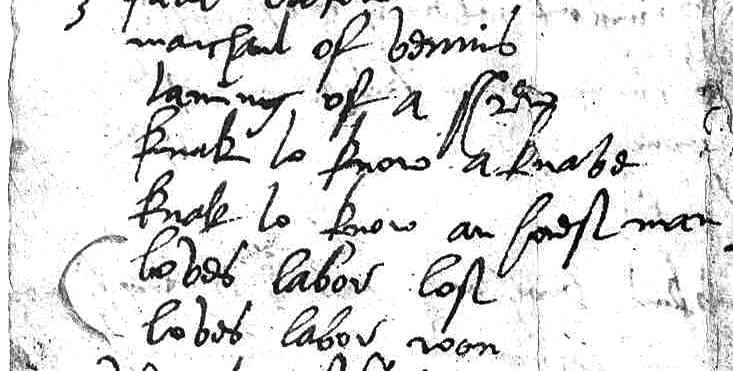
Handwritten early modern manuscript lines on aged paper, including the words 'marshal of ... Lanning of a ... knave to know a knave', 'Knave to know an ... fool, ... Lobbs Labor Lost', and 'Lobbs Labor won'. The ink is faded and the script is cursive.Document

Primary source

Love's Labour's Won booklist entry

Christopher Hunt or one of his employees · 1603

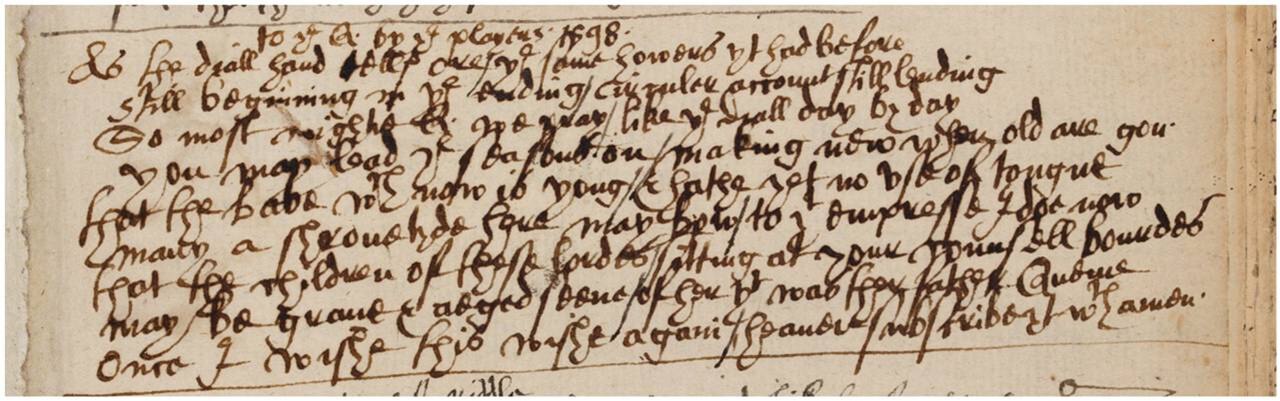
Handwritten manuscript page in brown ink on aged paper, showing several lines of cursive verse with a heading partly visible at top. The lines are written in a 16th-century secretary hand with some crossed-out or looped strokes.Book

Primary source

As the Dial

Henry Stanford · c. 1599

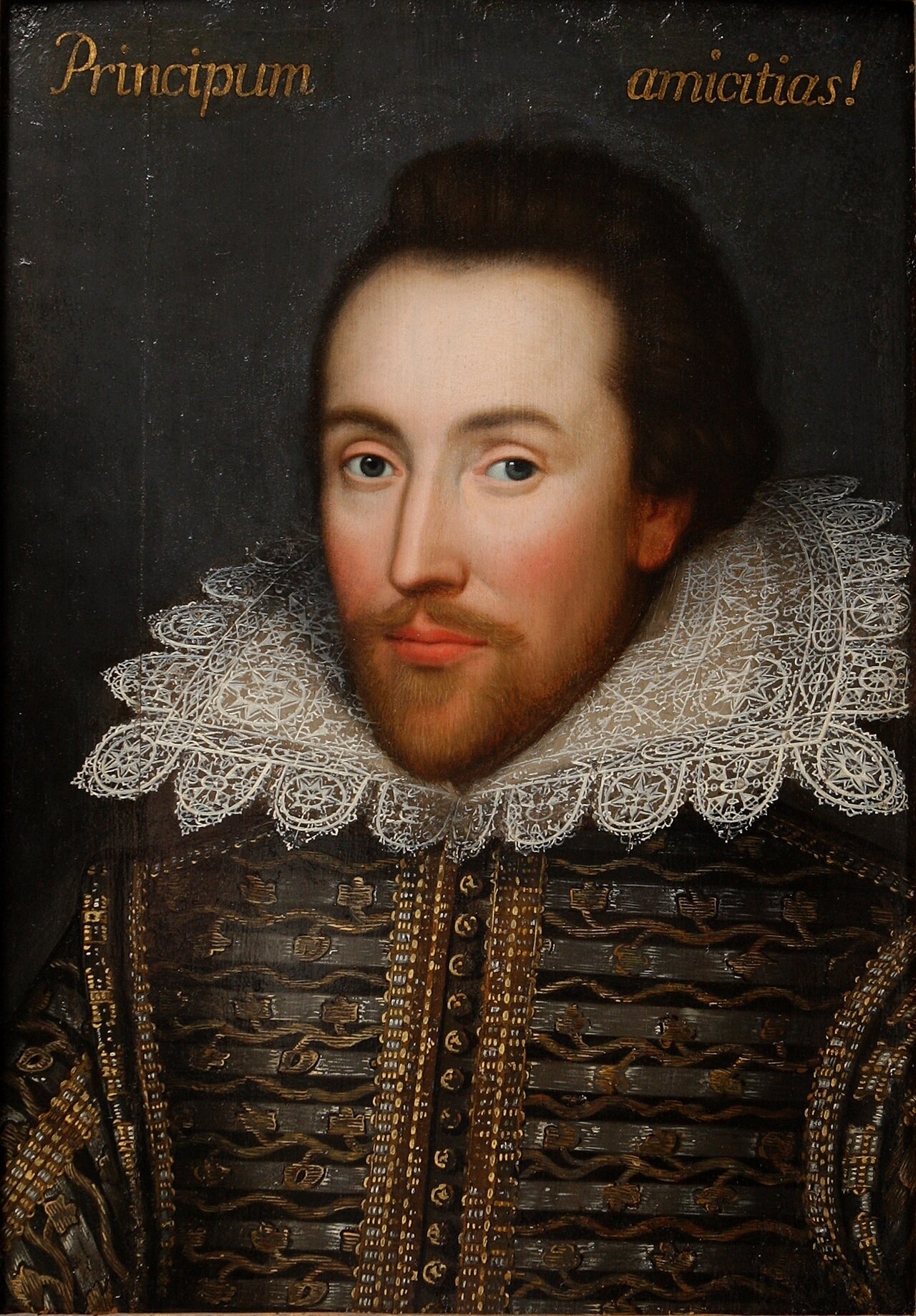
Oil painting of a man with reddish-brown hair and beard wearing a large white lace collar and a dark embroidered doublet with gold trim. Gold lettering at top reads 'Principum amicitias!' against a dark background.Painting

Primary source

Cobbe portrait

c. 1610

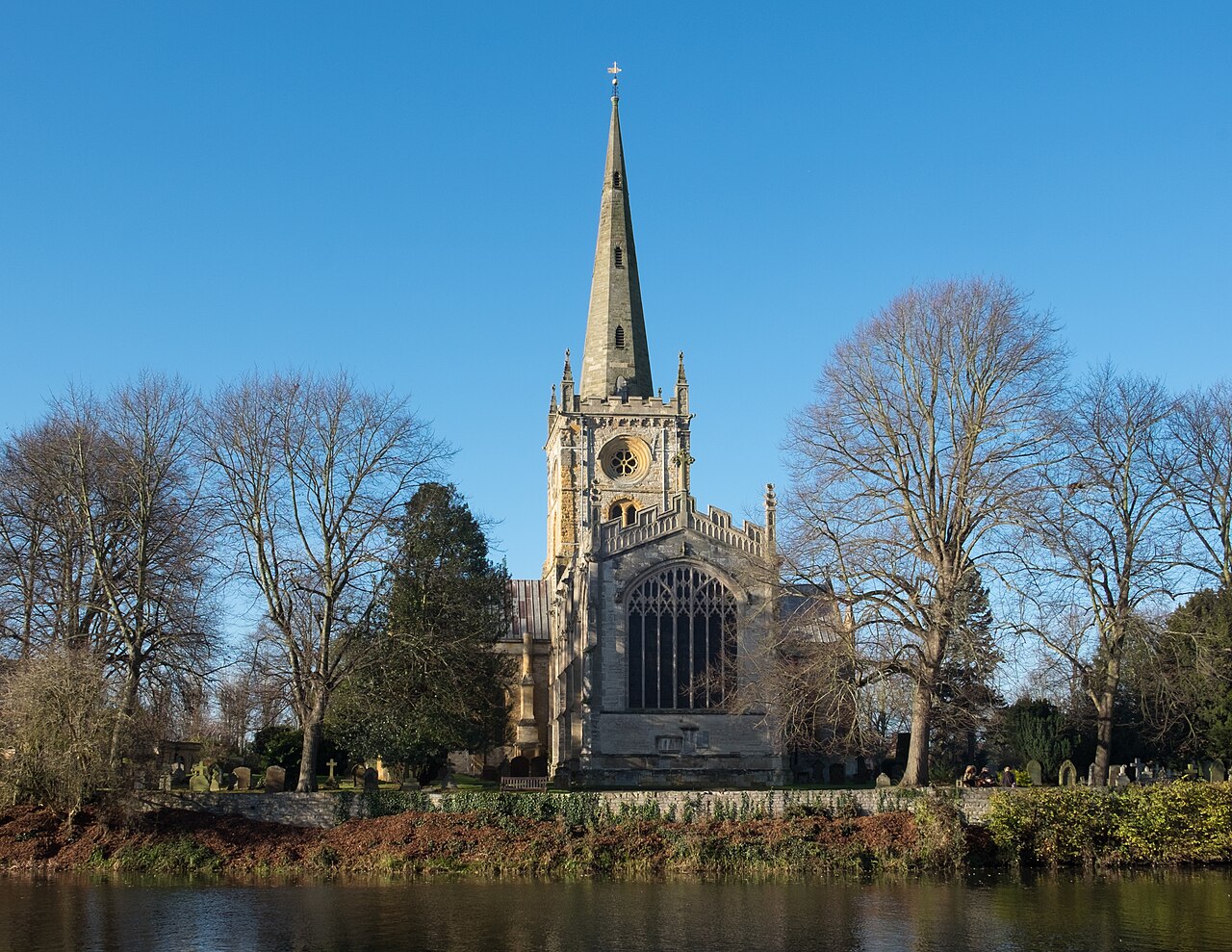
Stone church with a tall pointed spire and a large traceried window, seen across a river under a clear blue sky, with bare trees and gravestones along the riverbank.Artifact

Primary source

Holy Trinity Church, Stratford-upon-Avon

1250

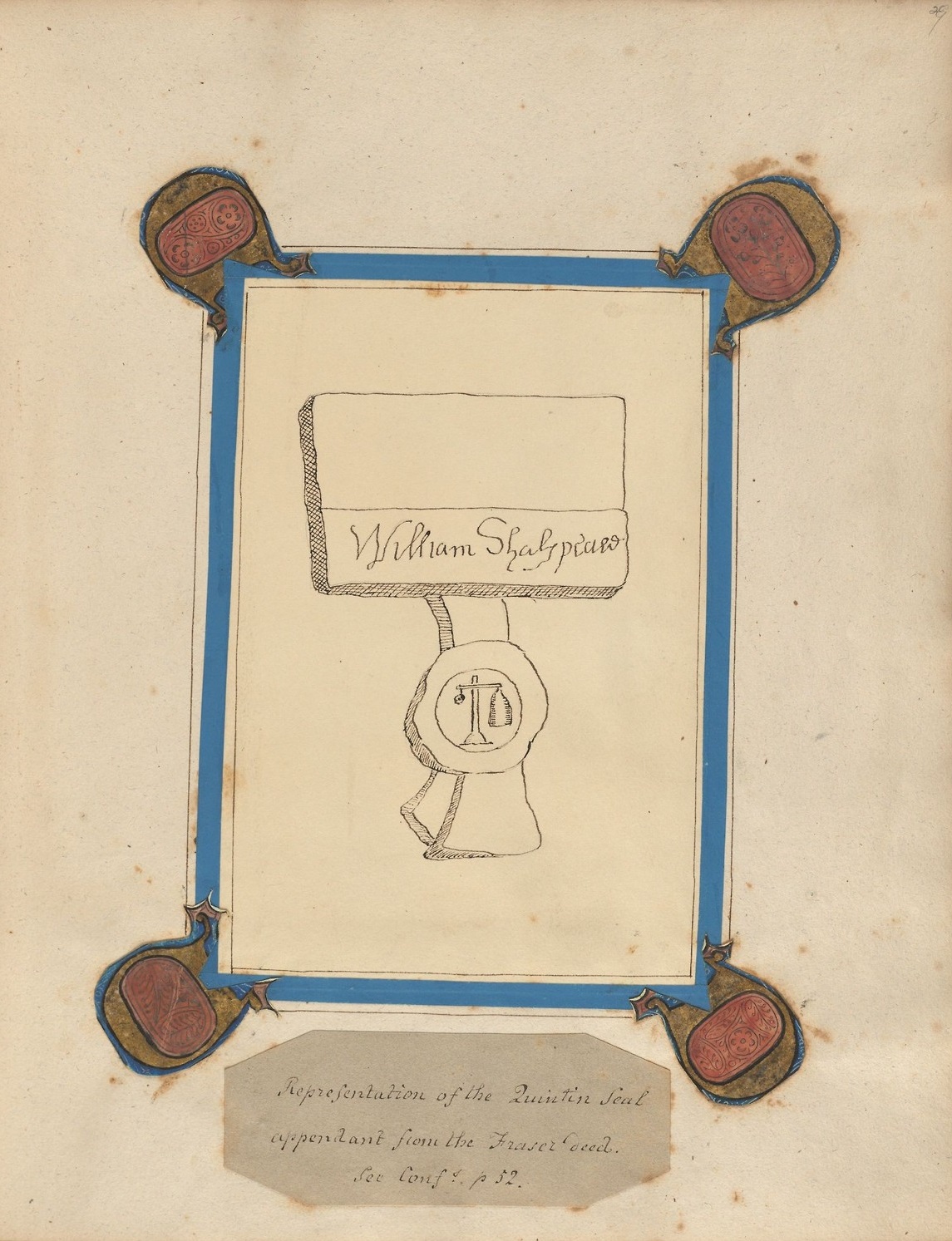
Pen-and-ink drawing on cream paper framed by a blue border with four red and gold decorative seal corners. Inside, a label reads 'William Shakespeare' in cursive above a drawn wax seal with a scale emblem, hanging from a ribbon. A caption below reads 'Representation of the Quintin Seal appendant from the Fraser deed.'Artifact

Secondary source

Forged Shakespeare Signature and Seal Drawing

William Henry Ireland · c. 1795

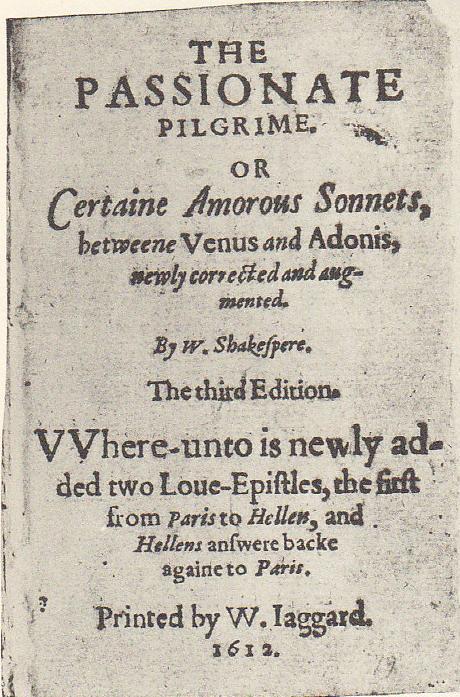
Scanned title page of The Passionate Pilgrim, 1612. Large capitals read 'THE PASSIONATE PILGRIME', followed by 'Certaine Amorous Sonnets, betweene Venus and Adonis, newly corrected and augmented', 'By W. Shakespere', 'The third Edition', and a line about two Loue-Epistles. Printed by W. Iaggard, 1612.Book

Primary source

Title Page of The Passionate Pilgrim

William Shakespeare · 1612

Book

Primary source

The Complete Works of William Shakespeare

William Shakespeare

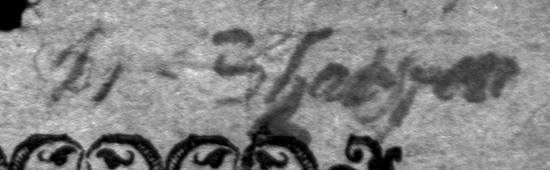
Close, blurred grayscale detail of faded handwritten marks on aged paper, with ornate printed border flourishes along the bottom edge. The script is hard to read and appears to be a few short looping strokes and letterforms.Document

Primary source

Possible Shakespeare Signature in Lambarde's Archaionomia

William Lambarde and probably William Shakespeare · 1568

Book

Secondary source

Essays and Lectures on Shakespeare and Other Old Poets and Dramatists

Samuel Taylor Coleridge · 1907

Book

Secondary source

Shakespearean Tragedy

A. C. Bradley · 1905

Book

Secondary source

William Shakespeare: A Critical Study

Georg Brandes · 1898

Book

Primary source

All's Well That Ends Well

William Shakespeare · 1598

Book

Primary source

As You Like It

William Shakespeare · 1598

Book

Primary source

The Comedy of Errors

William Shakespeare · 1591

Book

Primary source

Love's Labour's Lost

William Shakespeare · 1590

Book

Primary source

The Merry Wives of Windsor

William Shakespeare · 1599

Book

Secondary source

Shakespeare as a Man

Leslie Stephen · 1902

Book

Secondary source

Hamlet and His Problems

T. S. Eliot

Book

Secondary source

Characters of Shakespear's Plays

William Hazlitt · 1817

Book

Secondary source

Is Shakespeare Dead?

Mark Twain · 1909

Book

Secondary source

Shakespeare; or, the Poet

Ralph Waldo Emerson · 1850

Book

Secondary source

Tales from Shakespeare

Charles Lamb · 1807

Book

Secondary source

Preface to Shakespeare

Samuel Johnson · 1765

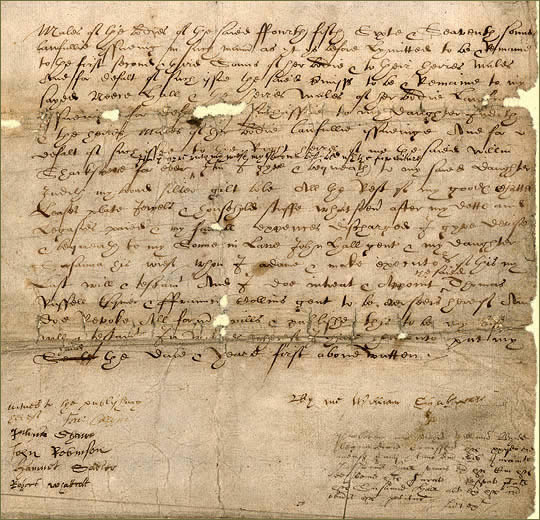
Scan of a handwritten early modern English document on aged, yellowed paper with tears and stains. Dense cursive script covers most of the page, with a signature line near the bottom and a smaller annotated block at lower right.Document

Primary source

Page 3 of Shakespeare's Will

W. Shakespeare · 1616

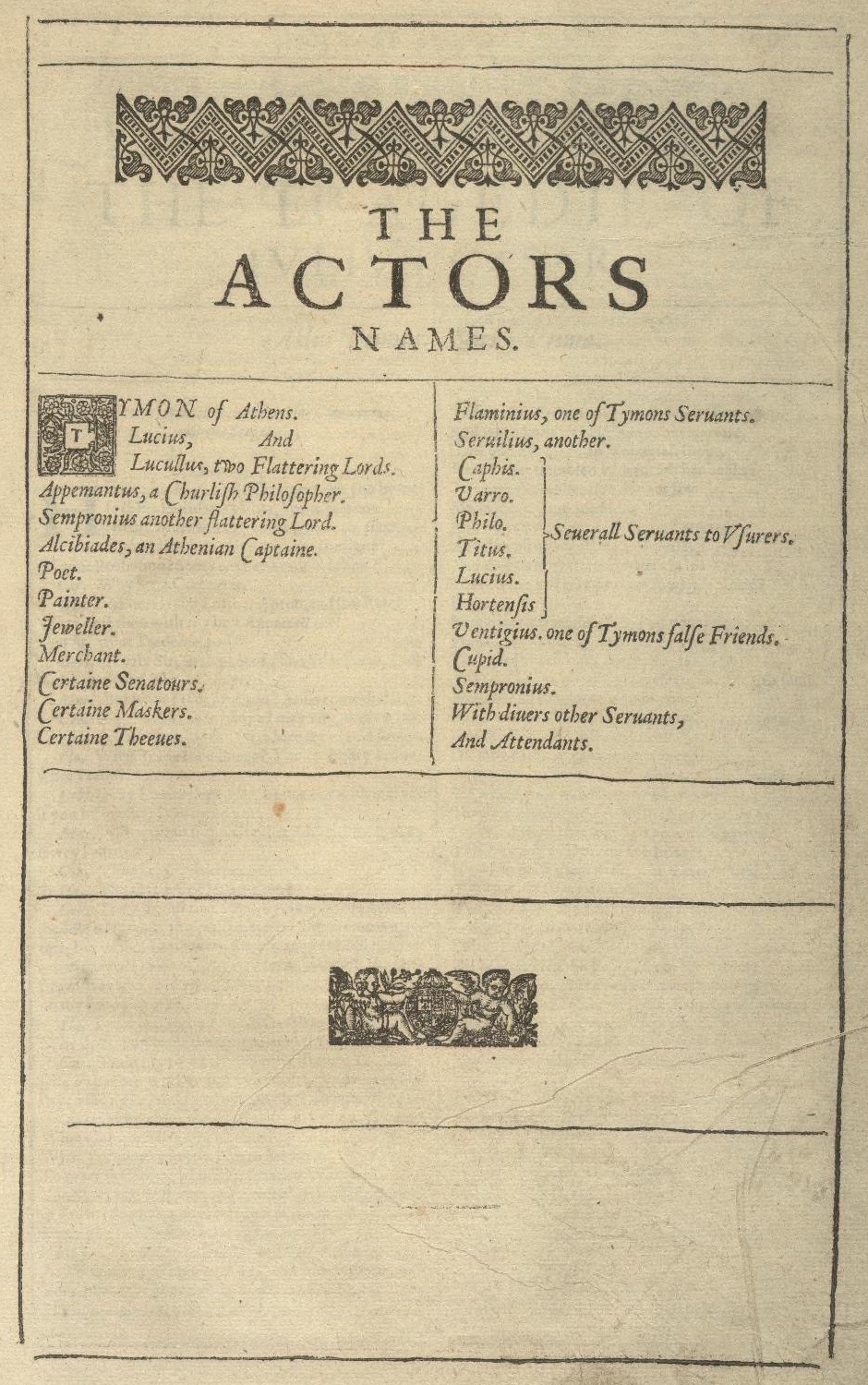
Printed page headed 'The Actors Names' in old-style type, with an ornate woodcut border above. It lists characters in two columns, including Timon of Athens, Lucius, Lucullus, Appemantus, Alcibiades, Poet, Painter, Jeweller, Merchant, and Flaminius, with a small decorative cherub emblem below.Document

Primary source

List of Actors for Timon of Athens, First Folio

1623

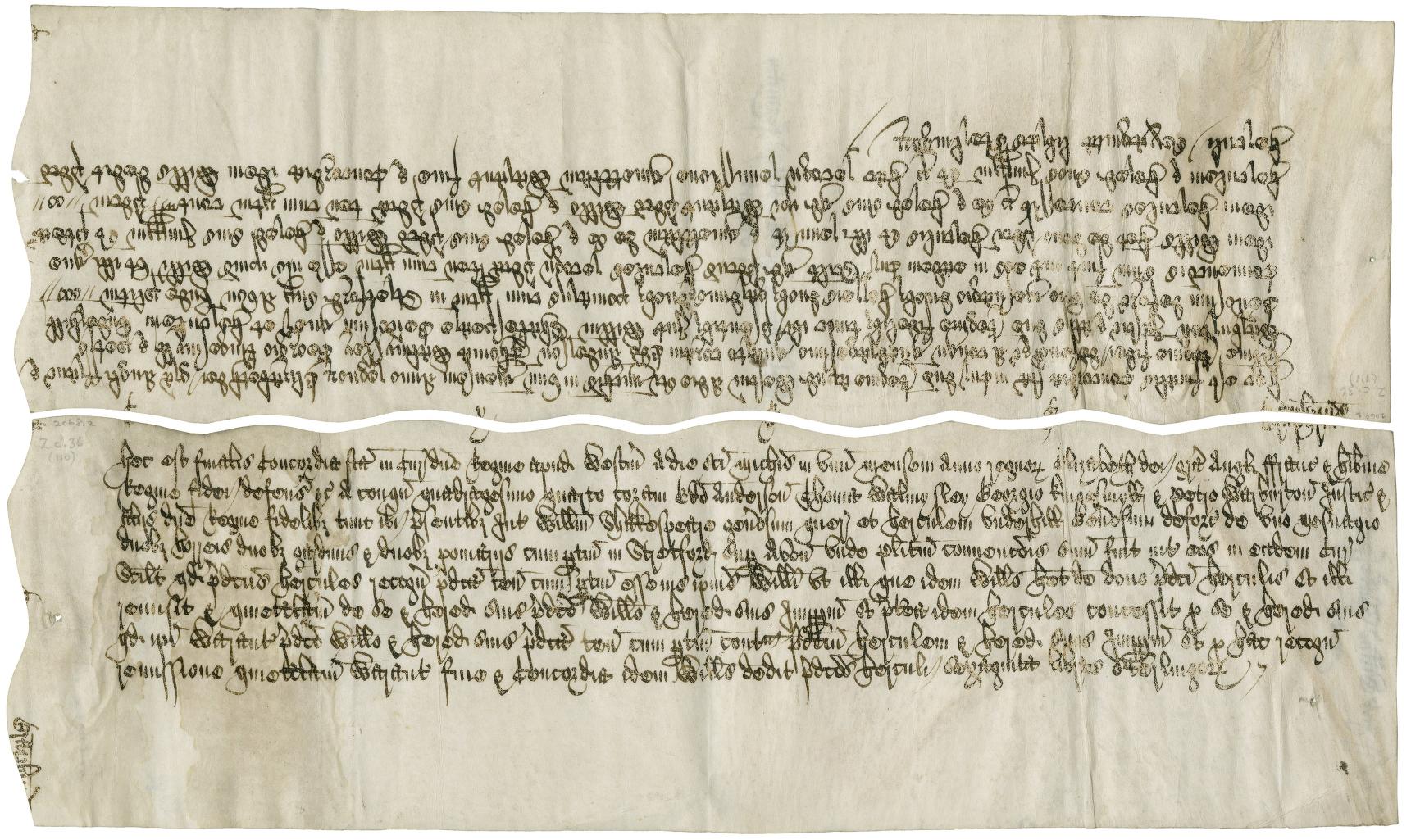
Photograph of a long vellum document in brown ink handwriting, cut along a wavy line into an upper and lower section. The script is Latin legal text written in a secretary hand, with some lines upside down.Document

Primary source

Final Concord between William Shakespeare and Hercules Underhill

W. Shakespeare · 1602

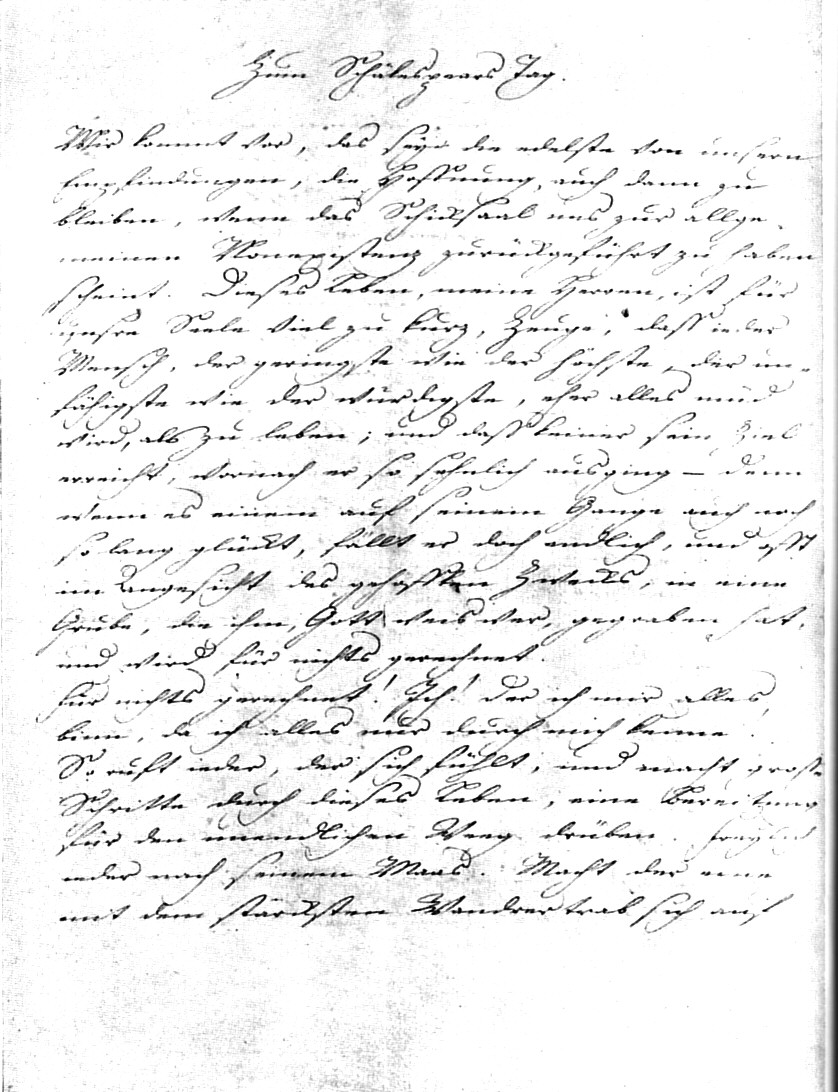
Scan of a handwritten German manuscript page in cursive script, with a heading at top reading 'Zum Shakespearstag' and dense lines of ink text below on aged paper.Speech

Secondary source

Goethe's Speech for Shakespeare Day

Johann Wolfgang von Goethe · 14 October 1771

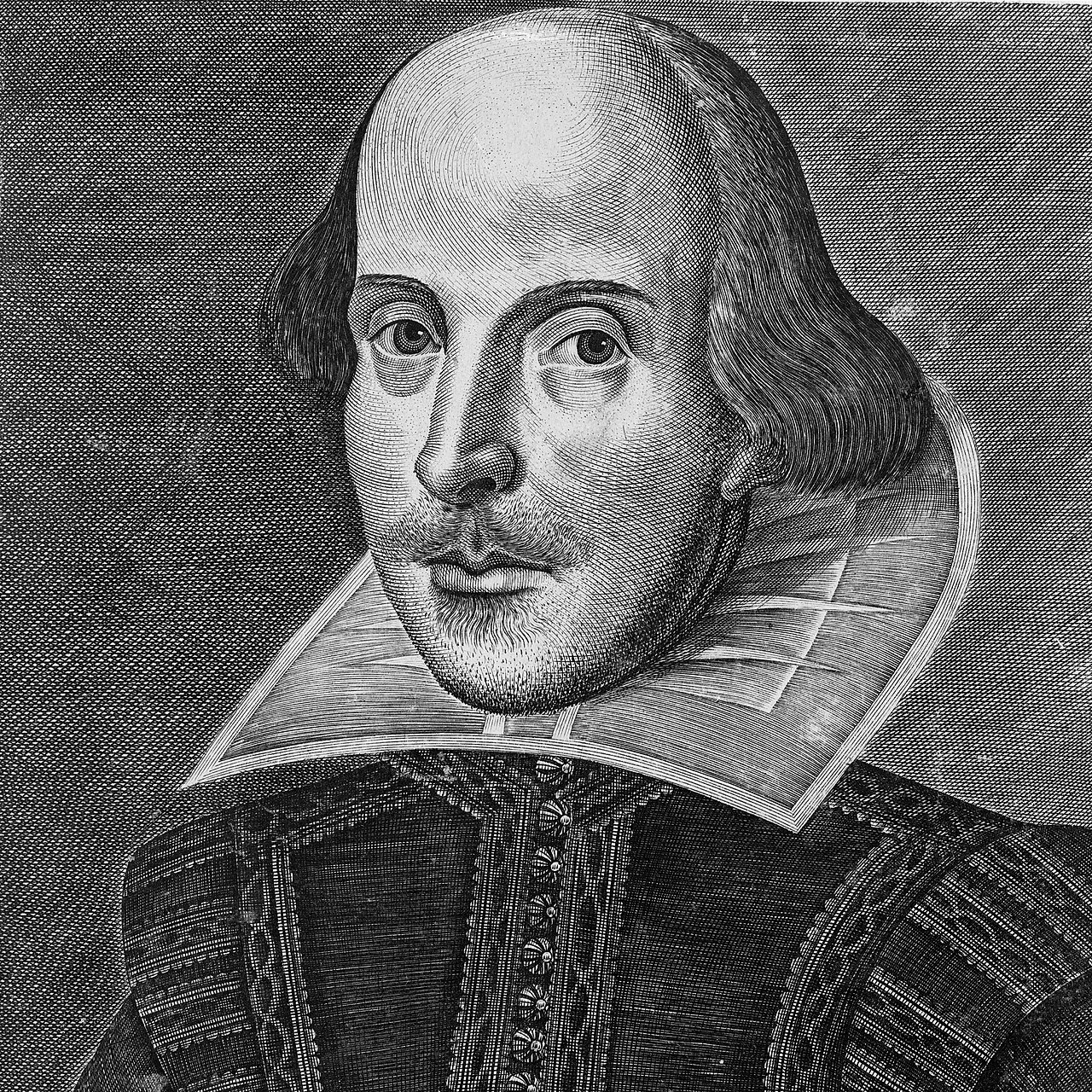
Black and white engraved portrait of a bald-domed man with shoulder-length hair, a thin mustache and short beard, wearing a dark embroidered doublet and a wide white falling collar. Fine cross-hatched lines shade the face and background.Painting

Secondary source

Droeshout Portrait of William Shakespeare

Martin Droeshout · 1623

Book

Primary source

Romeo and Juliet

William Shakespeare

Book

Primary source

Hamlet

William Shakespeare

Book

Primary source

A Midsummer Night's Dream

William Shakespeare

Book

Primary source

The Merchant of Venice

William Shakespeare · probably 1596-1598, printed 1623

Book

Primary source

King Lear

William Shakespeare

Book

Primary source

The Tragedy of Macbeth, LibriVox Audio Reading

William Shakespeare

Book

Primary source

Othello, LibriVox Audio Reading

William Shakespeare

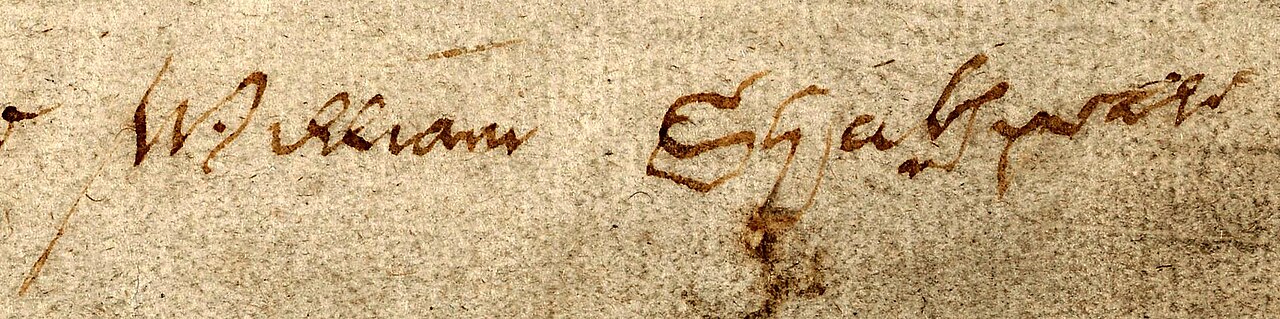
Close-up of a brown ink signature on aged, yellowed paper reading 'William Shakespeare' in old-style cursive handwriting, with a faint ink blot below the name.Document

Primary source

Shakespeare's Signature from His Will

William Shakespeare · 1616

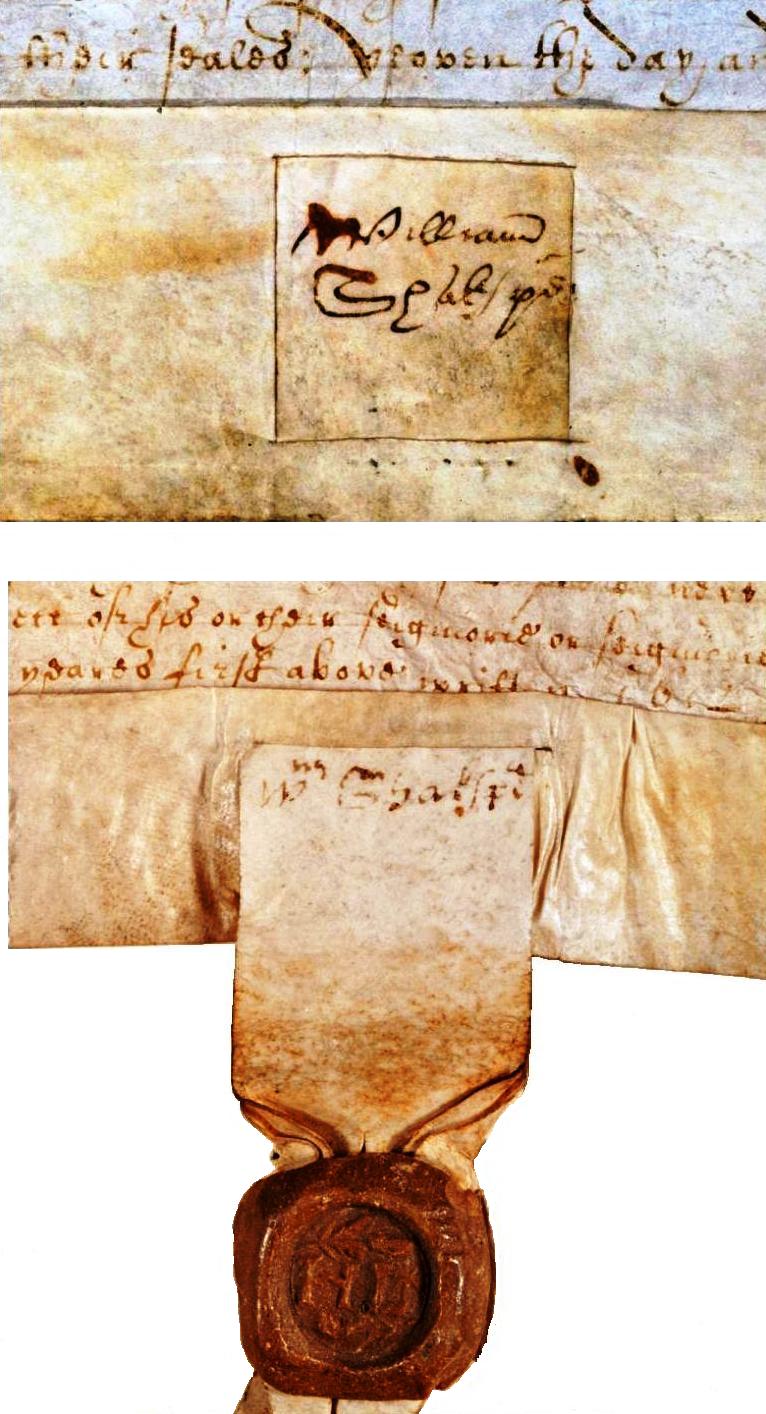
Two photographs of old parchment legal documents. The top shows a boxed handwritten signature in brown ink beneath faded script. The bottom shows a parchment tag with brown handwriting and a dark brown wax seal with a raised impression.Document

Primary source

Seals of William Shakespeare

William Shakespeare and unidentified 17th century lawyer · 19th century photograph of 17th century originals

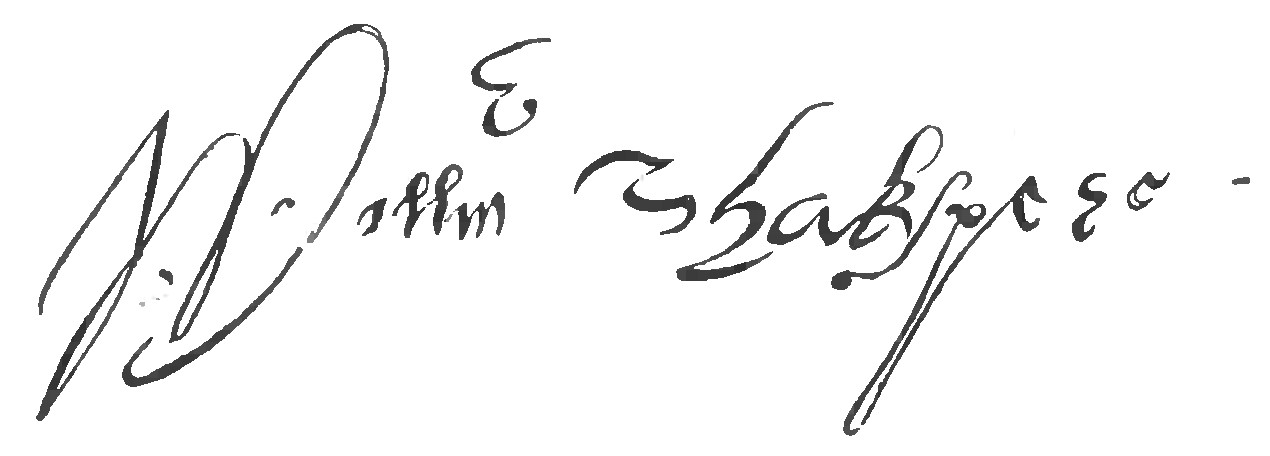
Scanned black-and-white image of a handwritten signature in early modern secretary script, reading 'William Shakespeare' with a flourish and a long descending stroke at the end.Document

Secondary source

Shakespeare's Autograph Facsimile

Frederic Madden · 1838

Title page of the First Folio of Shakespeare's plays. Large heading reads 'Mr. William Shakespeares Comedies, Histories, & Tragedies', with an engraved portrait of a man in a ruff collar below, and 'London, Printed by Isaac Iaggard, and Ed. Blount. 1623' at the bottom.Document

Primary source

First Folio Title Page

Martin Droeshout · 1623

Book

Secondary source

Romeo and Juliet, Act 1 Audio Reading

William Shakespeare · Written 1591–1595, first performed 1597

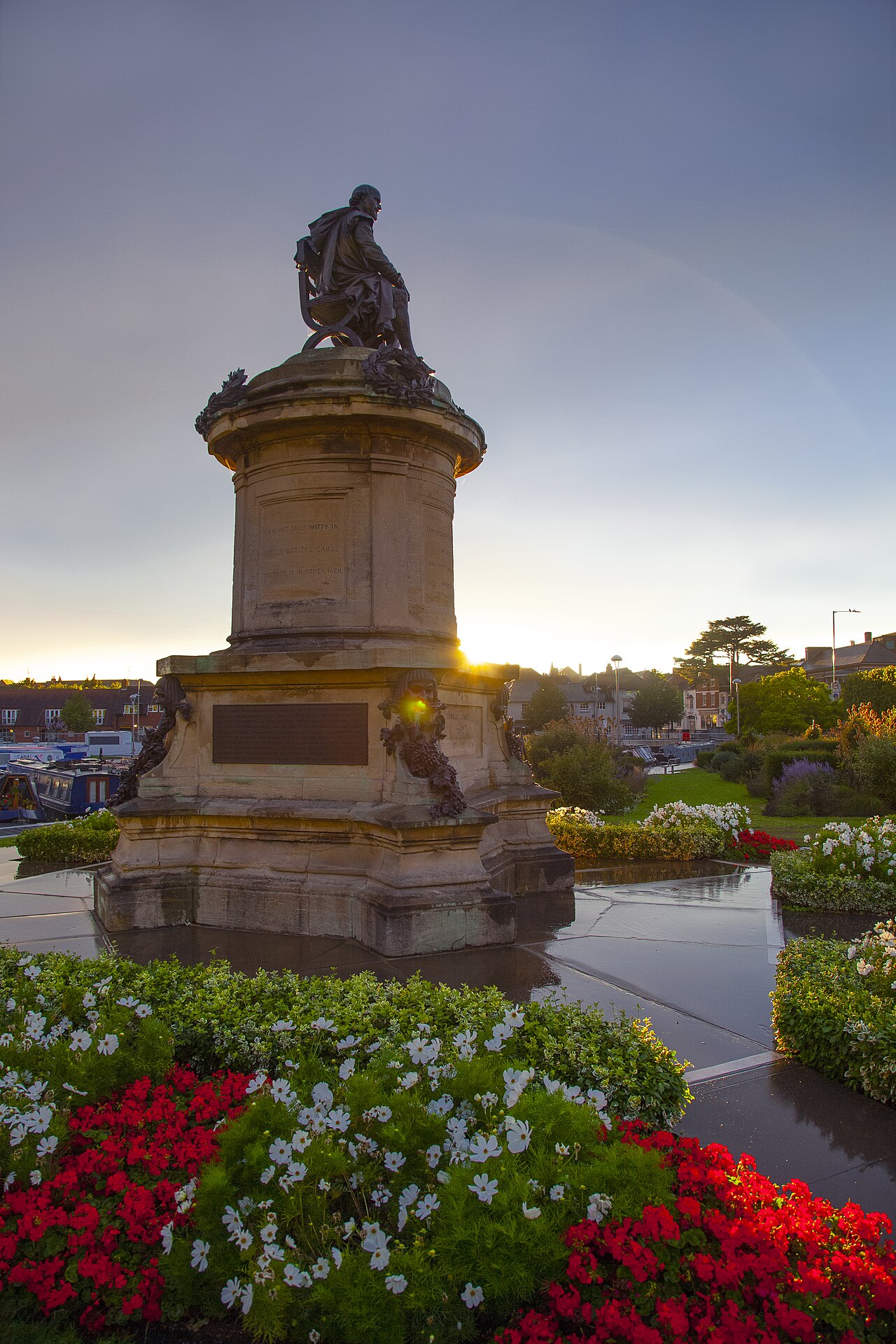
Photograph at sunrise or sunset of the Gower Monument in Stratford-upon-Avon: a bronze seated statue of a figure in a cloak on top of a tall stone pedestal, with a bronze plaque and carved stone details, surrounded by red and white flowerbeds and wet paving.Sculpture

Secondary source

Gower Monument

Drewphemism · Photographed 2018

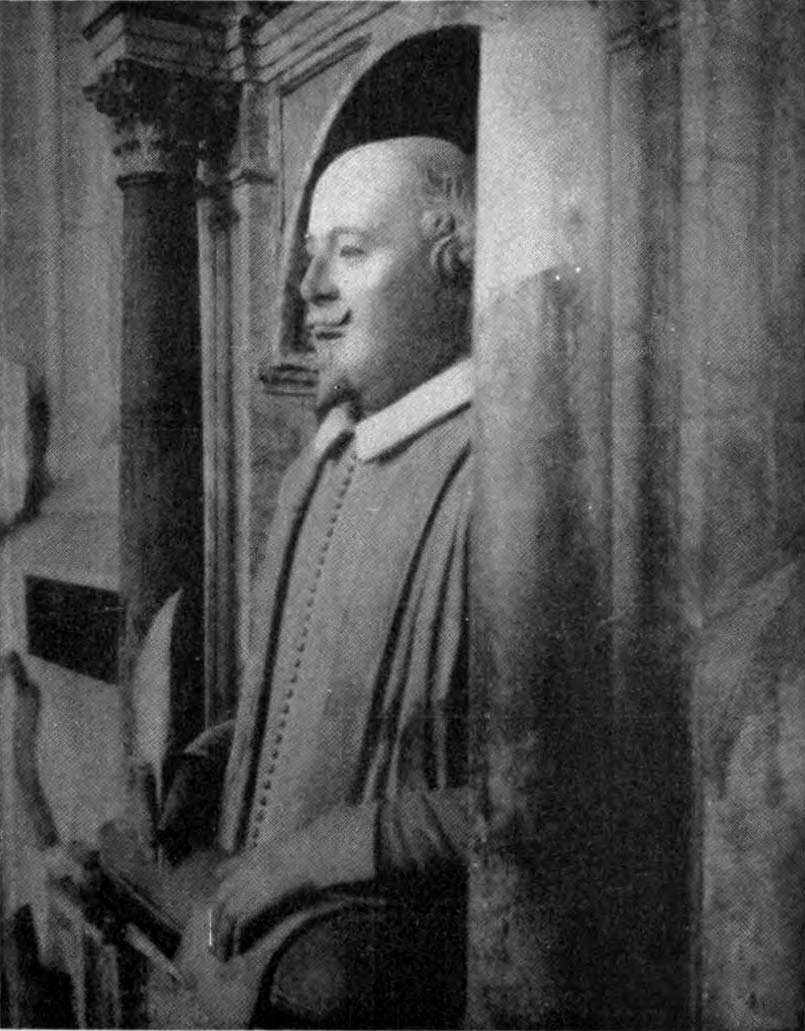
Black-and-white photograph of a carved bust of a balding man with a short mustache, wearing a gown with a white collar, set in an arched niche beside a stone column. A partly blurred pillar stands in the foreground on the right.Photograph

Secondary source

Stratford Bust of William Shakespeare Photograph

Harold Baker · 1911

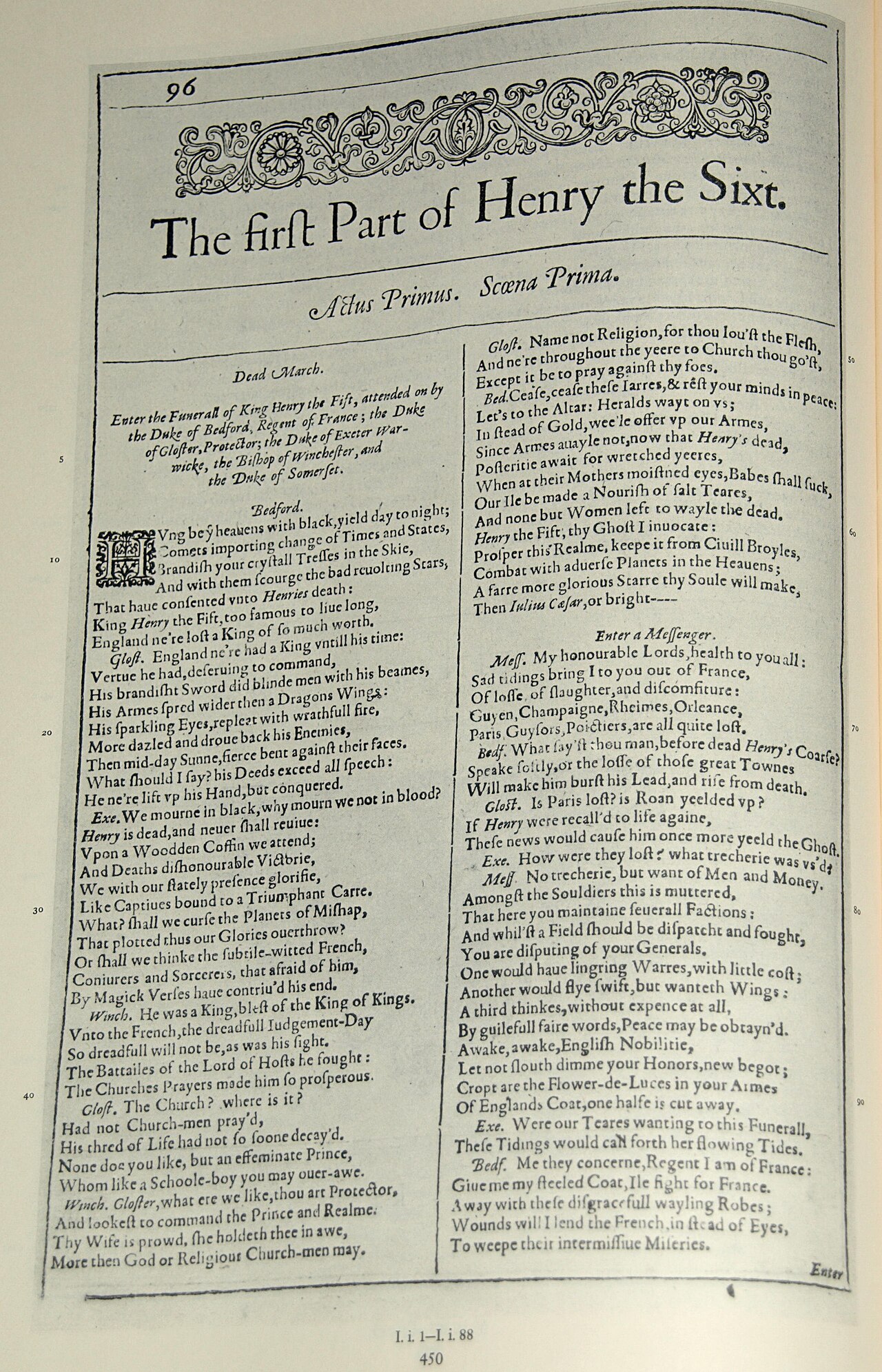
Photograph of a printed page from a facsimile of the First Folio, headed 'The first Part of Henry the Sixt' with an ornamental border, page number 96, and two columns of Early Modern English verse dialogue beneath the heading 'Actus Primus. Scoena Prima.' Stage directions include 'Dead March' and 'Enter the Funerall of King Henry the Fift.'Book

Secondary source

Henry VI, Part 1

William Shakespeare · 1592

Want the full shelf? Chat with William Shakespeare in the app and open the Sources panel — every quote links back to the original.

Trusted by educators worldwide

Conversations
375,000+
Real exchanges between students and historical figures
Messages exchanged
4,142,000+
Across every figure, classroom and language
Historical figures
100,000+
Each informed by a curated biography and selected sources
Languages supported
50+
From English and Spanish to Arabic and Korean

Paying customers

Used by 98 schools and universities

Partner school logo
Tecnológico de Monterrey logo
Hyper Island logo
Partner school logo
Chambersburg Area School District logo
Broward County Public Schools logo
Nebo School District logo
National Louis University logo
South Florida PBS logo
Punahou School logo
University of Wisconsin–River Falls logo
Partner school logo
Partner school logo
Archbishop Mitty High School logo
Kingsburg High School logo
Norwalk Public Schools logo
Partner school logo
Connections logo
Partner school logo
Moore Public Schools logo
Partner school logo
Partner school logo
Partner school logo
Partner school logo
Robbinsville Public Schools logo
Partner school logo
Partner school logo
Partner school logo
Tecnológico de Monterrey logo
Hyper Island logo
Partner school logo
Chambersburg Area School District logo
Broward County Public Schools logo
Nebo School District logo
National Louis University logo
South Florida PBS logo
Punahou School logo
University of Wisconsin–River Falls logo
Partner school logo
Partner school logo
Archbishop Mitty High School logo
Kingsburg High School logo
Norwalk Public Schools logo
Partner school logo
Connections logo
Partner school logo
Moore Public Schools logo
Partner school logo
Partner school logo
Partner school logo
Partner school logo
Robbinsville Public Schools logo
Partner school logo
Partner school logo

What educators are saying

“We enjoyed the program last year and used it frequently.”
“My students say it’s a welcome change of pace. I’m not a fan of the “sage on the stage” model, so I try to incorporate research-oriented and self-paced activities. With Humy, students have to take charge of their learning. They’ve become more adept at critical thinking, forming better questions, and improving their reading comprehension. The interview feature has been my go-to tool. I create assignments where students must ask historical figures a set number of questions, then summarize the responses to ensure they’re truly absorbing the material. This approach lets them actively explore the past rather than passively consuming information.”
“Humy has helped me bring historical figures, sometimes long past, to life. When my students interact with these figures in real-time, it eliminates some of the perceived “ancient” characteristics of my curriculum. This has shifted my students’ thinking away from viewing history as abstract or irrelevant. Real-time interactions make historical figures relatable, even allowing students to ask off-topic questions that help put historical lives in a more relevant context for 13-year-olds. The feature I use the most is the interview feature. After teaching a topic, most recently Gandhi and Joan of Arc, I have the students ask pointed, focused questions. We practice good conversation techniques beforehand, teaching them to listen (or read) carefully and formulate thoughtful follow-up questions rather than just interrogating. It helps students practice effective conversation skills.”

FAQ

Frequently asked questions

Who is William Shakespeare?
English playwright and poet On Humy.ai you can chat with an AI version of William Shakespeare that draws on a short biography and 94 historical sources during the conversation — by text or voice, in 42 languages.
Is William Shakespeare AI free?
William Shakespeare is part of Humy's full library of more than 100,000 figures, which comes with a paid plan. A free account (no credit card) includes 20 messages a month with the free library's figures, so you can try how the conversations work first.
What sources does the William Shakespeare AI use?
It draws on a short biography and 94 historical sources (books, documents and paintings), including “First Folio”, “Profile Drawing of William Shakespeare” and “William Shakespeare engraving by John Henry Robinson”. Each source has its own page on Humy.ai.
How historically accurate is the AI version of William Shakespeare?
Each figure uses a short biography and a small set of selected historical sources as context (retrieval-augmented generation), so answers stay closer to known material than the model's general knowledge alone. It isn't a citation-grade research tool — like any LLM, the AI can get details wrong or extrapolate. Treat it as a strong starting point for inquiry and cross-reference important claims.
Can I talk to William Shakespeare by voice?
Yes. In addition to text chat, you can call William Shakespeare and hear their voice respond in real time — useful for auditory learners, interview practice and Socratic dialogue.
Is Humy.ai safe and compliant for schools?
Yes. Humy.ai is used by more than 100 schools, universities and organisations. The platform is FERPA- and GDPR-aligned, supports SSO, and offers an IT-approval pack tailored for school procurement teams.

Cross-reference William Shakespeare

Like any LLM, the AI version of William Shakespeare can get details wrong. Open one of these sources in a new tab to verify what you’ve read.

Ready when you are

Start chatting with William Shakespeare now.

20 messages free · No credit card · Available in 50+ languages.