


Primary sourceDocument25 March 1616
Shakespeare's Will
William Shakespeare · 25 March 1616
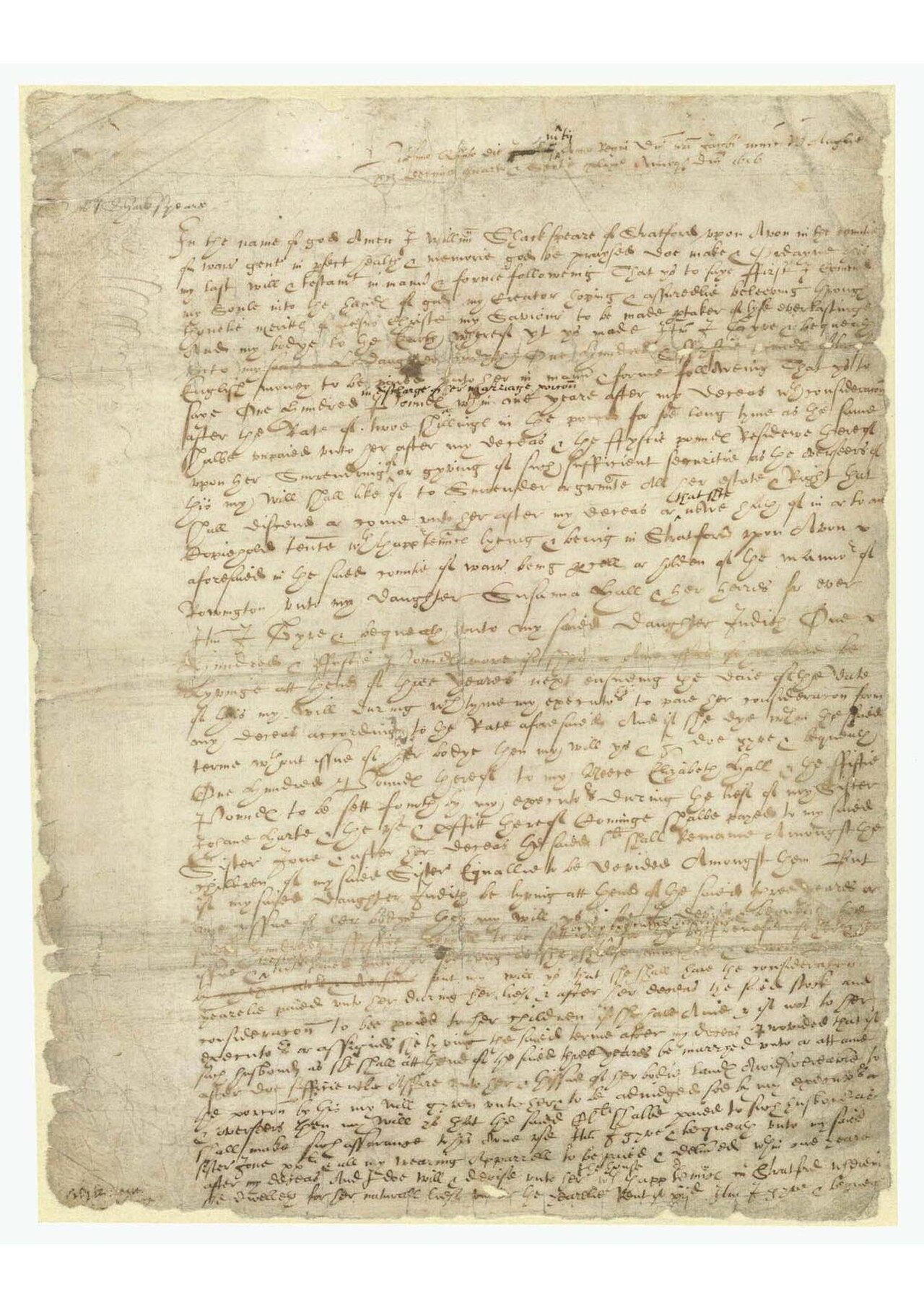
William Shakespeare's handwritten last will and testament, signed in 1616, setting out how his property was to be divided after his death.
Shakespeare himself wrote and signed this will, making it one of the few documents in his own hand.
About this source
What it is
This is the last will and testament of William Shakespeare, signed on three pages shortly before his death in 1616. It is held by the UK National Archives.
Why it matters
The will shows how Shakespeare managed his family's future: most of his property went to his daughter Susanna and her husband John Hall, while his wife Anne received the famous bequest of the "second best bed". It also names friends and fellow actors from the London theatre world, including colleagues who later helped publish his plays. Historians use it to study his wealth, family relationships, and possible religious beliefs.
Look closer
- Why might the wording about the bed have been added later, in a different hand?
- What does the document suggest about who Shakespeare trusted most in his family?
- What is left out of a will that we might want to know about a person's life?
This document is part of the curated material that grounds the AI version of William Shakespeare on Humy.ai — when students ask about related events, the AI can quote it and cite it.
More William Shakespeare sources
Meet the AI William Shakespeare →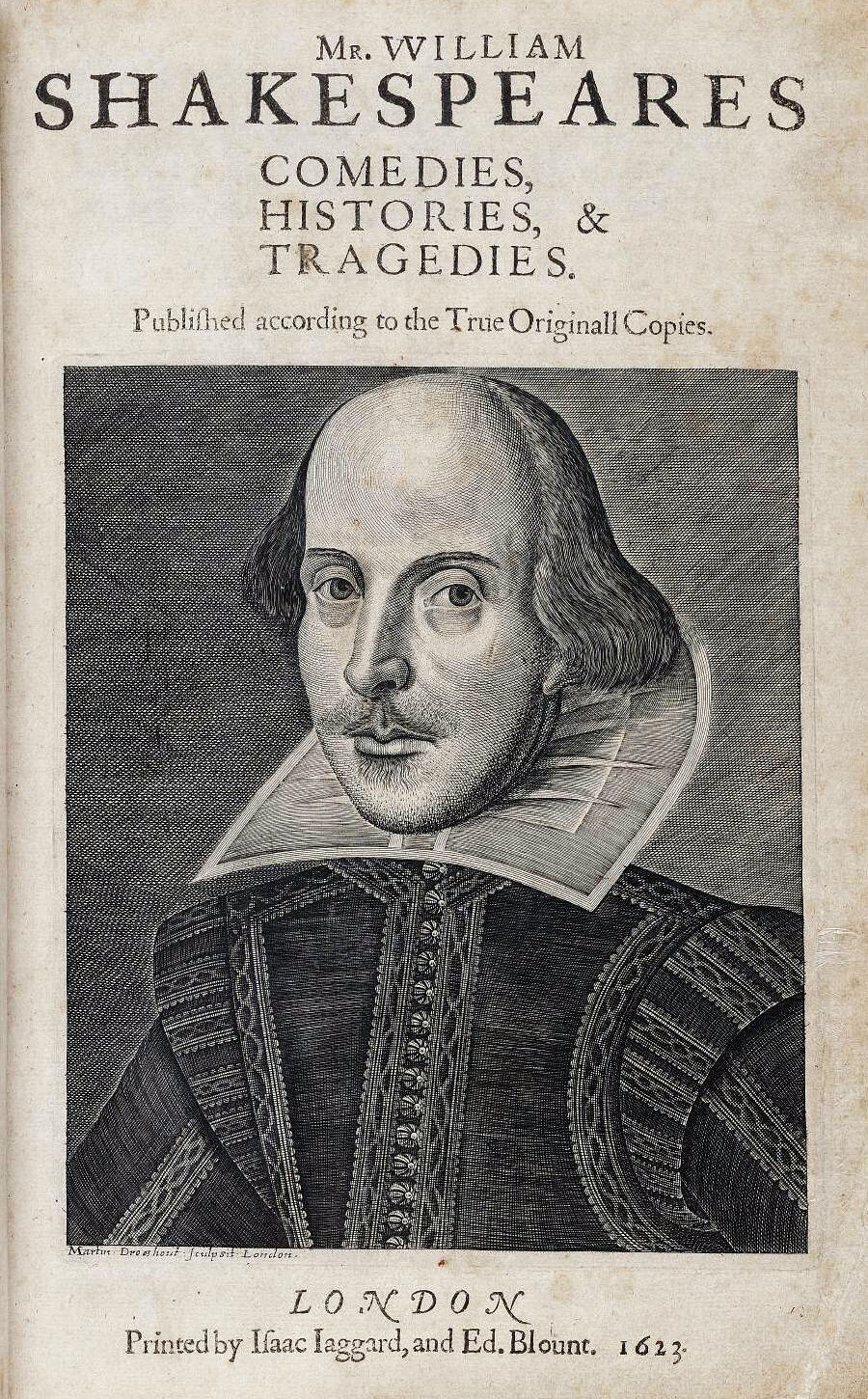 Book
Primary source
First Folio
William Shakespeare · 1623
 Painting
Secondary source
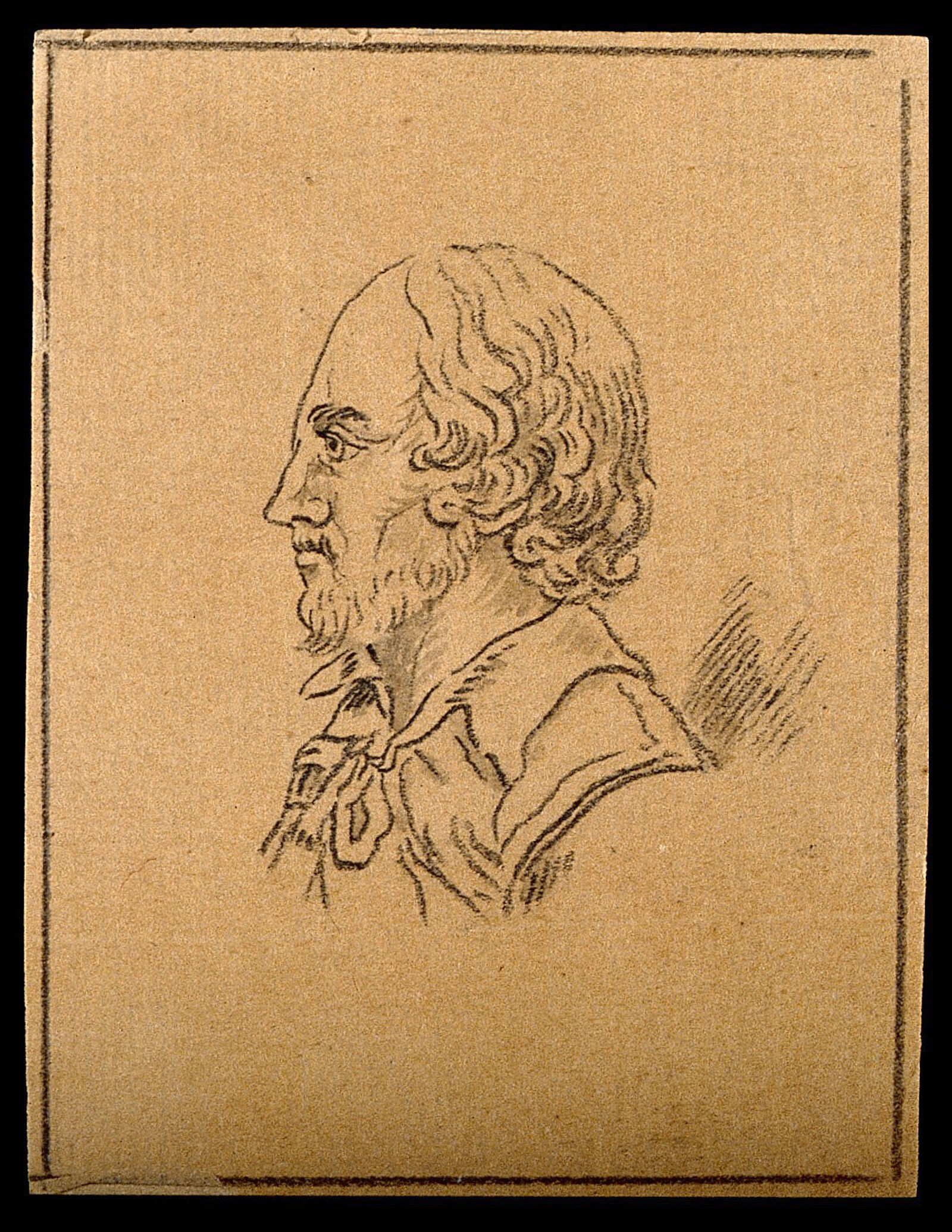
Profile Drawing of William Shakespeare
Johann Kaspar Lavater · c. 1793
 Painting
Secondary source
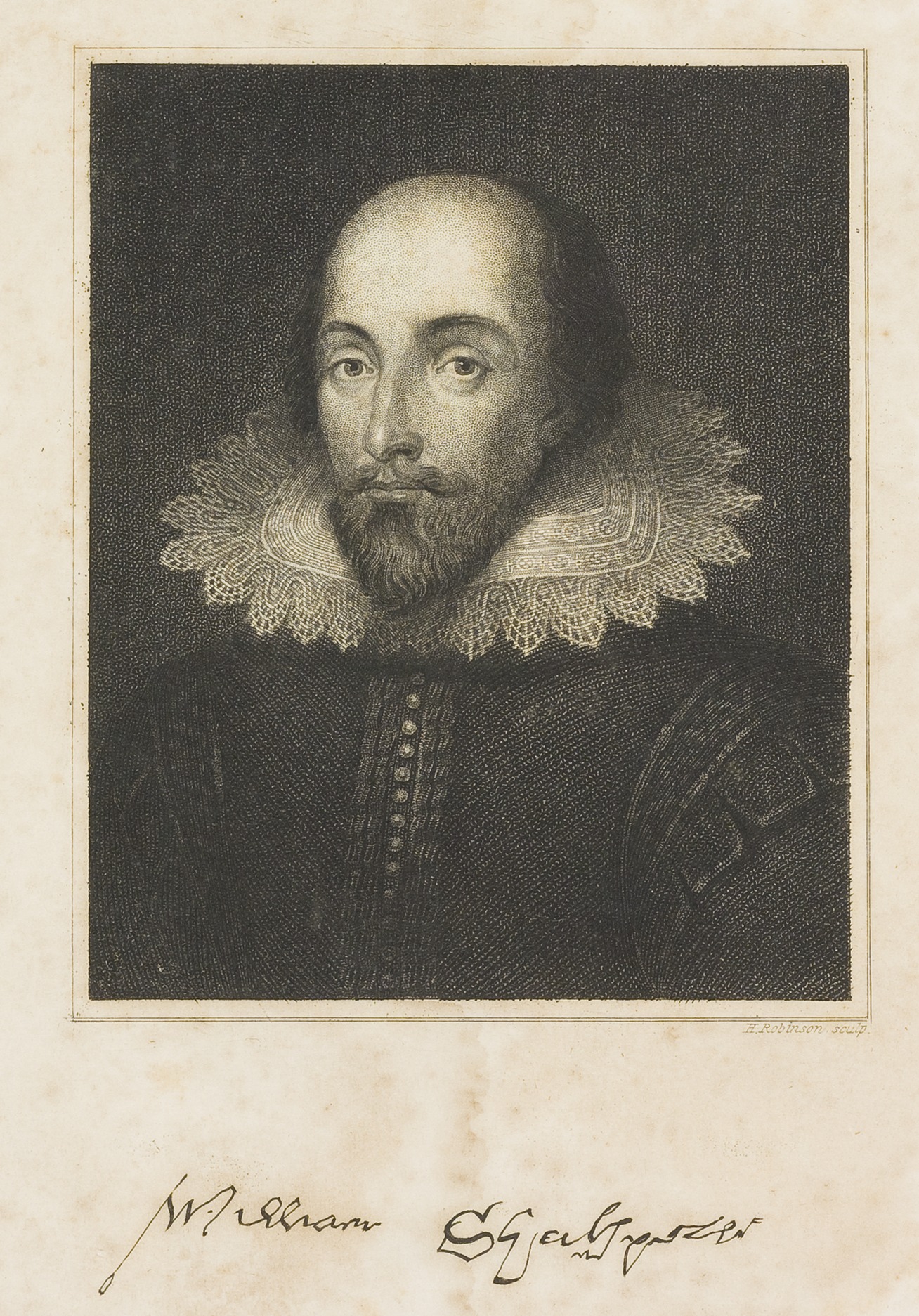
William Shakespeare engraving by John Henry Robinson
John Henry Robinson · 30 November 1827
 Document
Primary source
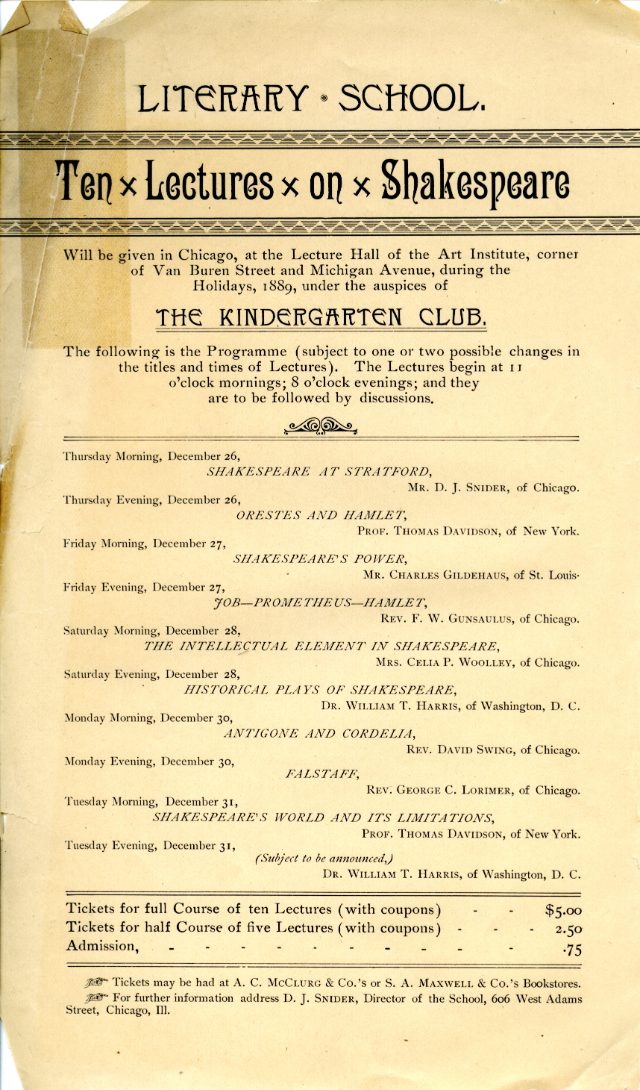
Ten Lectures on Shakespeare
Literary School · 1889
Primary source
Macbeth
William Shakespeare · c. 1606
Ready when you are
Start chatting with William Shakespeare now.
20 messages free · No credit card · Available in 50+ languages.