


Secondary sourcePainting1719
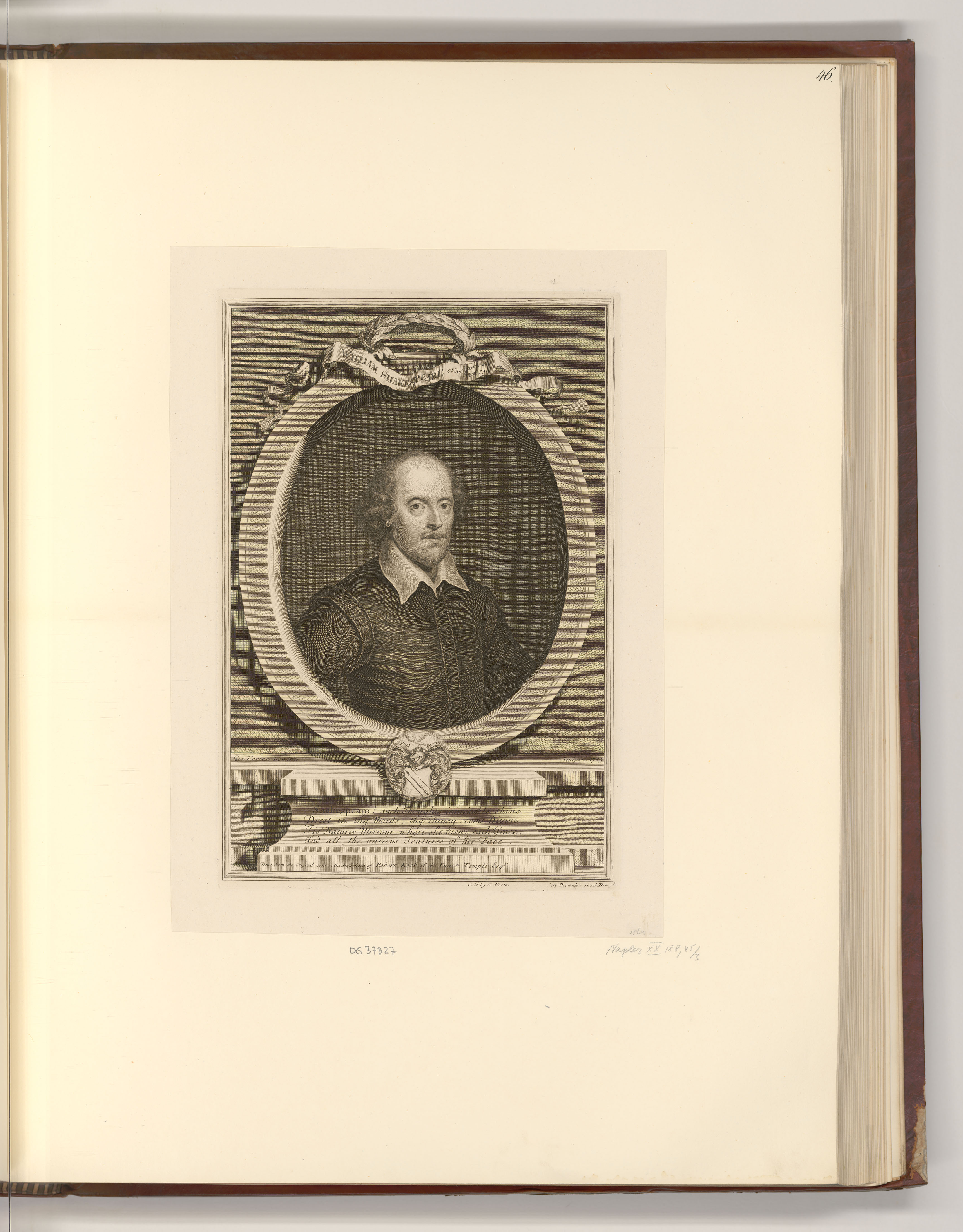
Portrait of William Shakespeare, 1719 engraving
1719
An 18th-century engraved oval portrait of Shakespeare with a laurel wreath, printed in a bound book.
A later idealized portrait of Shakespeare printed in a book, showing how he was honored as a literary figure long after his death.
About this source
What it is
This 1719 engraving shows William Shakespeare in an oval frame, wearing a laurel wreath, with a banner naming him and a coat of arms and four-line verse printed below. It appears on a page of a bound book and is held today by the Albertina Museum in Austria.
Why it matters
Created more than a century after Shakespeare's death, this portrait was not drawn from life but reflects how 18th-century publishers and readers imagined and honored him as a great writer. The laurel wreath, a traditional symbol of poetic achievement, and the coat of arms show Shakespeare being presented as a classic literary figure worthy of lasting fame, likely as part of a printed edition of his works.
Why it matters
Look closer
- Why might the artist have chosen a laurel wreath to decorate Shakespeare's image?
- What might the coat of arms and verse beneath the portrait be trying to say about Shakespeare's status?
- How does this printed book portrait differ from a photograph or a portrait painted from life?
This painting is part of the curated material that grounds the AI version of William Shakespeare on Humy.ai — when students ask about related events, the AI can quote it and cite it.
More William Shakespeare sources
Meet the AI William Shakespeare →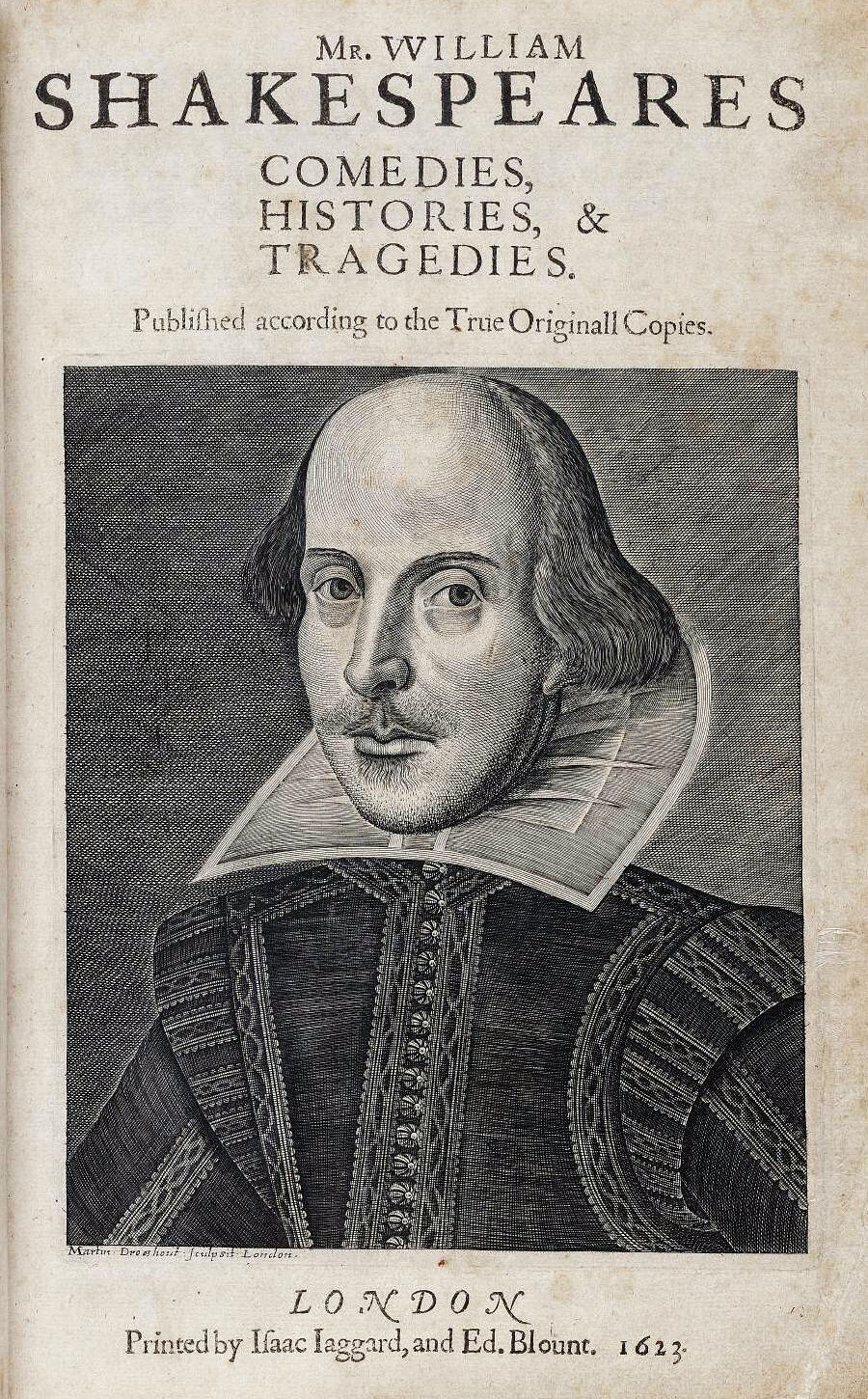 Book
Primary source
First Folio
William Shakespeare · 1623
 Painting
Secondary source
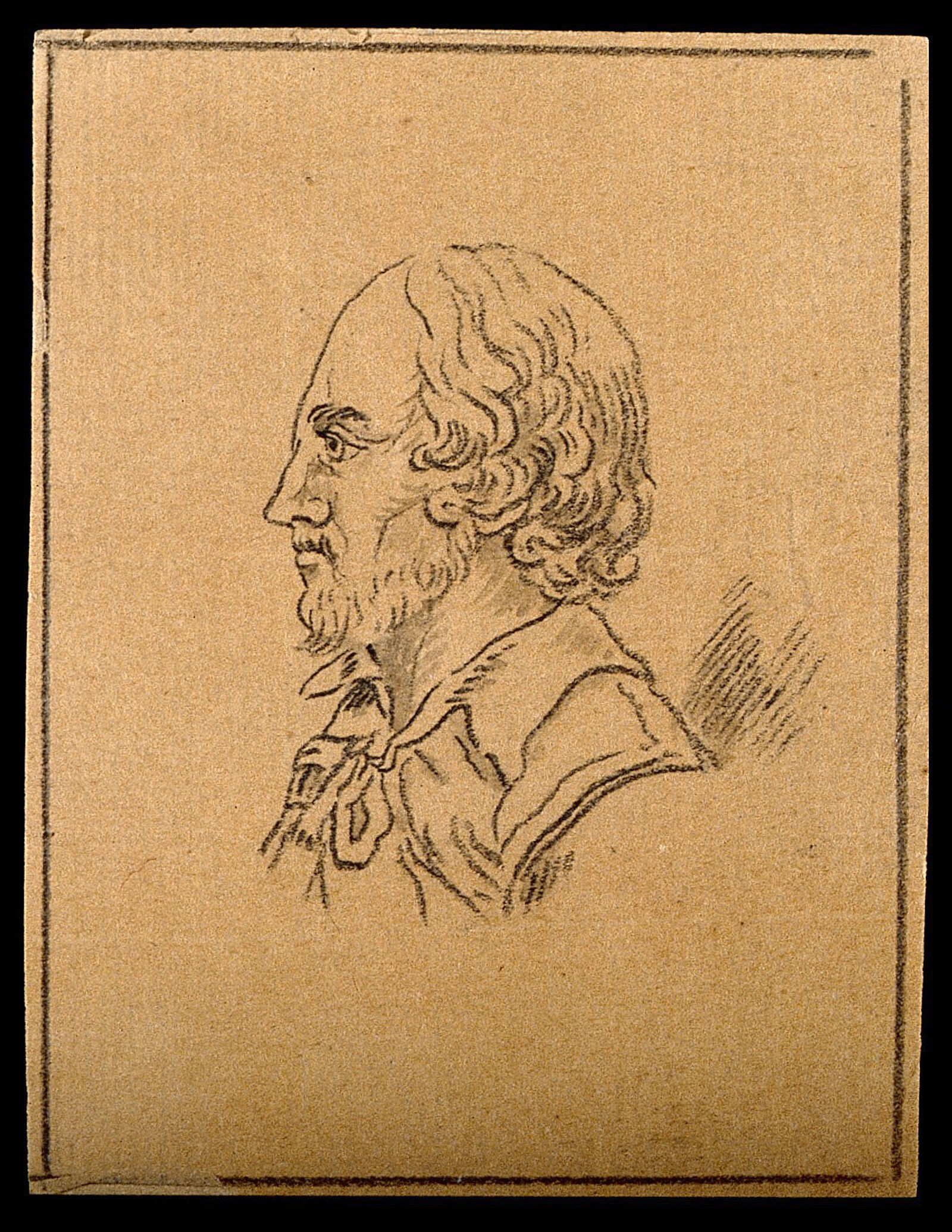
Profile Drawing of William Shakespeare
Johann Kaspar Lavater · c. 1793
 Painting
Secondary source
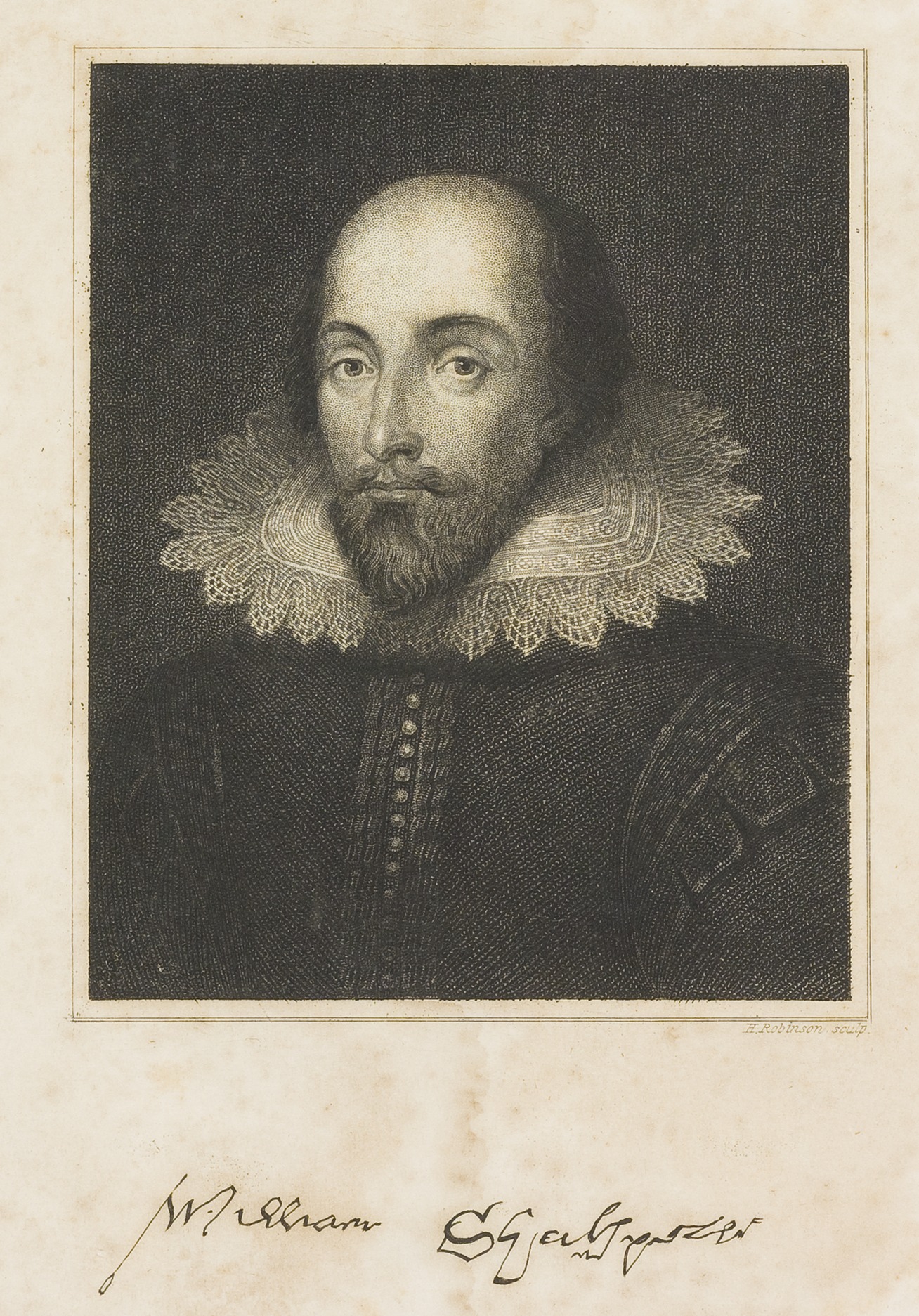
William Shakespeare engraving by John Henry Robinson
John Henry Robinson · 30 November 1827
 Document
Primary source
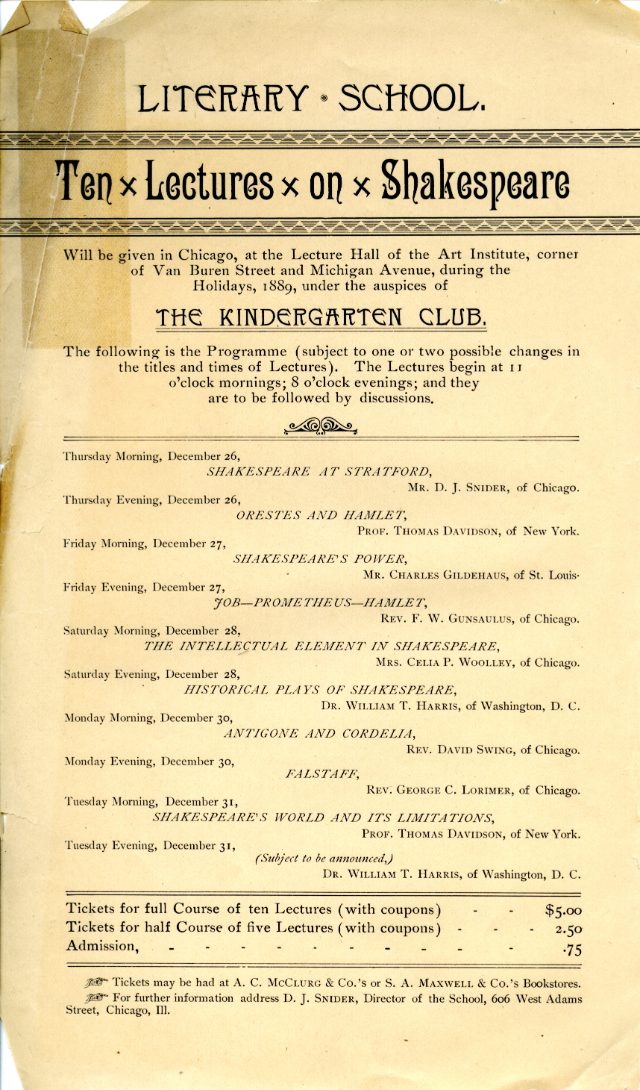
Ten Lectures on Shakespeare
Literary School · 1889
Primary source
Macbeth
William Shakespeare · c. 1606
Ready when you are
Start chatting with William Shakespeare now.
20 messages free · No credit card · Available in 50+ languages.