


Primary sourceSpeechc. 1600-1601
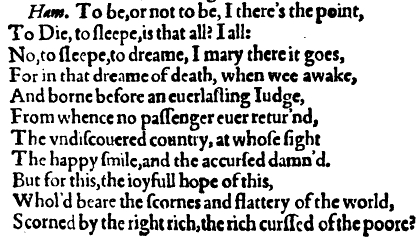
To be, or not to be
William Shakespeare · c. 1600-1601
Hamlet's famous soliloquy from Shakespeare's play, weighing life, death and suicide in a moment of private thought.
Shakespeare wrote this soliloquy as part of his play Hamlet, showcasing his technique of dramatised inner thought.
About this source
What it is
This monologue, spoken by Prince Hamlet in Act 3 of Shakespeare's play Hamlet, is one of the most quoted passages in English literature. It survives in several early printed texts, including the First Quarto (1603), Second Quarto (1604) and First Folio (1623), which differ slightly in wording.
Why it matters
The speech shows Shakespeare's skill at putting a character's private thoughts directly into words for an audience, a technique that shaped how later writers portrayed inner conflict. Because several early printed versions exist with small differences, it also shows how unstable and changeable printed texts of plays were in Shakespeare's time.
Look closer
- Why do the different early printed versions of this speech not match exactly?
- What does Hamlet seem to be weighing up as he speaks?
- Why might this speech have become so widely quoted centuries later?
This speech is part of the curated material that grounds the AI version of William Shakespeare on Humy.ai — when students ask about related events, the AI can quote it and cite it.
More William Shakespeare sources
Meet the AI William Shakespeare →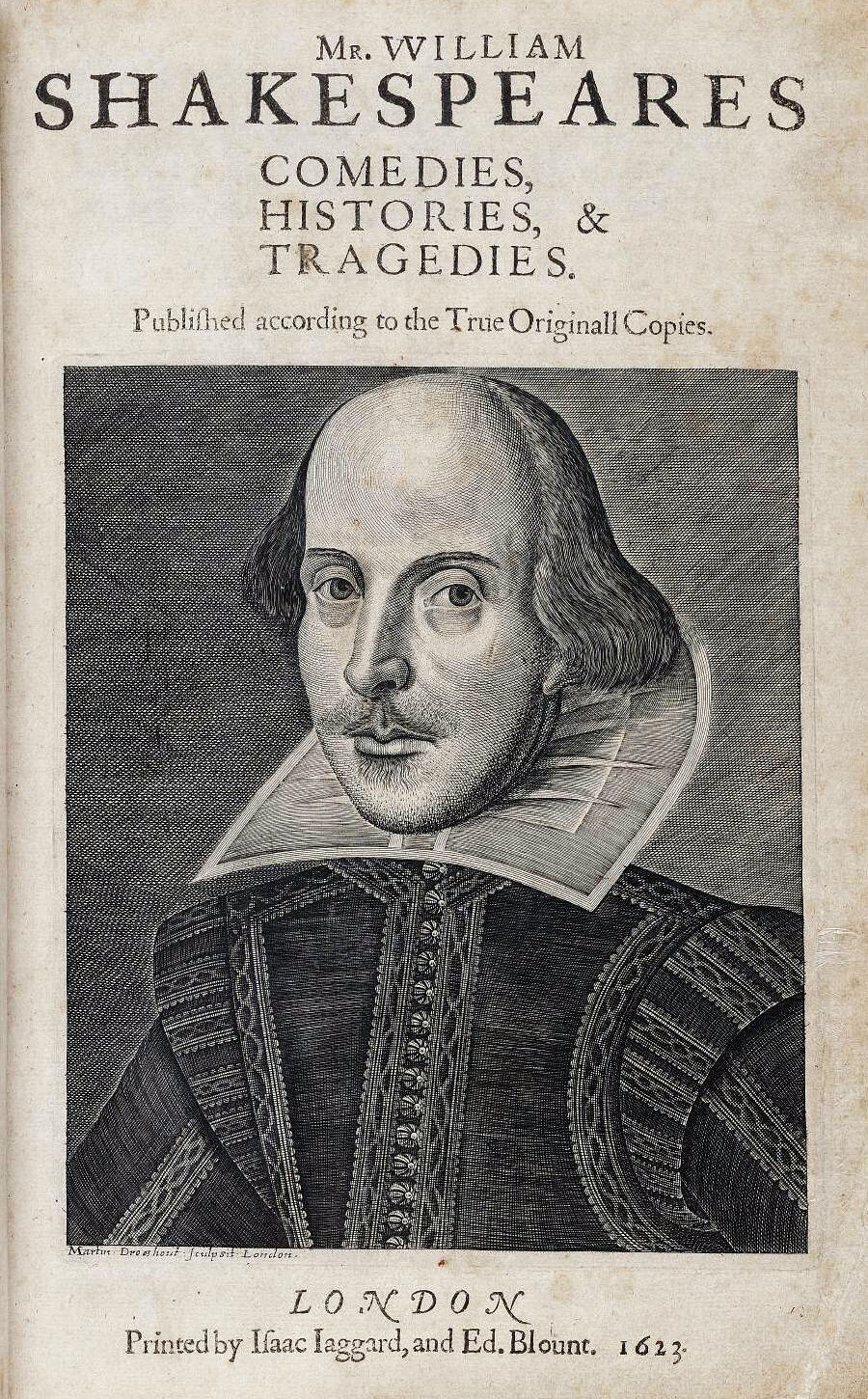 Book
Primary source
First Folio
William Shakespeare · 1623
 Painting
Secondary source
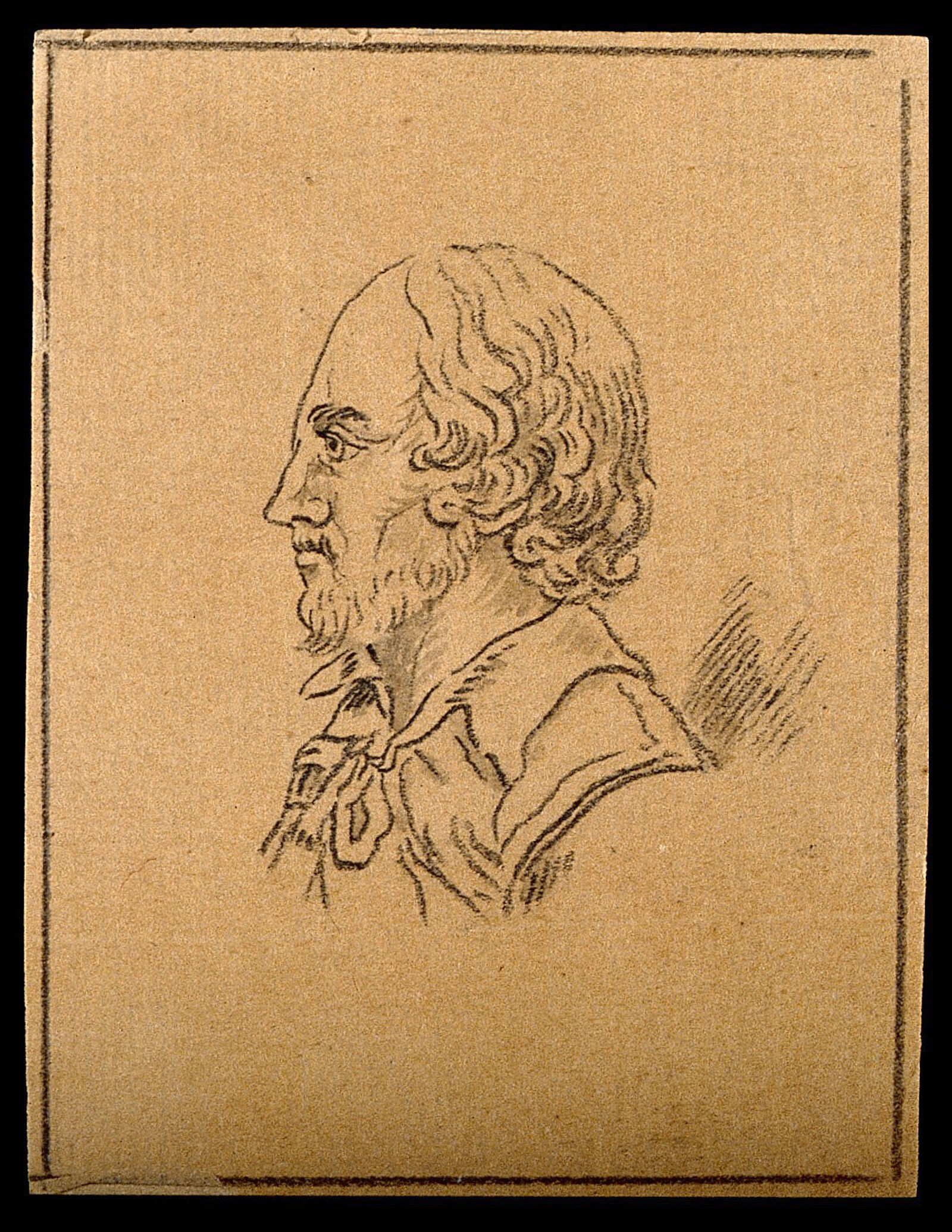
Profile Drawing of William Shakespeare
Johann Kaspar Lavater · c. 1793
 Painting
Secondary source
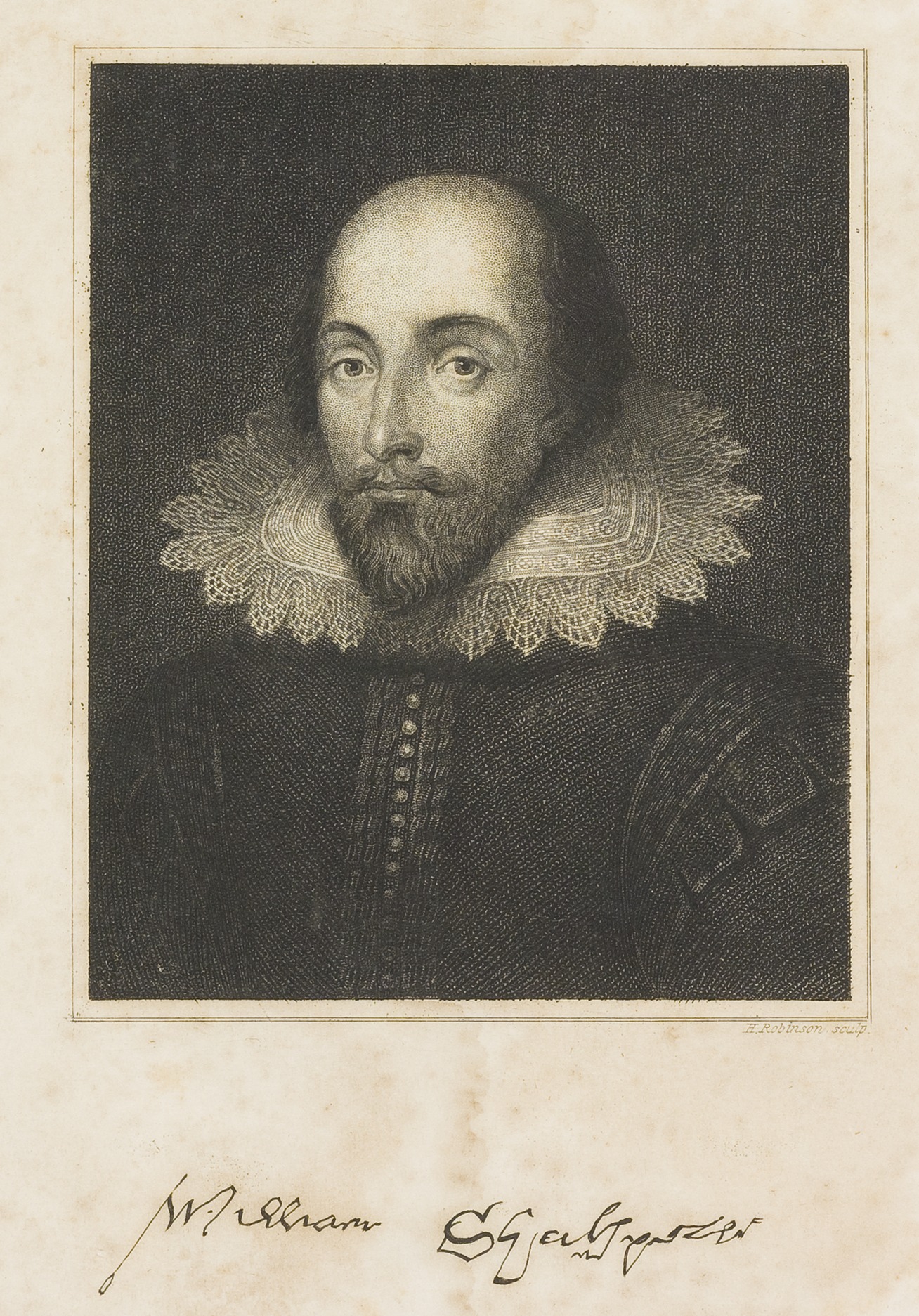
William Shakespeare engraving by John Henry Robinson
John Henry Robinson · 30 November 1827
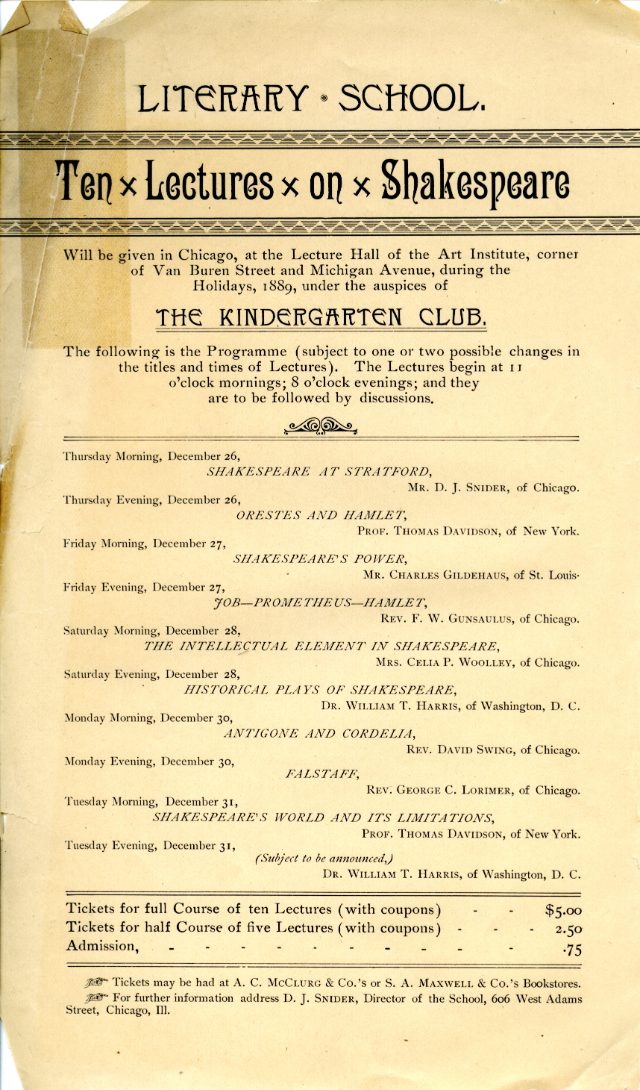 Document
Primary source
Ten Lectures on Shakespeare
Literary School · 1889
Primary source
Macbeth
William Shakespeare · c. 1606
Ready when you are
Start chatting with William Shakespeare now.
20 messages free · No credit card · Available in 50+ languages.